
1. Gelatin-Encased Salads
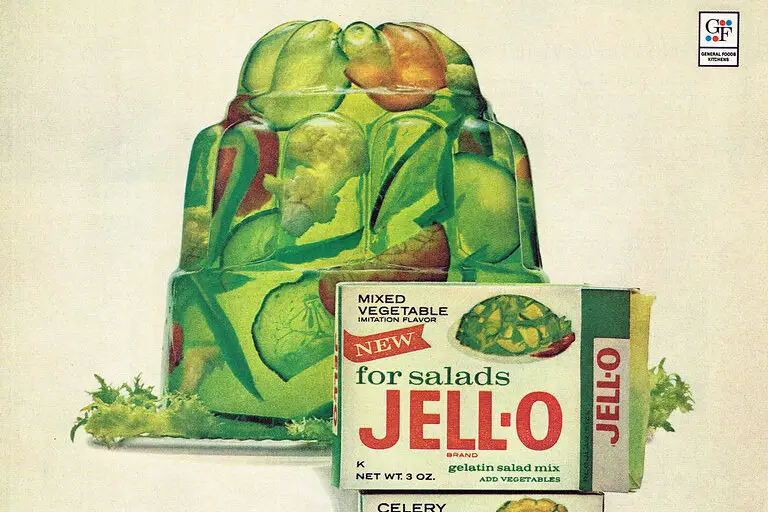
There was a time in the ’50s when housewives were told that the secret to a well-rounded meal was suspending just about anything in gelatin. Veggies, meats, and even hard-boiled eggs wound up inside wiggly, shimmering molds that were supposed to impress dinner guests. Advertisements promised that these “salads” were modern, efficient, and elegant, even though they sometimes looked like leftovers trapped in amber. Women were encouraged to whip them up for holidays, bridge club, or even as centerpieces.
Some of these dishes were sweet, some were savory, and most were deeply confusing to the modern palate. The idea was that gelatin could elevate a humble ingredient into something glamorous. But many families discovered that glamorous didn’t always translate to appetizing. Still, the trend became so widespread that nearly every cookbook included at least a few versions, no matter how strange.
2. Canned Meatwich Spreads

If you were a busy ’50s homemaker, chances are you saw ads boasting about the convenience of ready-to-spread meat in a can. These spreads promised protein-packed lunches with zero effort, which sounded like magic in an era when convenience foods were just taking off. Housewives were encouraged to smear it onto bread, crackers, or celery sticks and present it as a wholesome snack.
But the taste often left something to be desired, and the texture didn’t help much. Some were pasty, others oddly gelatinous, and almost all had a mystery-meat element that raised questions better left unanswered. Still, advertisers painted them as sophisticated, especially when placed next to pastel kitchenware in glossy magazine pages. Many families kept at least one can tucked in the pantry “just in case.”
3. Prune Whip Desserts
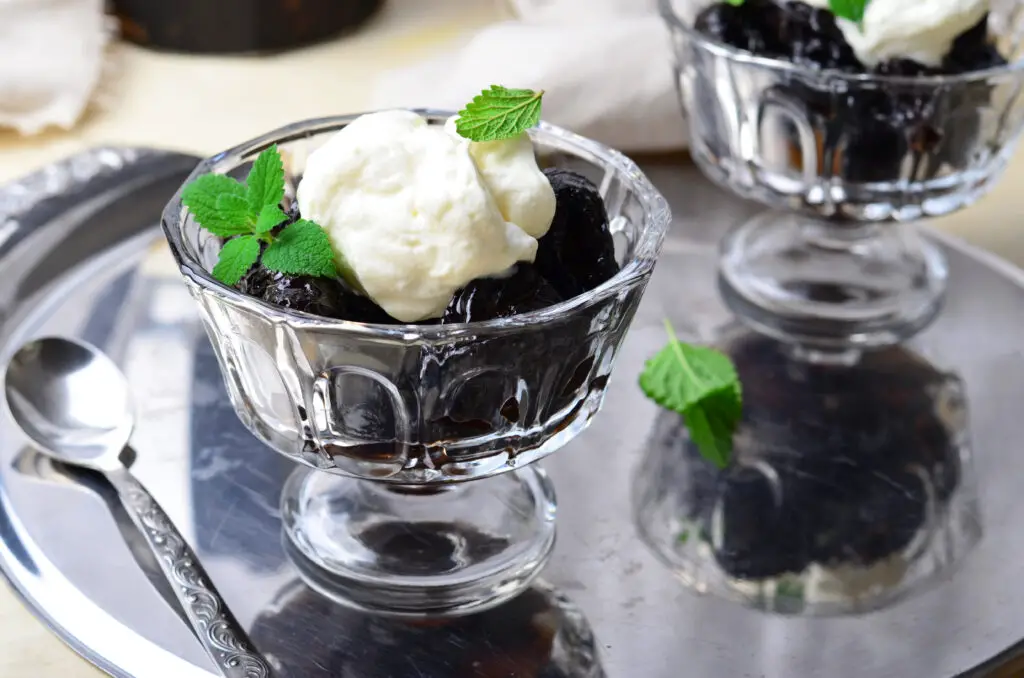
Prunes were having a major moment in the ’50s, especially when companies pitched them as health-boosting treats. One popular idea was “prune whip,” a fluffy concoction made with pureed prunes and whipped egg whites. Ads insisted it was both virtuous and surprisingly tasty, nudging homemakers to serve it after Sunday dinners.
In reality, prune whip had a texture somewhere between mousse and baby food, which made it a hard sell for kids. Still, the dessert earned loyal fans who believed it was nutritious and modern. The whipped texture was considered sophisticated, and it gave prunes a makeover they’d never had before. Even today, vintage cookbooks occasionally feature versions of the recipe.
4. Banana and Mayonnaise Sandwiches
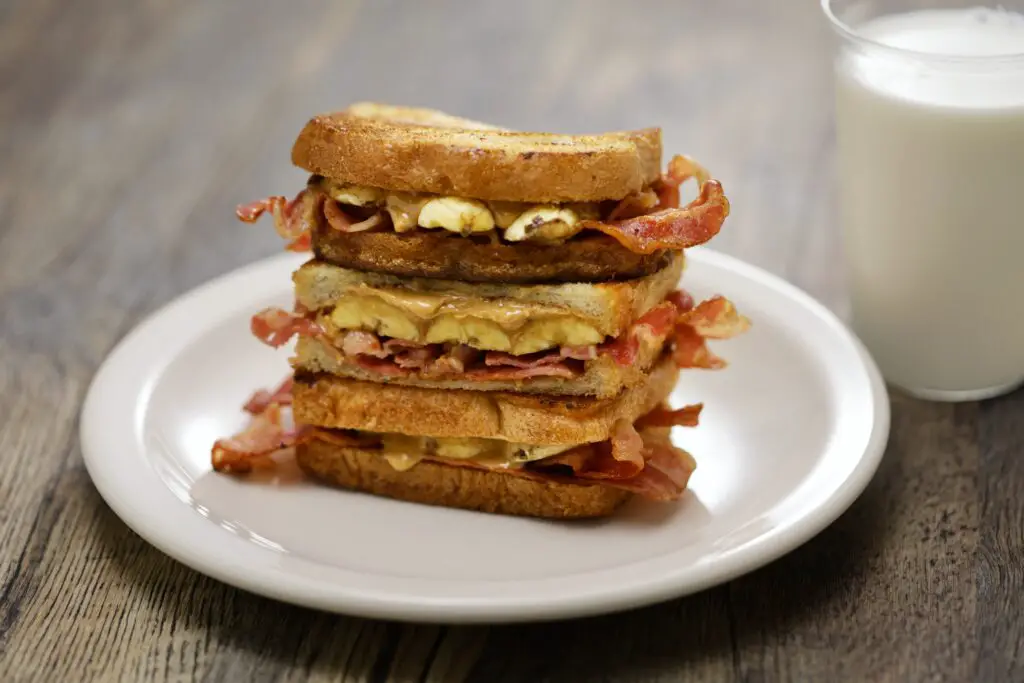
Yes, this unusual pairing was not only eaten but advertised proudly to homemakers looking for quick snacks. Ads encouraged women to pair sliced bananas with a generous smear of mayo on white bread, calling it a “refreshing taste sensation.” The combination was supposed to hit all the right notes, from creamy to sweet to tangy.
Kids either loved it or hated it, and there was rarely any middle ground. Some families added lettuce to make it seem more like a proper sandwich. Others sprinkled sugar on top, which somehow made it even stranger. But in the ’50s, experimentation was seen as adventurous, especially when convenience foods were becoming more common.
5. Liver Pâté Ring Molds
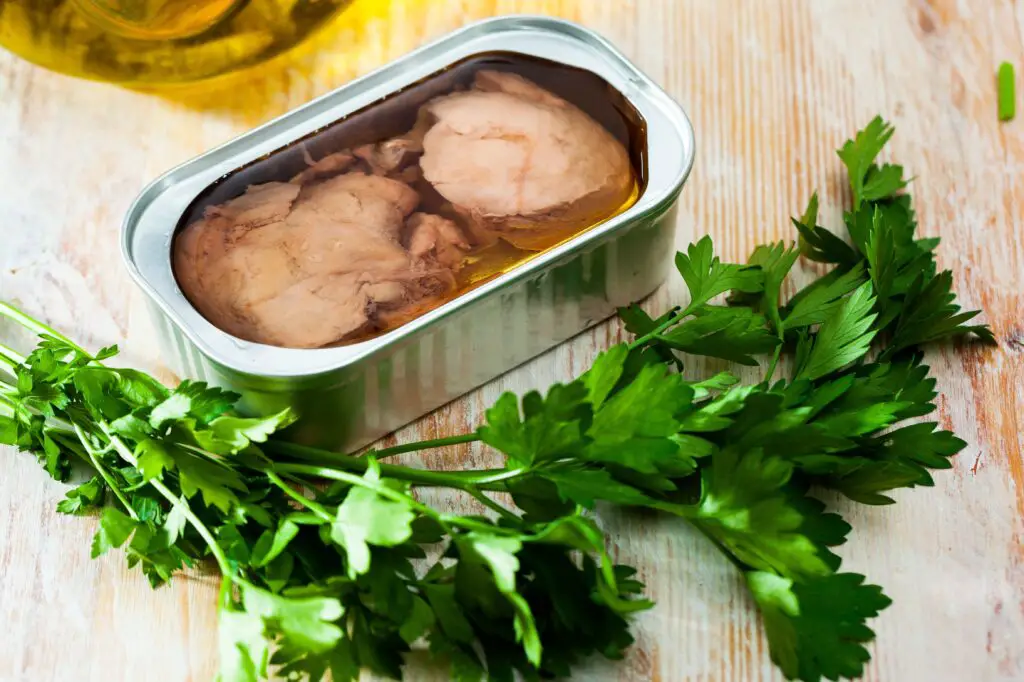
Liver was marketed heavily in the ’50s because it was inexpensive and filled with nutrients, or so the ads claimed. But the real twist came when companies suggested molding it into a gelatin ring adorned with olives, pickles, or vegetables. The result looked festive in a mid-century sort of way, though it didn’t always smell that festive.
Women were told it was the height of sophistication and a guaranteed showstopper at cocktail parties. Even if the flavor wasn’t universally loved, the presentation was meant to impress. Some served it with crackers, while others placed it in the center of a cold salad platter. It was an ambitious dish, even if it didn’t always win fans.
6. Canned Chicken à la King
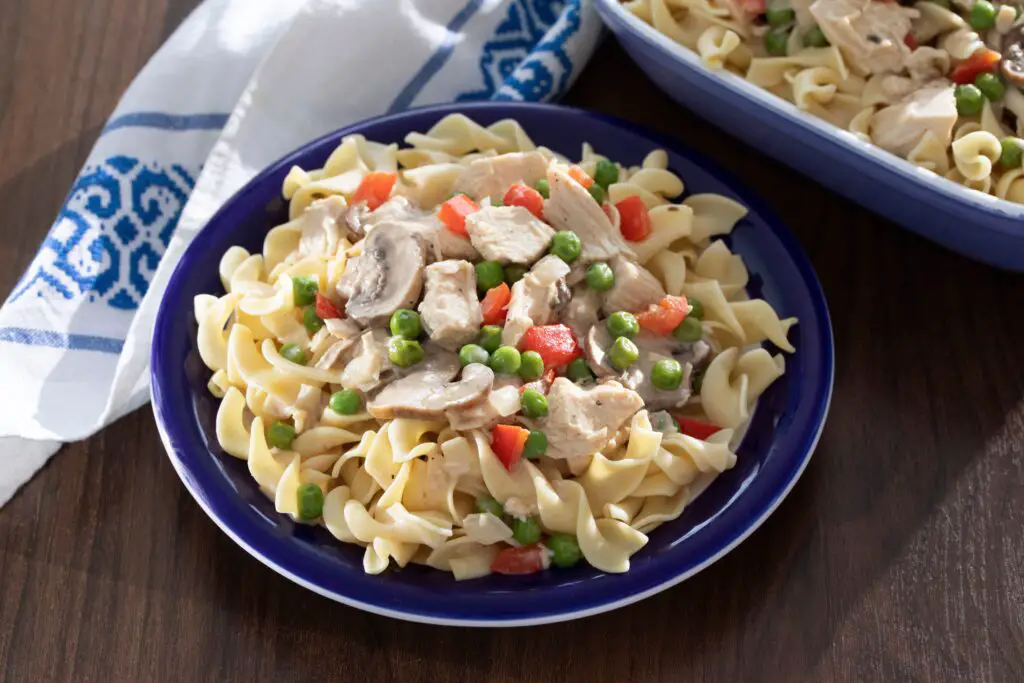
Chicken à la King was a restaurant favorite, so food companies quickly created canned versions for homemakers who wanted a shortcut. These colorful ads insisted that pouring the creamy mixture over toast or rice would make a company-ready meal. It sounded simple, elegant, and very of-the-moment.
The canned version, however, often lacked the richness of the homemade dish. Sometimes it was runnier, sometimes thicker, and sometimes oddly bland. But it offered convenience at a time when juggling household duties was a full-time job. As a result, many kitchens had at least one can waiting in the cupboard for busy days.
7. Pineapple and Cottage Cheese Entrées
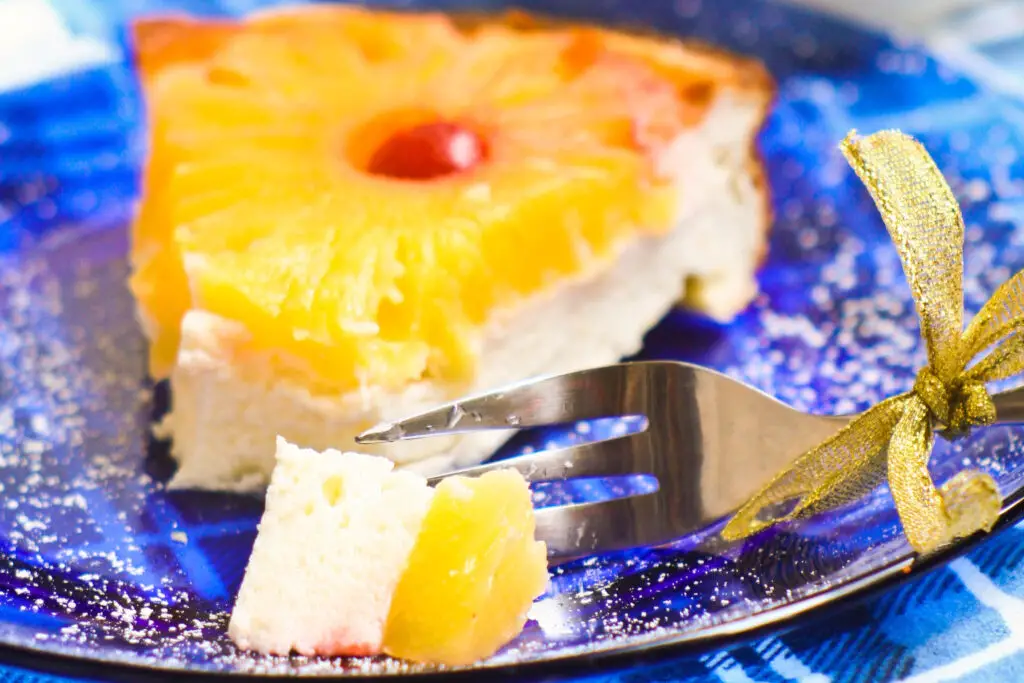
A staple of mid-century diet culture, pineapple rings topped with cottage cheese were marketed as exotically healthy. Print ads showed them arranged in perfect symmetry, often garnished with maraschino cherries for a pop of color. Homemakers were told this was both slimming and satisfying, a glamorous escape to the tropics.
Kids often regarded it with suspicion, unsure whether it counted as dinner or dessert. The textures clashed, and the sweetness of the pineapple made the cottage cheese taste even tangier. But in the ’50s, “tropical” foods were considered chic. Many families kept canned pineapple on hand specifically for this combination.
8. Sardine and Tomato Aspic
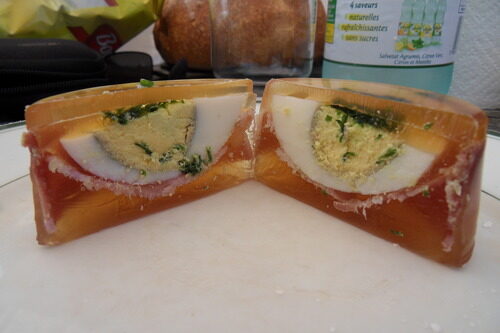
Aspics were everywhere in the ’50s, and this savory version made regular appearances in advertisements. Sardines, tomatoes, and seasonings were suspended in a wobbly mold that promised high protein and big flavor. Housewives were encouraged to serve it sliced with crackers or leafy greens.
The result was a bold blend that often divided households. The fishy aroma combined with the tangy tomato base created a unique scent that filled the kitchen quickly. But advertisers insisted it was elegant, especially for luncheons. While it didn’t become a long-term favorite, it definitely made an impression.
9. Canned Ham Glazes with Marshmallows

Companies loved promoting inventive ways to dress up canned ham, and marshmallow glazes appeared more often than you’d expect. Ads encouraged homemakers to melt marshmallows with mustard or fruit juice to create a sticky, shiny topping. It sounded festive and modern, which appealed to many families.
The flavor, however, could be polarizing, with the sweetness sometimes overpowering the salty ham. Kids often loved the novelty, but adults weren’t always convinced. Still, the idea stuck around long enough to appear in many mid-century cookbooks. The blend of convenience and creativity was right in line with the era’s adventurous spirit.
10. Spaghetti-Stuffed Hot Dogs

In an effort to make weeknight meals more exciting, some ads suggested slicing hot dogs lengthwise and stuffing them with cooked spaghetti before baking the whole thing in tomato sauce. It was billed as a fun, family-friendly dish that would make dinner feel special. Kids supposedly adored the playful presentation.
In practice, it was a bit messy to assemble, and the textures didn’t always cooperate. But the novelty was appealing in an era when homemakers were seeking ways to surprise the family. Some versions even added cheese or vegetables for extra flair. It might not have stood the test of time, but it was certainly memorable.
11. Frosted Sandwich Loaves

These towering creations looked like cakes on the outside but were actually layered sandwiches smothered in flavored cream cheese. Ads recommended them for parties, encouraging homemakers to decorate the loaves with olives, parsley, or piping made from tinted spreads. They photographed beautifully, which made them popular in magazines.
But cutting into one revealed layers of fillings like egg salad, tuna salad, and ham salad, all stacked together. The taste surprised guests expecting something sweet. Still, they were considered stylish and impressive in the ’50s. Many recipes encouraged housewives to personalize the fillings, making each loaf a creative project.
12. Deviled Ham and Fruit Salad
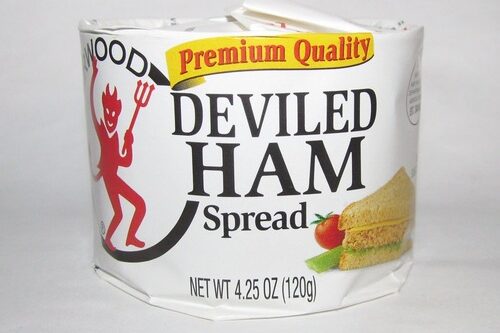
Mixing deviled ham with fruit was promoted as a bold new twist on traditional salads. Ads showed diced pineapple, grapes, and apples tossed with the savory spread and a creamy dressing. The flavor combination was meant to feel both refreshing and hearty.
Not everyone appreciated the contrast, though some homemakers swore by it. It was a quick dish that required little prep, which was part of its charm. Families either loved it or politely pushed it around their plates. Like many ’50s trends, it reflected a willingness to experiment in the kitchen, even when the results were unconventional.