
1. Bloodletting Was Considered a Cure for Almost Everything

For centuries, doctors believed that removing blood from the body could restore health. The idea came from the ancient theory of the four humors, which claimed illness happened when bodily fluids fell out of balance. Physicians would cut a vein or use leeches to drain blood in hopes of correcting the problem. It was prescribed for everything from fever to headaches to mental illness. In many cases, patients were already weak from disease, so the practice often made things worse.
Bloodletting stayed popular well into the 1800s, even as medical knowledge slowly improved. One famous example involved George Washington, who had nearly half his blood removed during a severe throat infection before he died in 1799. At the time, doctors believed they were helping him. Today, the idea of treating illness by intentionally draining blood seems shocking. Modern medicine now understands that blood loss usually weakens the body instead of healing it.
2. Smoking Was Recommended for Lung Health

It sounds almost absurd today, but there was a time when doctors actually promoted cigarettes. In the early 20th century, some medical advertisements suggested smoking could soothe the throat or help with respiratory irritation. Tobacco companies even featured physicians in ads claiming certain brands were gentle on the lungs. Patients were sometimes told smoking might calm nerves or relieve stress.
Part of the reason this belief persisted was that the long-term health effects of smoking were not yet widely understood. Scientific studies linking cigarettes to lung cancer and heart disease did not become widely accepted until the 1950s and 1960s. Before then, cigarettes were often marketed as a normal part of daily life. Looking back, the idea that doctors once encouraged smoking feels almost surreal. It stands as one of the clearest examples of how medical advice can change dramatically over time.
3. Babies Should Be Left Alone So They Wouldn’t Become “Spoiled”

In the early 20th century, some doctors believed parents should avoid comforting crying babies too often. The idea was that too much affection would make children weak or overly dependent. Parents were advised to follow strict feeding and sleeping schedules instead of responding to a baby’s needs immediately. Some parenting manuals even warned that picking up a crying baby too quickly would create bad habits.
Many families followed this advice because it came from respected pediatric authorities. But over time, research in psychology and child development showed that responsive caregiving actually helps babies feel secure. Studies later confirmed that physical contact and comfort support healthy emotional development. Today, most pediatricians encourage parents to respond to their infants’ signals. The old fear of “spoiling” babies by showing too much affection has largely disappeared.
4. Cocaine Was Used as a Medical Treatment
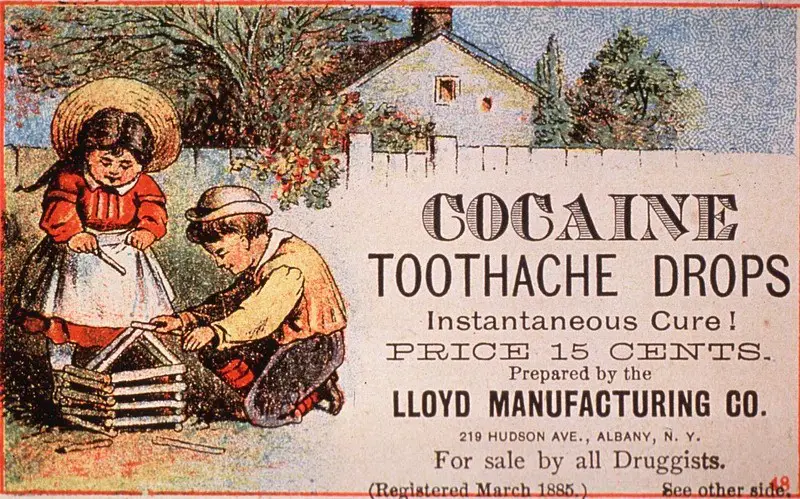
In the late 1800s and early 1900s, cocaine was widely used in medicine. Doctors prescribed it as a local anesthetic and sometimes recommended it for toothaches, fatigue, and even depression. Because its addictive properties were not fully understood at first, it appeared in a surprising number of treatments. Some tonics and medicines even contained small amounts of the drug.
Physicians believed cocaine could stimulate the nervous system and improve mood. Sigmund Freud famously wrote about its potential benefits in the 1880s before its dangers became clearer. Over time, doctors began noticing severe addiction and health consequences among patients. By the early 20th century, governments started restricting its medical use. Today, the casual medical use of cocaine sounds almost unbelievable.
5. Mercury Was Prescribed as Medicine

Mercury is now known as a highly toxic substance, but doctors once used it regularly as treatment. In earlier centuries, it was commonly prescribed for illnesses such as syphilis. Physicians believed it helped purge harmful substances from the body. Mercury compounds appeared in ointments, pills, and even vapors that patients inhaled.
Unfortunately, mercury poisoning caused severe side effects including tremors, organ damage, and neurological problems. Many patients became seriously ill from the treatment itself. At the time, however, doctors had limited options for treating certain diseases. It was not until antibiotics were developed in the 20th century that safer treatments replaced mercury therapy. Today it is hard to imagine doctors deliberately giving a known poison as medicine.
6. Women’s Health Problems Were Blamed on “Hysteria”
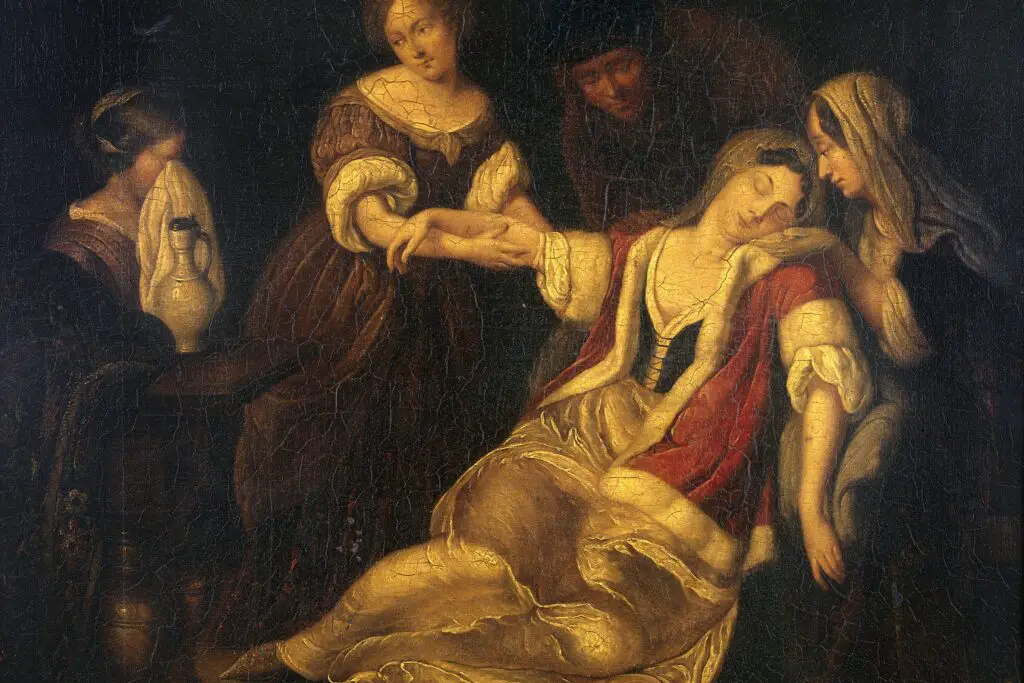
For much of the 19th century, doctors diagnosed many women with a condition called hysteria. The term came from the Greek word for uterus, and physicians believed emotional or behavioral problems in women were tied to reproductive organs. Symptoms could include anxiety, irritability, or fainting. Treatments ranged from rest cures to strange mechanical therapies.
The diagnosis reflected social attitudes of the time more than real medical understanding. Women’s mental health was often misunderstood or dismissed as weakness. Over time, psychiatry and psychology developed better ways of understanding emotional disorders. The concept of hysteria eventually disappeared from medical diagnoses. Today it serves as a reminder of how gender bias once shaped medical thinking.
7. Doctors Warned That Reading Too Much Could Damage the Brain

In the 1800s, some physicians worried that intense reading might harm mental health. They believed excessive intellectual activity could exhaust the brain and lead to nervous disorders. Young people, especially girls, were sometimes discouraged from studying too much. Doctors feared that mental strain could damage developing minds.
These warnings reflected a broader fear that modern life was becoming mentally overwhelming. As education expanded, some doctors viewed academic effort as physically draining. Over time, research showed that reading and learning stimulate the brain in positive ways. Education is now seen as essential for cognitive development. The old warnings about “too much reading” sound strange by modern standards.
8. Alcohol Was Used as a General Tonic

In the 19th century, alcohol was often prescribed as medicine. Doctors believed small amounts could stimulate circulation and boost energy. It was sometimes recommended for fatigue, digestive issues, or even infections. Alcohol appeared in many patent medicines and tonics sold to the public.
Because reliable medications were limited, alcohol seemed like a practical option at the time. Physicians thought it could calm nerves and help patients sleep. Eventually, medical science showed that alcohol has complex effects on the body and can cause serious health problems when used regularly. Today it is rarely recommended as treatment. The idea of prescribing liquor for everyday illnesses now seems outdated.
9. Ice Water Was Thought to Be Dangerous

At various points in the 19th century, some doctors warned that drinking ice water could harm the body. They believed cold drinks might shock the stomach or disrupt digestion. People were sometimes advised to avoid very cold beverages, especially during hot weather. The theory was that sudden temperature changes could cause illness.
These warnings often appeared in health guides and newspapers of the time. In reality, there was little scientific evidence behind the claim. Modern research shows that cold water is generally safe for healthy individuals. The human body can easily adjust to temperature differences in food and drinks. Today the idea that ice water might be dangerous seems more like a myth than medical advice.
10. Tonsils Were Removed Almost Routinely
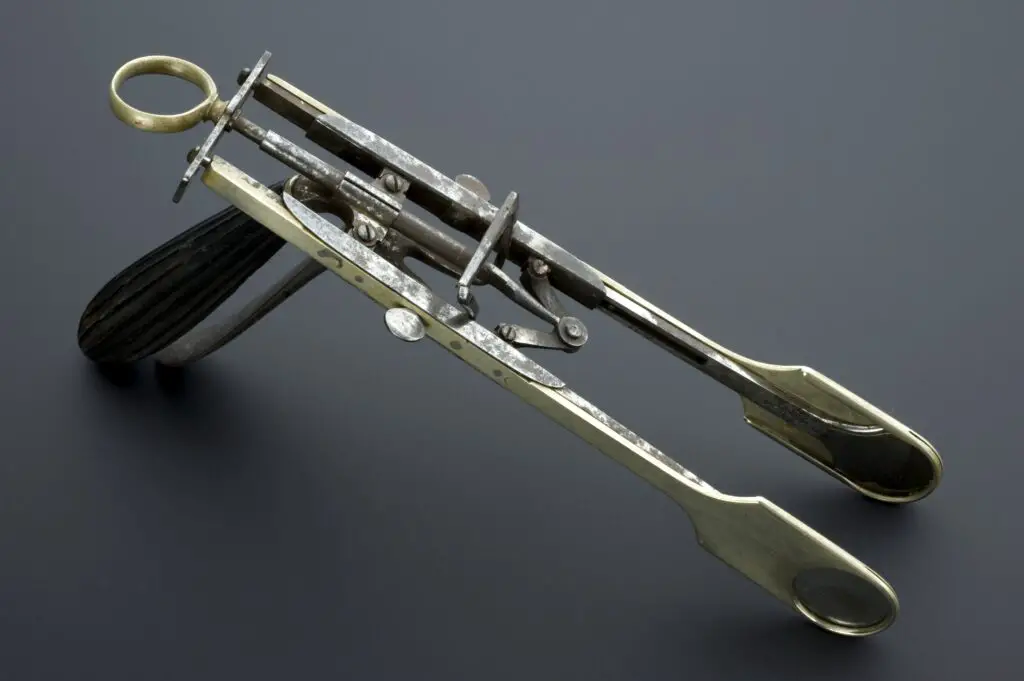
During the early to mid 20th century, tonsil removal became extremely common. Doctors believed enlarged tonsils were responsible for many childhood illnesses. As a result, millions of children underwent tonsillectomies. In some communities it almost became a routine childhood procedure.
Parents often trusted doctors who believed removing tonsils would prevent future infections. Over time, studies showed that many surgeries were unnecessary. Medical guidelines gradually became more cautious about recommending the operation. Today tonsillectomies are still performed but only when specific conditions are met. The earlier enthusiasm for routine removal now seems excessive.
11. Sunlight Was Prescribed as a Cure for Disease

Before antibiotics, doctors sometimes prescribed sunlight as treatment for illness. Patients with tuberculosis and other infections were often sent to sanatoriums in sunny climates. Physicians believed fresh air and sunlight could strengthen the body and kill germs. Sunbathing became part of medical therapy.
While sunlight does help the body produce vitamin D, it is not a cure for serious infections. The belief persisted partly because patients often improved with rest and better nutrition in those facilities. When antibiotics were introduced in the mid 20th century, they proved far more effective. Sanatorium treatments gradually disappeared. The idea of prescribing sunshine for major diseases now seems quaint.
12. Teething Was Blamed for Serious Illness in Babies

In earlier centuries, teething was blamed for many childhood illnesses. Doctors believed the process could cause fever, diarrhea, seizures, or even death. Some physicians attempted risky treatments to ease teething pain. These sometimes included cutting the gums with surgical instruments.
The belief spread because teething often happens at the same age when infants encounter infections. Without modern medical knowledge, doctors connected the two events. Research later showed that teething usually causes only mild discomfort. Serious illness during infancy has other causes. The once widespread fear of dangerous teething complications has largely disappeared.
13. Opium Was Given to Children to Help Them Sleep
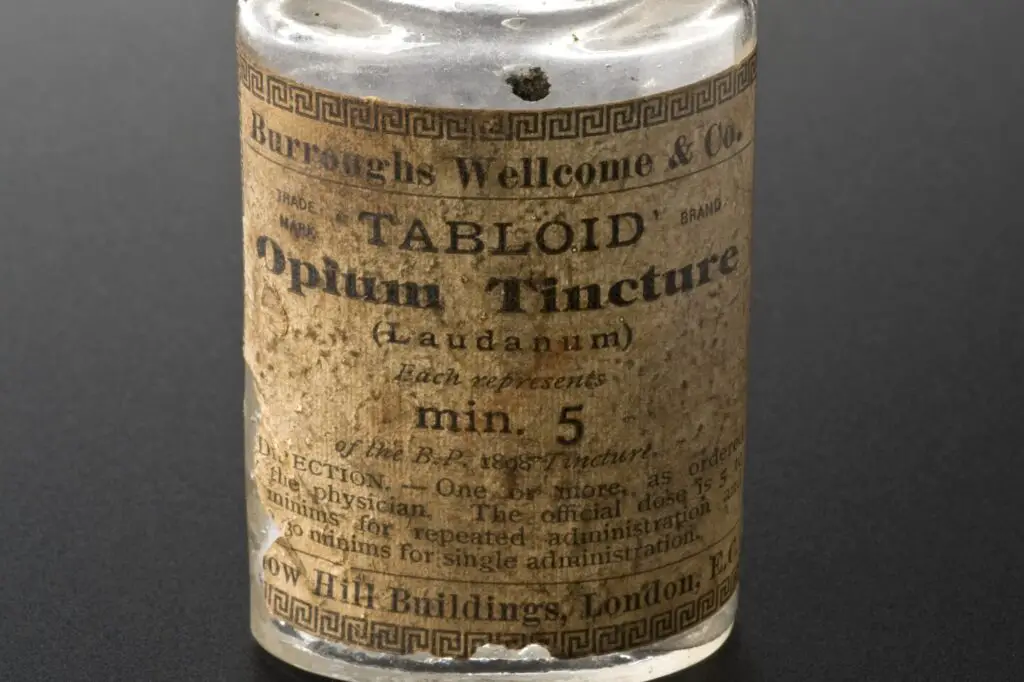
In the 1800s and early 1900s, medicines containing opium were widely available. Some were marketed specifically for infants and children. Parents used them to calm crying babies or help restless children sleep. These products were often sold as harmless soothing syrups.
At the time, many people did not understand how addictive and dangerous opiates could be. Some children experienced serious side effects or even fatal overdoses. As awareness of these dangers grew, governments introduced stricter drug regulations. Modern pediatric medicine strongly warns against such substances. The idea of giving opium to children now seems deeply alarming.
14. Mental Illness Was Treated With Extreme Physical Methods

Before modern psychiatric treatments, doctors often tried drastic approaches. Patients with mental illness were sometimes subjected to ice baths, restraints, or other harsh methods. Physicians believed physical shock might reset the brain. In some cases, invasive procedures like lobotomies were performed in the mid 20th century.
These treatments reflected how little doctors understood about mental health. Many patients suffered long-term damage from such interventions. Over time, advances in psychology, medication, and therapy improved treatment dramatically. Today mental illness is approached with far more care and scientific understanding. Looking back, many of the earlier methods feel disturbing.
15. Doctors Once Feared Refrigerators Would Spread Disease

When refrigerators first became common in the early 20th century, some doctors expressed concern about them. They worried that cold storage might allow dangerous bacteria to grow unnoticed in food. Refrigeration was still new, and scientists were still learning about food safety. As a result, some medical experts warned households to be cautious about relying on the technology.
Over time, research showed that refrigeration actually slows bacterial growth and helps preserve food safely. Modern kitchens rely heavily on refrigeration to prevent spoilage. Food safety guidelines now emphasize keeping perishable items cold. The early suspicion toward refrigerators illustrates how unfamiliar technologies can create medical fears. Today it seems odd that doctors once worried about the very appliance that helps keep food safe.