
1. Six Flags New Orleans (2005)
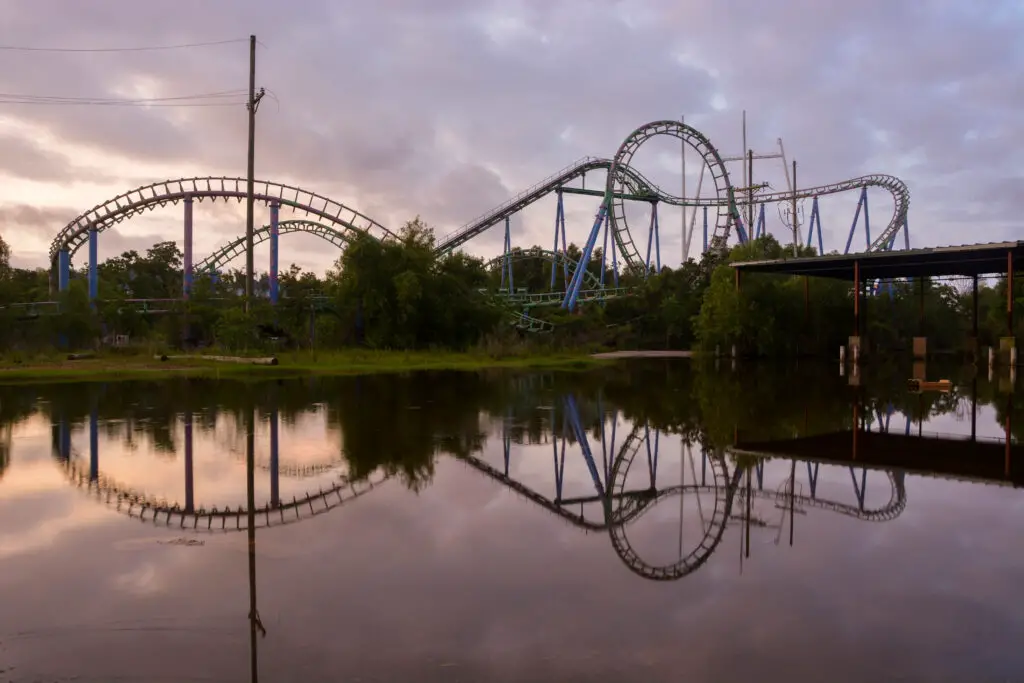
When Six Flags New Orleans shut down after Hurricane Katrina in 2005, it wasn’t supposed to be permanent. The park had only opened five years earlier, built on the site of the former Jazzland theme park, and was still trying to find its footing. Katrina flooded the property with saltwater, damaging rides, buildings, and infrastructure beyond practical repair. For a while, there were discussions about reopening, and Six Flags even officially terminated its lease in 2009 after determining it wasn’t viable. Since then, the site has remained abandoned, becoming a haunting symbol of the storm’s aftermath.
Locals still talk about how quickly it all happened, one season the park was open, the next it was gone for good. Over the years, the empty park has been used as a filming location and occasionally explored by urban photographers. Multiple redevelopment plans have been proposed, but none have materialized into a permanent replacement. The land remains largely untouched, a rare case where a major amusement park simply vanished without a successor. It’s one of the most visible reminders of how a single event can permanently reshape a city’s landscape.
2. The Stardust Resort and Casino (2006)
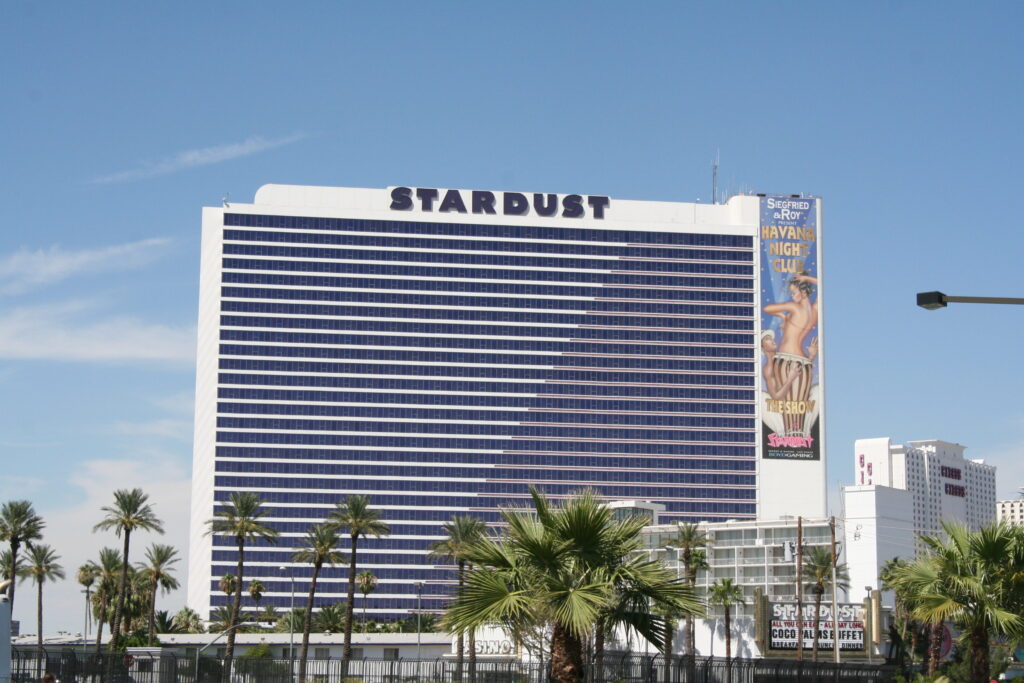
The Stardust Resort and Casino was once one of the most recognizable names on the Las Vegas Strip. Opened in 1958, it became famous for its massive neon signage and long-running stage shows. By the early 2000s, however, it was considered outdated compared to newer mega-resorts. The casino closed suddenly in November 2006, with plans for redevelopment already underway. The building was imploded in 2007, ending nearly five decades of history in a matter of seconds.
There were plans to replace it with a project called Echelon Place, but the 2008 financial crisis halted construction. The partially built site sat idle for years, leaving a noticeable gap where a major casino once stood. Eventually, the land was redeveloped into Resorts World Las Vegas, which opened in 2021, but it does not carry forward the Stardust’s identity. For many longtime visitors, the original resort’s disappearance felt abrupt and final. Its legacy lives on mostly through photographs and memories of classic Vegas.
3. Hard Rock Park (2008)
Hard Rock Park in Myrtle Beach, South Carolina, opened in 2008 with a lot of anticipation. The park was music-themed, with rides and attractions tied to rock history and iconic artists. Despite strong initial interest, it struggled financially almost immediately. It filed for bankruptcy within months and closed at the end of its first season. The speed of its rise and fall surprised both visitors and industry analysts.
The park briefly attempted a rebrand as Freestyle Music Park in 2009, but that effort also failed to keep it afloat. After that, the site was left largely unused, with rides eventually dismantled or sold off. Unlike other failed parks, it didn’t evolve into a new attraction or get redeveloped quickly. Today, most of the land has been repurposed for commercial use, but nothing resembling the original concept returned. It remains a case study in how even well-funded attractions can collapse almost overnight.
4. Opryland USA (1997)
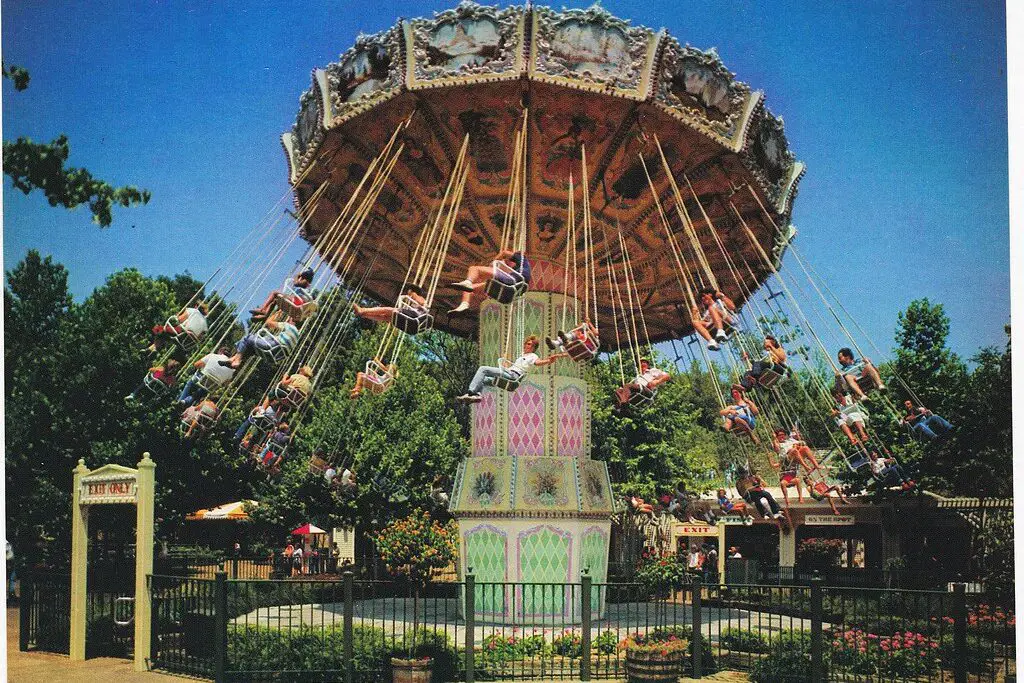
Opryland USA was a major Nashville attraction from 1972 until its closure in 1997. The park was tied closely to country music culture and drew millions of visitors over the years. Despite being profitable, it was shut down by its owners, Gaylord Entertainment, to make way for a shopping and entertainment complex. The decision came as a shock to both employees and fans, many of whom had visited for decades. Within a short time, the park was dismantled completely.
In its place, the Opry Mills mall opened in 2000, followed by other developments nearby. While the area remains active, the theme park itself was never replaced in spirit or function. Many former guests still recall specific rides and shows that disappeared almost overnight. Unlike parks that slowly decline, Opryland’s closure felt immediate and irreversible. Its sudden removal left a lasting gap in Nashville’s entertainment landscape.
5. The Original Penn Station (1963)
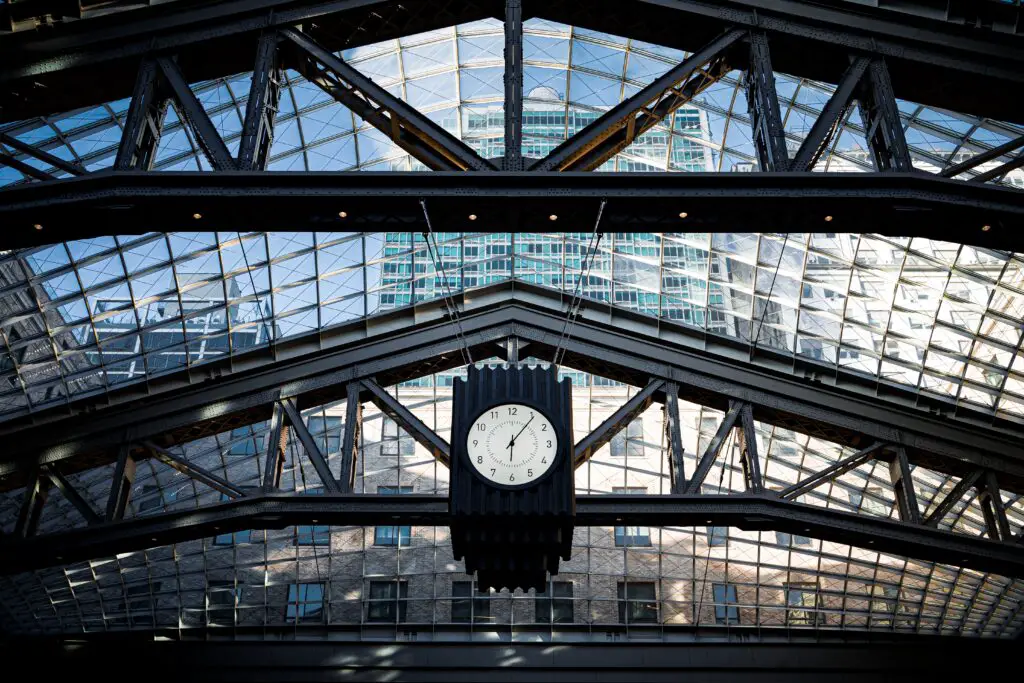
The original Pennsylvania Station in New York City was an architectural landmark when it opened in 1910. Designed in the Beaux-Arts style, it featured massive columns, grand waiting rooms, and soaring ceilings. By the early 1960s, declining rail travel led to financial struggles for the station’s operators. In 1963, the above-ground structure was demolished to make way for Madison Square Garden and an office complex. The decision sparked widespread public outrage.
The loss of the original Penn Station is often cited as a turning point in historic preservation in the United States. While a new underground station still serves passengers today, it lacks the grandeur of the original. There was never a true replacement that matched its scale or design. Many New Yorkers still consider its demolition one of the city’s greatest architectural losses. It remains a powerful example of how quickly a cultural landmark can disappear.
6. Astroland (2008)
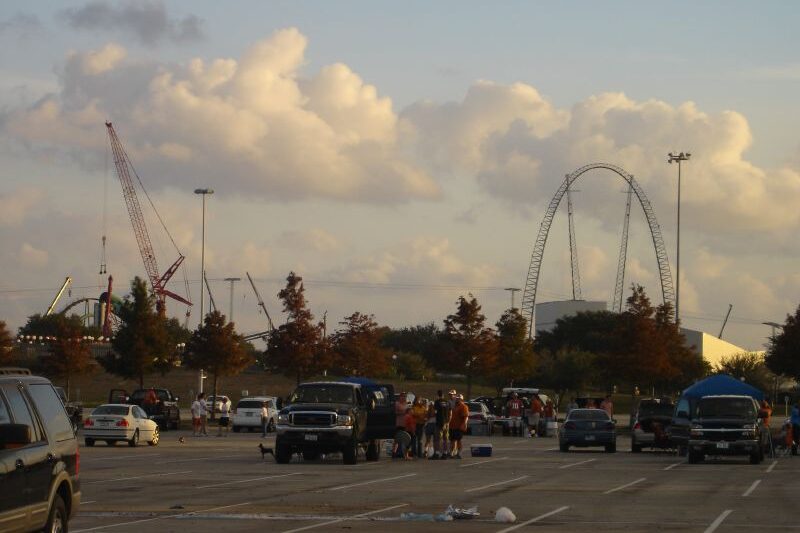
Astroland had been a fixture of Coney Island since 1962. Known for its iconic rides like the Cyclone roller coaster, it played a major role in New York’s seaside amusement culture. The park closed in 2008 after a long lease dispute and redevelopment plans for the area. While the Cyclone itself still operates, Astroland as a park ceased to exist. Its closure marked the end of an era for Coney Island.
A new park, Luna Park, opened in 2010 on part of the site, but it operates differently and does not fully replicate Astroland’s identity. For longtime visitors, the change felt abrupt, especially given how deeply rooted the park was in local history. Many of the original attractions were removed or replaced. The transition left a sense that something familiar had been lost rather than updated. Astroland’s disappearance still stands out as a sudden shift in a historic area.
7. Geauga Lake (2007)
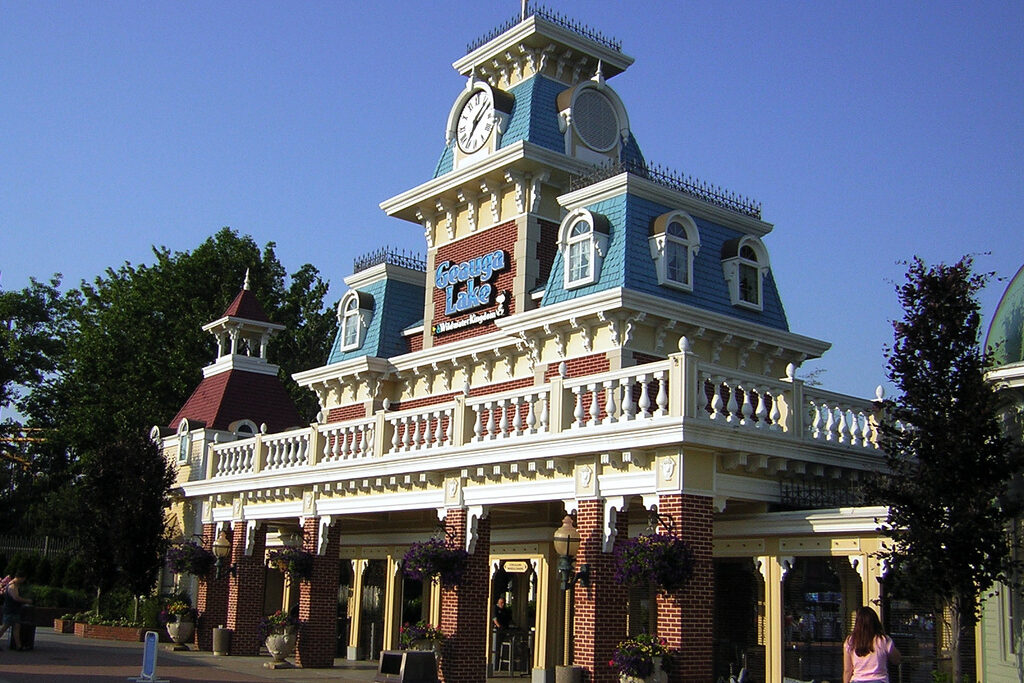
Geauga Lake was one of the oldest amusement parks in the United States, with origins dating back to the 1880s. It went through several ownership changes, including a period under Six Flags, which expanded it significantly. Despite these efforts, attendance declined, and parts of the park were gradually closed. In 2007, the remaining amusement park operations were shut down entirely. The closure came after years of uncertainty but still felt abrupt to many visitors.
The water park portion remained open briefly before also closing in 2016. Since then, the land has been redeveloped for other uses, including retail and residential projects. Nothing resembling the original park was ever rebuilt. For generations of Ohio families, Geauga Lake had been a summer tradition that disappeared quickly. Its long history made its sudden end even more striking. It’s often cited as a reminder that even historic attractions aren’t immune to changing economics.
8. Freedomland U.S.A. (1964)
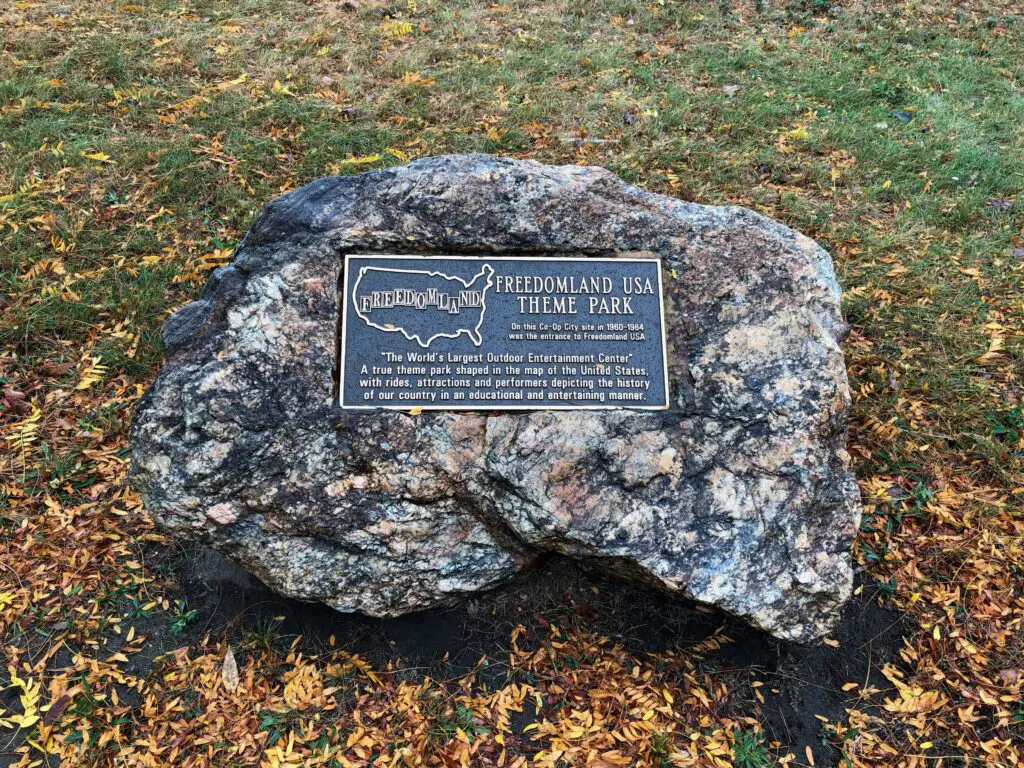
Freedomland U.S.A. opened in the Bronx in 1960 with a unique concept focused on American history. The park featured themed areas representing different periods and regions, offering both entertainment and education. Despite initial popularity, it struggled financially and closed just four years later in 1964. The shutdown was relatively sudden, especially for a park that had been heavily promoted. Much of the site was quickly cleared for redevelopment.
The land eventually became part of the Co-op City residential complex. Today, there are only a few physical traces of the park’s existence. Unlike other attractions that leave behind a legacy or successor, Freedomland largely faded from public memory. Its short lifespan and abrupt closure make it one of the more unusual cases in theme park history. It shows how ambitious ideas don’t always translate into long-term success.
9. The Sahara Hotel and Casino (2011)
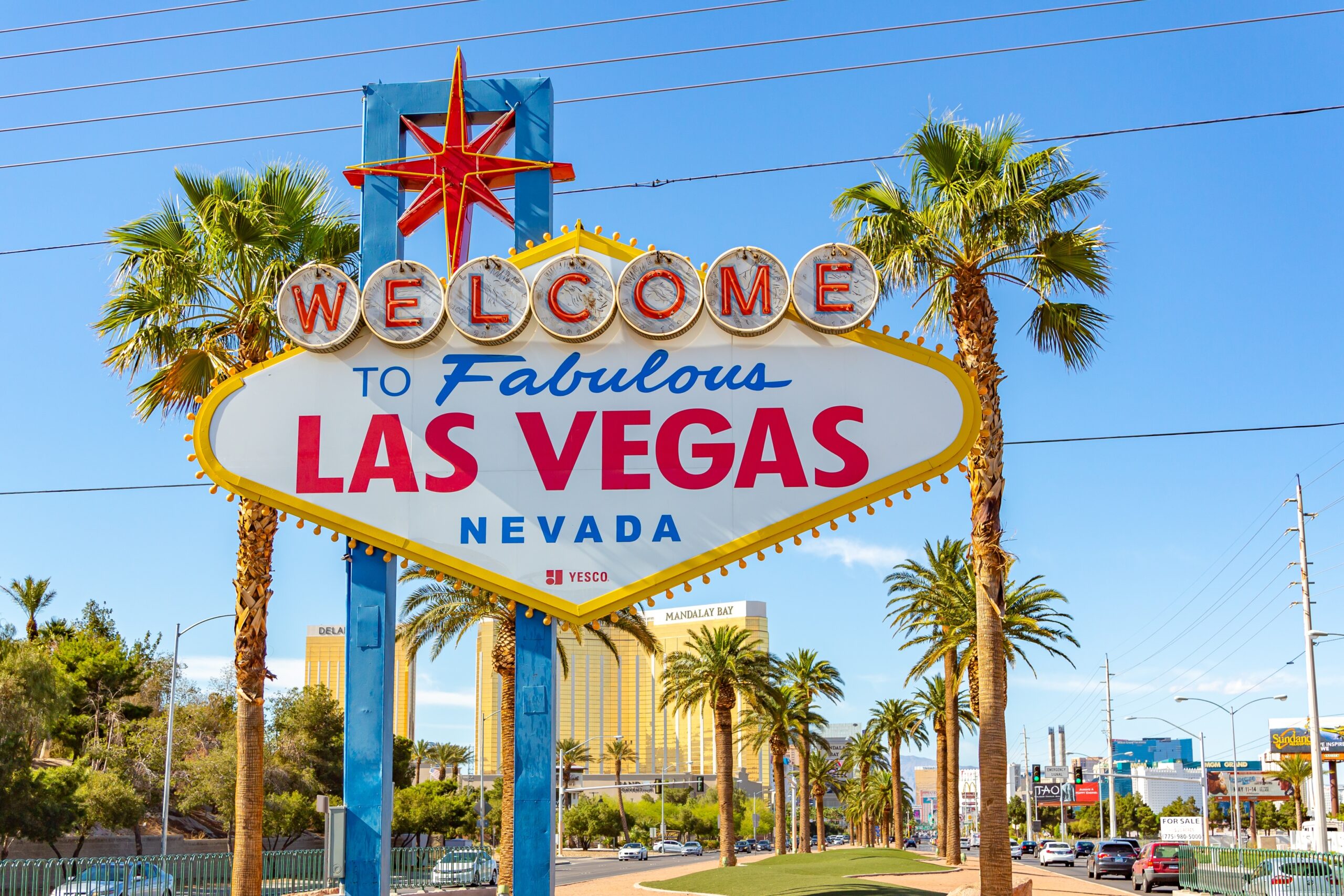
Sahara Hotel and Casino was one of the last remaining links to classic mid-century Las Vegas. Opened in 1952, it hosted major entertainers and was a staple of the Strip for decades. By 2011, declining revenues led to its sudden closure. The shutdown happened quickly, with relatively little warning compared to its long history. For many, it felt like the end of an era.
The property later reopened as the SLS Las Vegas in 2014 and was eventually rebranded back to Sahara in 2019. However, the original version of the hotel, with its historic atmosphere and shows, was never truly restored. The closure marked a clear break between old and new Las Vegas. Even though the name returned, the original experience did not. It remains a notable example of how a landmark can disappear while the location lives on.
10. Dogpatch USA (1993)
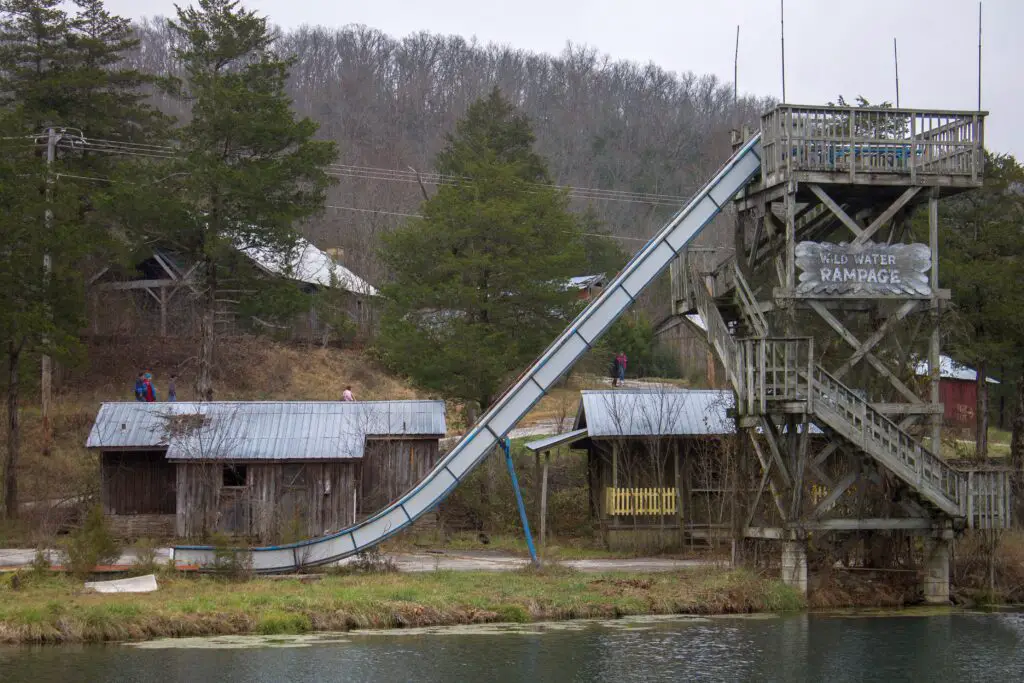
Dogpatch USA was a theme park based on the comic strip “Li’l Abner.” It opened in 1968 in Arkansas and attracted visitors with its rustic setting and character-driven attractions. Over time, attendance declined, and financial issues mounted. The park closed in 1993 after years of struggling to stay afloat. The shutdown left behind an unusual and largely abandoned property.
For decades, the site sat mostly untouched, with buildings and remnants still visible. Various redevelopment attempts have been proposed, but none have fully revived the area as a major attraction. The park’s unique theme made it difficult to replace with something similar. It’s now often explored by historians and urban explorers interested in forgotten Americana. Dogpatch USA remains one of the more distinctive examples of a park that disappeared without a true successor.
11. The Old Chicago Indoor Amusement Park (1980)
Old Chicago opened in 1975 in Bolingbrook, Illinois, as one of the first fully enclosed amusement parks in the United States. It combined rides, shopping, and entertainment under a massive roof, an ambitious concept at the time. Despite initial curiosity, it struggled to attract consistent crowds. The park closed in 1980, just five years after opening. Its sudden shutdown highlighted the challenges of maintaining such a large indoor facility.
After closing, the structure was repurposed and eventually demolished. The concept of indoor theme parks would later succeed elsewhere, but Old Chicago itself was not revived. For those who visited, it felt ahead of its time but unable to sustain itself. The quick rise and fall left little lasting impact on the area. It remains a lesser-known but fascinating example of an idea that didn’t quite work when it first appeared.
12. Discovery Island at Walt Disney World (1999)
Discovery Island at Walt Disney World operated as a small zoological park from 1974 to 1999. Located in Bay Lake, it offered guests a quieter, nature-focused experience compared to the larger parks. In 1999, Disney closed the attraction without much public explanation. The company shifted its focus to the larger and more modern Animal Kingdom park, which had opened the previous year. The closure was relatively low-profile but still abrupt.
Since then, Discovery Island has remained abandoned and off-limits to the public. The buildings and pathways still exist, slowly being reclaimed by nature. Disney has never reopened or replaced it with a similar attraction. Its quiet disappearance contrasts with the company’s usual approach of constant expansion. For many fans, it’s one of the more mysterious closures in Disney history.
13. Action Park (1996)
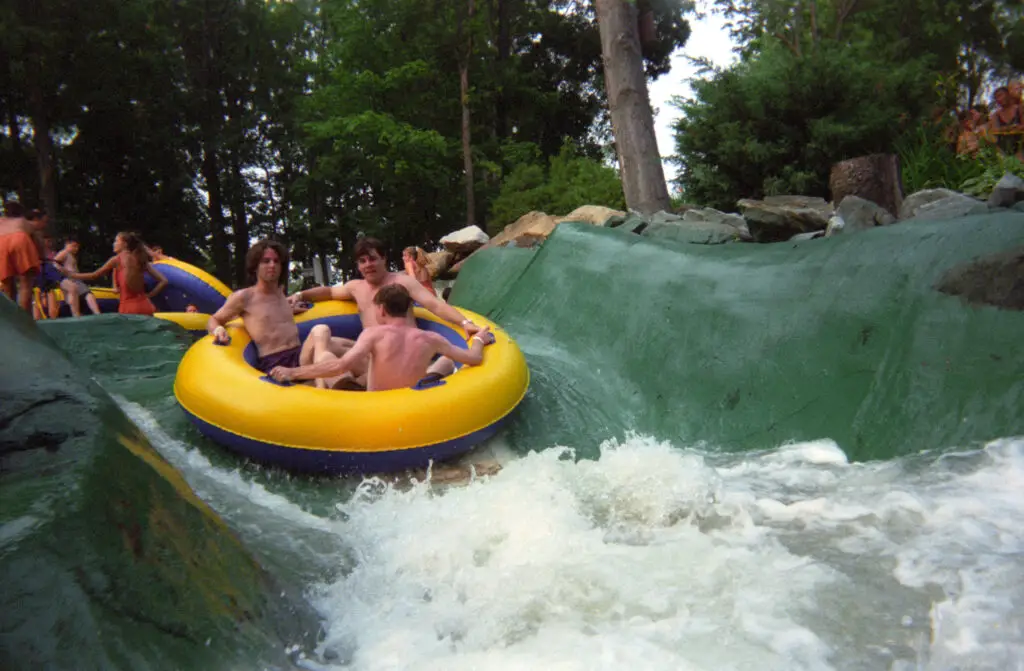
Action Park in Vernon, New Jersey, was infamous for its unconventional and often dangerous rides. Operating from 1978 to 1996, it gained a reputation for injuries and lax safety standards. Financial issues and increasing regulatory pressure contributed to its closure in 1996. The shutdown came after years of controversy, but it still marked the end of a very distinct kind of park. It closed under its original name and identity rather than evolving.
The site later reopened as Mountain Creek Waterpark, but it operates under stricter safety guidelines and a completely different reputation. The original Action Park experience was never recreated. For those who remember it, the park’s sudden disappearance felt like the end of a chaotic but memorable era. Its legacy continues mostly through stories rather than a physical presence.