
1. Fresh Air Helps the Body Heal

Long before germ theory existed, many ancient cultures believed that fresh air was essential to recovery and overall health. Greek physicians encouraged patients to spend time outdoors, and Roman architects designed homes with courtyards and open ventilation to keep air circulating. In medieval hospitals, beds were often placed near windows because stagnant air was thought to worsen illness. Even without microscopes, people noticed that crowded, poorly ventilated spaces seemed to make sickness linger. It was an observation born from experience rather than science. Families opened windows even in cold weather, trusting that moving air brought strength back into the body. It became part of everyday common sense rather than formal medicine. That instinct turned out to be remarkably sound.
Modern research confirms that good ventilation reduces the spread of airborne viruses and improves oxygen levels, which supports healing and energy. Fresh air can also improve sleep quality and reduce indoor pollutants that irritate the lungs. Hospitals now prioritize airflow systems and outdoor recovery spaces for patients. What once felt like a simple folk belief aligns neatly with modern public health principles. It is one of those ideas that survived because it actually worked. People trusted what they could see and feel in their bodies. Sometimes the oldest advice really does hold up.
2. Walking After Meals Aids Digestion

Ancient Chinese medicine often encouraged gentle movement after eating instead of lying down immediately. Greek philosophers also promoted walking as a way to stimulate the body and clear the mind after meals. It was believed that slow movement helped food settle properly and prevented sluggishness. People noticed they felt less bloated and more comfortable when they stayed lightly active. This was especially true in cultures where large communal meals were common. Walking became a social ritual as much as a health habit. It offered time for conversation and digestion at the same time. The habit quietly passed through generations.
Today, studies show that light walking after meals helps regulate blood sugar and supports digestion. It encourages gentle movement of the digestive tract and reduces discomfort like gas or heaviness. Doctors often recommend short walks for people managing glucose levels. The old advice turns out to have measurable metabolic benefits. What once sounded like folk wisdom now appears in medical guidelines. It is another example of the body teaching humans what it needs. Sometimes the simplest movement is the most effective.
3. Sunlight Supports Overall Health

Ancient Egyptians worshipped the sun not just spiritually but also for its healing power. Greek physicians prescribed sunlight exposure for certain ailments, believing it strengthened the body and lifted the spirit. Many early cultures noticed people who spent time outdoors seemed healthier and more resilient. Sunbathing was even practiced therapeutically in some ancient medical systems. Without understanding vitamins or hormones, they still connected sunlight with vitality. Seasonal changes in mood and energy were carefully observed. Light was seen as a life-giving force. These observations became deeply rooted traditions.
Modern science confirms that sunlight helps the body produce vitamin D, which supports bone health, immune function, and mood regulation. Exposure to natural light also helps regulate circadian rhythms and sleep patterns. Doctors still recommend sensible sunlight exposure as part of a healthy lifestyle. Of course, moderation and skin protection matter, but the core idea remains valid. The ancient intuition about sunlight’s benefits was remarkably accurate. Humans evolved under the sun, and our bodies still respond to it. That ancient connection continues to shape modern wellness advice.
4. Fermented Foods Improve Gut Health
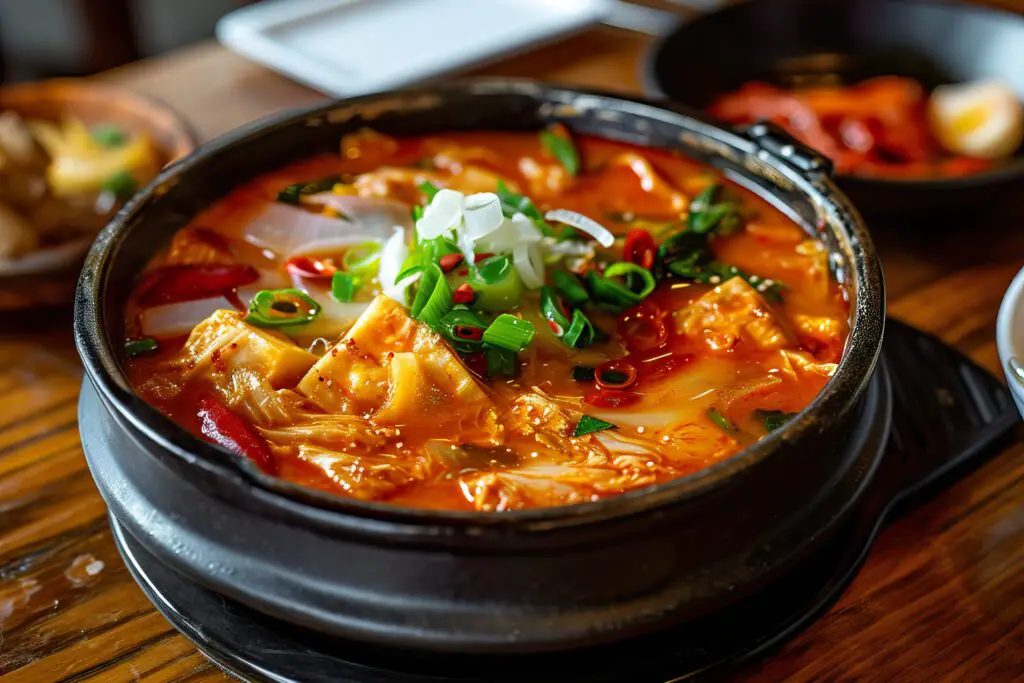
Many ancient cultures relied heavily on fermented foods like yogurt, kimchi, sauerkraut, and kefir. These foods were originally preserved for practical reasons, but people noticed they aided digestion and prevented illness. In Ayurveda and traditional Chinese medicine, fermented foods were believed to strengthen internal balance. Families passed down recipes that supported long-term health. Fermentation became a cornerstone of food culture across continents. The tangy flavors were often associated with strength and resilience. People trusted these foods even without knowing why they worked. It was tradition backed by experience.
Modern research shows that fermented foods contain beneficial probiotics that support gut health and immune function. A healthy microbiome plays a role in digestion, mood regulation, and inflammation control. Nutrition experts now encourage probiotic-rich foods as part of balanced diets. What ancient cooks discovered by trial and error is now supported by microbiology. The gut-brain connection makes these foods even more valuable. Fermentation went from survival technique to wellness trend. The old methods still outperform many modern supplements.
5. Sleep Is Essential for Healing

Ancient healers across cultures emphasized rest as a critical part of recovery. Greek physicians believed sleep allowed the body to rebalance itself naturally. In traditional Chinese medicine, sleep was seen as a time when energy pathways restored harmony. People observed that wounds healed faster and fevers broke after deep rest. Long before caffeine culture, sleep was treated with respect and ritual. Quiet evenings and natural light cycles supported consistent rest patterns. Sleep was viewed as medicine in itself. This belief guided household routines for centuries.
Modern medicine strongly supports the role of sleep in immune function, tissue repair, and mental clarity. Lack of sleep increases the risk of chronic disease and slows recovery. Hospitals carefully manage patient sleep environments because healing improves with quality rest. Neuroscience continues to uncover how the brain repairs itself during sleep cycles. The ancient understanding holds up under advanced imaging and data. Rest remains one of the most powerful health tools available. It costs nothing and delivers enormous benefits. Our ancestors understood that instinctively.
6. Herbal Remedies Can Be Powerful Medicine

Ancient civilizations built entire medical systems around plants and herbs. Egyptians used garlic for strength, while Chinese medicine cataloged thousands of medicinal plants. Indigenous cultures relied on local herbs to treat pain, infections, and inflammation. These remedies were refined through generations of observation and experimentation. Knowledge was carefully passed through families and healers. Herbs became trusted tools in everyday health management. Even when results were inconsistent, patterns emerged over time. Experience shaped the medicine long before laboratories existed.
Modern pharmacology has validated many herbal compounds, with drugs derived from plants like willow bark, poppy, and foxglove. Herbal medicine remains widely used worldwide, often alongside conventional care. Scientists continue to study plant chemistry for new treatments. While not all herbs are safe or effective, many truly work as ancient healers observed. The bridge between folk medicine and modern medicine is often narrower than people realize. Plants remain one of humanity’s oldest pharmacies. Ancient wisdom still fuels modern innovation.
7. Clean Water Prevents Disease

Ancient civilizations placed great importance on water purity, even without knowing about bacteria. Romans built aqueducts and bath systems to maintain cleaner water supplies. In ancient India, boiling water was encouraged for safety. People noticed that contaminated water often led to sickness. Communities developed rituals and rules around safe water sources. Wells were protected and maintained carefully. Water quality became tied to survival and stability. These practices reflected careful observation of cause and effect.
Modern public health confirms that clean water prevents countless infectious diseases. Water sanitation remains one of the most impactful health advancements in history. Boiling and filtering water are still recommended in areas without reliable infrastructure. The ancient instincts about water safety were accurate even without microbiology. Human survival depended on recognizing patterns quickly. Clean water remains foundational to health worldwide. It is one of the simplest but most powerful protections available.
8. Moderate Eating Promotes Longevity

Many ancient philosophies emphasized moderation rather than excess. Greek thinkers warned against overeating, believing it weakened both body and mind. In Eastern traditions, balanced portions were seen as essential for energy flow and longevity. People noticed that constant indulgence led to sluggishness and illness. Meals were often structured around restraint and rhythm. Celebrations allowed indulgence, but daily life encouraged balance. This mindset shaped cultural eating habits for generations. Moderation became a moral and medical principle.
Modern research supports portion control and balanced nutrition for long-term health. Overeating increases the risk of obesity, heart disease, and metabolic disorders. Calorie moderation has been linked to longevity in both animal and human studies. Nutrition science now reinforces what philosophers once taught. The discipline of mindful eating continues to gain traction today. Balance remains more sustainable than extreme dieting. Ancient restraint proves to be a reliable guide.
9. Stress Can Make You Physically Sick

Ancient healers recognized that emotional strain affected physical health. Greek physicians observed that grief and fear could weaken the body. Traditional Chinese medicine connected emotional imbalance to organ function. People noticed illness often followed prolonged worry or trauma. Communities valued calmness and social support as protective factors. Rituals helped regulate stress and restore emotional balance. Mental health was treated as part of physical wellness. These insights were quietly sophisticated.
Modern medicine confirms that chronic stress impacts immune function, heart health, and inflammation. Stress hormones influence nearly every system in the body. Psychological well-being is now recognized as a core part of preventive care. Mind-body medicine echoes ancient philosophies. Techniques like meditation and breathing mirror historical practices. The connection between mind and body remains undeniable. Ancient observations anticipated modern psychosomatic science.
10. Seasonal Eating Supports Health

Ancient cultures naturally ate what grew locally during each season. People believed seasonal foods aligned with the body’s changing needs. Winter diets emphasized hearty foods, while summer favored lighter produce. Traditional medical systems linked seasons to organ health and energy balance. Food availability shaped intuitive nutrition patterns. Families adapted recipes based on harvest cycles. Eating seasonally became a natural rhythm of life. It supported both nutrition and sustainability.
Modern nutrition recognizes that seasonal produce often contains higher nutrient density and freshness. Local foods also reduce preservatives and transport degradation. Seasonal eating aligns with environmental sustainability and food quality. Dietitians increasingly encourage varied diets that follow natural cycles. The old pattern supports modern ecological and health goals. Seasonal awareness reconnects people with food sources. Ancient habits quietly predicted modern farm-to-table thinking.
11. Hygiene Reduces Illness

Ancient cultures developed cleanliness rituals long before germ theory. Romans valued bathing and sanitation as civic responsibility. Religious traditions emphasized handwashing and purification rituals. People observed fewer illnesses when cleanliness was prioritized. These habits became woven into daily life. Clean environments supported community health. Even symbolic rituals often had practical benefits. Hygiene was both cultural and medical.
Modern science confirms that hygiene reduces infection transmission dramatically. Handwashing remains one of the most effective disease prevention measures. Hospitals enforce strict sanitation protocols. Public health campaigns reinforce these ancient habits. Cleanliness remains foundational to safety. The intuition proved correct long before microscopes existed. Sometimes tradition preserved life-saving behaviors.
12. Fasting Can Reset the Body

Many ancient religions incorporated fasting for spiritual and physical renewal. Healers believed fasting allowed the body to cleanse itself. People noticed improved clarity and reduced digestive strain after periods of fasting. It was practiced with caution and intention. Fasting became part of seasonal and ceremonial cycles. The body was given time to rest internally. This pattern was respected rather than feared. It balanced abundance with restraint.
Modern research explores intermittent fasting for metabolic health, insulin sensitivity, and cellular repair. Autophagy, the body’s recycling process, increases during fasting periods. Doctors now study structured fasting as a therapeutic tool. While not suitable for everyone, the benefits are increasingly documented. Ancient fasting practices anticipated biological mechanisms discovered later. The body truly does benefit from occasional rest. Balance remains the key.
13. Community Connection Supports Health

Ancient societies emphasized communal living and shared responsibility. People believed social bonds strengthened emotional and physical resilience. Elders noticed isolated individuals often declined faster. Shared meals, rituals, and storytelling reinforced connection. Community acted as emotional medicine. Support systems reduced stress and promoted healing. Loneliness was recognized as harmful even without formal psychology. Belonging was essential to survival.
Modern studies link strong social connections to longer life expectancy and lower disease risk. Isolation increases stress, depression, and chronic illness. Healthcare now recognizes social health as a determinant of well-being. Community support improves recovery outcomes. Humans remain deeply social creatures. Ancient societies understood this intuitively. Connection continues to shape health outcomes.
14. Nature Exposure Improves Well-Being

Ancient cultures believed nature restored balance and clarity. Forests, gardens, and water were seen as healing environments. People retreated into nature during times of illness or stress. Fresh scenery calmed the mind and body. Many spiritual practices incorporated outdoor reflection. Nature was viewed as medicine without a prescription. These habits were woven into daily life. The landscape shaped emotional resilience.
Modern research supports nature exposure for reducing stress, improving mood, and supporting cognitive health. Practices like forest bathing show measurable physiological benefits. Time outdoors improves sleep and immune markers. Healthcare systems increasingly integrate green spaces into design. The ancient instinct aligns with neuroscience and psychology. Nature remains one of the most accessible therapies available. Sometimes the simplest remedies endure the longest.