
1. Pripyat, Ukraine
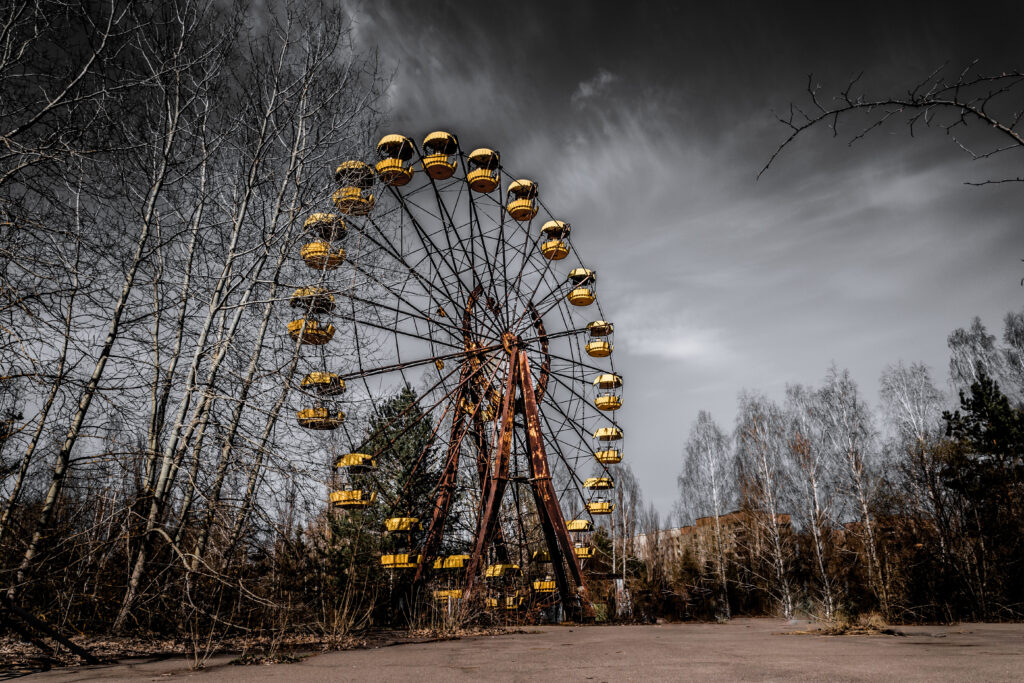
The city of Pripyat was built in the 1970s to house workers from the nearby Chernobyl Nuclear Power Plant. When the reactor exploded in 1986, more than 40,000 residents were forced to leave almost overnight. Today the apartment blocks, schools, and swimming pools are still standing exactly where they were left. From a distance, it looks like a normal town simply waiting for people to come back from vacation.
Walk through the streets and you see amusement park rides frozen in place and grocery stores with empty shelves. Trees grow through sidewalks, but the basic layout of the city is still perfectly clear. Guided tours now bring curious visitors into the exclusion zone, proving how close Pripyat still feels to everyday life. It is a haunting reminder of how quickly a busy tourist friendly city can turn silent.
2. Six Flags New Orleans, Louisiana
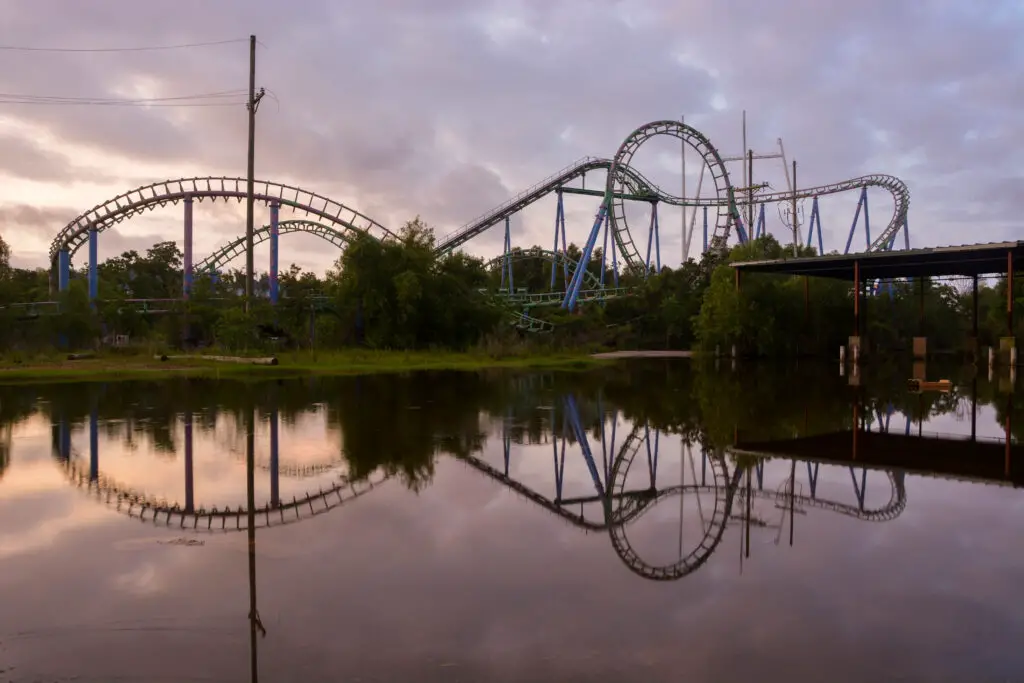
Before Hurricane Katrina, this amusement park was full of roller coasters, cartoon characters, and families on summer trips. The massive storm flooded the entire property in 2005, forcing it to close permanently. Instead of being torn down, the rides and buildings were simply left behind. From the highway, the colorful park still looks like it could reopen any day.
The entrance gates, ticket booths, and even snack stands are still in place. Rust and vines have taken over, but the Ferris wheel and coasters remain upright and intact. Movie crews sometimes use the site because it looks like a perfectly preserved theme park set. It is one of the strangest examples of a major tourist attraction suddenly abandoned.
3. Hashima Island, Japan
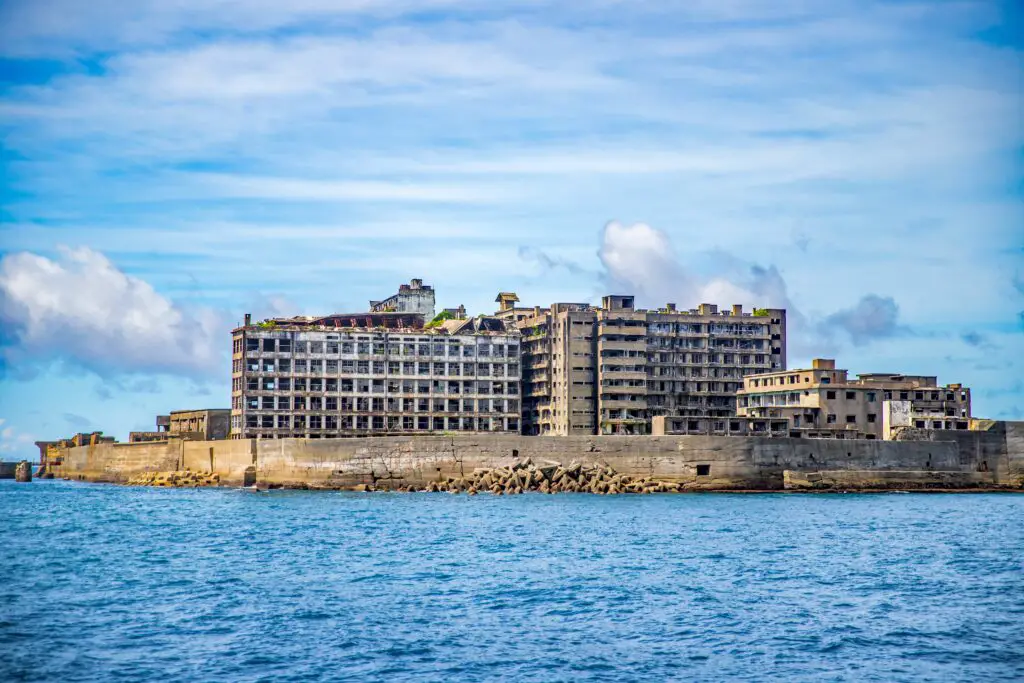
Hashima Island, also known as Battleship Island, was once a thriving coal mining community off the coast of Nagasaki. Thousands of people lived there in tightly packed concrete apartment blocks. When the mines closed in 1974, every resident left and the island was sealed off. From the water, the skyline still looks like a ready made city waiting for commuters.
Decades of storms have battered the buildings, yet many remain standing in neat rows. Visitors can now tour certain areas and see schools, theaters, and homes exactly as they were. The docks and staircases are still in place, giving the island an eerie sense of order. It feels less like ruins and more like a town caught in pause.
4. Spreepark, Berlin, Germany
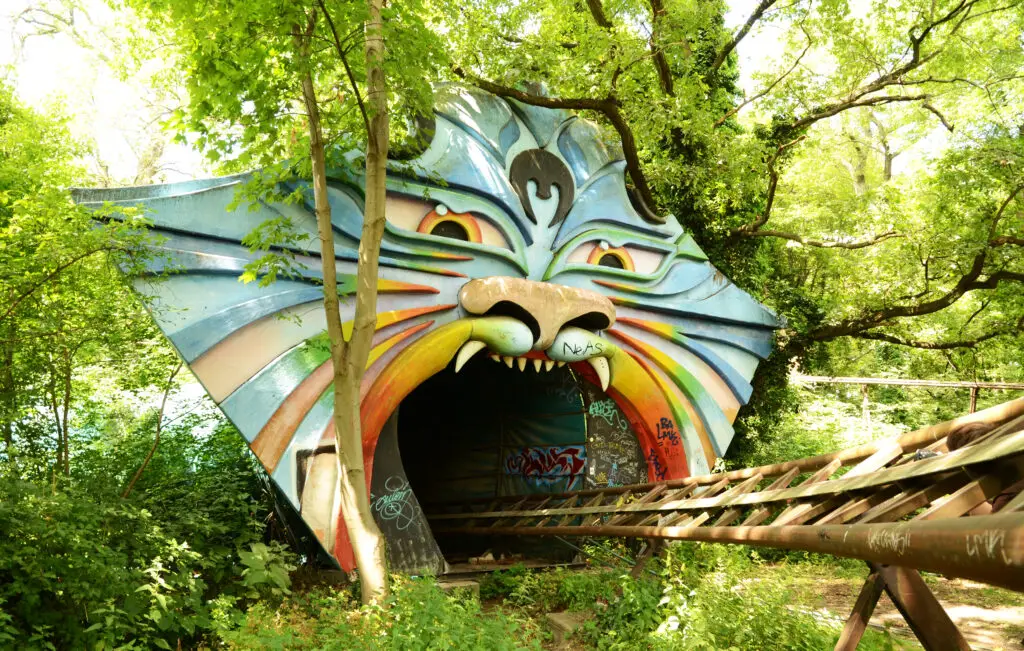
Spreepark was once East Berlin’s most beloved amusement park, filled with rides, restaurants, and lively festivals. After German reunification, the park struggled financially and closed in 2002. Instead of being cleared away, it was left to decay on the edge of the city. The bright dinosaur statues and swan boats still sit where families once lined up for fun.
Walking through the overgrown grounds feels like stepping into a forgotten carnival. The Ferris wheel still rises above the trees, visible from far away. Old popcorn stands and ticket windows remain perfectly recognizable. Even in silence, the park looks as though music could start playing again at any moment.
5. Varosha, Cyprus
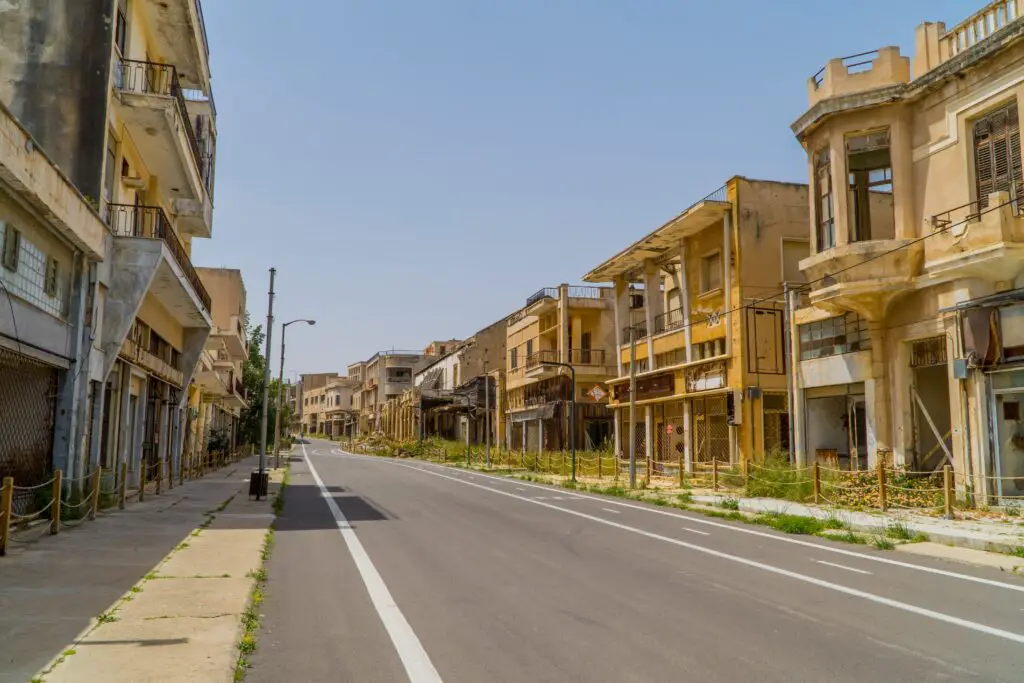
Varosha was once one of the most glamorous beach resorts in the Mediterranean. During the 1974 conflict in Cyprus, residents and tourists fled, expecting to return in a few days. Instead, the entire district was fenced off and left untouched for decades. High rise hotels still line the coast as if they are waiting for the next summer season.
The beaches, shopping streets, and apartment buildings remain frozen in time. Sun umbrellas and furniture were left behind in many of the resorts. In recent years small sections have reopened, but most of Varosha is still abandoned. It stands as a strange time capsule of a luxury destination that suddenly stopped.
6. Grossinger’s Resort, New York
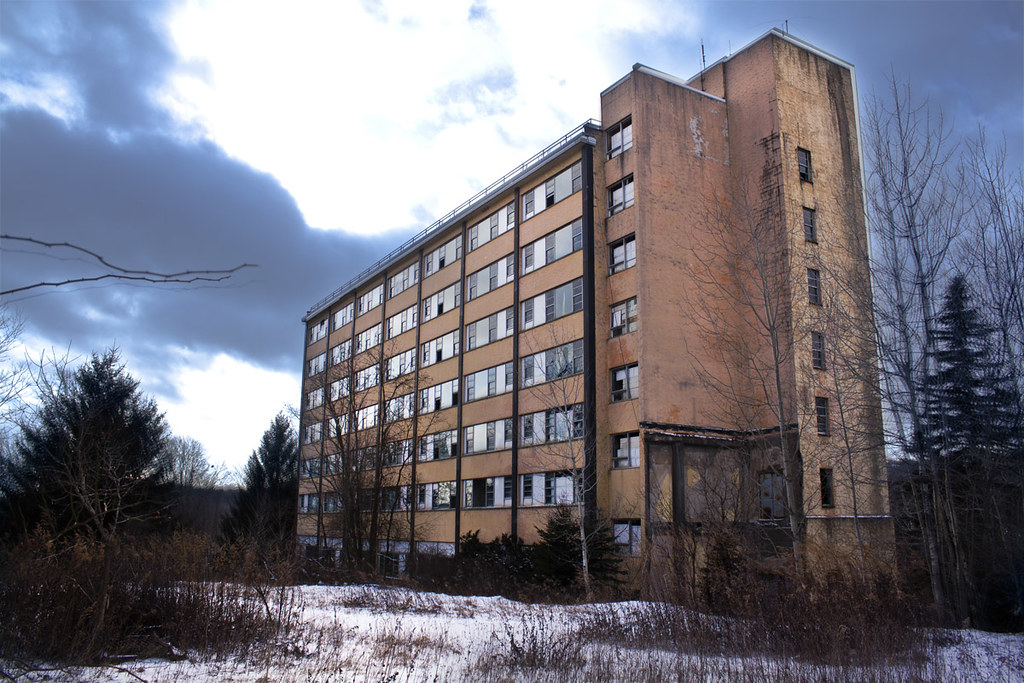
Grossinger’s was once the crown jewel of the Catskills vacation scene. In the mid 1900s, families flocked there for golf, dancing, and famous entertainers. As travel habits changed, the huge resort closed in 1986 and never reopened. The massive hotel buildings and indoor pool complex are still standing deep in the woods.
Old ballrooms and lobbies remain full of furniture and decorations. The resort roads are still paved and lined with signs pointing to theaters and restaurants. From a distance, it looks like a grand hotel just waiting for guests to check in. Nature has moved in, but the spirit of the place is easy to imagine.
7. Houtouwan Village, China
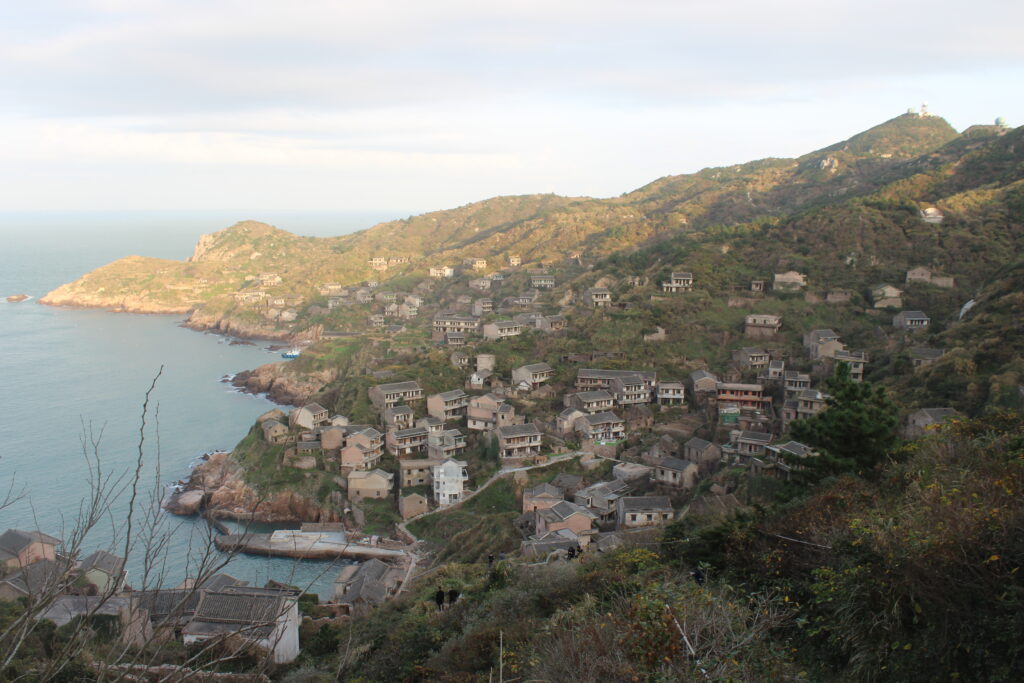
This small fishing village on Shengshan Island was once a busy, hardworking community. Over time, residents moved away to larger cities with better opportunities. By the 1990s, the village was almost completely empty. Instead of collapsing, the houses were slowly covered in thick green vines.
Today the stone homes and staircases are still perfectly intact under layers of ivy. Tourists now visit to photograph the beautiful green covered streets. Windows, doors, and balconies are still in place, making it look more sleepy than deserted. It feels like a peaceful vacation spot waiting for life to return.
8. Kolmanskop, Namibia
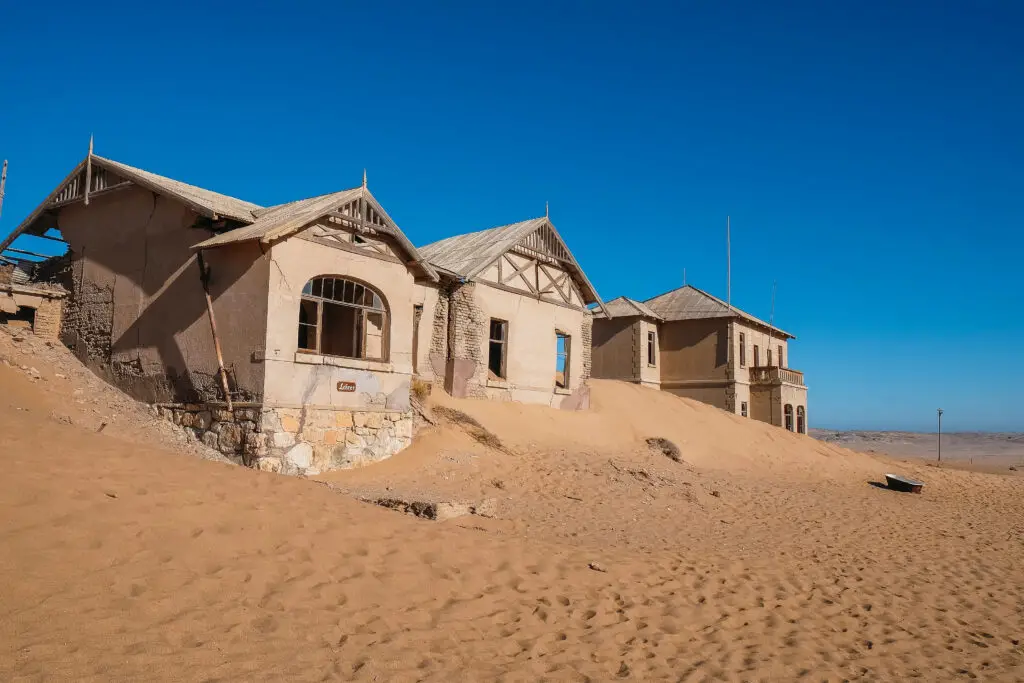
Kolmanskop was founded in the early 1900s after diamonds were discovered in the Namib Desert. The town quickly filled with elegant homes, a hospital, and even a ballroom. When the diamonds ran out, residents left almost as fast as they had arrived. The desert slowly reclaimed the entire settlement.
Sand now pours through windows and piles up in hallways like golden waves. Yet the colorful German style buildings are still standing strong. Kitchens, theaters, and schools remain easy to recognize. It looks like a quirky resort town that simply needs a good cleaning to reopen.
9. Kayaköy, Turkey
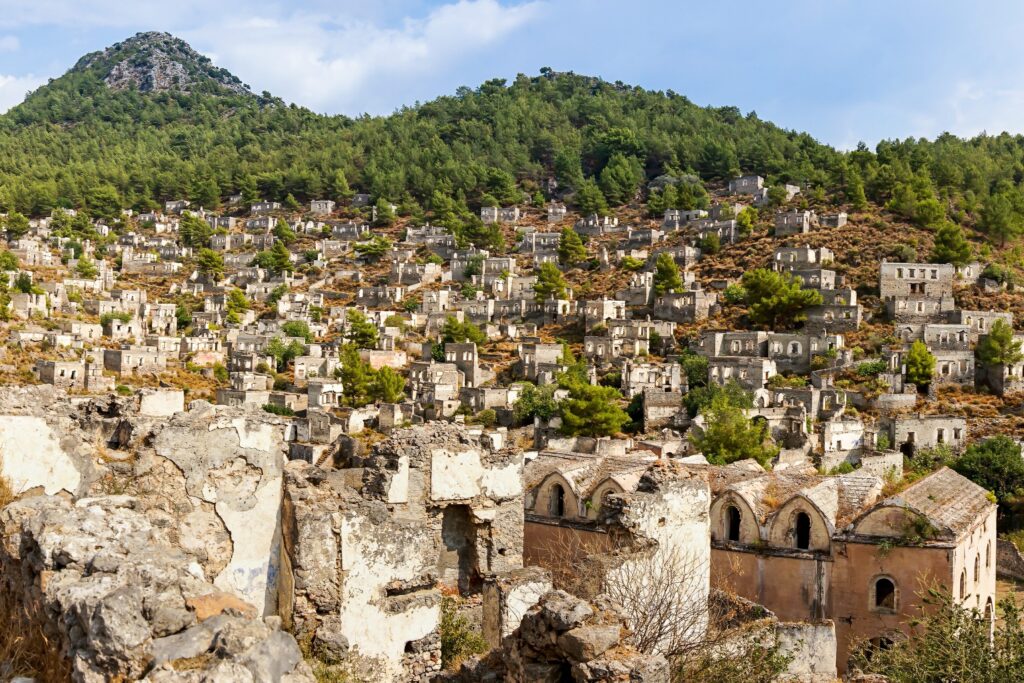
Kayaköy was once a lively Greek village overlooking the Mediterranean. After political conflicts in the 1920s, its residents were forced to leave. More than 500 stone houses were left behind and never reoccupied. The narrow streets and sturdy buildings still cover the hillside in neat rows.
Churches, schools, and homes remain exactly where they were built. The town has become an open air museum, but it is still completely uninhabited. From afar it looks like a charming tourist village ready for shops and cafes. Instead, it remains a beautifully preserved ghost town.
10. Craco, Italy
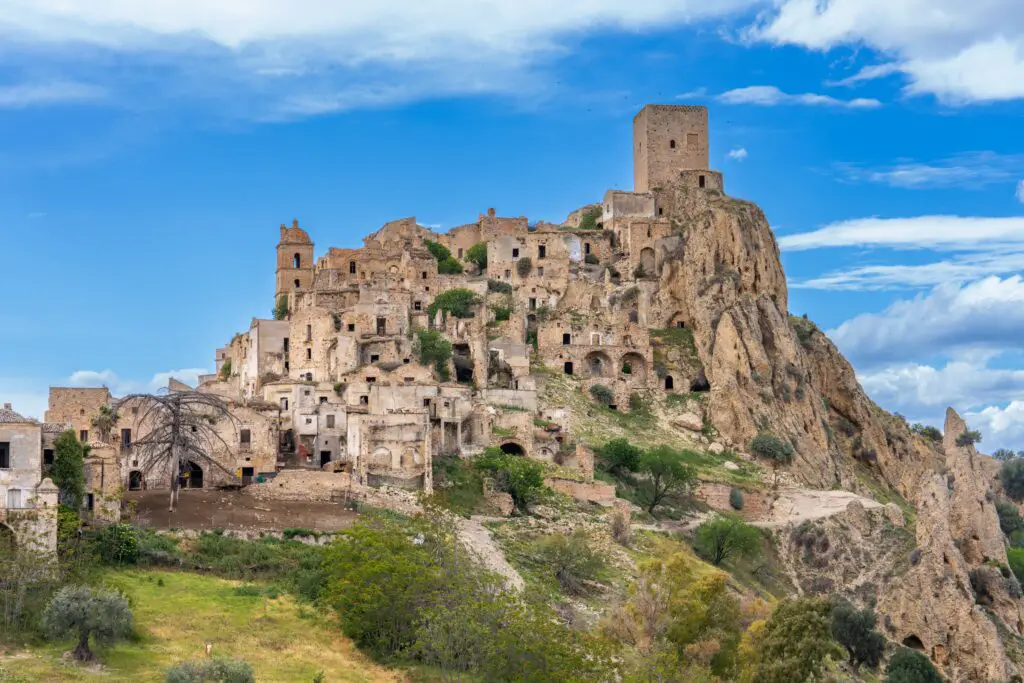
Craco sits on a dramatic hilltop in southern Italy and dates back to medieval times. Landslides and earthquakes slowly made the town unsafe, and residents were relocated in the 1960s. Rather than being demolished, the entire village was left untouched. Stone houses, arches, and stairways still cling to the cliffs.
The old town square and church tower remain perfectly visible. Movie directors often use Craco as a filming location because it looks so authentic. Streets are empty, but they are still clearly laid out like a normal living town. It feels less abandoned and more like a destination waiting for visitors.
11. Humberstone and Santa Laura, Chile
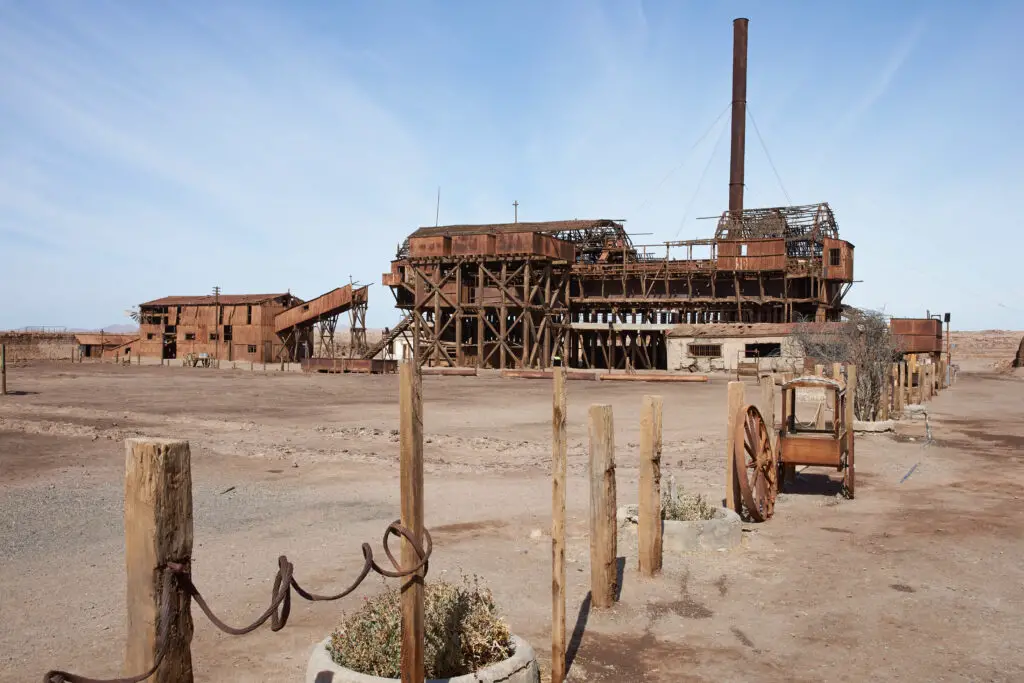
In the Chilean desert sit two former saltpeter mining towns that were once full of workers and their families. When the industry collapsed in the mid 1900s, the towns were deserted almost completely. Instead of being destroyed, the theaters, hotels, and houses were preserved by the dry climate. Today they are protected as UNESCO World Heritage sites.
Visitors can walk through empty swimming pools, schools, and marketplaces. Old signs still hang over shops as if they might open in the morning. The dusty streets are laid out neatly, making the towns feel strangely organized. They look like classic roadside tourist stops that simply never reopened.
12. Kupari Resort Complex, Croatia
Kupari was once a luxurious seaside getaway on the Adriatic coast. During the Yugoslav Wars in the 1990s, the grand hotels were heavily damaged and then abandoned. Massive beachfront buildings still stand overlooking crystal blue water. From the outside, the complex looks like it could be repaired and reopened quickly.
Lobbies, staircases, and terraces remain largely intact. Palm trees and gardens still grow around the empty pools. Tourists often wander through the area because it feels like a resort frozen between seasons. It is easy to picture beach umbrellas and crowded restaurants coming back to life.
13. Haludovo Palace Hotel, Croatia
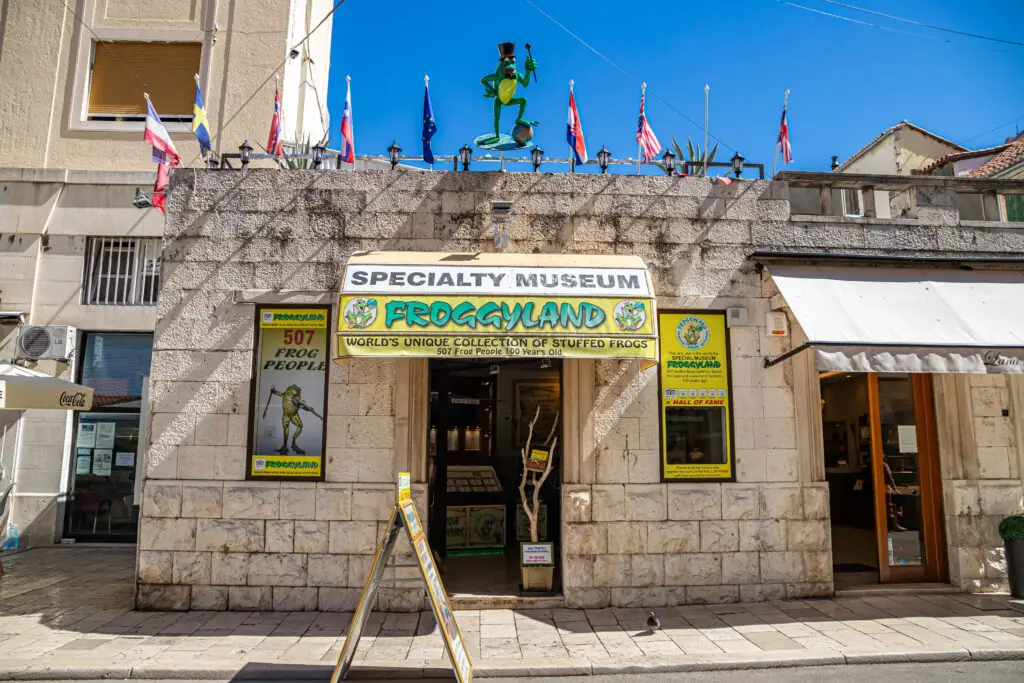
Another Croatian resort with a glamorous past is the Haludovo Palace Hotel on the island of Krk. In the 1970s it attracted wealthy international guests and was considered cutting edge luxury. Financial troubles and political changes eventually forced it to close. The enormous modern building still stands right beside a beautiful beach.
Marble floors, sweeping staircases, and large balconies remain visible. Even with broken windows, the hotel looks surprisingly ready for renovation. Old bars and dining rooms still hint at the elegant parties once held there. It feels more like a temporarily closed vacation spot than a ruin.
14. Maunsell Sea Forts, United Kingdom
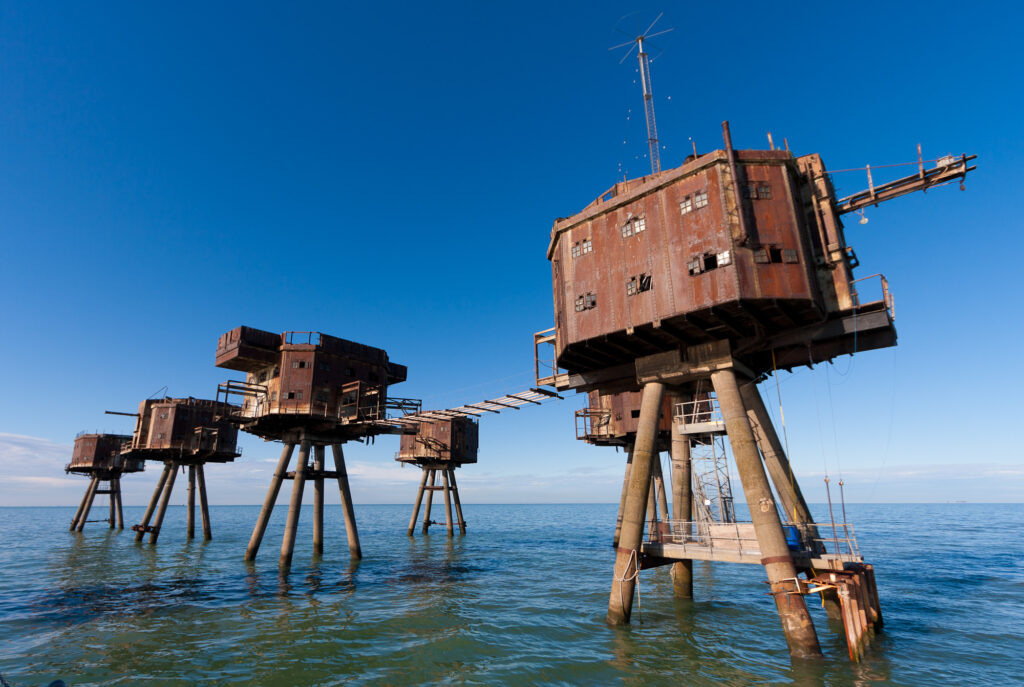
These strange metal forts were built in the Thames Estuary during World War II to defend London from air attacks. After the war they were abandoned and left to rust in the water. The structures still rise dramatically out of the sea like futuristic hotels on stilts. From a boat, they look sturdy enough to welcome guests.
Each fort has platforms, towers, and connecting walkways that remain surprisingly intact. Over the years they have been used for pirate radio stations and film projects. Seagulls are the only regular visitors now. They resemble odd offshore tourist attractions waiting for ferries that never come.
15. North Brother Island, New York City
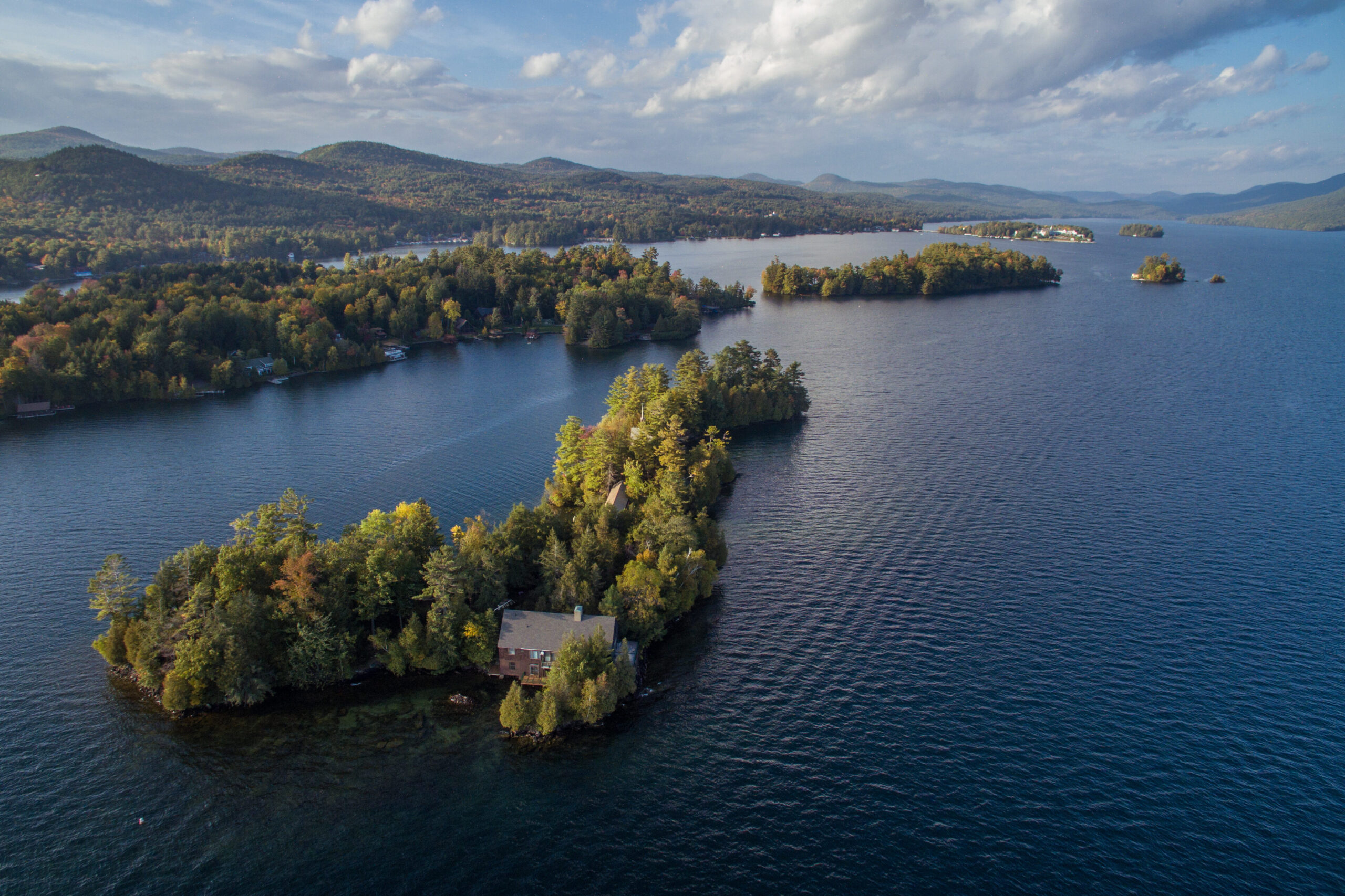
Hidden in the East River between the Bronx and Rikers Island sits North Brother Island. It once housed a hospital and later a rehabilitation center for teenagers. When the facilities closed in the 1960s, the island was left completely abandoned. Large brick buildings still stand among thick trees and overgrown paths.
From the water, the complex looks like an old college campus or summer retreat. Windows, porches, and courtyards remain clearly visible. Very few people are allowed to visit, which keeps the site frozen in time. It feels like a quiet resort waiting patiently for boats full of tourists that never arrive.