
1. Dogpatch USA
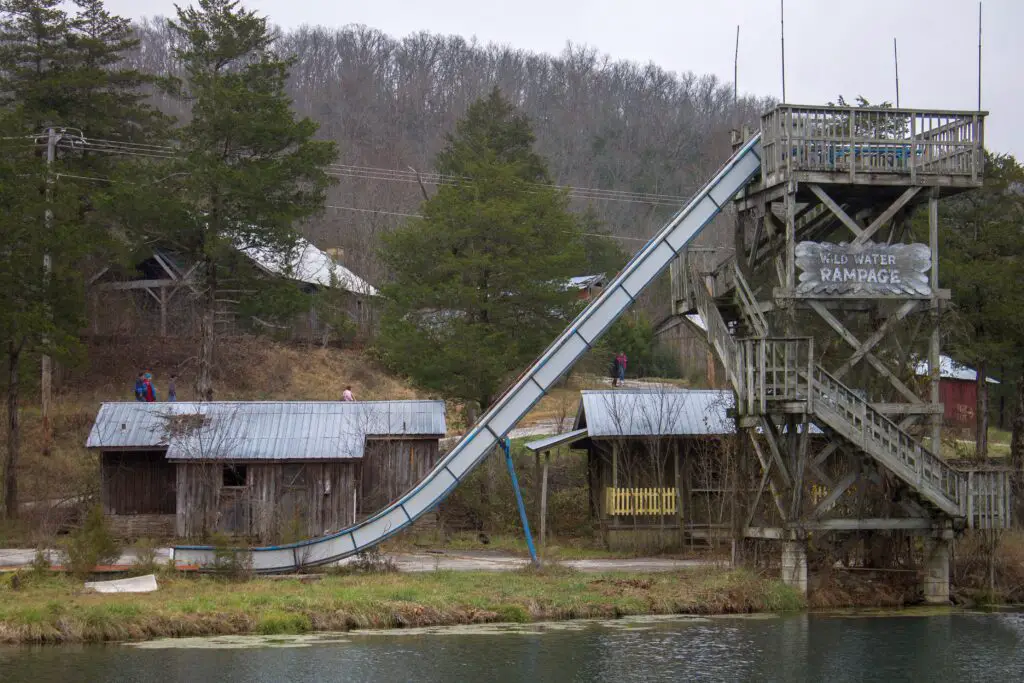
Tucked into the Ozark Mountains, this quirky Arkansas theme park once celebrated the cartoon world of Li’l Abner. When it closed in the early 1990s, nature wasted no time stepping in, wrapping vines around old wooden facades and swallowing walkways that had echoed with summer crowds. The old water rides, once the park’s biggest draw, sat quietly as algae coated their faded flumes. Even the hillbilly-themed storefronts, once full of kitschy charm, became home to moss and overgrown brush. For years, hikers and photographers wandered the grounds in awe of how quickly the forest reclaimed the space. The silence of the Ozarks settled in like a blanket.
By the late 2010s, various attempts were made to revive or repurpose the land, but most efforts fizzled out. The abandoned structures kept aging under the weight of humidity and plant life. Roofs sagged, bridges collapsed, and critters made themselves right at home where ticket booths once stood. Even in its decaying state, the park carried a strange nostalgic pull, a reminder of how fast nature can erase something once designed to be larger than life.
2. Joyland Amusement Park
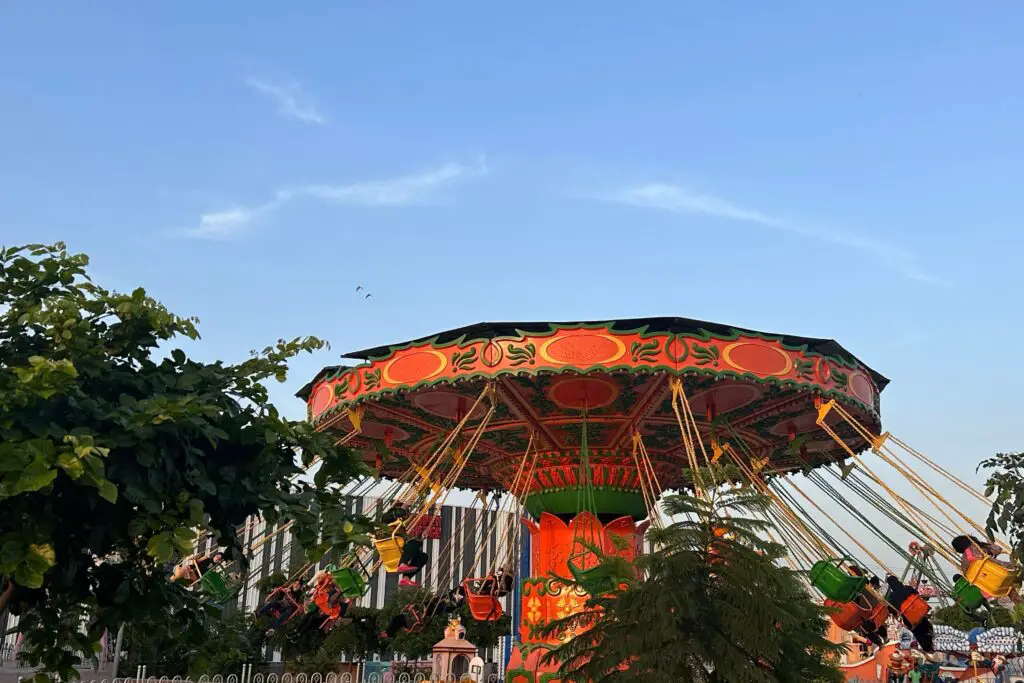
Joyland in Wichita, Kansas, was once the kind of place kids begged to visit each summer. After closing in 2006, everything from the rickety wooden coasters to the iconic clown-faced Wurlitzer organ fell quiet. Trees pushed through cracks in the pavement, and grass shot up around the base of the old Ferris wheel. Birds perched on coaster tracks that hadn’t carried riders in years. The sound of creaking wood replaced the laughter that once filled the air. You could almost imagine the place exhaling after decades of activity.
Over the years, storms and vandalism wore down what remained. The beloved carousel house slowly deteriorated, and the park’s colorful signs faded to pastel ghosts. Despite community efforts to save certain pieces, nature kept moving in. By the mid-2010s, Joyland had become a local symbol of both nostalgia and loss, a reminder that even the happiest places can disappear if left untouched.
3. Heritage USA
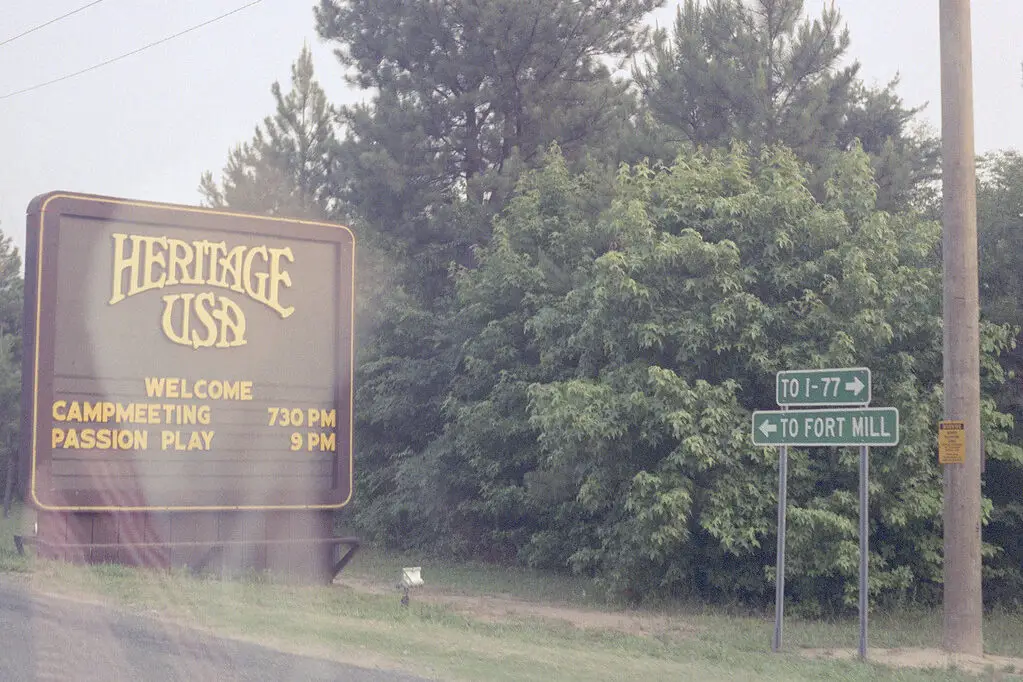
Once a massive Christian-themed park in South Carolina, Heritage USA drew millions in its 1980s heyday. When financial troubles and scandals hit, the attractions emptied almost overnight. Boardwalks cracked under the weight of creeping ivy, and the giant water slide complex became a strange monument to what could have been. Buildings that once housed bustling restaurants and gift shops were slowly overtaken by kudzu. Even the grand amphitheater, once full of music and sermons, sat quietly as weeds pushed through every seam.
In later years, portions of the property were repurposed, but vast sections remained untouched. The old towers and walkways weathered in the humid air, giving everything a surreal, post-apocalyptic look. Trees sprouted where crowds once lined up for shows, and vines wrapped tightly around railings. Heritage USA eventually became a reminder not just of its unusual history, but of how quickly nature steps in when people step out.
4. Spreepark
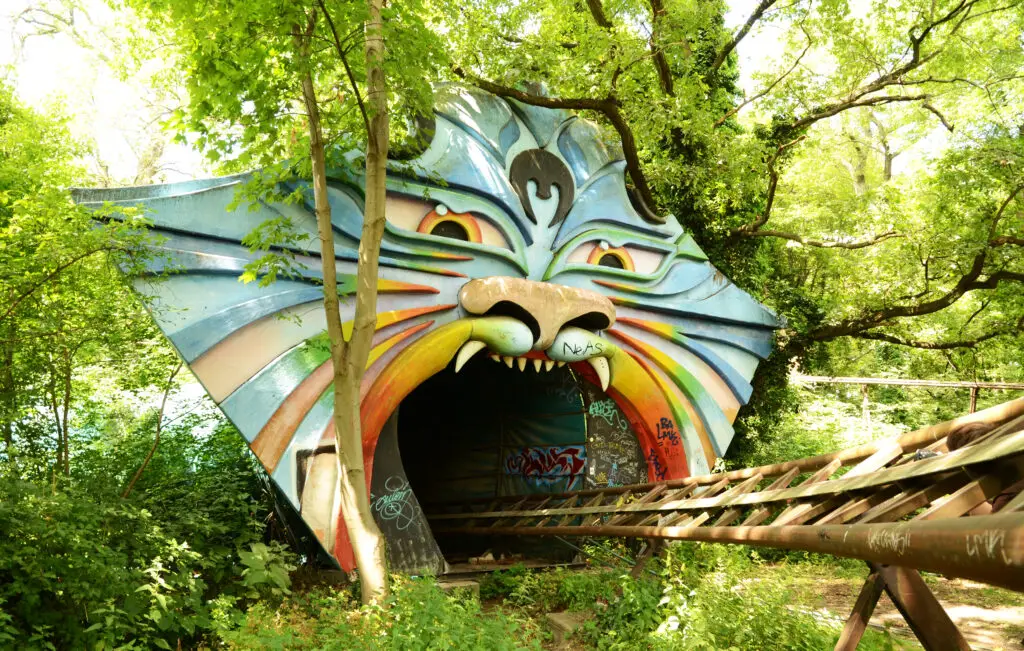
Berlin’s abandoned Spreepark is one of the most photographed decaying amusement parks in the world. Its giant Ferris wheel still stands, groaning and turning slightly whenever the wind blows. After closing in 2002, the park was left to the elements, and nature spread through the grounds like it had been waiting for an invitation. Boats from the old water ride sat half-submerged in reeds, and toppled dinosaur figures peeked out from tall grass. Even the once-bright circus tents faded into muted shades as vines swallowed their seams.
Visitors who wandered through before redevelopment began often said the silence felt heavy. Pathways vanished under thick brush, and graffiti mixed with moss on anything still upright. Animals wandered freely, taking over picnic areas where families once gathered. For years, Spreepark was a strange blend of whimsy and decay, a relic of a much brighter chapter.
5. Holy Land USA
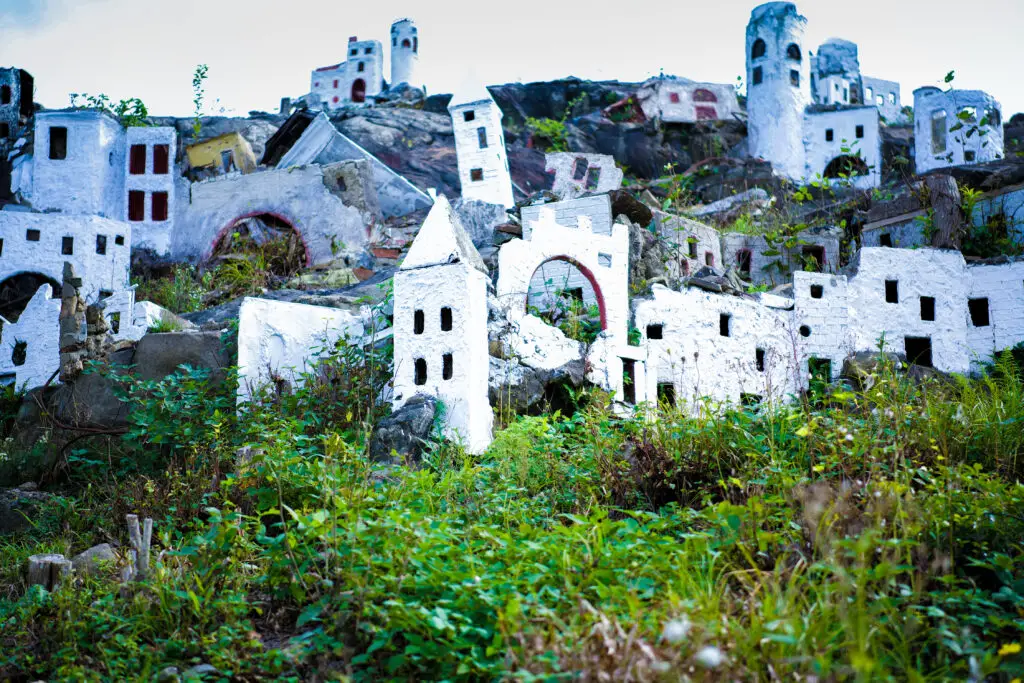
Built in Connecticut as a biblical-themed attraction, Holy Land USA saw its last major crowds in the 1980s. When the park closed, everything from faux Bethlehem structures to plaster statues was left to face the elements. Moss spread across the miniature buildings, and weeds climbed the hill that once offered sweeping views of Waterbury. The iconic cross overlooking the site became one of the few recognizable pieces still standing tall. Visitors who ventured up in later years found cracked walkways, crumbling walls, and a unique kind of quiet.
Though restoration attempts have come and gone, many areas remained untouched for decades. Small trees sprouted inside what used to be exhibit rooms. Birds nested high in the old structures, giving the park an unexpectedly peaceful feel. Despite its state of decay, Holy Land USA remained deeply memorable, a testament to how nature and time can rework even the most carefully constructed spaces.
6. Takakonuma Greenland
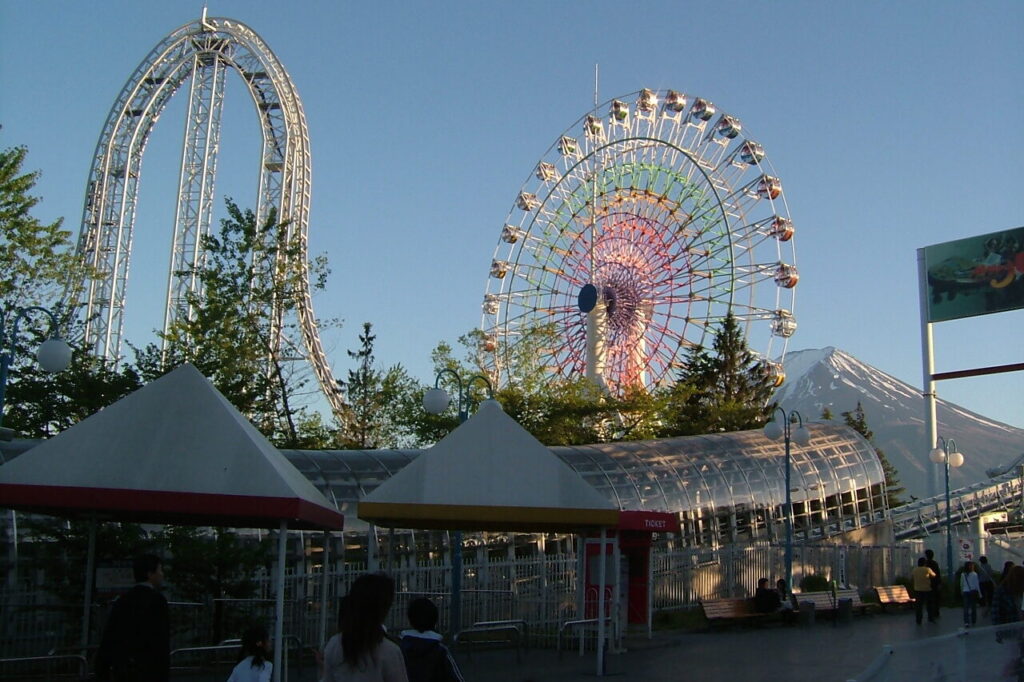
Hidden in Fukushima, Japan, Takakonuma Greenland has long fascinated urban explorers. It opened in the 1970s, closed, reopened briefly, and then permanently shut down in the 1990s. After that, thick fog and dense forest swallowed almost everything. Locals sometimes described the place as eerie even before abandonment, and once nature took over, it became even more mysterious. Rides rusted quietly under layers of moss, and broken walkways disappeared into undergrowth.
Visitors described the feeling of stepping into another world, one where amusement rides felt more like ancient relics than modern attractions. Trees wrapped their roots around coaster supports, and vines climbed high into the steel frames. Fog rolled in often, making the entire park look dreamlike. Even with much of it dismantled over time, Takakonuma Greenland left a reputation as one of the most atmospheric abandoned parks in the world.
7. Ho Thuy Tien Water Park
This Vietnamese water park sits just outside Hue, and it quickly became famous for its haunting, dragon-shaped aquarium. When the park closed in the mid-2000s, nature rushed in with surprising speed. Trees pushed through concrete, water slides cracked under heat and rain, and algae transformed pools into murky ponds. The enormous dragon structure became a landmark of eerie beauty, its paint peeling as vines crawled up its sides.
Travelers who found their way in spoke of how surreal it felt to stand inside the empty dragon’s mouth and look out over the overgrown landscape. Walkways were nearly swallowed by brush, and stray wildlife wandered freely across the property. The contrast between the park’s wild growth and the still-standing sculptures made it feel like a forgotten movie set. Over time, Ho Thuy Tien became a symbol of how quickly tropical climates can reclaim man-made spaces.
8. Nara Dreamland
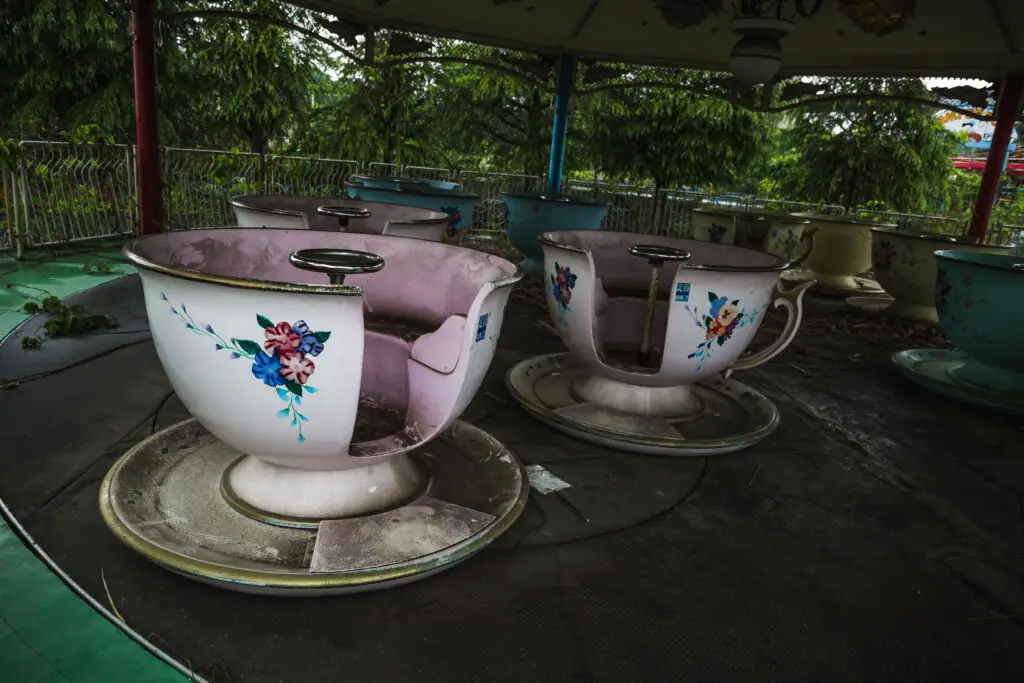
Built as Japan’s answer to Disneyland, Nara Dreamland opened in 1961 and closed in 2006. Once the crowds disappeared, the familiar-looking castle, Matterhorn-style coaster, and retro teacup rides were left to fade in the sun. Plants pushed through the pavement, creeping across ticket booths and sidewalks. Even the monorail track rusted in place, becoming an unexpected perch for birds. The whole place felt nostalgic and haunting all at once.
Adventurous photographers explored it for years before demolition started. They found classrooms of dust-covered props, faded maps, and ride cars frozen in time. The air felt heavy, as if the park was waiting for guests who would never return. Before it was finally torn down, Nara Dreamland stood as one of the most iconic examples of nature slowly softening every sharp edge of an abandoned space.
9. Lake Dolores Waterpark
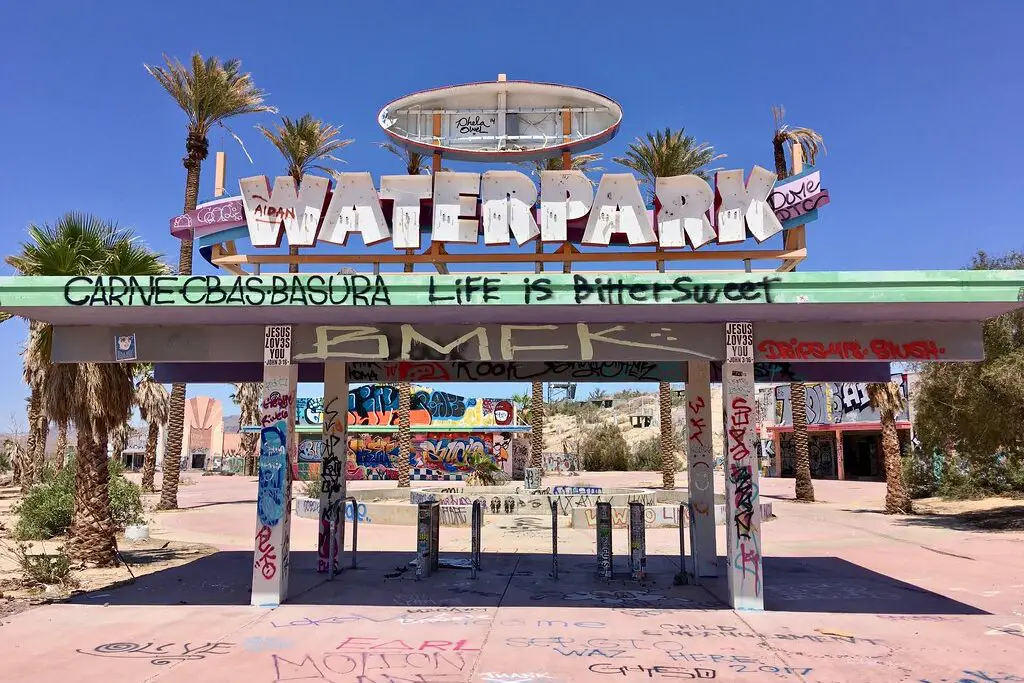
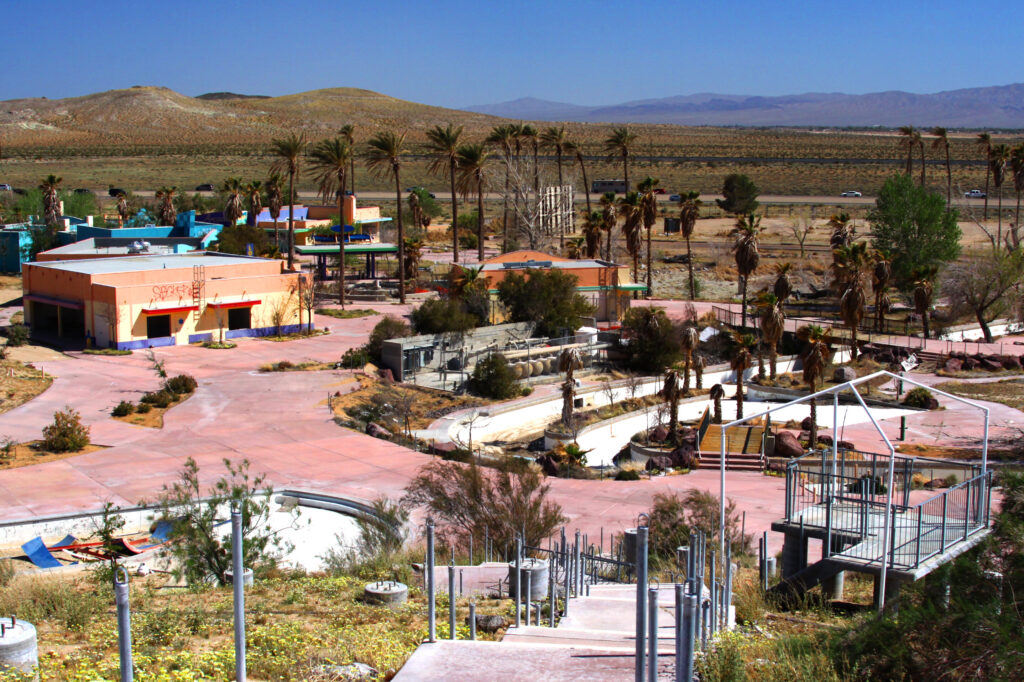
Sitting in the California desert, Lake Dolores once buzzed with energy as a watersports playground in the ’70s and ’80s. When it closed for good, the scorching sun and open landscape sped up the decay. Waterslides turned chalky and brittle, graffiti spread across walls, and sand drifted onto walkways like a slow-moving tide. Even the once-famous zip lines and diving towers looked ghostly against the empty sky. The desert reclaimed everything with quiet efficiency.
By the 2000s, urban explorers flocked to see what remained. Rattlesnakes curled up in the shade of old structures, and tumbleweeds gathered in deep corners. The park’s isolated location added to its haunting charm, making it feel almost like a mirage. Today, Lake Dolores stands as a reminder that even the driest landscapes can take back what once belonged to them.
10. Miracle Strip Amusement Park
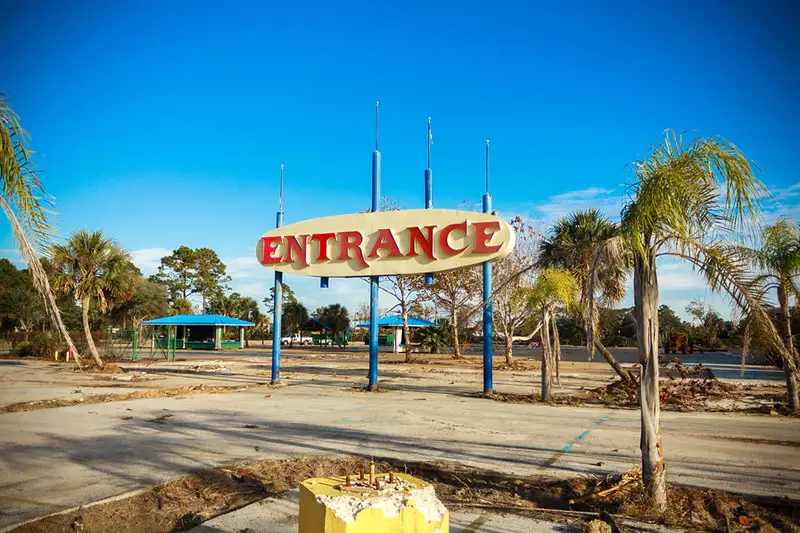
Located in Panama City Beach, this beloved beachfront park closed in 2004. Without constant maintenance, the salt air and humidity began breaking down buildings almost immediately. Boardwalk planks warped, paint peeled from coasters, and the once-famous Starliner wooden coaster stood silently against the shoreline breeze. Plants crept in from the edges, softening the once-sharp outlines of rides and food stands. The sounds of waves replaced the screams and music that once filled the air.
While bits and pieces were eventually relocated or auctioned off, the original grounds still carried a ghostly feel for years. Graffiti appeared on weather-beaten structures, and storms washed away more of what remained. The empty park became a strange blend of sun, ruin, and nostalgia. Even after redevelopment, longtime visitors remembered the original site as a place slowly reclaimed by coastal nature.
11. Chippewa Lake Park
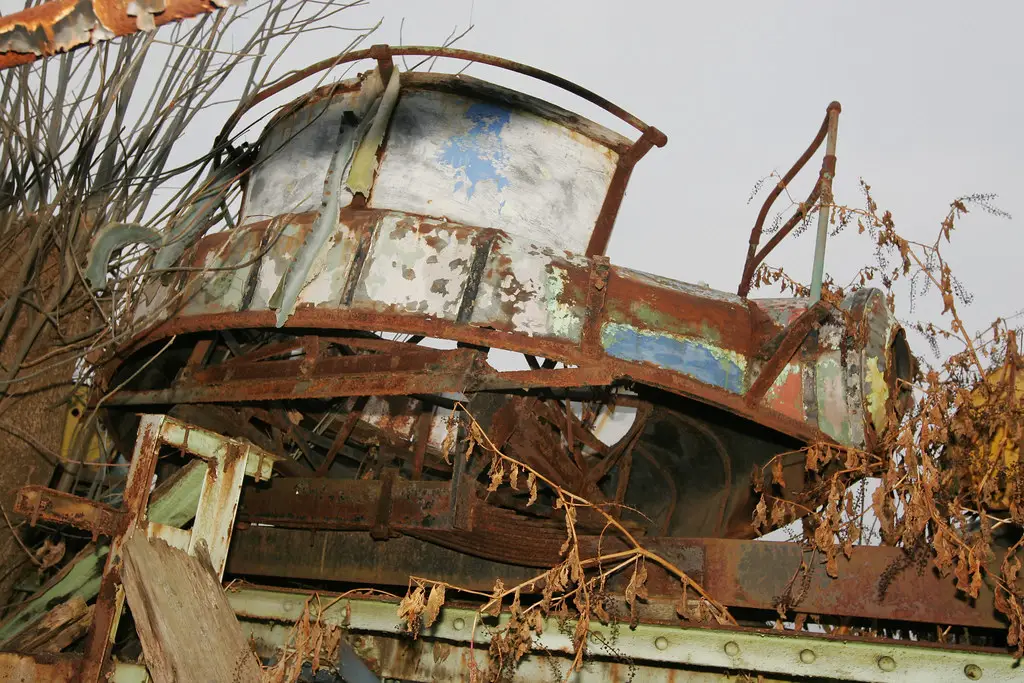
This Ohio amusement park operated for almost 100 years before closing in 1978. After that, everything was left in place as if someone had simply turned off the lights and walked away. Trees grew straight through roller coaster frames, and thick ivy draped over old dance halls. The Ferris wheel rusted quietly beside the lake, surrounded by brush. Chippewa became one of the most dramatic examples of nature’s ability to reshape a space.
Photographers visiting in the 2000s found entire buildings buried in greenery. Ride cars sat overturned under layers of leaves, and walkways vanished under decades of mud and moss. Even with redevelopment clearing much of the land later, images of its peak abandonment still circulate online. It remains a testament to how quickly the Midwest can swallow a forgotten amusement park.
12. Land of Oz
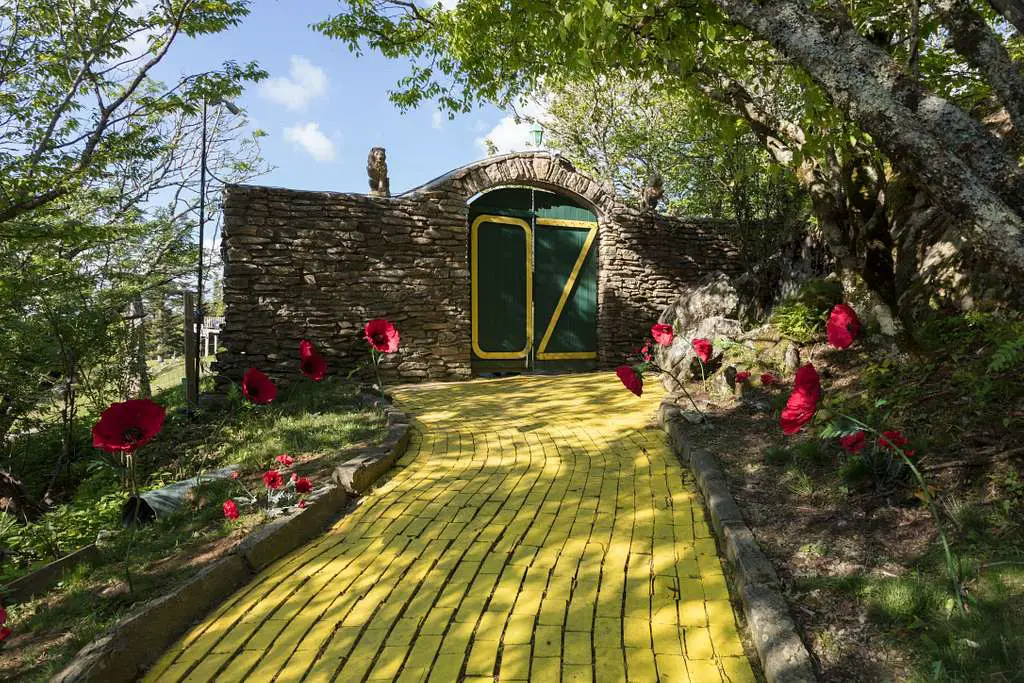
High on North Carolina’s Beech Mountain, the Land of Oz theme park originally opened in 1970. After much of it closed in the mid-’70s, nature draped itself across the yellow brick road and crept into cottages and gardens. Trees arched over Dorothy’s house, and props from the original attractions weathered under mountain storms. The quietness of the place contrasted sharply with the whimsical world it once tried to create.
What makes Land of Oz unique is that small sections have been revived for seasonal events, yet much of the original property remained untouched for years. Moss settled into bricks, and woodland creatures wandered freely through the once-magical pathways. Even as restoration continues in parts, the abandoned sections still carry that haunting mix of fairy tale and forest reclamation.
13. Pripyat Amusement Park
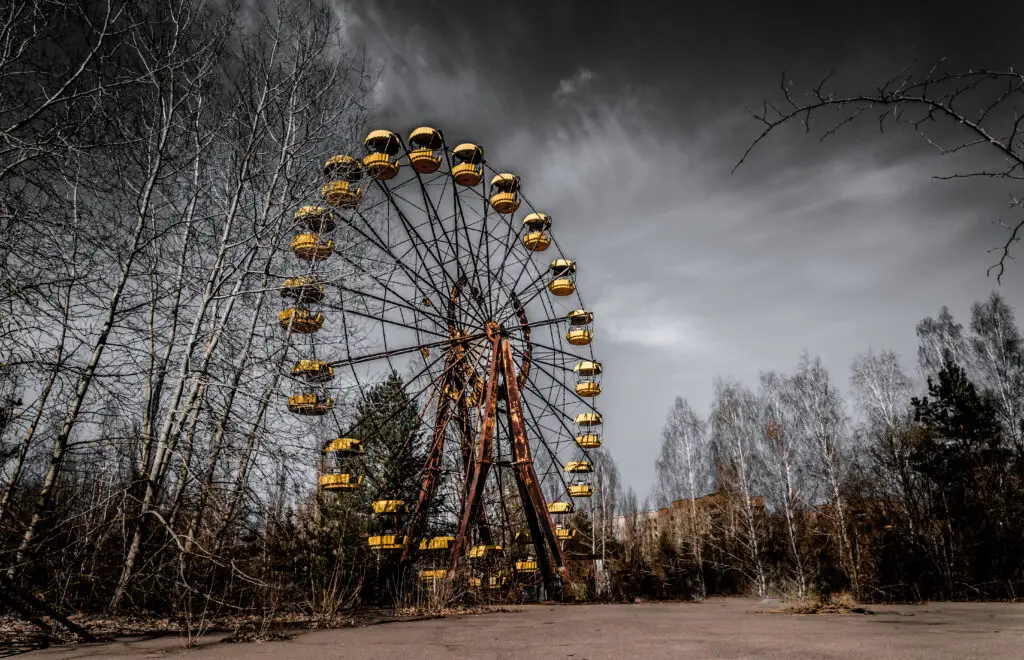
Perhaps the most infamous abandoned park in the world, the amusement park in Pripyat was set to open on May 1, 1986. The Chernobyl disaster struck just days earlier, and the park never officially welcomed guests. Over time, weeds overtook the bumper cars, and rust covered the iconic Ferris wheel. Trees shot up through concrete, making the whole place feel frozen in a tragic moment. Silence became its most defining feature.
Today, the park remains a stark symbol of loss and resilience. Wildlife roams the area freely, filling the space people were forced to leave behind. Moss coats nearly every visible surface, and the colors of the rides have faded to soft grays and yellows. The park stands as a powerful reminder of how quickly nature can return when humanity steps back.
14. Okpo Land

Once a small theme park in South Korea, Okpo Land closed abruptly in the late 1990s. Rumors and tragedies left the park empty, and nature claimed the brightly colored rides with surprising speed. Paint peeled from coaster cars, grass pushed through cracks, and old mascots toppled under wind and rain. The iconic duck-themed ride sat eerily frozen on the hill, becoming a symbol of the park’s strange end.
Explorers who ventured in during the 2000s found twisted metal, overgrown paths, and silence broken only by rustling leaves. The surrounding hillside slowly pulled the park back into the landscape. Eventually, most of the structures were demolished, but the memory of its abandoned state lingered. It became one of those places where nature not only reclaimed the land, but reshaped its legacy entirely.