
1. Six Flags New Orleans
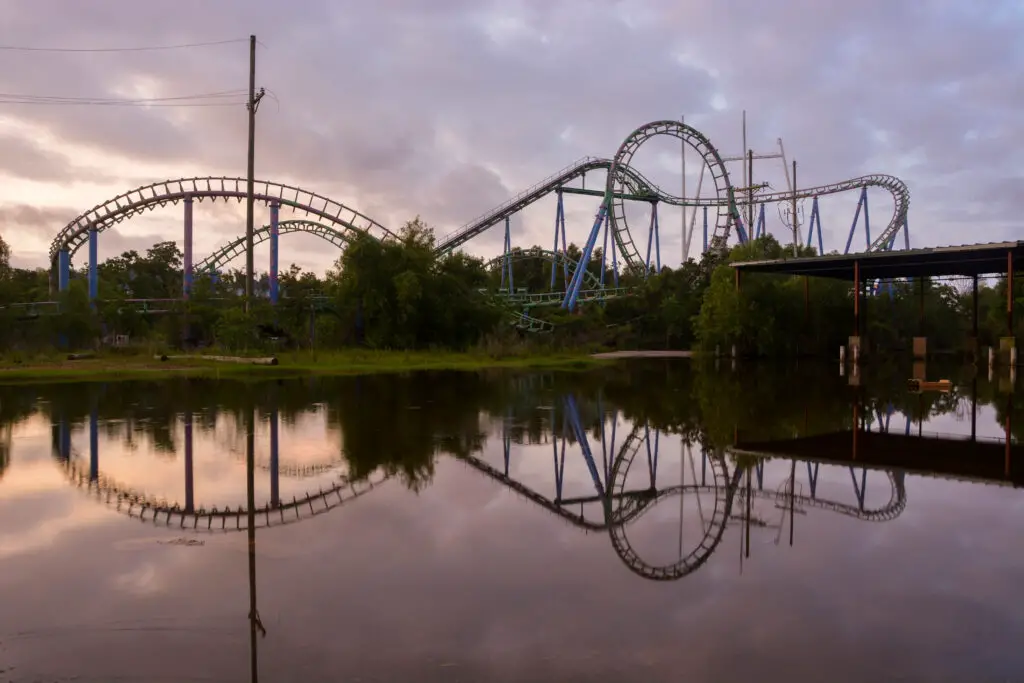
Before Hurricane Katrina hit in 2005, Six Flags New Orleans was one of the city’s biggest entertainment draws. Families came for roller coasters, water rides and a rare full-scale theme park experience in the region. When Katrina flooded the park, the damage was so extensive that it never reopened. Rusting roller coasters and abandoned ticket booths were left exactly where they stood that summer. Over time the park became an eerie symbol of the storm’s aftermath. Movies and TV shows occasionally used it as a filming location because it still looked frozen in time. Locals still debate what should happen to the property. For now it remains one of the most famous abandoned amusement parks in America.
The park originally opened in 2000 as Jazzland before Six Flags took over operations. During its brief peak years, thousands of visitors passed through the gates every weekend. The rides had names tied to Louisiana culture, which made the park feel distinctly local. After Katrina, attempts were made to revive the site, but none of the redevelopment plans stuck. Nature slowly started reclaiming the space as grass and trees pushed through the pavement. Photographers and urban explorers became fascinated with the decaying rides. Standing there today, it is hard to imagine the crowds that once packed the midway.
2. The Michigan Theater Parking Garage
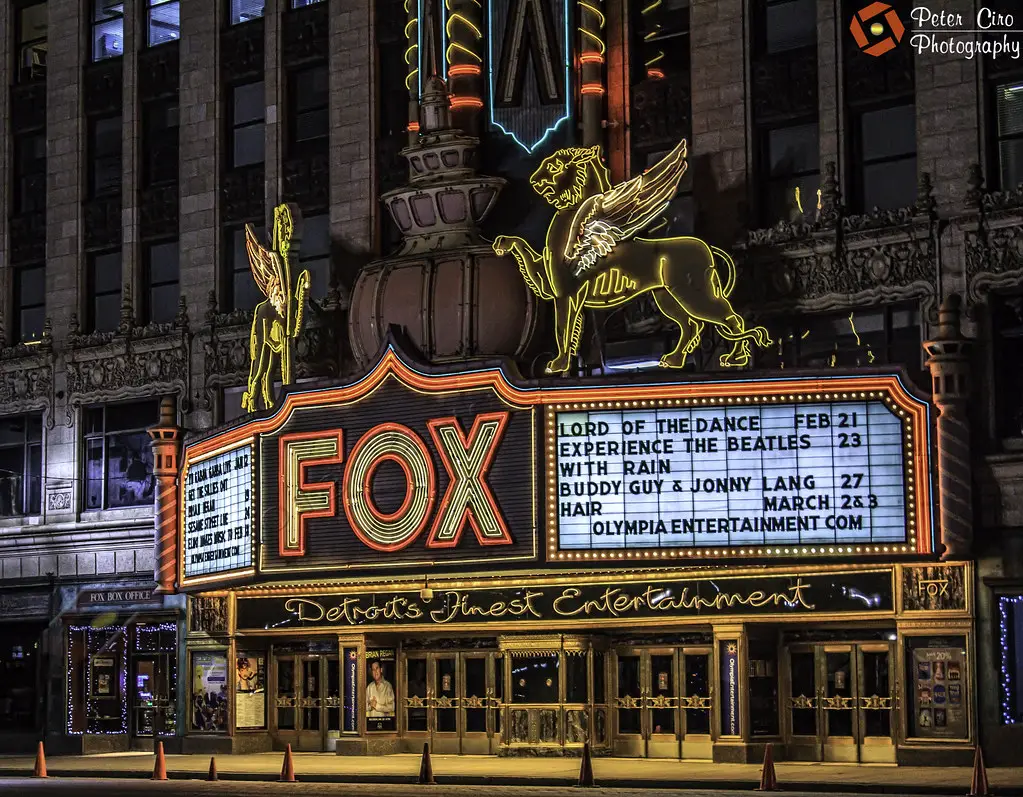
Detroit’s Michigan Theater once stood as one of the grandest movie palaces in the country. Built in 1926, it could seat more than 4,000 people and was known for its lavish design. Ornate columns, detailed plasterwork and towering ceilings made it feel like stepping into a European opera house. For decades it hosted films, concerts and major events. By the 1970s, declining attendance and economic struggles in the city took their toll. The theater closed in 1976 and faced demolition soon after. Instead of tearing the building down completely, developers made a strange decision. They converted the interior into a multi-level parking garage.
What remains today is one of the strangest sights in American architecture. Cars now sit beneath the same ornate ceilings where moviegoers once watched films. The balconies still exist, though they overlook parked vehicles instead of audiences. Much of the decorative interior survived the conversion, which makes the contrast even more surreal. Visitors often describe it as both beautiful and heartbreaking. At one time it symbolized Detroit’s booming entertainment scene. Now it stands as a reminder of how quickly fortunes can change.
3. The Astrodome
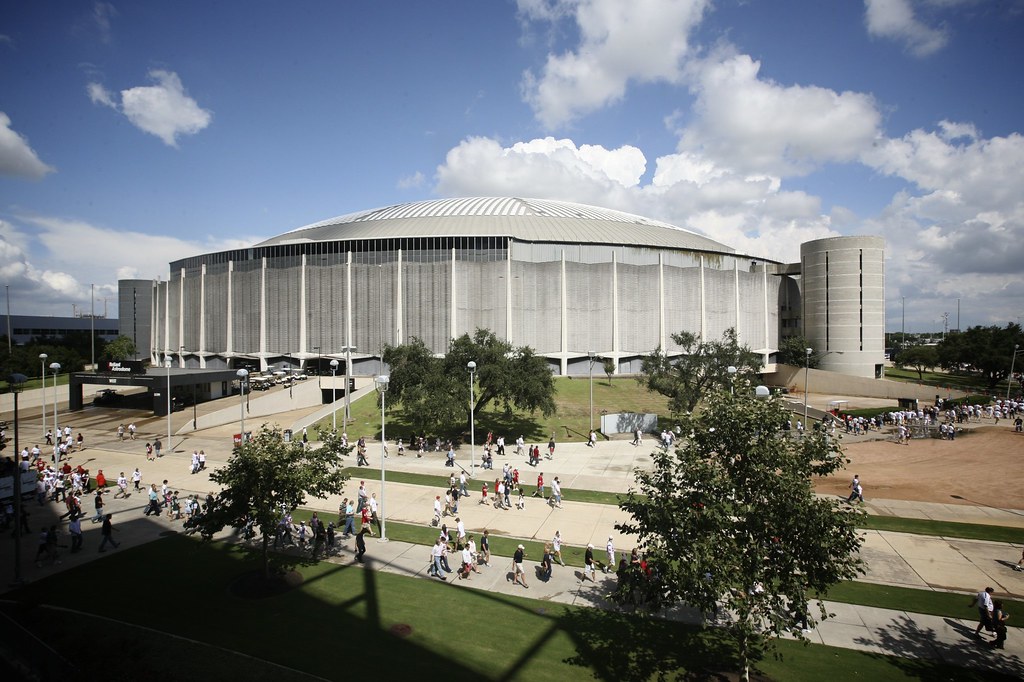
When it opened in 1965, the Astrodome in Houston was called the “Eighth Wonder of the World.” It was the first fully enclosed domed stadium ever built. Fans packed the seats to watch baseball, football, concerts and rodeos. The Houston Astros and Houston Oilers both called it home. For years it represented the future of sports and entertainment venues. But by the late 1990s, newer stadiums with modern amenities began replacing it. The Oilers left in 1996 and the Astros moved to a new ballpark in 2000. Without a permanent tenant, the Astrodome slowly fell into disuse.
Today the massive structure still stands, but it has remained largely unused for years. Debates continue over whether it should be renovated, repurposed or demolished. Inside, the once-crowded seats and field areas sit empty. The building’s sheer size makes it difficult to ignore in the Houston skyline. Many locals feel nostalgic about the memories created there. Others see it as an expensive relic of another era. Either way, it remains one of the most famous dormant venues in American sports history.
4. Rocky Point Amusement Park
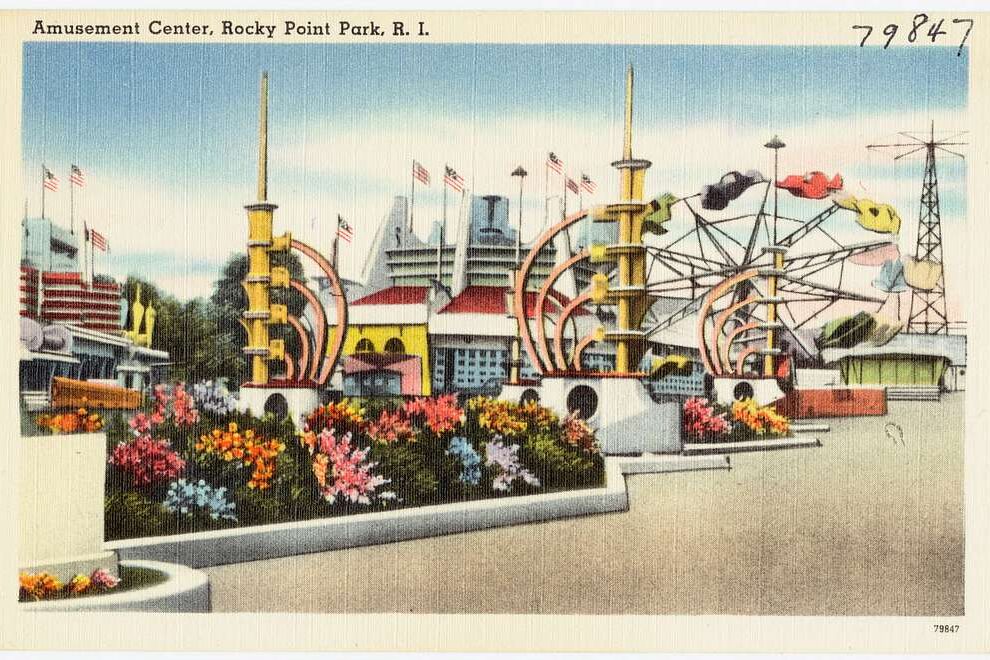
For generations of New England families, Rocky Point Amusement Park in Rhode Island was the place to spend a summer day. The park first opened in the mid-1800s and eventually grew into a massive seaside attraction. Roller coasters, arcades and a famous Shore Dinner Hall drew visitors from all over the region. At its peak in the mid-20th century, thousands of people filled the park every weekend. Families returned year after year as part of a long-standing tradition. But financial struggles and rising competition began to hurt attendance. The park finally closed for good in 1995.
After the closure, many of the rides were dismantled and the property sat empty for years. Locals who had grown up visiting the park were shocked to see it abandoned. The once-busy midway turned into cracked pavement and overgrown grass. Eventually part of the land was turned into a public park overlooking Narragansett Bay. Some old foundations and structures still hint at what once stood there. People who visit today often share stories about riding the roller coasters as kids. For many in Rhode Island, Rocky Point is still tied to childhood memories.
5. The Moulin Rouge Hotel and Casino
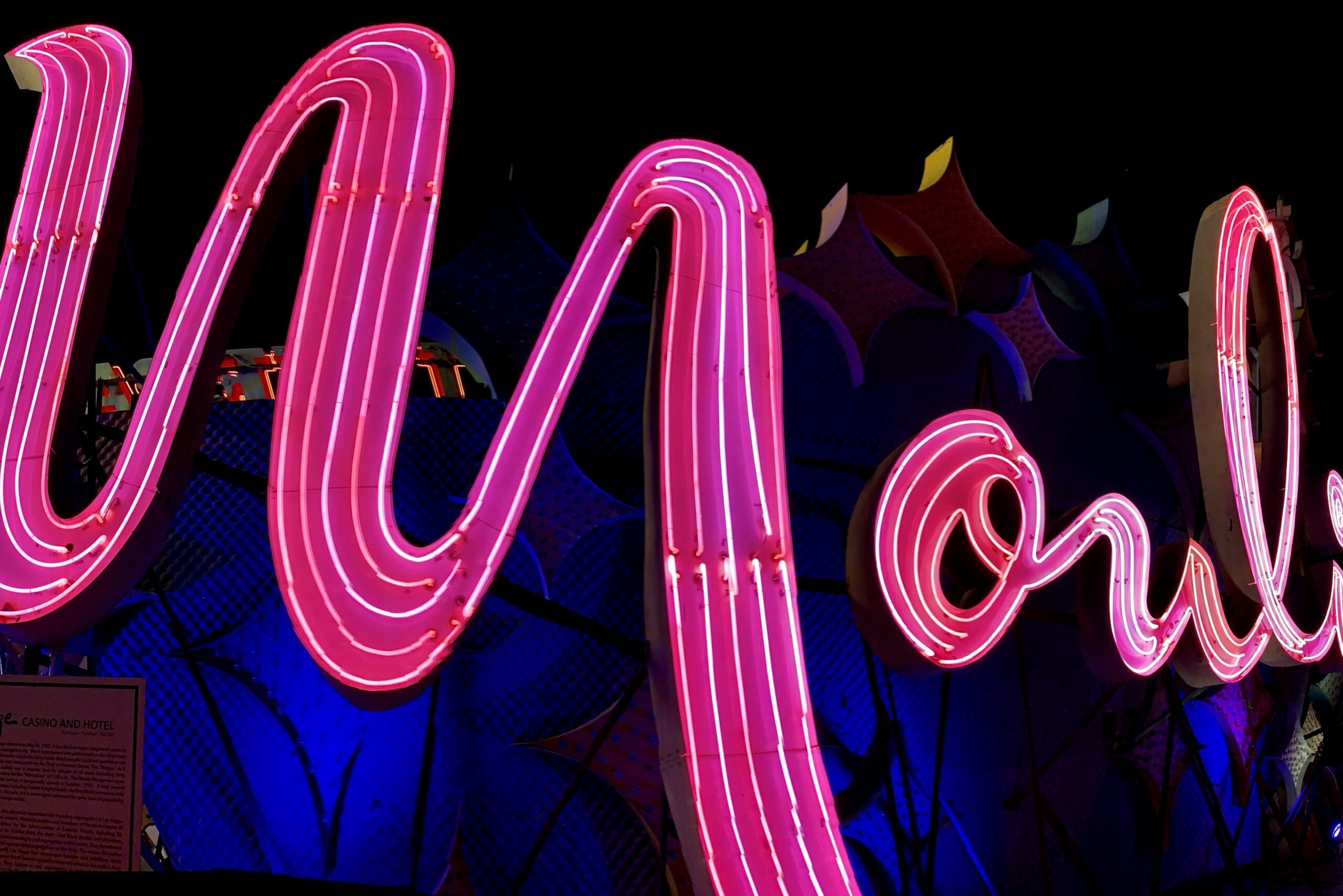
When the Moulin Rouge Hotel and Casino opened in Las Vegas in 1955, it made history for an important reason. It was the first racially integrated casino in the city. At a time when segregation was still common, the venue welcomed performers and guests of all backgrounds. Big-name entertainers performed there and crowds quickly filled the casino floor. The excitement surrounding the opening was enormous. Unfortunately the success did not last very long. Financial troubles forced the casino to close only six months later.
Even though its run was short, the Moulin Rouge remained an important landmark in civil rights history. In 1960, it became the site of negotiations that helped end segregation on the Las Vegas Strip. Over the years the building changed hands and suffered multiple fires. Much of the original structure eventually deteriorated beyond repair. The property sat abandoned for decades. Efforts were occasionally made to redevelop the site, but progress was slow. Today it is remembered more for its cultural significance than its brief life as a casino.
6. Palace Amusements in Asbury Park
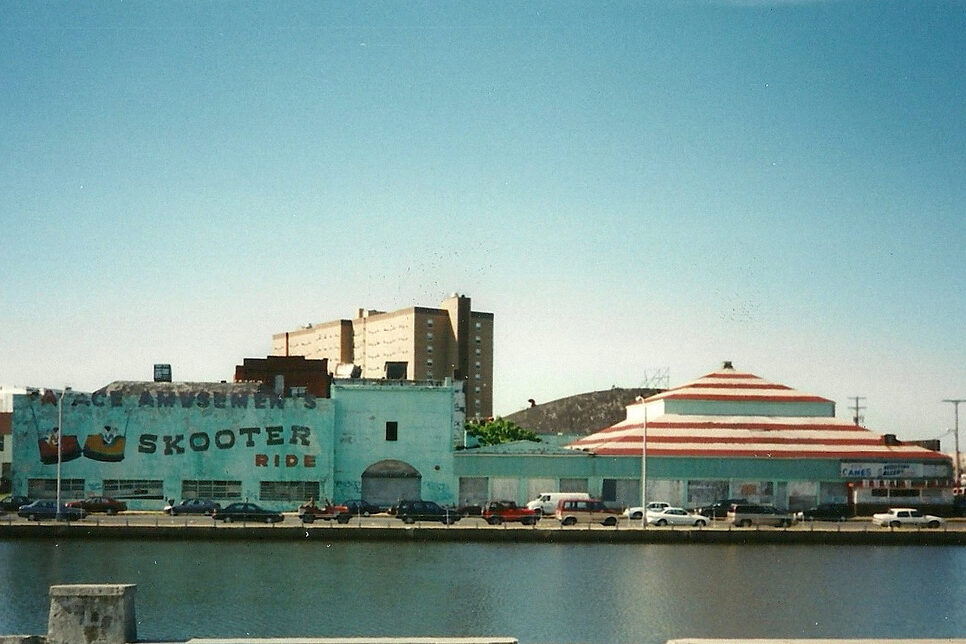
For much of the 20th century, Palace Amusements was the beating heart of the boardwalk in Asbury Park, New Jersey. The indoor amusement complex opened in 1888 and became famous for its colorful attractions. Generations of visitors rode the carousel, played arcade games and wandered through funhouse mirrors. The giant grinning face of “Tillie,” a mural on the building’s exterior, became an iconic symbol of the town. At its peak, the boardwalk bustled with tourists every summer. But economic decline in the area during the 1970s and 1980s took a toll. Palace Amusements finally closed in 1988.
After the closure, the building sat vacant for years while developers debated its future. Preservationists fought to save it, arguing that it was part of the city’s cultural identity. Despite those efforts, most of the structure was demolished in 2004. The famous Tillie face was eventually preserved and relocated nearby. For longtime residents, the demolition marked the end of an era. The lively boardwalk attraction that once drew huge crowds was gone. Today the site has been redeveloped, but memories of the amusement palace remain strong.
7. The Buffalo Memorial Auditorium
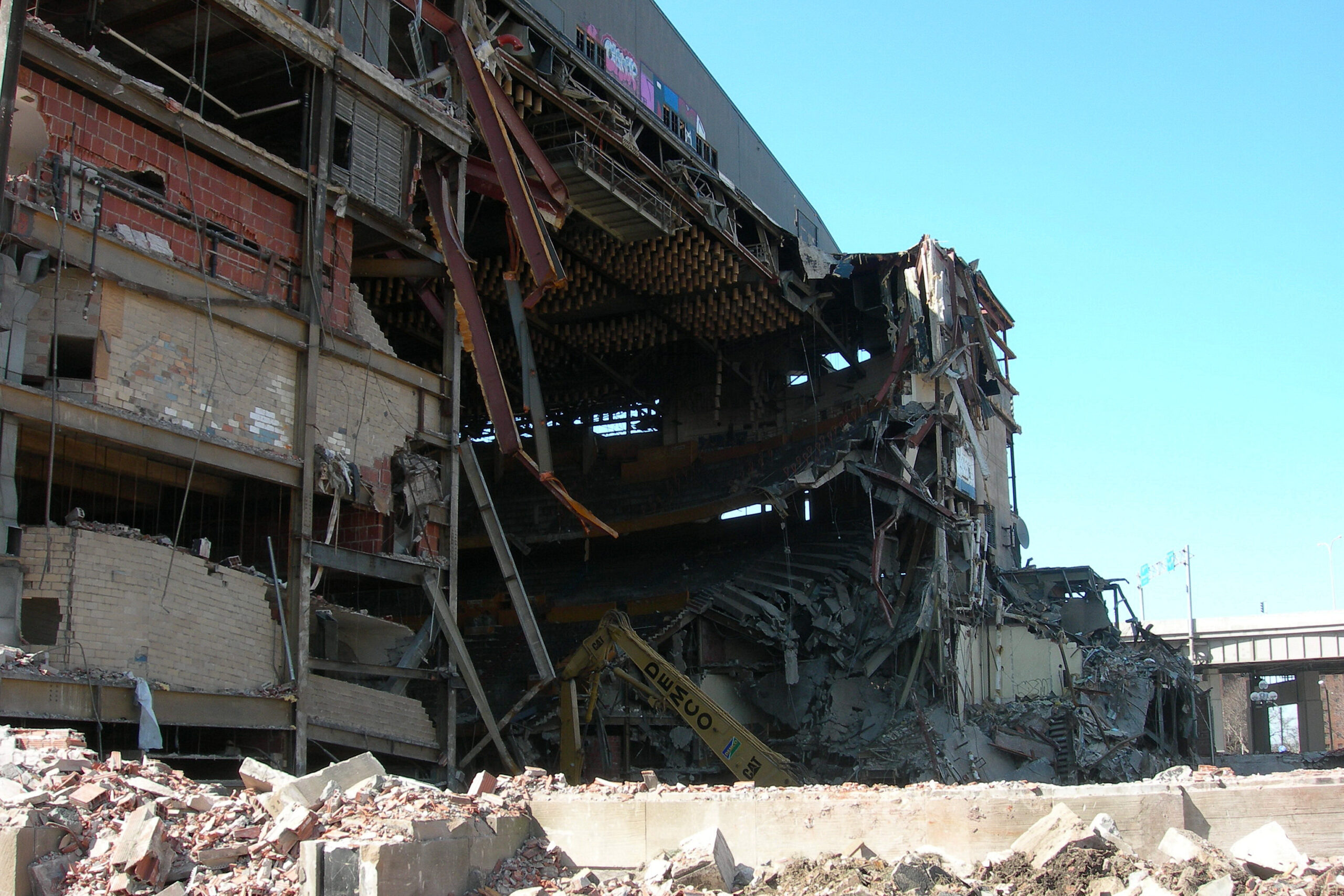
Buffalo Memorial Auditorium, often called “The Aud,” opened in 1940 and quickly became one of the city’s most important gathering places. It hosted hockey games, concerts, political rallies and countless community events. The Buffalo Sabres played their early seasons there, and fans packed the building during big games. Legendary musicians also performed on its stage over the decades. For a long time it was the center of entertainment in Buffalo. But by the 1990s, the aging arena lacked the modern features of newer venues. The Sabres moved to a new arena in 1996.
Without its primary tenant, the building struggled to stay relevant. Attendance dropped and the venue gradually closed its doors. For years the empty structure sat along the waterfront. Eventually it was demolished in 2009 after decades of memories. Many locals still speak about concerts and games they saw there growing up. The arena may be gone, but its place in Buffalo’s history remains strong. For generations, it was where the city gathered.
8. Freedomland U.S.A.
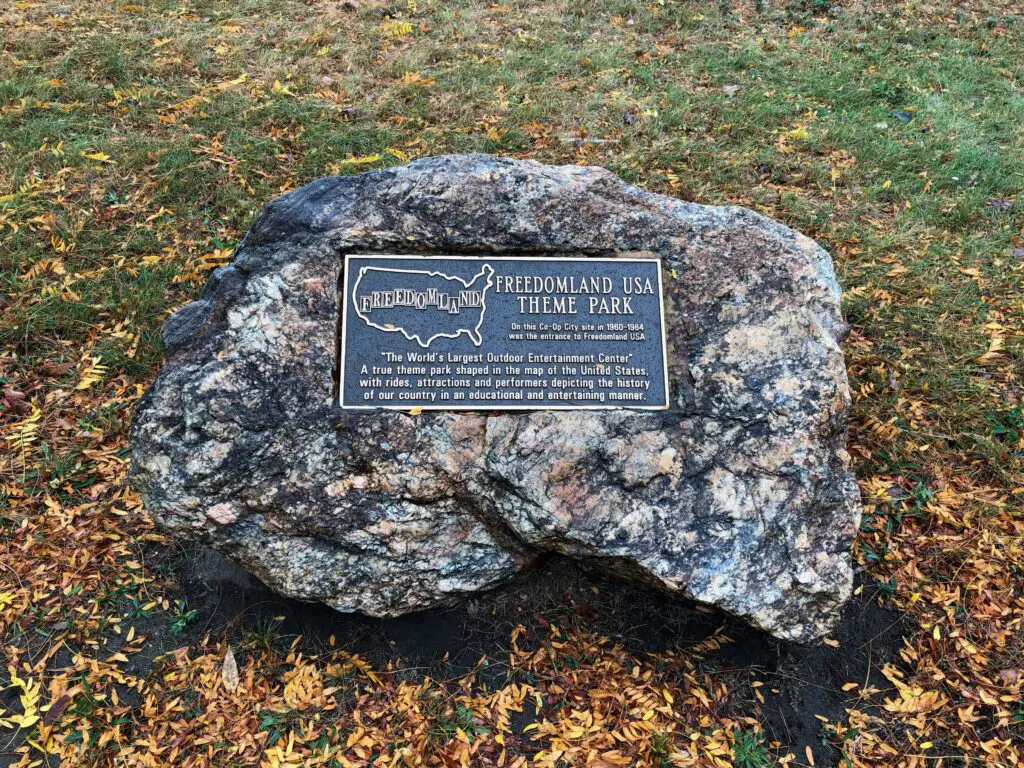
Freedomland U.S.A. opened in the Bronx in 1960 with a unique idea. Instead of fairy-tale castles, the theme park recreated scenes from American history. Visitors could wander through areas themed to Chicago’s Great Fire or the Old West. Actors performed historical reenactments while rides carried guests through different time periods. The park was ambitious and visually impressive. For a few seasons, crowds flocked to experience something completely different from traditional amusement parks. Unfortunately the business model proved difficult to sustain. By 1964, Freedomland closed its gates permanently.
The property was eventually redeveloped into a large residential complex. Very little of the park’s original design remains today. Yet historians and former visitors still talk about how creative the concept was. It tried to combine education and entertainment on a huge scale. Some former employees later went on to work at other major theme parks. The short life of Freedomland has made it a fascinating footnote in amusement park history. For a brief moment, it promised a whole new kind of attraction.
9. The Roxy Theatre
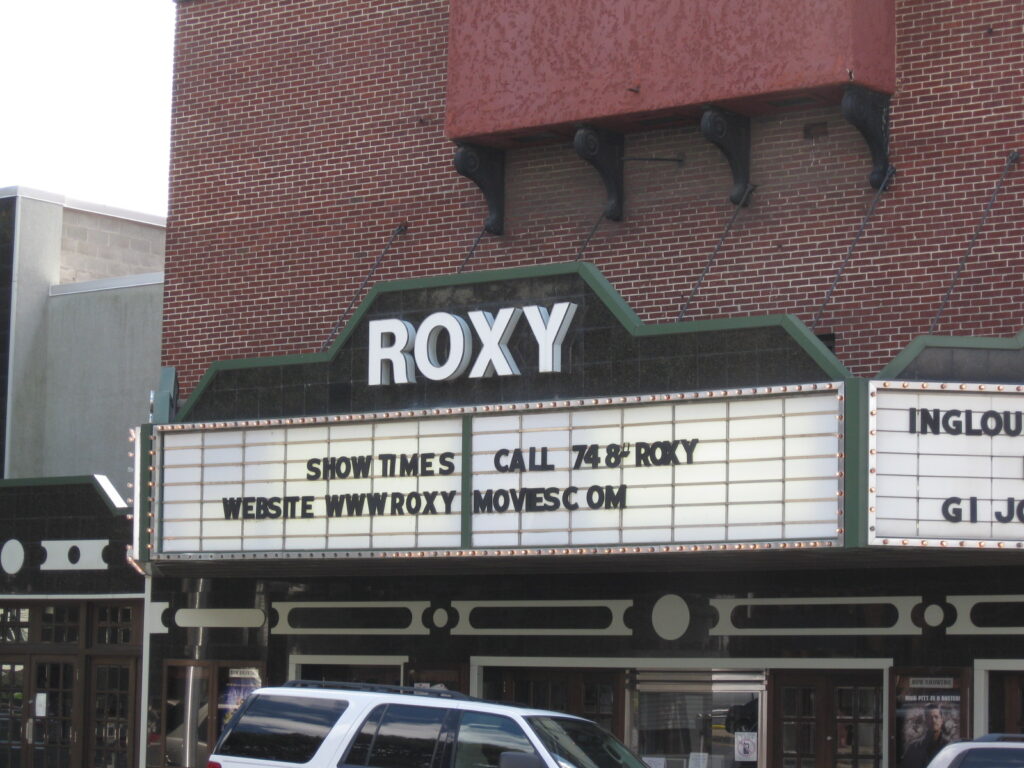
The Roxy Theatre in New York City opened in 1927 and quickly earned the nickname “The Cathedral of the Motion Picture.” It was one of the largest movie theaters ever built, with more than 6,000 seats. Elaborate stage shows accompanied many film screenings, turning each visit into a major event. Audiences dressed up for an evening at the Roxy. The theater also hosted concerts, premieres and live performances. For decades it was a centerpiece of Times Square entertainment. But by the late 1950s, changing movie habits began to hurt attendance.
The massive theater became too expensive to operate. It closed in 1960 and was demolished the following year. In its place rose an office building, which erased nearly all physical traces of the legendary venue. Film historians still talk about the Roxy as one of the most spectacular movie palaces ever built. People who experienced it often described the scale as overwhelming. When it disappeared, an entire era of theatrical exhibition faded with it. Today it survives mainly in photographs and memories.
10. Action Park
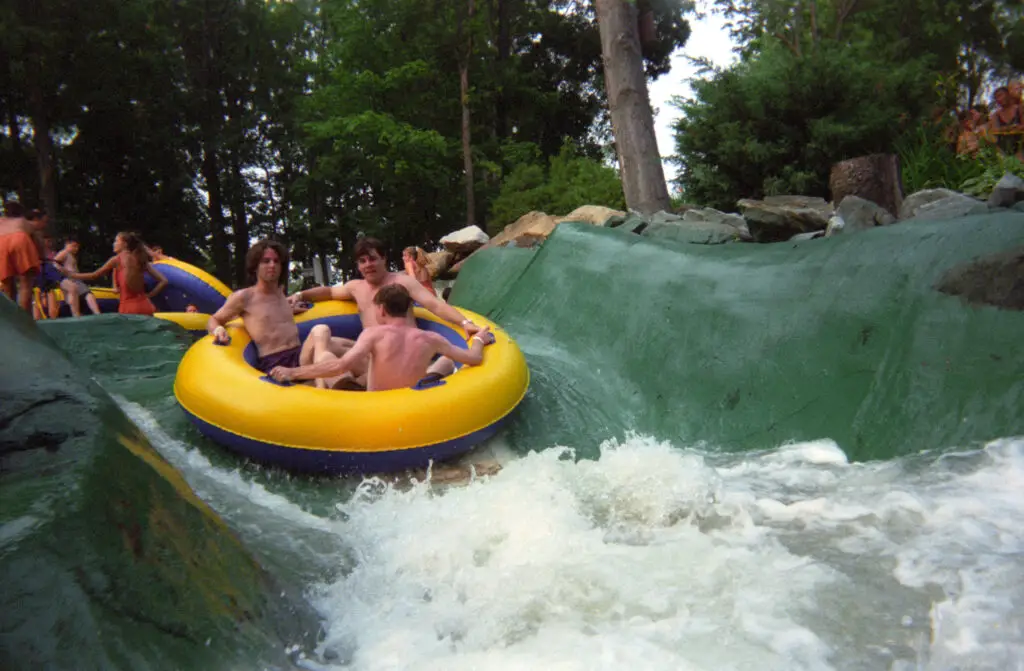
Action Park in Vernon, New Jersey developed a reputation unlike any other amusement park. During the 1970s and 1980s, thrill-seekers flocked there for rides that pushed the limits of safety. Attractions like the Alpine Slide and the Cannonball Loop became infamous. Visitors loved the sense that anything could happen. That wild reputation also brought serious problems. Numerous injuries and lawsuits surrounded the park over the years. By the mid-1990s, the original version of Action Park finally closed.
The park did reopen later under different management and eventually became Mountain Creek Waterpark. But the chaotic version that made headlines in the 1980s is long gone. Former guests often share stories about the unbelievable rides and questionable safety rules. For many people, Action Park felt like a lawless playground compared to modern theme parks. That unpredictability was part of the appeal. It also helped seal its fate. Today it remains legendary among amusement park enthusiasts.
11. Riverview Park
Riverview Park in Chicago was once one of the largest amusement parks in the United States. Opening in 1904, it offered roller coasters, carnival rides and endless midway games. The park’s Bobs roller coaster became especially famous among thrill riders. For decades, Chicago families made Riverview a summer tradition. Teenagers went there on dates and children begged their parents for one more ride. At its peak the park drew more than a million visitors a year. But urban development pressures began creeping closer to the property.
By the 1960s, the land had become far more valuable for housing and other development. The park closed in 1967 after more than six decades of operation. Much of the property was eventually used for a college campus. A few scattered artifacts from the park survive in museums and private collections. Older residents of Chicago still speak about it with nostalgia. For many, it represented the golden age of city amusement parks. Today it exists mostly in photographs and stories.
12. Pontchartrain Beach Amusement Park
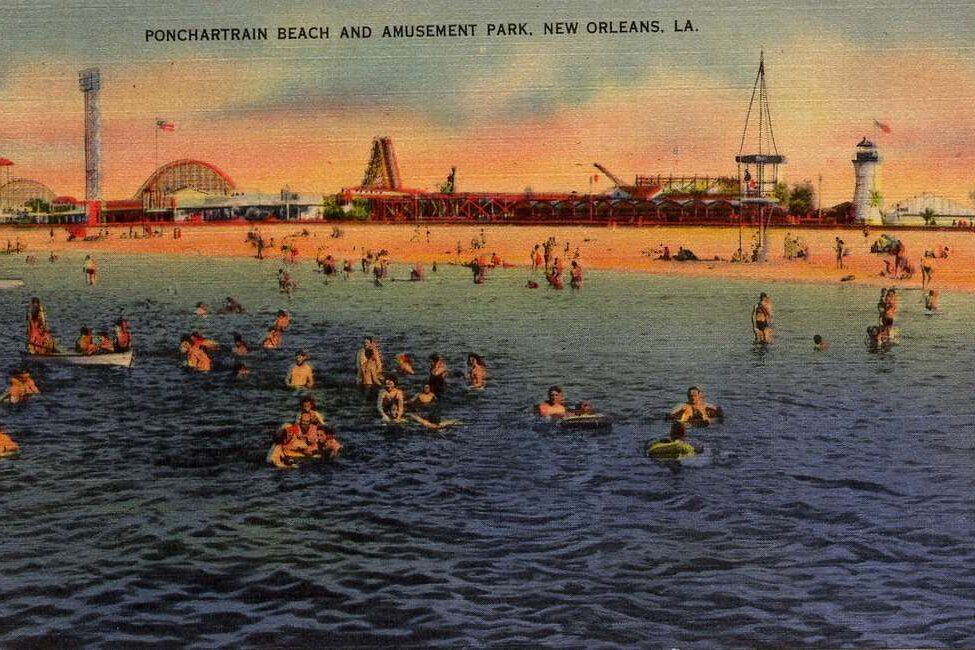
Pontchartrain Beach in New Orleans was once the city’s most popular amusement park. Located along the shore of Lake Pontchartrain, it offered rides, games and a long wooden boardwalk. Families came to cool off during hot Louisiana summers. The park’s roller coaster, the Zephyr, became a local landmark. Concerts and events also brought major crowds to the site. For decades it was a cherished part of the city’s entertainment scene. Changing economic conditions eventually made the park harder to maintain.
Pontchartrain Beach closed in 1983 after nearly half a century of operation. Some rides were relocated, including the Zephyr, which later reopened at another amusement park in the region. The original site was redeveloped and little remains of the old attractions. Still, longtime residents remember the smell of popcorn and the sound of rides echoing along the lakefront. For many families, summer trips to the park were a tradition. Its disappearance left a noticeable gap in the city’s recreational landscape.