
1. Six Flags New Orleans
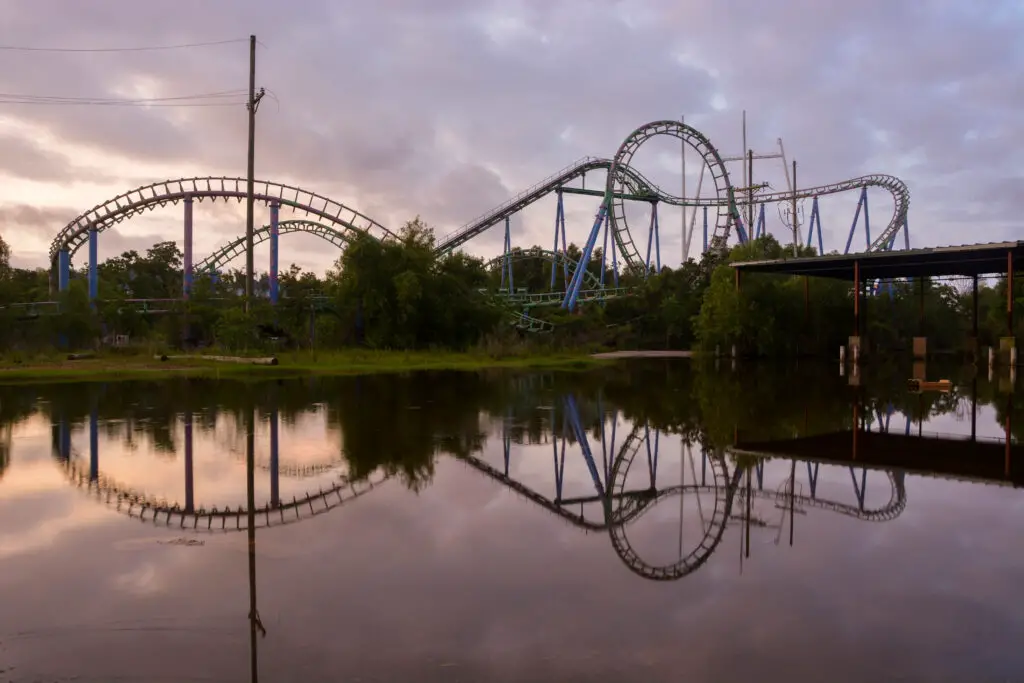
When Six Flags New Orleans opened in 2000 as Jazzland, it was meant to bring a major theme park experience to Louisiana. It featured roller coasters, live music, and a strong local identity tied to New Orleans culture. After being acquired by Six Flags, the park drew steady crowds and became a regional attraction. Everything changed in 2005 when Hurricane Katrina flooded the park with several feet of water. The damage was catastrophic, and despite initial talks of rebuilding, it never reopened. Ownership disputes and financial concerns kept it frozen in place. Today, it still sits abandoned, with rusted rides and overgrown pathways. It’s become one of the most recognizable modern abandoned amusement parks in the United States.
People who visited before Katrina often remember it as a lively, colorful place that felt uniquely tied to the city. The sudden closure gave it an eerie reputation, especially as images of submerged rides circulated online. Over the years, it has been used as a filming location for movies and TV shows. There have been multiple redevelopment proposals, but none have fully materialized. Locals still debate what should happen to the site. For many, it represents both a lost attraction and a reminder of the storm’s long-term impact. It’s hard to imagine that this quiet, decaying space once echoed with music and laughter.
2. Astroland in Coney Island
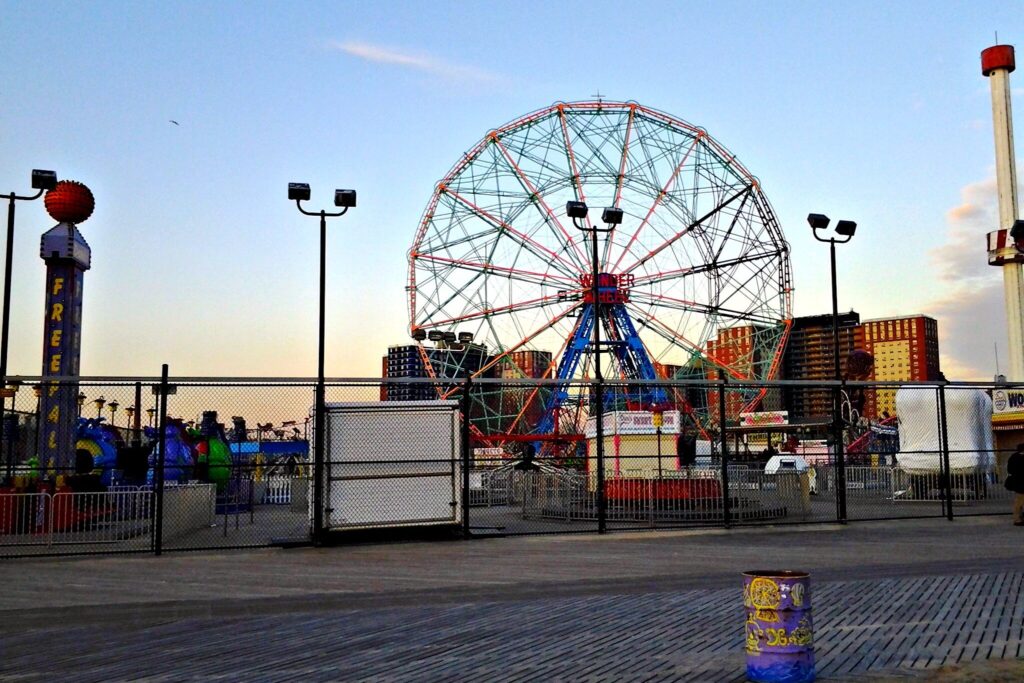
Astroland opened in 1962 in Coney Island and quickly became one of New York’s most beloved amusement parks. It wasn’t the biggest park, but it had a charm that kept people coming back year after year. The Cyclone roller coaster and the Astro Tower became iconic parts of the skyline. Families packed the boardwalk every summer, and the park felt like a staple of New York life. Rising land values and redevelopment plans eventually caught up with it. Astroland closed in 2008 after decades of operation. While some rides were preserved, much of the park disappeared.
For longtime visitors, Astroland represented a simpler era of seaside fun. It was the kind of place where you could spend an entire day without planning much at all. After its closure, Luna Park opened on the site, but it has a different feel. Some people appreciate the modernization, while others miss the original atmosphere. The Cyclone still operates, serving as a link to the past. Photos of Astroland in its prime show just how crowded and vibrant it once was. It’s one of those places that lives on more in memory than in reality now.
3. Riverview Park in Chicago
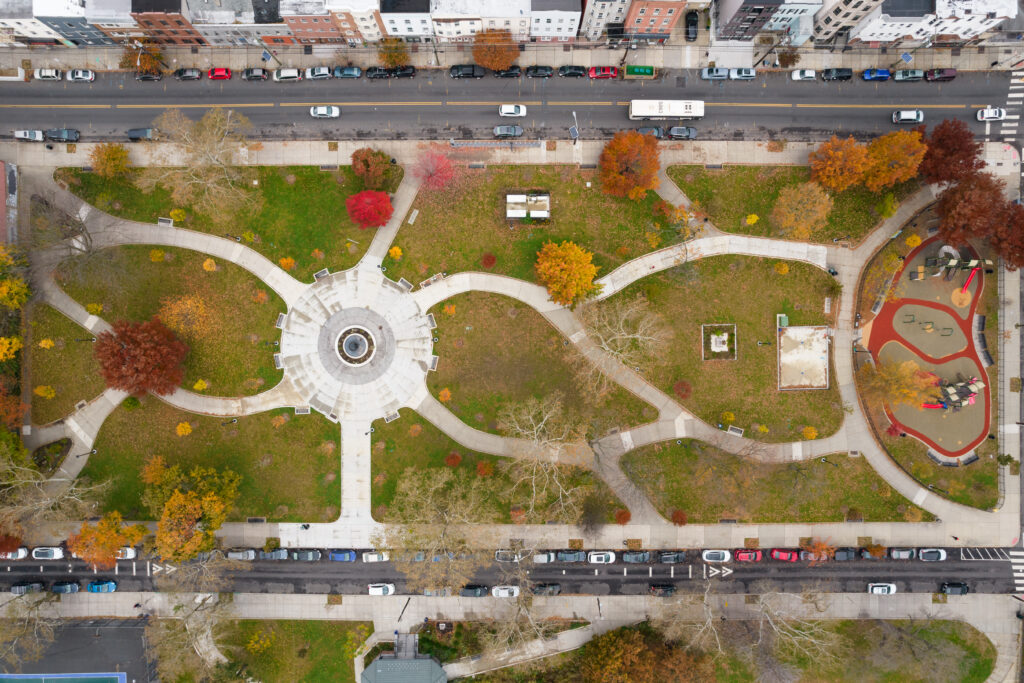
Riverview Park opened in 1904 and became one of Chicago’s most famous amusement parks. It was known for attractions like the Bobs roller coaster and a wide variety of rides and games. Admission was free, which helped draw huge crowds, especially during its peak years. For decades, it was a go-to destination for families across the Midwest. The park operated through changing times but eventually struggled financially. It closed in 1967, marking the end of an era. Much of the land was redeveloped, leaving little behind.
People who grew up in Chicago still talk about Riverview with a kind of nostalgia that’s hard to replicate. It wasn’t just an amusement park, it was part of the city’s identity. The closure reflected broader shifts in entertainment and urban development. Today, only small remnants and historical markers hint at what once stood there. Stories from former visitors describe packed walkways and long lines for rides. It’s difficult to picture now, given how completely it has disappeared. Riverview is often cited as one of the greatest lost amusement parks in American history.
4. The Michigan Central Station Concourse Shops
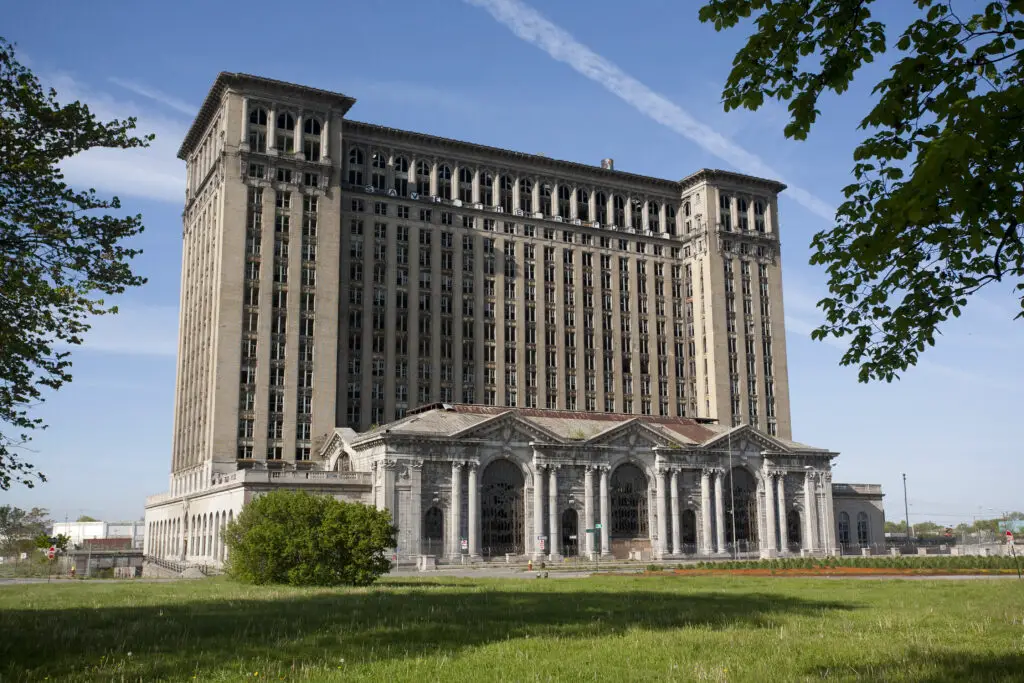
When Michigan Central Station opened in 1913 in Detroit, it wasn’t just a train station. It also housed shops and spaces that created a bustling public hub. Travelers passed through constantly, and the concourse felt alive with activity. Over time, as rail travel declined, so did the station’s importance. By 1988, it closed entirely, leaving the building abandoned. For years, it became a symbol of Detroit’s economic struggles. The once-busy interior sat empty and deteriorating. It attracted urban explorers and photographers drawn to its scale.
For decades, the silence inside the station contrasted sharply with its former energy. People who remembered it in its prime described crowds, noise, and a constant sense of movement. The abandoned building became one of the most photographed ruins in the country. Recently, restoration efforts have brought it back into use, though not as a traditional entertainment or transit hub. Its revival has changed the narrative, but the years of abandonment are still part of its story. It stands as a reminder of how quickly even major gathering places can fall quiet. What was once a packed space became, for a long time, completely still.
5. Geauga Lake in Ohio
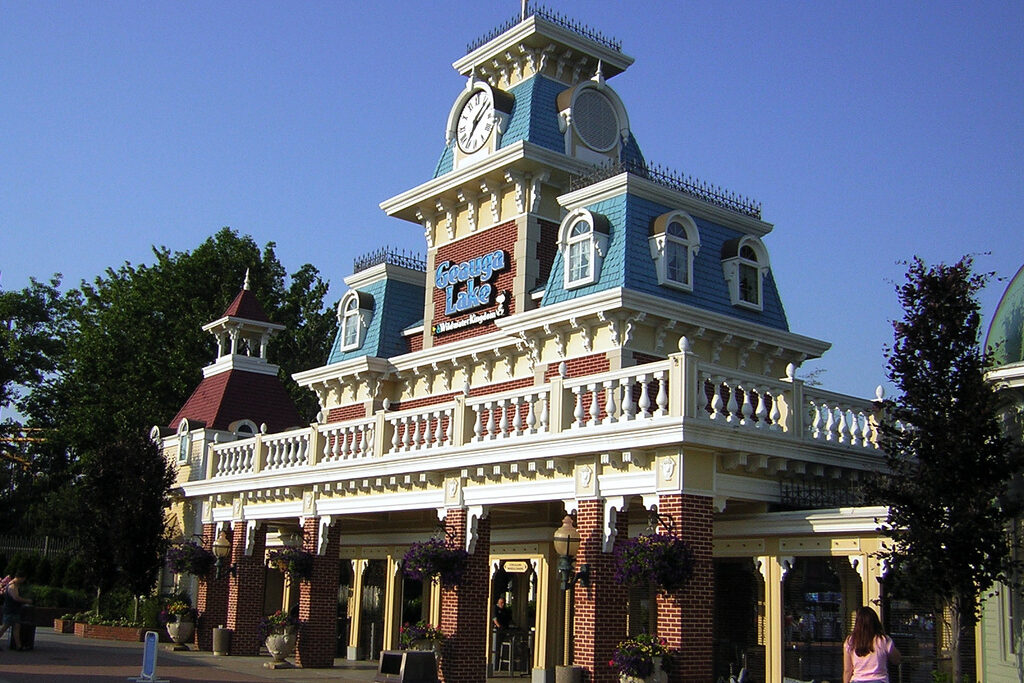
Geauga Lake started as a picnic area in the late 1800s and grew into a major amusement park in Ohio. By the late 20th century, it had roller coasters, water rides, and a large following. It even became Six Flags Worlds of Adventure for a period, expanding significantly. Despite its popularity, ownership changes and competition hurt its long-term stability. The amusement park closed in 2007, though parts of the water park operated briefly afterward. Eventually, the entire complex shut down. Most of the rides were removed or demolished.
For many in the Midwest, Geauga Lake was a summer tradition. Families returned year after year, building memories around the park. Its closure felt sudden to regular visitors, especially given its long history. Today, the land has been redeveloped, with only fragments of its past remaining. People still share photos and stories online, remembering crowded days and busy midway games. It’s one of those places that seemed permanent until it wasn’t. The transformation from packed park to empty land happened faster than most expected.
6. Freedomland U.S.A. in the Bronx
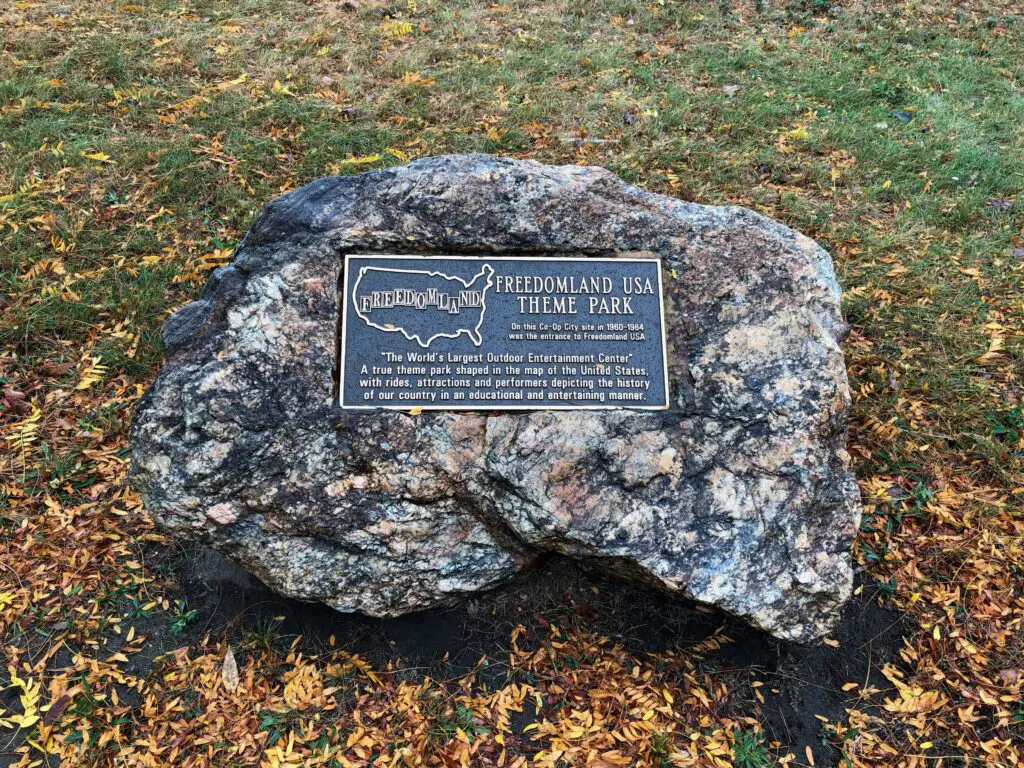
Freedomland U.S.A. opened in 1960 as a history-themed amusement park in the Bronx. It was designed to take visitors through different eras of American history, with elaborate sets and attractions. At its peak, it drew large crowds and was heavily advertised. However, financial problems began almost immediately. The park struggled to stay profitable and closed in 1964. Its short lifespan made it more of a curiosity than a long-standing institution. The land was eventually redeveloped into housing.
Visitors who experienced Freedomland often described it as ambitious and unlike anything else at the time. It tried to blend education and entertainment in a way that didn’t fully catch on. Because it closed so quickly, it became somewhat forgotten compared to other parks. Still, historians and enthusiasts continue to study it as an early example of themed entertainment. Old photos show busy streets and detailed sets filled with visitors. It’s striking to think how quickly it went from crowded to gone. Today, there’s little visible evidence it ever existed.
7. The Berlin Spreepark
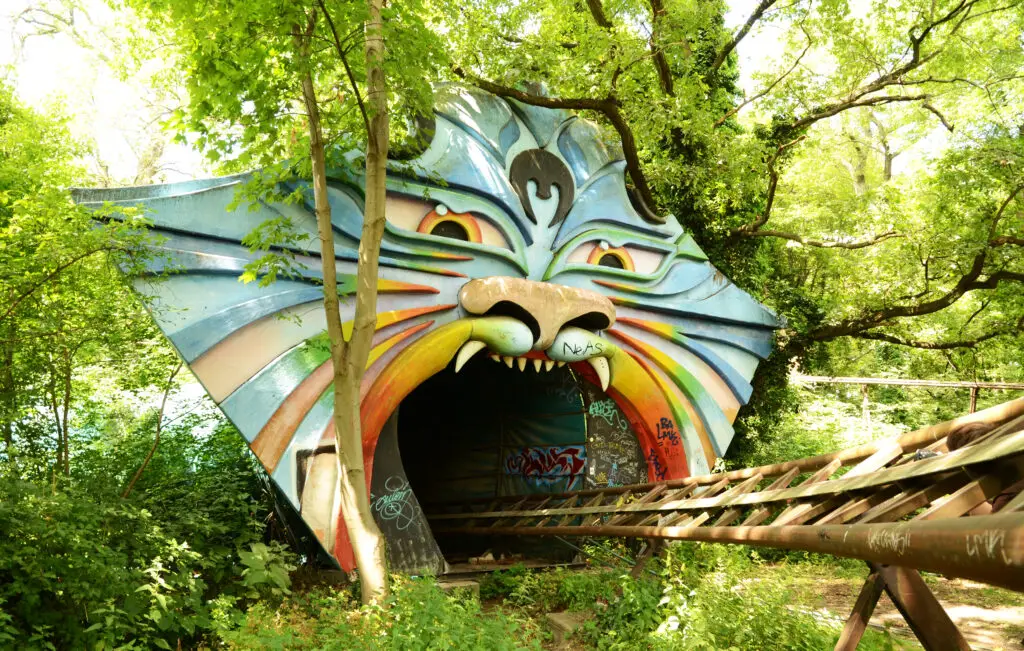
Spreepark opened in East Berlin in 1969 and became the only amusement park in East Germany. It was a major draw, especially after German reunification, when it briefly saw renewed interest. The park featured classic rides, including a large Ferris wheel that became its most recognizable structure. Financial issues and mismanagement led to its closure in 2002. After that, it was left abandoned, with rides slowly deteriorating. The site became overgrown and developed an almost surreal atmosphere. It attracted photographers and curious visitors.
What makes Spreepark especially memorable is how much of it was left behind intact. Unlike other parks that were quickly demolished, this one sat untouched for years. Images of rusting rides surrounded by trees gave it an almost cinematic quality. Efforts have been made to redevelop the site into a public space. Even so, its abandoned phase is what most people associate with it now. Those who visited during its peak remember long lines and lively crowds. The contrast between then and now is difficult to ignore.
8. Boblo Island Amusement Park
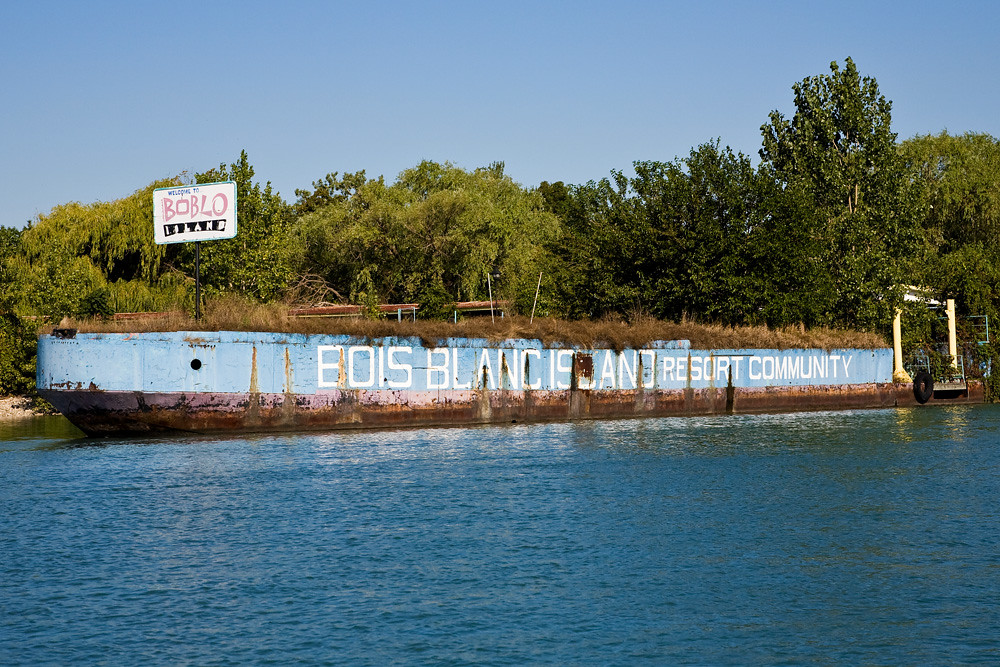
Boblo Island operated from 1898 to 1993 and was a popular amusement park located on an island in the Detroit River. Visitors reached it by ferry, which added to the experience and made it feel like a full-day trip. The park featured rides, games, and picnic areas that drew large crowds from both the U.S. and Canada. For generations, it was a summer tradition for families in the region. Financial difficulties and changing entertainment trends led to its closure. After shutting down, many of the rides were removed or fell into disrepair.
People who went to Boblo often talk about the boat ride as much as the park itself. It created a sense of anticipation that’s hard to replicate today. After the park closed, the island was eventually redeveloped into a residential community. Some structures remained for a time, adding to its abandoned reputation. Photos from its final years show empty walkways where crowds once gathered. It’s one of those places that feels deeply tied to local memory. Even decades later, it still comes up in conversations about lost summer traditions.
9. The Stardust Casino in Las Vegas
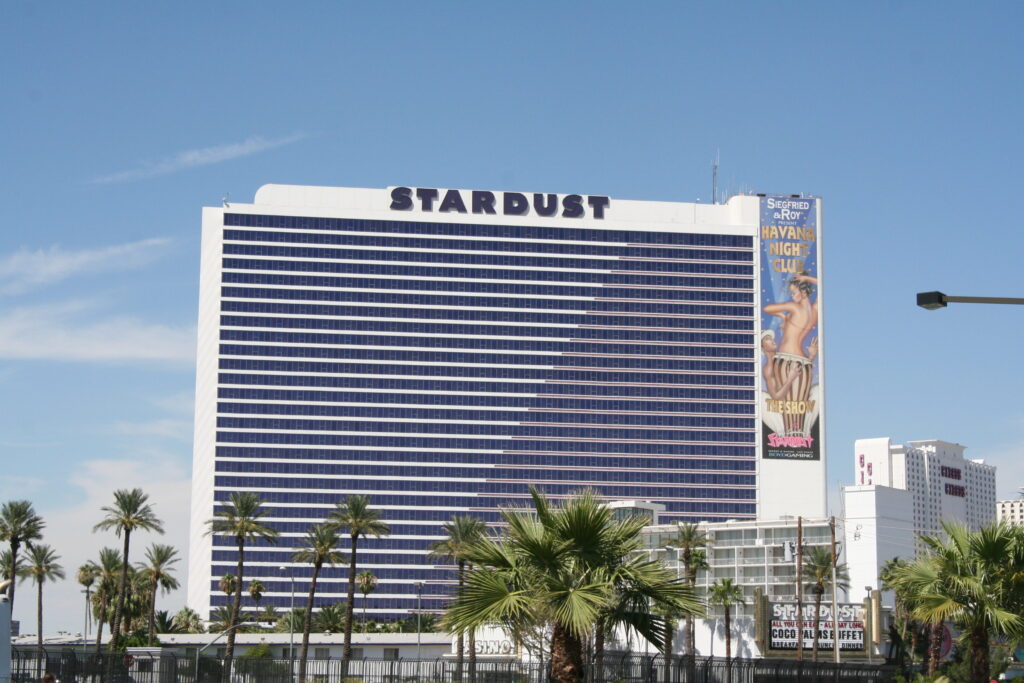
The Stardust Casino opened in 1958 and quickly became one of the most famous resorts on the Las Vegas Strip. It was known for its large gaming floor and elaborate stage shows, including the long-running revue “Lido de Paris.” For decades, it drew huge crowds and helped define the classic Vegas experience. Over time, newer resorts began to overshadow it. The casino closed in 2006 and was demolished in 2007. Its removal marked the end of a certain era in Las Vegas history.
For visitors, the Stardust represented old-school Vegas glamour. It had a distinct personality that set it apart from more modern properties. After its demolition, the site remained undeveloped for years before new plans emerged. People who remember it often talk about the shows and the atmosphere. It was the kind of place that felt larger than life. Seeing it gone was a reminder of how quickly Las Vegas reinvents itself. What was once packed with visitors is now just part of the city’s past.
10. Dogpatch USA in Arkansas
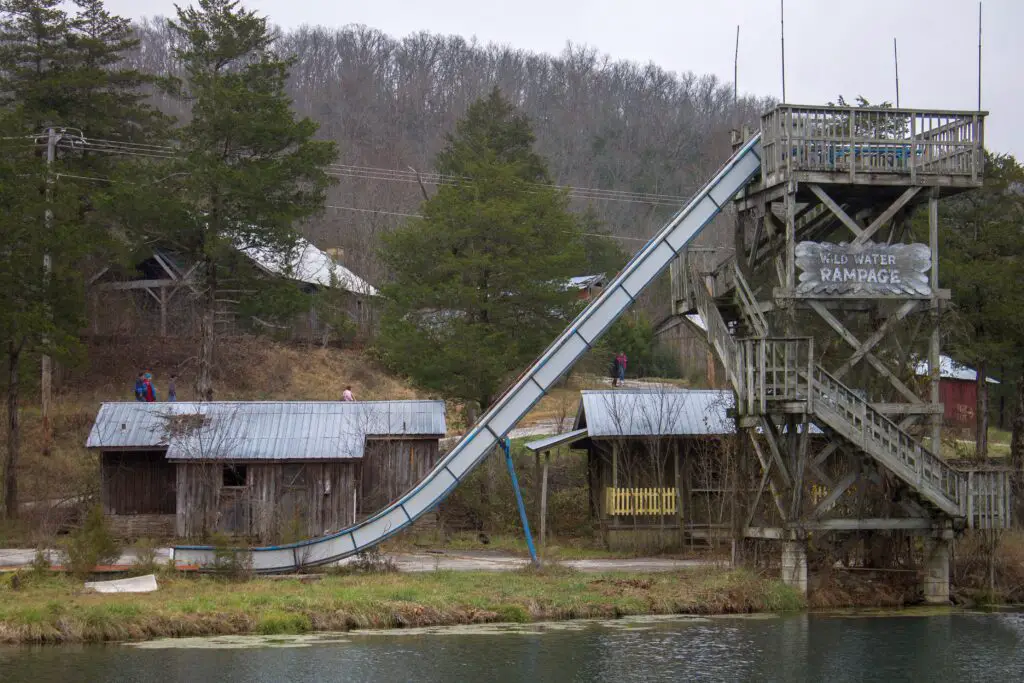
Dogpatch USA opened in 1968 as a theme park based on the “Li’l Abner” comic strip. It was a quirky concept, but it attracted significant crowds in its early years. The park included rides, live shows, and themed buildings based on the fictional town. Over time, attendance declined, and financial issues became harder to manage. It closed in 1993 after years of struggling. The site remained abandoned for decades, with many structures still standing.
Visitors often described Dogpatch as both charming and unusual. Its reliance on a specific comic strip made it feel dated as time went on. Photos of the abandoned park show empty buildings and overgrown paths. It became a popular destination for urban explorers. Recently, there have been efforts to redevelop the land, but progress has been slow. For those who remember it, the park was once full of life and activity. Now it’s mostly remembered through photos and stories.
11. The Borscht Belt Resorts in New York
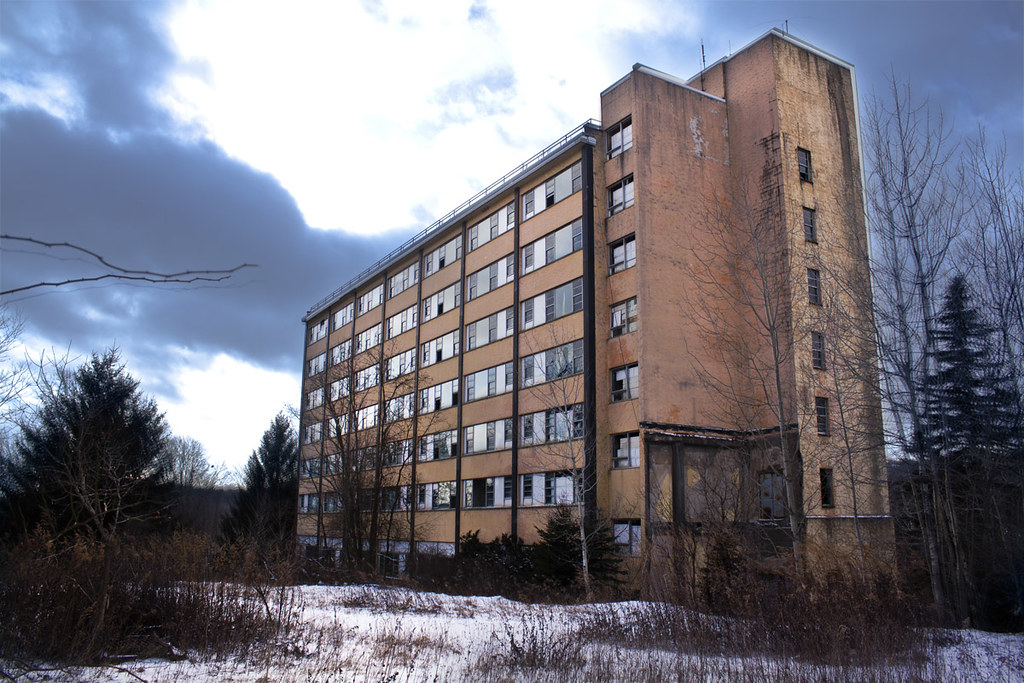
The Borscht Belt refers to a collection of resorts in New York’s Catskill Mountains that were especially popular from the 1920s through the 1960s. These resorts offered entertainment, dining, and performances, drawing large crowds every summer. They were particularly significant for Jewish American families during a time when other resorts were less accessible. Comedians and performers often got their start there. By the 1970s and ’80s, changing travel habits and increased competition led to a decline. Many of the resorts closed and were abandoned.
Walking through some of these former resort sites today, you can still see remnants of what they once were. Large buildings sit empty, surrounded by nature slowly reclaiming the land. People who visited during their peak remember packed dining rooms and lively shows. The decline was gradual but ultimately widespread. Today, only a few properties remain in operation. The rest have become symbols of a very specific era in American vacation culture. It’s difficult to imagine how busy and vibrant they once were.
12. The Salton Sea Beach Resorts in California
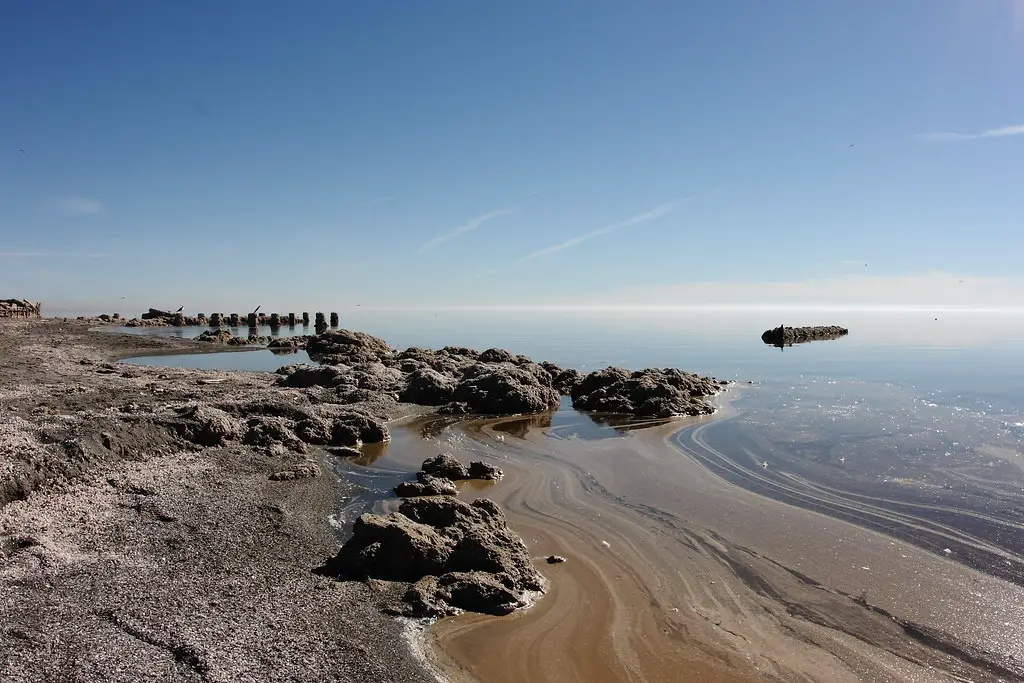
In the 1950s and early 1960s, the Salton Sea in California became a popular resort destination. It attracted celebrities and tourists who came for boating, fishing, and warm weather. Towns like Salton City and Bombay Beach were built up to accommodate visitors. For a time, the area was heavily promoted as a vacation hotspot. Environmental issues, including rising salinity and pollution, led to a sharp decline. Fish died off, and the smell drove visitors away. By the 1970s, the resorts were largely abandoned.
Today, the area has an eerie, almost post-apocalyptic feel. Empty buildings and decaying infrastructure line the shoreline. People who remember its peak often describe crowded beaches and busy marinas. The contrast between then and now is striking. Some artists and photographers have been drawn to the area. Efforts to address environmental issues have been ongoing, but progress is limited. It remains one of the most unusual examples of a once-popular destination falling into decline.
13. Action Park in New Jersey
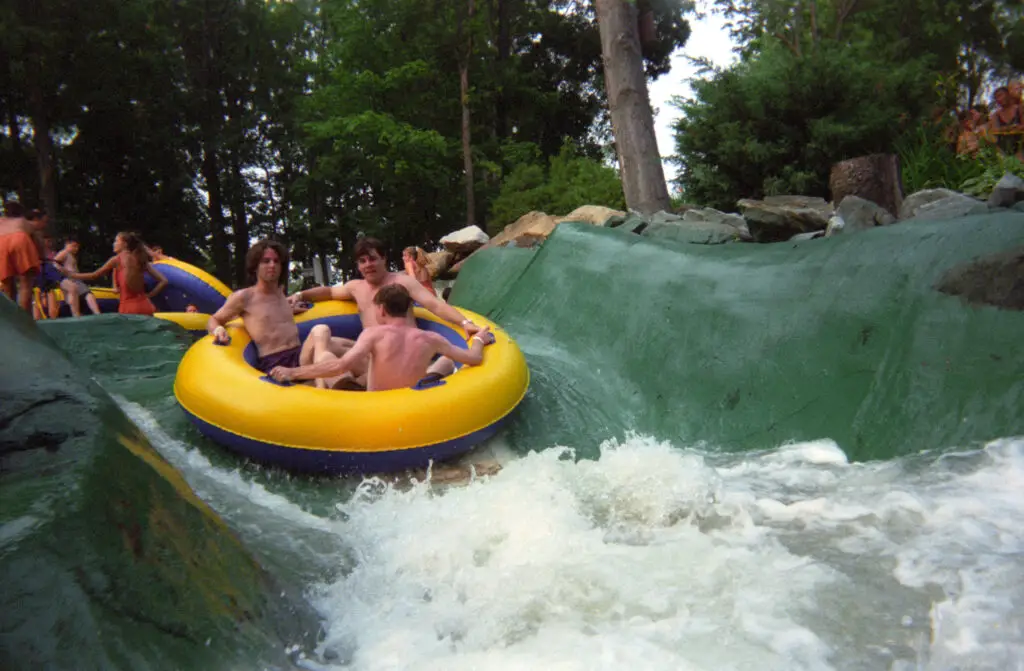
Action Park opened in 1978 in Vernon, New Jersey, and quickly became known for its intense and sometimes dangerous rides. It drew huge crowds, especially teenagers looking for something more extreme than typical amusement parks. The park’s reputation grew, partly because of its unconventional attractions. However, safety concerns and accidents became a major issue. It closed in 1996 after years of controversy. Parts of the property were later reopened under different management.
People who went to Action Park often describe it as unforgettable, for better or worse. It had a chaotic energy that set it apart from other parks. Stories about the rides and experiences have become almost legendary. Even after its closure, its reputation continued to grow through documentaries and articles. The site has since been redeveloped, but the original version is gone. For many, it represents a very specific kind of ’80s thrill-seeking culture. It’s hard to imagine a park like it operating today.
14. The Santa Claus Land in Indiana
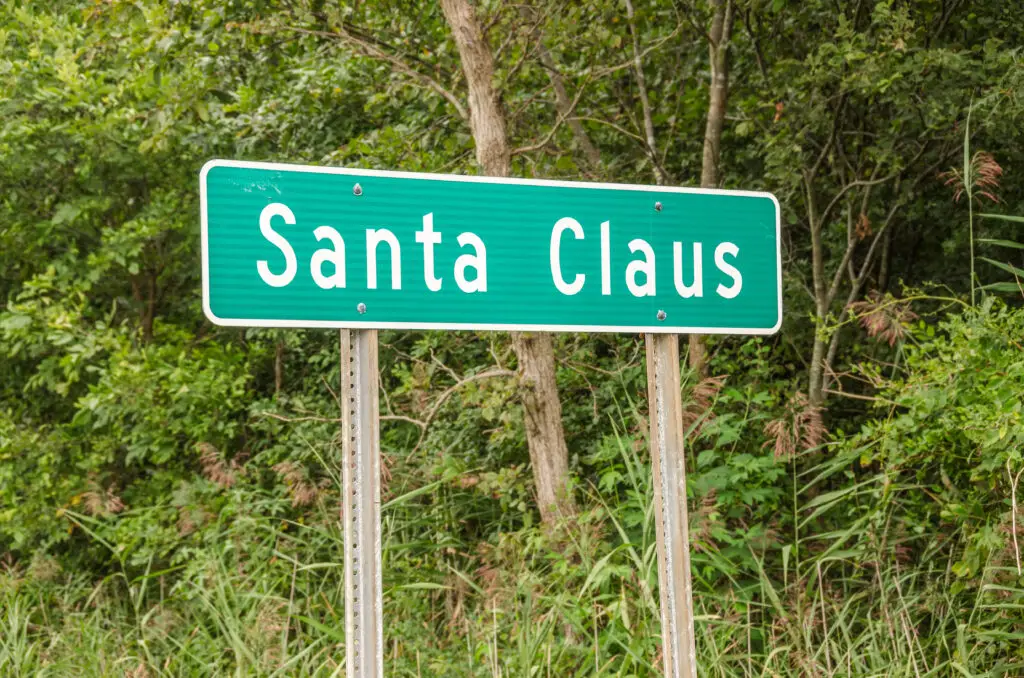
Santa Claus Land opened in 1946 in Santa Claus, Indiana, and is often considered the world’s first theme park. It was originally created to give children a place to visit Santa year-round. The park expanded over time, adding rides and attractions. It became a popular destination for families, especially during the holiday season. In 1984, it was renamed Holiday World and continued operating in a new form. The original Santa Claus Land concept, however, is no longer the same as it once was.
Visitors from the early years remember a simpler, more intimate experience. It wasn’t about big thrills, but about the atmosphere and theme. Over time, the park evolved to keep up with modern expectations. While Holiday World still operates successfully, the original version of Santa Claus Land is gone. For those who experienced it decades ago, it feels like a completely different place. The crowds are still there, but the original charm has changed. It’s an example of how some destinations don’t disappear entirely, but transform into something new.