
1. Hidden Rooms Behind Walls
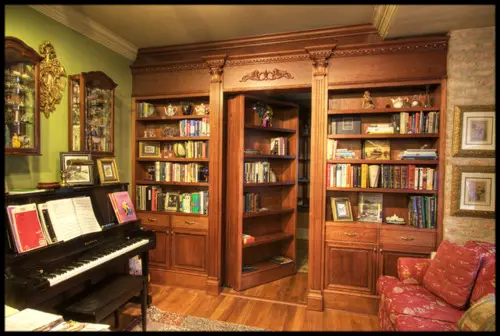
Sometimes what looks like a solid wall turns out to be anything but. During renovations, homeowners have uncovered entire hidden rooms sealed off decades earlier, often with no clear explanation. These spaces were sometimes used as storage, but in older homes, they could have served as safe rooms or servant quarters. In certain cases, they were intentionally concealed during Prohibition or wartime periods.
What makes these discoveries unsettling is how completely they were forgotten. Some rooms still contain furniture, personal belongings, or even wallpaper frozen in time. Others are completely empty, which somehow feels even stranger. It raises the question of why someone went through the trouble to hide them in the first place. In many documented cases, there are no records explaining their purpose.
2. Old Letters Tucked Into Walls
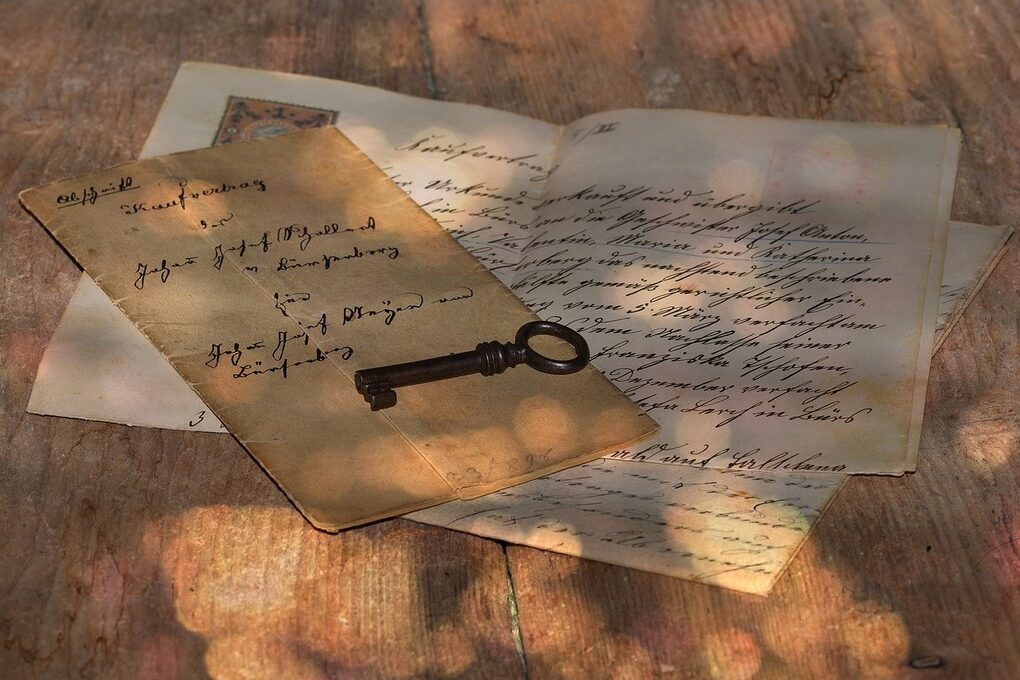
It’s surprisingly common for people to find letters hidden behind baseboards, inside walls, or under floorboards. Before modern communication, handwritten letters were often saved carefully, and sometimes hidden for privacy. Renovations have uncovered bundles of correspondence dating back over a century. Many are personal, revealing relationships, family tensions, or everyday life details.
These letters can feel like stepping directly into someone else’s life. Some have even been used by historians to better understand specific time periods. Others are more mysterious, with missing context or unfinished thoughts. Occasionally, letters were deliberately hidden, suggesting they weren’t meant to be found. That alone adds a layer of intrigue that goes beyond simple nostalgia.
3. Vintage Newspapers Used as Insulation

Before modern insulation materials became standard, builders often used whatever was available. Old newspapers were commonly stuffed into walls for insulation, and they’ve been discovered during demolition projects across the country. These papers sometimes date back to the late 1800s or early 1900s. They offer a surprisingly clear snapshot of everyday life at the time.
People flipping through them often find headlines about long-forgotten events, advertisements for products that no longer exist, and prices that feel almost unreal today. It’s a practical discovery, but also a deeply human one. These papers weren’t meant to be preserved, yet they survived by accident. In some cases, they’ve been donated to archives because of their historical value.
4. Money Hidden in Walls or Floors

Finding money inside an old home sounds like something out of a movie, but it happens more often than you might think. Cash was sometimes hidden in walls, under floorboards, or inside furniture for safekeeping, especially during times when banks were less trusted. Some discoveries have included small amounts, while others have totaled thousands of dollars.
The challenge is that the money is often outdated or no longer in circulation. In some cases, it can still be exchanged, but not always at full value. There are also legal questions about ownership depending on where and how it was found. Even so, the real mystery is why it was never retrieved. It suggests urgency, secrecy, or circumstances that prevented someone from coming back.
5. Antique Medicine Bottles and Remedies

Old homes sometimes reveal collections of medicine bottles hidden in cabinets, crawl spaces, or even buried in yards. Many date back to a time before modern regulations, when remedies were far less standardized. Labels often list ingredients that would raise eyebrows today, including alcohol, opiates, or heavy metals.
These finds offer a glimpse into how people treated illness in the past. Some bottles were mass-produced, while others were locally made and harder to trace. It’s not unusual to find multiple bottles from the same household, suggesting ongoing health issues. While they’re not safe to use, they’ve become collectible artifacts. They also highlight how much medical science has changed.
6. Children’s Toys Sealed Away
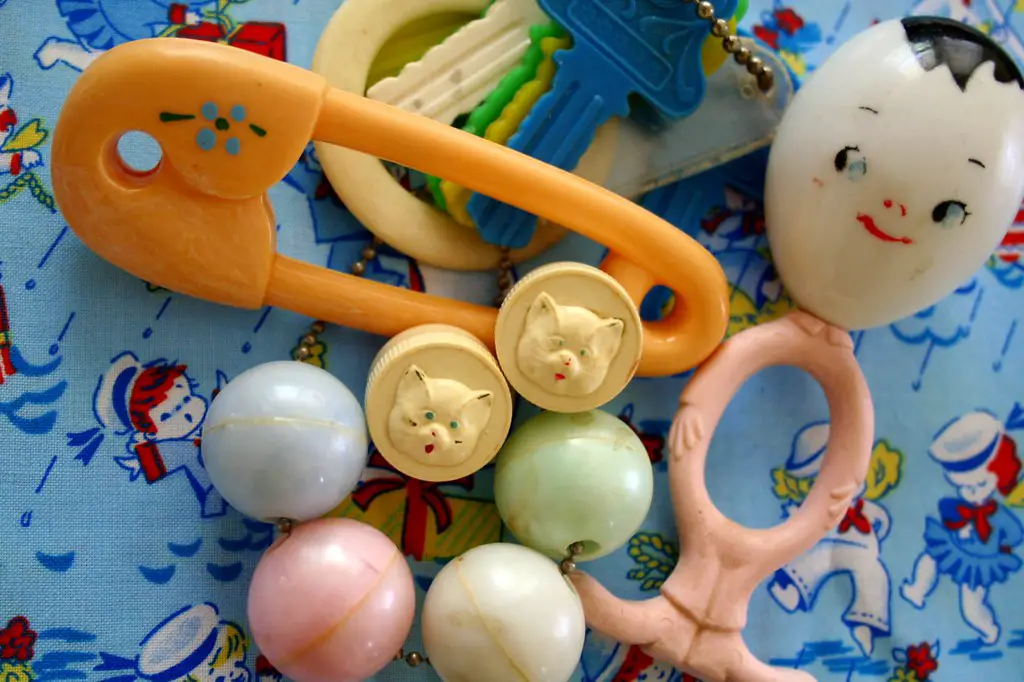
There’s something especially eerie about finding children’s toys hidden in walls or attics. These are often simple items like dolls, marbles, or wooden figures, left behind when a home was renovated or abandoned. Because toys are so personal, they tend to feel more emotional than other objects.
In some cultures, certain items were intentionally hidden as protective charms, especially in older European traditions. Dolls, in particular, have been found in walls and chimneys for this reason. Other times, the explanation is more ordinary, like a toy slipping into a gap and never being retrieved. Still, seeing something meant for play preserved in isolation can be unsettling. It creates an immediate sense of a story that was interrupted.
7. Old Photographs With No Names

Boxes of photographs are another common discovery, especially in attics or basements. Many of these images have no labels, leaving the identities of the people completely unknown. They often show families, homes, or everyday moments from decades ago.
Without names or context, the photos become small mysteries. People sometimes try to trace them through clothing styles or photography techniques, but that only gives partial answers. In some cases, descendants have been identified, but most remain anonymous. The emotional weight comes from seeing real lives that have no clear connection to the present. It’s a reminder of how easily personal histories can disappear.
8. Prohibition-Era Liquor Stashes

Homes built or occupied during the Prohibition era have occasionally revealed hidden liquor stashes. Bottles have been found behind walls, under floorboards, or inside cleverly disguised compartments. During that time, storing alcohol was illegal, so concealment was necessary.
Some of these bottles are still sealed, which makes them especially valuable to collectors. Others have deteriorated, leaving behind only fragments or labels. These discoveries provide a direct link to a very specific period in American history. They also show how ordinary people adapted to restrictive laws. In many cases, the hiding spots were so effective that they remained untouched for decades.
9. Personal Diaries and Journals

Finding a diary inside an old home can feel like uncovering a private archive. These journals often contain daily entries about routines, relationships, and personal struggles. Unlike letters, they weren’t meant to be shared, which makes them more candid.
Some diaries have been used in historical research, especially when they document major events from a personal perspective. Others remain deeply personal and are sometimes returned to surviving family members if possible. Reading them can feel intrusive, but also illuminating. They offer a rare look at how people actually experienced their lives. In many cases, they answer questions while raising new ones.
10. Tools and Belongings Left by Workers
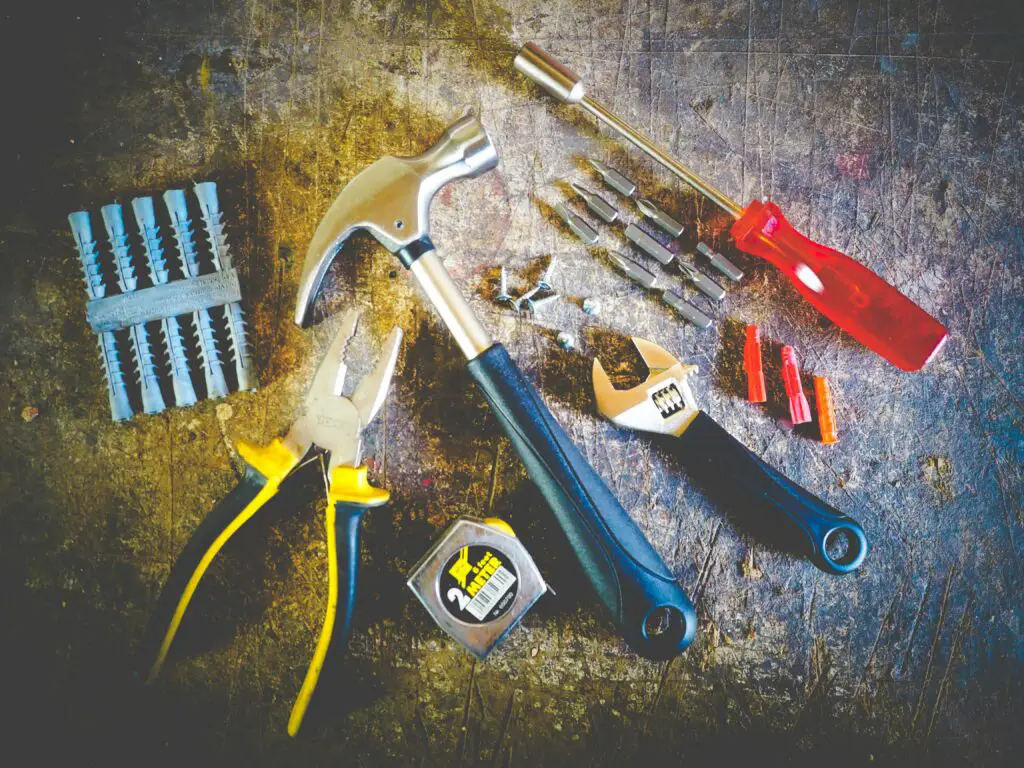
During construction or renovation, workers sometimes left tools behind that ended up sealed inside walls or ceilings. These can include hammers, hand saws, or even lunch containers. Over time, they become time capsules of the building process itself.
These finds are usually less mysterious but still fascinating. They provide insight into how homes were built and the people who built them. In some cases, names or markings on tools have helped identify specific workers or companies. It’s a reminder that homes are shaped by many hands, not just the families who live in them. And sometimes, those traces are hidden in plain sight.
11. Religious or Protective Charms

Certain items found in old homes were intentionally placed there for protection. These can include crosses, written prayers, or objects believed to ward off bad luck. In older traditions, it was not unusual to hide such items in walls, chimneys, or doorways.
These discoveries are often tied to cultural or regional practices. While they may seem unusual today, they were taken seriously at the time. Some homeowners choose to leave them in place out of respect for the original intent. Others remove them carefully and preserve them as historical artifacts. Either way, they point to a time when superstition and daily life were closely connected.
12. Forgotten Safes or Lockboxes
Occasionally, renovations reveal safes hidden within walls or floors. These are often locked, adding an immediate sense of mystery. Some have been opened to reveal documents, jewelry, or cash, while others are completely empty.
The presence of a safe suggests that something valuable was once stored there, even if it’s no longer inside. Opening one can require professional help, depending on its age and condition. There’s always a sense of anticipation about what might be inside. Sometimes the contents provide clear answers, but other times they only deepen the mystery. Either way, it’s one of the more dramatic discoveries a homeowner can make.