
1. The Local Mall Food Court
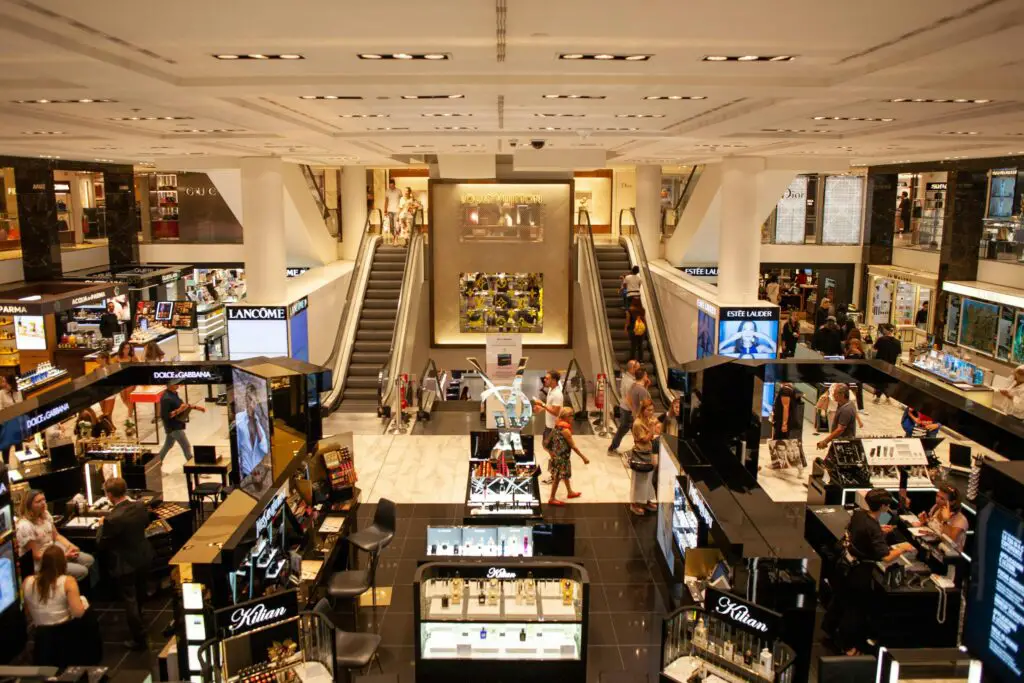
There was a time when the mall food court was the default meeting spot, especially on weekends. Teens would gather around plastic tables, sharing fries and talking for hours without feeling rushed. It was less about the food and more about being somewhere semi-independent, where parents were nearby but not hovering. You could walk laps through the mall, stop into stores, and circle back to the same table like it was your base camp. For many kids in the ’80s, ’90s, and early 2000s, this was a routine part of growing up. It felt like a social hub that belonged to young people, even though it technically didn’t.
Over time, that culture faded as malls began to decline and foot traffic dropped. Online shopping reduced the need for people to physically gather in those spaces. Food courts still exist, but they don’t carry the same social weight they once did. Many malls have closed entirely, been repurposed, or operate at a fraction of their former activity. The casual, unstructured hangout aspect has largely disappeared. What remains feels quieter and more transactional.
2. The Neighborhood Video Rental Store
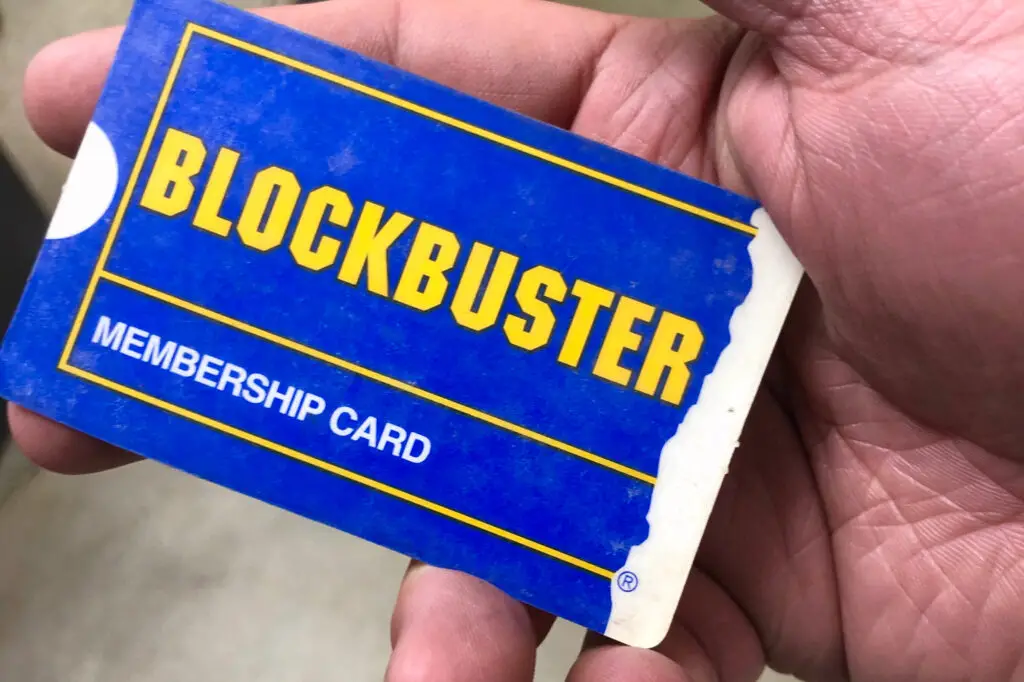
Before streaming, going to the video store was a weekly ritual for many families and friend groups. Kids would wander the aisles looking at cover art, debating what to rent for movie night. It was common to run into classmates or neighbors while browsing, which made it feel like a shared community experience. Employees often knew regulars and would give recommendations or hold new releases behind the counter. The anticipation of picking something and taking it home added to the experience. It was a small but meaningful social outing.
As digital media replaced physical rentals, these stores disappeared rapidly in the 2000s and early 2010s. The need to visit a location to access movies and shows simply went away. What replaced it is more convenient, but far less social. There’s no browsing aisle or spontaneous conversation anymore. The experience became solitary and algorithm-driven. That shift removed a surprisingly important hangout space.
3. The Arcade
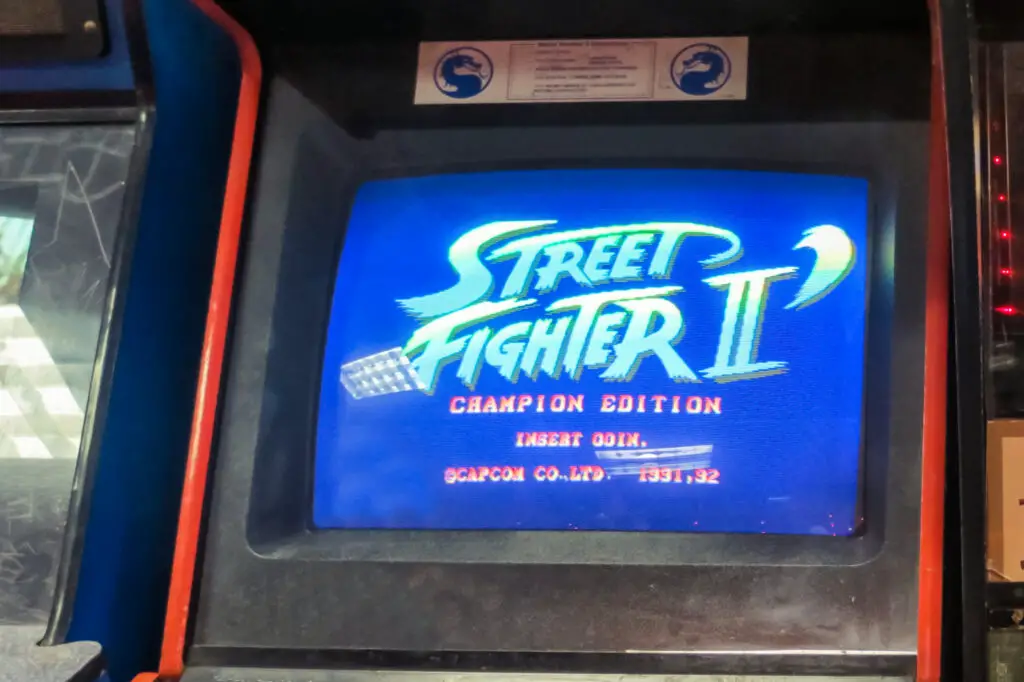
Arcades were once packed with kids competing on machines lined up wall to wall. Whether it was fighting games, racing games, or pinball, there was always a crowd watching someone try to beat a high score. You didn’t just play, you performed a little, especially if people gathered behind you. Tokens or quarters became a kind of currency that determined how long you could stay. It was loud, bright, and full of energy. For many, it was the place to go after school or on weekends.
Home gaming consoles improved over time, reducing the need to go out to play. As a result, many standalone arcades closed by the late ’90s and early 2000s. Some still exist, often combined with restaurants or entertainment centers, but the original format is rare. The spontaneous, walk-in arcade experience is mostly gone. Gaming shifted from a shared public activity to something more private. That changed how kids interacted around games.
4. The Roller Skating Rink
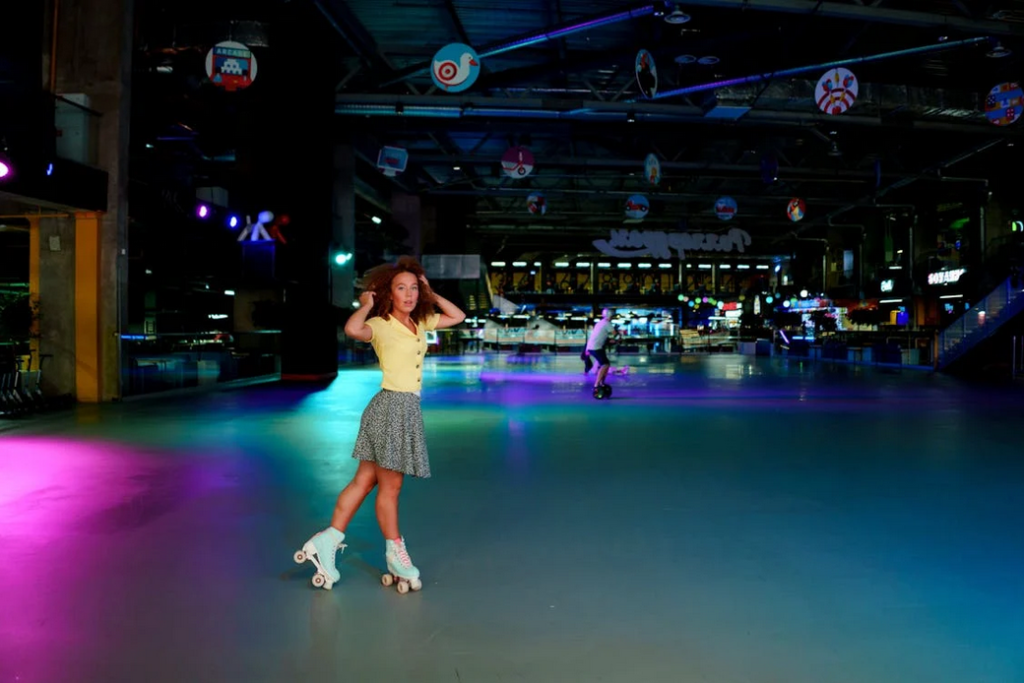
Roller rinks were a major social hub, especially for birthday parties and weekend hangouts. Kids would skate in circles under disco lights while music played overhead. There were slow songs, fast songs, and even organized games that brought everyone together. It was one of the few places where large groups of kids could gather and move around freely. Parents usually stayed on the sidelines while kids had their own space. It felt structured but still independent.
Many rinks closed as attendance declined and other forms of entertainment became more popular. Liability costs and maintenance also made them harder to sustain. While some still operate, they are far less common than they once were. The cultural presence of roller rinks has diminished significantly. They no longer serve as a default gathering spot. For many communities, they disappeared entirely.
5. The Public Pool Hangout

Community pools were a go-to spot during the summer months. Kids would spend entire afternoons swimming, talking, and sitting on the concrete edge with their feet in the water. It was one of the easiest ways to meet people outside of school. Lifeguards enforced rules, but the atmosphere was still relaxed and social. Snack bars and shaded areas gave people a place to linger even when they weren’t swimming. It was a simple but effective gathering place.
Some public pools have closed due to budget cuts, maintenance costs, or declining attendance. Others remain open but see less consistent use. Air-conditioned indoor activities and personal backyard pools changed how people spend summer time. The all-day pool hangout is less common now. It still exists in some areas, but not at the same scale. The sense of a shared neighborhood space has diminished.
6. The Record Store Listening Booth
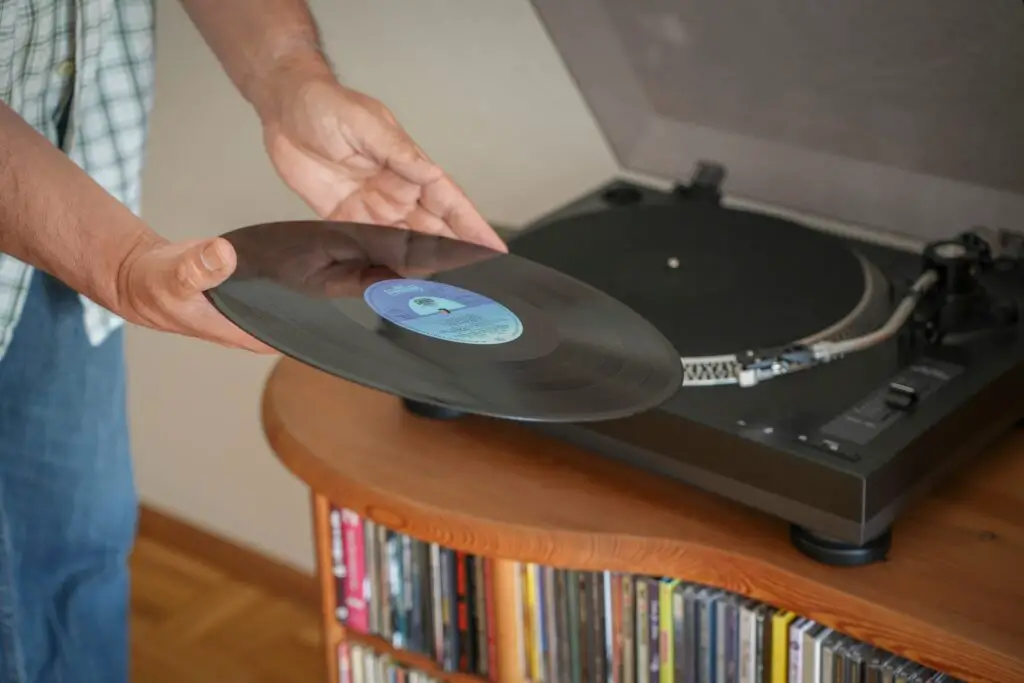
Record stores used to be more than just retail spaces, they were places to explore music. Many had listening stations where you could sample albums before buying them. Friends would gather around, sharing headphones or taking turns picking tracks. It was a way to discover new artists collectively. Staff often had strong opinions and would guide customers toward certain genres. The experience felt curated and personal.
With the rise of digital music, these listening spaces disappeared. Streaming platforms made it possible to hear anything instantly without leaving home. While vinyl has seen a resurgence, the listening booth itself is rare. The communal discovery aspect has largely been replaced by individual playlists. Music exploration became more private. The social layer is harder to replicate.
7. The Local Diner Booth
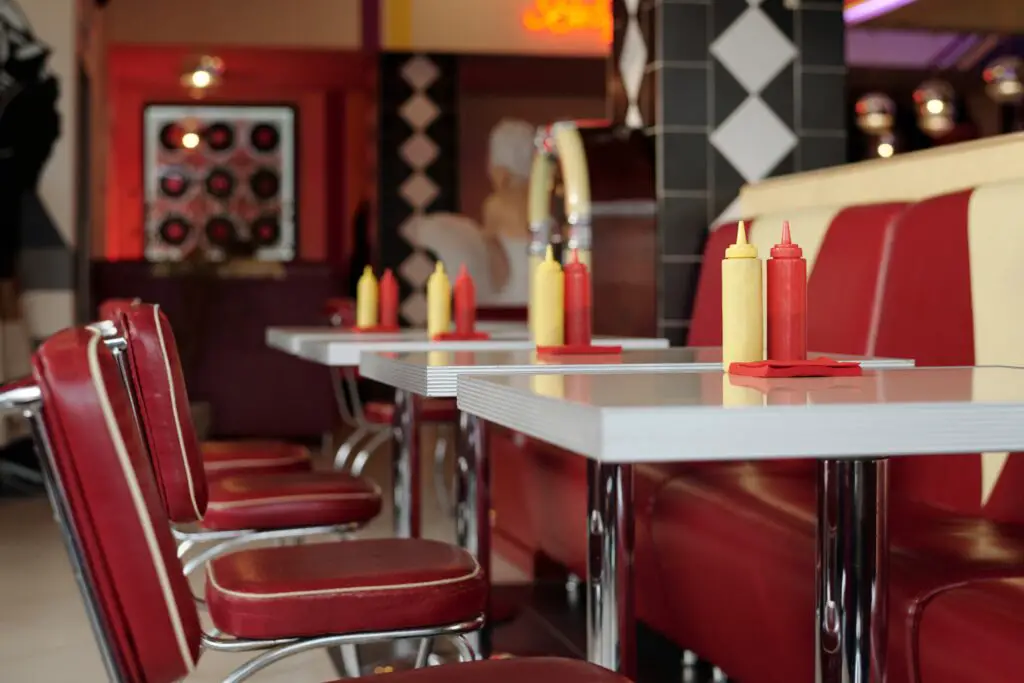
Diners were a classic after-school or late-night hangout, especially for older teens. Sitting in a booth for hours with a soda or fries was generally accepted. Conversations stretched on without much pressure to leave. It was a place where friendships deepened through long, uninterrupted talks. The setting was casual and predictable, which made it comfortable. Everyone knew what to expect.
Changes in business models and rising costs have made that kind of lingering less common. Many diners now turn tables more quickly or have fewer locations overall. Fast casual restaurants replaced some of that space, but with a different atmosphere. The expectation to keep moving has increased. The slow, open-ended hangout is harder to find. Diners still exist, but the culture around them has shifted.
8. The Drive-In Theater
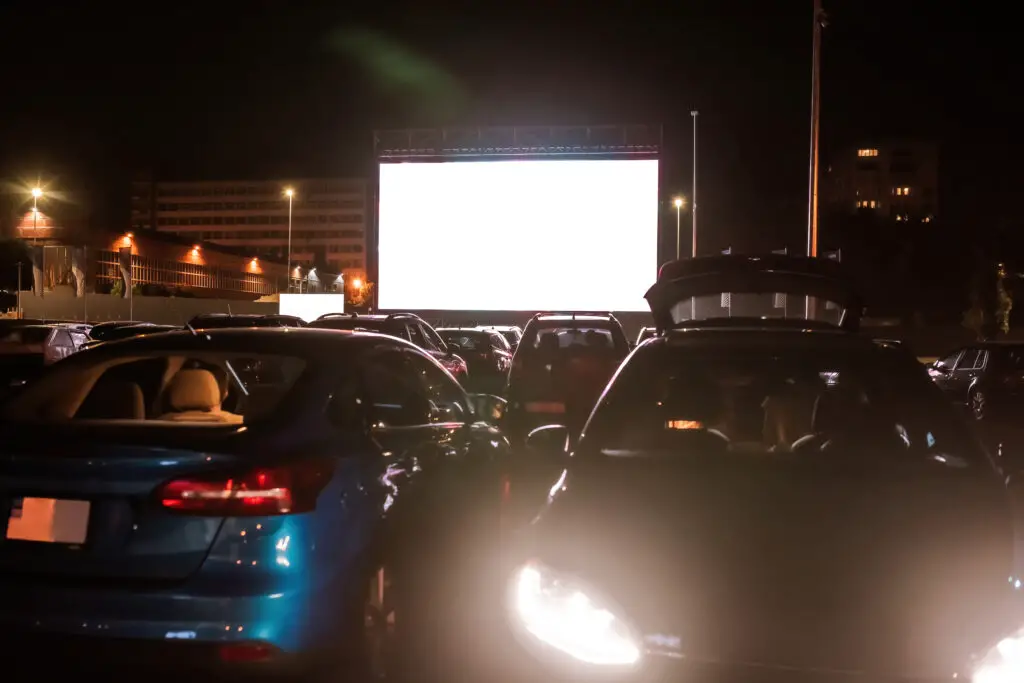
Drive-in theaters were once a staple for both families and teens. People would park their cars, tune in to the audio, and watch movies under the open sky. It was as much about the experience as the film itself. Kids could move around, talk, and snack without the same restrictions as indoor theaters. It felt informal and social. For many, it became a summer tradition.
The number of drive-ins declined sharply with the rise of indoor multiplex theaters and changing land use. Large outdoor spaces became more valuable for development. While some drive-ins still operate, they are far less common than they once were. The shared, outdoor movie experience is now more of a novelty. It no longer serves as a widespread hangout. Most people experience movies in more controlled environments.
9. The School Playground After Hours
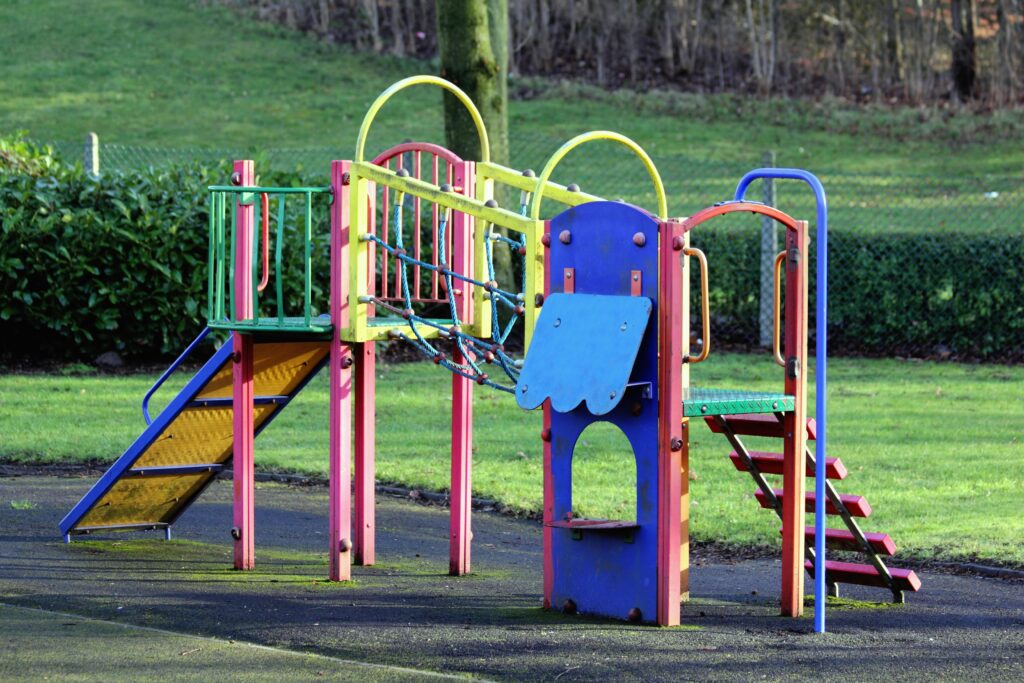
Playgrounds used to double as informal gathering spots even after school ended. Kids would return in the evening to play, talk, and unwind without structured supervision. It was a place that felt familiar and accessible. Groups formed naturally, and activities changed depending on who showed up. There was no schedule, just a shared understanding that it was a place to meet. It required no planning.
In many areas, increased safety concerns and policy changes have limited access after hours. Some schools restrict entry or close playgrounds outside of school time. Organized activities and digital entertainment also reduced the need to meet there. The spontaneous after-school meetup became less common. What remains is more structured or supervised. The informal nature has largely faded.
10. The Bookstore Reading Corner

Large bookstores once encouraged people to linger, especially in designated reading areas. Kids and teens would sit on the floor or in chairs, flipping through books without immediate pressure to buy. It was quiet, but still social in a subtle way. You could meet friends there or simply exist in the same space. It was a low-cost way to spend time. The environment felt welcoming.
As bookstores closed or downsized, those spaces became harder to find. Online retail changed how people purchase and discover books. Some stores remain, but with fewer seating areas. The emphasis shifted more toward transactions than lingering. The casual hangout aspect diminished. It became less of a destination and more of a stop.
11. The Corner Convenience Store Stop
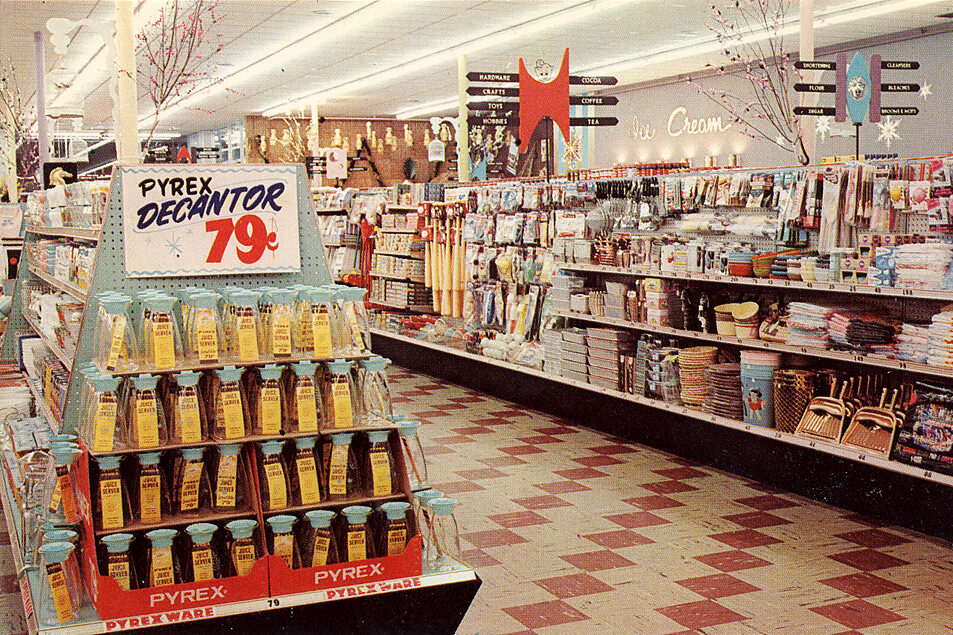
The local convenience store was often a quick hangout spot after school. Kids would gather outside or inside, buying small snacks and talking before heading home. It was a short but consistent part of the daily routine. The location was usually within walking distance, which made it accessible. It didn’t require planning or money beyond a few dollars. It was simple and familiar.
Increased regulations and store policies have made lingering less acceptable in many places. Some stores discourage groups from gathering outside. Changes in neighborhood layouts also reduced walkability in certain areas. The quick stop still exists, but the social aspect is reduced. People tend to come and go more quickly. The informal hangout element has weakened.
12. The Community Center Game Room
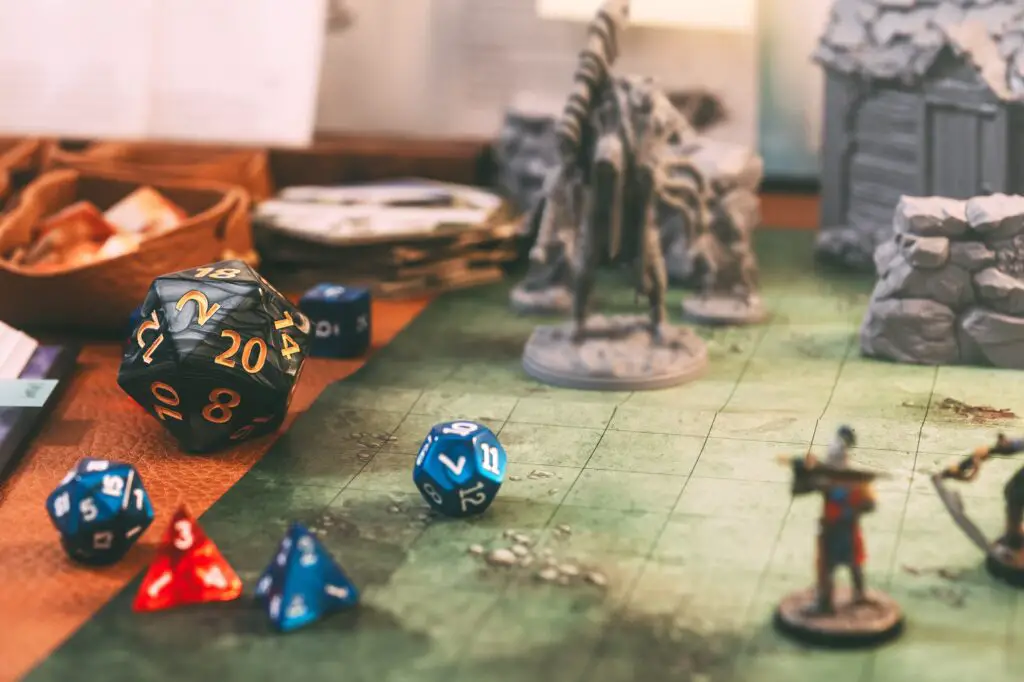
Community centers often had game rooms with pool tables, board games, or basic video games. These spaces gave kids a place to gather without needing to spend much money. It was supervised enough to feel safe, but still allowed for independence. Groups formed around shared activities like cards or ping-pong. It was a structured environment that still felt relaxed. Many friendships were built in those rooms.
Funding changes and shifting priorities have reduced the number of these spaces. Some centers still exist, but with fewer resources or different programming. The open-access game room is less common. Organized classes and events often replaced freeform use. The drop-in hangout aspect diminished. It became less spontaneous and more scheduled.
13. The Movie Theater Lobby Hangout
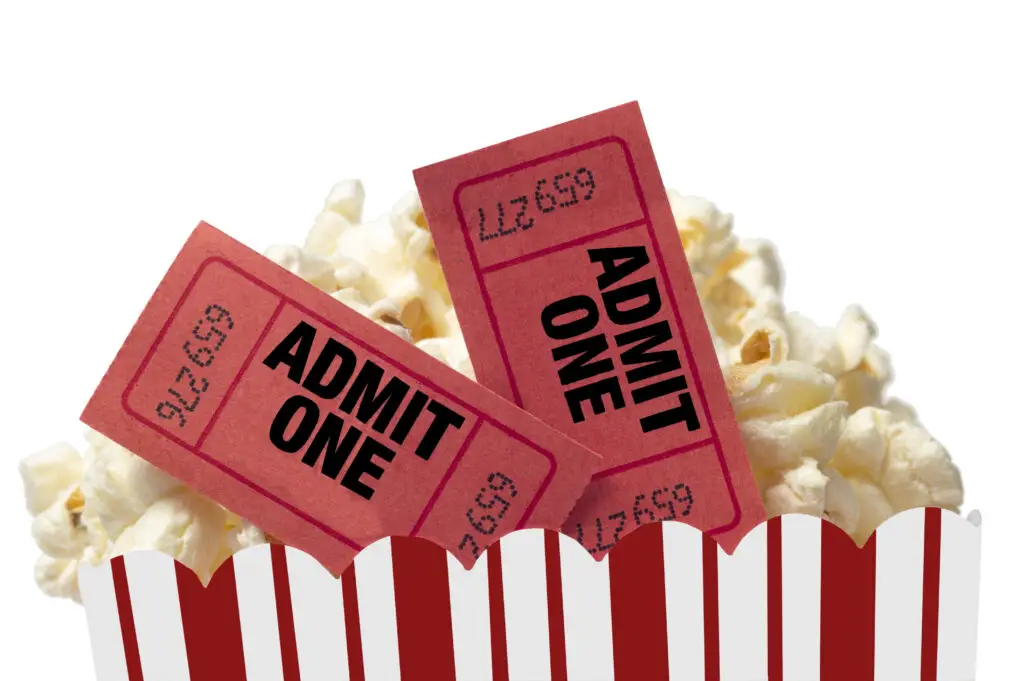
Before and after movies, theater lobbies were social spaces where people gathered. Teens would meet there even if they weren’t all seeing the same film. It was a central, recognizable location. Concessions stands added to the experience, even if you only bought something small. The energy of people coming and going made it feel active. It was a natural meeting point.
Modern theaters are more streamlined, with less emphasis on lingering spaces. Online ticketing and reserved seating reduced the need to arrive early. Security and operational changes also limit loitering. People tend to move directly to their seats and leave afterward. The lobby is no longer a hangout in the same way. It functions more as a transition space.
14. The Empty Lot Pick-Up Game
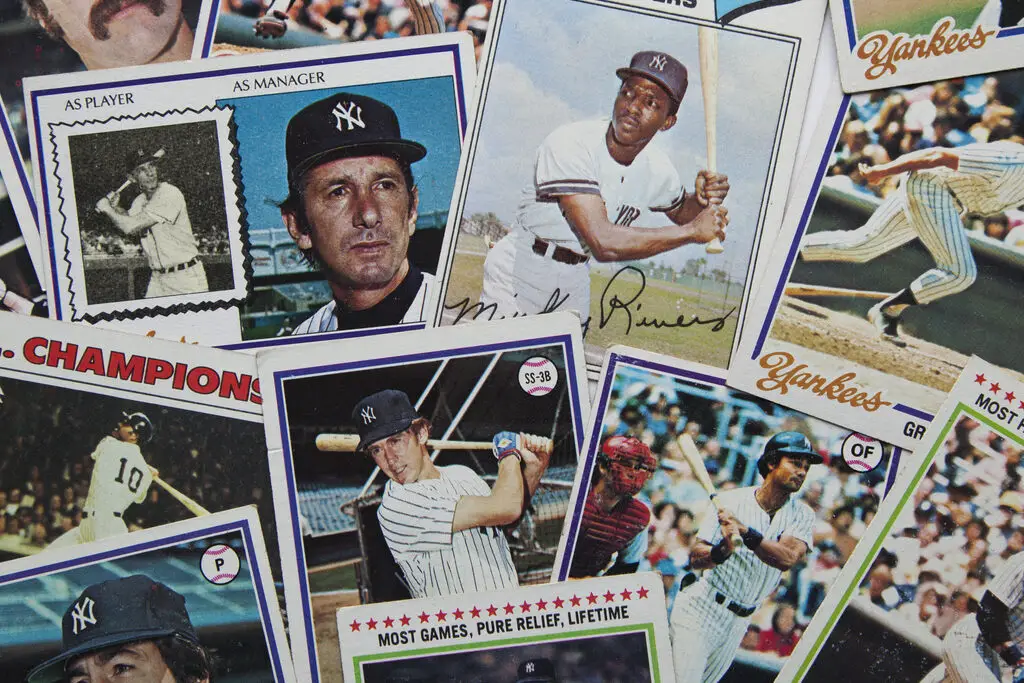
Vacant lots and open fields were once common places for informal sports games. Kids would organize their own teams and play without referees or strict rules. It could be baseball, football, or just running around. The appeal was the freedom to create your own version of the game. Equipment was minimal, and participation was flexible. It was driven entirely by who showed up.
Urban development and land use changes have reduced the number of these open spaces. Many lots have been built over or restricted. Organized sports also became more structured and scheduled. The casual, drop-in game is less common now. It still happens in some areas, but not as widely. The spontaneity has been replaced by planning and formal leagues.