
1. Times Square
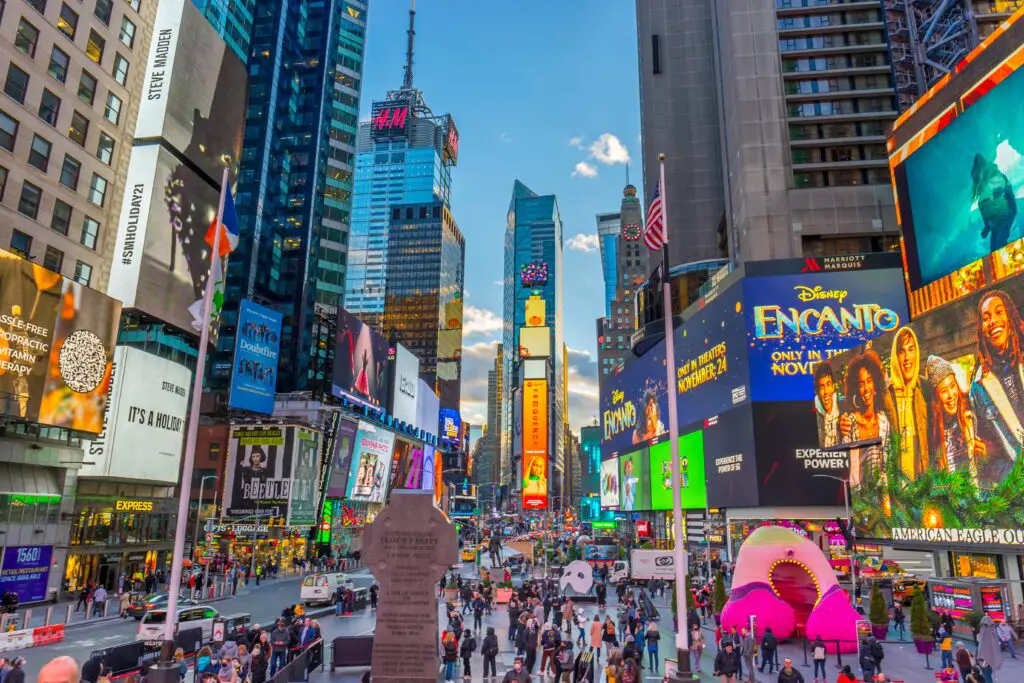
Times Square gets marketed as the center of everything in New York City, full of lights, energy and nonstop excitement. And technically, that part is true, it is bright and crowded at all hours. But for a lot of visitors, the reality hits pretty quickly once they’re standing there shoulder to shoulder with thousands of other people. It’s packed with chain stores, costumed characters asking for tips, and more advertising screens than actual attractions. Instead of feeling like a cultural hub, it can feel more like a giant outdoor mall. The crowds can make it difficult to move, especially at night or during holidays. What people imagine as electric can end up feeling overwhelming and impersonal.
A lot of travelers end up realizing there’s not much to actually do besides look around and leave. Restaurants in the area are often overpriced compared to better options just a few blocks away. Even longtime New Yorkers tend to avoid it unless they absolutely have to pass through. The constant noise and bright lights can wear on you faster than expected. It’s one of those places that feels more satisfying in photos than in person. For many, a quick walk-through is enough to check it off the list.
2. Hollywood Walk of Fame
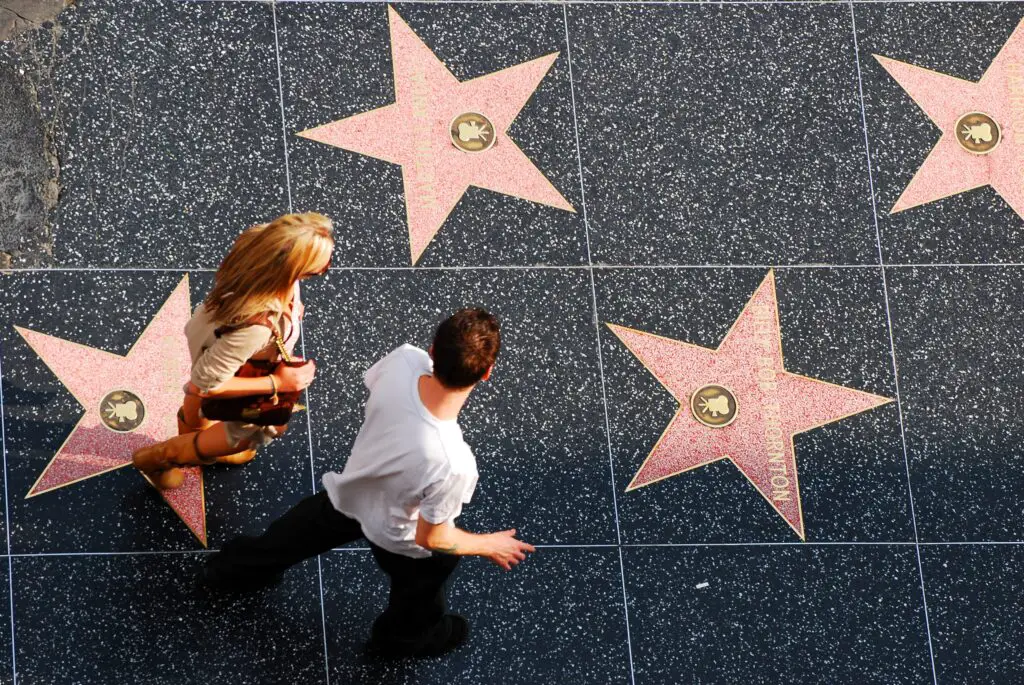
The Hollywood Walk of Fame sounds like a glamorous stretch of sidewalk celebrating the biggest names in entertainment. In reality, it’s literally a long sidewalk with embedded stars, many of which people don’t recognize. The area around it can be crowded, noisy and filled with street vendors and performers trying to get your attention. Some visitors are surprised by how ordinary and even worn down parts of it look. It doesn’t quite match the polished image people expect from Hollywood. You might also find yourself stepping around crowds just to see a name on the ground.
There’s also no clear starting or ending point, which makes it feel less like a destination and more like something you stumble into. People often spend more time searching for specific names than actually enjoying the experience. Nearby attractions like souvenir shops and themed tours can feel overly commercialized. It’s not uncommon for first-time visitors to leave feeling underwhelmed. The idea of it is stronger than the experience itself. Most people remember the crowds more than the stars.
3. Leaning Tower of Pisa
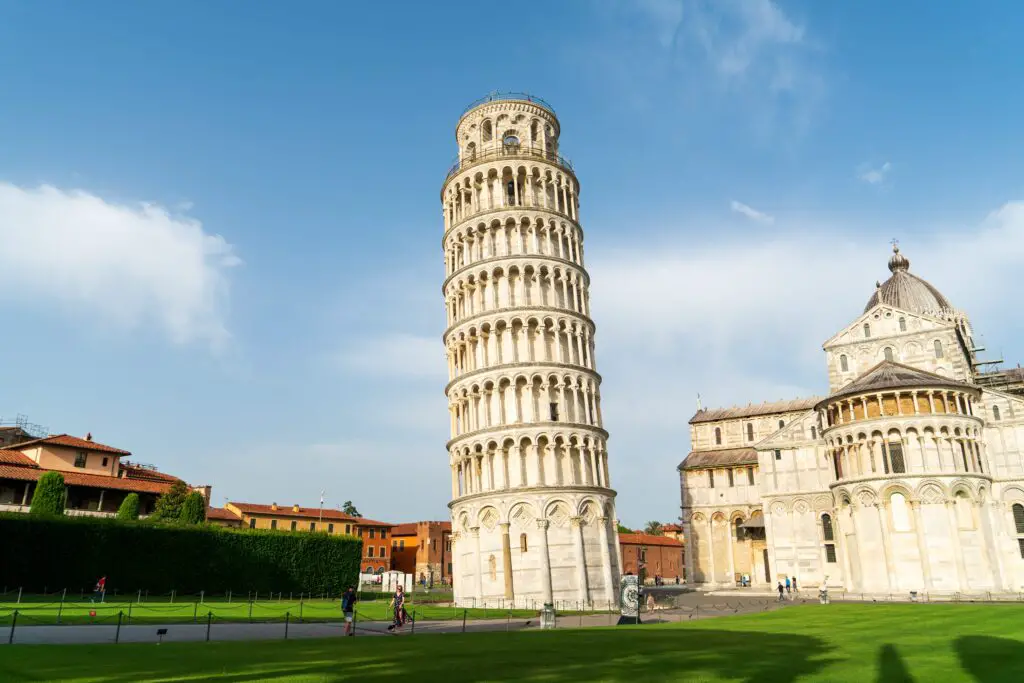
The Leaning Tower of Pisa is one of the most recognizable landmarks in the world, known for its famous tilt. What surprises people is how small the surrounding area feels once they arrive. The tower itself is impressive, but the experience around it is often dominated by crowds trying to take the same forced-perspective photos. It can feel more like a photo opportunity than a meaningful visit. The lines to climb the tower can be long, especially during peak tourist seasons. For some, the buildup doesn’t quite match the time spent waiting.
Beyond the tower, there’s not much to do in the immediate area compared to other Italian destinations. Many visitors end up staying for a short time before moving on. Street vendors selling souvenirs add to the sense of commercialization. It’s still historically significant, but the experience can feel rushed and crowded. Some travelers say it’s more satisfying to see in pictures than in person. It often becomes a quick stop rather than a highlight.
4. Stonehenge
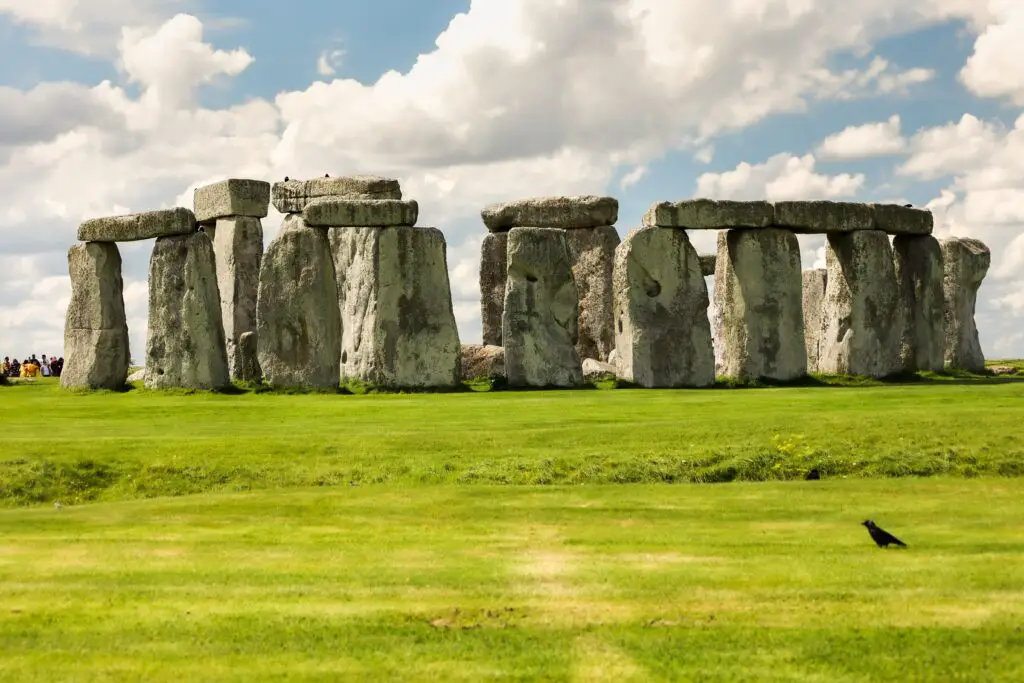
Stonehenge carries a sense of mystery and history that draws people from all over the world. The reality is that visitors are kept at a distance from the stones, which can be disappointing for those expecting to walk among them. You view the monument from a designated path, which limits how immersive the experience feels. It’s also smaller than many people imagine from photos. The setting is simple, surrounded by open fields with little else nearby. That simplicity can either feel peaceful or underwhelming, depending on expectations.
The visitor experience is highly controlled, which can make it feel less personal. Tickets and timed entry slots can add pressure to move quickly. Some people find that the anticipation builds it up more than the actual visit delivers. It’s undeniably important historically, but not everyone feels a strong connection when they get there. The distance from the stones can make it harder to appreciate the details. For some, it ends up being a brief stop rather than a lasting memory.
5. The Mona Lisa
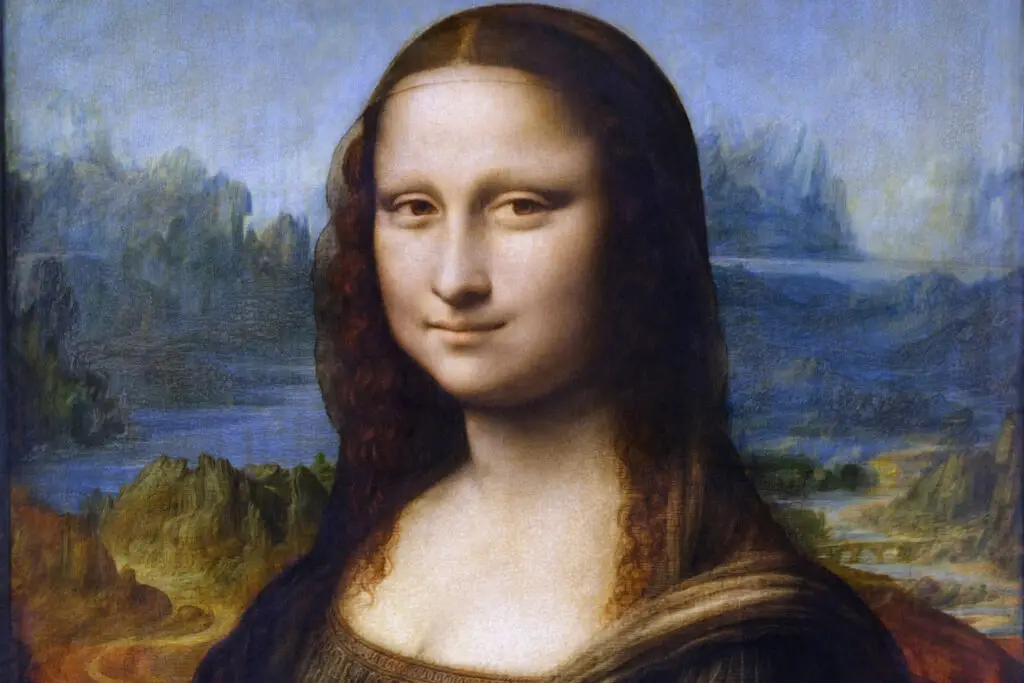
Seeing the Mona Lisa at the Louvre sounds like a once-in-a-lifetime moment. The reality is often a crowded room filled with people trying to snap a photo of a relatively small painting behind glass. You don’t get much time or space to stand and take it in. Most visitors end up viewing it from a distance, surrounded by noise and movement. The painting itself is undeniably important, but the experience can feel rushed. It’s not the quiet, reflective moment people imagine.
Many are surprised by how small it is compared to expectations. The crowd control barriers can make it difficult to get close. Some visitors leave feeling like they spent more time navigating the crowd than appreciating the art. The Louvre itself has far more to offer, but the focus on this one piece can overshadow everything else. It becomes more about saying you saw it than actually enjoying it. For some, it’s a box to check rather than a highlight.
6. Niagara Falls
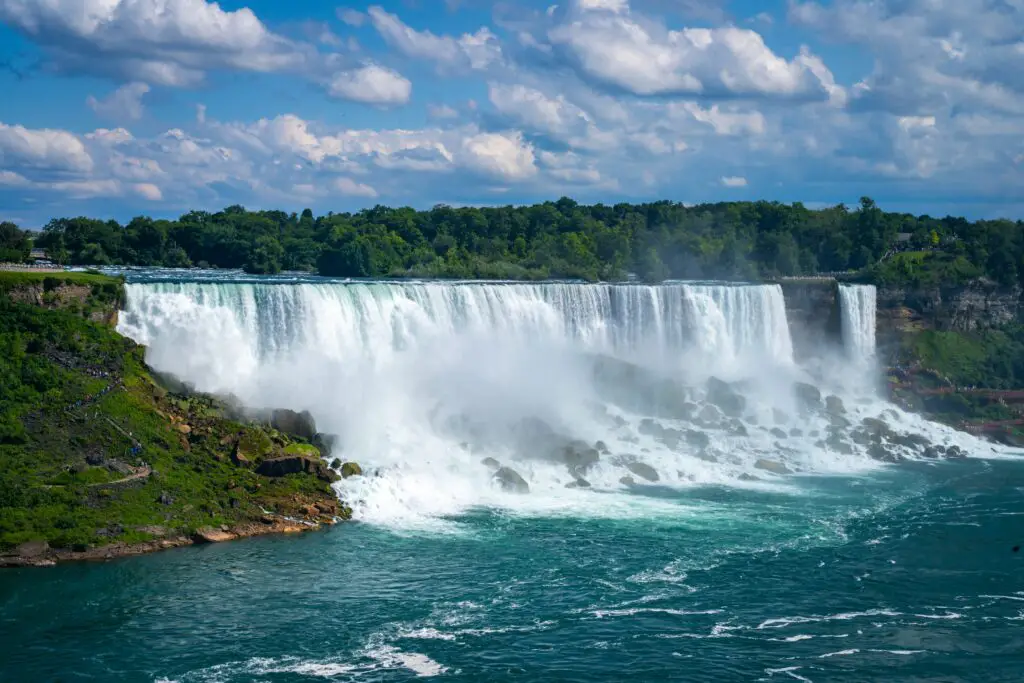
Niagara Falls is often described as one of the most powerful natural sights in North America. The falls themselves are impressive, and the sheer volume of water is hard to ignore. But the surrounding area, especially on the U.S. side, can feel heavily commercialized. There are souvenir shops, chain restaurants and tourist attractions that can take away from the natural beauty. The experience can feel more like a theme park than a scenic escape. Crowds are also a constant factor, especially in peak seasons.
For some visitors, the buildup leads them to expect something more immersive or secluded. Instead, it’s a busy destination with a lot of noise and activity. You can see the falls relatively quickly, which leaves some wondering what to do next. The Canadian side is often considered more scenic, but it’s still crowded. It’s undeniably impressive, but not always as peaceful as people imagine. Many leave feeling it was worth seeing once, but not necessarily worth returning.
7. Las Vegas Strip
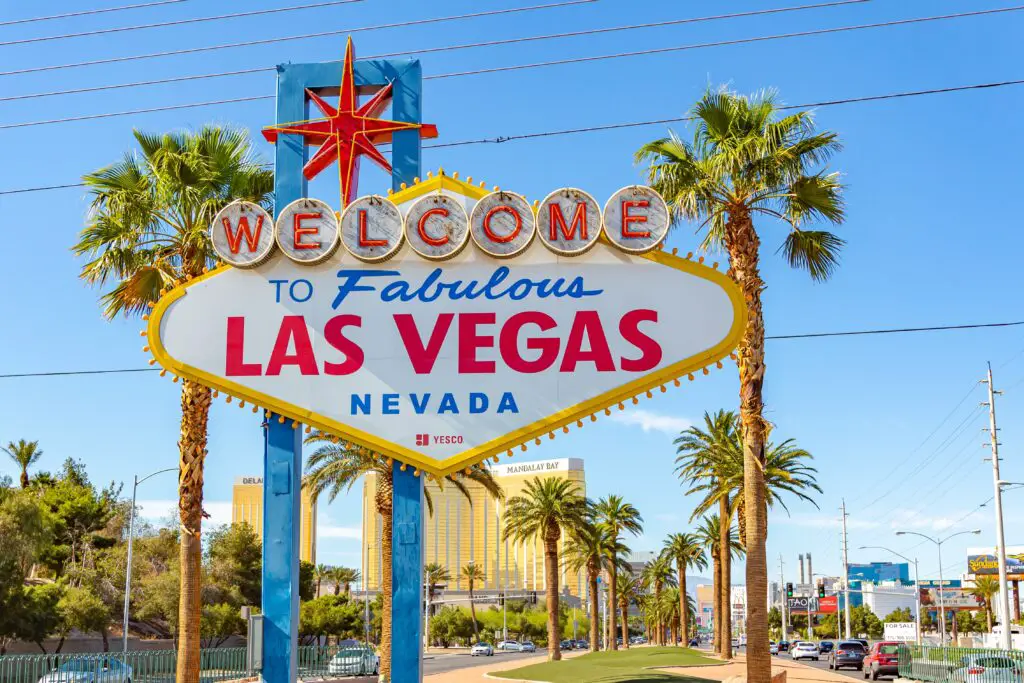
The Las Vegas Strip is marketed as nonstop excitement, luxury and entertainment. It certainly delivers on spectacle, with massive hotels, casinos and bright lights everywhere you look. But that intensity can quickly become exhausting. Walking the Strip takes longer than people expect, and the crowds can make it feel even more overwhelming. The heat, especially in summer, adds another layer of discomfort. What seems glamorous in ads can feel draining after a few hours.
Costs can also add up quickly, from food to shows to simple conveniences. Many visitors realize that much of the experience revolves around spending money. The sensory overload can make it hard to relax or enjoy anything at a slower pace. Some people love the energy, but others find it too much. It’s a place that can feel exciting at first and tiring soon after. Not everyone leaves feeling like it lived up to the hype.
8. The Great Wall of China
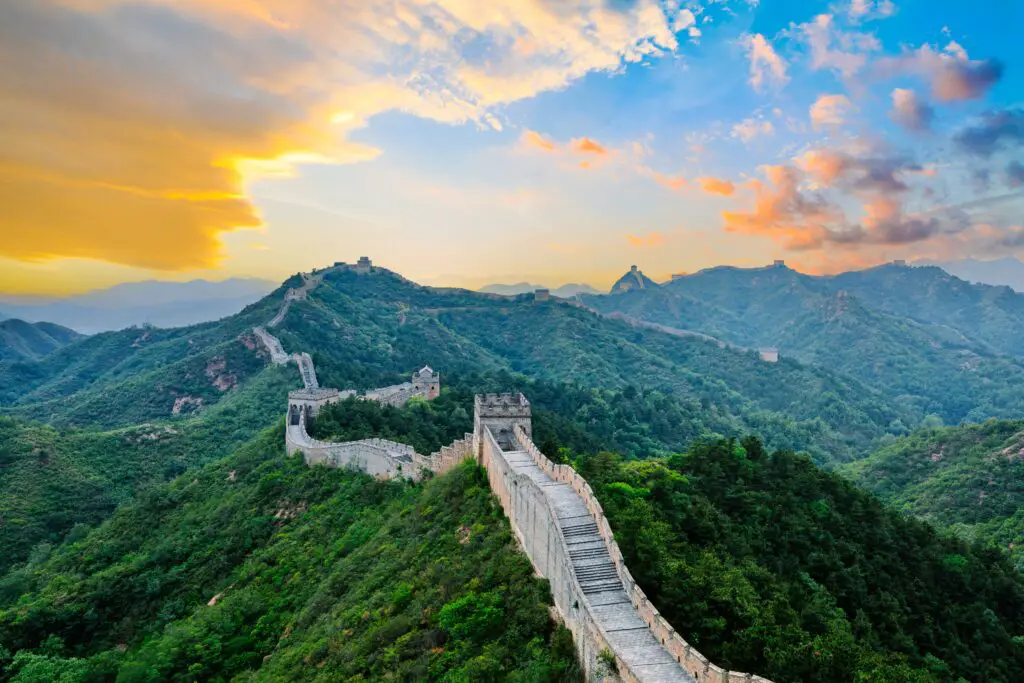
The Great Wall of China is one of the most famous landmarks in the world, stretching across vast landscapes. What visitors sometimes don’t expect is how physically demanding parts of it can be. The steps are uneven and steep, which can make walking sections of the wall tiring. Popular areas are often crowded, which takes away from the sense of scale and isolation people imagine. Instead of feeling like a quiet historical site, it can feel busy and crowded.
Access points near major cities are the most visited, which means you’re rarely alone. Some sections have been restored, which can make them feel less ancient than expected. The combination of crowds and physical effort can make the experience feel less relaxing. It’s still an impressive achievement, but not always the peaceful journey people picture. Many visitors enjoy it, but also find it more challenging than anticipated. Expectations often don’t match the reality.
9. Plymouth Rock
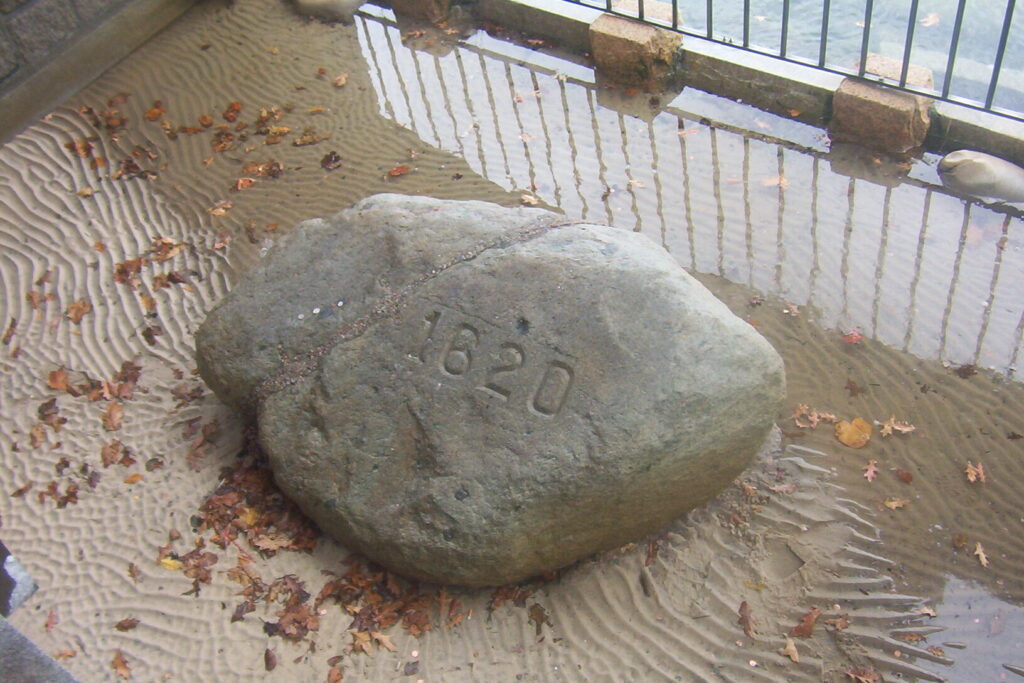
Plymouth Rock is often taught as a major historical landmark tied to early American history. When people finally see it, they’re often surprised by how small and unremarkable it looks. It sits enclosed in a protective structure, which adds to the sense of distance. There’s no dramatic setting or large monument, just a rock with a number carved into it. For many, it doesn’t match the importance they learned about in school.
The site itself doesn’t take long to visit, sometimes just a few minutes. Visitors often leave wondering if they missed something. There’s historical significance, but not much visual impact. It’s one of those places where the story is more compelling than the physical object. Some people appreciate the symbolism, but others feel underwhelmed. It’s a quick stop rather than a major destination.
10. Blarney Stone
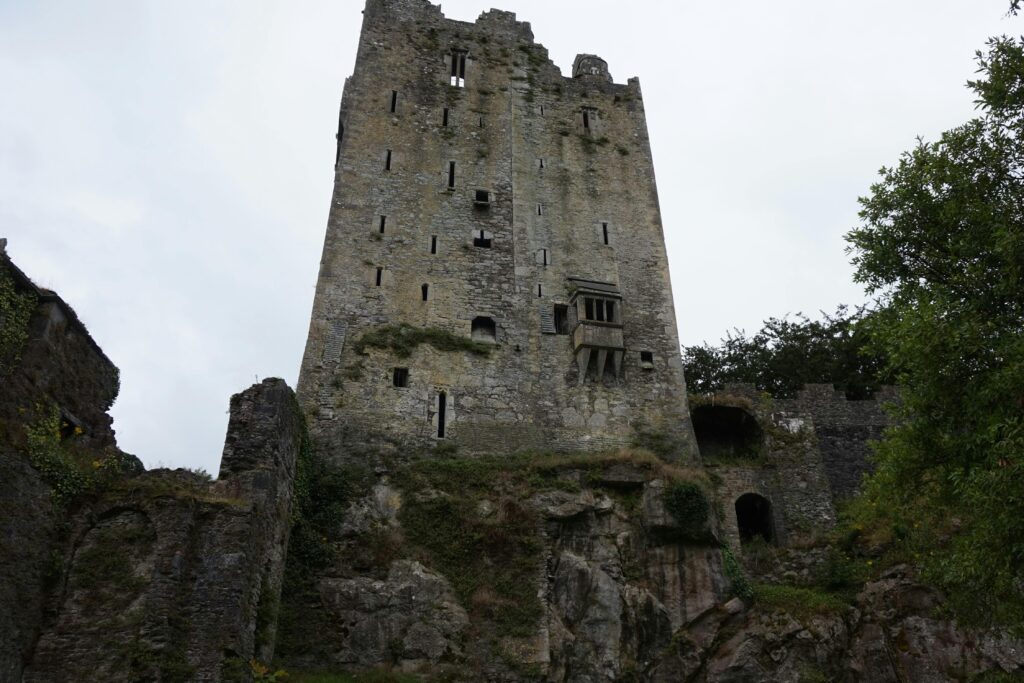
Kissing the Blarney Stone is promoted as a quirky and memorable tradition. The process involves climbing to the top of a castle and leaning backward to kiss the stone. For some, the buildup doesn’t match the experience once they get there. The line can be long, and the moment itself is brief. It’s also more physically awkward than many expect. What sounds fun can feel more like a quick photo opportunity.
Some visitors question whether it’s worth the wait for such a short experience. The surrounding castle grounds are often more enjoyable than the stone itself. It’s a tradition with a strong reputation, but not everyone feels it lives up to it. The novelty can wear off quickly. Many people are glad they did it once, but wouldn’t do it again. It becomes more about the story than the experience.
11. Four Corners Monument
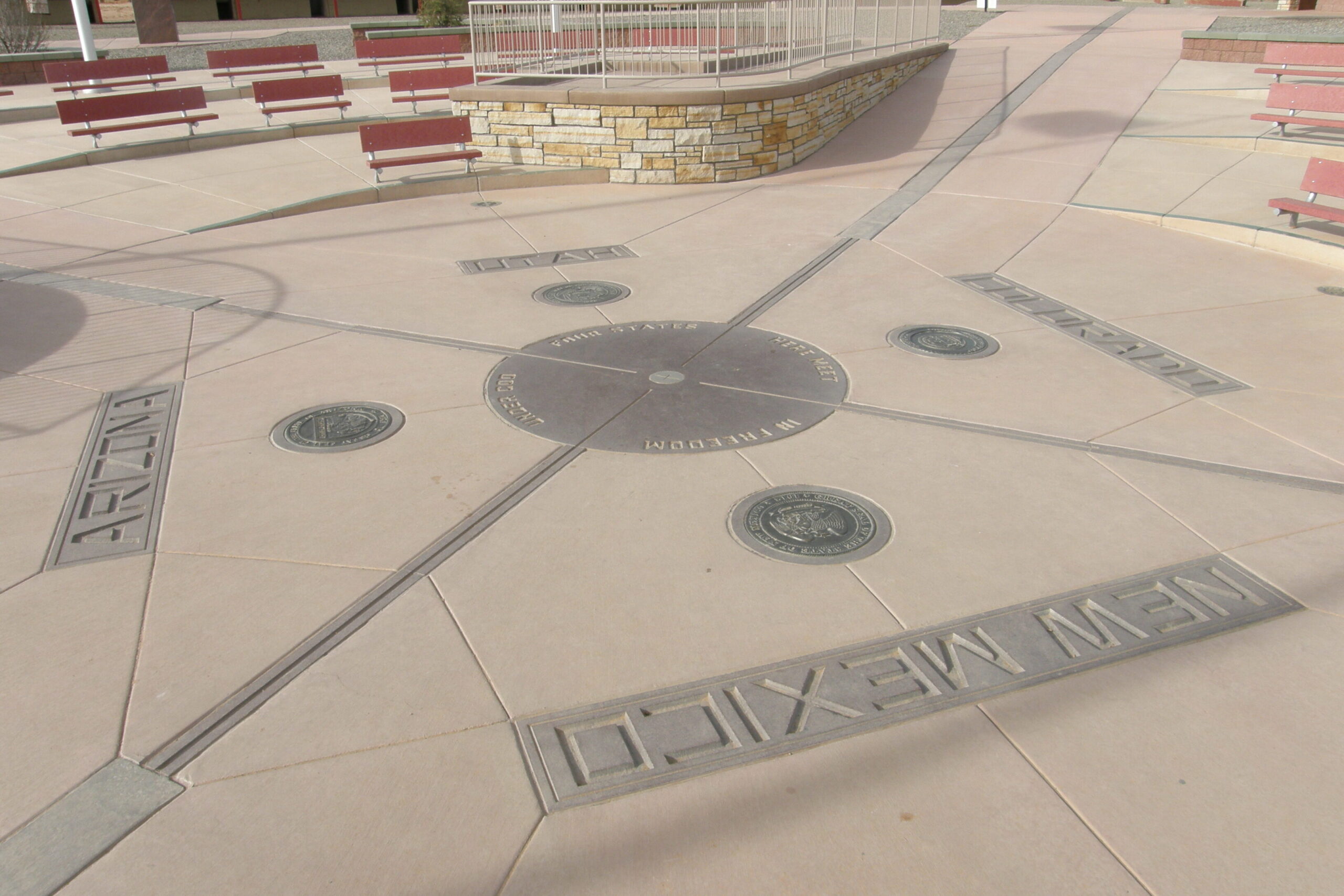
The Four Corners Monument marks the spot where four U.S. states meet. It sounds unique, and the idea of standing in four states at once draws a lot of visitors. In reality, it’s a relatively simple concrete marker in a remote area. There’s not much else around it, which can make the trip feel longer than the visit itself. The novelty wears off quickly once you’ve taken a photo.
Visitors often spend only a short amount of time there before leaving. The surrounding area offers limited additional attractions. It’s a cool concept, but not a deeply engaging experience. Some people enjoy the uniqueness, while others feel it’s underwhelming. It’s often more about the idea than the actual visit. For many, it’s a one-time stop.
12. Waikiki Beach
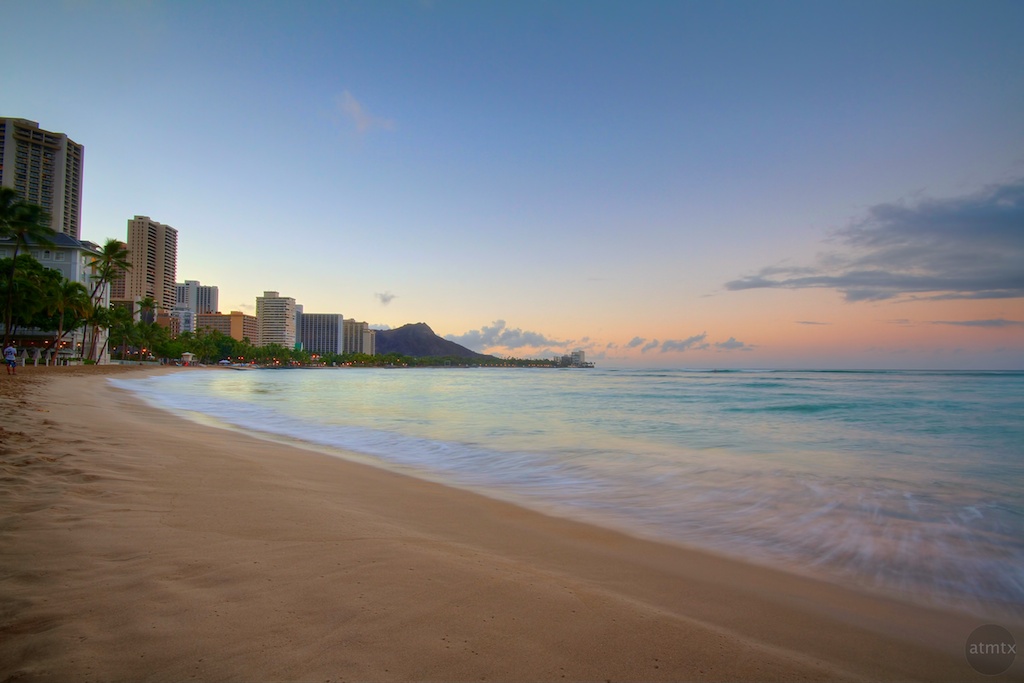
Waikiki Beach is often pictured as a tropical paradise with clear water and open space. While it is beautiful, it’s also one of the most crowded beaches in Hawaii. High-rise hotels line the shore, which changes the natural feel people expect. The beach itself can feel busy and packed, especially during peak travel seasons. It’s not the secluded escape many imagine.
Space can be limited, and finding a quiet spot isn’t always easy. The water is generally calm, but the atmosphere can feel more urban than tropical. Some visitors prefer less crowded beaches elsewhere in Hawaii. Waikiki still has its appeal, but expectations can be higher than reality. It’s a popular destination, but not always a peaceful one. Many enjoy it, but also find it less relaxing than anticipated.
13. Mount Rushmore
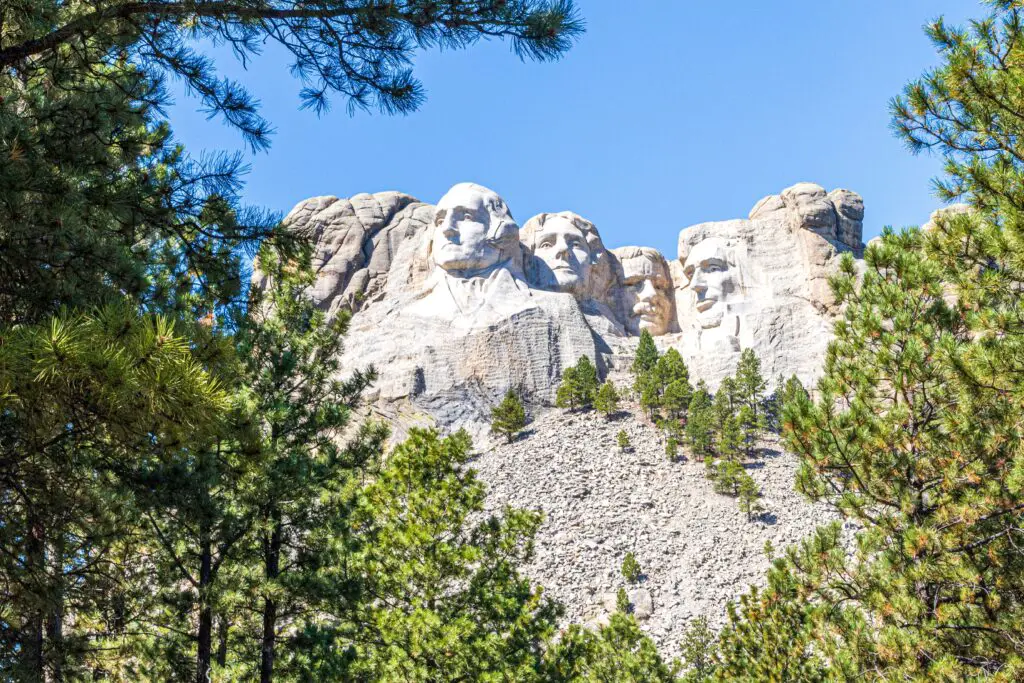
Mount Rushmore is an iconic American landmark carved into a mountainside. The scale is impressive, but some visitors are surprised by how quickly the experience goes. You view the monument from a distance, and there’s not much else to explore beyond the viewing areas. It can feel smaller than expected once you see it in person. The buildup often creates higher expectations than the visit delivers.
Crowds can also impact the experience, especially during busy travel times. The surrounding facilities are well-maintained, but the visit itself is relatively short. Some people leave feeling like they’ve seen everything within an hour. It’s historically significant, but not always as immersive as expected. Many visitors appreciate it, but don’t spend much time there. It’s memorable, but brief.
14. The Little Mermaid Statue
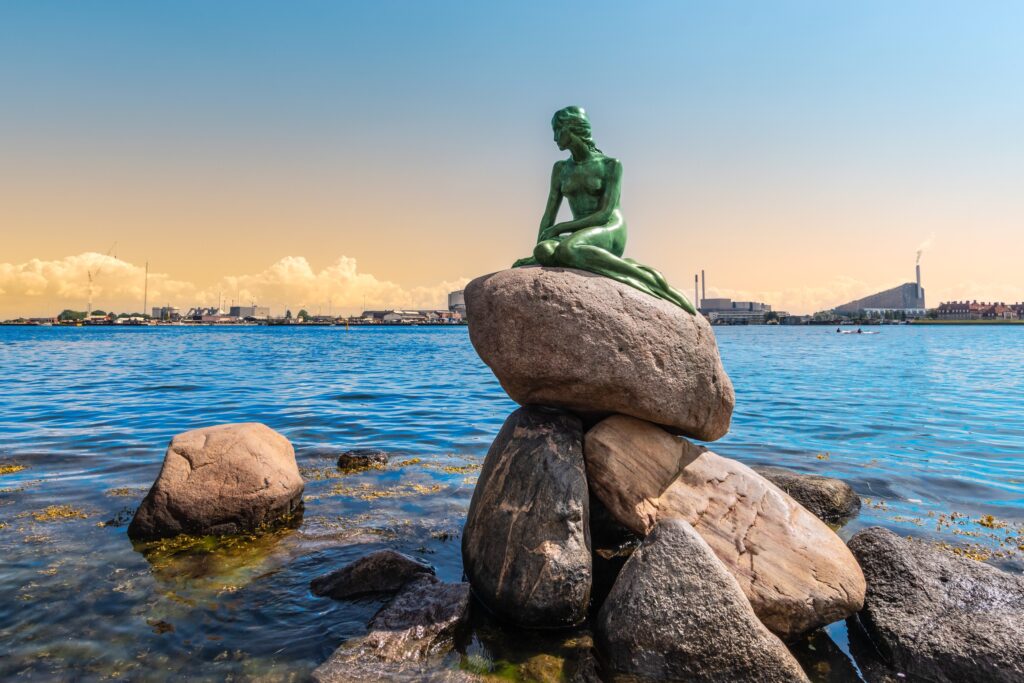
The Little Mermaid statue in Copenhagen is one of the city’s most famous attractions. What surprises many visitors is how small it actually is. It sits on a rock by the water, often surrounded by crowds trying to get a photo. The setting is simple, which can feel underwhelming compared to expectations. People often expect something larger or more dramatic.
The experience usually lasts only a few minutes. Visitors take a photo and move on quickly. It’s a symbol of the city, but not a major attraction in terms of time spent. Some appreciate its simplicity, while others feel let down. It’s one of those landmarks where the reputation is bigger than the reality. Many leave feeling it was worth seeing once, but not much more.