
1. Salisbury Steak
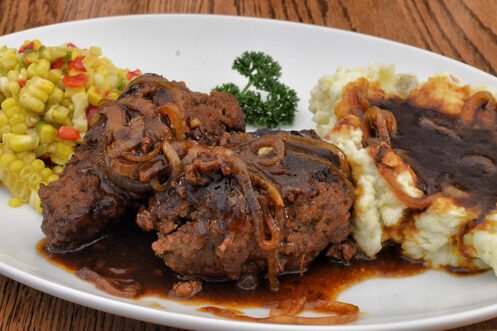
Salisbury steak used to show up on dinner tables so often that it almost felt like a default weeknight meal. It’s essentially seasoned ground beef shaped into a patty and served with a brown gravy, often alongside mashed potatoes. The dish traces back to the late 19th century and was named after Dr. James Salisbury, who promoted a meat-heavy diet. By the mid-20th century, it became a staple in home cooking and later in frozen dinners. You could find it in school cafeterias, TV dinners, and diners across the country. It was affordable, filling, and easy to prepare, which made it especially popular during the ’50s and ’60s. Over time, though, it started to feel a little outdated compared to newer dinner options. These days, it still exists, but it’s no longer a weekly go-to for most families.
There was something comforting about how predictable Salisbury steak was. You knew exactly what you were getting every time, from the soft texture of the meat to the rich, salty gravy poured over everything. It also paired easily with whatever sides you had on hand, whether that was canned green beans or instant potatoes. As food culture shifted toward fresher ingredients and more variety, meals like this quietly faded from regular rotation. Still, for a lot of people, just hearing the name brings back memories of sitting down to a simple, no-frills dinner. It’s one of those dishes that defined an era of practical, budget-conscious cooking. Even if it’s not common anymore, it hasn’t completely disappeared. You’ll still spot it now and then, especially in nostalgic recipes or frozen food aisles.
2. Tuna Noodle Casserole
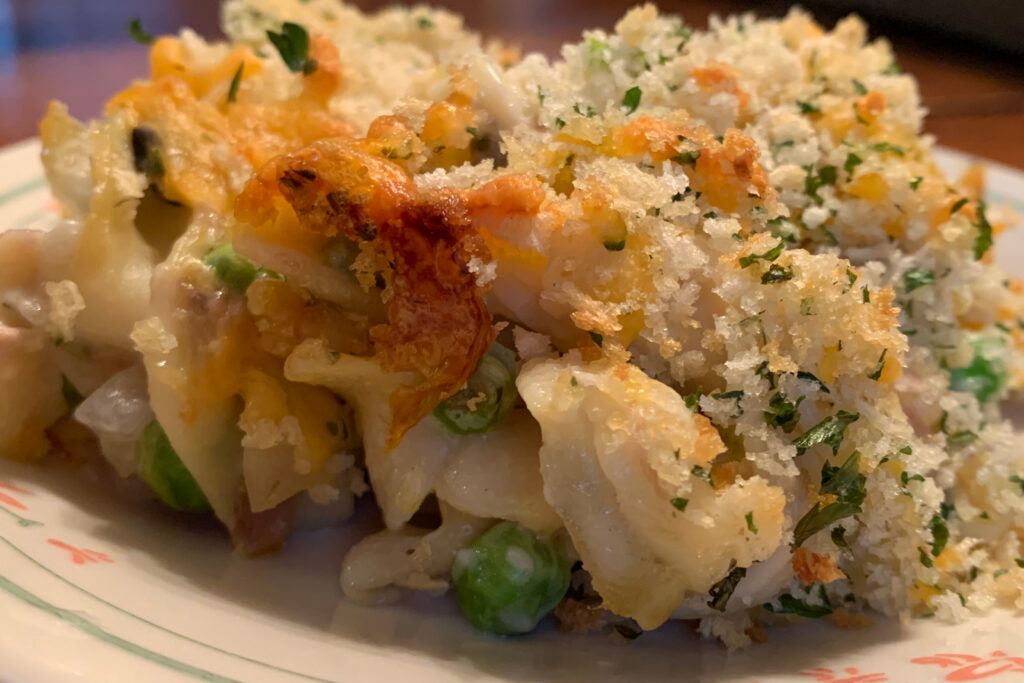
Tuna noodle casserole was once a reliable answer to the question of what to make when the pantry felt a little bare. It combined canned tuna, egg noodles, and a creamy base, often made with canned soup, into a dish that could feed a whole family. This kind of casserole became especially popular in the mid-20th century, when convenience foods were heavily promoted. It was inexpensive and made use of shelf-stable ingredients, which made it practical for busy households. Many versions were topped with breadcrumbs or crushed potato chips for added texture. For decades, it was a regular part of weekly meal planning. Eventually, though, its reputation shifted from comforting to a bit old-fashioned.
Despite that, tuna noodle casserole has a loyal following among people who grew up with it. There’s a certain familiarity in the combination of creamy sauce and soft noodles that’s hard to replicate. It was also one of those dishes that could stretch leftovers, making it especially useful during tighter times. As fresh seafood and lighter meals became more popular, this heavier casserole started to fall out of favor. Still, it occasionally makes a comeback in retro-themed dinners or family recipes. It represents a time when convenience and cost mattered more than presentation. For many, it’s less about the taste and more about the memory of it.
3. Liver and Onions
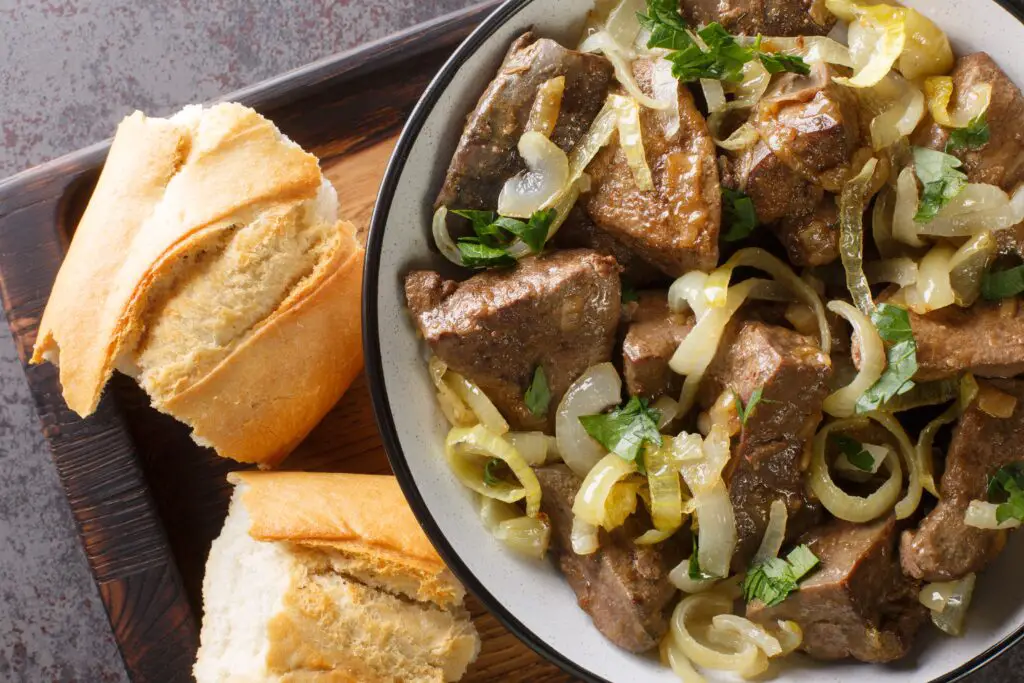
Liver and onions used to be a standard dinner in many households, even if not everyone at the table was excited about it. The dish typically involves sliced liver, often beef or calf’s liver, cooked with sautéed onions. It was valued for being inexpensive and highly nutritious, especially rich in iron and vitamins. In earlier decades, it was commonly recommended as a healthy meal, particularly for children and pregnant women. But its strong flavor made it one of the more divisive dishes on the table. While some people appreciated it, others avoided it whenever they could. Over time, that divide contributed to its decline in popularity.
Even so, liver and onions hasn’t completely disappeared. It still shows up in certain diners and traditional cookbooks, especially among older generations. The texture and taste are what tend to turn people away, not its nutritional value. As dietary preferences shifted toward milder flavors and different protein sources, this dish gradually faded from weekly menus. It’s now more of a specialty item than a routine dinner. For those who grew up eating it, though, it’s hard to forget. It stands out as one of the more memorable, and sometimes dreaded, meals from the past.
4. Chicken à la King
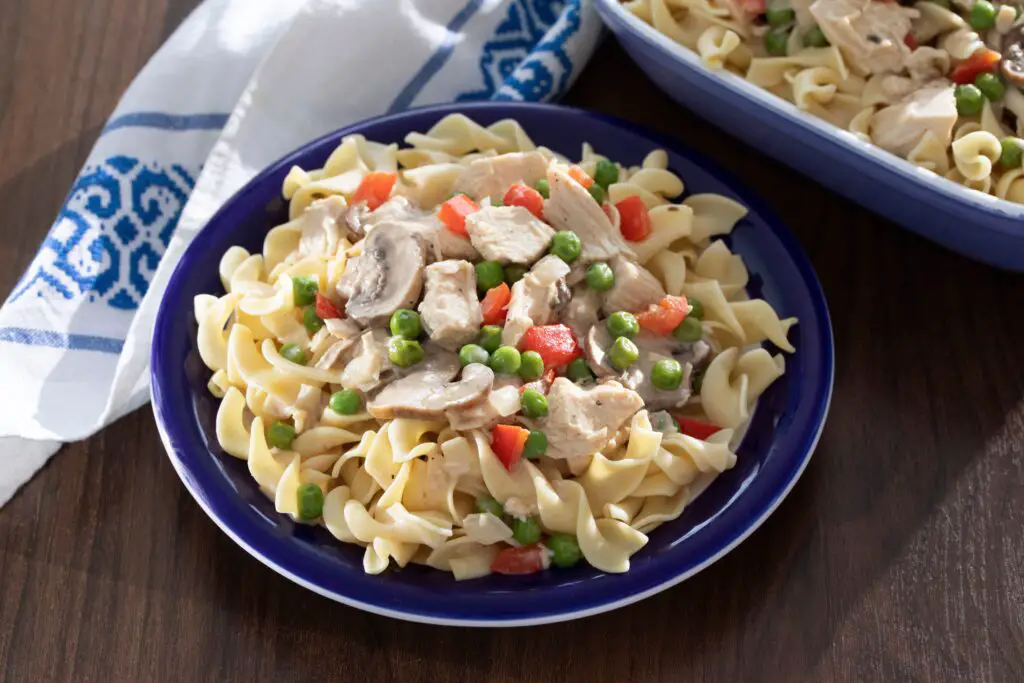
Chicken à la King once felt like a slightly fancy meal that was still easy enough to make at home. It’s made with diced chicken in a creamy sauce, often including mushrooms, peppers, and sometimes peas. The mixture is typically served over toast, rice, or puff pastry shells. It gained popularity in the early to mid-20th century and became a common dish for both home cooks and restaurants. At one point, it was even served on airlines and in hotel dining rooms. It had a reputation for being a step above everyday meals without requiring complicated preparation. That balance made it a frequent choice for dinner.
Over time, though, its popularity faded as tastes changed. Cream-based dishes started to feel heavier compared to newer, lighter recipes. The presentation also began to seem dated, especially when served over toast points or in pastry shells. Still, it hasn’t vanished entirely. You can still find it in older cookbooks and the occasional diner menu. For those who remember it, it carries a certain sense of mid-century dining style. It’s one of those dishes that quietly slipped out of the weekly routine without much notice.
5. Meatloaf with Ketchup Glaze
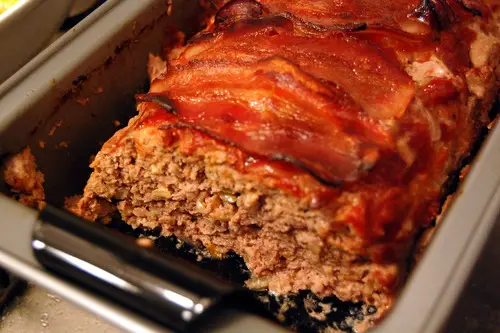
Meatloaf used to be one of the most dependable dinners you could make, especially when feeding a family on a budget. Ground beef mixed with breadcrumbs, eggs, and seasonings was shaped into a loaf and baked, often topped with a ketchup-based glaze. It became especially popular during the Great Depression and remained a staple through the ’50s and ’60s. The ingredients were inexpensive and easy to stretch, which made it practical for regular use. It was also simple to customize based on what was available in the kitchen. For years, it showed up on dinner tables week after week.
While meatloaf hasn’t disappeared, it’s no longer quite as common as it once was. Many people still associate it with home cooking and family dinners. The leftovers were just as important, often turned into sandwiches the next day. As more dinner options became available, the need for such a practical dish lessened. Even so, it still appears in comfort food menus and home kitchens from time to time. It’s one of those meals that people don’t always crave, but still remember clearly. Its staying power comes from how reliable it always was.
6. Stuffed Bell Peppers

Stuffed bell peppers used to be a regular way to turn simple ingredients into a full meal. Typically filled with a mixture of ground meat, rice, and seasonings, they were baked until tender. The dish was both practical and visually distinct, which made it appealing for home cooks. It allowed families to stretch ingredients while still serving something that looked complete. In many households, it was part of the regular dinner rotation. It was also adaptable, with different fillings depending on regional or family preferences.
Over time, stuffed peppers became less common as cooking habits changed. They require a bit more preparation than quicker, one-pan meals. As convenience became more important, dishes like this started to fade from weekly menus. Still, they haven’t disappeared entirely. You’ll still see them in traditional recipe collections and occasionally in restaurants. For people who grew up eating them, they’re easy to recognize and remember. They represent a style of cooking that focused on making the most out of simple ingredients.
7. Creamed Chipped Beef on Toast
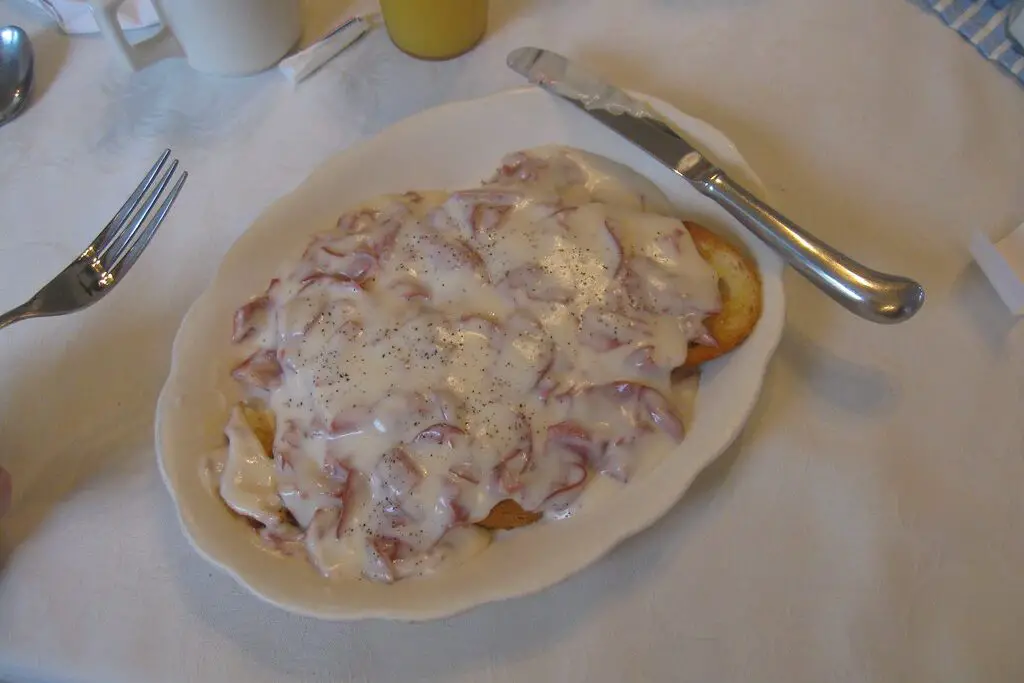
Often referred to informally as “SOS,” creamed chipped beef on toast was a common meal in both military settings and civilian homes. It consists of dried beef in a white cream sauce served over toast. The dish became widely known during World War II and remained popular in the years that followed. It was inexpensive, filling, and relied on pantry staples. Many families adopted it as a regular dinner or breakfast-for-dinner option. It was especially common in the ’40s and ’50s.
Despite its practicality, it eventually fell out of favor. The name alone didn’t help its reputation, and the dish itself was fairly plain. As tastes shifted toward fresher and more varied meals, it became less appealing. Today, it’s mostly remembered rather than regularly eaten. Some diners still serve it, but it’s far from a mainstream choice. For those who grew up with it, it’s hard to forget. It’s tied closely to a specific era of resourceful cooking.
8. Jell-O Salads
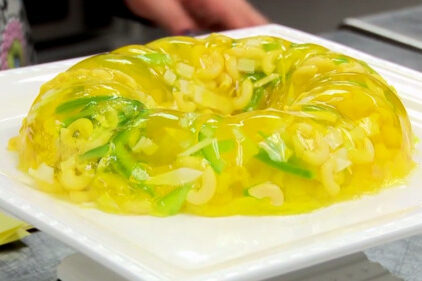
Jell-O salads were once a surprisingly common part of dinner, not just dessert. These dishes combined flavored gelatin with ingredients like fruit, vegetables, or even meat in some cases. They became especially popular in the mid-20th century, when convenience foods were heavily marketed. Brightly colored and easy to prepare, they often appeared at family dinners and gatherings. Some versions included mayonnaise or whipped topping, depending on the recipe. At the time, they were seen as creative and modern.
Today, Jell-O salads are more of a curiosity than a staple. The combination of flavors can seem unusual by modern standards. As cooking trends moved toward fresh ingredients and simpler presentations, these dishes fell out of favor. Still, they occasionally show up at potlucks or holiday meals. For many people, they’re more about nostalgia than preference. They reflect a period when experimentation with convenience foods was encouraged. It’s a style of cooking that feels very specific to its time.
9. Pot Roast with Carrots and Potatoes
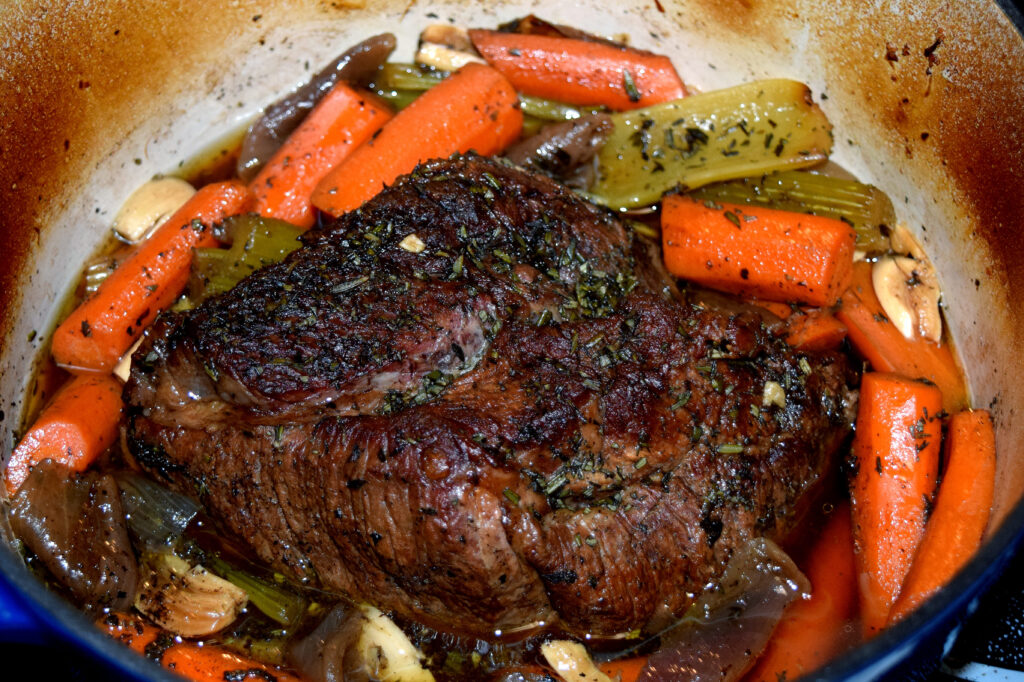
Pot roast used to be a dependable centerpiece for family dinners, especially on weekends or slower weekdays. A tougher cut of beef would be slow-cooked with carrots, potatoes, and broth until everything was tender. The long cooking time allowed flavors to develop while also making the meat easier to eat. It was a practical way to turn an inexpensive cut into a satisfying meal. Many families relied on it as a regular part of their dinner rotation. It also filled the house with a recognizable, comforting smell.
While pot roast is still around, it’s less of a weekly staple than it once was. The time required to cook it doesn’t always fit into modern schedules. Faster cooking methods have replaced many slow-cooked meals like this. Even so, it remains a favorite for special occasions or weekend dinners. For those who remember it, it’s closely tied to family gatherings. It’s one of those meals that feels both simple and significant at the same time.
10. Ham Steak with Pineapple
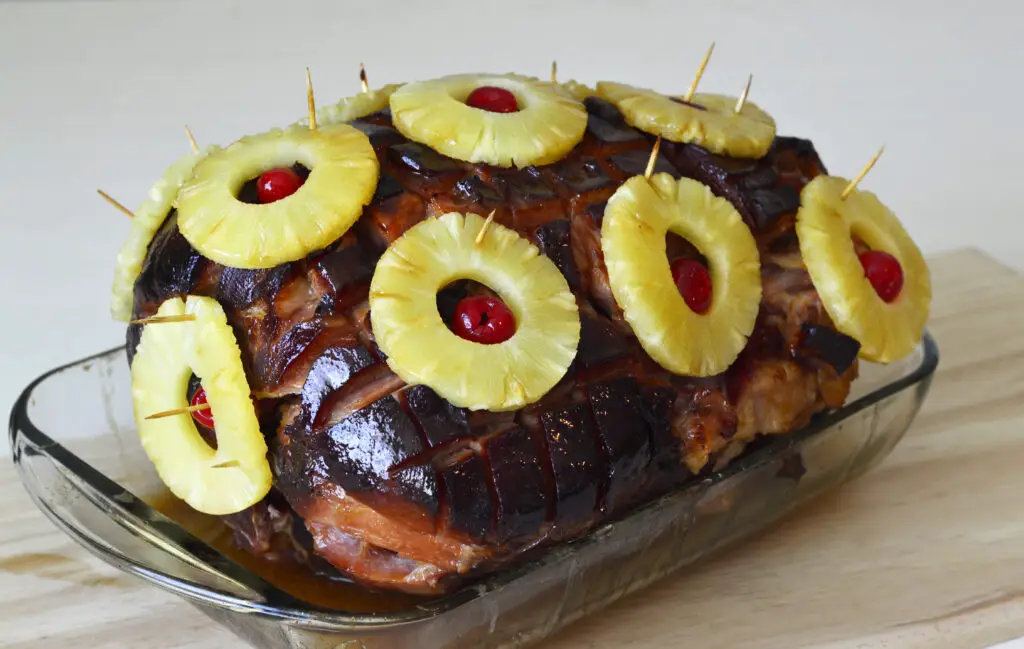
Ham steak topped with pineapple slices used to feel like a quick way to make dinner a little more interesting. The combination of salty ham and sweet pineapple was widely popular in the mid-20th century. It could be cooked quickly in a pan or baked in the oven, making it convenient for busy nights. Sometimes it was finished with a glaze made from brown sugar or syrup. It became a common feature in both home kitchens and casual dining spots. For a while, it felt like a slightly special meal without much extra effort.
Over time, this flavor combination became less common. Changing tastes and new dinner options pushed it out of regular rotation. While ham itself remains popular, this specific presentation isn’t as widely used. You’ll still see it occasionally in retro recipes or older cookbooks. For those who grew up with it, the pairing is instantly recognizable. It’s a reminder of how certain flavor trends can come and go.
11. Swiss Steak
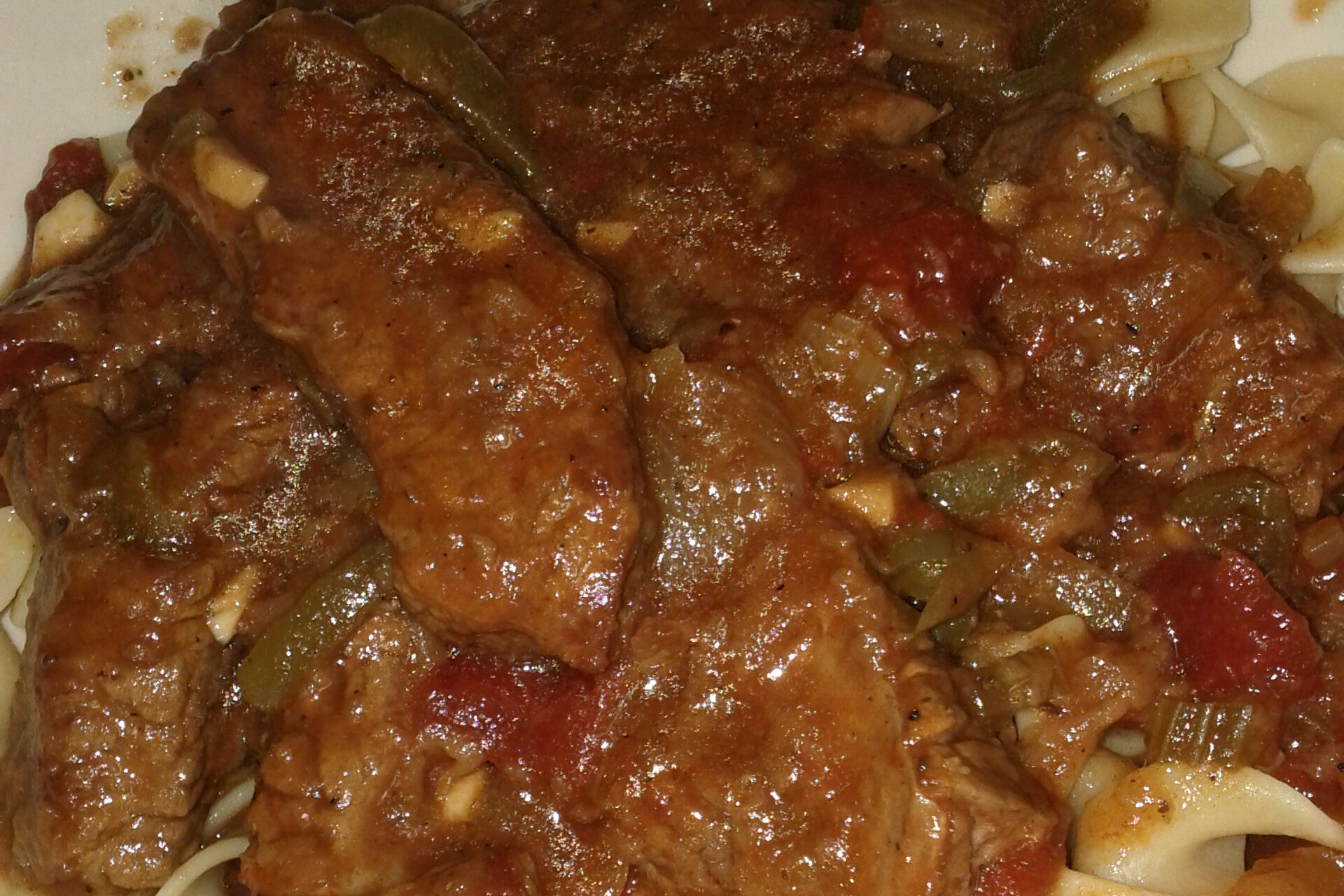
Swiss steak was another budget-friendly dish that once appeared regularly on dinner tables. It involves tenderizing a tougher cut of beef and slowly cooking it in a tomato-based sauce. Despite the name, it isn’t actually from Switzerland, but refers to the method of tenderizing the meat. The slow cooking process made the beef more palatable and infused it with flavor. It was a practical way to use less expensive cuts of meat. For many families, it was a reliable weekly meal.
As cooking habits changed, Swiss steak became less common. It requires time and a bit of preparation, which doesn’t always align with modern schedules. The dish also fell out of the spotlight as new recipes gained popularity. Still, it hasn’t been completely forgotten. It remains part of many older cookbooks and family traditions. For those who remember it, it’s tied to a time when meals were built around making the most of what you had.
12. Corned Beef Hash
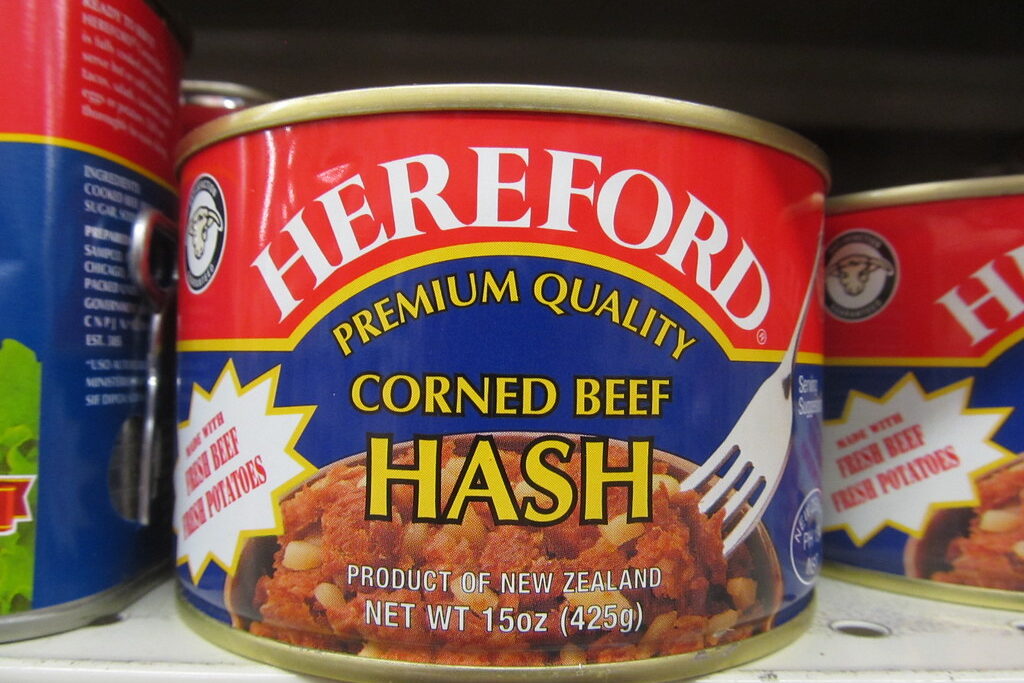
Corned beef hash was often a way to use up leftovers while still creating a full meal. It typically combines chopped corned beef with diced potatoes and onions, all cooked together in a skillet. The dish became especially popular in the early to mid-20th century, including as a canned product. It was quick to prepare and made good use of ingredients that might otherwise go to waste. Many households included it in their regular dinner or breakfast-for-dinner rotation. It was both practical and satisfying.
Today, corned beef hash is more commonly seen as a diner breakfast item. Its role as a weekly dinner has mostly faded. While canned versions are still available, they’re not as widely used as they once were. The dish remains familiar, even if it’s no longer a staple. For many people, it brings back memories of simple, resourceful meals. It’s a clear example of how everyday cooking habits can change over time.