
1. King Arthur
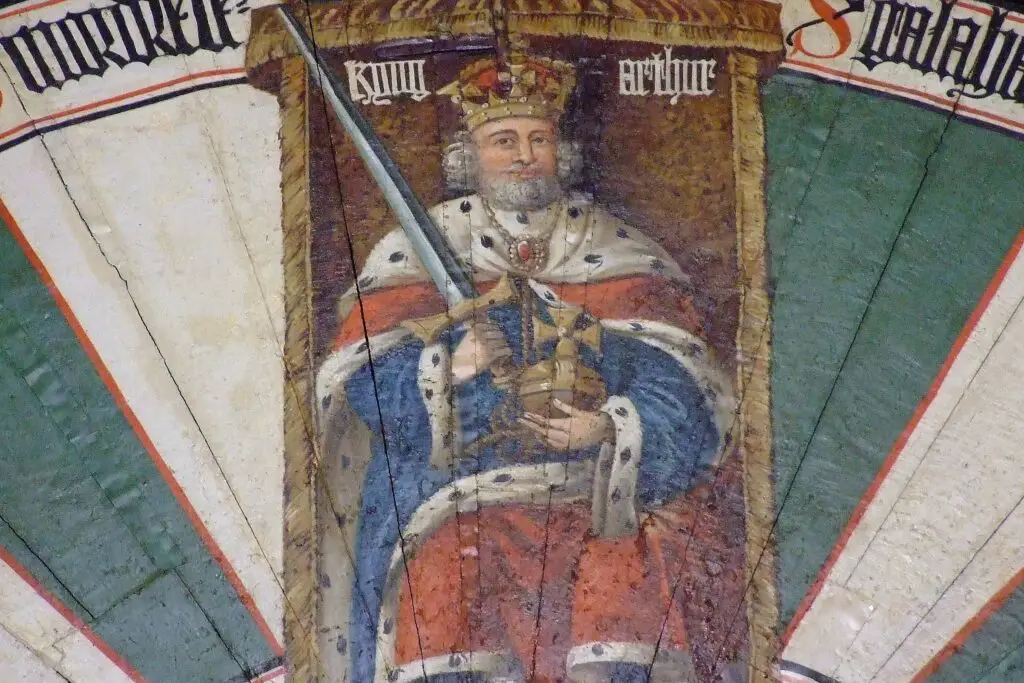
The story of King Arthur has been told so many times that it feels like solid history, but the truth is much murkier. There is no clear contemporary record proving that Arthur existed as a single, identifiable person. Most of what we know comes from later sources like Geoffrey of Monmouth, writing in the 12th century, long after the supposed events. These accounts mix possible historical figures with clear mythological elements, including magic and prophecy. The idea of Camelot, Excalibur, and the Knights of the Round Table appears to have grown over time rather than coming from one source. Early mentions of Arthur are brief and inconsistent, which suggests a legend forming rather than a documented life. Historians generally believe the character may be based on one or more real leaders from post-Roman Britain. But the version most people know today is clearly shaped by storytelling rather than evidence.
What makes Arthur interesting is how the legend kept expanding with each retelling. Writers added romance, chivalry, and dramatic battles, turning a vague figure into a fully formed hero. By the medieval period, Arthur had become a symbol of ideal kingship rather than a historical person. Even today, scholars debate whether there was ever a real Arthur at all. Archaeological evidence has not confirmed his existence in any definitive way. Still, the persistence of the story suggests it may have started from a small kernel of truth. That original figure, if he existed, would likely be unrecognizable compared to the legendary king. It is a classic example of how rumor and oral tradition can evolve into something much larger.
2. Robin Hood
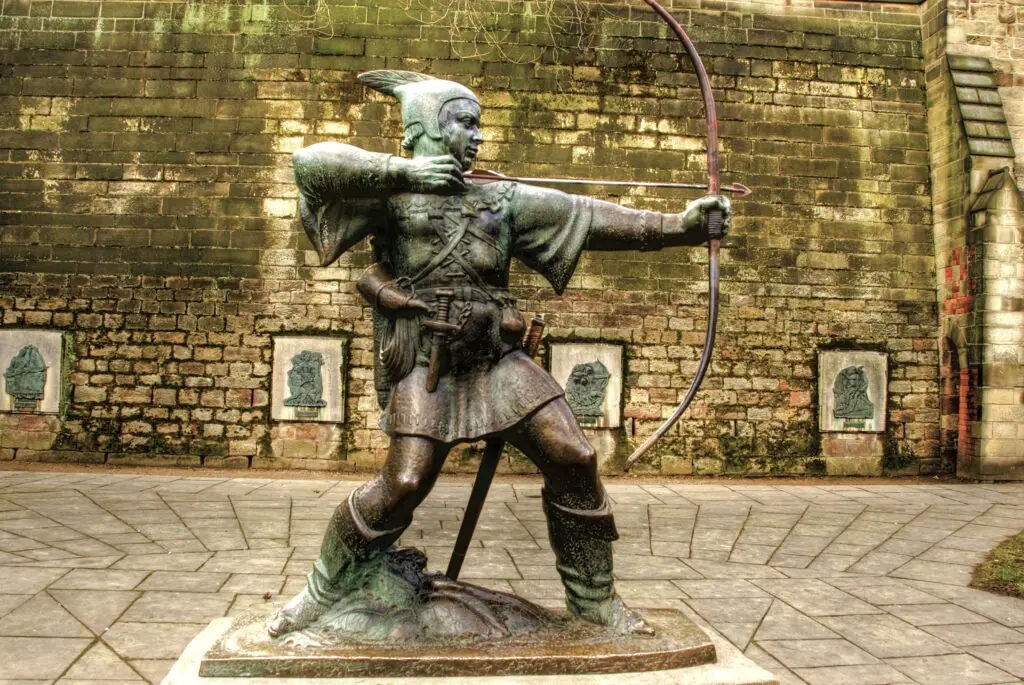
Robin Hood is often treated like a real outlaw who lived in medieval England, but there is no clear historical record tying him to a single individual. Early references to “Robin Hood” appear in ballads from the 14th century, and even then, the details vary widely. In some versions, he is a nobleman, while in others he is a yeoman or commoner. The setting shifts too, with different sheriffs and locations depending on the story. This inconsistency suggests the name may have been a kind of placeholder for an outlaw figure rather than a specific person. Some historians think “Robin Hood” could have been a nickname applied to multiple criminals. Over time, those stories blended together into one character. The familiar image of a heroic archer stealing from the rich came later.
As the legend grew, it took on a more moral tone. Later stories added characters like Little John and Friar Tuck, along with the idea of redistributing wealth to the poor. These elements are not present in the earliest ballads. The setting in Sherwood Forest also became standardized over time. By the time of early modern retellings, Robin Hood had become a symbol of justice and resistance. Despite extensive research, no definitive historical Robin Hood has been identified. There are scattered records of outlaws with similar names, but none match the legend closely. It seems likely the story began as a collection of rumors and local tales. Those stories gradually fused into the version that survives today.
3. The Trojan Horse

The story of the Trojan Horse is one of the most famous episodes from the Trojan War, but its historical accuracy is uncertain. The main source for the story is Virgil’s Aeneid, written centuries after the events it describes. Earlier Greek sources, like Homer’s Odyssey, mention the horse but do not provide a detailed account. There is no archaeological evidence confirming that such a structure was used to infiltrate the city of Troy. Some historians believe the story may be symbolic rather than literal. It could represent a siege engine or a deceptive tactic rather than an actual wooden horse. Others suggest it might be a later embellishment added to make the story more dramatic. The lack of contemporary records makes it difficult to verify. As a result, many scholars treat it as a legend.
The idea of a hidden force inside a seemingly harmless object is powerful, which may explain why the story endured. It captures the theme of deception in warfare in a way that is easy to visualize. Over time, the Trojan Horse became a metaphor used far beyond its original context. Even in modern language, it refers to something that appears benign but conceals danger. That kind of staying power is typical of stories that evolve from oral tradition. While the city of Troy itself has been excavated and confirmed as real, the details of its fall remain uncertain. The horse may have been a creative explanation for a victory that was not fully understood. In that sense, it likely grew out of rumor and storytelling rather than documented fact. The legend persists because it fills in gaps that history cannot fully explain.
4. Atlantis

The story of Atlantis originates with the ancient Greek philosopher Plato, who described it in his dialogues Timaeus and Critias. He presented Atlantis as a powerful island civilization that sank into the ocean in a single day and night. However, most scholars agree that Plato intended the story as a philosophical allegory rather than a historical account. There are no independent ancient sources that confirm the existence of Atlantis. Archaeological evidence has not revealed any submerged continent matching the description. Over time, the story was reinterpreted as a real lost civilization. This shift likely happened as later readers took Plato’s account more literally. The dramatic nature of the story made it easy to imagine as truth. But its origins point to a constructed narrative.
Despite the lack of evidence, Atlantis has remained a popular subject for speculation. Various theories have tried to link it to real locations, from the Mediterranean to the Caribbean. None of these claims have been widely accepted by historians or archaeologists. The endurance of the story shows how a philosophical tale can take on a life of its own. Once people began treating it as a real place, new details were added and debated. This process resembles how rumors expand over time. What began as a teaching tool became a global mystery. Even today, it is often discussed as if it might be real. But the consensus remains that Atlantis is a legend rooted in a single author’s work.
5. El Dorado

El Dorado is often imagined as a lost city of gold, but the original story was quite different. Early accounts from Spanish explorers described a ritual in which a leader of the Muisca people was covered in gold dust and made offerings in a lake. This individual became known as “El Dorado,” meaning “the gilded one.” Over time, the story shifted from a person to a place. European explorers began searching for an entire city, and eventually a vast kingdom, filled with gold. These expeditions were driven by rumor and exaggeration rather than verified information. No such city was ever found. The transformation of the story shows how quickly details can change when passed along. What started as a cultural practice became a mythical destination.
The search for El Dorado led to numerous dangerous expeditions across South America. Many of these journeys ended in failure, with explorers facing harsh conditions and significant losses. Despite this, the belief in a golden city persisted for centuries. Each new rumor seemed to renew interest in the search. Over time, maps and accounts placed El Dorado in different locations, reflecting the lack of reliable information. Historians now understand the story as a combination of misunderstanding and wishful thinking. The original ritual was real, but the city was not. This evolution from fact to legend is well documented. It illustrates how rumors can expand into something far removed from their source.
6. The Fountain of Youth

The idea of a Fountain of Youth, a source of water that grants eternal youth, appears in various cultures. In the European context, it is often linked to the Spanish explorer Juan Ponce de León. According to popular stories, he searched for this fountain in the New World. However, historical records from his time do not clearly support this claim. The connection between Ponce de León and the fountain seems to have developed after his death. Early accounts of his expeditions focus on exploration and colonization, not a quest for immortality. The legend may have been attached to him later as a way of adding intrigue. This suggests the story evolved from rumor rather than documented intent. The concept itself predates him by centuries.
As the story spread, it became a staple of folklore and popular culture. The idea of reversing aging is naturally appealing, which likely helped the legend endure. Over time, the Fountain of Youth was placed in different locations, from Florida to the Caribbean. These shifting details indicate a lack of consistent evidence. Historians generally view the story as a myth rather than a historical event. The association with Ponce de León is now considered questionable. It is a clear case where a real person became linked to a fictional idea. The legend likely grew through retellings rather than firsthand accounts. Its persistence shows how easily stories can attach themselves to historical figures.
7. William Tell
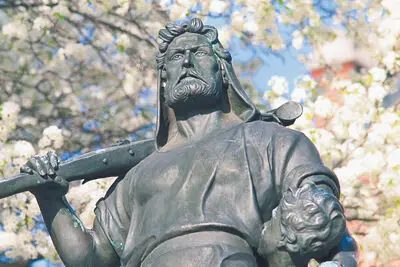
William Tell is said to have been a Swiss marksman who shot an apple off his son’s head. The story places him in the early 14th century, resisting oppressive rule. However, there is no contemporary evidence that Tell existed. The earliest written accounts appear more than a century after the supposed events. These stories share similarities with earlier legends from other regions, suggesting a borrowed motif. Historians have noted that the tale fits a common pattern of heroic folklore. This raises doubts about its originality and historical accuracy. The lack of records from the time is significant. It points to the possibility that Tell is a symbolic figure rather than a real person.
The legend became an important part of Swiss national identity over time. It was used to represent resistance and independence. As the story spread, details became more standardized. The image of Tell as a skilled archer and reluctant hero became widely accepted. Despite this, historians remain skeptical of his existence. No definitive proof has been found to confirm the story. It is likely that the tale developed from earlier myths and local traditions. Over time, those elements were combined into a single narrative. The result is a legend that feels historical but lacks solid evidence.
8. Prester John
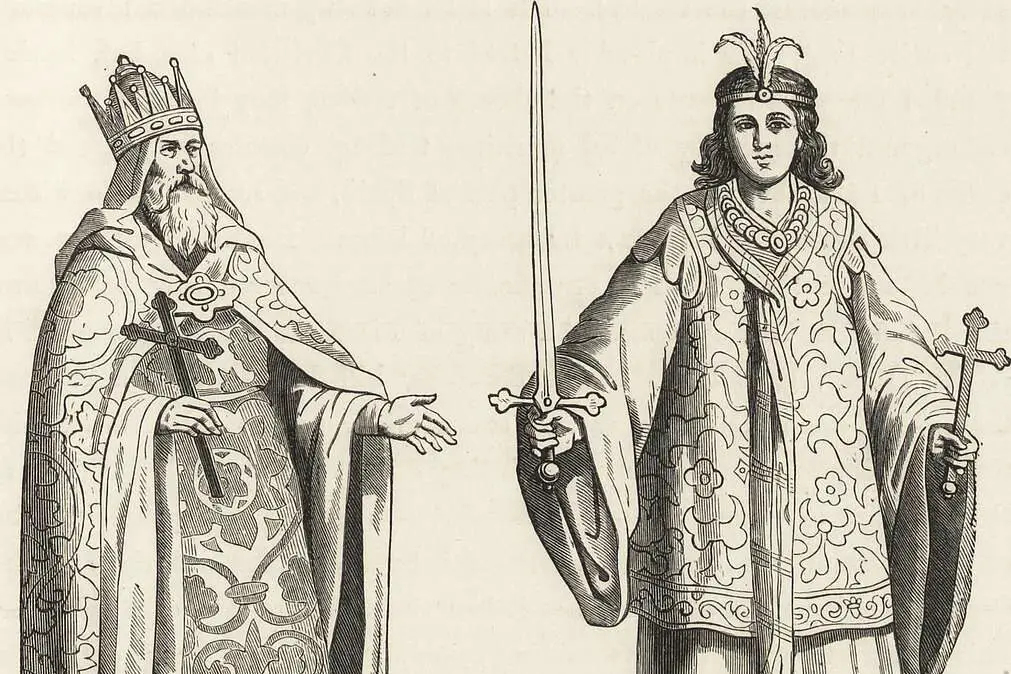
Prester John was believed to be a powerful Christian king ruling a distant and wealthy kingdom. The legend emerged in the 12th century, when a letter began circulating in Europe describing his realm. This letter, which was widely believed at the time, is now considered a fabrication. Despite that, it influenced European exploration and diplomacy. People searched for Prester John’s kingdom in Asia and later in Africa. The lack of reliable information allowed the story to shift locations over time. Different regions were proposed as the possible site of his kingdom. This adaptability is typical of stories rooted in rumor. The original letter likely started as a fictional account.
The belief in Prester John persisted for several centuries. It shaped how Europeans viewed distant lands and cultures. Explorers hoped to find an ally in this supposed king. As more accurate geographic knowledge became available, the legend gradually faded. Historians now see it as a product of medieval imagination. The story combined religious hopes with limited information about the wider world. It is a clear example of how misinformation can spread and endure. The legend had real consequences, influencing exploration efforts. But its foundation was not based on verified fact.
9. The Lost Colony of Roanoke
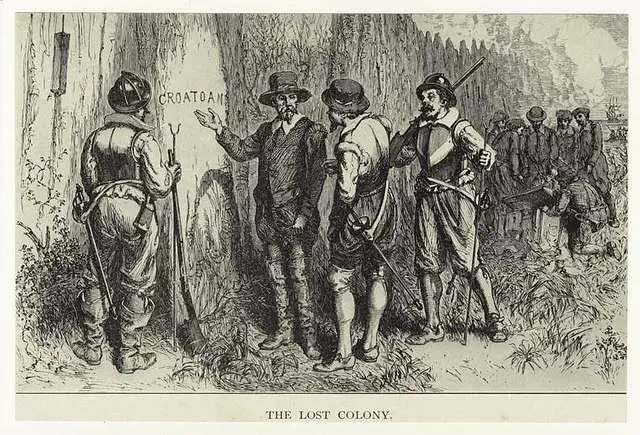
The disappearance of the Roanoke Colony disappearance remains one of the most discussed mysteries in American history. When English settlers returned to the colony in 1590, they found it abandoned. The only clue left behind was the word “CROATOAN” carved into a post. There were no signs of violence or struggle. Over time, this lack of information led to widespread speculation. Various theories emerged, including assimilation with local tribes or relocation. Some more dramatic ideas suggested foul play or supernatural causes. However, there is no definitive evidence supporting any single explanation. The mystery has allowed rumors to fill in the gaps.
Modern research has provided some clues, but not a complete answer. Archaeological findings suggest that some colonists may have integrated with nearby Native American communities. This theory is considered one of the more plausible explanations. Still, it has not been conclusively proven. The absence of clear records has kept the mystery alive. Each new theory adds another layer to the story. Over time, the event has taken on a legendary quality. It is often presented as an unsolved puzzle rather than a historical incident. This shift reflects how uncertainty can lead to mythmaking. The story continues to evolve as new interpretations emerge.
10. Rasputin’s “Indestructibility”
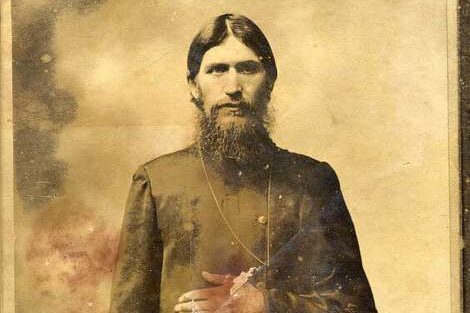
Grigori Rasputin is often portrayed as nearly impossible to kill, surviving poison, gunshots, and drowning before finally dying. These details come largely from accounts written after his death, many of which are exaggerated. Contemporary evidence suggests that Rasputin was shot and died from his injuries. The more dramatic elements, such as surviving large amounts of poison, are not well supported by reliable documentation. These stories likely grew as his reputation expanded. Rasputin was already a controversial figure, which made him a natural subject for sensational tales. The idea of his “indestructibility” fits with how he was perceived by his critics. Over time, these rumors became widely accepted as fact. But historians have questioned their accuracy.
The persistence of these stories shows how quickly a narrative can take hold. Once the idea of Rasputin as a nearly supernatural figure spread, it became difficult to separate fact from fiction. Later retellings often emphasized the most dramatic aspects of his death. This reinforced the legend while obscuring the more likely reality. Modern historians rely on medical reports and firsthand accounts to reassess what happened. These sources suggest a far less extraordinary sequence of events. The myth, however, remains popular in books and films. It is a clear example of how rumor can reshape historical memory. The real story is less dramatic but more credible.
11. Nero “Fiddling While Rome Burned”
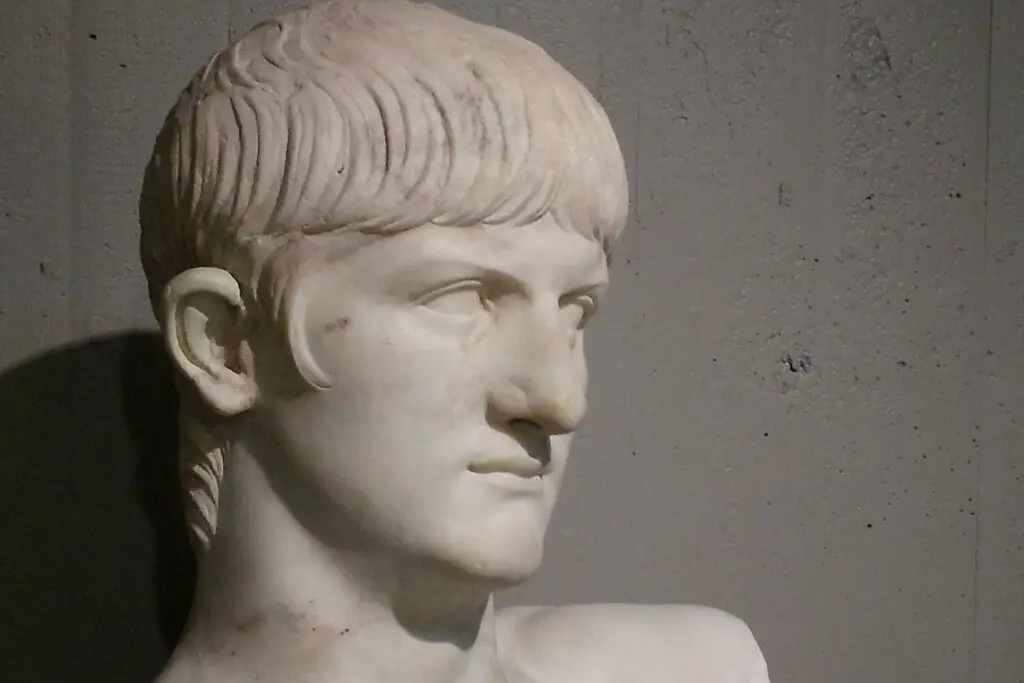
The image of Nero playing music while Rome burned is widely known, but it is almost certainly inaccurate. The Great Fire of Rome occurred in 64 AD, and sources written later claimed that Nero performed during the disaster. However, the violin, or “fiddle,” did not exist at the time. More reliable accounts suggest that Nero was not even in Rome when the fire began. He reportedly returned to the city and organized relief efforts. The story of him “fiddling” appears to have developed as part of a broader effort to portray him negatively. Ancient historians often wrote with political bias. This makes it difficult to separate fact from exaggeration. The image of Nero as indifferent to suffering may have been shaped by rumor.
Over time, the phrase “Nero fiddled while Rome burned” became a shorthand for neglect and incompetence. This shows how a questionable story can become embedded in language. The persistence of the image has overshadowed more nuanced historical interpretations. Modern historians take a more critical view of the sources. They recognize that many accounts were written long after Nero’s death. This allowed rumors to become part of the narrative. While Nero remains a controversial figure, the specific story about the fire is likely not accurate. It demonstrates how reputation can be influenced by repeated storytelling. The legend continues to shape how he is remembered.
12. The Curse of Tutankhamun
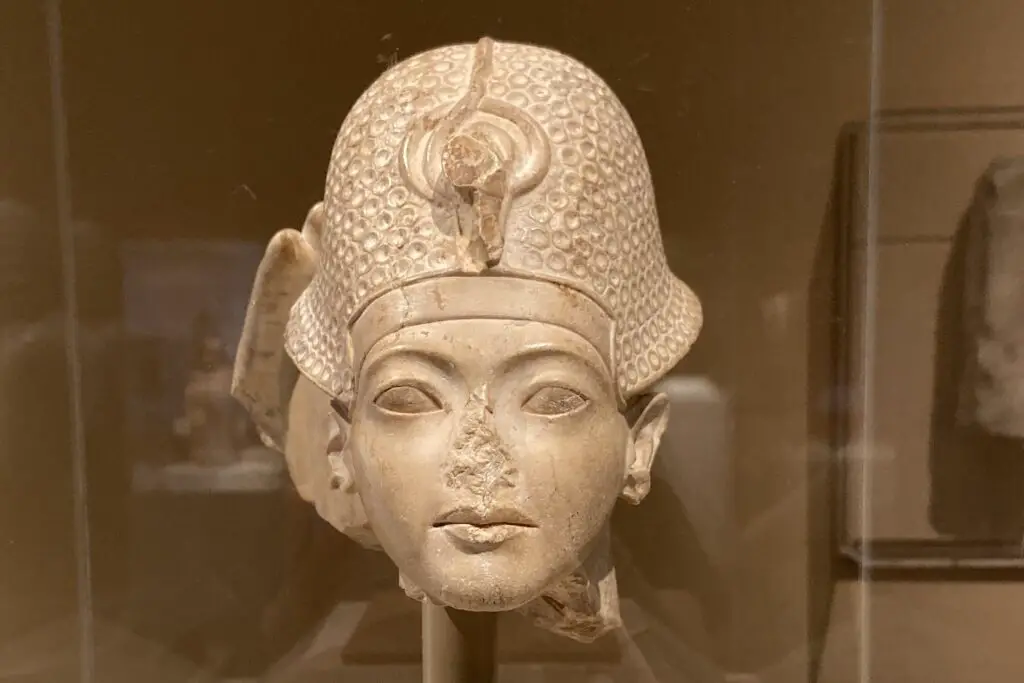
The idea of a curse associated with the tomb of Tutankhamun gained attention after its discovery in 1922. When Howard Carter opened the tomb, several people connected to the excavation later died. Newspapers at the time sensationalized these deaths, suggesting a supernatural curse. However, most of the individuals involved lived for many years afterward. Statistical analysis does not show an unusual pattern of early deaths among those present. The “curse” appears to have been largely a media creation. It was fueled by public fascination with ancient Egypt and the unknown. The dramatic framing made for compelling headlines. But it was not supported by strong evidence.
Despite this, the idea of the curse became deeply ingrained in popular culture. Books, films, and documentaries continued to repeat the story. This reinforced the belief that something supernatural had occurred. In reality, the deaths can be explained by natural causes. The timing of some events may have seemed suspicious, but correlation does not imply causation. Historians and scientists have repeatedly debunked the curse theory. Still, the legend persists because it adds mystery to an already remarkable discovery. It is a clear example of how media can amplify a rumor. Once established, the story proved difficult to undo.