
1. Six Flags AstroWorld
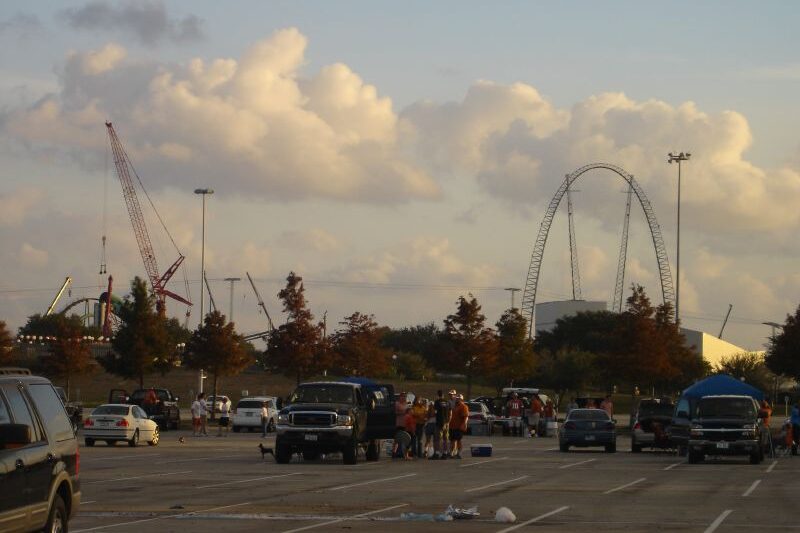
Six Flags AstroWorld in Houston closed abruptly in October 2005, and for many locals, it felt like it happened overnight. The park had been operating since 1968 and was a major part of the city’s identity for decades. What made the closure so surprising was that the park was still drawing visitors, and there had been no clear public warning that it was in immediate danger. Six Flags cited rising land value as the primary reason, since the property could be sold for redevelopment. Employees reportedly learned about the closure with very little advance notice. Regular visitors showed up expecting a normal season, only to find out it was ending for good.
In the weeks that followed, longtime fans rushed to visit one last time, creating an almost surreal farewell atmosphere. Signature rides like the Texas Cyclone were dismantled soon after. Many people assumed the park would be relocated or revived elsewhere, but that never materialized. The land sat empty for years before being partially redeveloped. Even now, former visitors still talk about how sudden it felt. It remains one of the most frequently cited examples of a major amusement park disappearing with almost no warning.
2. Hard Rock Park
Hard Rock Park in Myrtle Beach opened in April 2008 and was supposed to be a major new destination built around rock music culture. Just five months later, it filed for bankruptcy and closed before many people even realized it existed. The park featured elaborate theming tied to artists and genres, with rides inspired by bands like Led Zeppelin. Despite heavy promotion, attendance fell short of expectations almost immediately. Financial issues escalated quickly behind the scenes. By September 2008, it shut down for good.
What made this closure especially jarring was how new everything still was. Guests who visited during its short run described it as polished and ambitious. There was no gradual decline, just a rapid collapse tied to debt and the broader economic downturn. Attempts were made to reopen it under a new name, but those efforts failed within a year. Much of the infrastructure was eventually abandoned or repurposed. Today, it’s remembered more as a cautionary tale than a long-lost attraction. Its lifespan was so brief that many people never had a chance to go at all.
3. Geauga Lake
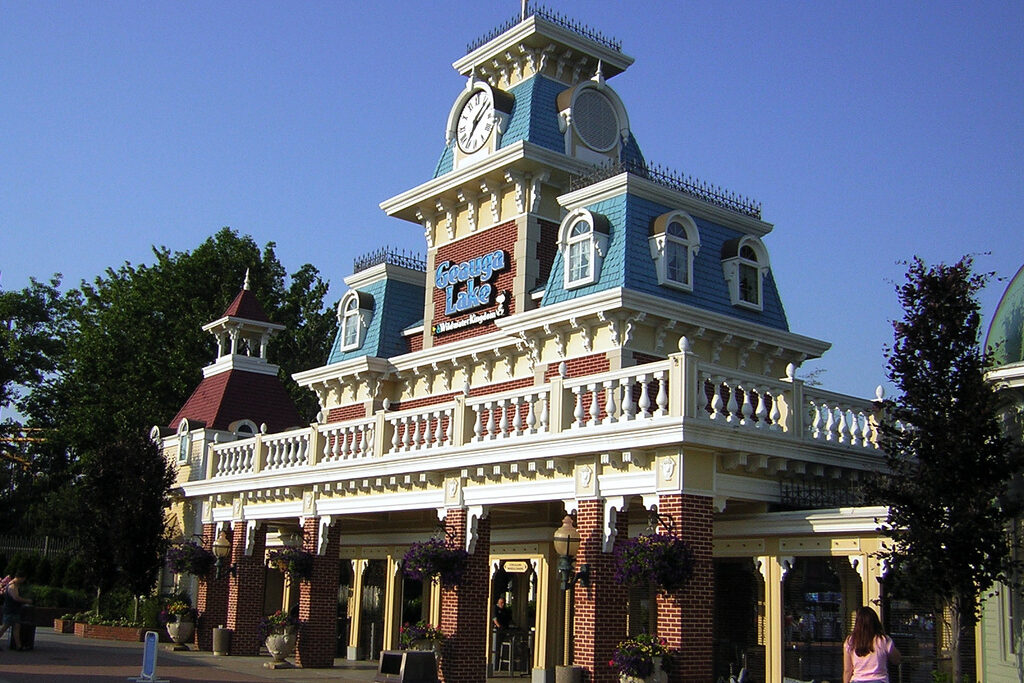
Geauga Lake in Ohio had a long history dating back to the 1800s, making its sudden closure in 2007 even more surprising. The park had been rebranded and expanded under different owners, including Six Flags and Cedar Fair. Just a year before it closed, it was still operating as part of a larger complex with a water park. Then Cedar Fair announced it would shut down the amusement side with little advance warning. Many employees and season pass holders were caught off guard. The decision was tied to shifting business strategy rather than immediate failure.
Visitors who had grown up going there were especially stunned because the park still felt active. Rides were dismantled quickly, and the site began to fade into disuse. Some parts of the property remained open briefly as a water park, but that too eventually closed. The speed of the transition made it difficult for fans to process. For a place with such deep roots, the ending felt abrupt and unresolved. It’s often cited as one of the most confusing closures in amusement park history. The land has since been redeveloped in pieces, but the park itself never returned.
4. Opryland USA
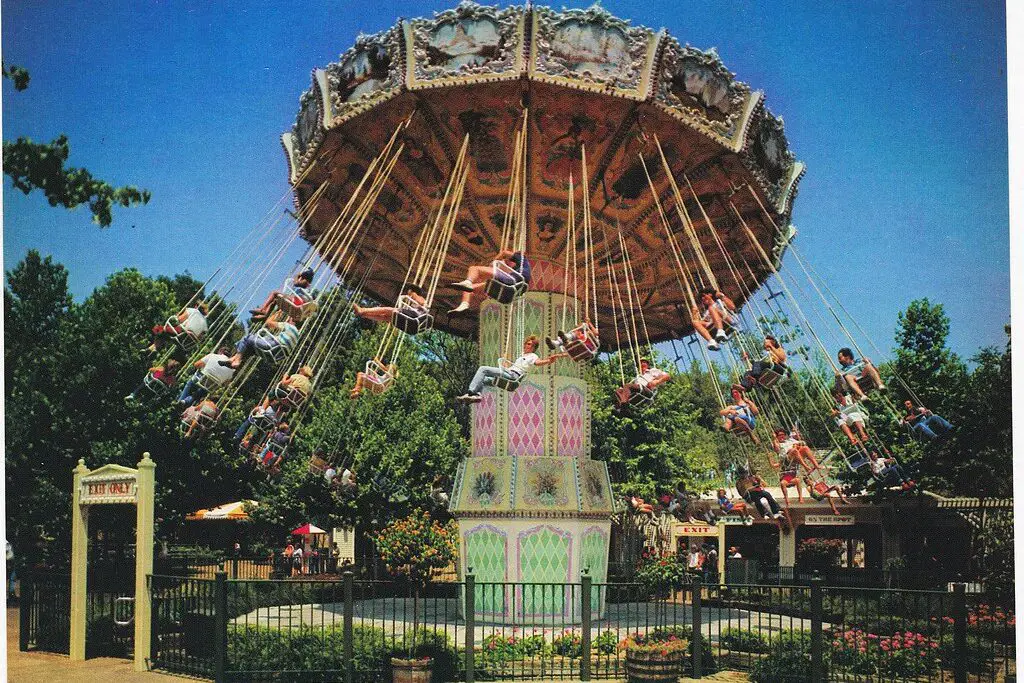
Opryland USA in Nashville closed in 1997, and many visitors didn’t realize it was their last trip until it was over. The park had been a major attraction since 1972, tied closely to the Grand Ole Opry brand. Attendance was still strong at the time of its closure. The parent company decided to shut it down to pursue more profitable real estate development. Employees were informed with limited notice, and the public announcement came as a shock. There had been no clear signs pointing to an imminent end.
The decision sparked backlash from loyal visitors who felt blindsided. Within a short time, demolition began, and the park was replaced by a large shopping and hotel complex. Some people still question whether the closure was necessary given its popularity. The speed of the transition left little room for a proper goodbye. For many, it felt like a corporate decision that ignored the park’s cultural value. Opryland remains one of the most debated theme park closures. Its sudden disappearance is still remembered decades later.
5. Freedomland U.S.A.
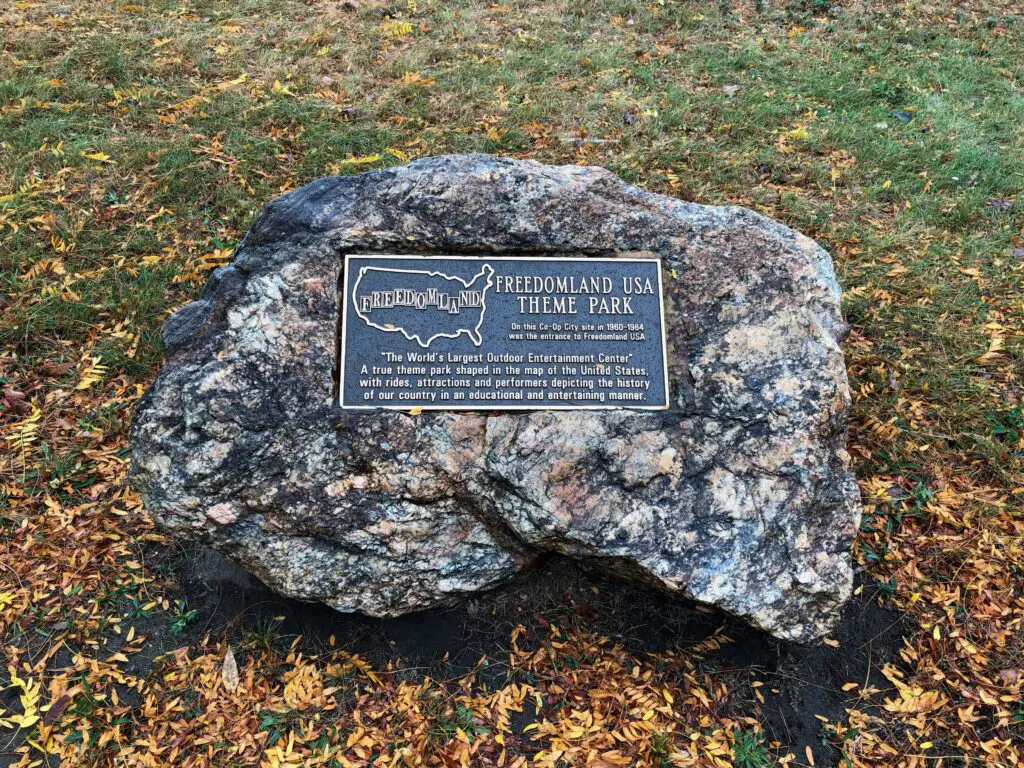
Freedomland U.S.A. opened in the Bronx in 1960 with a unique concept centered on American history. By 1964, it was already closed, and many visitors had no idea it was struggling that badly. The park had ambitious theming and was often compared to early Disneyland. Financial problems, including high operating costs and debt, quickly caught up with it. There was no long, visible decline to signal the end. When it shut down, it felt abrupt to the public.
After the closure, the land was redeveloped into what is now Co-op City. Many of the park’s features were dismantled or lost entirely. Because of its short lifespan, it slipped out of public memory faster than other attractions. Those who did visit often recall it as surprisingly elaborate for its time. Its quick rise and fall still fascinates historians. The lack of warning contributed to its almost myth-like status. It remains one of the earliest examples of a major themed park disappearing quickly.
6. The Star Trek Experience

The Star Trek Experience in Las Vegas operated inside the Las Vegas Hilton from 1998 until it suddenly closed in 2008. It was known for its immersive rides and detailed recreations of sets from the franchise. Despite a loyal fan base, the attraction shut down with little public warning. The closure was tied to licensing issues and broader financial changes at the hotel. Employees and fans were given minimal time to prepare. Many people only learned about it after it was already gone.
The attraction had been considered one of the most authentic themed experiences of its kind. Visitors could interact with performers and walk through meticulously designed environments. When it closed, much of that work was dismantled quickly. Props and set pieces were auctioned off or stored. Fans expressed frustration at how abruptly it ended. There was no farewell event or extended closing period. For a franchise known for its devoted audience, the sudden shutdown felt especially abrupt.
7. Dogpatch USA
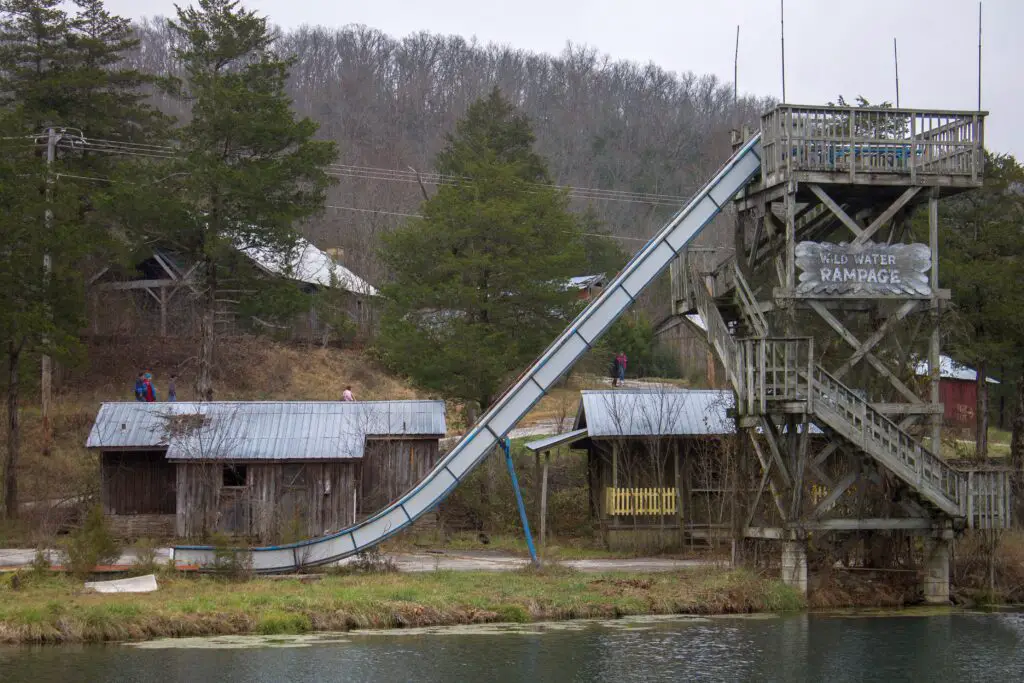
Dogpatch USA in Arkansas opened in 1968 based on the comic strip Li’l Abner and operated for decades before quietly shutting down in 1993. The closure itself happened without a major public announcement. Visitors who arrived near the end found limited operations and confusion about the park’s status. Financial troubles had been building, but they weren’t widely known to the public. There was no clear final day that was widely promoted. It just faded out of operation.
After closing, the park sat abandoned for years, adding to its eerie reputation. Structures remained standing long after the rides stopped running. Over time, it became a subject of curiosity for urban explorers. The sudden nature of its shutdown contributed to the sense of mystery. Efforts to redevelop the site have been inconsistent. Many people only learned about its closure after the fact. It remains one of the more unusual and quietly abrupt theme park endings.
8. Disney’s River Country
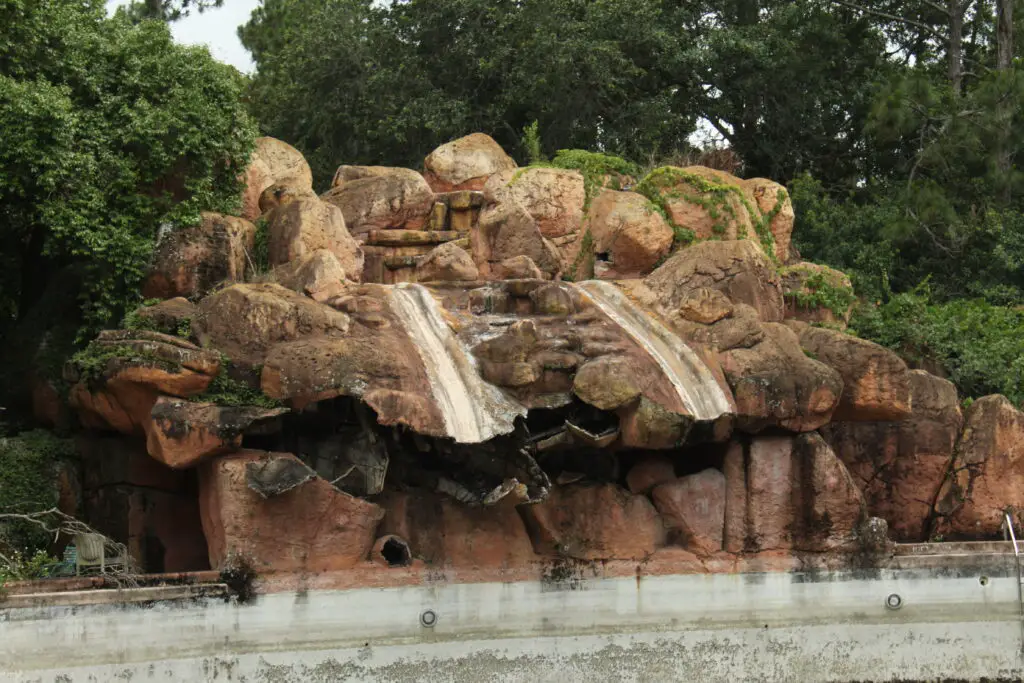
Disney’s River Country in Florida closed in 2001 with relatively little warning compared to other Disney attractions. It had been one of the first water parks at Walt Disney World, opening in 1976. The official explanation cited declining attendance and the rise of newer water parks. There was no major farewell campaign or long lead-up to its closure. Guests visited during its final season without realizing it was ending permanently. It simply did not reopen the following year.
For years afterward, the site remained largely untouched, which added to its mystique. It became known for its abandoned, overgrown appearance within Disney property. Unlike most Disney closures, it did not receive a high-profile sendoff. Fans later expressed surprise at how quietly it had been retired. Eventually, the area was redeveloped into a resort. The understated closure stands in contrast to Disney’s usual approach. It remains a rare example of a Disney attraction disappearing with minimal notice.
9. Pleasure Island (Downtown Disney)
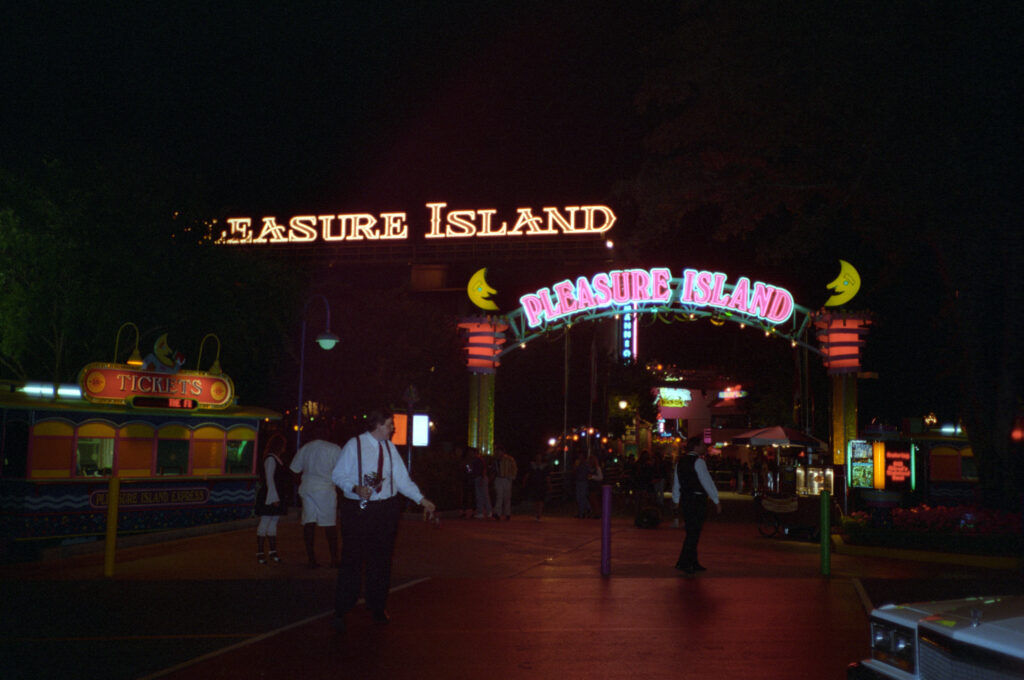
Pleasure Island at Walt Disney World closed in 2008, and while there was some announcement, the final shutdown still felt abrupt to many regular visitors. The nightlife district had been operating since 1989 and was known for its themed clubs and live entertainment. Disney announced its closure earlier that year, but the timeline was relatively short. Many guests did not realize how quickly it would all end. By September 2008, the clubs were shut down.
The area was later redesigned into what is now part of Disney Springs. For longtime visitors, the transition felt sudden because the district had been so consistent for years. Signature venues like the Adventurers Club closed without long-term farewell programming. Fans still talk about how quickly the experience disappeared. It marked a shift in how Disney approached nightlife. The closure wasn’t completely unannounced, but it lacked the extended buildup people expected. That added to the feeling that it ended sooner than anticipated.
10. Action Park
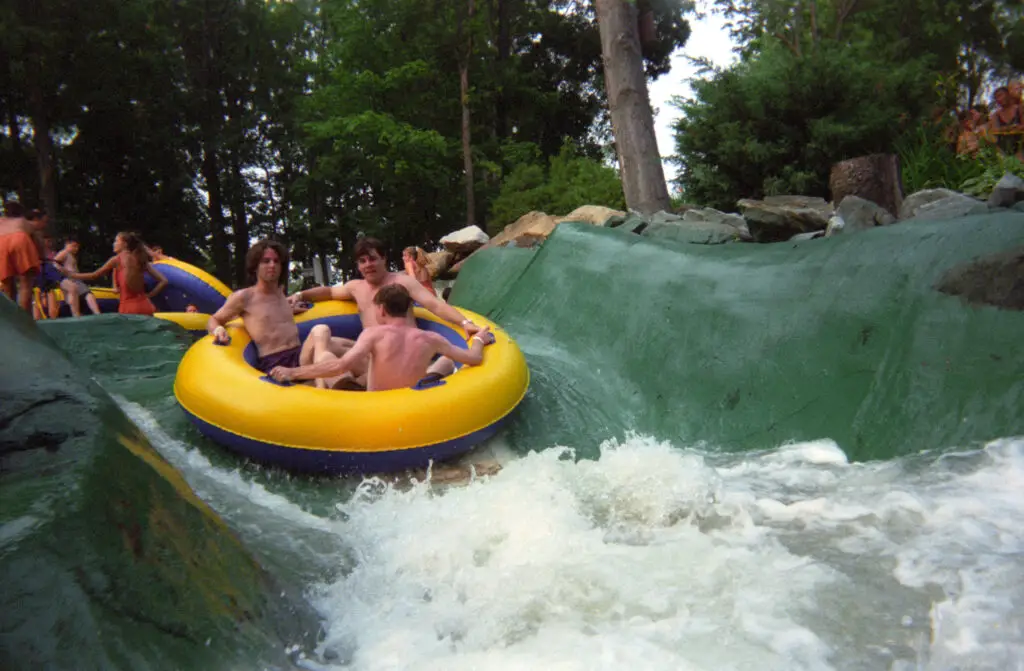
Action Park in New Jersey, known for its extreme and sometimes dangerous rides, closed in 1996 under its original operation with little warning to the general public. The park had gained notoriety throughout the ’80s and early ’90s for its high-risk attractions. Financial and legal pressures had been building behind the scenes. When it shut down, many visitors were surprised by how quickly it happened. There was no long farewell season. It simply stopped operating in its original form.
The property later reopened under different management as Mountain Creek Waterpark, but the original Action Park experience was gone. Its abrupt closure added to its already infamous reputation. Stories about the park’s risks only grew after it disappeared. For many, it felt like something that couldn’t last, but still ended suddenly. The lack of a formal goodbye contributed to its legend. It remains one of the most talked-about amusement parks in retrospect. The way it ended only reinforced its chaotic image.
11. Astroland
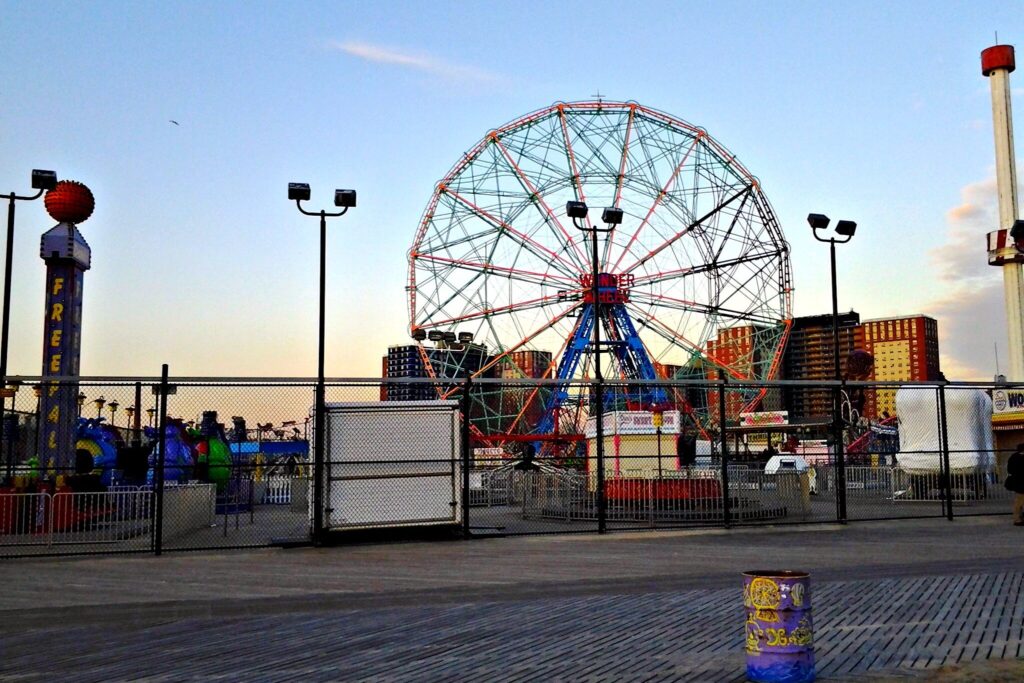
Astroland in Coney Island closed in 2008 after decades of operation, and while redevelopment plans existed, the final closure still caught many off guard. The park had been a staple since 1962. Negotiations over the land and future development created uncertainty, but no clear outcome. When the closure was finalized, it happened quickly. Visitors who had been attending for years suddenly faced a final season. There was limited time to process the change.
The park was replaced by new attractions, but the original Astroland identity was lost. For locals, it felt like a sudden break from tradition. The iconic rides were removed or replaced. Even though change had been discussed, the finality came quickly. Many people assumed it would continue longer than it did. The abrupt transition contributed to a sense of nostalgia and loss. It remains a key example of how quickly a long-running attraction can disappear.
12. Boardwalk and Baseball

Boardwalk and Baseball in Florida closed in 1990 after only a few years of operation, and the end came with very little public buildup. The park combined a baseball theme with traditional amusement attractions. It had previously operated under a different name before being rebranded. Financial issues led to a sudden shutdown. Visitors were not widely aware that the park was in immediate danger. When it closed, it felt abrupt to those who had recently attended.
The site was later repurposed, but the park itself faded quickly from public memory. Its short lifespan contributed to the surprise surrounding its closure. Many people only realized it was gone after hearing about it secondhand. There was no major farewell or extended final season. The abrupt ending left little time for reflection. Today, it’s often remembered as a brief experiment that ended quickly. The lack of warning is part of what makes it stand out.
13. Heritage USA
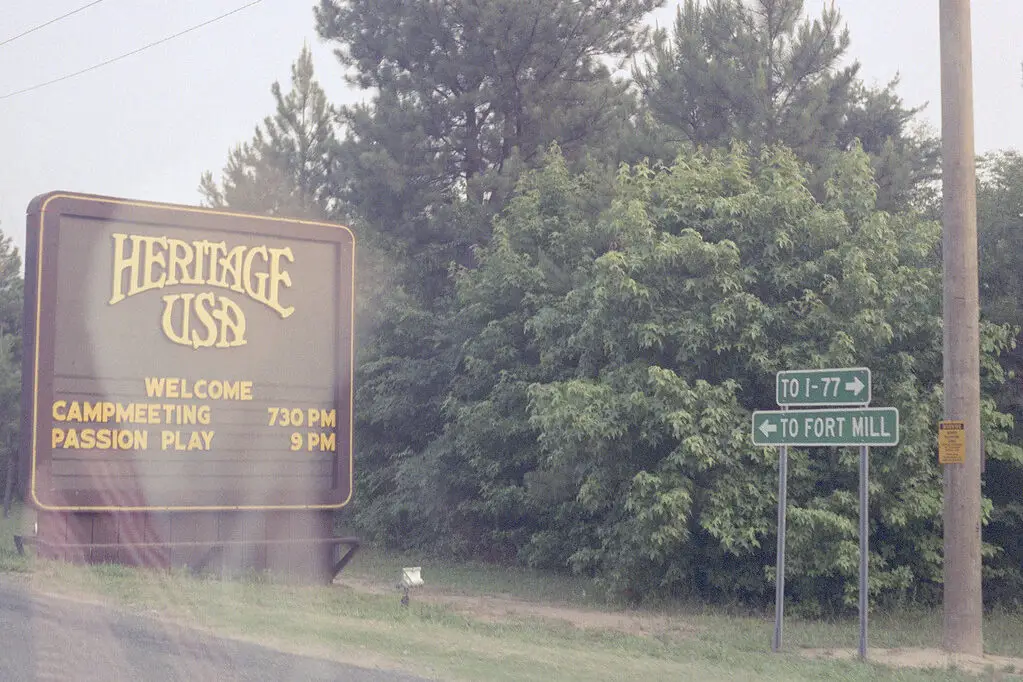
Heritage USA in South Carolina, once one of the most visited theme parks in the country, closed suddenly in 1989. It had been built by televangelist Jim Bakker and drew millions of visitors annually at its peak. The closure followed financial scandal and legal issues involving its leadership. While those issues became public, the speed of the shutdown still shocked many visitors. Operations ceased quickly as the situation unraveled. Guests who had planned visits found the park closed with little notice.
Afterward, the property fell into disrepair and was partially redeveloped over time. The rapid collapse contrasted sharply with its earlier popularity. For many, it was difficult to understand how something so large could disappear so quickly. The sudden closure left behind unfinished projects and abandoned structures. It became a symbol of how quickly fortunes can change. Even today, it’s remembered as one of the most dramatic and unexpected attraction closures.