
1. Writing Letters by Hand

There was a time when sitting down to write a letter wasn’t unusual, it was expected. People kept stationery in drawers, knew how to format a proper greeting, and took their time choosing words because there was no “edit” button. Long-distance relationships, whether romantic or familial, depended on handwritten correspondence. Even everyday updates were shared through the mail instead of a quick text. You can still find boxes of old letters tucked away in attics, tied with ribbon like they meant something permanent. In many ways, they did.
As email and texting became dominant in the late ’90s and early 2000s, letter writing started to fade quickly. The speed and convenience of digital communication made waiting days for a reply feel impractical. Schools also began placing less emphasis on teaching formal letter writing skills. While handwritten notes still show up for special occasions like thank-you cards, the habit itself is no longer part of daily life. What used to be routine now feels almost ceremonial.
2. Calling Cards and Operator-Assisted Calls

Before cell phones, making a long-distance call wasn’t something you did casually. People used calling cards or even relied on human operators to connect calls across cities or countries. Kids memorized collect call tricks just to let their parents know they’d arrived safely. There was a real awareness that every minute on the phone cost money. Conversations were often short and purposeful because of that.
By the early 2000s, mobile phones and unlimited calling plans made these systems obsolete. Telephone operators became largely unnecessary for everyday use. Calling cards still exist in limited situations, but they no longer hold the same cultural relevance. What used to be a careful, sometimes stressful process is now something people barely think about. The idea of planning a call feels almost outdated.
3. Milk Delivery to the Door

In the early and mid-20th century, milk delivery was a regular part of daily life in many American neighborhoods. A milkman would drop off fresh bottles on the doorstep, often in glass containers, and collect the empties to be reused. It was a simple system that relied on routine and trust. Families would leave notes or payment out, and the exchange happened without much interaction. It was efficient in a very analog way.
As supermarkets expanded and refrigeration improved, home delivery became less necessary. By the 1960s and 1970s, the tradition had already started to decline significantly in the U.S. While some local dairies and niche services still offer delivery today, it’s no longer the norm. Most people now associate it with older generations or period films. It’s one of those traditions that quietly slipped away as convenience shifted elsewhere.
4. Sunday Family Dinners as a Weekly Ritual

For many families, Sunday dinner used to be non-negotiable. It was the one night everyone showed up, sat at the table, and shared a full meal together. Extended family members often joined, making it more of a gathering than just dinner. Recipes were passed down, and the structure of the week often revolved around that meal. It wasn’t just about food, it was about consistency.
Modern schedules have made that kind of routine harder to maintain. Work shifts, extracurriculars, and more flexible lifestyles have broken up the traditional week. Families still eat together, but not always at the same time or with the same regularity. The idea of a fixed weekly dinner has become less common, especially across multiple generations. What was once a standard expectation is now more of an occasional effort.
5. Sending Children Outside All Day Without Check-Ins

There was a time when kids left the house in the morning and didn’t come back until dinner, sometimes later. Parents expected them to entertain themselves, whether that meant riding bikes, building forts, or just wandering the neighborhood. There were no phones, so communication was minimal. The rule was simple, be home when the streetlights come on. It created a kind of independence that was taken for granted.
Today, that level of unsupervised freedom is far less common. Concerns about safety, combined with the ability to stay constantly connected, have changed expectations. Kids are more likely to have structured activities or stay indoors with digital entertainment. Parents also tend to check in more frequently, often through phones or apps. The shift didn’t happen overnight, but it’s noticeably different now.
6. Formal Dress for Air Travel
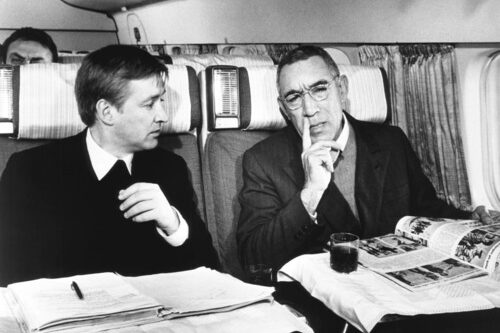
Flying used to be treated as a special occasion, and people dressed accordingly. Passengers wore suits, dresses, and polished shoes, even for relatively short flights. Airlines marketed the experience as glamorous, and the expectation was that you would present yourself well. Photographs from the 1950s and 1960s show cabins full of sharply dressed travelers. It was part of the culture of early commercial aviation.
Over time, air travel became more accessible and routine, especially after deregulation in the late 1970s. As ticket prices dropped and passenger volume increased, the formality disappeared. Comfort became the priority, and casual clothing took over. Today, it’s common to see people in sweatpants and sneakers at the airport. The shift reflects how flying moved from luxury to everyday necessity.
7. Home Economics Classes in Schools

Home economics classes once taught practical life skills like cooking, sewing, budgeting, and household management. These classes were especially common in mid-20th century American schools. Students learned how to plan meals, mend clothes, and manage a home. It was considered essential preparation for adult life. The curriculum reflected the expectations of the time.
Starting in the late 20th century, many schools phased out traditional home economics programs. Some were replaced with broader “family and consumer sciences” courses, while others disappeared entirely due to budget cuts. Changing gender roles also influenced how these classes were viewed. While some schools still offer similar programs, they are far less universal. The hands-on, practical focus is not as widespread as it once was.
8. Neighborhood Block Parties Without Permits
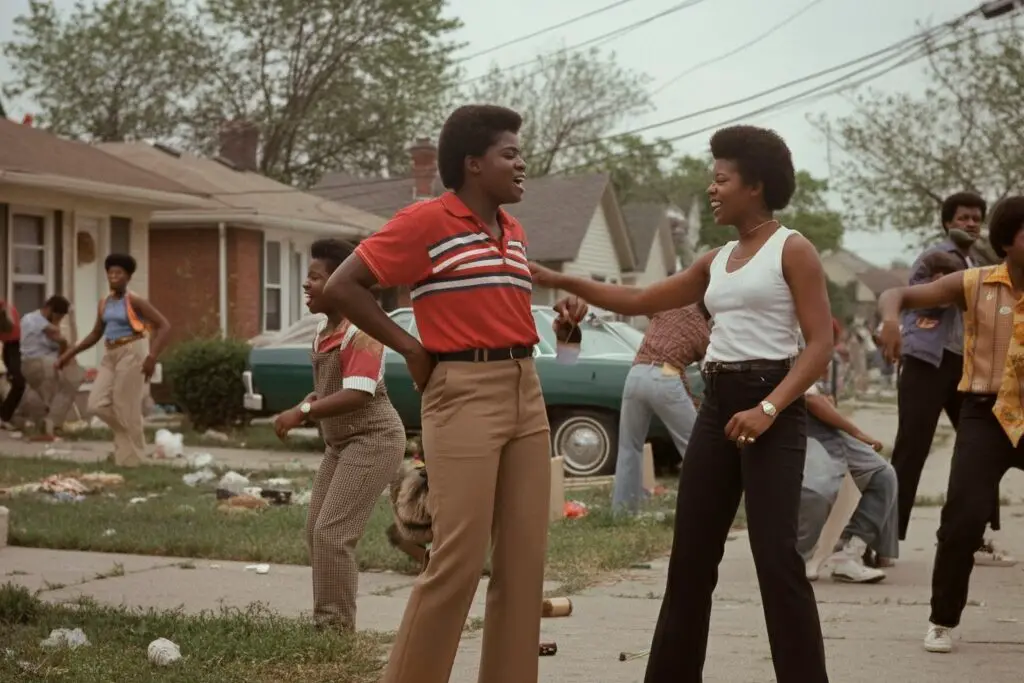
Spontaneous neighborhood gatherings used to be more common, especially during the summer. People would set up tables, grills, and music in the street without much planning. Kids played freely while adults talked for hours. It created a sense of community that didn’t rely on formal organization. These events often happened simply because someone decided to start one.
Today, organizing a block party often involves permits, insurance, and coordination with local authorities. Increased regulation and liability concerns have made casual gatherings more complicated. Neighborhoods also tend to be less tightly connected in some areas, which affects participation. While block parties still happen, they are usually more structured. The spontaneous version has largely faded.
9. Paying Bills in Person
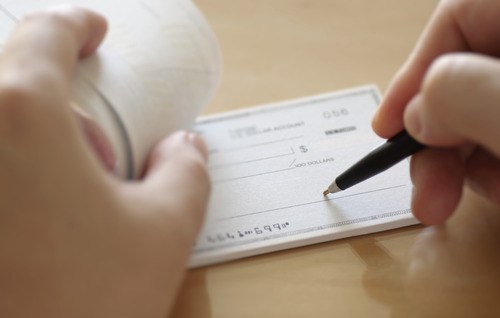
Not long ago, paying bills meant physically going somewhere. People visited banks, utility offices, or mailed checks to make sure payments were processed on time. It required planning and attention to deadlines. Many households kept detailed records in checkbooks and folders. It was a routine that involved actual movement and paperwork.
Online banking and automatic payments have changed that completely. Most bills can now be paid in seconds from a phone or computer. Paper statements are increasingly optional, and some companies no longer send them by default. The physical act of paying a bill has almost disappeared. What used to take time is now mostly invisible.
10. Film Photography as the Default
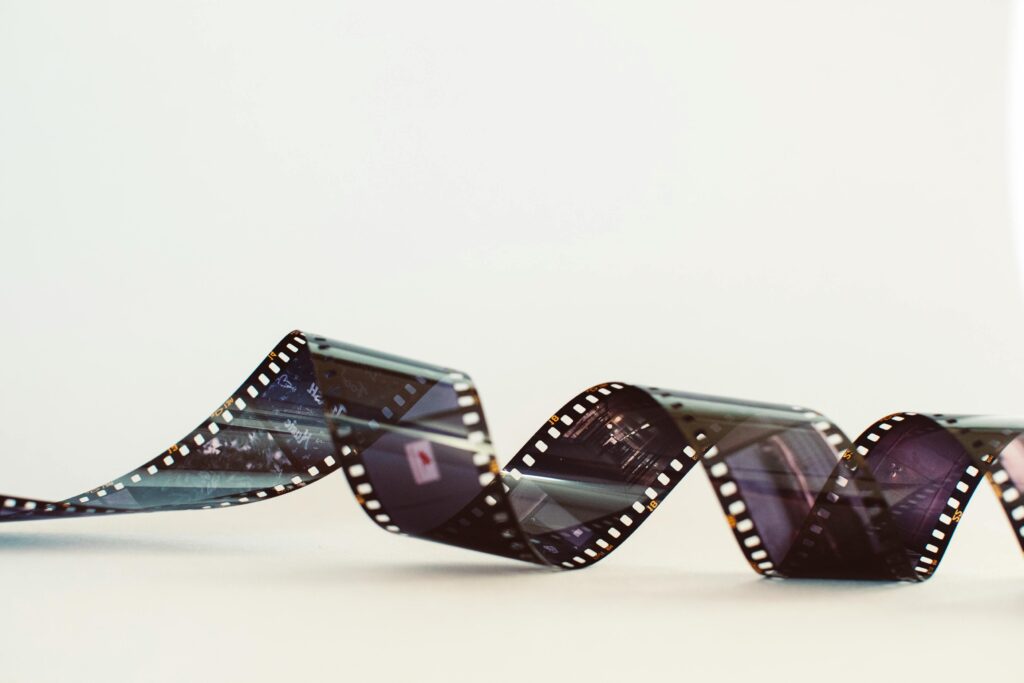
Before digital cameras, taking photos required film, and that meant every shot counted. People waited until a roll was full before developing it, often days or weeks later. There was always a sense of anticipation when picking up prints from the store. Mistakes couldn’t be corrected instantly, so people were more deliberate. Photography felt a bit more intentional.
The rise of digital cameras in the early 2000s, followed by smartphones, changed everything. Photos can now be taken, edited, and shared instantly. The cost per image effectively dropped to zero, which changed how often people take pictures. Film photography still exists, but mostly as a niche or artistic choice. For most people, it’s no longer the default.
11. Watching TV Only at Scheduled Times
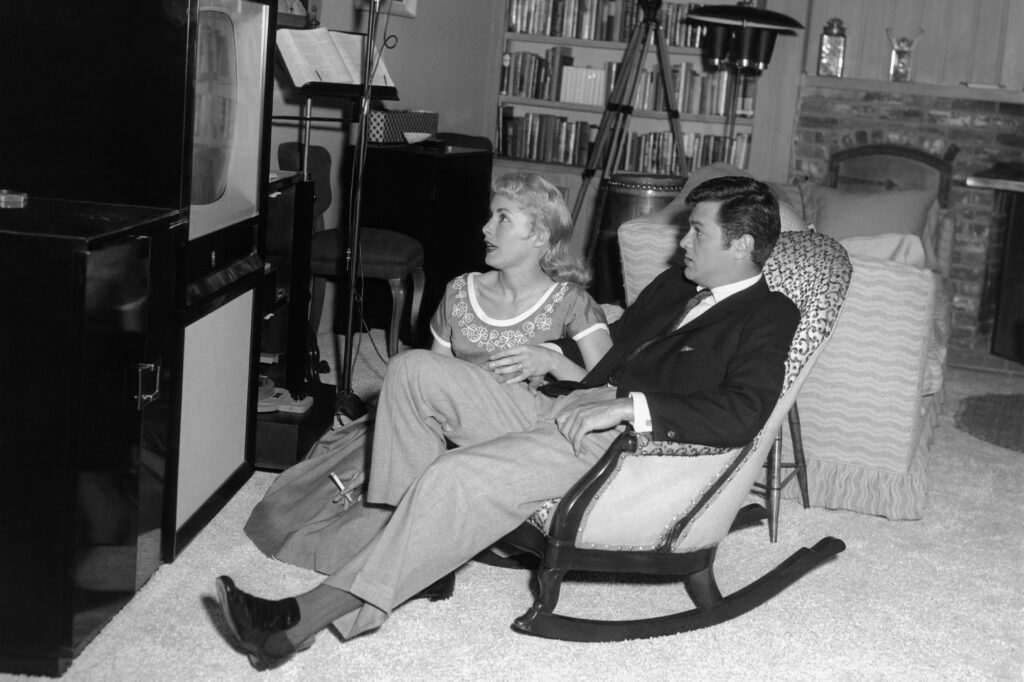
Television used to operate on a fixed schedule, and viewers had to adjust their time accordingly. If you missed an episode, you often had to wait for a rerun, if it aired at all. Families planned evenings around specific shows. Network lineups were a central part of entertainment culture. It created shared viewing experiences across large audiences.
Streaming services and DVR technology have largely eliminated that structure. People now watch shows whenever they want, often binge-watching entire seasons at once. The concept of “appointment viewing” has become less common. While live events still draw real-time audiences, most scripted content does not. The relationship between viewers and schedules has fundamentally changed.
12. Using Phone Books to Find Information
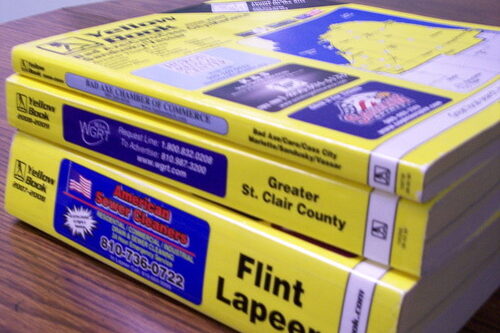
Phone books were once essential household items. They listed local businesses, services, and residential numbers in thick printed volumes. If you needed a plumber or a restaurant, you flipped through pages to find one. It was a straightforward system that didn’t require technology. Most homes had at least one copy nearby.
As internet search engines became widespread in the late ’90s and early 2000s, phone books lost their relevance. Online directories offer faster, more detailed, and constantly updated information. Many people stopped using printed directories entirely. Some regions still distribute them, but they are often discarded. What used to be indispensable is now largely ignored.
13. Community Drive-In Theaters
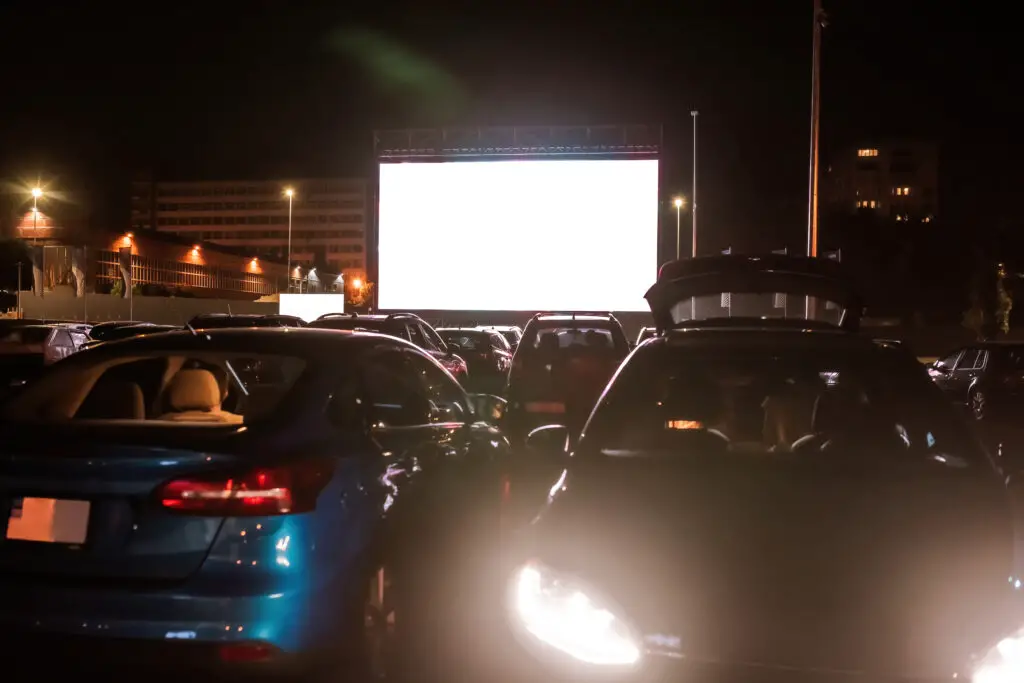
Drive-in theaters were especially popular in the 1950s and 1960s, offering a unique way to watch movies from your car. Families and teenagers alike gathered for double features under the open sky. It combined entertainment with a social experience that felt distinctly local. At their peak, there were thousands of drive-ins across the United States. They became a recognizable part of mid-century culture.
Television, changing land use, and rising property values contributed to their decline. Many drive-ins closed in the following decades, especially by the 1980s. A smaller number have survived or reopened in recent years, sometimes with digital projection. They still attract audiences, but nothing like their original scale. The widespread presence they once had is gone.
14. Cash-Only Transactions for Everyday Purchases

For much of the 20th century, cash was the primary way people paid for everyday items. Credit cards existed but were not as widely accepted as they are today. People carried physical money and often kept track of spending mentally or with simple notes. It created a more tangible sense of how much was being spent. Transactions were immediate and visible.
The expansion of credit cards, debit cards, and mobile payments has shifted that behavior. Many businesses now encourage or even prefer digital payments. Some places have moved toward becoming cashless entirely. While cash is still used, especially in certain contexts, it is no longer dominant. The everyday experience of paying for things has changed significantly.