
1. The Sudden Disappearance of Chuck Cunningham on Happy Days
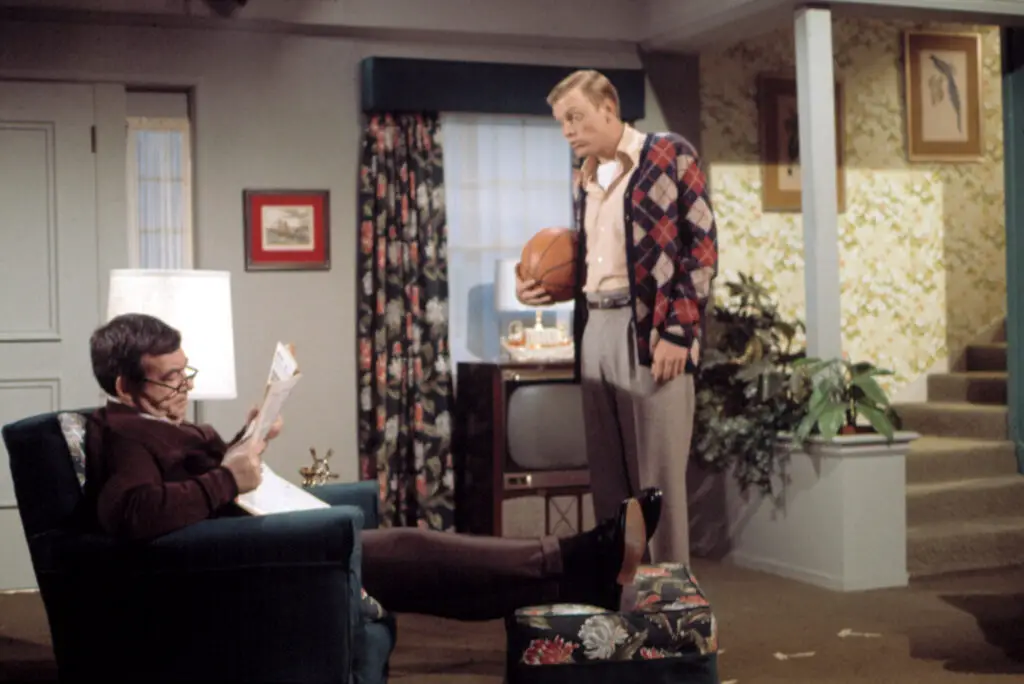
If you ever felt like something quietly shifted on Happy Days, you weren’t imagining it. Early in the series, the Cunningham family had an older brother named Chuck who simply stopped appearing after season two. There was no explanation written into the show, no dramatic exit, nothing to signal his absence. One week he was there, the next he was gone, and the family dynamic just carried on without him. It’s one of the most famous examples of a character being erased without acknowledgment. Viewers at the time didn’t have streaming or rewatches to notice it as clearly, so it slipped by more easily.
Behind the scenes, the decision came down to focus and chemistry. The writers realized the show worked better centered on Richie and his friends rather than a broader family setup. Chuck’s role didn’t serve the evolving tone of the series, especially as it leaned more into comedy and Fonzie’s growing popularity. Instead of writing him out, they simply stopped including him. That quiet removal reshaped the show’s identity without ever calling attention to itself. Today, it’s often referred to as a textbook case of “Chuck Cunningham Syndrome.”
2. The Shift to Comedy on M*A*S*H
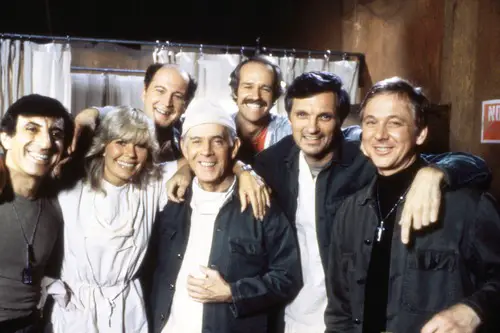
When M*A*S*H premiered, it leaned more heavily into broad comedy, closer in tone to the original film. Early episodes featured more slapstick elements and lighter storytelling, even though the setting was a war zone. Over time, though, the tone shifted into something far more nuanced. The humor became sharper, but it was balanced with serious, sometimes devastating storylines. What’s interesting is that this wasn’t announced as a major creative overhaul. It happened gradually, episode by episode, until the show felt completely different from its early run.
This shift was driven largely by changes in the writing staff and the evolving cast. As actors like Alan Alda gained more influence, the show leaned into character-driven stories and moral complexity. The Korean War setting became less of a backdrop and more of a central emotional force. Viewers who watched week to week may not have fully registered the transition as it happened. But in hindsight, the tonal evolution is one of the reasons MASH* became so critically respected. It quietly transformed from a comedy into something closer to a dramedy without ever formally declaring it.
3. The Introduction of Frasier Crane on Cheers
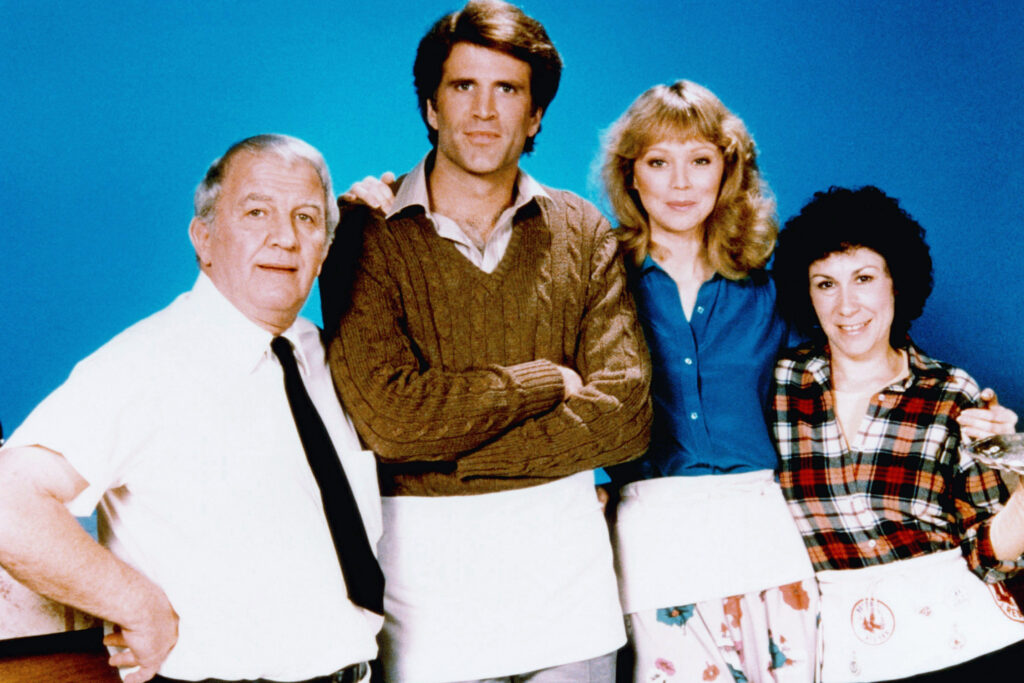
When Frasier Crane first appeared on Cheers, he wasn’t meant to be a long-term character. He was introduced as a temporary love interest for Diane, serving a specific storyline purpose. At the time, there was no indication he would become one of the show’s most important figures. Yet his presence subtly shifted the tone of the series. His intellectual, slightly pretentious personality added a new dynamic to the bar’s working-class humor. It gave the writers a different kind of comedic contrast to play with.
What viewers didn’t know was how much the producers quickly recognized that potential. Kelsey Grammer’s performance resonated in a way that wasn’t fully anticipated. Instead of writing him out after his arc, the show kept expanding his role. Over time, Frasier became central enough to anchor his own successful spin-off. That entire trajectory started with what seemed like a minor casting decision. It’s a clear example of a show evolving in real time without signaling the change.
4. The Replacement of Darren on Bewitched
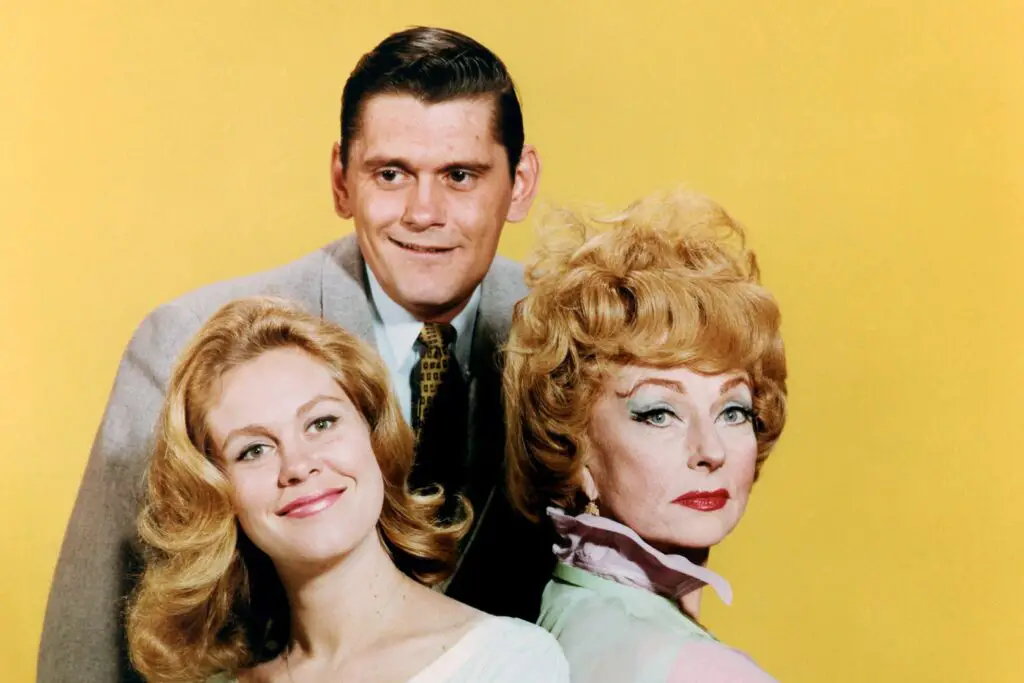
One of the more noticeable but still strangely underplayed changes on Bewitched was the recasting of Darren Stephens. Dick York originally played the role, but due to health issues, he had to leave the series. Dick Sargent stepped in as the new Darren, and the show simply continued. There was no in-story explanation, no acknowledgment from the characters. Samantha didn’t question it, and neither did anyone else in the narrative. The show treated it as if nothing had changed at all.
At the time, audiences noticed, but television conventions were different. Recasting wasn’t always treated as something that required explanation. The producers likely assumed viewers would accept it and move on. What’s interesting is how the character’s energy subtly shifted with the new actor. Sargent’s portrayal was slightly softer, which changed the dynamic between Darren and Samantha. Even without a formal explanation, the show felt different. It’s one of the earliest examples of a major role being recast mid-series with minimal disruption.
5. The Gradual Phase-Out of Judy Winslow on Family Matters
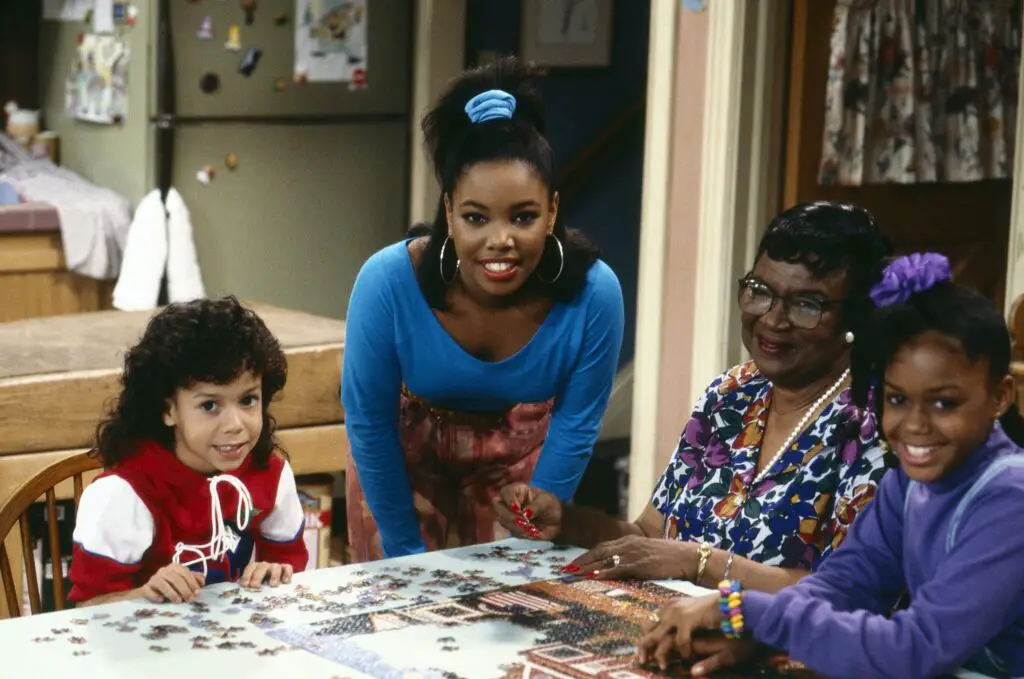
Judy Winslow started Family Matters as part of the central family, but she slowly faded from the show. Unlike a dramatic exit, her disappearance was quiet and unaddressed. After season four, she simply stopped appearing, and no one mentioned her again. The Winslow household continued as if she had never been there. For viewers watching casually, it may not have been immediately obvious. But over time, the absence became more noticeable.
The shift reflected a broader change in the show’s focus. As Steve Urkel became more popular, the series leaned heavily into his character. The family dynamic took a backseat to more exaggerated, comedic storylines centered around him. Judy’s role no longer fit into that evolving structure. Rather than writing her out with a storyline, the show just moved forward without her. It’s another example of how sitcoms sometimes reshaped themselves without drawing attention to the change.
6. The Tonal Shift After the Pilot of The Office
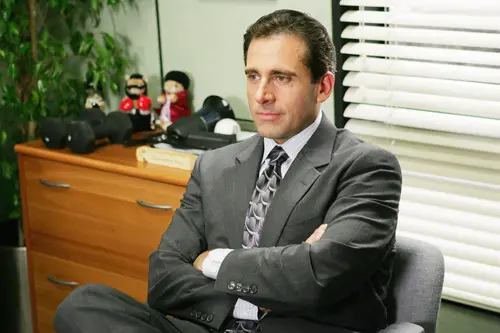
The pilot episode of The Office feels noticeably different from what the show became. It closely mirrors the British version, with a more uncomfortable, almost harsh tone. Michael Scott comes across as more abrasive and less sympathetic. The humor is sharper but also less accessible. If the show had continued exactly like that, it likely wouldn’t have lasted. But the shift that followed was subtle rather than announced.
After the pilot, the writers began softening Michael’s character and leaning into the ensemble cast. The humor became more character-driven and less reliant on awkward shock value. This change wasn’t explained within the show, it simply evolved. By the second season, the tone was significantly warmer and more balanced. Viewers may not have consciously noticed the adjustment, but it made a major difference in the show’s success. It’s a case where behind-the-scenes recalibration quietly saved the series.
7. The Addition of Fonzie as a Central Character on Happy Days
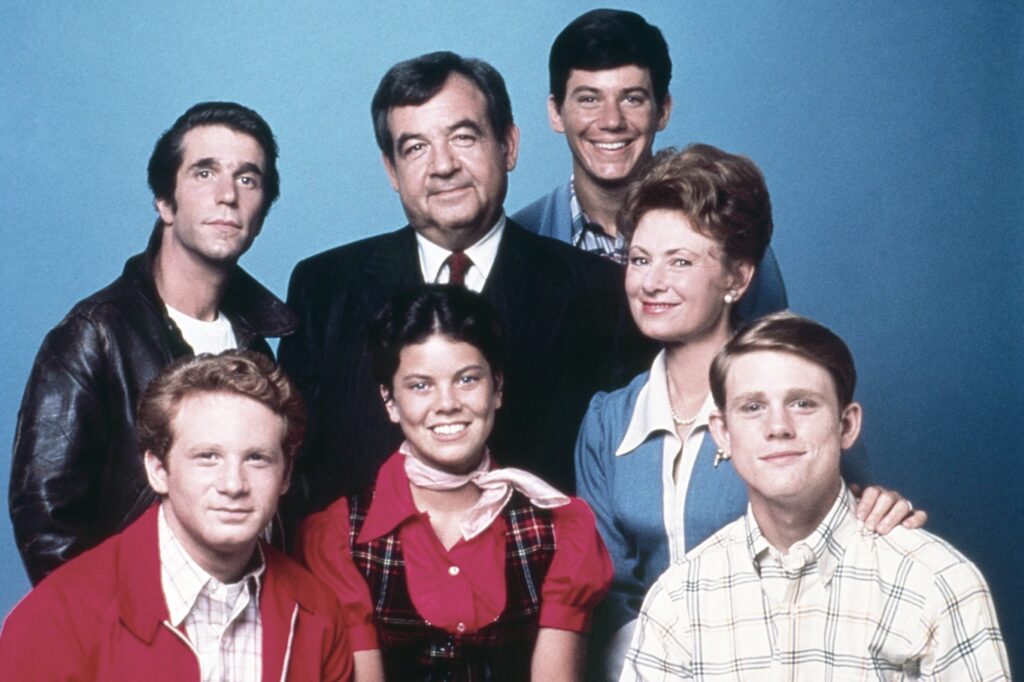
Originally, Happy Days focused on Richie Cunningham and his family. Fonzie was introduced as a supporting character, more of a side presence than a lead. But his popularity quickly grew, and the show began to revolve around him. This shift wasn’t framed as a major change in the storyline. It happened gradually, with more screen time and more plotlines centered on Fonzie. Before long, he became the defining figure of the series.
What viewers didn’t see was how much this altered the show’s direction. The tone became broader and more exaggerated to match Fonzie’s persona. Storylines leaned into his coolness and larger-than-life presence. Even the show’s visual style began to emphasize him more. The transformation wasn’t officially announced, but it was significant. In many ways, Happy Days became a different show without ever rebranding itself.
8. The Exit of Valerie Harper on Valerie (Later The Hogan Family)
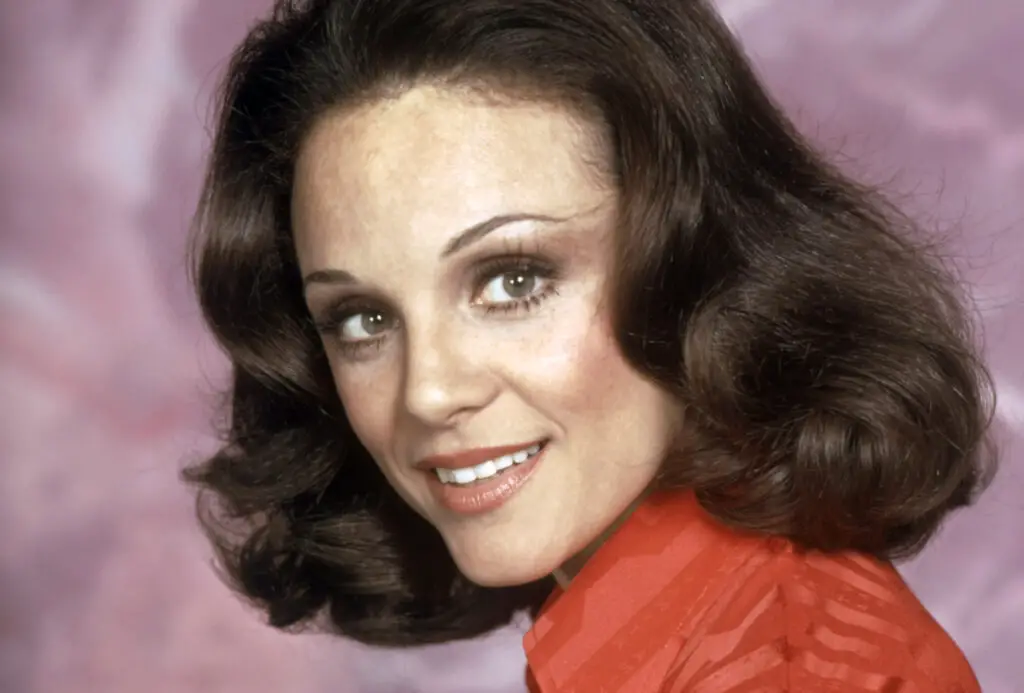
When Valerie Harper left her own show Valerie after a contract dispute, the situation could have derailed the series. Instead, the show continued under a new title, The Hogan Family. Sandy Duncan stepped in as a new maternal figure, and the story adjusted accordingly. What’s notable is how quickly the transition happened. There wasn’t a long, drawn-out explanation for Harper’s absence. The show simply moved forward with a new structure.
For viewers, it may have felt abrupt but not entirely disruptive. The core premise shifted from a single mother to a broader family dynamic with a new guardian figure. Behind the scenes, this was a major upheaval involving legal and creative decisions. On screen, though, it was handled with minimal acknowledgment. The series essentially reinvented itself mid-run. It’s a rare example of a show surviving such a dramatic behind-the-scenes change.
9. The Evolution of Carol Hathaway on ER
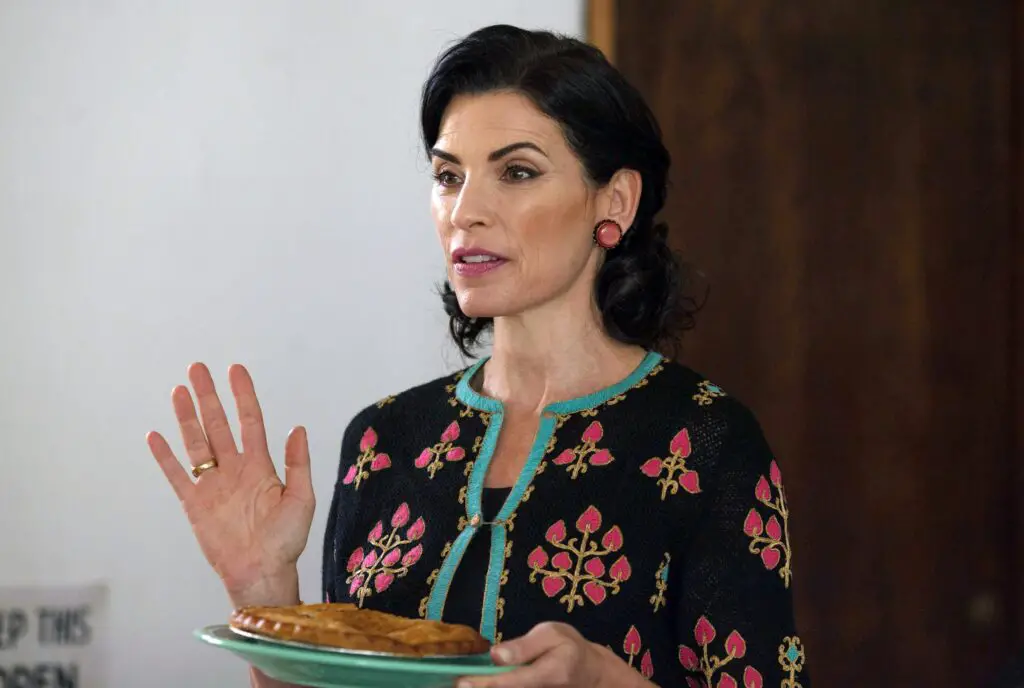
Carol Hathaway was originally intended to die in the pilot episode of ER. She attempts suicide, and the storyline was meant to end there. However, test audiences responded strongly to the character. As a result, the producers changed course and kept her alive. This decision wasn’t presented as a rewrite within the show. Instead, the story simply continued with her recovery.
That single adjustment had a lasting impact on the series. Carol became one of the central characters, with major storylines over multiple seasons. Her relationship with Doug Ross became a key emotional thread. Viewers never saw the alternate version where she died. The show’s trajectory shifted based on audience reaction, but it happened quietly. It’s a clear example of how external feedback can reshape a series without viewers fully realizing it.
10. The Reworking of Andy Taylor’s Personality on The Andy Griffith Show
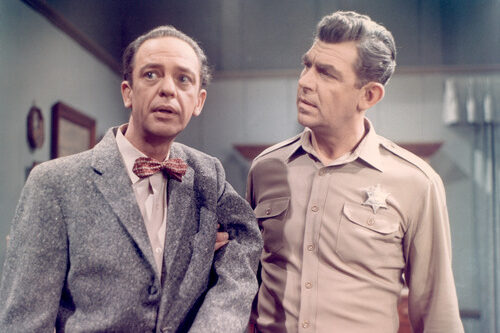
In the earliest episodes of The Andy Griffith Show, Andy Taylor is noticeably more sarcastic and sharp-edged. He has a bit of a temper and a more cynical outlook. As the show progressed, that version of Andy softened into the calm, wise, and patient figure most people remember. This change wasn’t explained within the narrative. It was a gradual shift in characterization.
The adjustment reflected what worked best with audiences. The gentler version of Andy created a more comforting, consistent tone for the show. It also strengthened the dynamic between Andy and Opie. Over time, the earlier portrayal faded from memory. Viewers accepted the evolved character as the definitive version. It’s a subtle but important example of a lead character being reshaped without explicit acknowledgment.
11. The Behind-the-Scenes Departure of Suzanne Somers on Three’s Company
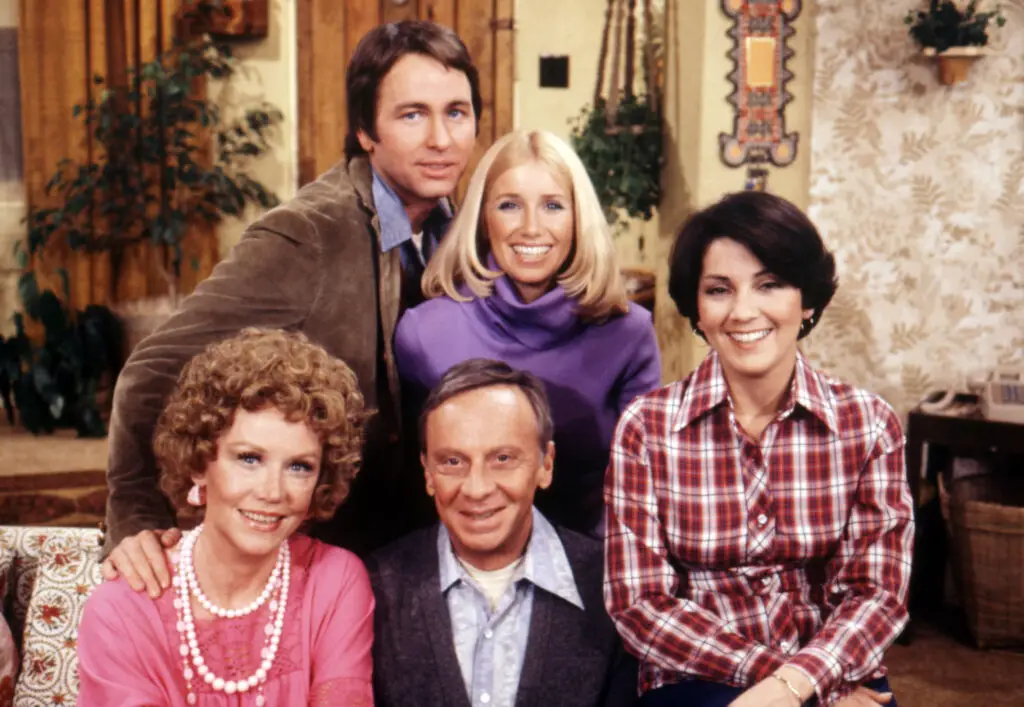
Suzanne Somers’ departure from Three’s Company was the result of a contract dispute, but the show handled it in a very specific way. For a time, her character Chrissy appeared only briefly, often via phone calls. Eventually, she was written out and replaced by other characters. The transition wasn’t handled with a major storyline event. It happened in stages, almost quietly.
For viewers, the change felt gradual rather than abrupt. The show continued its format with new roommates, maintaining the same comedic structure. Behind the scenes, though, it was a significant shift involving salary negotiations and production decisions. The series had to adapt quickly to maintain continuity. That adaptation reshaped the show’s dynamic without fully addressing the reason on screen. It’s a reminder of how off-camera events can influence what audiences see.
12. The Expansion of Steve Urkel on Family Matters
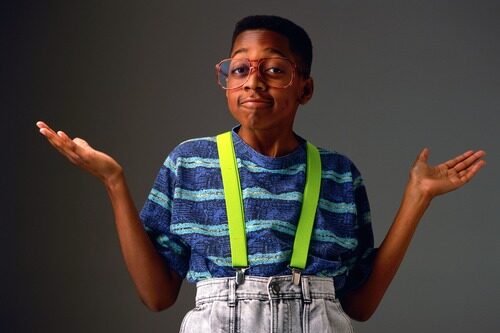
Steve Urkel was never supposed to be the face of Family Matters. He was introduced as a one-off character meant to appear in a single episode. His popularity, however, changed everything. The show began to feature him more prominently, eventually making him the central focus. This shift wasn’t formally announced within the narrative. It just became increasingly obvious over time.
As Urkel’s presence grew, the tone of the show changed as well. It moved away from grounded family stories toward more exaggerated, sometimes science-fiction-style plots. The Winslow family became supporting players in what was essentially Urkel’s show. Viewers who watched consistently saw the transformation happen gradually. There was no single moment where the show declared its new direction. It simply evolved into something very different.
13. The Recasting of Becky on Roseanne
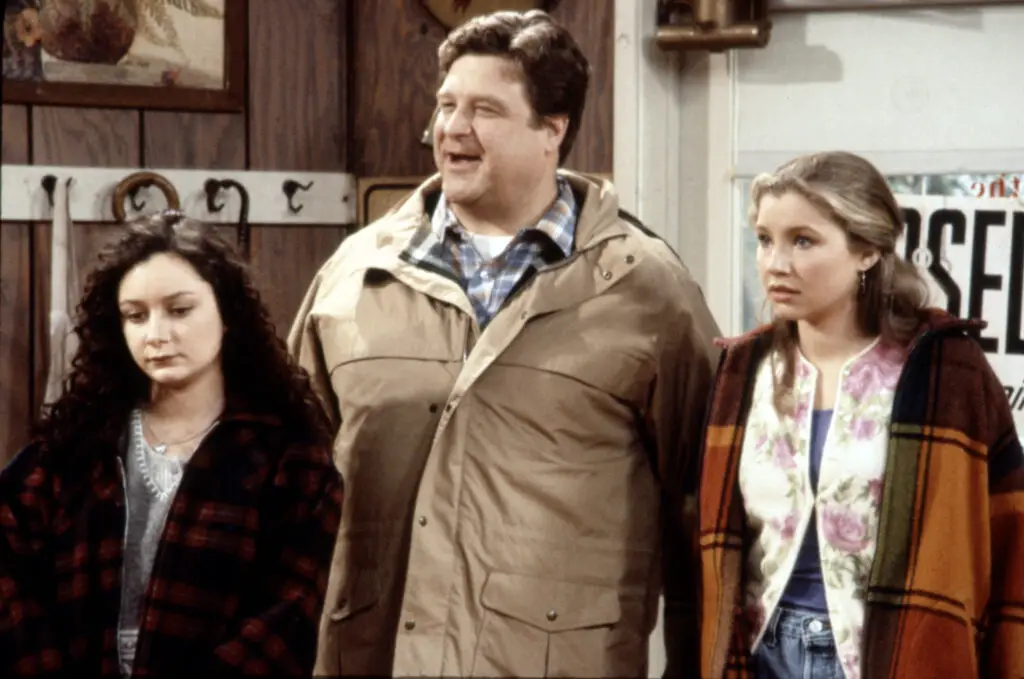
On Roseanne, the character Becky Conner was played by Lecy Goranson before being replaced by Sarah Chalke. Unlike some shows, Roseanne occasionally acknowledged the change with humor, but it still largely carried on as if nothing had fundamentally shifted. The character remained the same in terms of storyline and relationships. The recasting happened due to Goranson attending college and stepping away from the show. Chalke stepped in to fill the role for several seasons.
What’s interesting is how the show treated the transition. While there were occasional meta jokes, there was no major narrative explanation. The family dynamic continued without interruption. In later seasons, Goranson even returned, leading to alternating portrayals. For viewers, it became a kind of inside joke rather than a disruption. The show maintained continuity while quietly adjusting to real-world circumstances.