
1. Blockbuster

For a long time, Blockbuster felt like it owned Friday night. At its peak in the early 2000s, it had thousands of stores around the world and millions of customers browsing aisles of DVDs and VHS tapes. Late fees alone brought in significant revenue, which says a lot about how dominant it was. Walking into a Blockbuster became a routine part of American life, especially before streaming existed.
What makes its fall so striking is how quickly things changed. The company passed on opportunities to adapt, including declining to buy Netflix in 2000. As streaming and mail-order rentals took over, Blockbuster struggled to keep up. By 2010, it filed for bankruptcy, and most stores shut down soon after. Today, just one location remains, more as a nostalgic curiosity than a business model.
2. Toys “R” Us
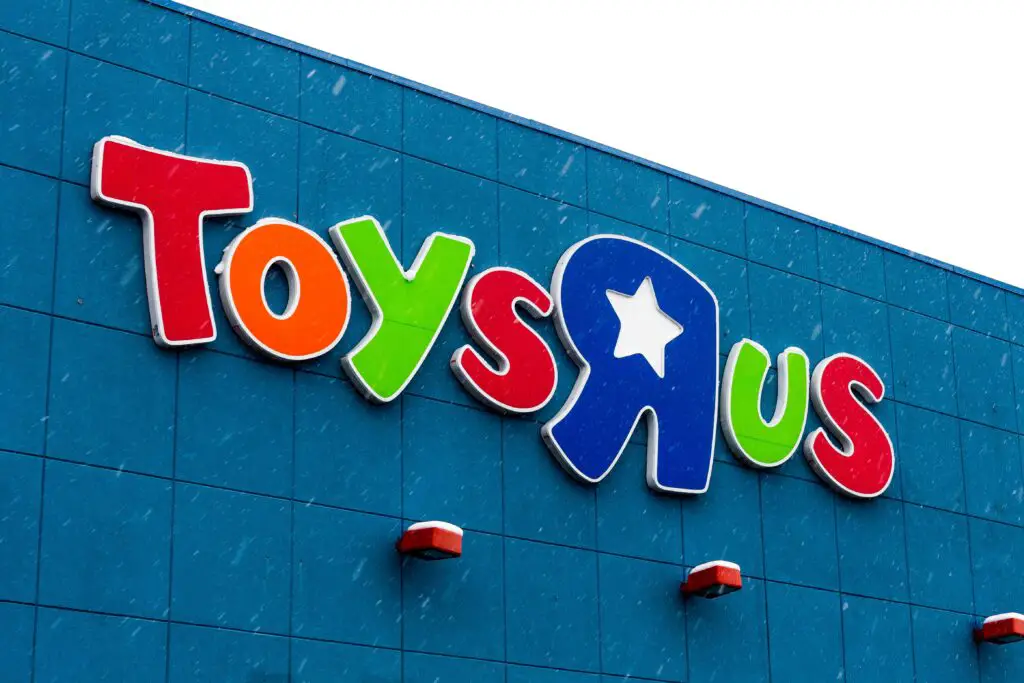
Toys “R” Us once felt like a dream destination for kids. Its massive stores carried nearly every toy imaginable, and its branding made it instantly recognizable. For decades, it dominated the toy retail market and became a staple of holiday shopping. The aisles, the jingles, and even Geoffrey the Giraffe were part of growing up.
The company’s decline was tied to a mix of heavy debt and changing shopping habits. As online retailers like Amazon gained ground, Toys “R” Us struggled to compete. It filed for bankruptcy in 2017 and began closing stores soon after. While the brand has attempted smaller revivals, it never returned to its former scale. For many people, its disappearance still feels surprisingly recent.
3. Pan Am

Pan American World Airways, better known as Pan Am, once defined international air travel. It was synonymous with luxury and innovation, introducing jumbo jets and global routes that reshaped how people moved around the world. The airline carried a sense of prestige that few competitors matched. Flying Pan Am felt like an experience, not just transportation.
But rising fuel costs, increased competition, and a series of financial struggles weakened the company. The 1988 Lockerbie bombing also dealt a devastating blow to its reputation and finances. By 1991, Pan Am ceased operations entirely. Its name still carries weight, but the airline itself is long gone. It’s often used as an example of how quickly dominance can fade.
4. Circuit City
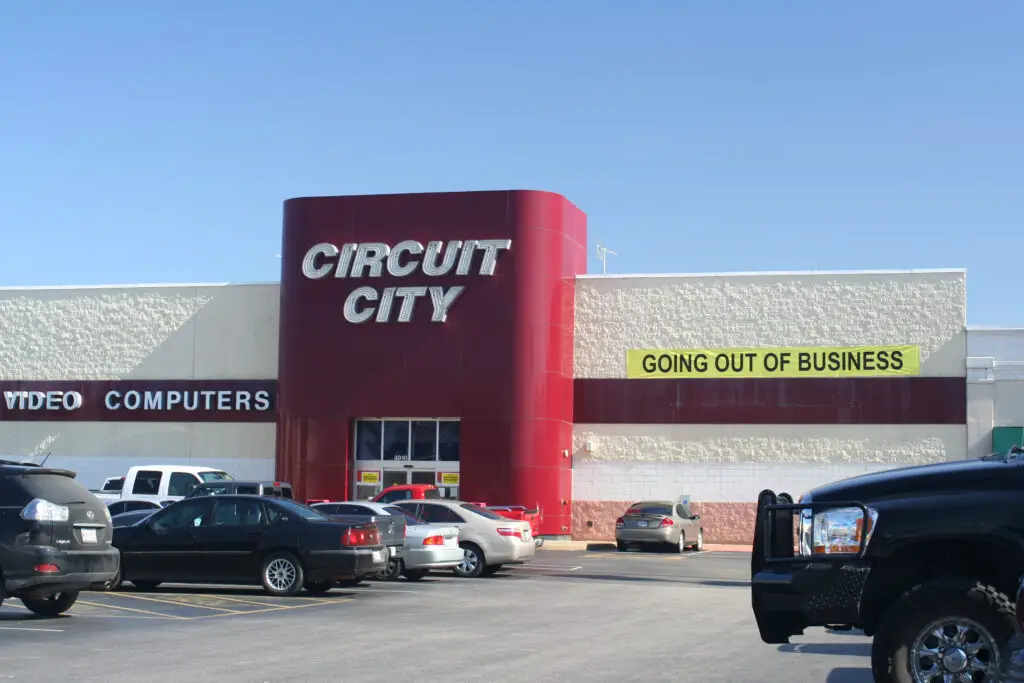
For years, Circuit City was a go-to spot for TVs, stereos, and early home electronics. Its stores were everywhere, and it competed directly with Best Buy during the height of big-box retail. Shoppers relied on it for both major purchases and everyday tech needs. At one point, it was one of the largest electronics retailers in the United States.
The company made several costly decisions that hurt its long-term stability. It laid off experienced staff to cut costs, which affected customer service. At the same time, it struggled to adapt to online competition. By 2008, Circuit City filed for bankruptcy, and by 2009, it had shut down its stores. Its brand still exists online, but it no longer has the presence it once did.
5. Kodak
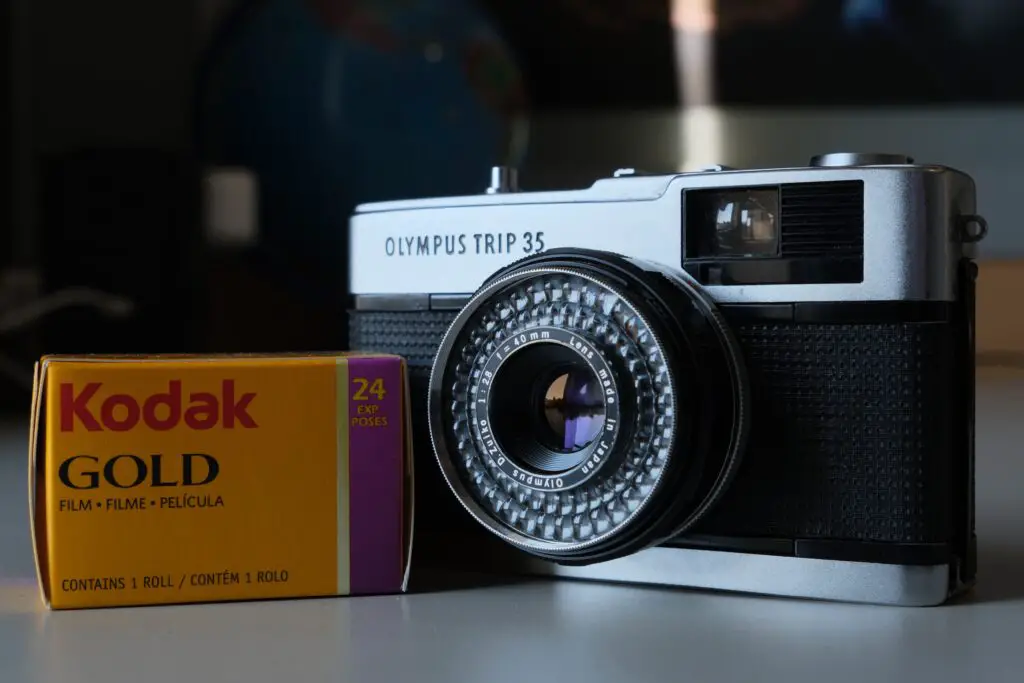
Eastman Kodak practically defined photography for much of the 20th century. Its film products were everywhere, and the brand became synonymous with capturing memories. In fact, Kodak engineers helped develop early digital camera technology. For a while, it seemed like nothing could threaten its position.
Ironically, digital photography is what contributed to its decline. The company was slow to pivot fully into digital, even though it had the technology. As competitors moved faster, Kodak’s film business collapsed. It filed for bankruptcy in 2012 and restructured into a much smaller company. The name still exists, but its dominance is long gone.
6. Compaq

Compaq was once one of the biggest names in personal computing. In the ’90s, its PCs were widely used in both homes and offices. The company built a reputation for reliability and innovation, helping shape the early PC market. For a time, it even surpassed competitors in global sales.
Despite its success, Compaq struggled in a rapidly evolving industry. It merged with Hewlett-Packard in 2002 in an effort to stay competitive. Over time, the Compaq brand was phased out entirely. Today, it survives mostly as a label on a limited number of products. Its identity as a standalone powerhouse is gone.
7. Borders
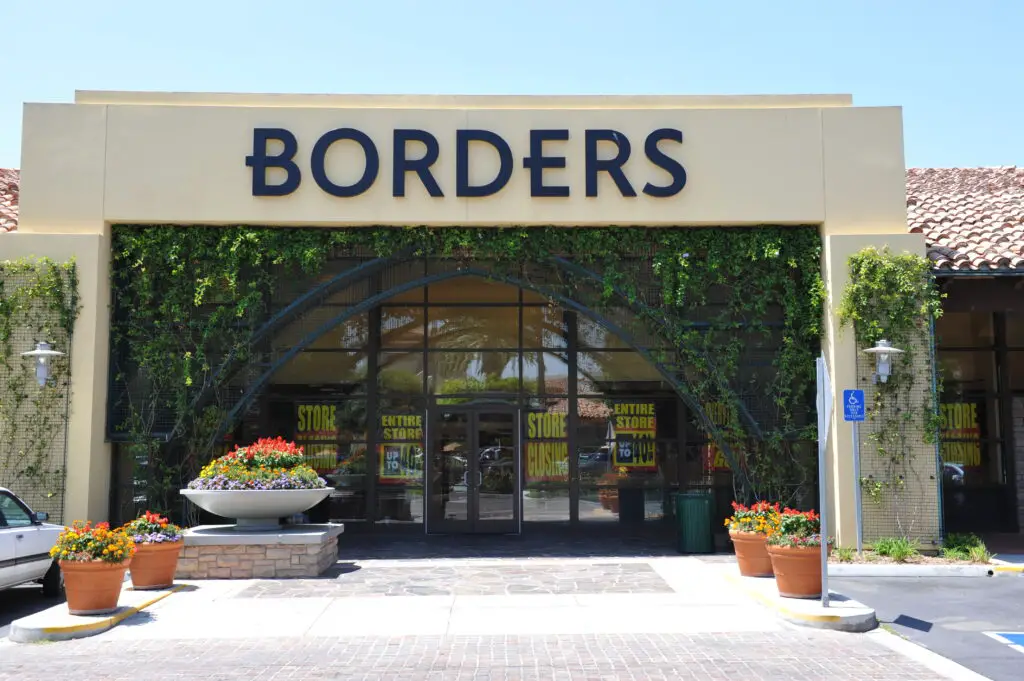
Book lovers once spent hours inside Borders, browsing shelves and reading in-store. The chain offered a different kind of experience, often featuring music sections and comfortable seating. It became a major competitor to Barnes & Noble. For a while, it felt like there was room for both.
Borders struggled to keep up with the rise of online bookselling. It outsourced its online operations early on, which limited its ability to compete digitally. As e-books and online shopping grew, sales declined. The company filed for bankruptcy in 2011 and closed all stores soon after. Many readers still remember it as more than just a bookstore.
8. MySpace

Before social media became what it is today, MySpace was the place to be online. Users customized profiles, shared music, and connected in ways that felt new at the time. It quickly became one of the most visited websites in the world. For a moment, it seemed like it would define the future of social networking.
That dominance didn’t last. The platform became cluttered and struggled with user experience issues. Meanwhile, competitors like Facebook offered a cleaner, more streamlined alternative. Users gradually migrated away, and MySpace lost its cultural relevance. It still exists in a limited form, but its peak influence is firmly in the past.
9. RadioShack
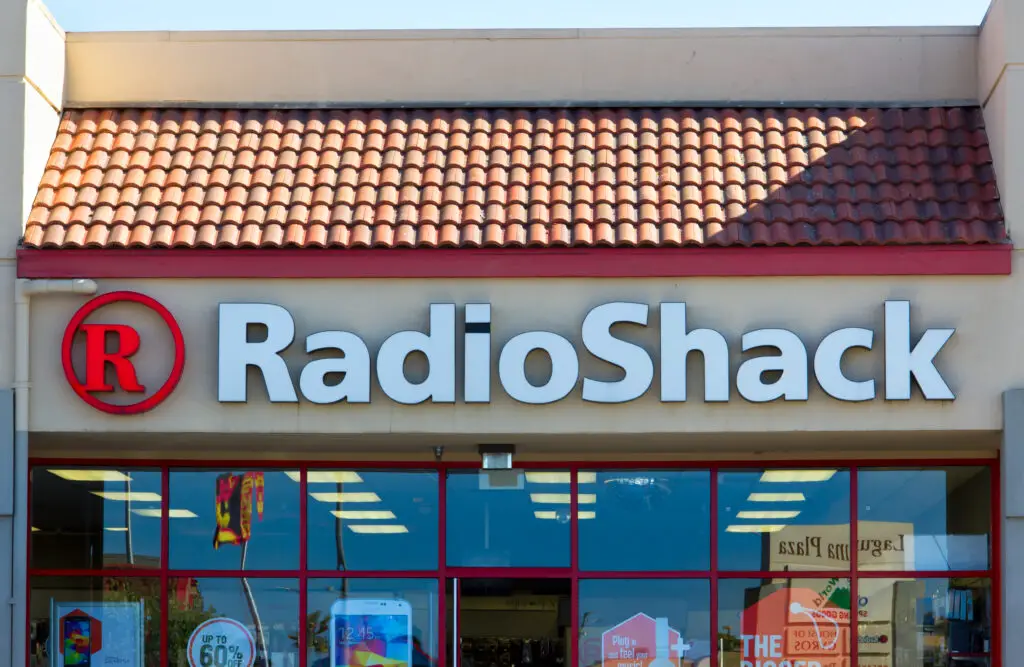
RadioShack was once a go-to destination for electronics enthusiasts. Whether you needed batteries, cables, or parts for a project, it was the place to go. The stores were small but packed with useful items. For decades, it filled a very specific niche.
As technology changed, that niche began to shrink. Consumers shifted toward larger retailers and online shopping. RadioShack also struggled with branding and store relevance. It filed for bankruptcy twice, first in 2015 and again in 2017. While the name still appears in limited contexts, the original chain is largely gone.
10. Lehman Brothers
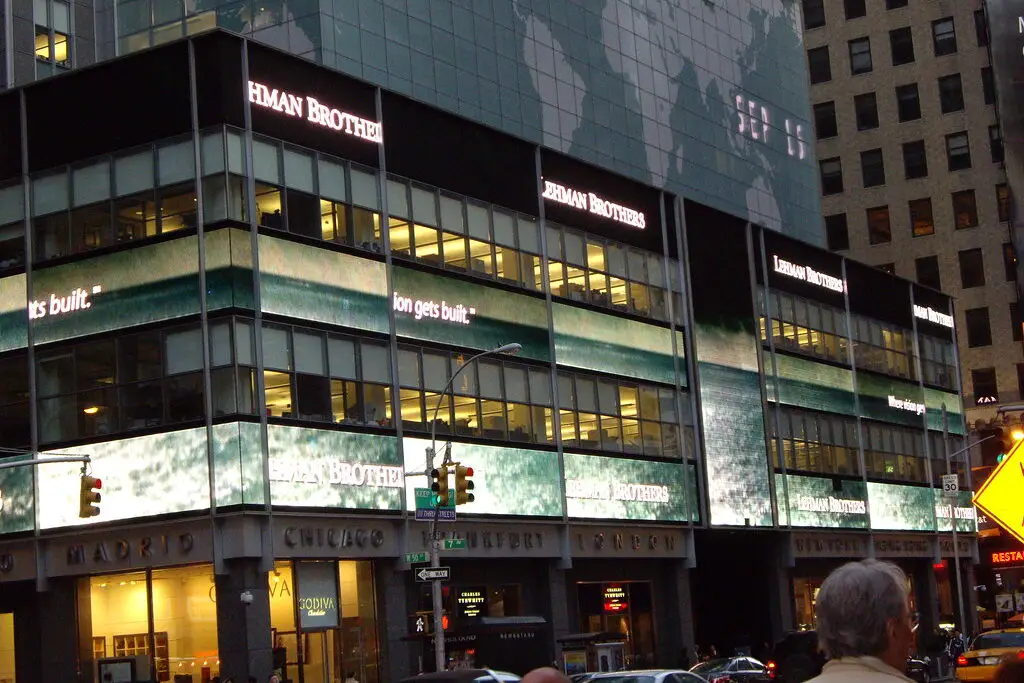
Lehman Brothers was a major player in global finance for over 150 years. It played a central role in investment banking and was deeply embedded in the financial system. For much of its history, it seemed stable and influential. Few expected it to collapse so dramatically.
Its downfall came during the 2008 financial crisis. Heavy exposure to mortgage-backed securities left it vulnerable when the housing market collapsed. In September 2008, Lehman Brothers filed for bankruptcy, the largest in U.S. history. The event sent shockwaves through the global economy. It remains one of the most cited examples of financial system risk.
11. Enron
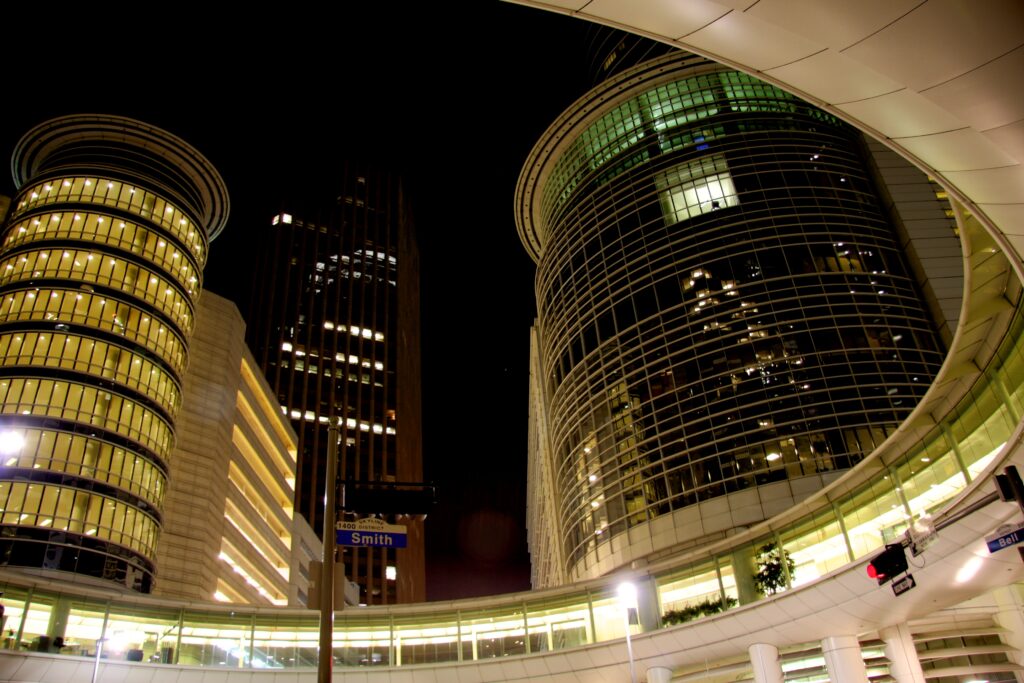
Enron was once praised as an innovative energy giant. It expanded rapidly and became one of the largest companies in the United States. Executives promoted it as a forward-thinking business model. For a time, investors believed in its vision.
That image unraveled in 2001 when accounting fraud was exposed. The company had been hiding massive debts through complex financial structures. Once the truth came out, its stock collapsed almost overnight. Enron filed for bankruptcy later that year. The scandal led to major changes in corporate regulation.
12. Sears
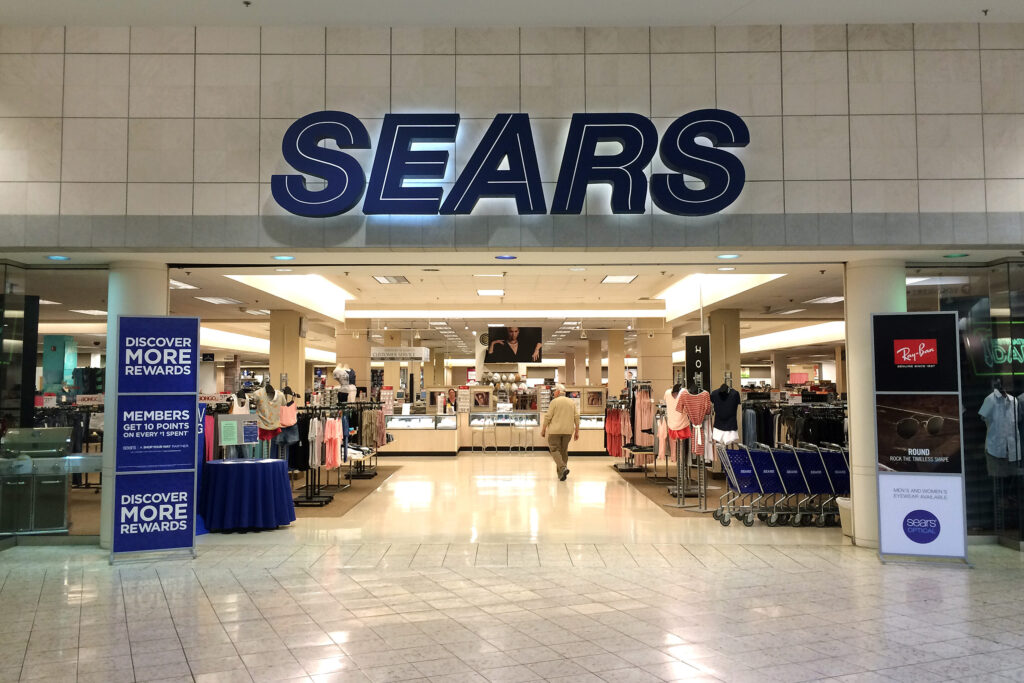
Sears was once one of the most important retailers in America. It dominated catalog sales long before online shopping existed. Its department stores were anchors in malls across the country. For generations, it felt like a permanent part of the retail landscape.
Over time, Sears struggled to modernize. Competition from companies like Walmart and Target chipped away at its market share. Management decisions and declining store conditions made things worse. The company filed for bankruptcy in 2018. A handful of stores still exist, but its former dominance is gone.
13. Nokia (Mobile Division)
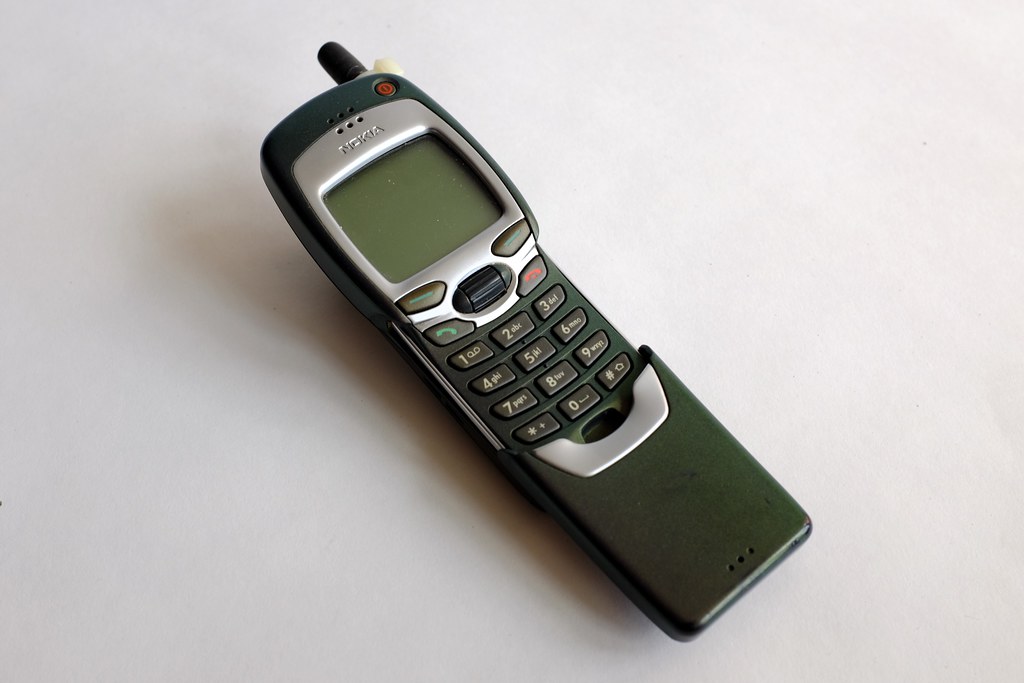
Nokia once led the global mobile phone market. Its devices were known for durability and long battery life. For years, it seemed like everyone owned a Nokia phone at some point. The brand was nearly synonymous with mobile communication.
The rise of smartphones changed everything. Nokia was slow to adopt touchscreens and modern operating systems. Competitors like Apple and Samsung quickly took the lead. Microsoft eventually acquired Nokia’s mobile division in 2014. The company still exists, but not as a dominant phone maker.
14. AOL

AOL was once the gateway to the internet for millions of people. Its dial-up service and CDs were everywhere in the ’90s and early 2000s. Logging onto AOL was often a person’s first online experience. It felt like the center of the digital world at the time.
As broadband internet expanded, AOL’s model became outdated. The company struggled to redefine itself in a faster, always-connected world. Its high-profile merger with Time Warner in 2000 did not deliver the expected results. Over time, its influence faded. Today, it exists in a much smaller capacity.
15. Tower Records
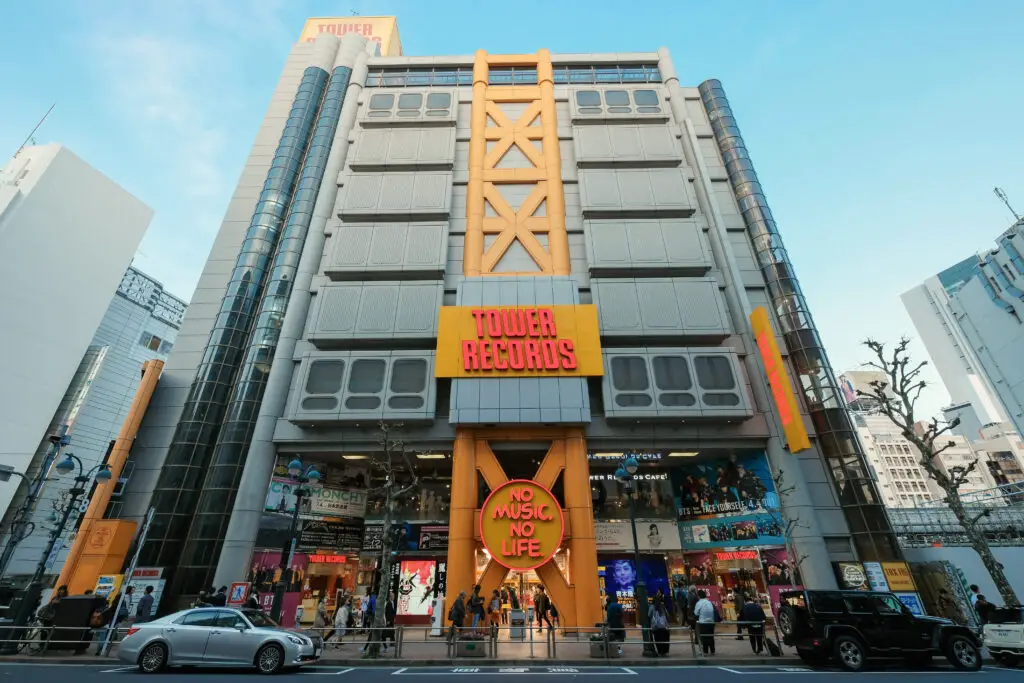
Tower Records was once a landmark for music fans. Its stores carried an enormous selection of CDs, vinyl, and tapes. Browsing there felt like an event, especially before digital music. It played a major role in music culture for decades.
The shift to digital downloads and streaming hit hard. As services like iTunes gained popularity, physical music sales declined. Tower Records struggled to adapt to the new model. It filed for bankruptcy in 2006 and closed its U.S. stores. The brand has seen limited revival attempts, but its original presence is gone.
16. BlackBerry
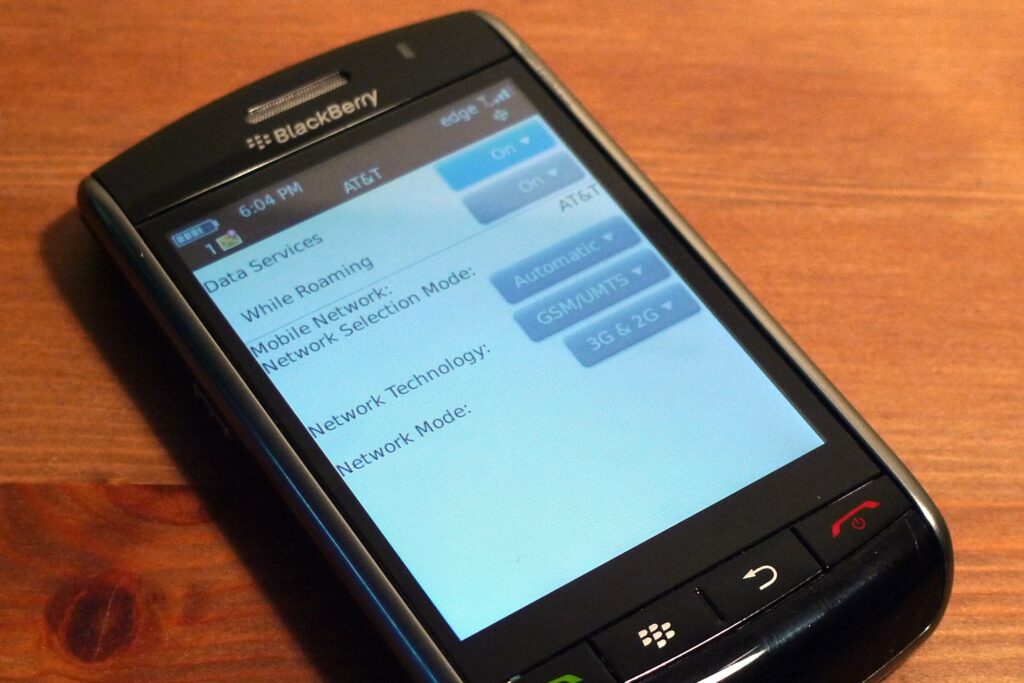
BlackBerry once dominated the smartphone market, especially in business settings. Its devices were known for physical keyboards and secure messaging. For a time, having a BlackBerry was almost a status symbol. It seemed untouchable in the early 2000s.
The company failed to keep pace with changing consumer expectations. Touchscreen smartphones quickly became the standard. Competitors like Apple and Google reshaped the market. BlackBerry gradually exited the hardware business. It still operates in software and security, but its dominance is long gone.