
1. Cleopatra VII
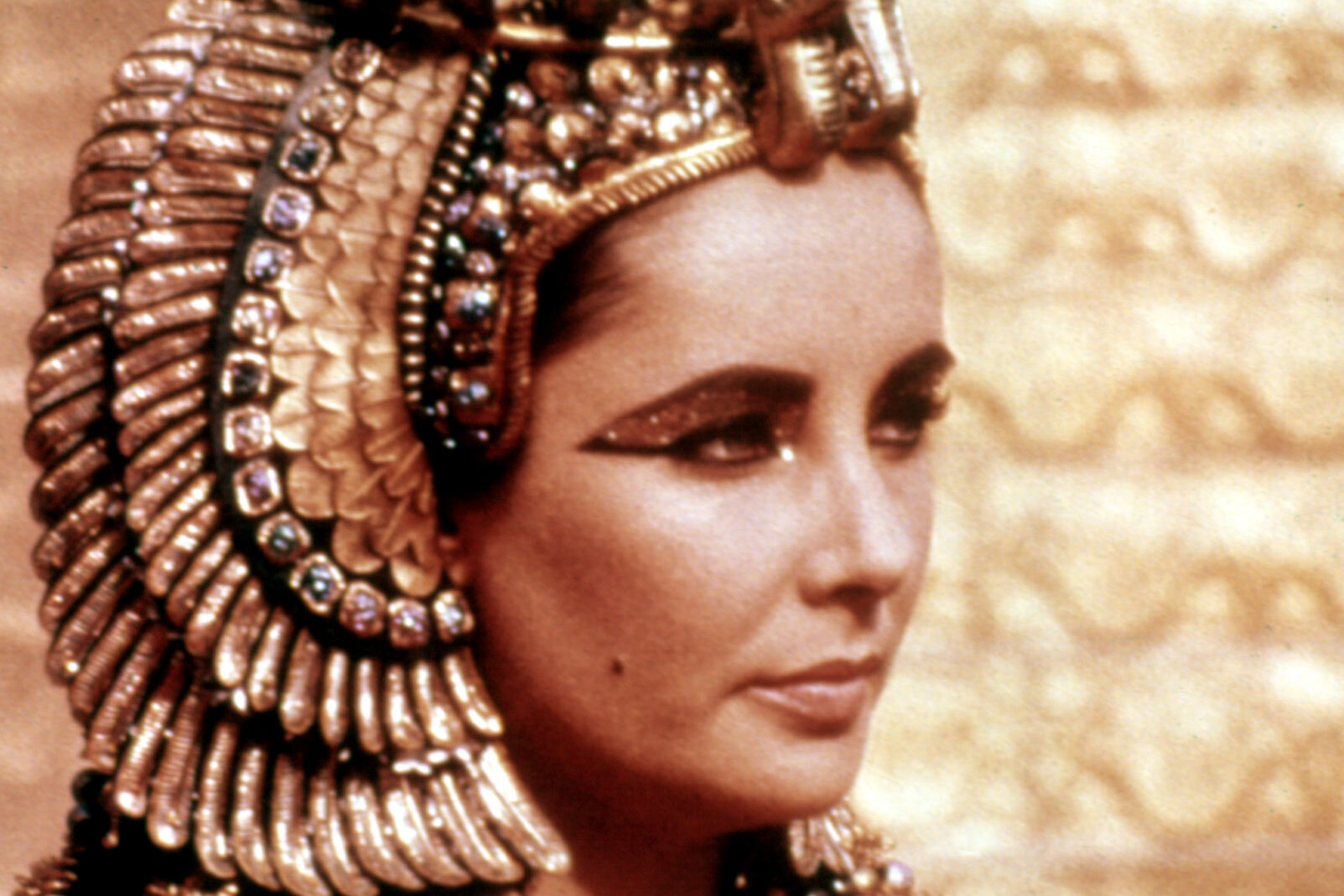
Cleopatra is one of those figures everyone feels like they know, yet the real person is surprisingly hard to pin down. Most of what survives about her comes from Roman sources, especially writers who had every reason to portray her as manipulative or dangerous. That means even basic questions about her personality are filtered through political bias. She was highly educated and spoke multiple languages, which already complicates the usual stereotypes.
Researchers still debate how much of her story is propaganda versus reality, especially her relationships with Julius Caesar and Mark Antony. Even her physical appearance remains uncertain, with coins offering the most reliable but still limited evidence. Her death is also contested, with the traditional asp bite theory not universally accepted. The deeper historians look, the more Cleopatra feels like a figure shaped as much by myth as fact.
2. William Shakespeare
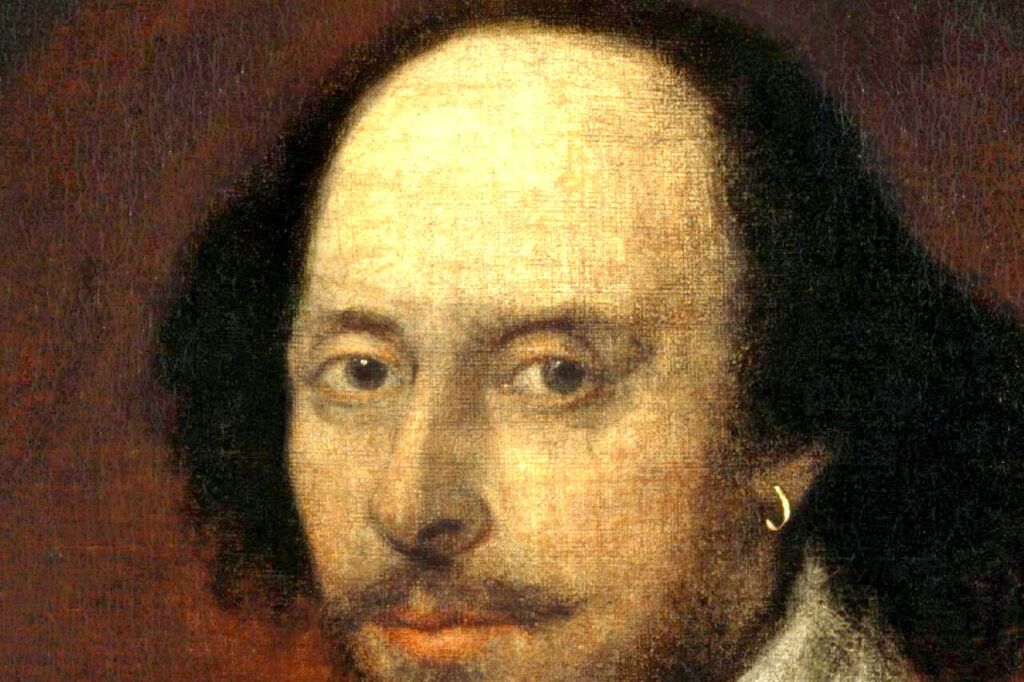
Shakespeare’s works are among the most studied in the world, yet the man himself remains oddly elusive. There are gaps in his life story that have fueled centuries of speculation. We know he was born in Stratford-upon-Avon and worked in London’s theater scene, but many details between those points are unclear. Even his education and early career are not fully documented.
Some researchers have questioned whether Shakespeare actually wrote all the plays attributed to him, although most scholars reject that idea. The authorship debate persists largely because of how little personal writing survives. There are no letters or manuscripts in his own hand that explain his creative process. That absence keeps him just out of reach, even after hundreds of years of study.
3. Nefertiti
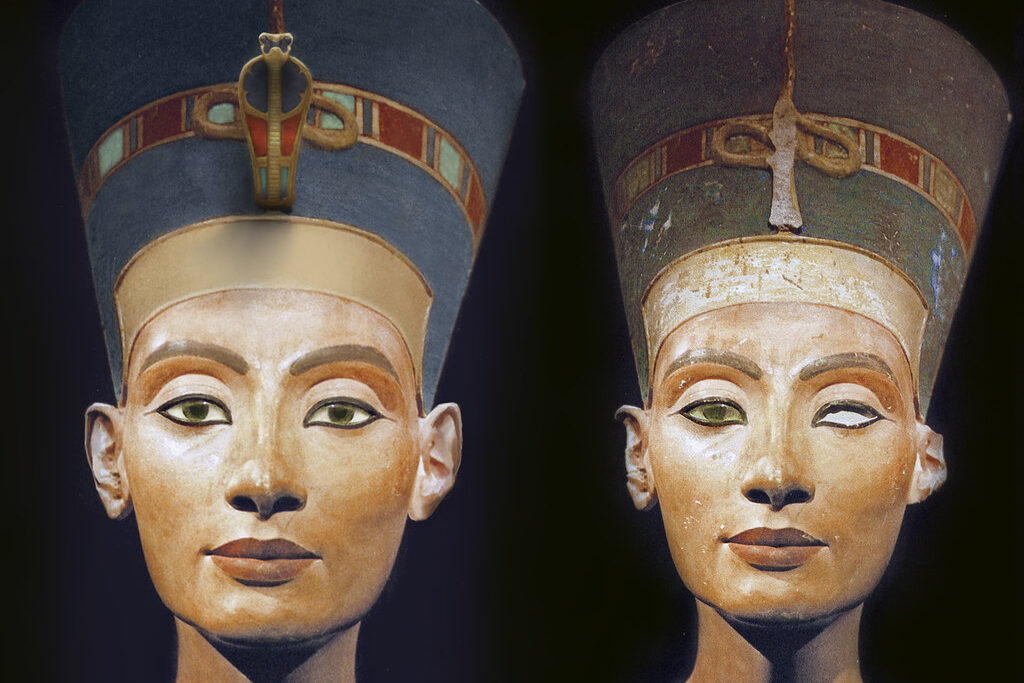
Nefertiti is instantly recognizable thanks to her famous bust, but beyond that image, she becomes much harder to define. She was the wife of Pharaoh Akhenaten and played a major role during a period of religious upheaval in ancient Egypt. Yet after a certain point in the historical record, she seems to vanish. That disappearance has puzzled historians for decades.
Some theories suggest she may have ruled as a co-regent or even as pharaoh under another name, but there is no consensus. Others believe she died earlier than previously thought. The lack of definitive inscriptions or tomb identification keeps her story unresolved. For someone so visually iconic, her actual life remains surprisingly uncertain.
4. Grigori Rasputin
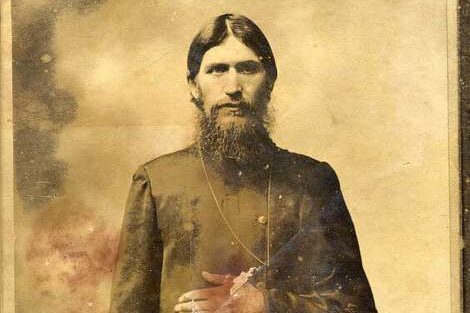
Rasputin’s reputation as a mysterious and controversial figure in Imperial Russia is well established, but separating fact from exaggeration is difficult. He gained influence over the Romanov family, particularly Tsarina Alexandra, due to his perceived ability to help her son’s illness. That alone made him a target of suspicion and resentment. Stories about his behavior grew more extreme over time.
The details of his life, and especially his death, are still debated. Accounts of his assassination vary widely, including conflicting descriptions of poison, gunshots, and even drowning. Many of those stories were likely embellished after the fact. What remains is a figure whose legend often overshadows what can actually be verified.
5. Amelia Earhart
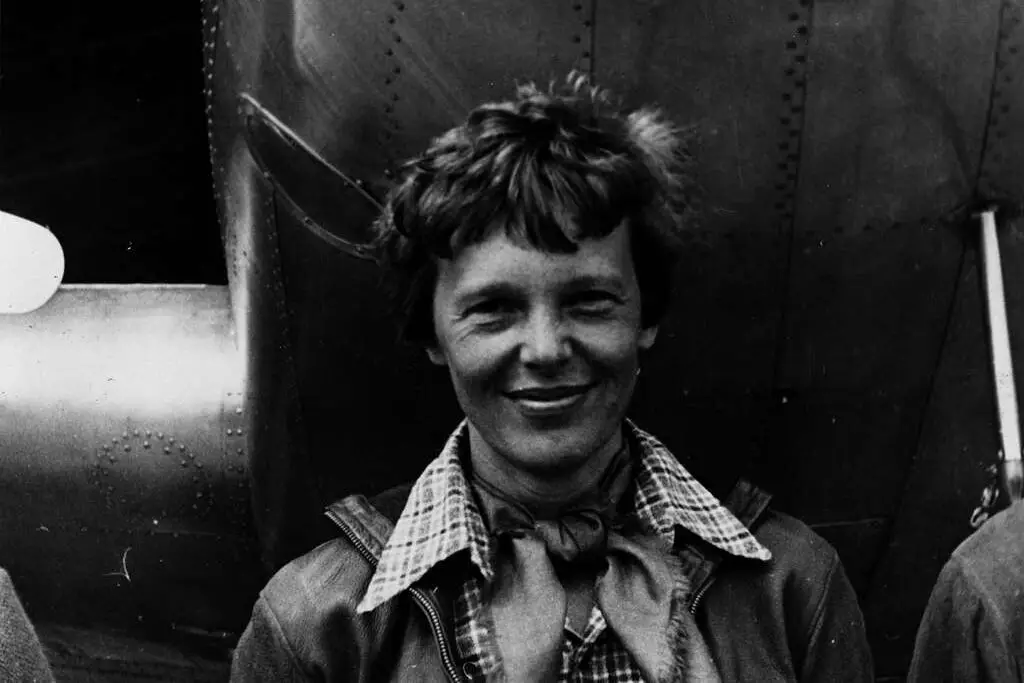
Amelia Earhart’s disappearance in 1937 remains one of the most famous aviation mysteries. She was attempting to circumnavigate the globe when her plane vanished over the Pacific Ocean. Despite extensive searches at the time, no definitive wreckage was recovered. That absence has kept the case open to interpretation.
Numerous theories have been proposed, ranging from a crash at sea to landing on a remote island. Some investigations have suggested possible evidence of her presence on Nikumaroro, but nothing has been confirmed beyond doubt. Advances in technology have not fully solved the mystery either. Earhart’s story continues to draw attention precisely because it resists a clear conclusion.
6. Joan of Arc
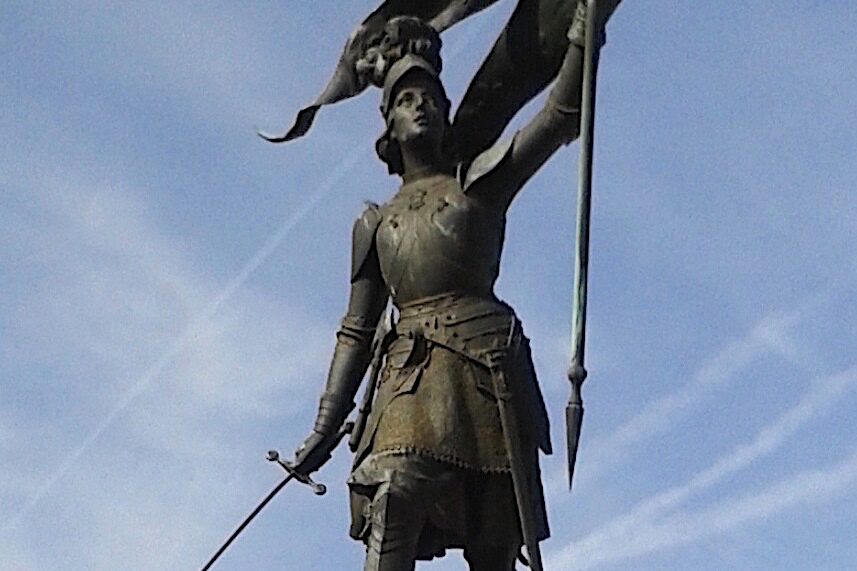
Joan of Arc’s life is well documented in some ways and deeply mysterious in others. We know she claimed to hear divine voices guiding her during the Hundred Years’ War. Those visions helped her rise quickly within the French army. However, the exact nature of her experiences remains open to interpretation.
Historians have debated whether her visions were religious, psychological, or influenced by other factors. The trial records provide detailed accounts, but they were produced under hostile conditions. That makes it difficult to fully trust them as neutral sources. Joan’s story sits at the intersection of faith, politics, and personal conviction, which keeps it complicated.
7. Zodiac Killer
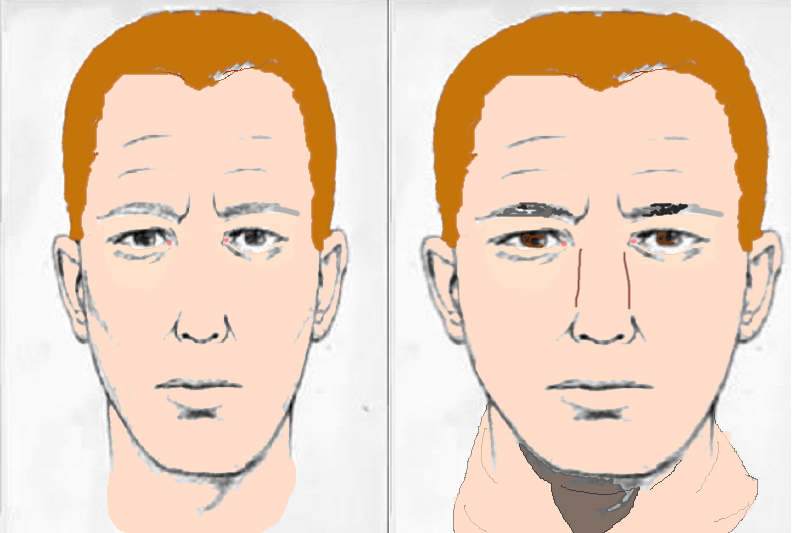
The Zodiac Killer is not a traditional historical figure, but decades later, the case still attracts serious research. Active in Northern California in the late 1960s, the killer sent coded letters to newspapers. Some of those ciphers have been solved, while others remain partially or fully undeciphered. The identity of the person behind them is still unknown.
Law enforcement investigated multiple suspects, but none were definitively confirmed. Advances in forensic science have helped in similar cold cases, yet this one remains unresolved. The combination of cryptic messages and lack of closure keeps the mystery alive. It is a rare case where modern tools still have not provided a clear answer.
8. Pythagoras
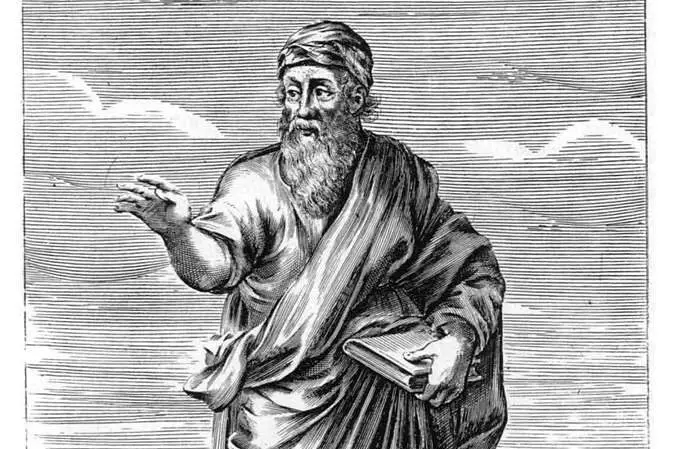
Pythagoras is famous for the theorem that bears his name, but surprisingly little is known about him as a person. Much of what is attributed to him comes from later sources, not contemporary records. He led a philosophical and religious community, which adds another layer of complexity. His followers often credited him with ideas that may not have been his alone.
Because of this, historians struggle to separate Pythagoras from the broader Pythagorean tradition. Some accounts describe him as a mathematician, others as a mystic or spiritual leader. Even basic biographical details are uncertain. His legacy is clear, but the individual behind it remains somewhat blurred.
9. Hatshepsut
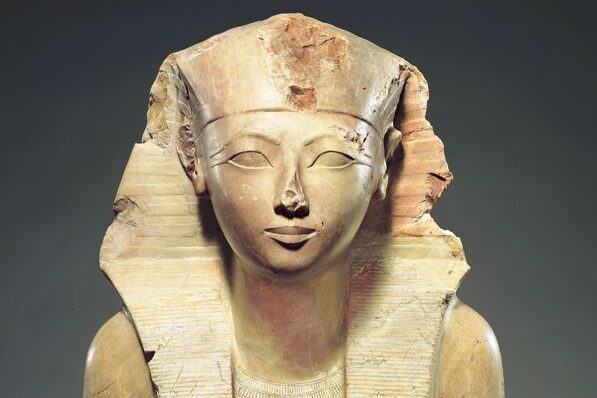
Hatshepsut ruled as one of Egypt’s few female pharaohs, but her story was partially erased after her death. Monuments bearing her name were defaced or replaced, likely by successors seeking to reinforce traditional male rule. That deliberate removal has left gaps in the historical record. Reconstructing her reign has required piecing together fragmented evidence.
Even now, historians debate the motivations behind the attempt to erase her legacy. It is unclear whether it was political, personal, or both. Her achievements, including major building projects and trade expeditions, are better understood than the reasons for her later treatment. The incomplete record continues to raise questions.
10. Leonardo da Vinci
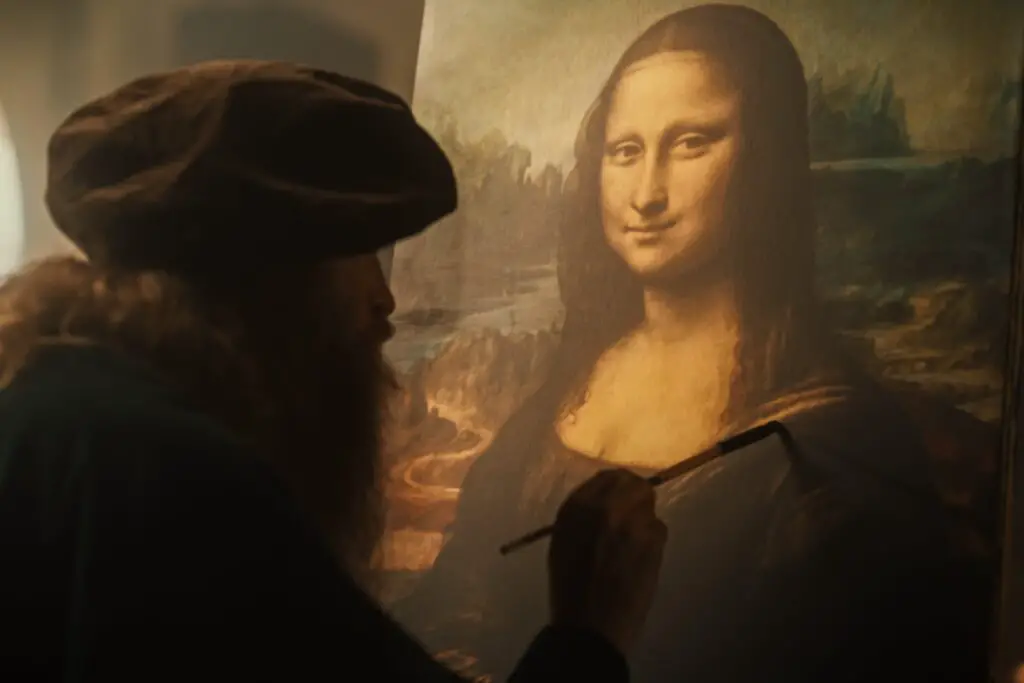
Leonardo da Vinci left behind an enormous body of work, yet parts of his life remain unclear. His notebooks are filled with sketches, ideas, and observations, but they are often fragmented and written in mirror script. That makes them difficult to interpret fully. Many projects he began were never completed.
Researchers still debate the intended purpose of some of his designs and whether they were practical or theoretical. His personal life is also not well documented, leaving room for interpretation. Despite being one of the most studied figures in history, he still presents unanswered questions. The more closely his work is examined, the more complexity appears.
11. Genghis Khan
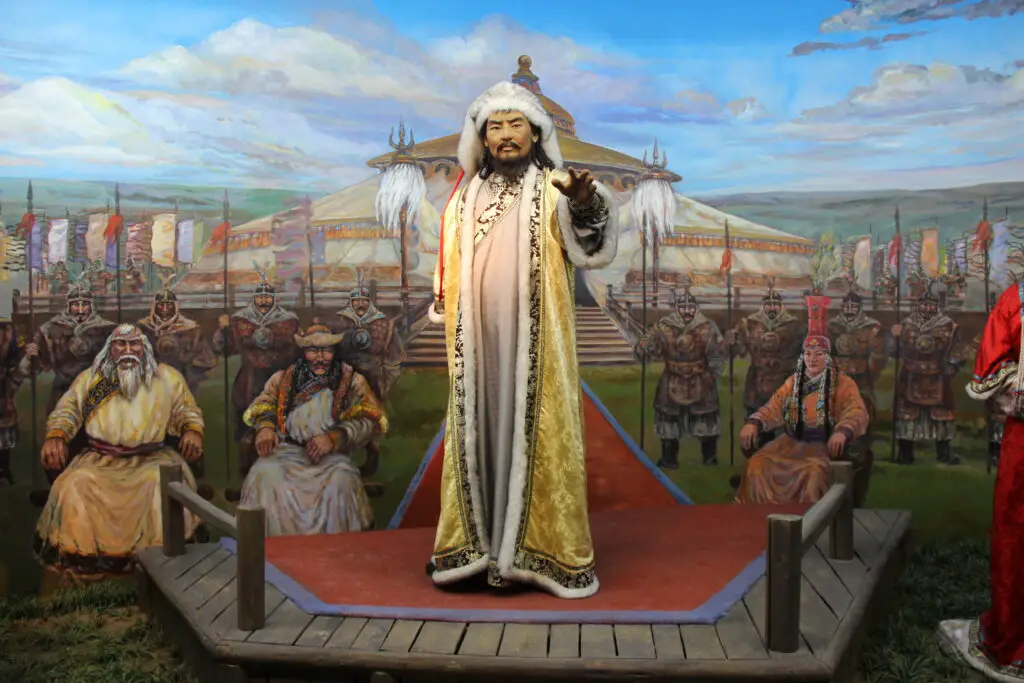
Genghis Khan built one of the largest empires in history, but much of what we know about him comes from later chronicles. The primary source, The Secret History of the Mongols, mixes historical detail with elements that are difficult to verify. That creates challenges in separating fact from narrative tradition. His early life, in particular, is not fully documented.
There are also debates about his burial site, which has never been definitively located. Some accounts suggest it was deliberately hidden to prevent disturbance. His legacy itself is complex, viewed very differently depending on perspective. That combination of limited evidence and conflicting interpretations keeps him a subject of ongoing research.
12. Sappho
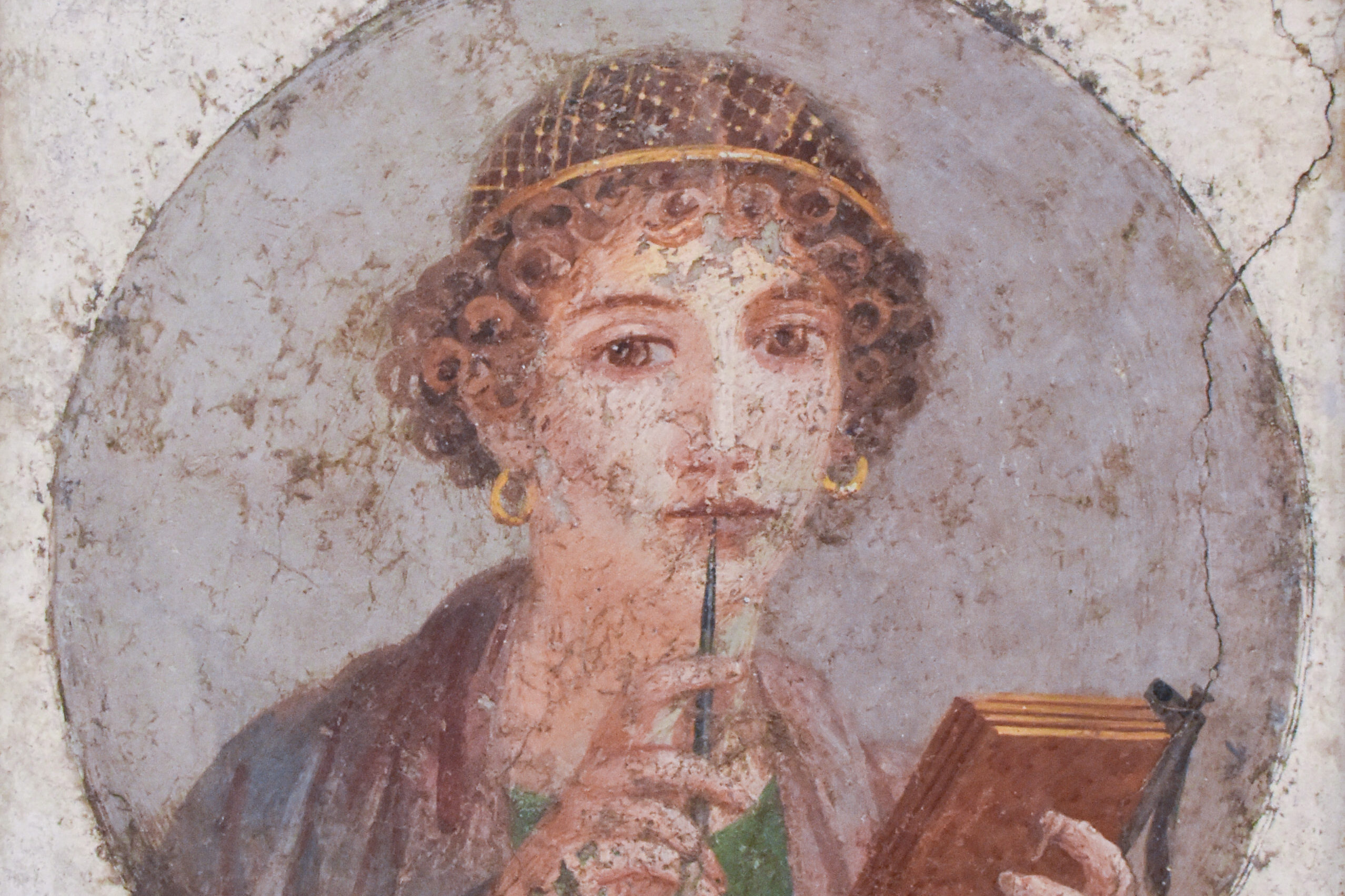
Sappho was one of the most celebrated poets of ancient Greece, yet only fragments of her work survive. Most of what we know about her comes from later references rather than complete texts. That has made it difficult to fully understand her themes and style. Even details about her life are limited and sometimes contradictory.
Scholars have debated interpretations of her poetry for centuries, particularly regarding its personal and emotional content. The loss of her complete works has left significant gaps in literary history. New fragments have been discovered over time, but they only add pieces rather than a full picture. Her reputation endures, even as much of her work remains missing.
13. Count of Saint Germain
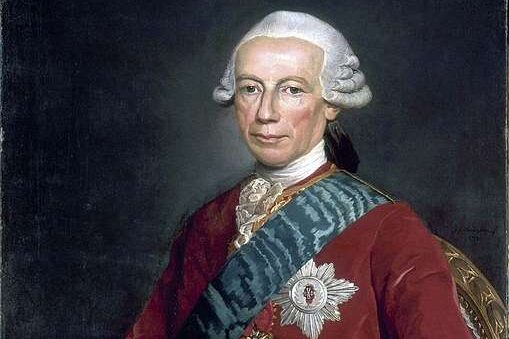
The Count of Saint Germain appeared in European courts during the 18th century and quickly became known for his unusual claims. He was said to possess vast knowledge, speak multiple languages, and even hint at immortality. Contemporary accounts describe him as charming but mysterious. However, verifiable information about his origins is scarce.
Researchers have struggled to separate documented facts from rumors that spread during his lifetime. He left behind no clear record of his birth or death, which only adds to the intrigue. Many of the more extraordinary claims about him are considered exaggerations. Still, his identity remains uncertain enough to keep historians interested.
14. Jack the Ripper
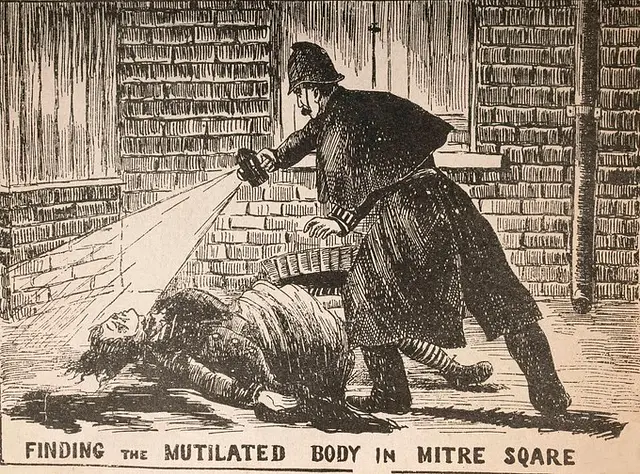
Jack the Ripper operated in London in 1888 and was responsible for a series of murders that shocked the public. Despite extensive investigations at the time, the killer was never identified. The case generated a large amount of documentation, but much of it is incomplete or inconsistent. That has made modern analysis difficult.
Over the years, numerous suspects have been proposed, but none have been definitively proven. Advances in forensic science have been applied to the case, yet results remain inconclusive. Some evidence is too degraded or unreliable to confirm a single theory. The case continues to attract attention because it remains unresolved despite sustained effort.