
1. Old Cash Hidden in Books

People have found money tucked inside books for decades, usually placed there as a quick hiding spot and then forgotten. It was especially common during the early to mid-20th century, when banks weren’t as widely trusted or accessible. Families cleaning out homes sometimes flip through old hardcovers and discover bills pressed between the pages. In some cases, the money dates back decades and includes denominations no longer in circulation. Inflation means it’s not always worth a fortune, but it still feels like finding buried treasure. Occasionally, the bills are silver certificates or older currency types that collectors value.
It’s one of those discoveries that feels both practical and oddly personal. You start to wonder who hid it and why they never came back for it. Sometimes it was an emergency stash, sometimes just a habit. Either way, it turns an ordinary bookshelf into something a lot more interesting. It also reminds people to check every page before donating anything.
2. Letters That Reveal Family Secrets
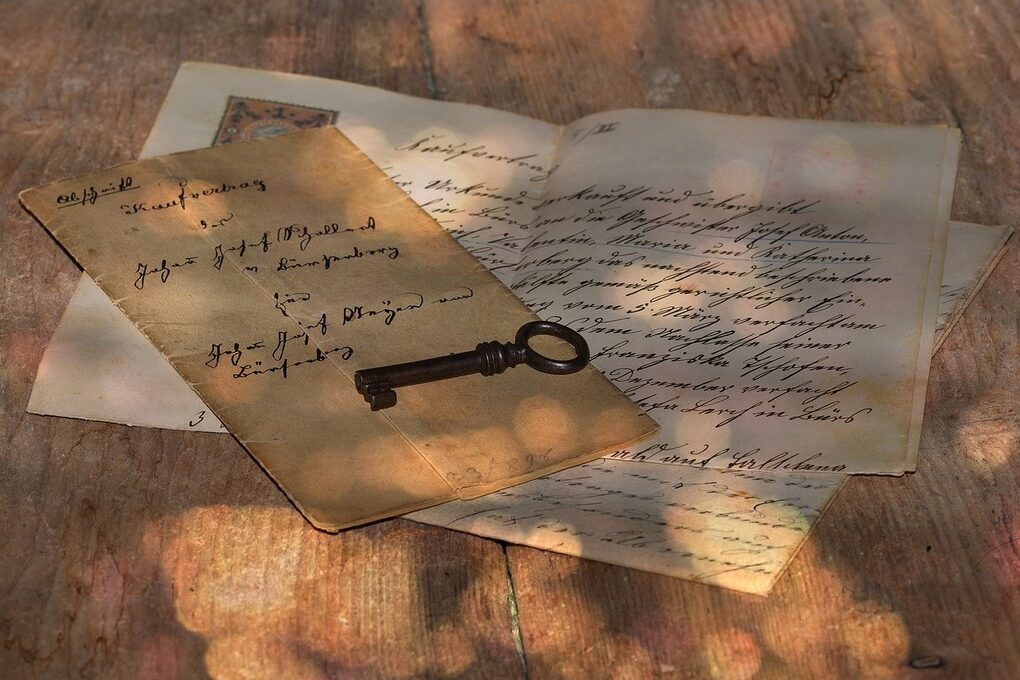
Boxes of old letters are one of the most common discoveries during cleanouts, but their contents can be unexpected. Before texting and email, people wrote letters for everything, including relationships they kept private. Some of those letters reveal hidden romances, estranged relatives, or major life decisions no one else knew about. They can date back to wartime correspondence or long-distance relationships that never worked out. The tone often feels more honest than modern communication.
Reading them can feel like stepping into someone else’s life. It’s not always comfortable, especially if the contents challenge what the family believed to be true. But it can also add depth to people who once seemed predictable. In some cases, it even reconnects families with relatives they didn’t know existed. It’s history, just written in a much more personal way.
3. Vintage Toys Worth More Than Expected
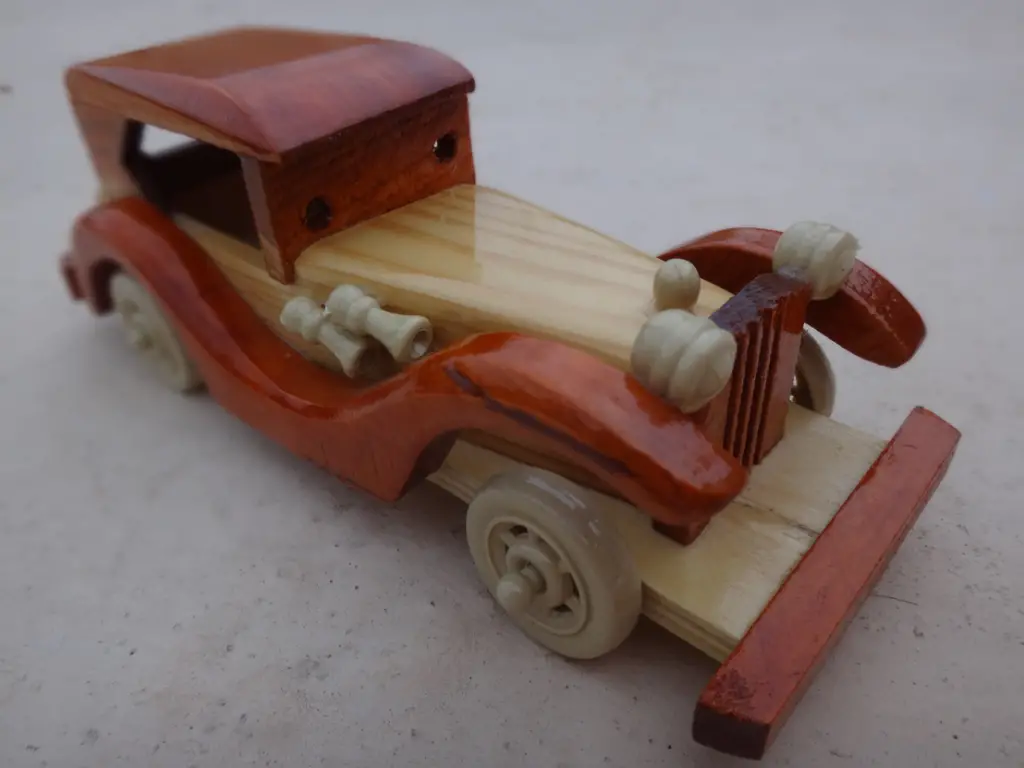
Old toys often get tossed into boxes without much thought, but some turn out to be surprisingly valuable. Items like early Barbie dolls, original Star Wars figures, or metal Tonka trucks can be worth significant amounts depending on condition. Even board games or lunchboxes from the ’60s and ’70s can attract collectors. The key factors are usually originality, packaging, and rarity. Many families had no idea these items held any value.
The surprise usually comes when someone decides to look them up before throwing them away. What seemed like clutter suddenly becomes something worth preserving. Even if the value isn’t high, the nostalgia alone changes how people see them. It often leads to a second look at everything else in the room. Cleanouts slow down quickly once one valuable item turns up.
4. Forgotten Photo Albums with Unknown People
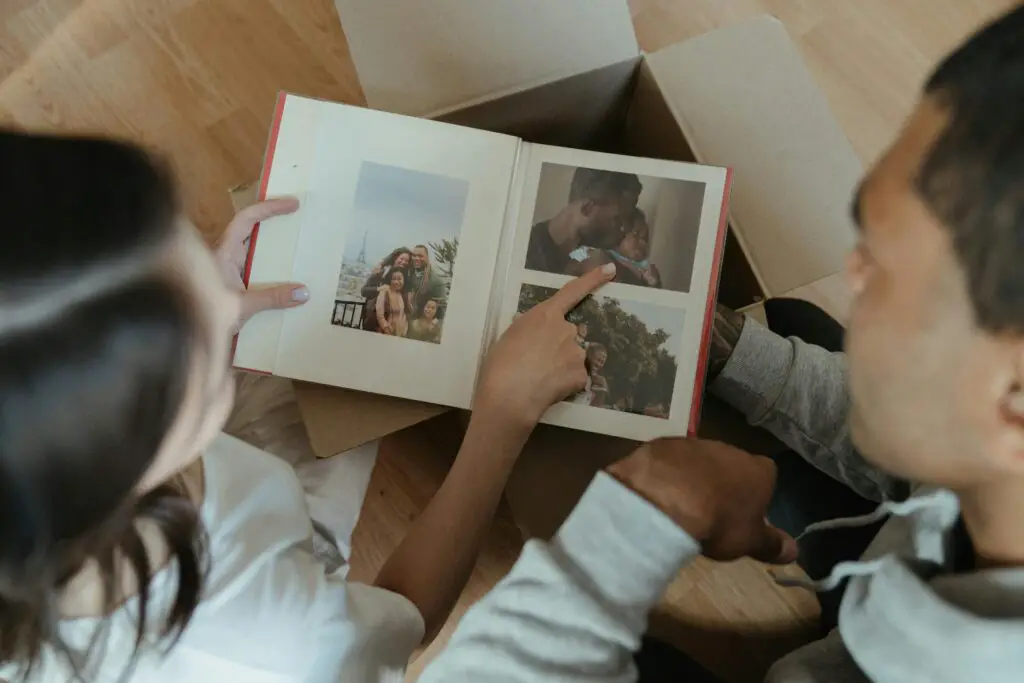
Photo albums are expected, but sometimes the people in them aren’t. Families come across images labeled with names no one recognizes or with no labels at all. Some photos date back to the early 1900s, showing relatives several generations removed. Others include friends, neighbors, or extended family that history simply forgot. Without context, they become small mysteries.
It can be frustrating not knowing who you’re looking at. At the same time, it’s a reminder of how easily people fade from collective memory. Some families try to piece things together through clothing, locations, or handwriting on the back. Others accept that not every story can be recovered. Either way, those albums tend to get saved rather than discarded.
5. Hidden Compartments in Furniture
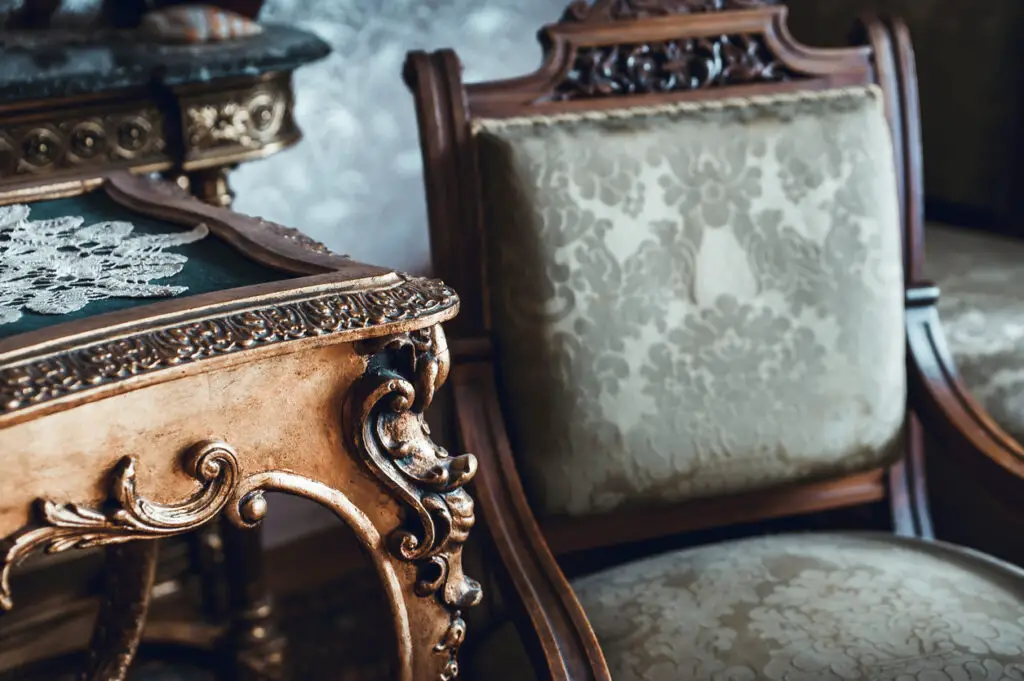
Older furniture sometimes includes secret compartments, especially in desks, cabinets, or trunks. These were often built intentionally for storing valuables or private documents. During cleanouts, people occasionally discover false bottoms or concealed drawers they never knew existed. The items inside can range from documents to small valuables. In some cases, nothing is inside at all, just the surprise of the compartment itself.
The discovery usually happens by accident while moving or dismantling furniture. It adds a layer of intrigue to something that seemed ordinary. Even empty compartments spark curiosity about what might have been stored there. It’s one of those moments where furniture feels more like a puzzle than a household item. And it often leads people to inspect every piece more closely.
6. Old Newspapers Saved for Major Events

Stacks of newspapers sometimes show up during cleanouts, usually saved because of a significant historical moment. People often kept issues covering events like the moon landing or major political developments. These papers were meant to be keepsakes, not clutter. Over time, they just got tucked away and forgotten. The headlines still carry the weight of the moment.
Reading them now feels very different from seeing the same events in history books. The language is immediate and less filtered by hindsight. While most newspapers don’t have high monetary value, they hold strong historical interest. They also reveal what mattered most at the time. It’s a snapshot of how people experienced history in real time.
7. Kitchen Items That Haven’t Been Made in Decades
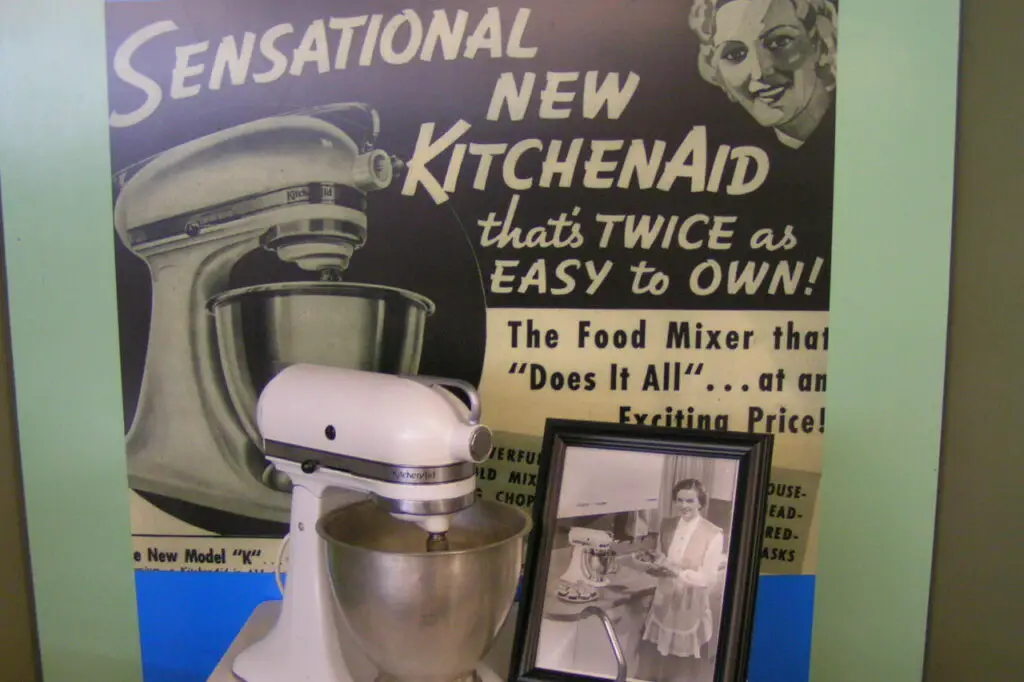
Cleanouts often uncover kitchen tools or appliances that haven’t been produced in years. Things like hand-crank mixers, aluminum ice cube trays, or specialized gadgets from the mid-20th century show up frequently. Some were once considered essential but have since been replaced by modern versions. Others faded out simply because habits changed. They can look unfamiliar even to people who grew up in the same era.
What surprises people is how specific many of these tools are. There’s often a single-purpose device for something that now takes seconds with modern equipment. Even if they’re no longer practical, they reflect how kitchens used to operate. Some people keep them for nostalgia or display. Others are surprised to find collectors still interested in them.
8. Military Medals and Service Records
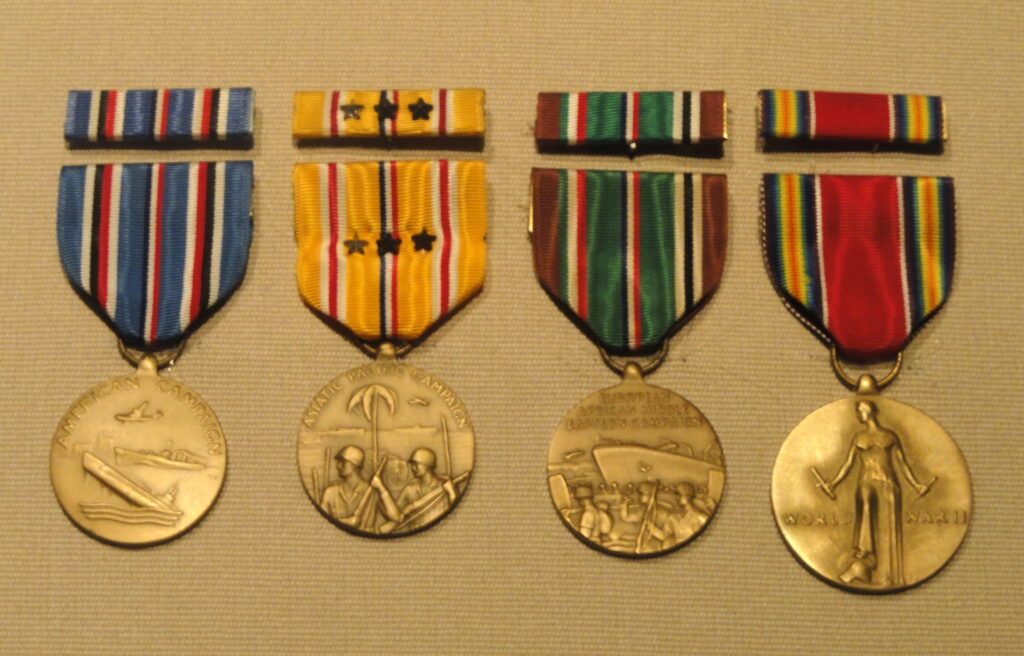
Military-related items are another common but meaningful discovery. Families sometimes find medals, uniforms, or official papers tucked away in drawers or boxes. These items often belonged to relatives who didn’t talk much about their service. The records can include enlistment papers, discharge documents, or commendations. In some cases, the significance of the medals wasn’t fully understood until they were found.
These discoveries can shift how families see their own history. They often lead to research into a relative’s service and experiences. For some, it brings a sense of pride mixed with curiosity. Others feel a responsibility to preserve or properly display the items. It turns a cleanout into something much more reflective.
9. Antique Bottles Buried in Basements
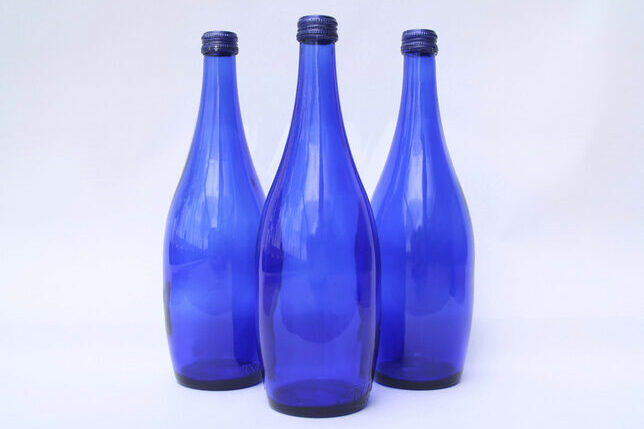
Old glass bottles sometimes turn up in basements or crawl spaces, especially in older homes. These can include medicine bottles, soda bottles, or containers from local businesses that no longer exist. Some date back to the late 1800s or early 1900s. Their shapes, colors, and embossing can make them appealing to collectors. Even broken ones can offer clues about a home’s past.
What makes them interesting is how they ended up there. Some were discarded before modern trash systems existed. Others were intentionally stored and forgotten. Finding them feels a bit like uncovering a small archaeological site. It gives a glimpse into everyday life from another time. And it’s often completely unexpected.
10. Vinyl Records in Near-Perfect Condition
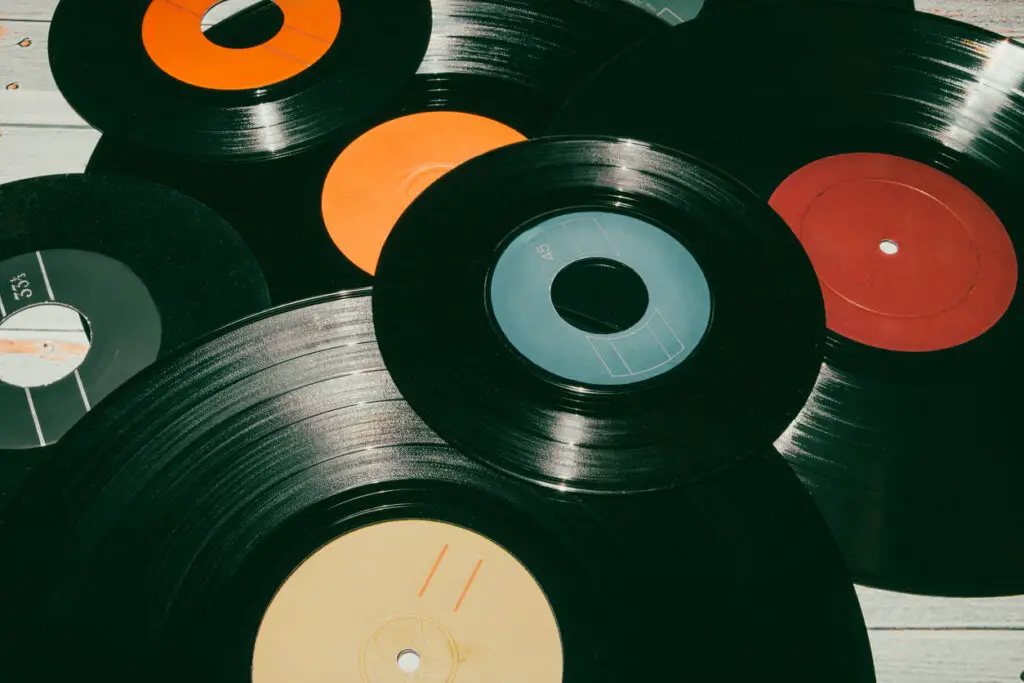
Vinyl records are a frequent find, but the condition can be surprising. Some collections have been stored carefully and remain playable decades later. Albums from well-known artists can still hold value, especially if they include original sleeves. Even lesser-known records can attract interest depending on rarity. Many people didn’t expect vinyl to make a comeback.
Finding them often leads to rediscovering music that hasn’t been heard in years. It also highlights how physical media was once treated as something worth preserving. Some families choose to keep the collection intact. Others sell or donate it, surprised by the renewed interest in records. Either way, it’s rarely just another box of clutter.
11. Handwritten Recipe Cards Passed Down Generations
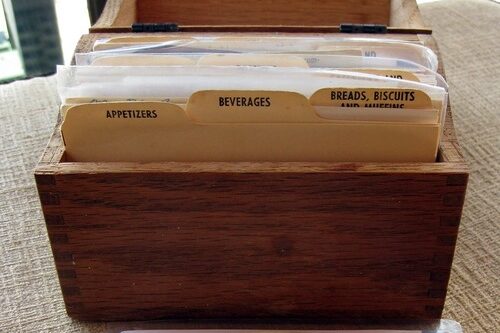
Recipe cards are easy to overlook, but they often carry more meaning than expected. Many families find handwritten recipes tucked into drawers or cookbooks. These cards can date back decades and reflect meals that were once staples in the household. The handwriting alone can make them feel personal. Some include notes, adjustments, or little comments in the margins.
They often become keepsakes rather than something to discard. Even if the recipes aren’t used, they represent a connection to past routines. For some families, they inspire attempts to recreate dishes that haven’t been made in years. Others simply preserve them as part of family history. It’s a quieter kind of discovery, but one that tends to stay with people.
12. Unexpected Collectibles Like Stamps or Coins
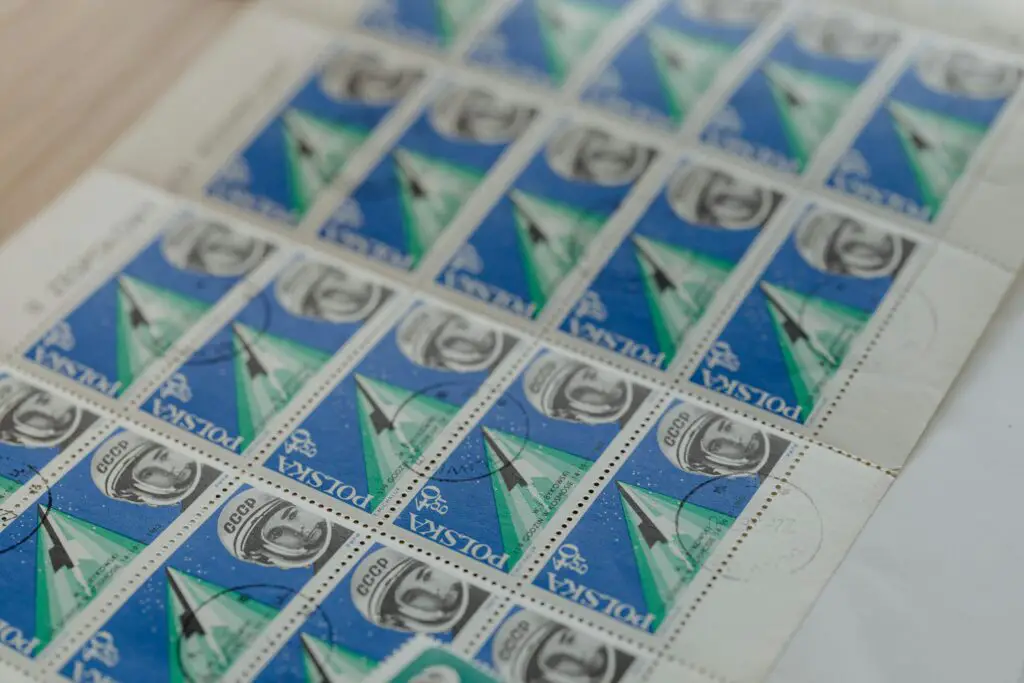
Collections of stamps or coins are sometimes found in drawers, boxes, or albums. These were popular hobbies throughout the 20th century, especially before digital entertainment. Some collections are modest, while others are more extensive and organized. The value varies widely depending on rarity and condition. Many families don’t realize what they have until they take a closer look.
Even when the financial value is low, the effort behind the collection is noticeable. It reflects time, patience, and a specific kind of interest that was once more common. Some people choose to continue the collection, while others sell or donate it. Either way, it’s rarely something anyone expected to find. It adds another layer to understanding the person who kept it.
13. Clothing from Another Era Still Preserved
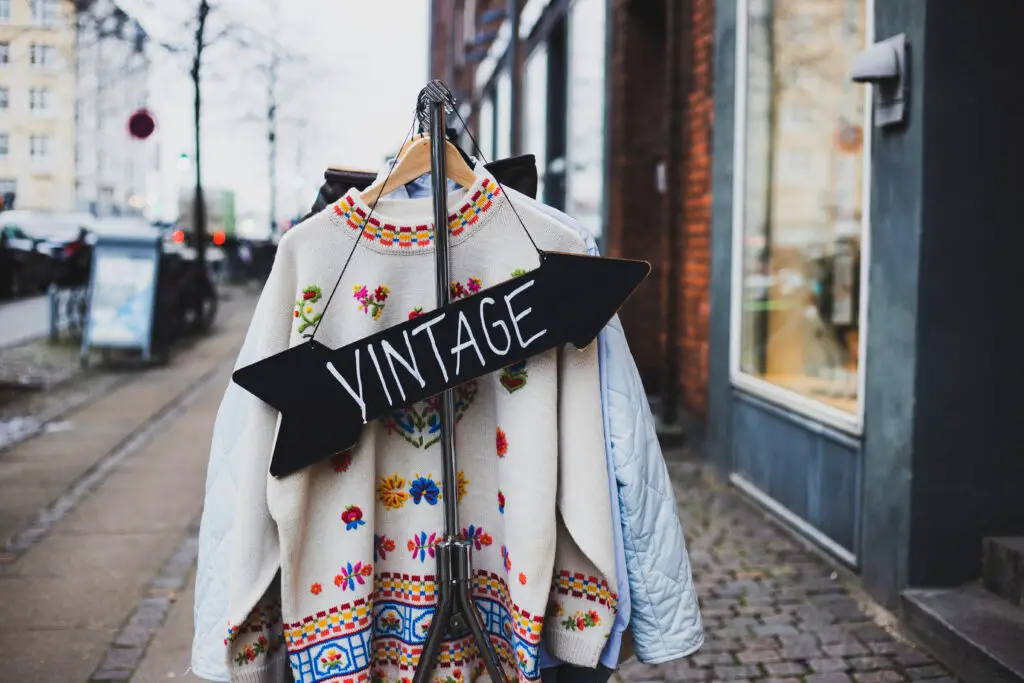
Closets and storage trunks sometimes hold clothing that’s been untouched for decades. This can include formal wear, uniforms, or everyday outfits from past decades. Fabrics, styles, and sizing often look very different from what people are used to now. Some pieces are handmade, which adds another level of detail. In certain cases, the clothing has been carefully preserved.
Trying it on or even just handling it can feel surreal. It brings a physical sense of the past that photos alone don’t provide. Some items are donated to theaters or collectors. Others stay within the family as keepsakes. It’s one of the more tangible ways to connect with another time. And it often sparks conversations that wouldn’t happen otherwise.
14. Old Electronics That Still Work
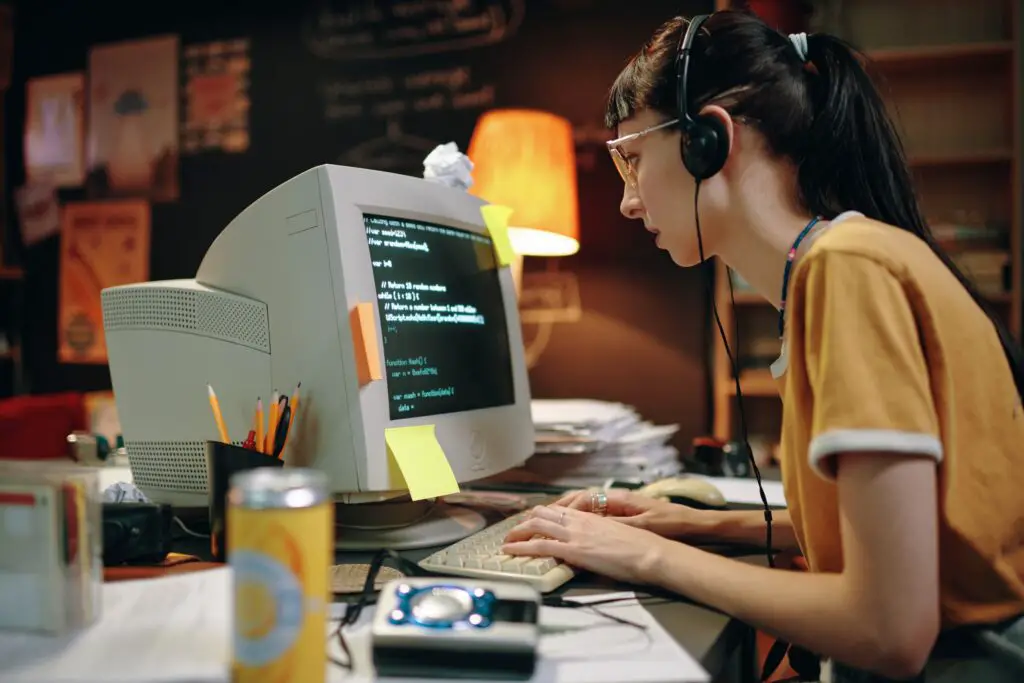
Vintage electronics sometimes show up during cleanouts, and occasionally they still function. Items like rotary phones, early radios, or cassette players are common finds. Some were built with durable materials that allowed them to last longer than expected. While they may not be practical today, they often still power on. That alone surprises people.
There’s something satisfying about seeing older technology still operate. It highlights how differently things were made. Some people keep them for display or nostalgia. Others test them out just to see what still works. It turns a forgotten object into something briefly useful again. And it often leads to conversations about how much technology has changed.
15. Personal Journals That Were Never Meant to Be Read

Journals are one of the most private items people find during cleanouts. Many were never intended for anyone else to read, which makes their discovery complicated. They can contain daily thoughts, struggles, or detailed accounts of life events. Some go back years or even decades. The writing often feels unfiltered and immediate.
Families have to decide what to do with them carefully. Reading them can provide insight, but it can also feel intrusive. Some choose to preserve them without reading too deeply. Others see them as an important part of family history. There’s no single right approach. It’s one of the few finds that comes with an emotional decision attached.