
1. Shopping Malls
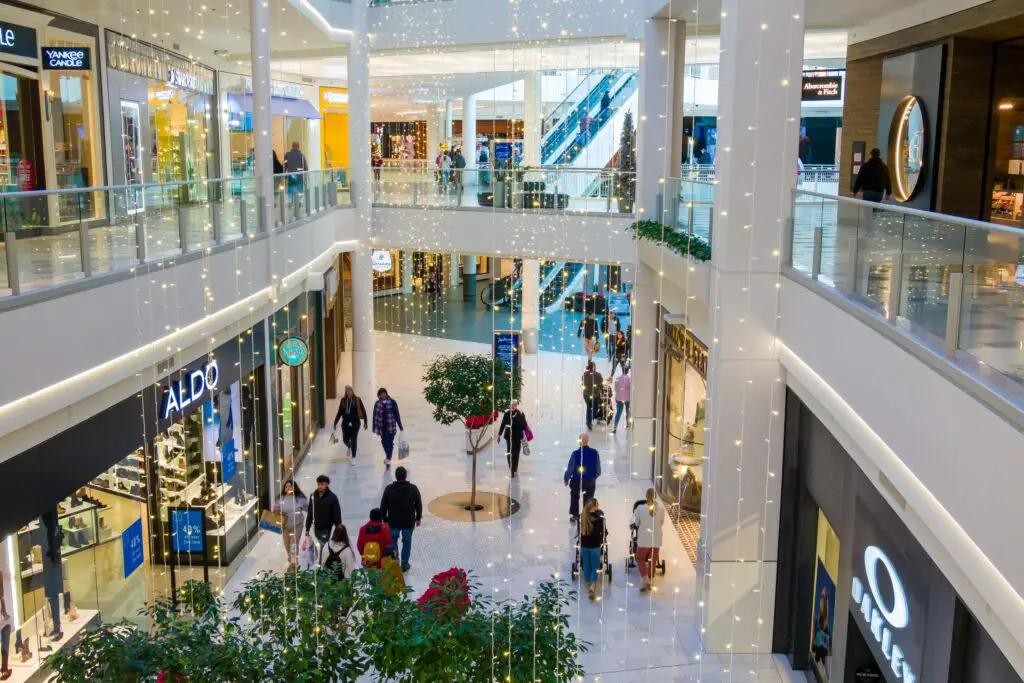
For a long stretch from the ’70s through the early 2000s, the mall wasn’t just a place to shop, it was where everything happened. Teenagers met there after school, families spent entire Saturdays wandering from store to store, and holidays felt incomplete without a crowded trip through decorated corridors. Anchor stores like Sears and JCPenney drew people in, while food courts and arcades kept them lingering longer than they planned. You could get a haircut, buy a cassette, grab lunch, and run into half your town all in one visit. It felt like a shared living room for the community.
Then online shopping changed the equation. As stores began closing and foot traffic declined, many malls struggled to justify their size and upkeep. Some were redeveloped, while others were left partially empty, with shuttered storefronts and quiet hallways. The energy that once made them feel central just faded. Today, even thriving malls rarely capture that same sense of being the place to be.
2. Video Rental Stores
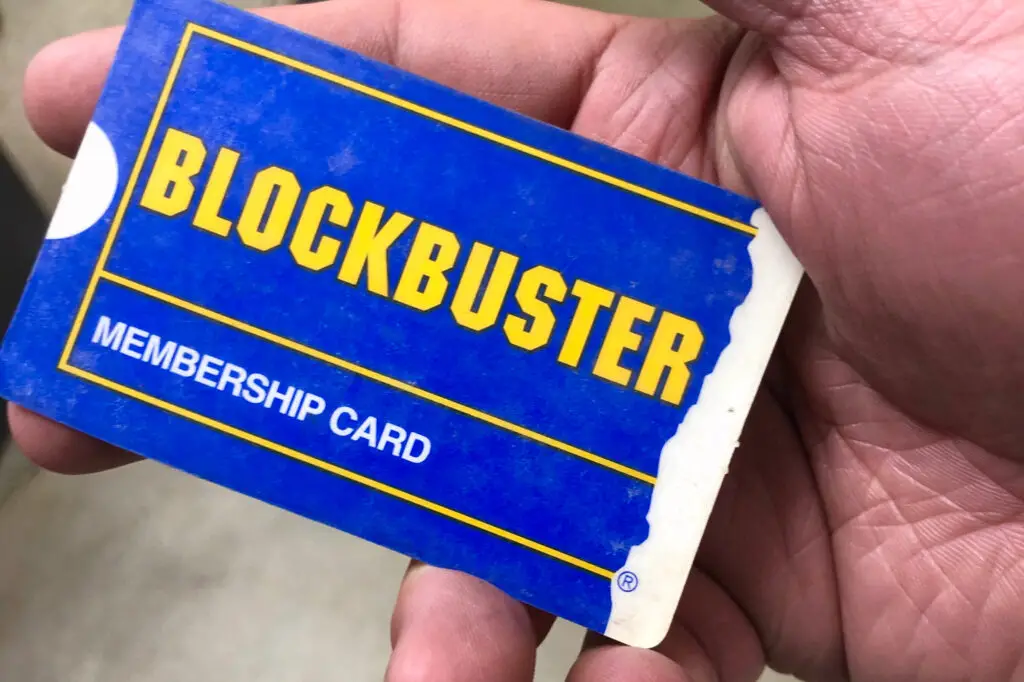
Before streaming, picking out a movie meant physically going somewhere and hoping your choice was still in stock. Video rental stores like Blockbuster became weekend rituals, especially on Friday nights when new releases hit the shelves. People wandered aisles reading box summaries, debating options, and grabbing snacks on the way to the counter. There was a small thrill in finding the last available copy of a popular title. It was social in a way streaming never quite replicated.
The decline came quickly once DVDs gave way to digital access. Services like Netflix shifted from mail delivery to streaming, removing the need to leave home entirely. Late fees disappeared, convenience took over, and the store experience lost its purpose. Most locations closed by the mid 2010s. What remains is mostly nostalgia and the occasional independent shop.
3. Drive-In Theaters
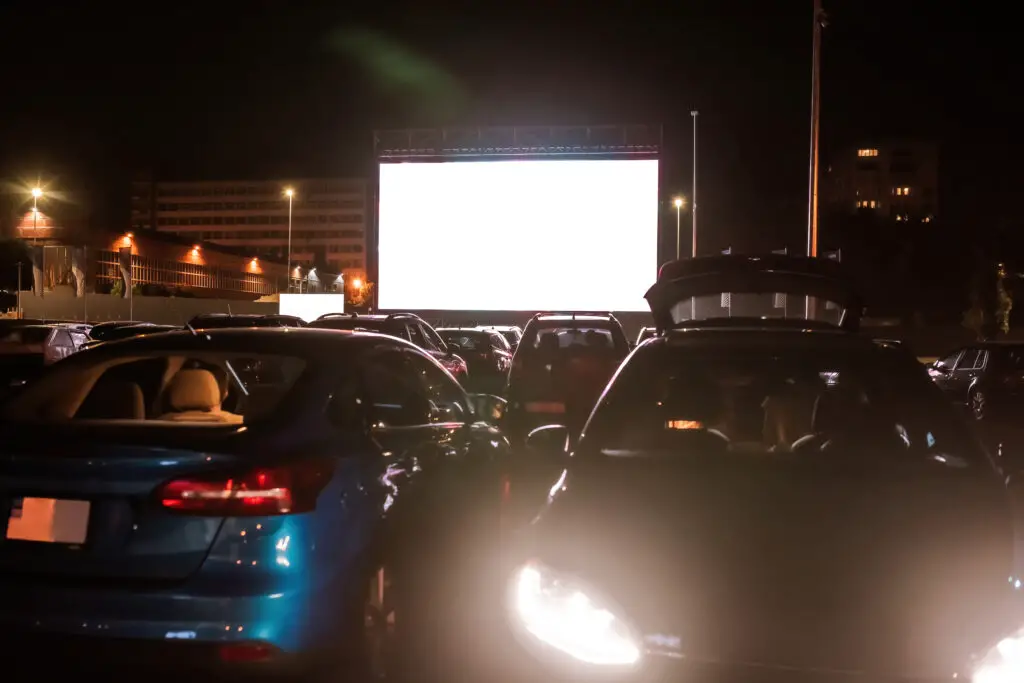
Drive-in theaters once felt like a perfect blend of entertainment and freedom. Families packed into cars with blankets and snacks, while couples treated it like a low pressure night out. You could talk, laugh, and watch a movie without the strict rules of indoor theaters. In the ’50s and ’60s especially, they became a cultural staple across the United States. At their peak, there were thousands operating nationwide.
Their decline was tied to rising land values and changing habits. The large plots of land became more valuable for development than for showing films. At the same time, indoor multiplexes offered clearer sound and year round operation. Many drive-ins closed by the ’80s and ’90s. A few still operate today, but they feel more like a novelty than a central gathering place.
4. Downtown Main Streets
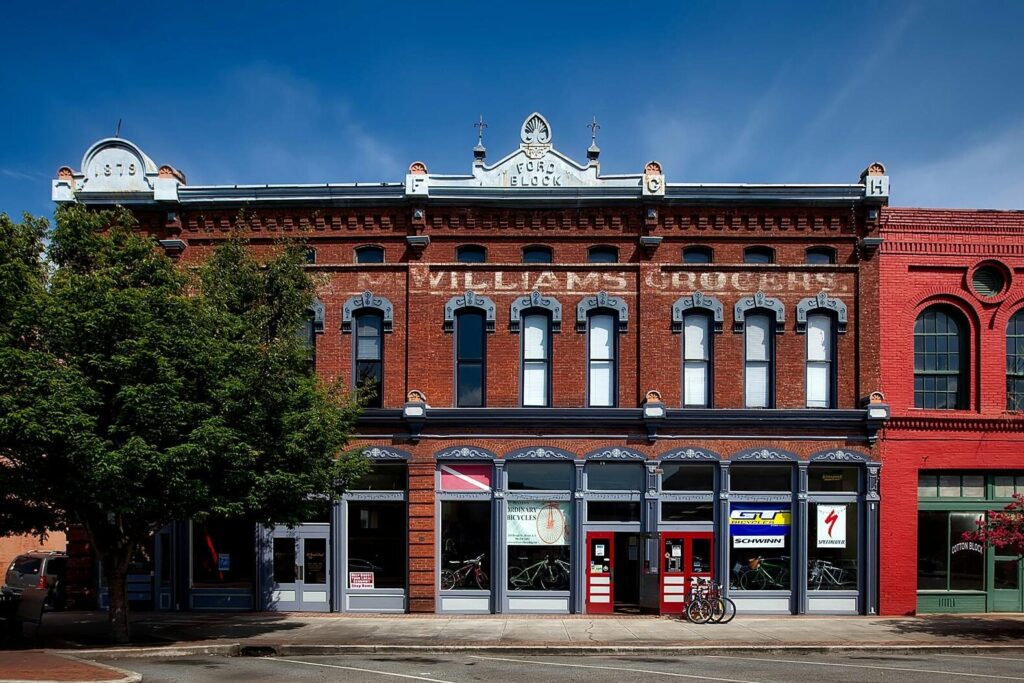
In many towns, Main Street used to be the heartbeat of daily life. Local shops, diners, and theaters lined the streets, and people knew the owners by name. It was where you went for errands, but also where you ran into neighbors and caught up on local news. Seasonal events like parades and holiday markets reinforced that sense of community. Everything felt concentrated and personal.
The rise of suburban shopping centers and big box stores shifted activity away from these areas. As businesses relocated or closed, many downtowns lost their foot traffic and energy. Some have since been revitalized, but others still struggle to regain what they once had. The sense of being the center of everything is harder to recreate once it’s gone. It depended on habits as much as geography.
5. Arcades
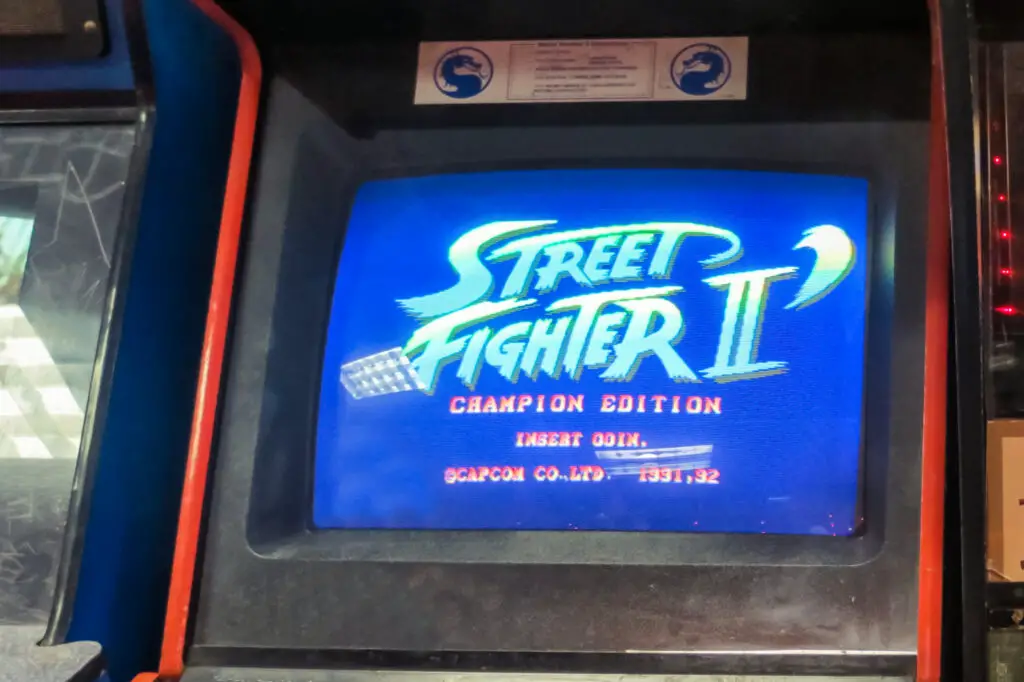
Arcades were once packed with flashing lights, loud music, and lines of kids waiting for their turn. Games like Pac-Man and Street Fighter turned these spaces into competitive hubs where skill actually mattered. You could spend hours there with a pocket full of quarters and never get bored. High score boards gave regulars a reason to keep coming back. It was one of the few places where strangers connected over shared interests.
Home gaming systems gradually pulled that experience into living rooms. As consoles became more powerful, the need to visit an arcade diminished. By the late ’90s and early 2000s, many arcades had closed or shifted toward ticket redemption games. The culture changed along with the business model. What was once a central hangout became more of a niche experience.
6. Roller Rinks
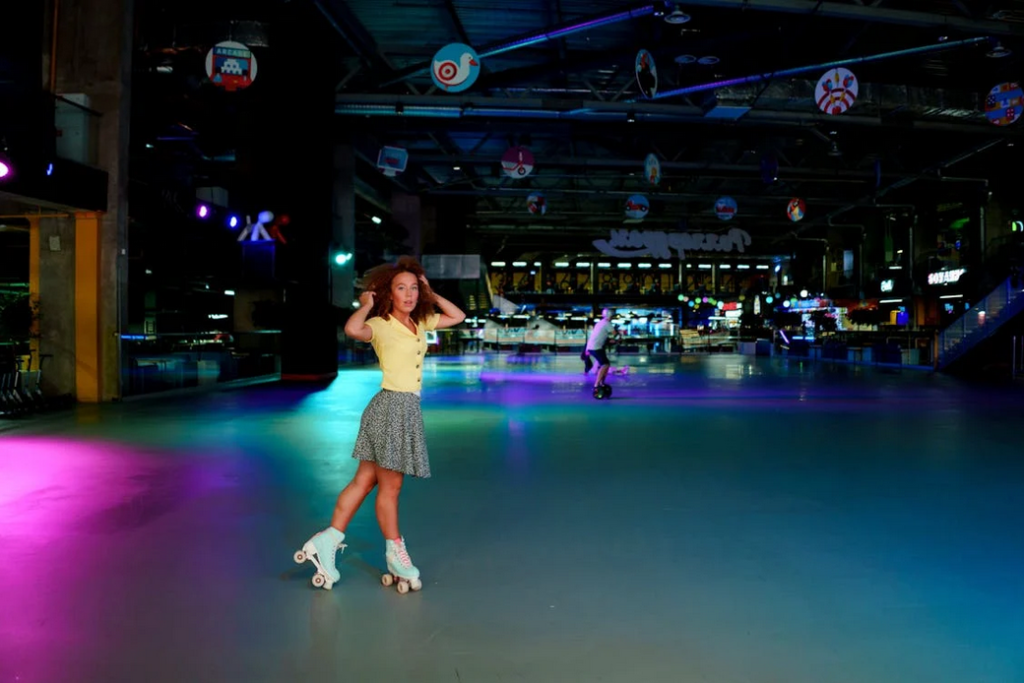
Roller rinks were a staple for birthday parties, school events, and weekend outings. The music, the lights, and the rhythm of skating created a kind of shared experience that felt both active and social. Couples skated during slow songs, while groups of friends circled the floor laughing and showing off. It was one of those places where age groups overlapped naturally. For many kids, it was a first taste of independence.
Interest began to fade as other entertainment options grew. Video games, cable TV, and later the internet competed for attention. Some rinks closed, while others adapted by hosting themed nights or switching to inline skating. Even so, the crowds thinned compared to their peak years. The sense of being a central gathering spot just wasn’t the same.
7. Bowling Alleys
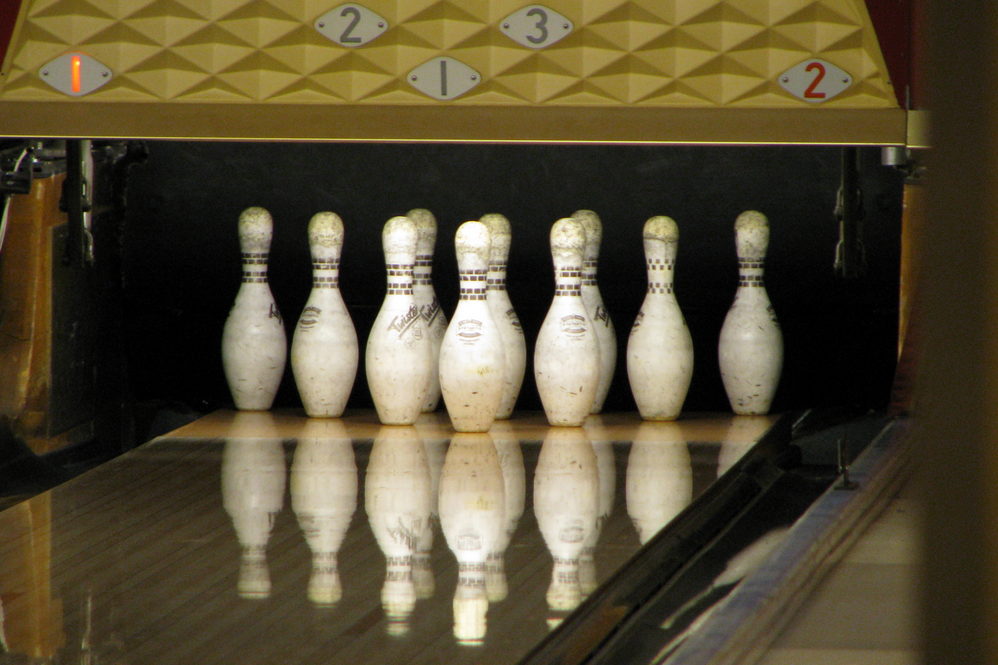
Bowling alleys used to be deeply embedded in American social life. Leagues brought together coworkers, friends, and families on a regular schedule. It wasn’t just about the game, it was about the routine and the people. Snack bars, jukeboxes, and casual competition made it feel like a full evening out. In many towns, it was one of the most consistent social anchors.
Over time, league participation declined as lifestyles became busier and more fragmented. Entertainment options expanded, and fewer people committed to weekly schedules. Some alleys closed, while others reinvented themselves with upscale features and nightlife elements. Bowling still exists, but the culture around it has shifted. It no longer feels like a default gathering place.
8. Record Stores
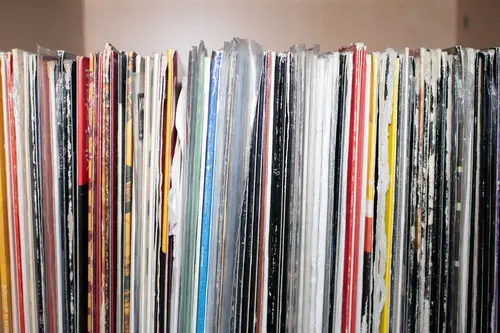
Record stores were once essential for discovering new music. People browsed albums, asked employees for recommendations, and listened at in-store stations. It was a tactile experience that made music feel more personal. Releases were events, and fans often lined up to get new records on the day they dropped. The store itself became part of the music culture.
Digital downloads and streaming changed how people access music. Convenience replaced the need to browse physical shelves. Many record stores closed in the late ’90s and early 2000s as sales declined. Vinyl has seen a resurgence, but the role of record stores is different now. They are more niche than central.
9. Local Diners
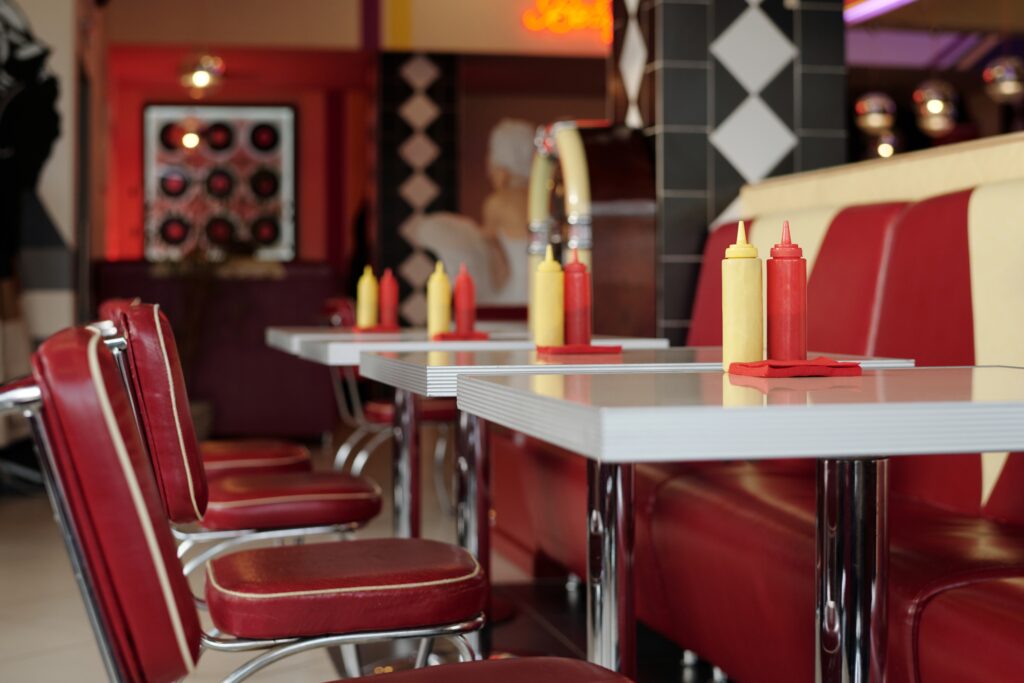
Local diners used to function as informal community centers. Regulars had their usual booths, and servers often knew customers by name. It was where people met for breakfast, discussed local news, and lingered over coffee. The atmosphere was consistent and familiar, no matter the time of day. In many places, it felt like an extension of home.
Chain restaurants and fast casual options gradually took some of that traffic. Changing schedules also meant fewer people had time to sit and linger. Some diners closed, while others held on through loyal customer bases. Those that remain still carry that sense of familiarity. But they are less dominant than they once were.
10. Public Payphone Areas

There was a time when payphones were a necessary part of daily life. People relied on them to check in, make plans, or handle emergencies while away from home. Clusters of payphones in busy areas became small hubs of activity. You often had to wait your turn, which made quick conversations feel more urgent. It was a simple but essential system.
Cell phones made them obsolete almost overnight. As mobile access became widespread in the early 2000s, payphone usage dropped sharply. Maintenance costs outweighed their usefulness, and most were removed. Today, finding one is rare. What was once essential has become almost completely forgotten.
11. Movie Theater Lobbies
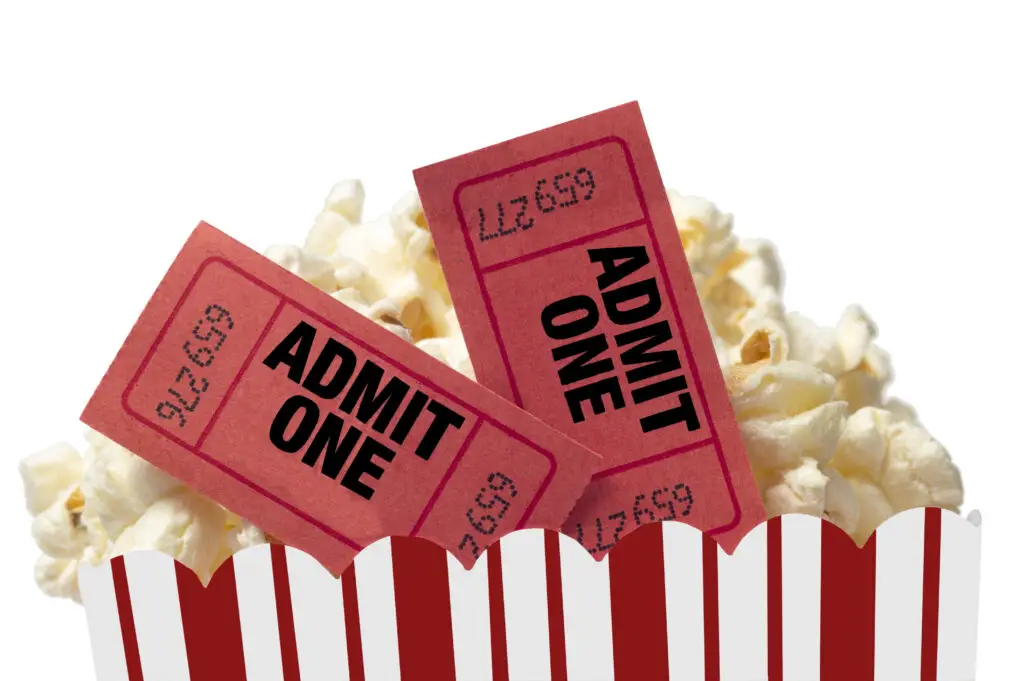
Movie theater lobbies used to feel like a destination in themselves. Large crowds gathered before showtimes, buying tickets at the counter and waiting in anticipation. Concession stands were busy, and the atmosphere had a sense of occasion. It felt like a shared experience before the movie even started. For big releases, the energy was hard to miss.
Online ticketing and reserved seating changed that flow. People now arrive closer to showtime and skip much of the waiting. Streaming has also reduced overall attendance in some areas. While theaters still draw crowds for major films, the lobby experience is less central. It’s more functional than social.
12. Community Centers

Community centers once hosted everything from classes to dances to town meetings. They were designed to bring people together in a structured but welcoming environment. Kids took lessons there, adults joined clubs, and families attended local events. It was a place where different parts of the community overlapped. The programming gave people a reason to return regularly.
Budget cuts and shifting interests have reduced activity in some areas. Private gyms and specialized venues have taken over certain functions. Some community centers remain active, but others operate at a lower capacity. The idea of a single space serving everyone is harder to sustain. Its role has become more fragmented.
13. Newsstands

Newsstands once played a key role in how people stayed informed. They offered newspapers, magazines, and specialty publications all in one place. Morning routines often included stopping by to pick up the latest edition. It was also a place to browse headlines and discover new topics. The physical presence of news felt immediate and accessible.
Digital media transformed that entire process. News is now available instantly on phones and computers, reducing the need for print distribution points. Many newsstands closed as sales declined. A few still exist in major cities, but they are no longer central to daily life. The habit of stopping for news has largely disappeared.