
1. Clapper Light Switch

The Clapper felt like something straight out of the future when it hit TV commercials in the mid ’80s. You could sit on your couch, clap your hands, and turn your lights on or off without moving an inch. It sounded simple, and honestly, kind of magical at the time. But in real life, it didn’t take much to set it off accidentally. A loud TV scene, a slammed door, or even someone laughing could trigger your lights without warning.
People quickly realized that convenience came with a lot of unintended chaos. Late at night, it could be especially annoying when the lights flipped on unexpectedly. It also struggled with consistency, sometimes ignoring claps altogether. Instead of feeling like a smart solution, it often felt like something you had to work around. Over time, more reliable smart home tech made it feel like a novelty rather than a necessity.
2. Juicero
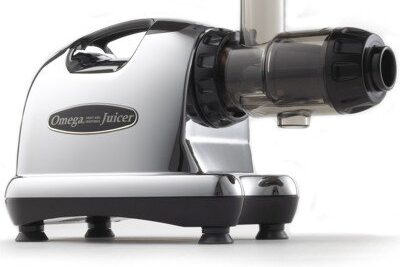
The Juicero launched in the 2010s with a sleek design and a promise to make fresh juice easier than ever. It used pre-packaged produce packs that the machine would press into juice with high pressure. The catch was the machine cost hundreds of dollars, and the refill packs added ongoing expense. It positioned itself as a premium, tech-forward kitchen appliance.
Then people discovered you could squeeze the juice packs by hand just as effectively. That revelation spread quickly and undermined the entire product. It turned what was marketed as cutting-edge into something that felt unnecessary. The company faced intense backlash and ultimately shut down. Instead of convenience, it became a widely cited example of overengineering.
3. Segway Personal Transporter
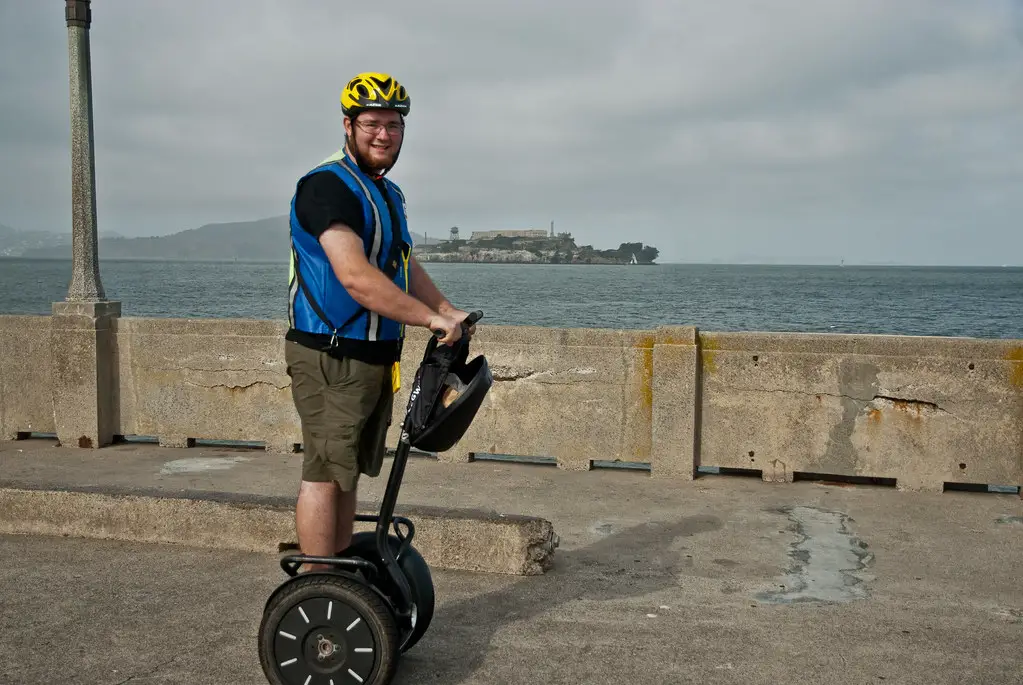
When the Segway debuted in 2001, it was hyped as a revolutionary way to get around cities. Its self-balancing design and futuristic look suggested it might replace walking for short distances. Early media coverage treated it like a major technological leap. But once people actually started using it, limitations became clear.
It was expensive, bulky, and not always practical in crowded areas. Many cities also restricted where it could be used, which reduced its usefulness even more. For most people, walking or biking was still easier. The Segway found niche uses, like tours and security, but never became mainstream transportation. The promise of everyday convenience never really materialized.
4. Google Glass
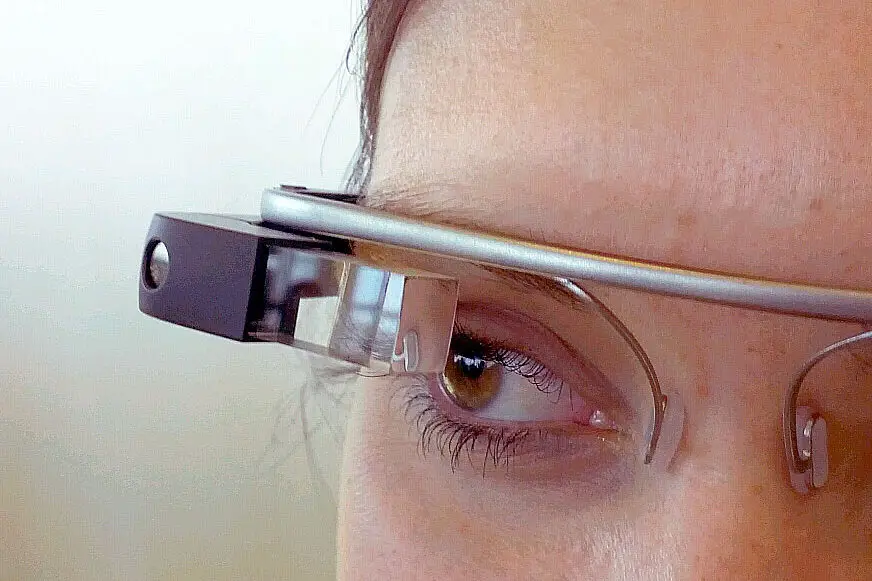
Google Glass arrived with a bold vision of hands-free computing right in your line of sight. You could take photos, get directions, and check notifications without pulling out a phone. On paper, it sounded like the next step in personal tech. Early adopters were excited to try something that felt straight out of science fiction.
In practice, it raised privacy concerns almost immediately. People were uncomfortable being recorded without knowing it, which led to backlash in public spaces. The design also made wearers stand out in ways that felt awkward socially. Battery life and functionality didn’t fully live up to expectations either. It eventually faded from the consumer market, showing that convenience has to align with social acceptance.
5. Microsoft Zune
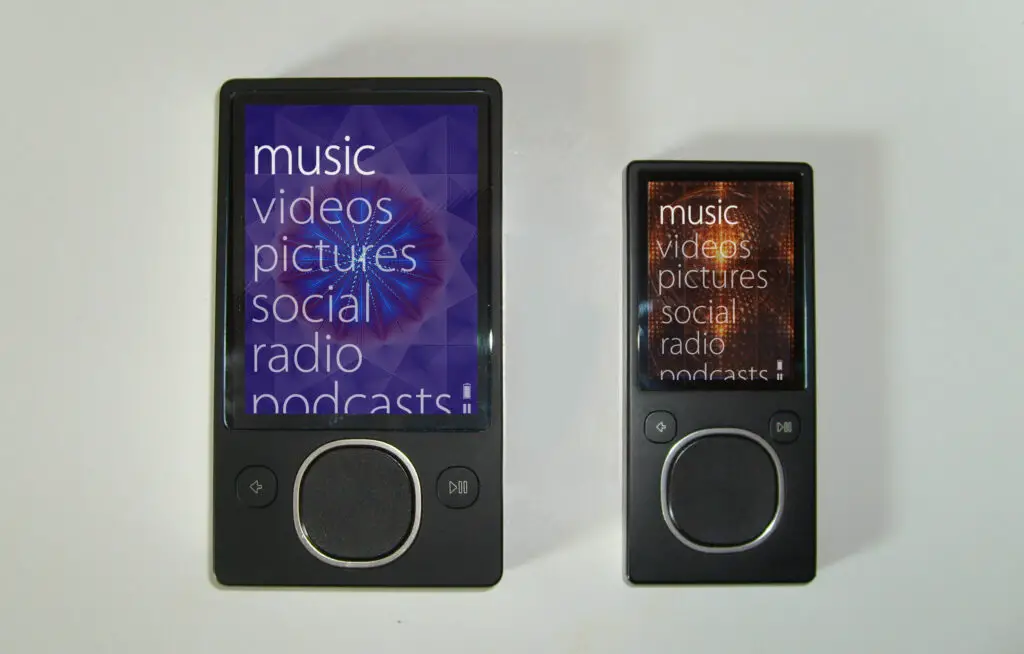
Microsoft Zune was introduced as a serious competitor to Apple’s iPod in 2006. It had a clean interface, solid sound quality, and even some unique social sharing features. Microsoft positioned it as more than just a music player. It aimed to build a whole ecosystem around it.
But it arrived late to a market already dominated by Apple. The iPod had strong brand loyalty and a massive iTunes library backing it up. Zune struggled to differentiate itself enough to win people over. Even though it wasn’t a bad device, it never felt essential. Eventually, Microsoft discontinued it, and it became more of a “what could have been” story.
6. Apple Newton
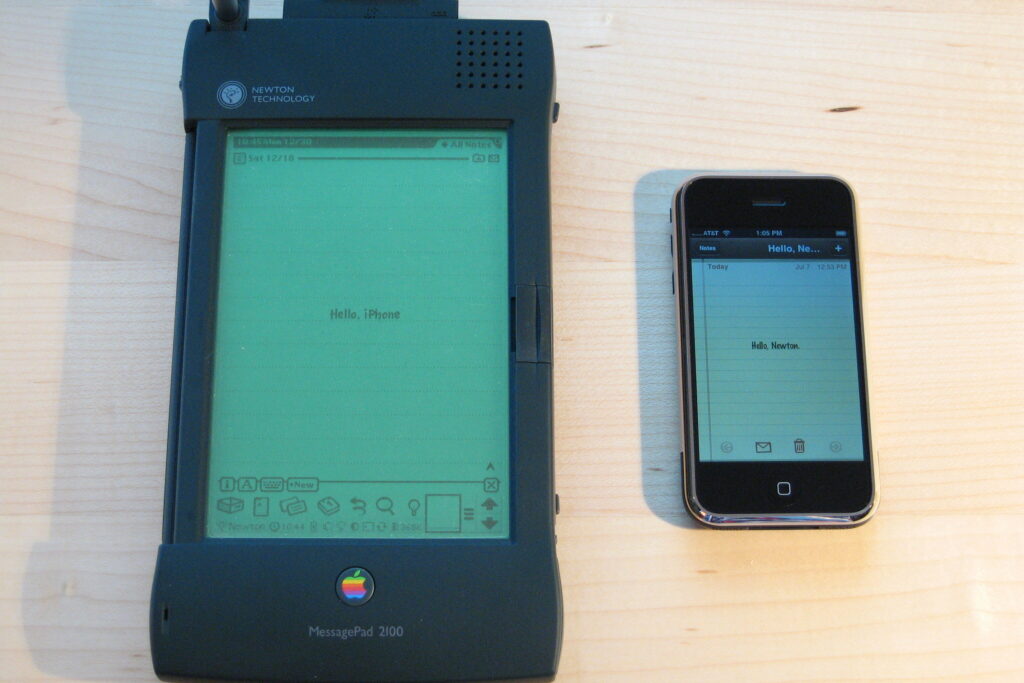
Apple Newton was one of the earliest attempts at a personal digital assistant in the ’90s. It offered note-taking, scheduling, and even handwriting recognition, which sounded incredibly advanced at the time. Apple marketed it as a glimpse into the future of mobile computing. Expectations were high for what it could do.
The problem was the technology wasn’t quite ready yet. Its handwriting recognition became the subject of jokes because it often misunderstood what users wrote. It was also expensive and somewhat bulky for a portable device. While it introduced important ideas, it didn’t deliver a smooth experience. Later devices would succeed where the Newton struggled.
7. Sony MiniDisc Player
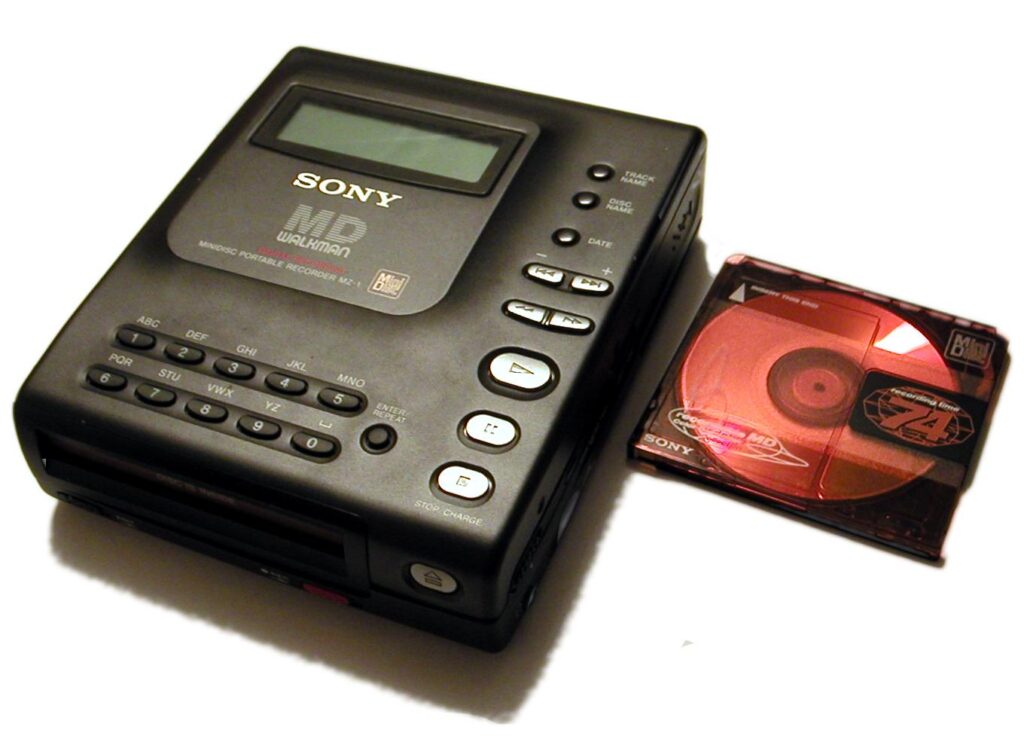
MiniDisc players were meant to replace CDs with a more durable and portable format. They allowed users to record music and skip tracks easily without worrying about scratches. For a moment, they seemed like a smart evolution in audio tech. Sony invested heavily in promoting the format.
However, they arrived just as digital music files were beginning to take off. MP3 players offered more flexibility without the need for physical media. MiniDiscs required specific hardware and never became widely adopted outside certain markets like Japan. For many consumers, it felt like an extra step rather than a simplification. The convenience just wasn’t compelling enough.
8. Palm Pilot
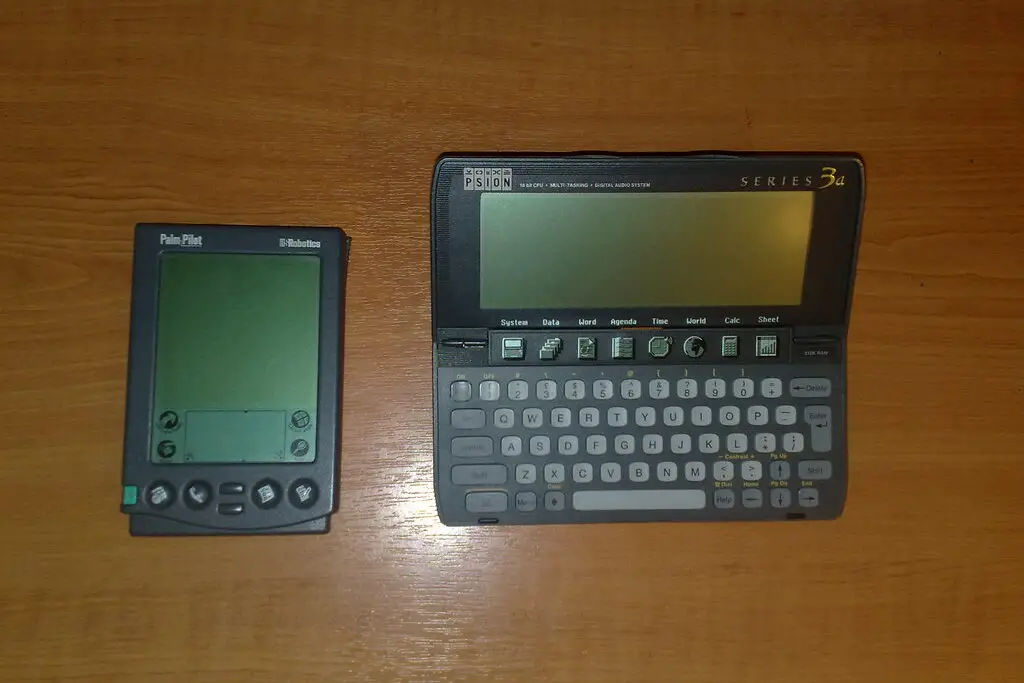
Palm Pilot was once a staple for professionals who wanted to keep their schedules organized digitally. It handled contacts, calendars, and notes in a compact device. At the time, it genuinely felt useful and forward-thinking. It helped define what mobile productivity could look like.
But as smartphones evolved, the Palm Pilot quickly became redundant. Carrying a separate device for tasks your phone could handle didn’t make sense anymore. It also required syncing with a computer, which added friction. What once felt like convenience eventually felt like extra work. The rise of all-in-one devices made it obsolete.
9. DVD Rewinder
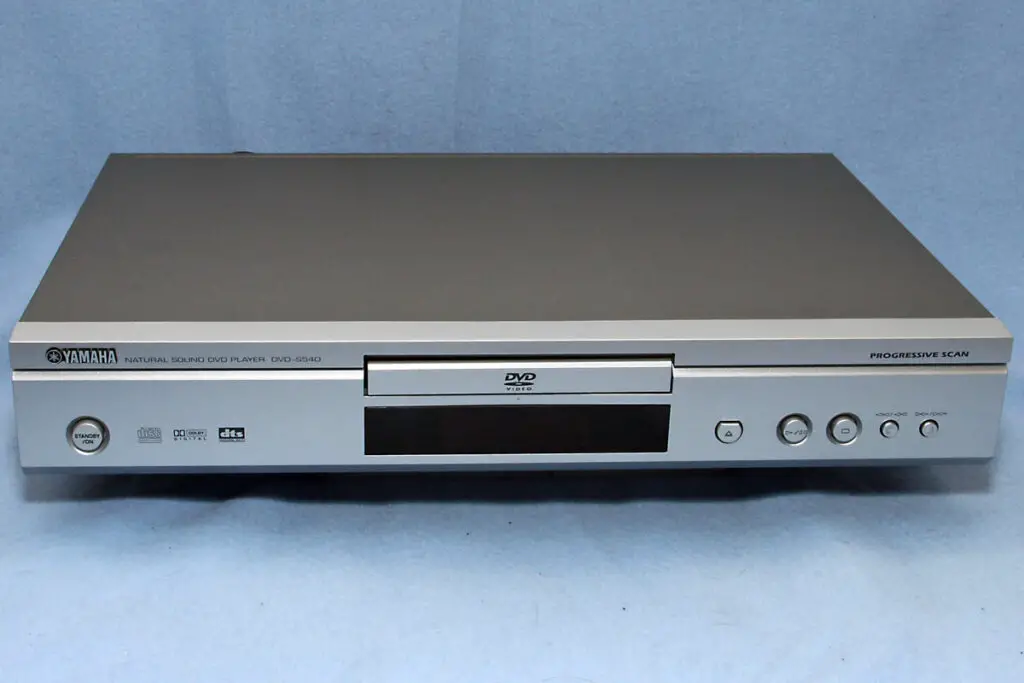
The DVD rewinder might sound unnecessary now, and that’s because it mostly was. It was inspired by VHS rewinders, which actually served a purpose for tapes. Some companies tried to apply the same idea to DVDs, marketing it as a way to “reset” your discs. The concept suggested better playback or maintenance.
In reality, DVDs didn’t need rewinding at all. The product solved a problem that didn’t exist. It ended up confusing more people than it helped. Most users quickly ignored it once they realized it offered no real benefit. It became one of those odd gadgets people remember but rarely used.
10. CueCat Scanner
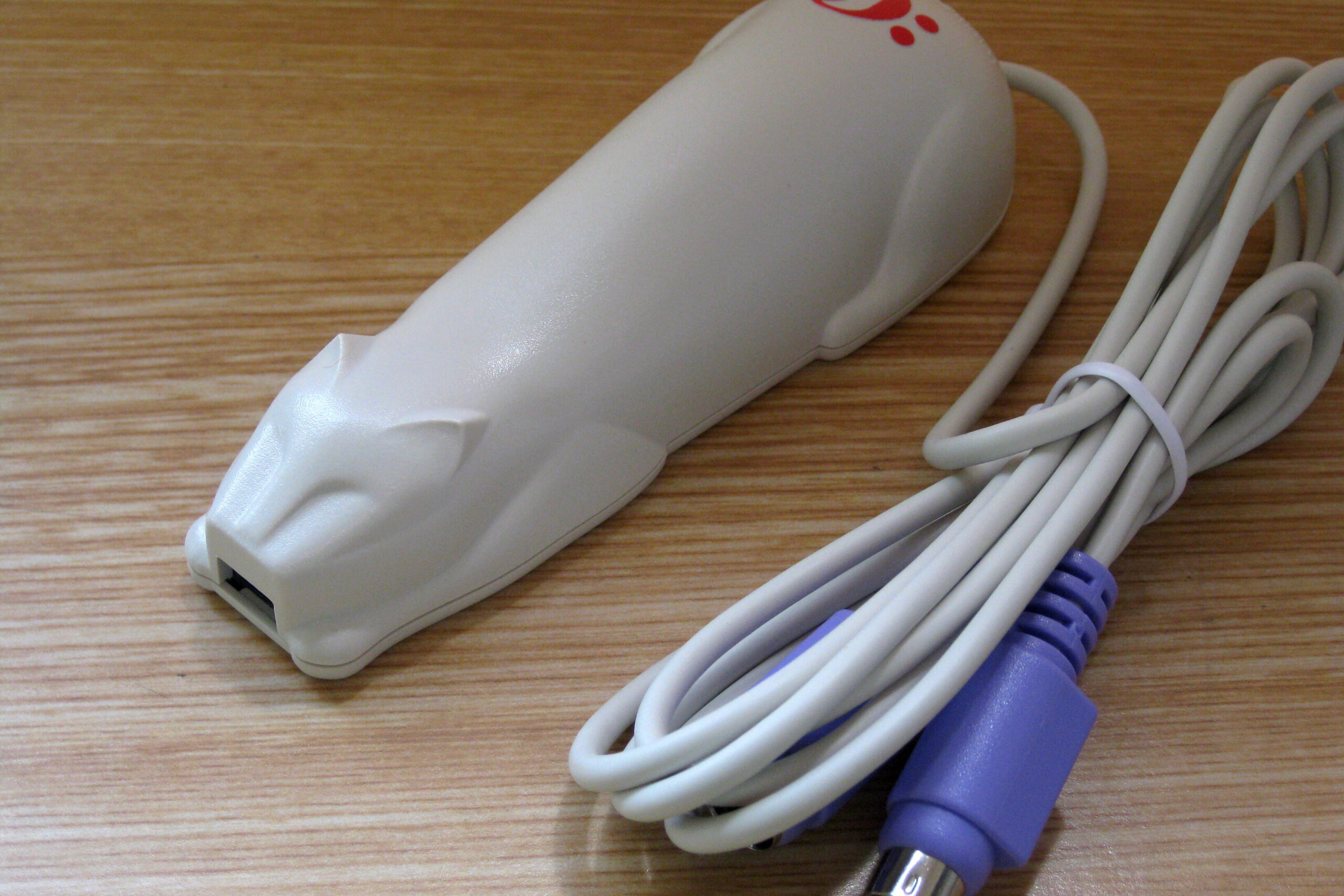
The CueCat was introduced around 2000 as a way to scan special barcodes in magazines and jump directly to websites. It plugged into your computer and worked alongside print media. The idea was to bridge the gap between offline and online content. It sounded innovative during the early internet boom.
But it required users to physically scan codes instead of just typing a URL. That extra step made it less convenient, not more. Privacy concerns also emerged because of how it tracked usage. Adoption never reached a meaningful level. It quietly disappeared as simpler browsing habits took over.
11. Amazon Fire Phone
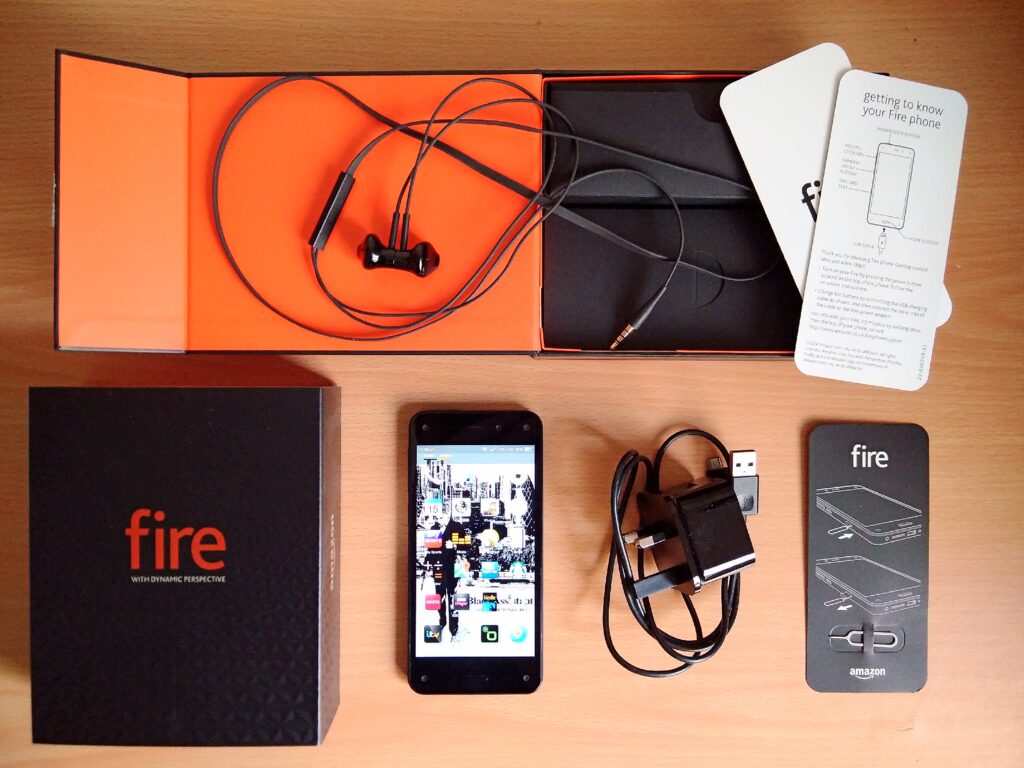
Amazon Fire Phone launched in 2014 with features like dynamic perspective and quick product scanning. Amazon positioned it as a new kind of smartphone experience. It integrated deeply with the company’s shopping ecosystem. The hardware itself wasn’t necessarily poor.
However, it lacked strong app support compared to competitors. The interface changes didn’t offer enough real-world benefit to justify switching. It also launched at a relatively high price point. Consumers didn’t see enough value in its unique features. The device was discontinued within a year, making it a short-lived experiment.
12. Smell-O-Vision
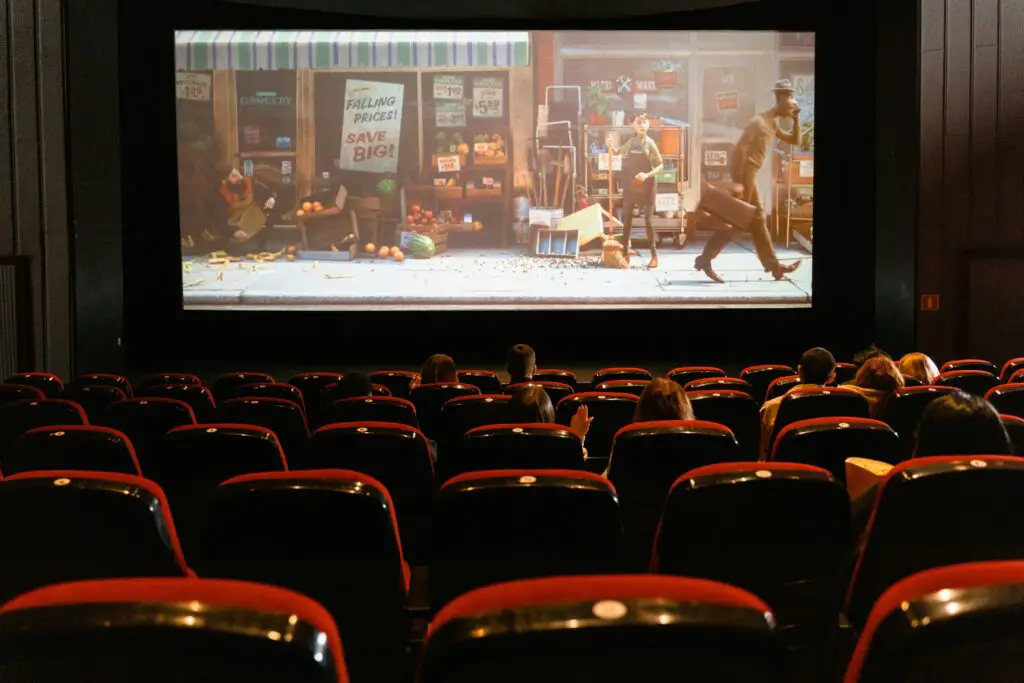
Smell-O-Vision was introduced in the ’60s as a way to add scents to movie theaters. The idea was to enhance immersion by syncing smells with scenes on screen. It was marketed as a groundbreaking cinematic experience. Audiences were curious to see how it would work.
In practice, it was inconsistent and distracting. Timing issues meant smells didn’t always match the action. Some scents lingered longer than intended, creating an odd mix in the theater. Instead of enhancing the experience, it often pulled people out of it. The concept faded quickly after limited use.
13. Bluetooth Earpieces (Early Models)
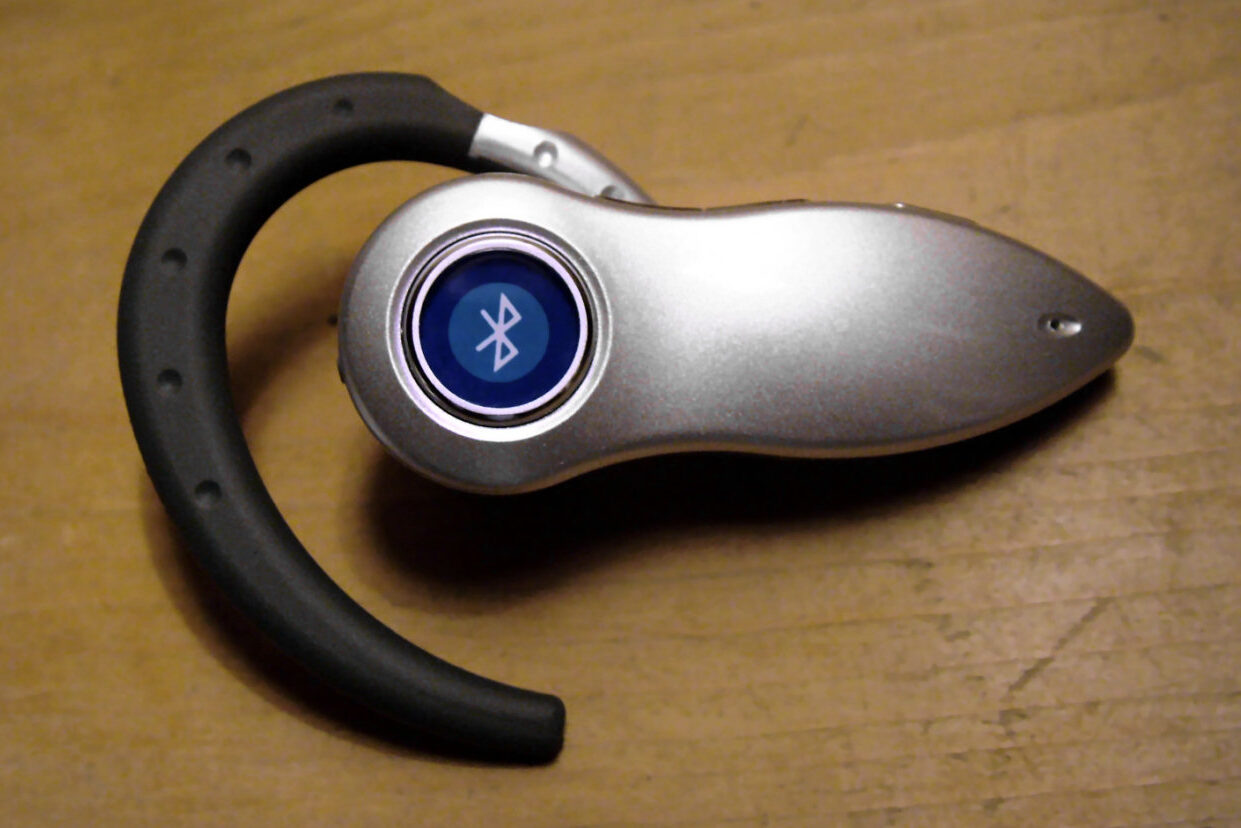
Early Bluetooth earpieces promised hands-free calling that felt futuristic in the early 2000s. You could walk around talking without holding a phone, which seemed incredibly convenient. They became especially popular among business users. For a while, they were seen as a symbol of productivity.
But they often had poor audio quality and unreliable connections. Many people also found them uncomfortable for long periods. Socially, they created awkward moments when others couldn’t tell if someone was on a call. Over time, they gained a bit of a reputation for being more distracting than helpful. Newer wireless earbuds improved the concept significantly.
14. Polaroid PoGo Printer
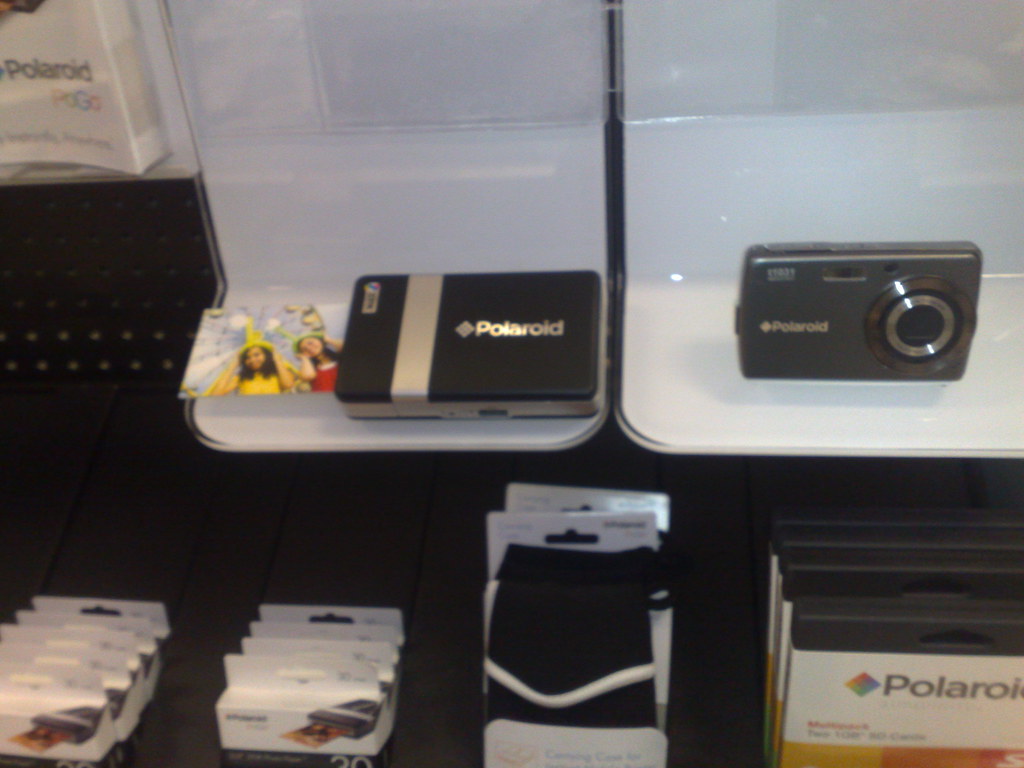
Polaroid PoGo was designed to let you print photos instantly from your phone without ink cartridges. It used special ZINK paper and fit in the palm of your hand. The idea tapped into nostalgia for instant photography while adding digital convenience. It sounded like the best of both worlds.
The problem was print quality didn’t always meet expectations. Colors could look off, and images often lacked sharpness. The cost of special paper also added up over time. For many users, it felt easier to just keep photos on their phones. While it had a niche appeal, it never became a must-have gadget.