
1. Kids Riding in the Back of Pickup Trucks

There was a time when piling into the back of a pickup truck felt like part of the adventure, especially on summer road trips or drives to the lake. Parents would toss in blankets, a cooler, and a few kids, and off everyone went without much concern. It wasn’t unusual to see entire families riding this way on highways or rural roads. The wind in your face felt exciting, not dangerous.
Today, that same scene would raise immediate safety concerns. Laws in most states now restrict or prohibit passengers riding in open truck beds, especially children. The risk of ejection or serious injury in even a minor accident is well documented. What once felt carefree now reads as a clear safety hazard.
2. No Seatbelts, No Problem
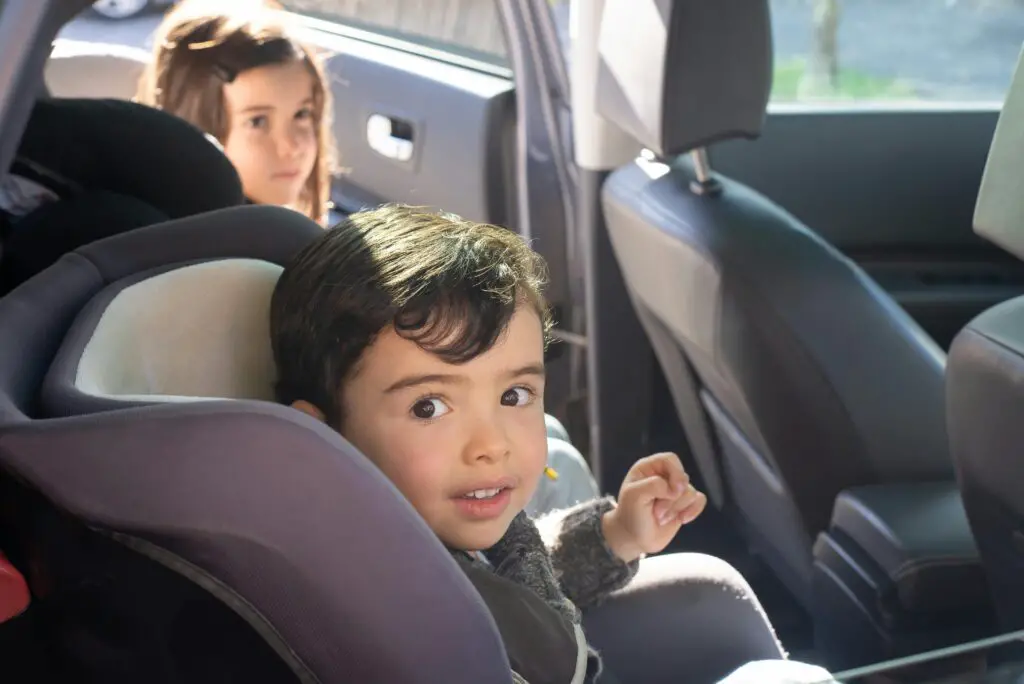
Family cars in the ’50s, ’60s, and even into the ’70s often didn’t prioritize seatbelt use, even when they were installed. Kids would stretch out across the back seat, sit on the floor, or climb between seats during long drives. Parents rarely insisted on buckling up because it simply wasn’t the norm yet. Road trips were more about comfort than restraint.
Modern safety standards have completely changed that mindset. Seatbelt laws are strictly enforced, and child safety seats are required for younger passengers. Crash data has consistently shown how much seatbelts reduce fatalities and serious injuries. Looking back, those loose, unrestrained rides feel far riskier than they did at the time.
3. Letting Kids Roam Rest Stops Alone
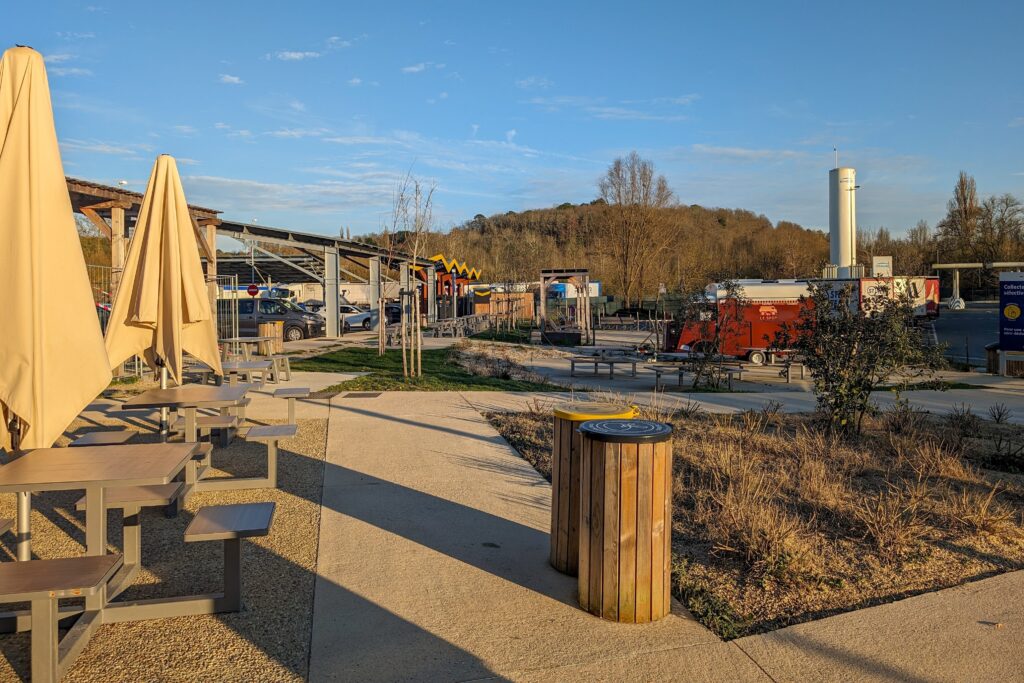
On long highway trips, rest stops were often treated as safe, open spaces where kids could wander freely. Parents might stay near the car while children explored vending machines, picnic tables, or nearby wooded areas. It was part of stretching your legs and burning off energy. The expectation was that everyone would regroup before getting back on the road.
Today, that level of independence would make many parents uneasy. Increased awareness of child safety and abduction risks has changed how families approach public spaces. Most parents now keep children close, especially in unfamiliar areas. What felt normal decades ago now seems overly trusting.
4. Driving All Night Without Stops
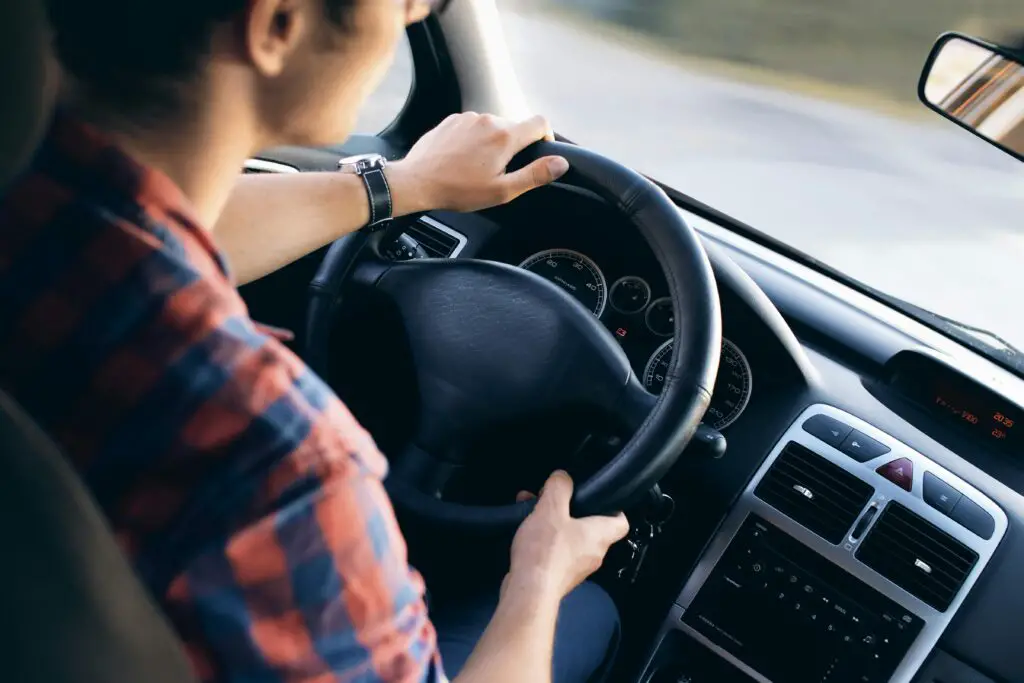
Some families treated road trips like endurance tests, driving straight through the night to reach their destination faster. Parents would push through fatigue while kids slept in the back seat. The goal was to save time and sometimes money on hotels. Coffee and sheer determination kept drivers going.
Now, that approach is widely discouraged. Driver fatigue is recognized as a serious safety issue, comparable to impaired driving in some cases. Modern travel advice emphasizes rest breaks, overnight stops, and shared driving responsibilities. What used to be seen as efficient now looks unnecessarily risky.
5. Riding Without Car Seats
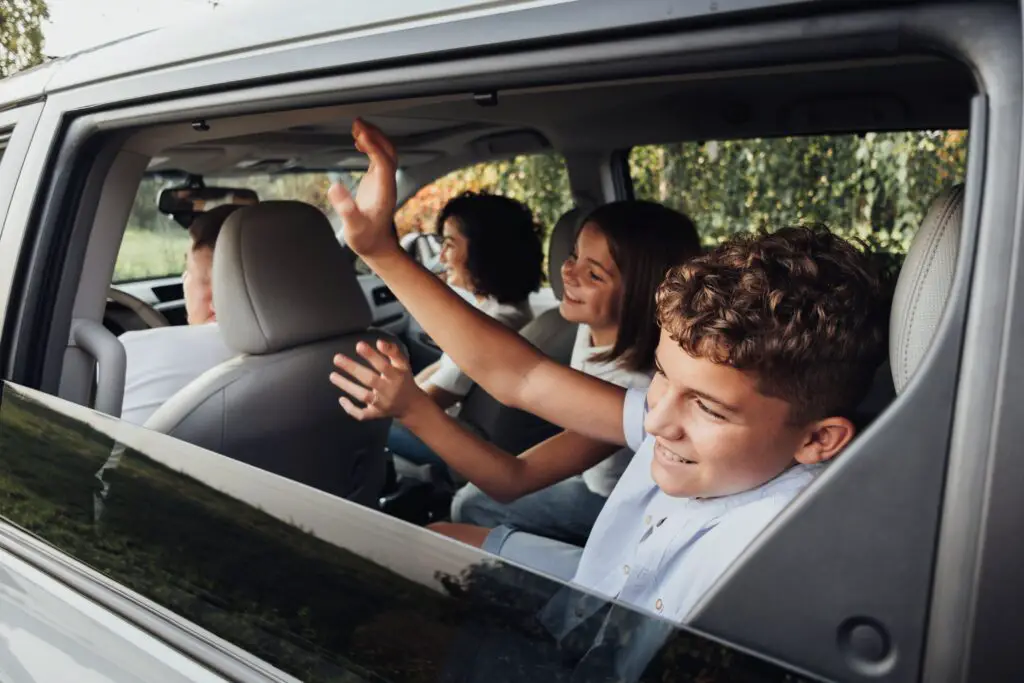
Car seats as we know them today didn’t become widely used until the late ’70s and ’80s. Before that, infants might be held in someone’s arms or placed in a simple carrier not designed for crash protection. Toddlers often sat unrestrained or stood between seats. Safety standards were still evolving.
Today, child passenger safety is heavily regulated. Specific seat types are required based on age, weight, and height. Extensive research has shown how effective proper restraints are in preventing injury. Looking back, the lack of protection feels alarming by current standards.
6. Smoking in the Car With Kids

On many family trips, it was completely normal for adults to smoke inside the car, even with children present. Windows might be cracked, but the air still filled with smoke during long drives. Kids didn’t question it because it was so common at the time. It was simply part of the environment.
Today, secondhand smoke is widely understood to be harmful, especially for children. Many states and countries have even passed laws restricting smoking in cars with minors. Public awareness has shifted dramatically, making this once-normal behavior seem inappropriate.
7. No GPS, Just Paper Maps and Guesswork

Families used folded paper maps or verbal directions to navigate long trips. Kids often helped by holding the map and trying to follow along. Getting lost was common and sometimes expected. Detours and wrong turns became part of the story.
While not unsafe in itself, this method could lead to stressful or risky situations, especially in unfamiliar or remote areas. Today’s GPS systems provide real-time navigation, traffic updates, and alternate routes. The uncertainty of older travel methods would frustrate most modern travelers.
8. Letting Kids Sit in the Front Seat
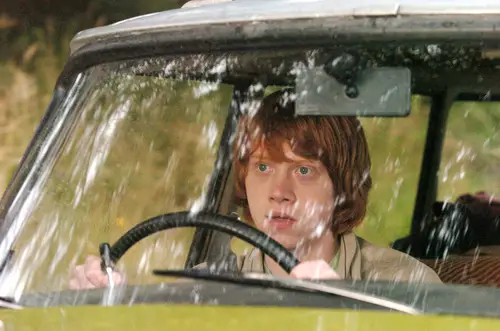
It used to be common for children to ride in the front passenger seat, sometimes even on a parent’s lap. There were no airbags to consider, and the front seat felt like a special privilege. Parents often didn’t think twice about it.
Now, safety guidelines strongly advise that children sit in the back seat until a certain age and size. Airbags, while protective for adults, can be dangerous for younger passengers. The shift reflects a deeper understanding of crash dynamics. What felt like a treat before now carries clear risks.
9. Hitchhiking as a Travel Option

Some families, especially in earlier decades, viewed hitchhiking as a practical way to get around or even an adventure. Teenagers might be allowed to hitch rides during trips or while traveling independently. It was seen as a way to meet people and save money.
Today, hitchhiking is generally discouraged due to safety concerns. The unpredictability of getting into a stranger’s vehicle is widely recognized. Many places have laws restricting or regulating it. What once seemed adventurous now feels unsafe to most people.
10. Minimal Planning for Long Trips
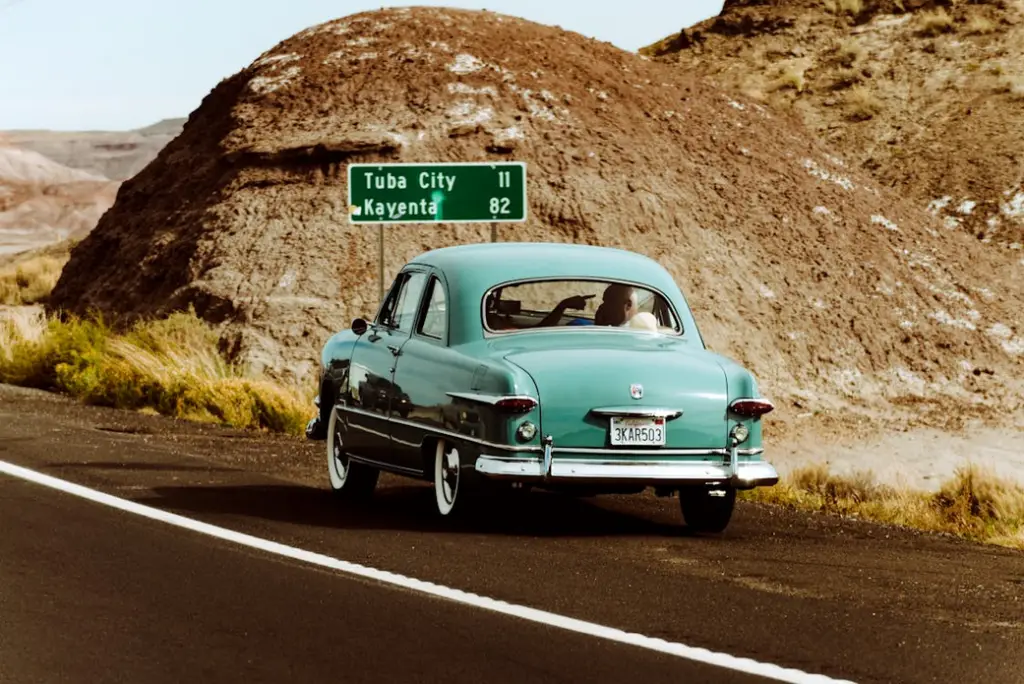
Families often set out on long drives with little more than a destination in mind. Hotels weren’t always booked in advance, and stops were decided on the fly. The spontaneity was part of the appeal. You figured things out as you went.
Modern travel tends to involve much more planning. Reservations, route mapping, and safety considerations are handled ahead of time. While spontaneity still exists, it’s usually balanced with preparation. The old approach can seem chaotic by comparison.
11. Letting Kids Wander Theme Parks Alone
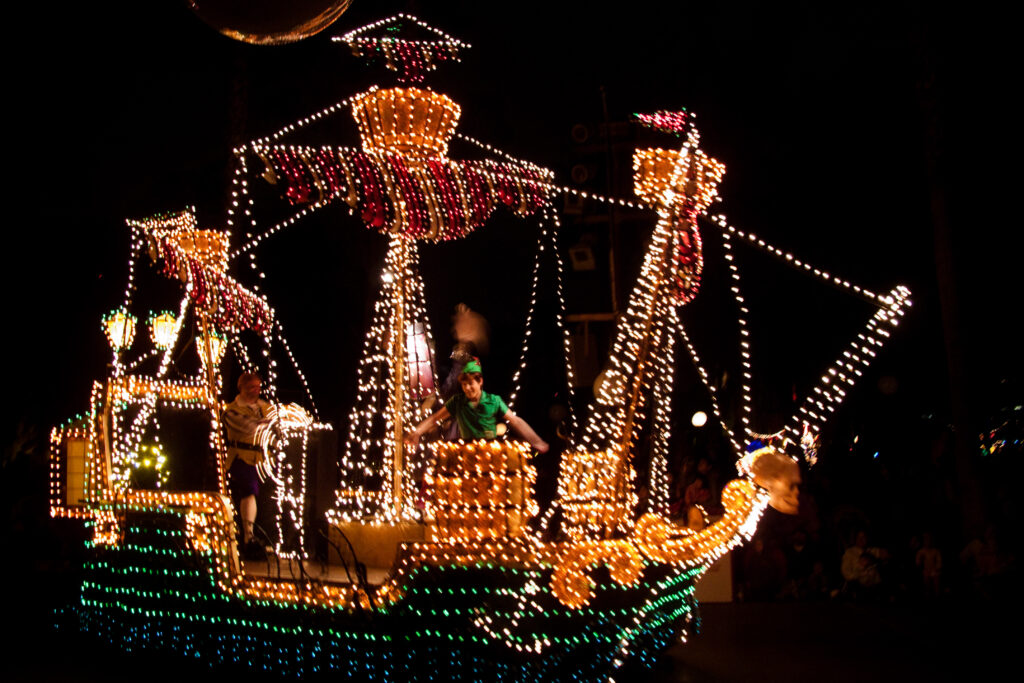
In earlier decades, parents at amusement parks often allowed kids to split off and explore on their own. Meeting points and times were set, and children were expected to stick to them. It was seen as a way to build independence.
Today, most parents prefer to keep children within sight, especially in crowded venues. Concerns about safety and getting lost have changed expectations. Many parks also have stricter policies and tracking options. The shift reflects a more cautious approach to large public spaces.
12. No Sunscreen on Beach Trips

Family beach vacations didn’t always include sunscreen as a priority. People relied on tanning oils or simply spent hours in the sun without protection. Sunburns were often seen as part of the experience. Kids played all day with little thought to long-term effects.
Now, the risks of UV exposure are well understood. Sunscreen, protective clothing, and shade breaks are standard recommendations. Skin cancer awareness has significantly changed behavior. What was once overlooked is now taken seriously.
13. Letting Kids Sit on Luggage in Cars
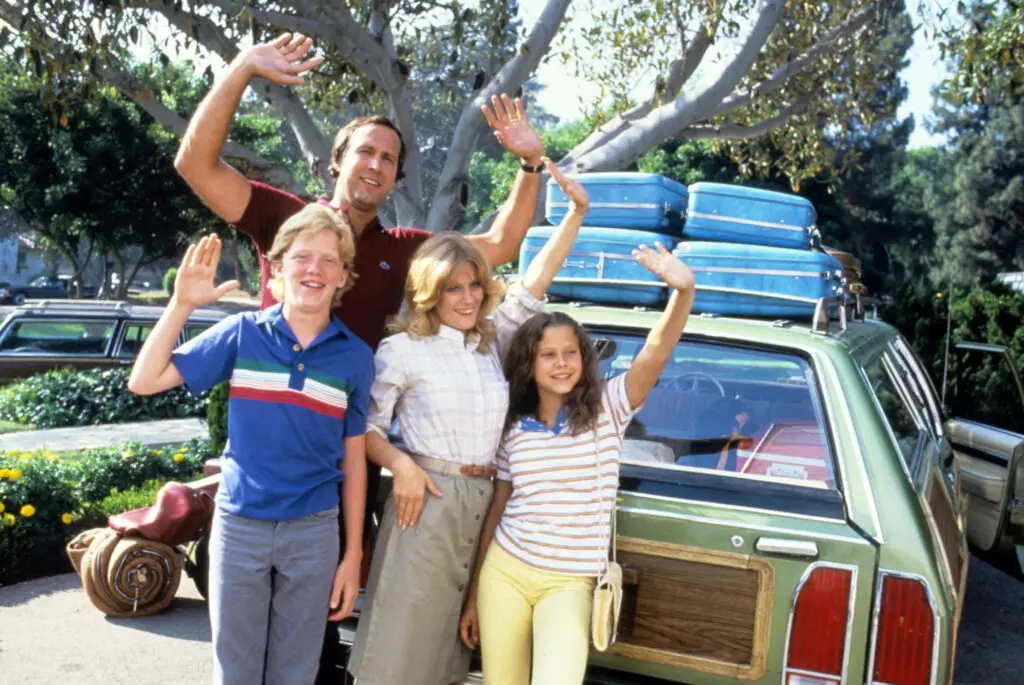
On crowded trips, kids sometimes sat on suitcases or in the cargo area to make room for everyone. It wasn’t comfortable, but it solved the problem of limited space. Families prioritized fitting everyone in over safety.
Today, this would violate multiple safety guidelines. Proper seating and restraints are required for every passenger. The risks of injury in a crash are significantly higher in those positions. It’s a clear example of how standards have evolved.
14. Drinking From Garden Hoses or Unknown Water Sources
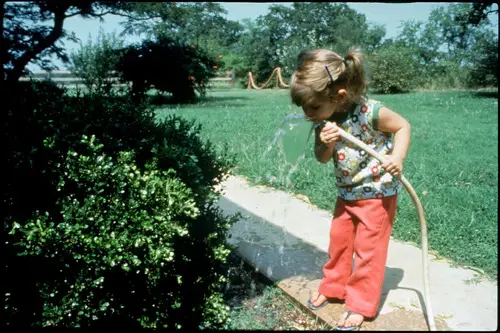
During road trips or outdoor stops, kids often drank from garden hoses, public fountains, or other available water sources without hesitation. It was convenient and widely accepted. Clean water access wasn’t always questioned.
Now, there’s more awareness of water quality and potential contaminants. Parents are more likely to bring bottled water or use verified sources. While not always dangerous, the old habit carries more uncertainty than people once considered.
15. No Helmets for Bike or Scooter Trips
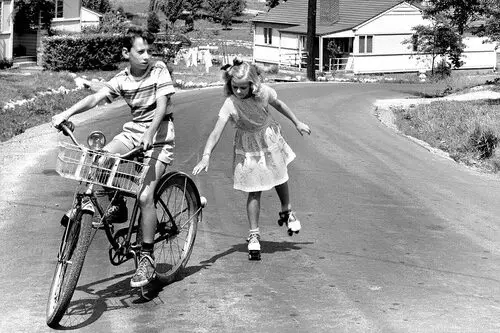
Family vacations often included bike rides or scooters without any protective gear. Helmets weren’t commonly used, especially for short or casual rides. Kids rode freely through neighborhoods, campgrounds, or beach towns.
Today, helmet use is strongly encouraged and often legally required for children. Research has consistently shown how effective helmets are in preventing head injuries. The cultural shift toward safety has been significant. What once felt normal now seems like an avoidable risk.