
1. Christopher Columbus
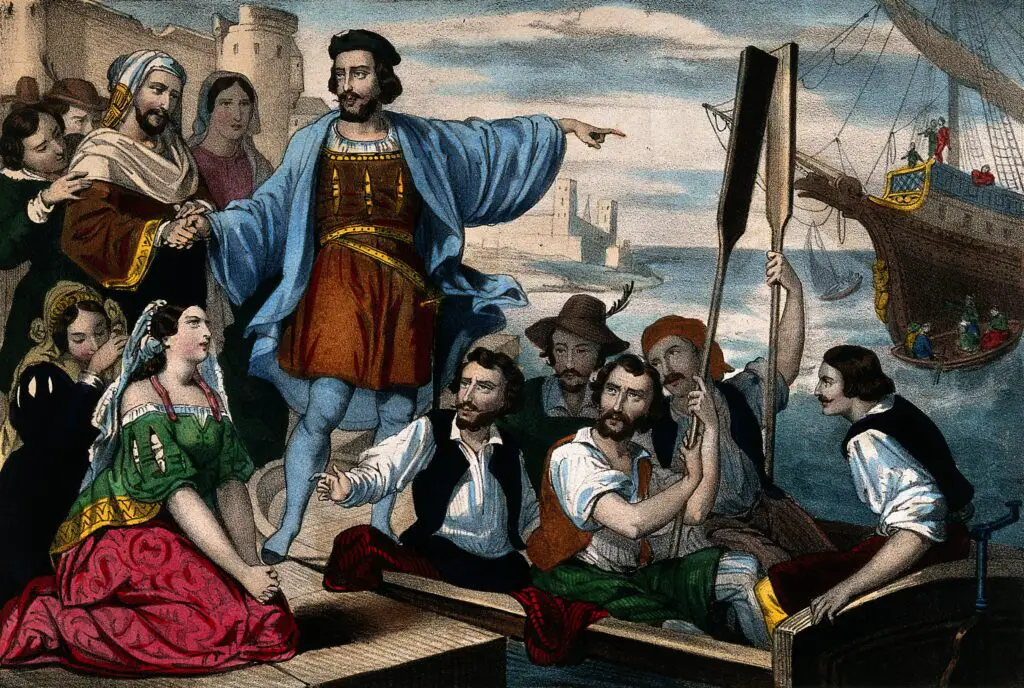
For a long time, Columbus was taught as a bold explorer who “discovered” America, and that version of the story showed up in classrooms for generations. His 1492 voyage was framed as a turning point that opened the door to the modern world. You probably remember the simplified version, ships, bravery, and a big moment of arrival. That version left out a lot of context about who was already living in the Americas. It also skipped over what happened after he arrived.
In recent decades, historians have taken a much closer look at Columbus’s actions as a colonial governor. Records from his own time describe forced labor, violence, and harsh treatment of Indigenous people. Because of that, his legacy has shifted significantly. Many places have replaced Columbus Day with Indigenous Peoples’ Day to reflect that reevaluation. He is still an important historical figure, but no longer seen in purely heroic terms.
2. Thomas Jefferson

Jefferson was long celebrated almost exclusively as the author of the Declaration of Independence and a key figure in shaping the United States. His words about liberty and equality have been quoted for over two centuries. In school, he often comes across as an intellectual and visionary leader. That reputation still exists, especially in discussions about early American democracy.
At the same time, more attention has been given to the contradiction between his ideals and his personal life. Jefferson enslaved hundreds of people throughout his lifetime. There is also strong historical evidence that he had a long relationship with Sally Hemings, one of the people he enslaved. That reality has complicated how people interpret his legacy. He is now discussed as both a foundational thinker and a figure shaped by the inequalities of his time.
3. Napoleon Bonaparte
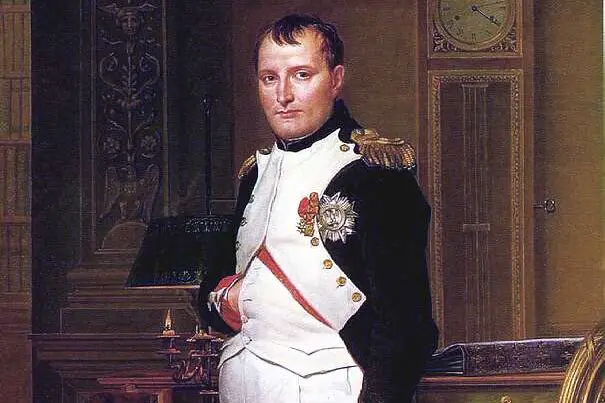
Napoleon was once widely admired as a brilliant military strategist who rose from relatively modest beginnings to rule much of Europe. His campaigns and leadership style were studied as examples of genius and ambition. In France, he was often associated with national pride and reform. His role in modernizing legal systems, especially through the Napoleonic Code, is still acknowledged today.
However, his legacy has become more mixed over time. He crowned himself emperor and led wars that caused massive loss of life across Europe. He also reinstated slavery in French colonies after it had been abolished during the Revolution. That decision, in particular, has drawn increasing criticism from historians. Today, Napoleon is viewed as both a reformer and a figure whose ambition came at a high human cost.
4. Andrew Jackson
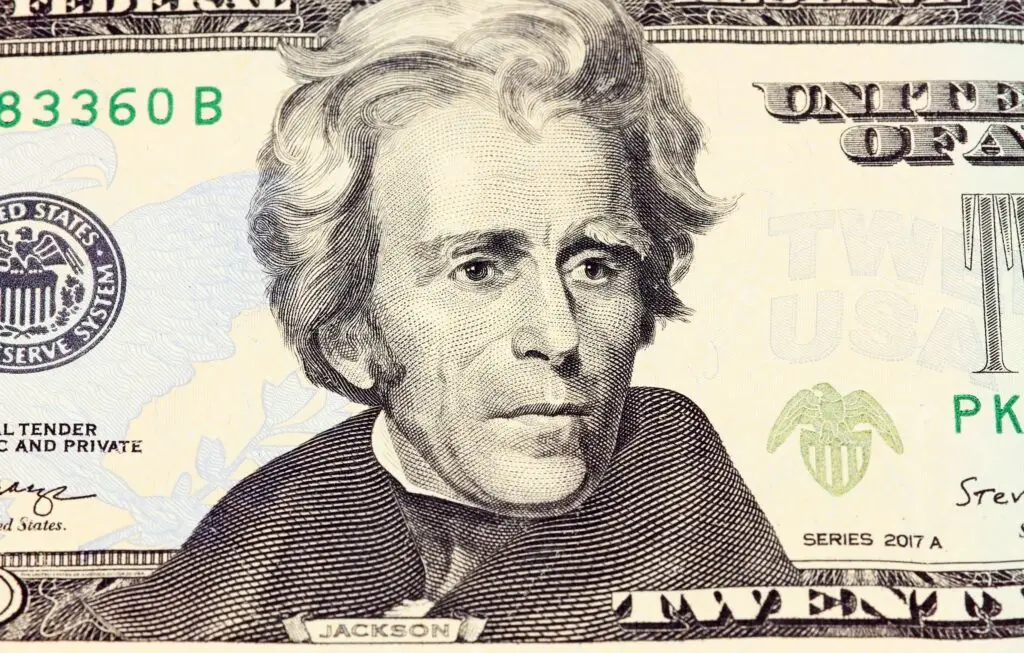
Jackson was once portrayed as a champion of the “common man,” someone who challenged elites and expanded democracy for white male voters. His image as a tough, decisive leader shaped how he was remembered for many years. He was even placed on the $20 bill, reinforcing that mainstream approval. Stories about his military career, especially the Battle of New Orleans, were often highlighted.
More recently, his presidency has been reassessed, particularly regarding Native American policy. Jackson supported and enforced the Indian Removal Act, which led to the Trail of Tears. Thousands of Native Americans died during forced relocation. That history has led to a significant shift in how he is viewed. He is now often discussed as a controversial figure whose policies caused lasting harm.
5. Woodrow Wilson
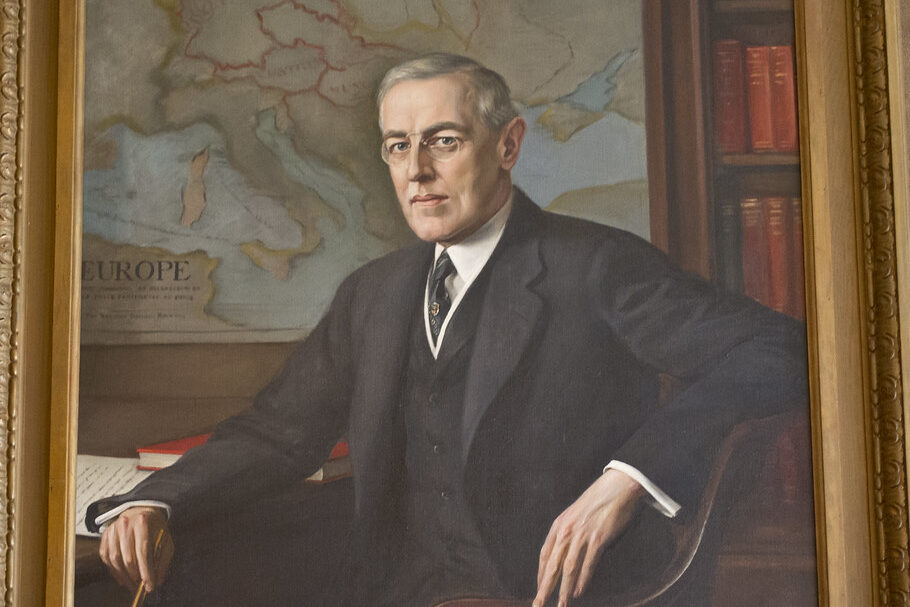
Wilson was long praised for leading the United States during World War I and for helping to shape the postwar international order. He played a major role in proposing the League of Nations, an early attempt at global cooperation. For years, that idealistic vision was central to his reputation. Many institutions, including universities, honored him for those contributions.
In more recent years, his domestic policies have drawn much sharper criticism. Wilson supported segregation within the federal government and held openly racist views. His administration reversed progress that had been made by Black Americans in federal jobs. Because of this, some schools and institutions have removed his name from buildings. His legacy is now seen as deeply divided between international idealism and domestic inequality.
6. Henry Ford
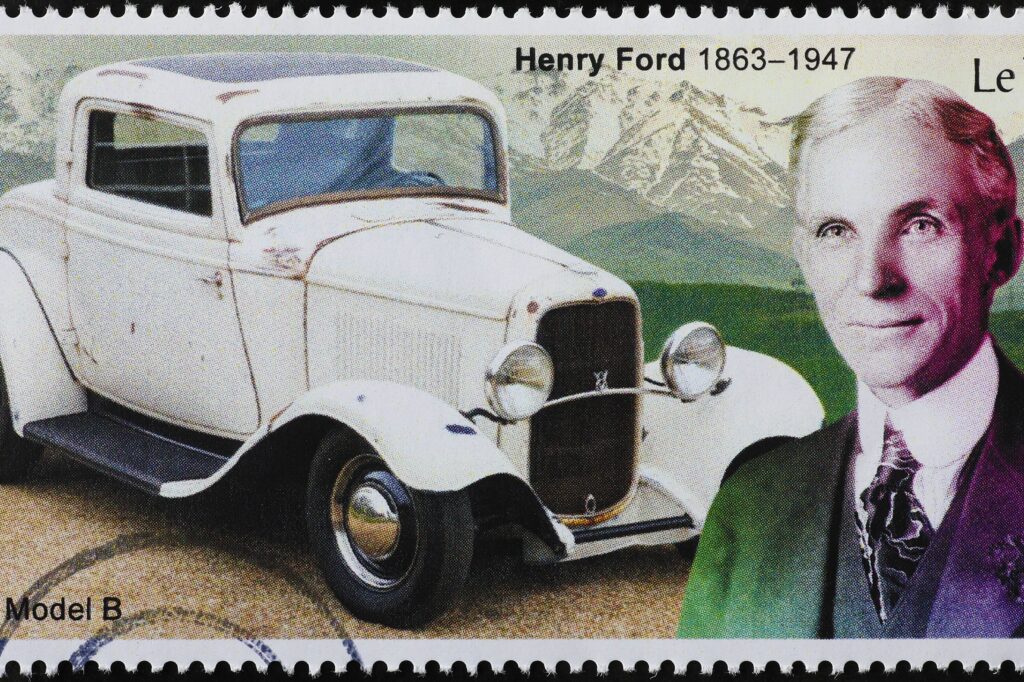
Ford is still known as the man who revolutionized manufacturing with the assembly line. His innovations made cars more affordable and transformed industry worldwide. For decades, he was held up as an example of American ingenuity and progress. The Model T became a symbol of accessibility and modernization.
But his legacy includes more than industrial success. Ford published and supported antisemitic writings, including material distributed through his newspaper. Those views were widely criticized even during his lifetime. Over time, they have become a more prominent part of how historians evaluate him. Today, he is recognized as both a transformative businessman and a figure with deeply problematic beliefs.
7. Marie Antoinette
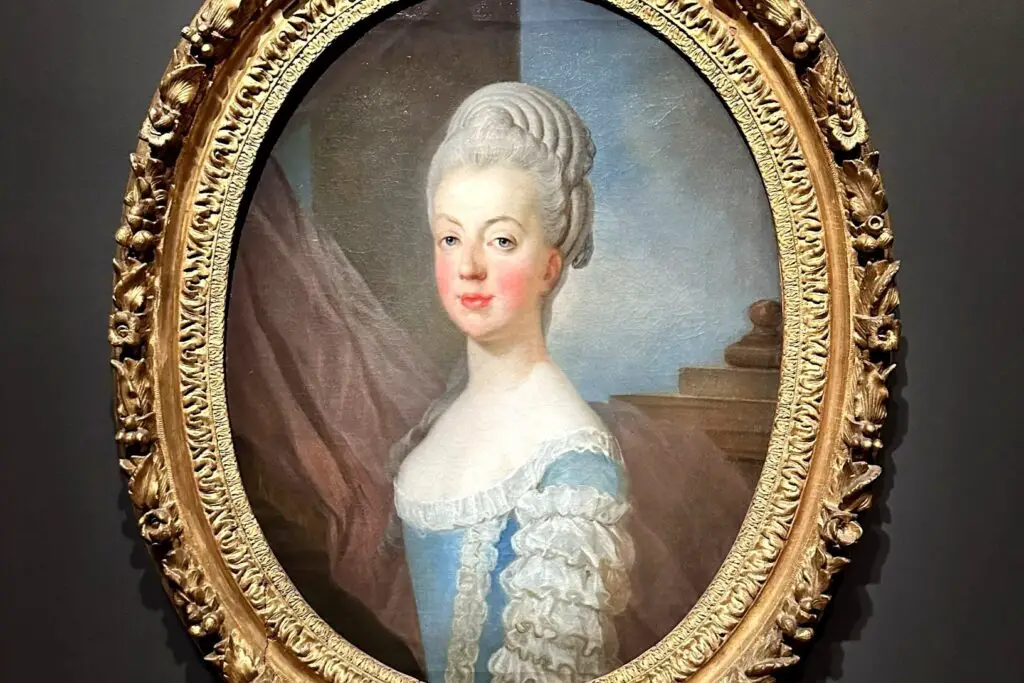
Marie Antoinette was once almost entirely defined by the phrase “let them eat cake,” which painted her as careless and out of touch. For years, she was used as a symbol of royal excess leading up to the French Revolution. That image was repeated so often it became part of popular culture. She was seen as frivolous and disconnected from ordinary people.
Historians have since questioned that portrayal. There is no solid evidence that she ever said the famous quote. Letters and records suggest she was more complex than the stereotype, including efforts to support charities. She was also a political scapegoat during a time of unrest. Today, she is often viewed as a misunderstood figure caught in a collapsing system.
8. Ulysses S. Grant
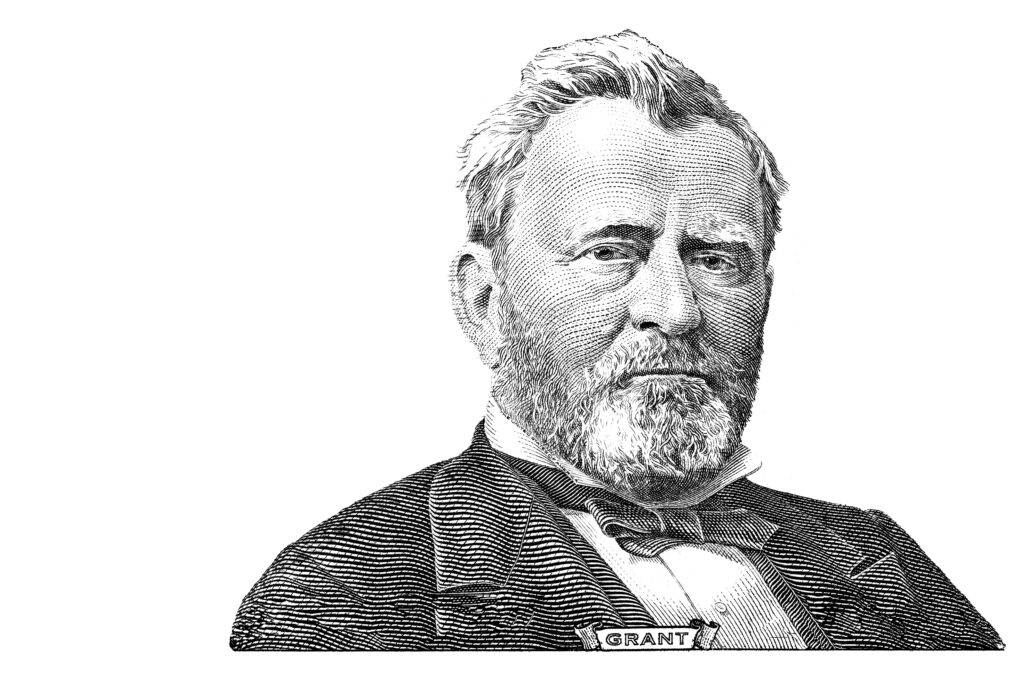
Grant was once criticized heavily as a president, often described as ineffective and surrounded by corruption. For a long time, his administration was overshadowed by scandals involving associates. That reputation stuck, even though he was widely respected as a Civil War general. His presidency was often treated as a disappointment compared to his military career.
Modern historians have taken a closer look and come to a more balanced view. Grant strongly supported Reconstruction and worked to protect the rights of formerly enslaved people. He also used federal power to combat groups like the Ku Klux Klan. While corruption did occur during his administration, much of it was not directly tied to him personally. His reputation has improved significantly as a result.
9. Nikola Tesla

Tesla was largely overlooked for much of the 20th century compared to contemporaries like Thomas Edison. During his lifetime, he struggled financially and did not receive the same recognition for his work. Many people were more familiar with Edison’s contributions to electricity. Tesla was often portrayed as eccentric and obscure.
In recent decades, that perception has changed dramatically. His work on alternating current systems is now widely recognized as foundational to modern electrical infrastructure. He has become something of a cultural icon, representing innovation that went underappreciated. Books, documentaries, and even companies have helped bring attention back to his legacy. Today, Tesla is often celebrated as one of the most important inventors of his era.
10. John F. Kennedy
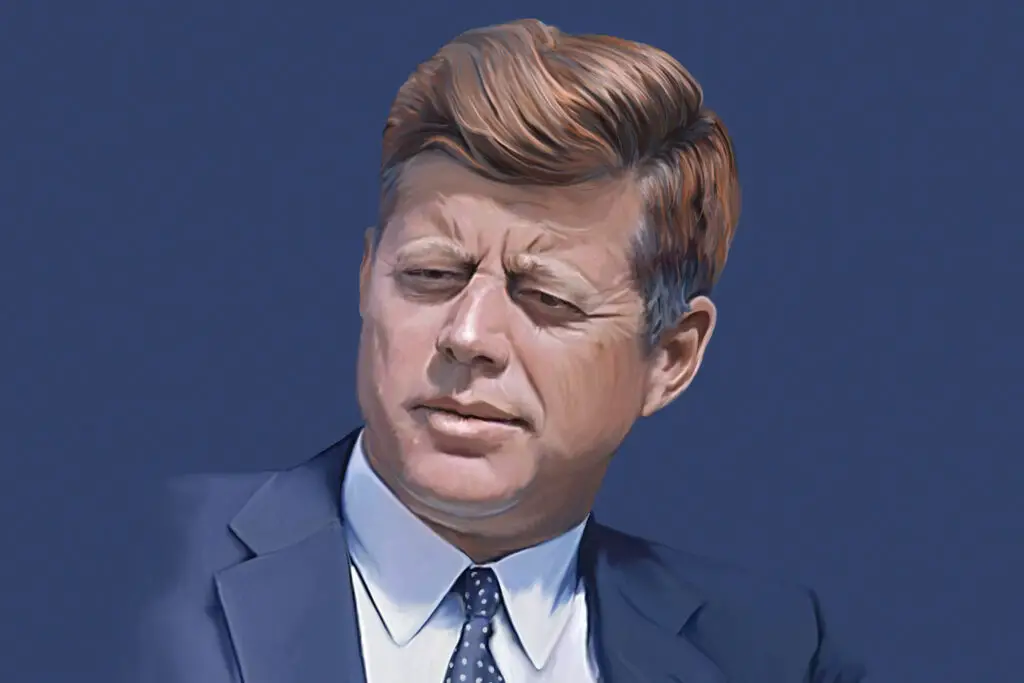
Kennedy’s presidency was long remembered through a lens of optimism and charisma. His speeches, especially about space exploration and public service, left a lasting impression. After his assassination in 1963, his image became closely tied to the idea of a lost, hopeful era. For many years, that narrative dominated how he was discussed.
More detailed historical research has added complexity to that image. Scholars have examined his health issues, political decisions, and personal life more closely. There have also been discussions about his relationships and conduct outside of politics. While he remains a popular and influential figure, the view of his presidency is less idealized. He is now seen as both inspiring and imperfect.
11. Amelia Earhart

Earhart has always been admired as a pioneering aviator who broke barriers for women. Her flights across the Atlantic made her internationally famous. She became a symbol of courage and independence in aviation. That part of her legacy remains firmly intact.
What has shifted is how historians interpret her final flight. For years, her disappearance in 1937 was surrounded by speculation and myths. Modern research has focused more on likely scenarios, such as running out of fuel near Howland Island. While no definitive answer has been confirmed, the conversation has become more grounded in evidence. Her legacy is still heroic, but less wrapped in mystery than it once was.
12. Richard Nixon
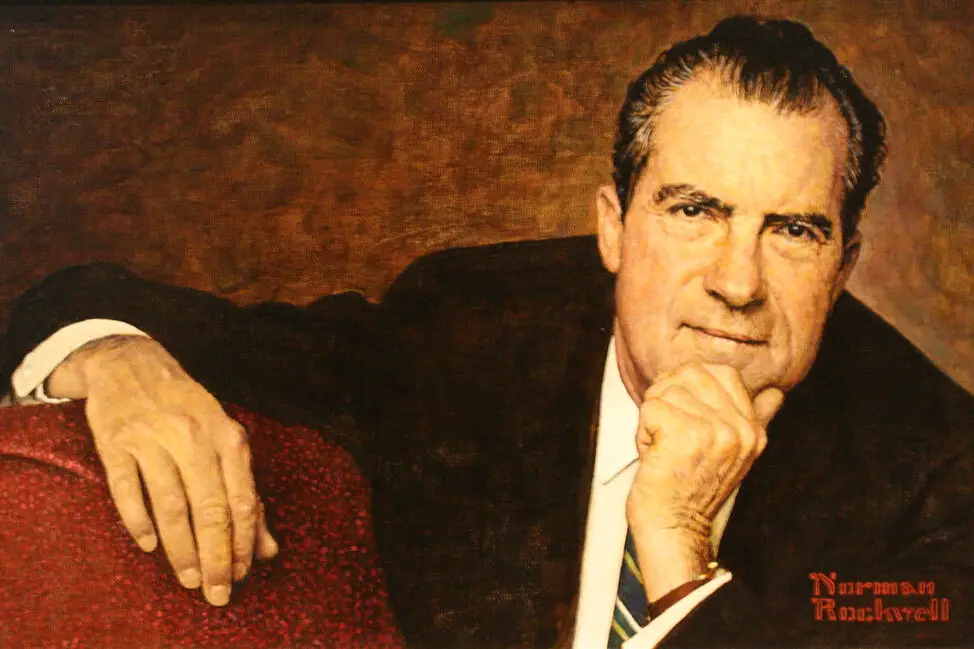
Nixon’s legacy was long dominated by the Watergate scandal, which led to his resignation in 1974. For decades, that event overshadowed nearly everything else about his presidency. He became a symbol of political scandal and abuse of power. That reputation has remained strong in public memory.
At the same time, historians have pointed to significant policy achievements. Nixon played a key role in opening diplomatic relations with China and advancing arms control agreements with the Soviet Union. His administration also created agencies like the Environmental Protection Agency. These accomplishments have led to a more nuanced assessment. He is still controversial, but not viewed solely through one event.
13. P. T. Barnum
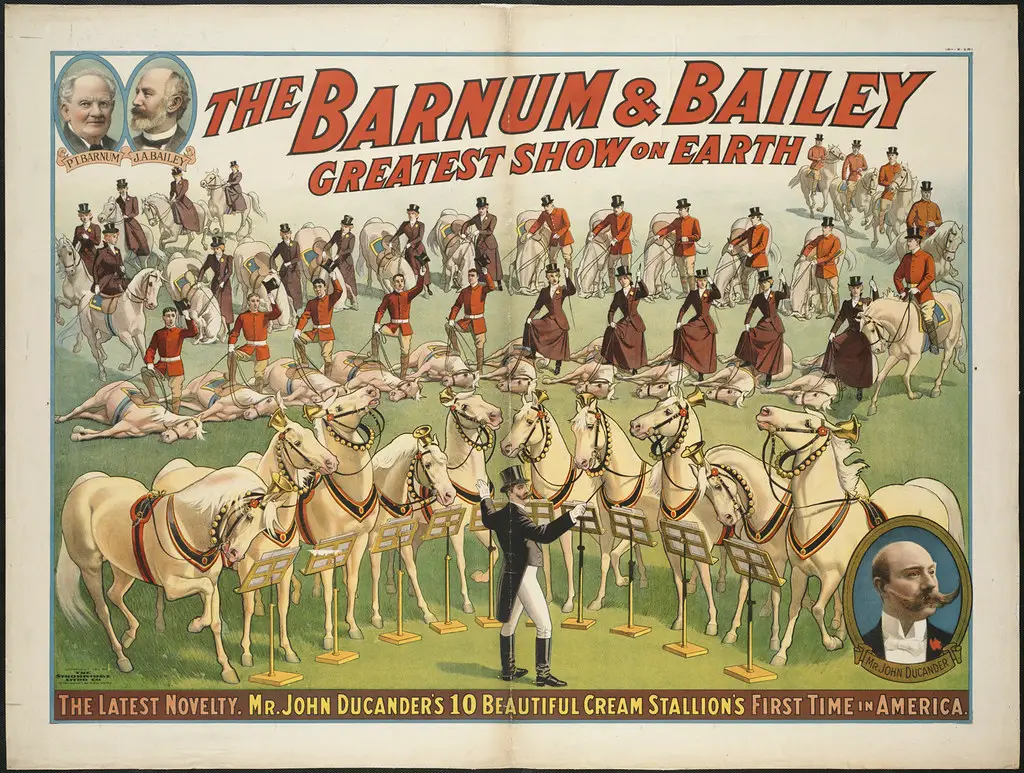
Barnum was once celebrated mainly as a clever entertainer and businessman who helped shape modern show business. His circus and promotional style made him a household name. For years, he was remembered as a master of spectacle and storytelling. His name is still associated with large-scale entertainment.
More recently, his methods have come under closer scrutiny. Barnum often promoted exhibits that exploited people, including those with disabilities or unusual physical traits. Some of his claims were exaggerated or misleading. This has led to a reevaluation of his legacy. He is now seen as both an innovator in entertainment and a figure who benefited from ethically questionable practices.
14. Mother Teresa

Mother Teresa was widely admired during her lifetime for her work with the poor in Kolkata, India. She received the Nobel Peace Prize in 1979 and became a global symbol of compassion. For many people, she represented selfless service and dedication. Her reputation was overwhelmingly positive for decades.
In more recent years, some critics and researchers have raised questions about conditions in her facilities and aspects of her approach to care. These critiques have sparked ongoing debate among historians and journalists. Supporters continue to emphasize her charitable mission and impact. As a result, her legacy is now discussed with more nuance than before.