
1. Lawn Darts (Jarts)
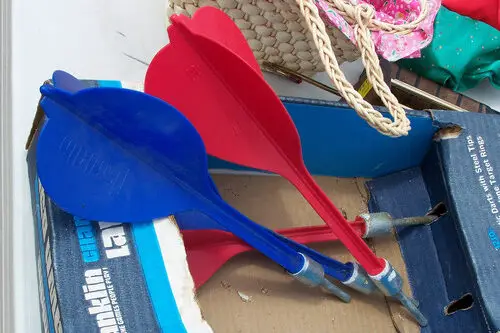
If you grew up in the ’70s or early ’80s, there’s a good chance you remember lawn darts, often sold under the name Jarts. They were essentially heavy, pointed metal darts designed to be tossed through the air toward plastic rings on the ground. The problem was obvious in hindsight, but it took years for that to really sink in. These weren’t soft-tipped toys, they were weighted projectiles with sharp ends that came down fast.
After multiple serious injuries and at least a few reported deaths, the U.S. Consumer Product Safety Commission banned their sale in 1988. Before that, they were marketed as a backyard game for families, which says a lot about how different safety standards used to be. Today, anything remotely similar is made with blunt plastic ends. The original versions are now considered extremely dangerous and are often cited as a textbook example of unsafe toy design.
2. Clackers
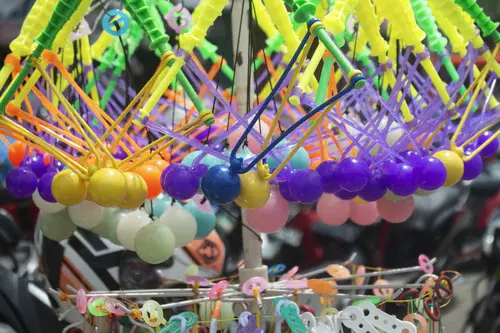
Clackers, also known as click-clacks, were a simple but surprisingly risky toy. They consisted of two hard acrylic balls attached to a string, and the goal was to swing them so they collided above and below your hand. When they hit just right, they made a loud clacking sound that was oddly satisfying. Kids quickly turned it into a competition to see who could keep them going the longest.
The issue was that those acrylic balls could shatter under pressure, sending sharp fragments flying. Reports of injuries led to recalls and bans in several places during the early ’70s. Some versions were later reintroduced with safer materials, but the original design is what people remember. Looking back, it’s easy to see how something that relied on high-speed impact wasn’t the best idea for a toy.
3. Creepy Crawlers Thingmaker
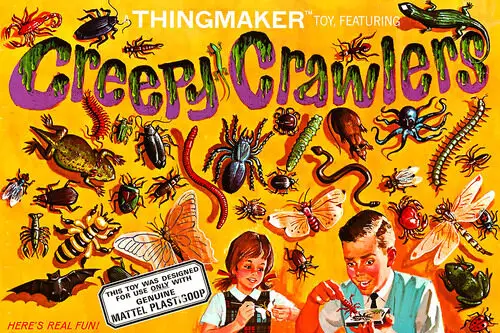
The Creepy Crawlers Thingmaker let kids create rubbery bugs using liquid plastic called Plastigoop. You would pour the substance into metal molds and then heat them up to solidify the shapes. The heating unit got extremely hot, similar to a small oven, and it sat right within reach of children. For many kids, it felt like a fun mix of crafting and science.
But that heat source posed a real burn risk, especially without close supervision. The materials themselves also raised concerns over time, particularly with chemical exposure. Eventually, safer versions were introduced that didn’t require high temperatures. The original kits, though, are often remembered as one of those toys that blurred the line between playtime and actual hazard.
4. Easy-Bake Oven (Early Versions)
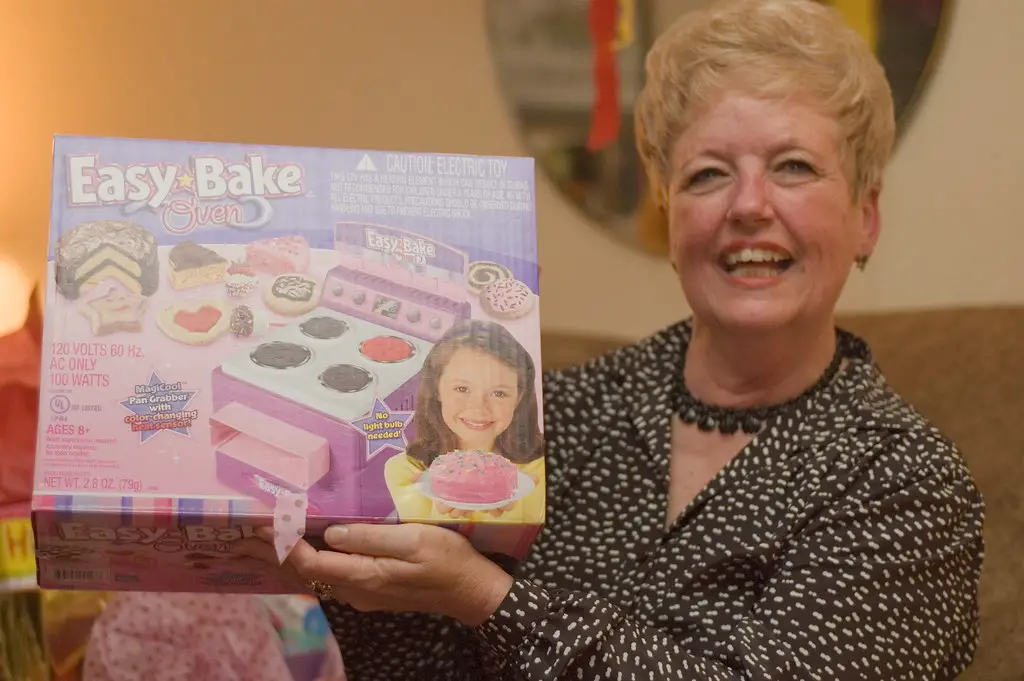
The Easy-Bake Oven is still around today, but the early versions were a bit more intense than what you see now. Originally introduced by Hasbro in the ’60s, it used a 100-watt incandescent light bulb as its heat source. Kids could bake small cakes and treats, which felt incredibly grown-up at the time. It was one of those toys that made you feel like you had your own little kitchen.
The problem was that it could still get hot enough to cause burns if used improperly. There were also reports over the years of children getting fingers stuck in the oven door. Modern versions have been redesigned with additional safety features, but the earlier models lacked many of those protections. It’s a good example of a toy that survived, but only after significant changes.
5. Gilbert U-238 Atomic Energy Lab

This is one of the most infamous toys ever sold, and for good reason. The Gilbert U-238 Atomic Energy Lab, released in 1950, actually included small samples of radioactive materials. It was marketed as an educational science kit meant to introduce kids to the world of atomic energy. At the time, nuclear science was seen as exciting and full of promise.
Today, the idea of giving children radioactive substances is almost unthinkable. Even though the levels were relatively low, the potential risks were real enough to make it controversial. The kit didn’t stay on the market long and is now mostly remembered as a strange product of its era. It’s often brought up whenever people talk about how different safety standards used to be.
6. Sky Dancers
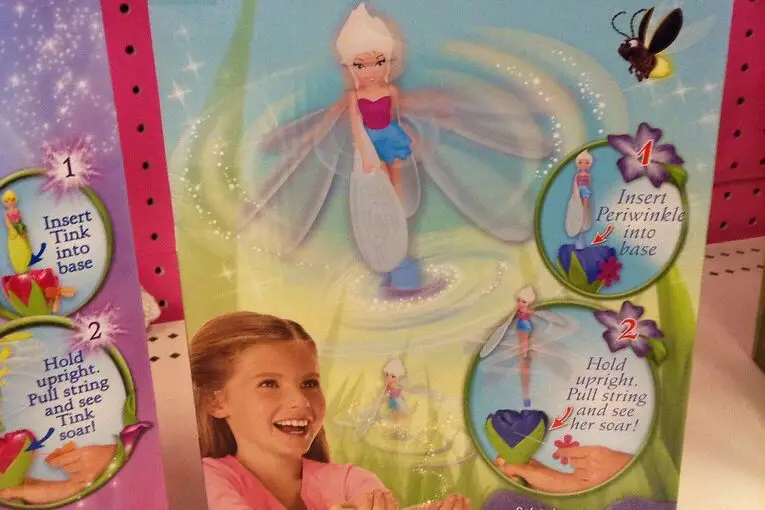
Sky Dancers were popular in the ’90s and had a simple but flashy gimmick. You’d pull a cord, and the doll would spin rapidly and launch into the air like a helicopter. When it worked correctly, it looked pretty magical, especially to younger kids. The unpredictability, though, was part of the problem.
Instead of gently floating down, they often veered off course and hit faces, walls, or anything nearby. There were numerous reports of eye injuries and other accidents. The toys were eventually recalled in 2000 after safety concerns became too widespread to ignore. It’s one of those toys people remember fondly until they also remember how often things went wrong.
7. Slip ’N Slide (Early Marketing)
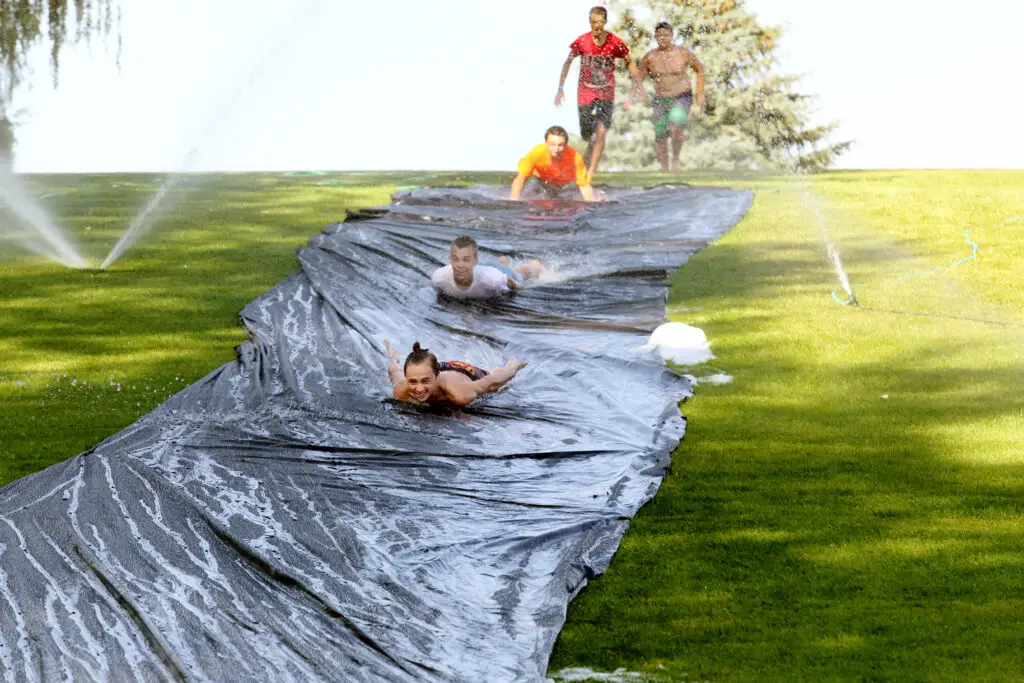
The Slip ’N Slide became a summer staple for kids, especially during the ’60s and ’70s. It was essentially a long sheet of plastic that you’d run and dive onto, sliding across with the help of water. The commercials made it look effortless and fun, and for kids, it usually was. It felt like bringing a mini water park into your backyard.
The issue came when older kids and adults tried to use it. Because of the way bodies hit the ground, there were reports of serious neck and spinal injuries. Eventually, warnings were added specifying age and size limits. The product still exists, but it’s now marketed much more carefully. Early versions didn’t always make those risks clear.
8. Metal Playground Slides
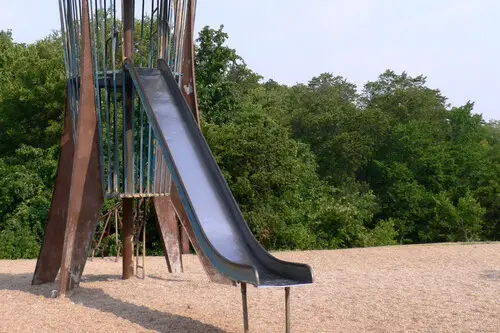
While not always sold as a “toy” in the traditional sense, metal playground slides were a major part of childhood. They were tall, steep, and made entirely of metal, which meant they heated up quickly in the sun. On hot days, they could become almost too hot to touch. Still, kids lined up to use them anyway.
Burns were a common issue, along with injuries from falls due to the height and speed. Over time, many playgrounds replaced them with plastic slides that stayed cooler and were designed with more gradual slopes. Safety standards for playground equipment became much stricter. Those old metal slides are now mostly a thing of the past for good reason.
9. BB Guns Marketed to Kids
BB guns have been around for a long time and were often marketed as beginner shooting toys for kids. Brands like Daisy promoted them as a way to learn responsibility and marksmanship. Many kids received them as gifts, especially in mid-century America. They were often treated as a normal part of growing up.
However, BB guns can cause serious injuries, particularly to the eyes. Over time, there’s been more emphasis on supervision, protective gear, and age restrictions. Some versions are still sold, but they’re no longer treated as casual toys in the same way. The shift reflects a broader understanding of the risks involved.
10. Super Elastic Bubble Plastic
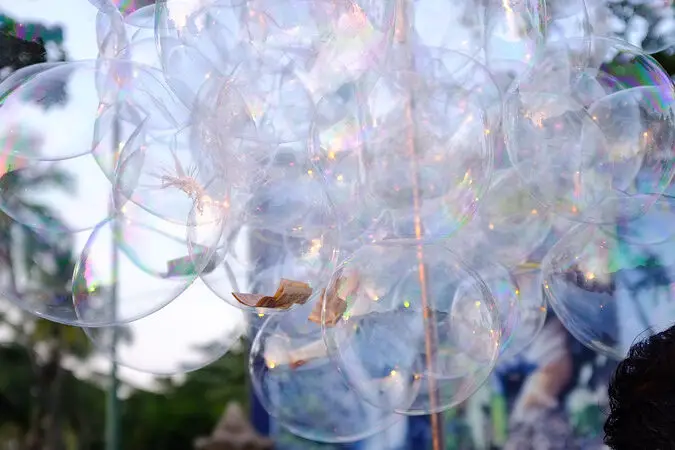
Super Elastic Bubble Plastic let kids blow colorful plastic bubbles using a straw-like tube. The material came in a paste form, usually with a strong chemical smell. Once you blew into it, it would expand into a thin bubble that you could hold and play with. It felt a little like magic at the time.
The issue was the chemical composition, which often included substances that weren’t safe to inhale. The fumes alone were enough to raise concerns. Over time, the product faded from popularity as awareness grew. It’s one of those toys people remember mostly for the smell, which probably says a lot.
11. Caps Guns with Paper Rolls
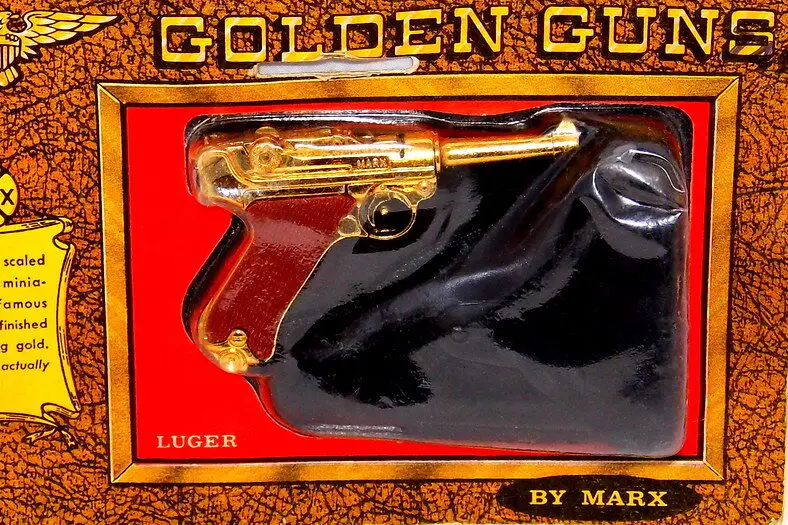
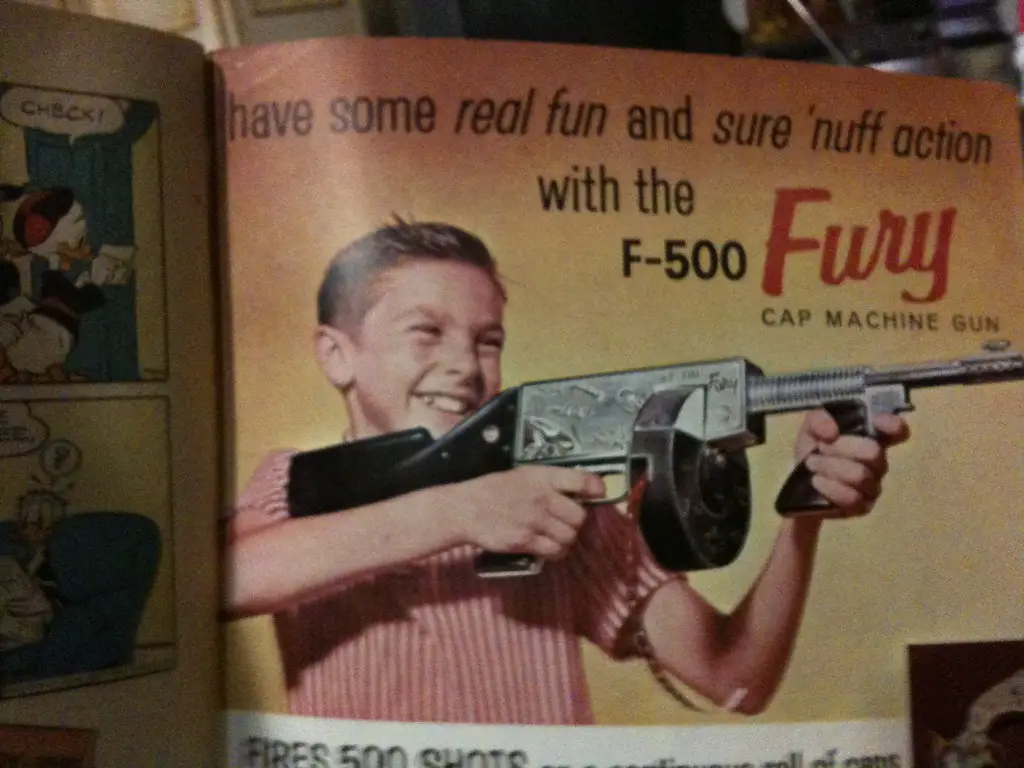
Cap guns were a staple for generations, especially for kids playing cowboys and cops. The paper roll caps contained small amounts of explosive material that created a popping sound when struck. It added a sense of realism that made the games more exciting. For many kids, it was part of everyday play.
The problem was that the caps could cause minor burns or even small explosions if mishandled. There were also concerns about children mistaking real firearms for toys and vice versa. Over time, regulations and changing attitudes reduced their popularity. Modern versions are much more subdued, if they’re used at all.
12. Roller Skates with Metal Wheels
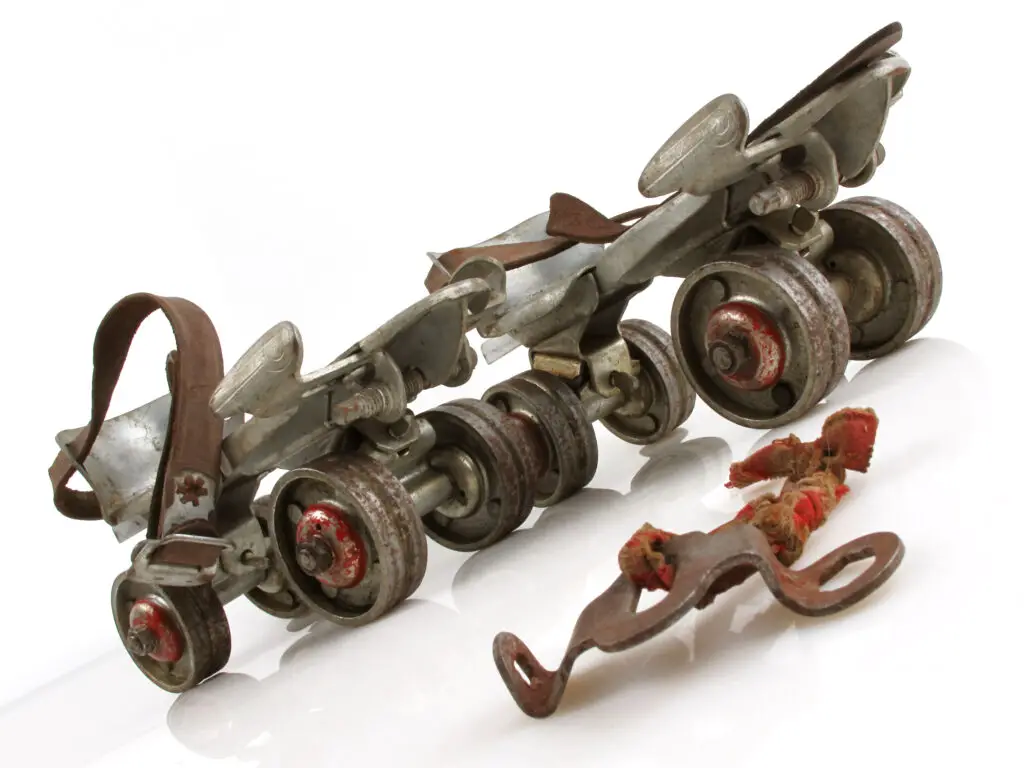
Early roller skates often had metal wheels and minimal braking systems. They were loud, fast, and not particularly forgiving on rough surfaces. Kids would use them on sidewalks, streets, or wherever they could find a smooth stretch. Protective gear wasn’t always part of the equation.
Falls were common, and without proper support or safety features, injuries were more likely. Over time, designs improved with better materials, brakes, and ankle support. Today’s skates are much safer and more comfortable. The older versions are a reminder of how much equipment has evolved.
13. Toy Chemistry Sets with Real Chemicals

Chemistry sets used to be far more advanced than what you see now. Some included real chemicals that could be flammable, corrosive, or otherwise hazardous. Kids were encouraged to experiment and mix substances on their own. It felt like having a real lab at home.
The risks, though, were significant without proper training or supervision. Over time, regulations limited what could be included in these kits. Modern versions focus more on safe, controlled experiments. The earlier sets are often remembered as exciting, but also a little alarming by today’s standards.
14. Punching Clown Toys with Hard Bases
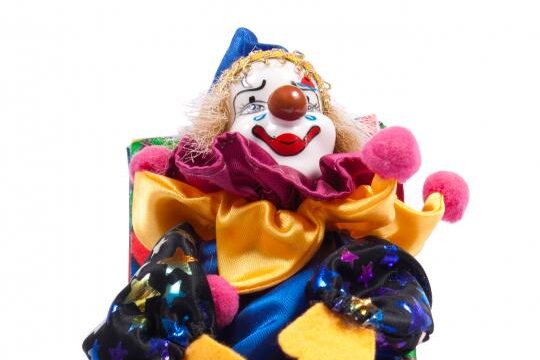
Punching clown toys, often weighted at the bottom, were designed to pop back up when hit. Kids would punch or push them, and they’d bounce right back upright. It was simple, repetitive fun that didn’t require much setup. Many households had one at some point.
The issue was that some versions had very hard or heavy bases. If they tipped or were used aggressively, they could cause injuries, especially to younger children. Modern versions tend to use softer materials and lighter weights. The concept still exists, but it’s been toned down for safety.