
1. The Local Video Rental Store
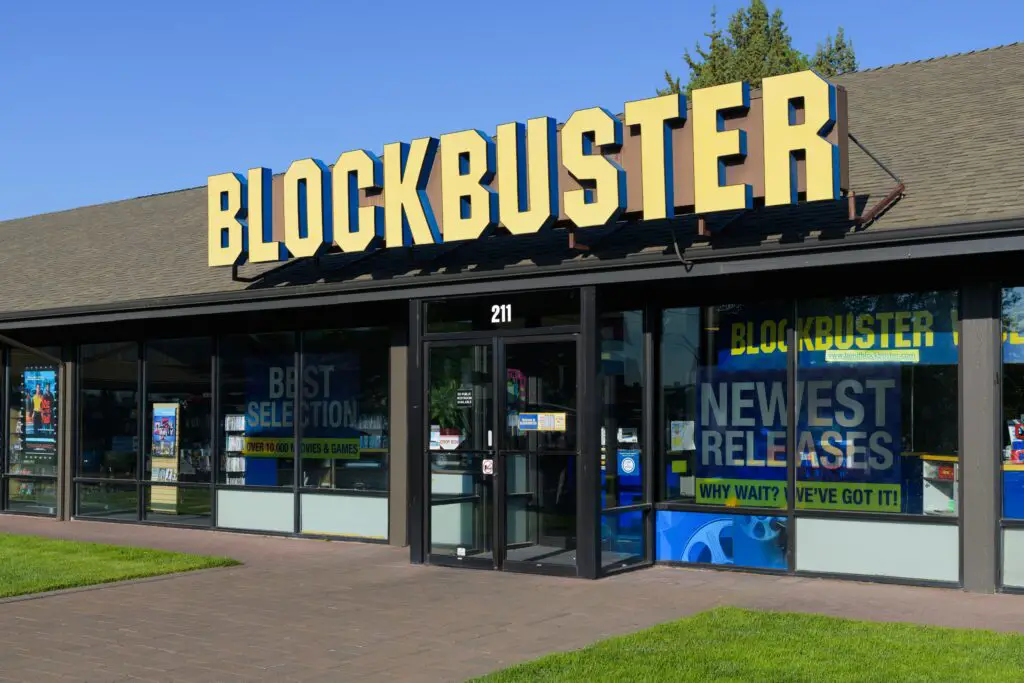
For a long stretch from the late ’70s through the early 2000s, the neighborhood video store was where everyone ended up on a Friday night. Places like Blockbuster and smaller independent shops became social hubs, not just places to grab a movie. You’d wander the aisles, flip over VHS cases, and hope the new release wasn’t already checked out. The staff usually had strong opinions and handwritten recommendation cards taped to the shelves.
Late fees were a constant source of stress, but they also kept people coming back regularly. Families built routines around it, sometimes picking out a movie and a game in the same trip. When streaming services started taking over in the 2000s, these stores disappeared quickly. A lot of towns lost a gathering place without really realizing it at the time. Today, the idea of browsing in person feels almost nostalgic.
2. The Neighborhood Arcade
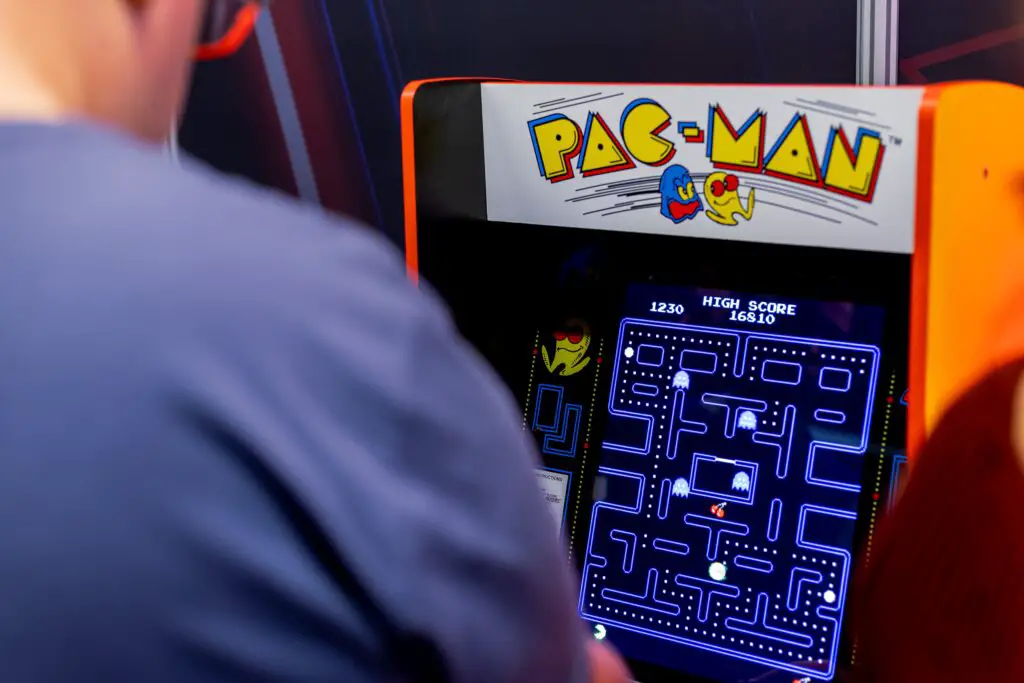
Before home consoles became dominant, the local arcade was where kids and teens spent hours at a time. Machines like Pac-Man and Street Fighter II drew crowds, and the sounds alone could fill an entire block. Arcades weren’t just about games, they were about competition and showing off your skills in front of other people. High score boards actually meant something, and regulars were easy to spot.
Some arcades were tucked into malls, while others stood on their own as destinations. They made money off quarters, but they built communities without really trying. As home gaming systems improved, fewer people felt the need to go out to play. By the late ’90s and early 2000s, many had closed or shifted into ticket redemption centers. Still, for a while, they were the center of social life in a lot of towns.
3. The Local Bowling Alley
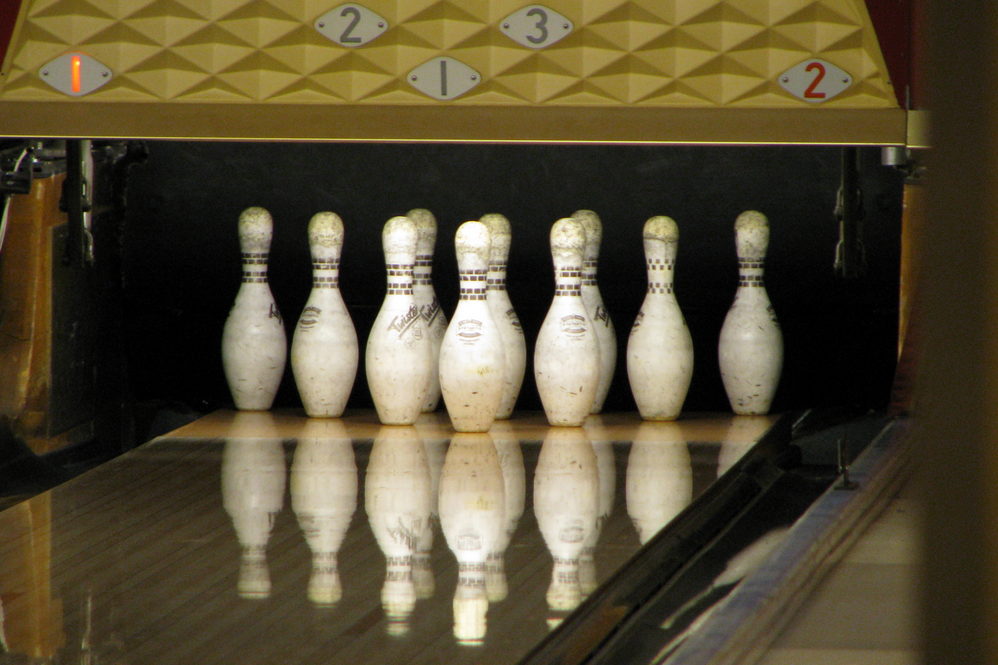
Bowling alleys used to be a steady part of weekly life, especially in smaller towns. Leagues met on set nights, and families would show up on weekends for something easy and social. Places often had snack bars, neon lighting, and a very specific kind of atmosphere that felt the same no matter where you went. It was one of the few places where multiple generations could all hang out together.
Over time, some bowling alleys reinvented themselves with upgraded lounges and entertainment options. Others quietly closed as attendance dropped and maintenance costs rose. Still, for decades, they were reliable gathering spots where people built routines. If you grew up near one, you probably knew exactly which lane your family preferred. That kind of familiarity is harder to find now.
4. The Corner Diner
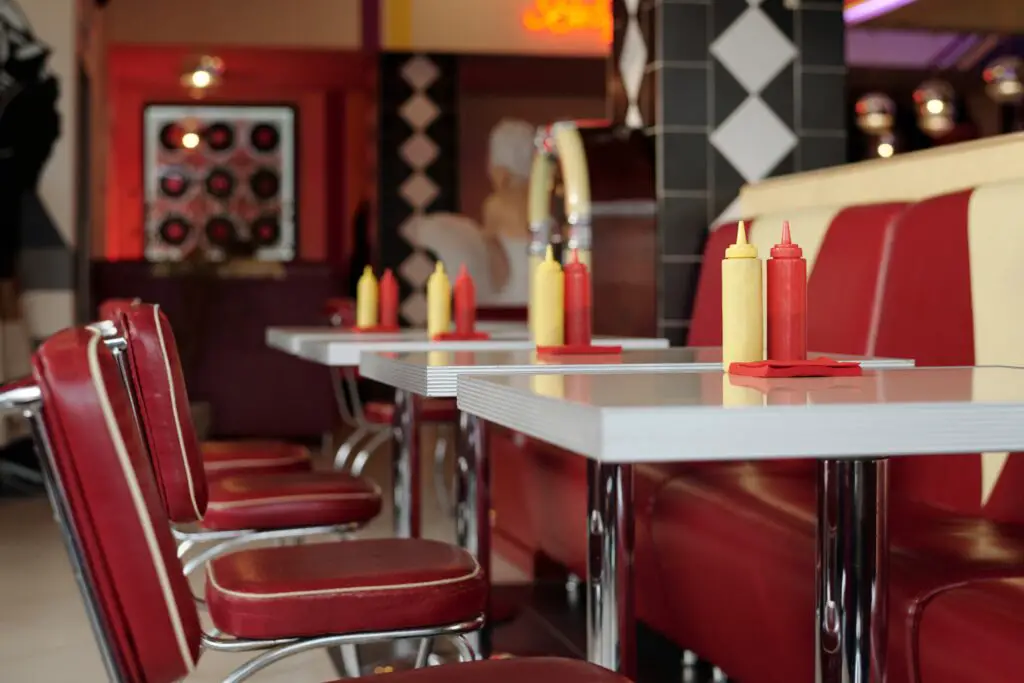
The corner diner was often the unofficial meeting place for an entire town. It opened early, stayed open late, and served the same menu to regulars who knew exactly what they were ordering. Places like Waffle House reflect that culture, though many towns had their own independent version. You’d see the same faces every morning, from retirees to shift workers grabbing coffee.
These diners were less about trends and more about consistency. Over time, rising costs and changing habits made it harder for small diners to survive. Some were replaced by chains or newer restaurants with different concepts. But when they were at their peak, they anchored entire neighborhoods. Losing one often meant losing a familiar daily rhythm.
5. The Independent Bookstore

Before online shopping changed everything, the local bookstore was where people discovered new authors and spent quiet afternoons. Shops like Barnes & Noble eventually dominated, but many towns had smaller stores that felt more personal. Staff picks, reading corners, and community bulletin boards made them feel like part of everyday life. You could walk in without a plan and leave with something unexpected.
As online retailers grew, many independent bookstores struggled to compete on price and convenience. Some closed, while others adapted by focusing on events and niche selections. Still, there was a period when they were central to a town’s identity. Book signings and reading groups brought people together in a way that felt low-key but meaningful. It’s a slower experience that’s harder to replicate digitally.
6. The Record Store

The record store was once the go-to place for discovering new music and talking about it with other fans. Shops carried everything from vinyl to cassette tapes, and later CDs, all organized in ways regulars understood instantly. Chains like Tower Records helped define that era, but local shops had their own personalities. Listening stations let you sample albums before buying them, which felt like a small luxury at the time.
People didn’t just shop there, they lingered, flipping through crates and debating what to buy. As digital downloads and streaming took over, most of these stores disappeared. A few have come back in niche form with the vinyl revival, but the culture is different now. Back then, they were one of the few places where music felt communal. That sense of discovery was tied directly to the physical space.
7. The Local Hardware Store
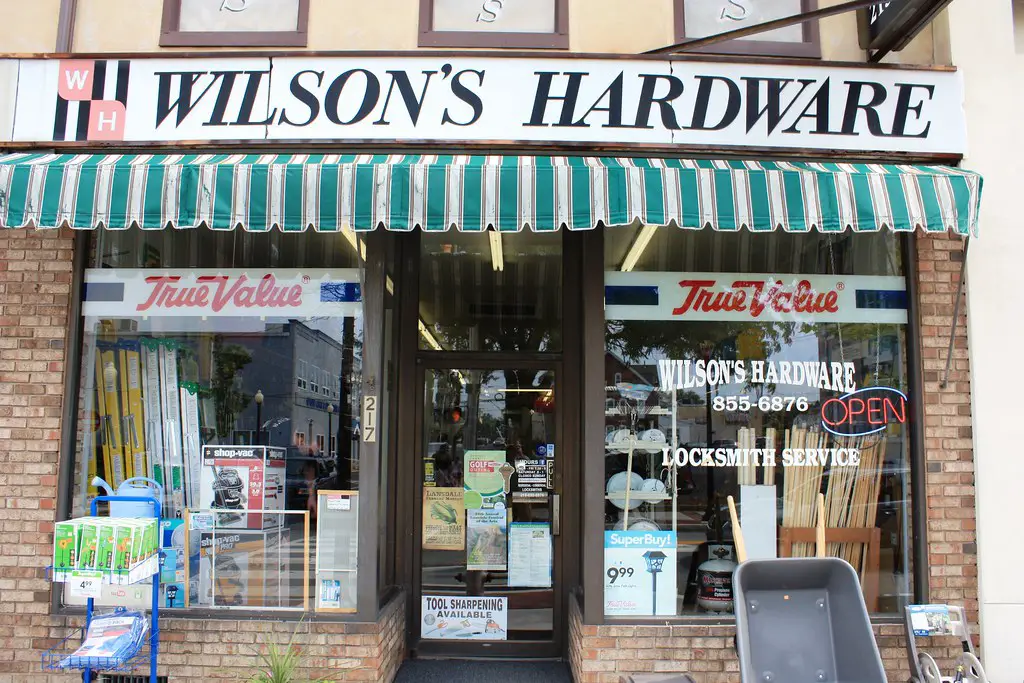
Before big-box retailers took over, the neighborhood hardware store was where people went for both supplies and advice. Employees often knew exactly how to fix a problem just by hearing a quick description. Chains like Ace Hardware still carry some of that tradition, but many towns once had independent shops with even deeper roots. You could walk in with a broken part and walk out with a solution.
These stores built trust over time, especially in smaller communities. As larger chains expanded, many couldn’t compete on pricing or inventory size. Some survived by focusing on service, while others closed quietly. Still, for years, they were essential to how people maintained their homes. Losing one often meant losing a local source of knowledge as much as a store.
8. The Drive-In Theater
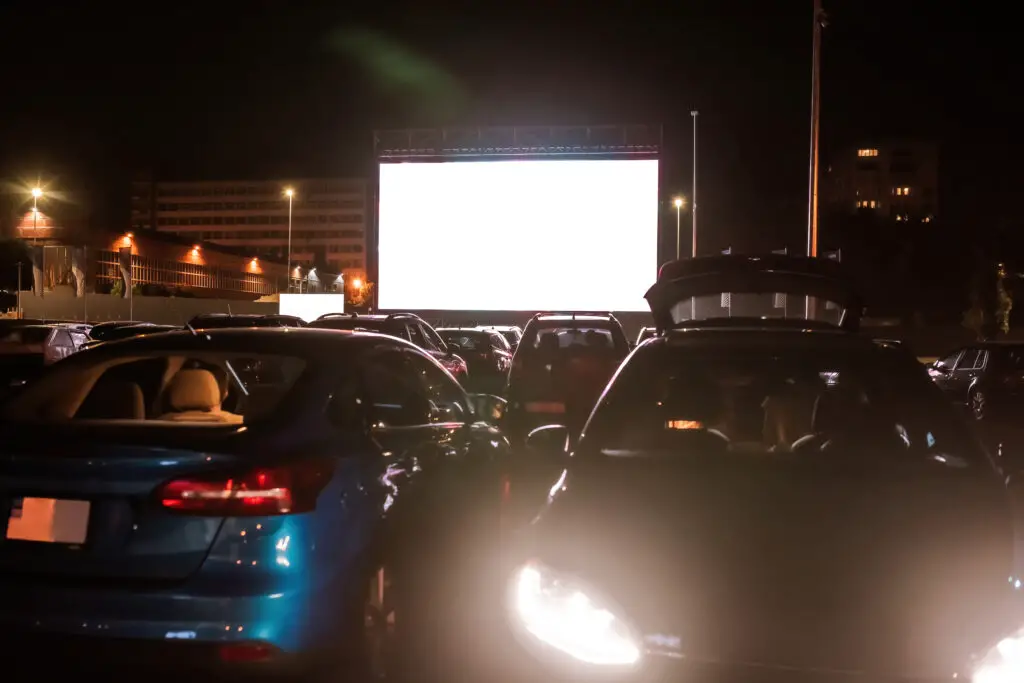
Drive-in theaters once turned empty fields into packed gathering spots after dark. Families loaded into cars, brought snacks, and watched movies under the open sky. The format peaked in the ’50s and ’60s, with thousands operating across the United States. It wasn’t just about the film, it was about the shared experience.
As indoor theaters improved and land values increased, many drive-ins shut down. A few still operate today, but they’re far less common than they once were. For a long time, though, they defined summer nights in many towns. People planned entire evenings around them. That kind of large, casual gathering space has mostly faded.
9. The Local Newspaper Office

Small-town newspapers once played a central role in daily life. Publications like The Detroit Free Press had wider reach, but local papers focused on community-level stories. They covered school events, local politics, and everyday milestones that larger outlets ignored. The office itself often sat right in the middle of town, with reporters who were familiar faces.
As advertising revenue declined and digital media took over, many local papers closed or reduced operations. Some shifted online, but the physical presence disappeared. That changed how communities stayed informed about themselves. For years, though, the newspaper office was a central hub of information. It shaped how people understood what was happening around them.
10. The Shopping Mall
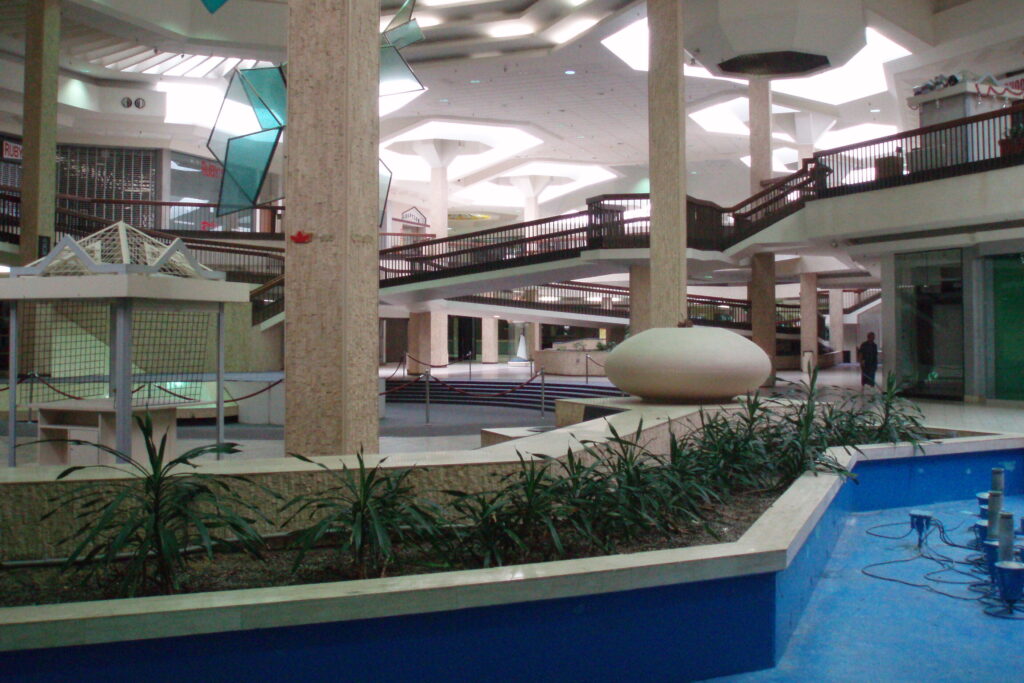
For decades, the local mall wasn’t just a place to shop, it was where people spent entire afternoons. Anchor stores like Sears and JCPenney drew crowds, but it was the mix of stores, food courts, and open space that made malls feel alive. Teenagers hung out there, families met there, and seasonal events filled the calendar.
Over time, online shopping and changing retail trends led to widespread decline. Many malls became partially vacant or closed altogether. Some have been repurposed, while others sit mostly empty. At their peak, though, they were central to social life in countless towns. They created a shared space that’s hard to replace.
11. The Local Laundromat

Laundromats were more than just practical spaces, they were informal meeting spots. People spent hours there each week, which naturally led to conversations and familiar routines. You’d see the same faces at the same times, and there was an unspoken rhythm to the place. It was one of the few businesses built entirely around waiting.
While laundromats still exist, many have become more transactional and less social. Changes in housing and appliances have reduced how often people rely on them. In earlier decades, though, they were essential parts of neighborhood life. They created small, repeated interactions that added up over time. That kind of built-in community has become less common.
12. The Local Barbershop

The neighborhood barbershop has long been a place where conversations mattered as much as the haircut. Regulars would stop in not just for grooming, but to catch up on news and talk about everything from sports to local politics. Shops often had a steady group of customers who came in on a predictable schedule. It created a sense of continuity that extended beyond the service itself.
While barbershops still exist, the role they play has shifted in some areas. Chains and quick-service models have changed the pace and feel of the experience. Still, in many towns, they remain one of the last places where people gather in a simple, consistent way. Historically, they were small but important anchors of community life. That role was easy to overlook until it started to fade.
13. The Local Pharmacy

Before large chains dominated, the neighborhood pharmacy was a trusted and familiar place. Pharmacists often knew customers by name and kept track of their needs without much formality. Stores like Rite Aid eventually expanded widely, but independent pharmacies once filled that role locally. They carried everyday essentials along with prescriptions, making them frequent stops.
As consolidation increased, many small pharmacies closed or were absorbed into larger networks. The personal connection often disappeared along with them. Still, for years, they were central to how people managed their health. They offered both convenience and familiarity in one place. That combination helped define many neighborhoods for a long time.