
1. Pontiac Silverdome
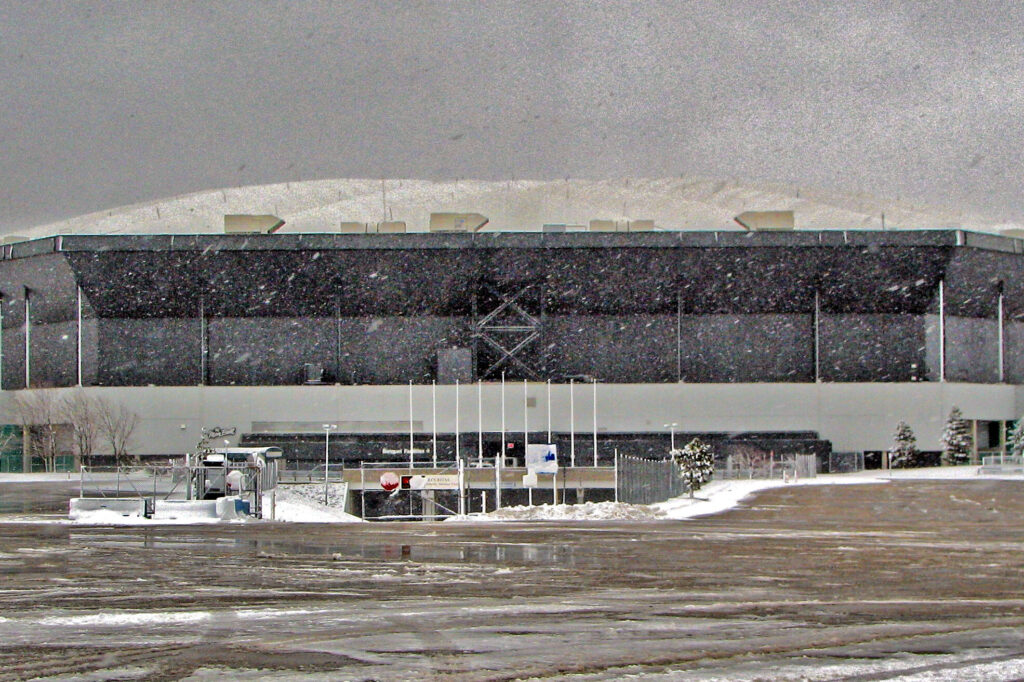
For years, the Pontiac Silverdome in Michigan was one of the most recognizable stadiums in the Midwest. It opened in 1975 and served as the home of the Detroit Lions, along with hosting major concerts and even matches during the 1994 FIFA World Cup. If you grew up anywhere near Detroit, there is a good chance you either went to a game there or at least heard about its massive air-supported roof. It was considered cutting-edge at the time, especially because of that inflatable design. Over time, though, newer stadiums with more modern amenities began to replace it. The Lions moved out in 2002, and after that, the venue struggled to stay relevant. It sat largely unused for years, slowly falling into disrepair.
By the time it closed for good, the Silverdome had become more of a curiosity than a destination. There were brief attempts to revive it, including hosting smaller events, but nothing really stuck. Parts of the roof collapsed in 2013 after heavy snow, which only reinforced how far things had declined. Eventually, it was sold and demolished in 2017. For a lot of people, it felt like watching a piece of local identity disappear. Today, the site has been redeveloped, but longtime residents still remember what it used to be. It is one of those places that once felt permanent but ultimately proved otherwise.
2. Michigan Theater (Detroit)
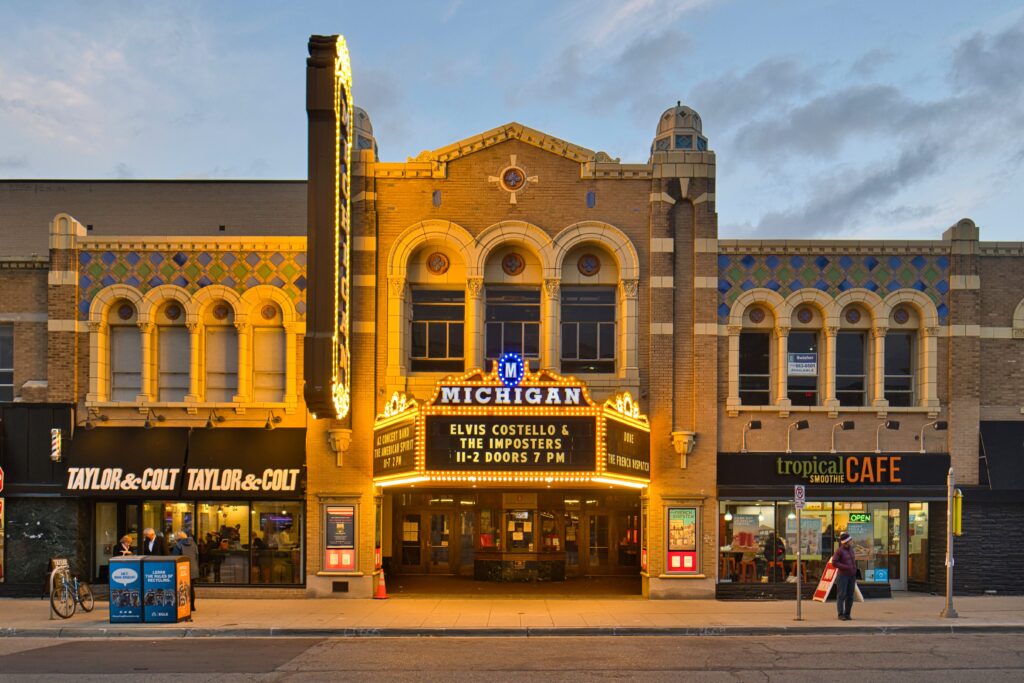
The Michigan Theater in Detroit opened in 1926 and was originally a lavish movie palace. It had ornate ceilings, grand staircases, and all the architectural detail you would expect from a theater built during that era. It was part of a time when going to the movies felt like an event rather than just something to do on a random night. The theater hosted films and live performances and was considered one of the city’s cultural centers. However, as suburban theaters grew in popularity, downtown venues began to struggle. By the late 1960s, attendance had dropped significantly. The theater closed in 1976.
What makes this one especially strange is what happened next. Instead of being completely demolished, the interior was converted into a parking garage. The structure still stands today, with its decorative ceiling and architectural details visible above parked cars. It creates a surreal contrast between what it used to be and what it became. You can still see traces of its original grandeur if you look closely. It is not abandoned in the traditional sense, but its original purpose is long gone. For many, it feels like a ghost of Detroit’s entertainment past.
3. Six Flags New Orleans
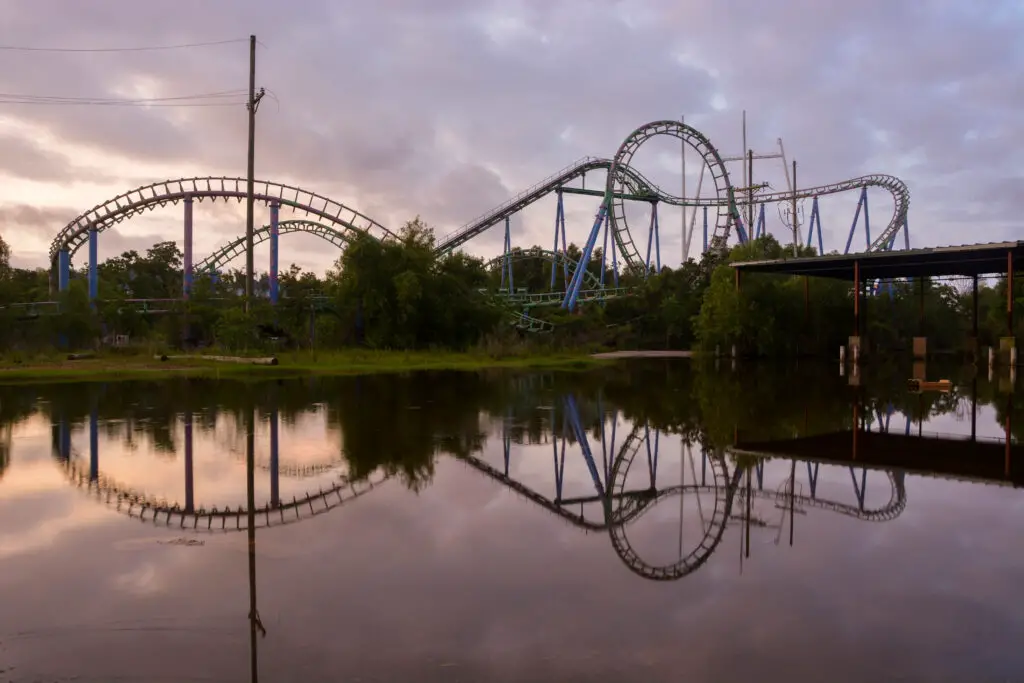
Six Flags New Orleans opened in 2000 and quickly became a major attraction in Louisiana. It featured roller coasters, water rides, and all the typical theme park experiences. Families traveled from across the region to spend full days there. It was not the largest park in the Six Flags chain, but it had a strong local following. Everything changed in 2005 when Hurricane Katrina hit. The park was severely flooded, with water levels reaching several feet above ground.
After the storm, Six Flags never reopened the park. The damage was extensive, and the cost of repairs was considered too high. Since then, the site has remained abandoned, with rusting rides and overgrown walkways. It has been used occasionally as a filming location, which only adds to its eerie reputation. You can still see roller coasters standing idle, frozen in time. There have been multiple redevelopment proposals, but none have materialized so far. It remains one of the most well-known abandoned amusement parks in the United States.
4. Houston Astrodome
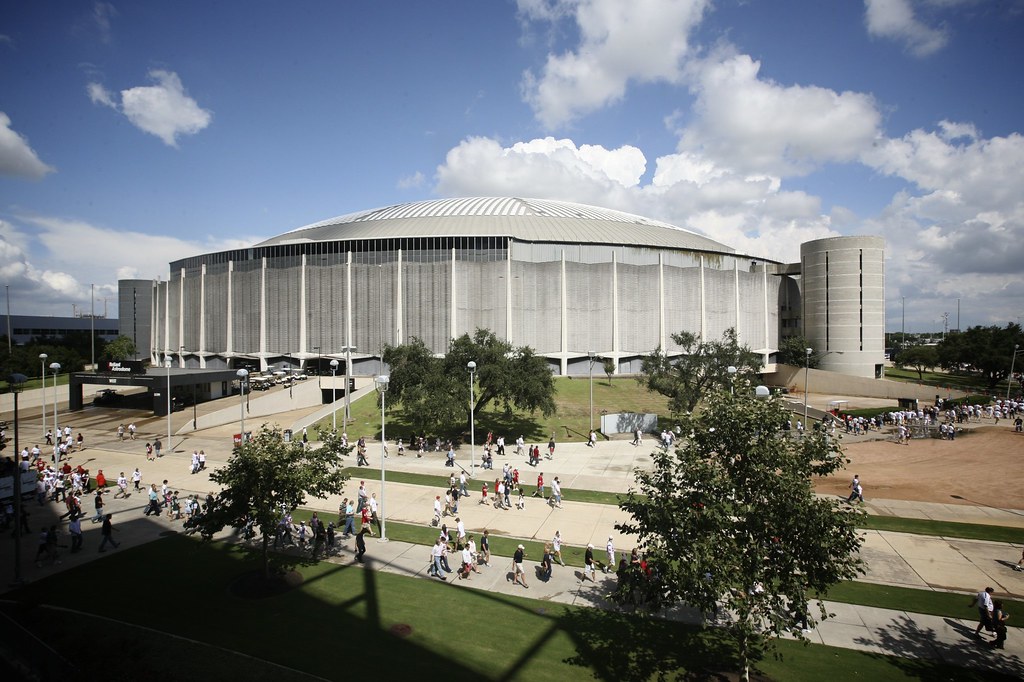
The Houston Astrodome opened in 1965 and was nicknamed the “Eighth Wonder of the World.” It was the first fully enclosed domed stadium and represented a major leap in sports and entertainment design. It hosted baseball, football, concerts, and even events like rodeos. At the time, it was seen as a symbol of progress and innovation. However, as newer stadiums were built with more modern features, the Astrodome began to feel outdated. The Houston Astros moved out in 1999, followed by the Houston Oilers earlier.
After its closure, the building remained standing but unused for its original purpose. There have been numerous debates about what to do with it, including demolition and renovation proposals. As of now, it still sits largely empty, though it is maintained and occasionally used for storage or limited events. Its massive structure remains an iconic part of Houston’s skyline. Many people still feel a strong sense of nostalgia for what it once represented. It is not fully abandoned, but it no longer functions as the entertainment hub it once was. That contrast is what makes it stand out.
5. Pripyat Amusement Park
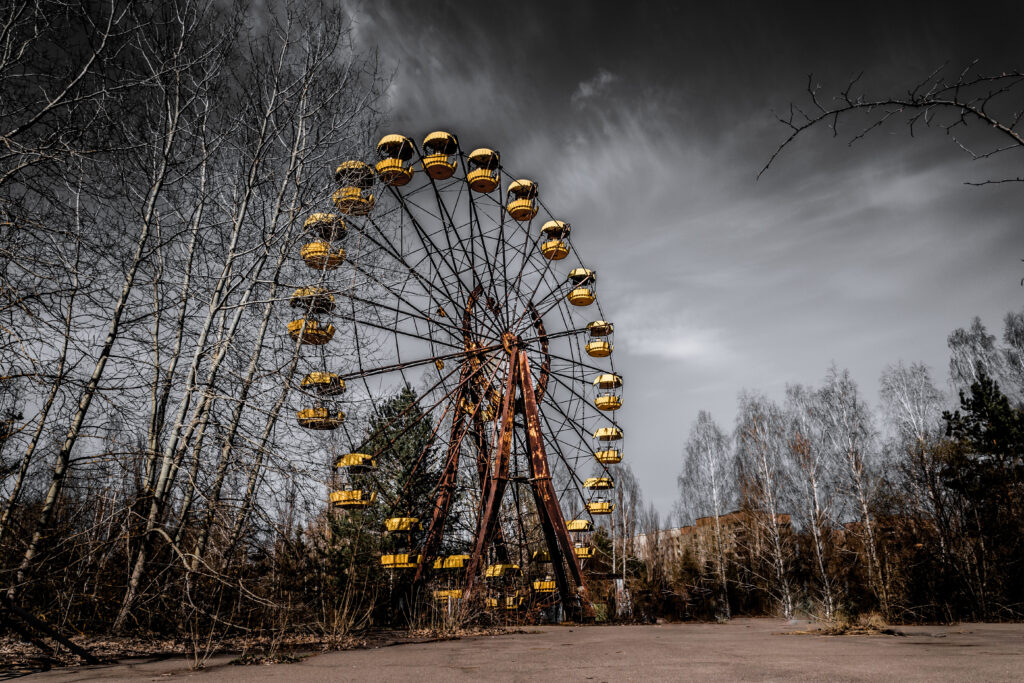
The amusement park in Pripyat, Ukraine, is one of the most recognizable abandoned sites in the world. It was scheduled to officially open in May 1986, just days after the Chernobyl nuclear disaster. The park featured a Ferris wheel and several rides, all ready for use. However, the evacuation of the city happened before it could truly operate. As a result, the park was essentially abandoned almost immediately after it was completed. It became a symbol of everything that was lost during that event.
Today, the Ferris wheel is often photographed as a haunting reminder of the disaster. The rides have rusted over, and vegetation has taken over the area. It has never been restored or reopened. Instead, it exists as part of the Chernobyl Exclusion Zone. Visitors can tour the site under controlled conditions, but it remains frozen in time. It is not just an abandoned venue, it is a historical marker. That context makes it very different from most other entries on this list.
6. The Berlin Spreepark
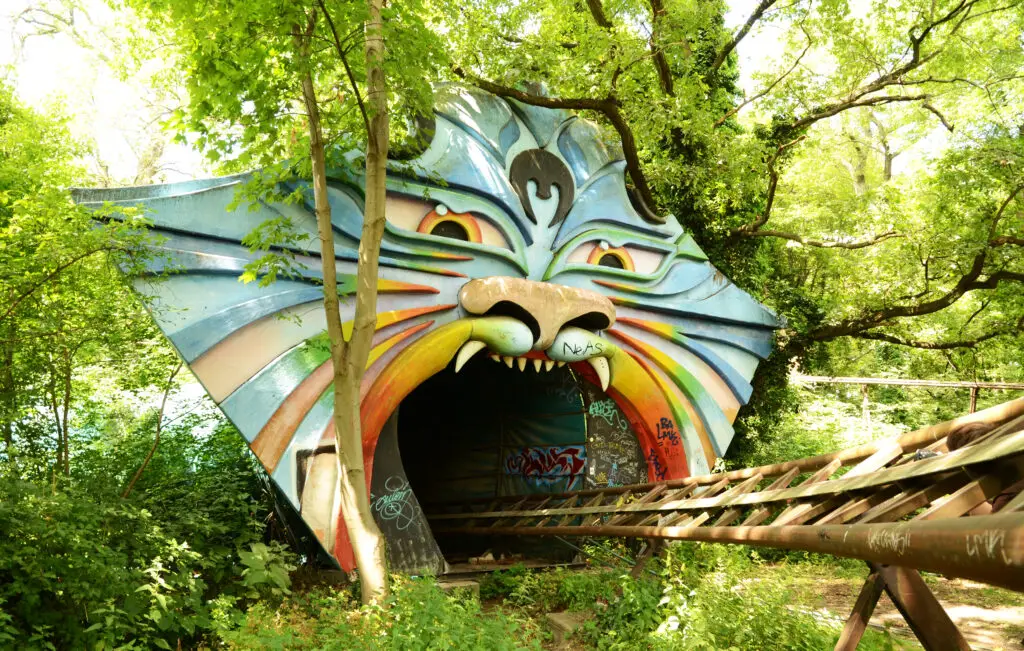
Spreepark in Berlin opened in 1969 and was once the only permanent amusement park in East Germany. It attracted large crowds and became a popular destination for families. After German reunification, it struggled financially and eventually closed in 2002. The park’s decline was tied to broader economic changes in the region. Maintenance became difficult, and attendance dropped. Over time, the rides were left to deteriorate.
For years, the park sat abandoned, with broken attractions and overgrown pathways. It gained a reputation as one of Europe’s eeriest abandoned amusement parks. The Ferris wheel and dinosaur figures became particularly iconic. In recent years, there have been plans to redevelop the site into a cultural park. Some cleanup efforts have already begun. However, much of the original park remains in a state of decay. It is a clear example of how quickly entertainment spaces can fall out of use.
7. The Palace of Auburn Hills
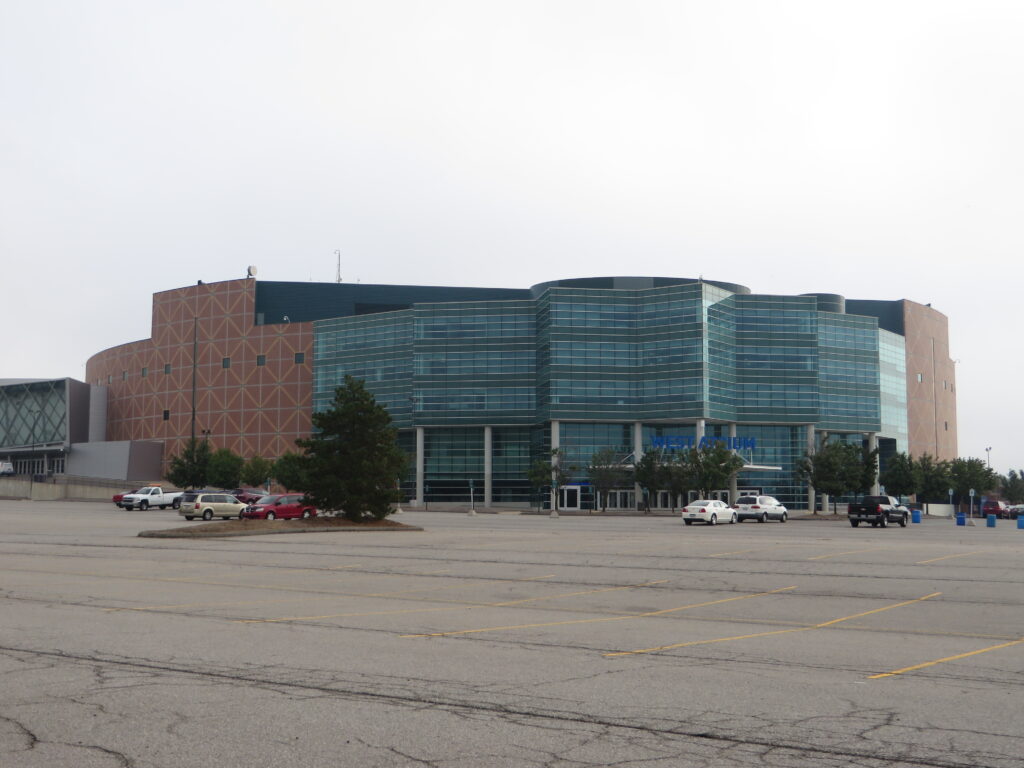
The Palace of Auburn Hills opened in 1988 and was home to the Detroit Pistons. It was also a major concert venue, hosting some of the biggest names in music. For decades, it was considered one of the premier arenas in the country. Fans filled the seats for basketball games and sold-out shows. It was known for its design and strong acoustics. However, as newer arenas were built, it began to feel outdated. The Pistons moved to Little Caesars Arena in 2017.
After that, the Palace quickly lost its purpose. It closed the same year and was demolished in 2020. While it did not sit abandoned for as long as some others, its decline was still noticeable. One day it was packed with fans, and not long after, it was empty. Many people in the Detroit area still remember concerts and games there. Its disappearance marked the end of an era. It shows how even successful venues can become obsolete.
8. Nara Dreamland
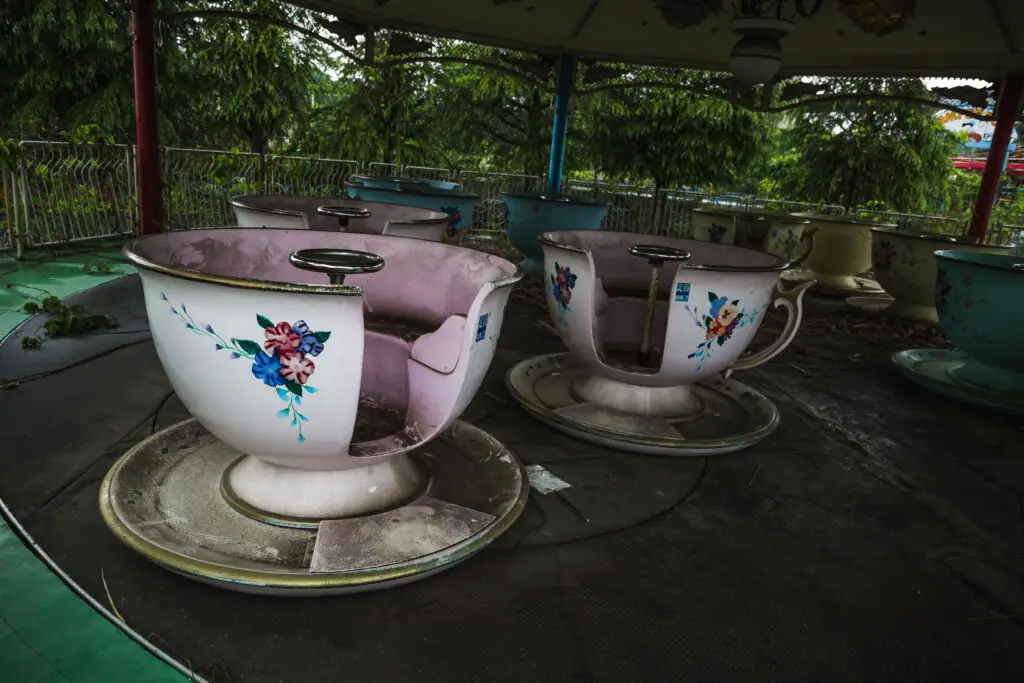
Nara Dreamland in Japan opened in 1961 and was heavily inspired by Disneyland. It featured similar attractions and layouts, which made it very popular at first. For years, it drew large crowds and became a major tourist destination. However, as official Disney parks opened in Japan, interest in Nara Dreamland declined. Attendance dropped significantly in the 1990s. The park officially closed in 2006.
After closing, it was left abandoned for nearly a decade. The rides and buildings slowly deteriorated, creating a surreal landscape. It became a favorite subject for urban explorers and photographers. Eventually, the site was demolished in 2016. During its abandoned years, it gained a reputation as one of the most eerie theme parks in the world. It showed how competition can quickly shift the fate of a venue. Once popular, it became completely forgotten.
9. The Tropicana Atlantic City (Certain Areas)
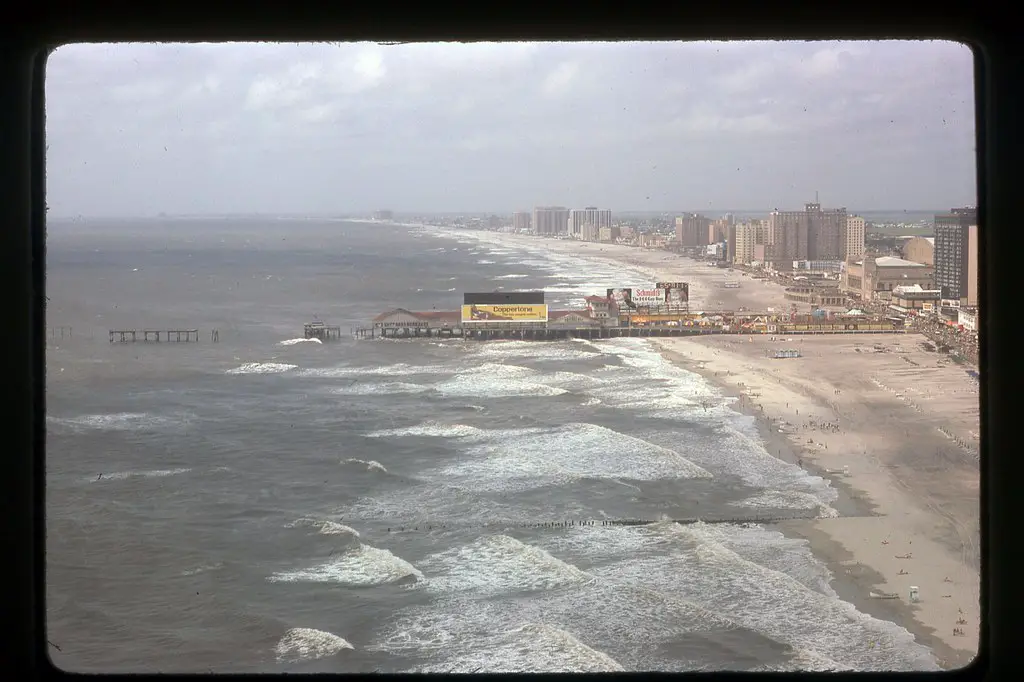
The Tropicana in Atlantic City is still operational, but parts of its entertainment complex have seen significant decline over time. Atlantic City itself went through a period of economic downturn, especially in the 2000s and 2010s. Several casinos closed, and foot traffic dropped. While the Tropicana survived, not all areas within large casino complexes remained active. Some theaters and entertainment spaces were shut down or repurposed.
These unused areas often sit quietly behind the scenes. They are not always visible to the public, but they reflect the changing nature of the city. At one time, every corner of these complexes was filled with activity. Now, some spaces remain empty due to shifting demand. It is a more subtle form of decline compared to fully abandoned buildings. Still, it represents how entertainment habits evolve. Even major destinations are not immune.
10. The Orpheum Theatre (New Bedford, MA)
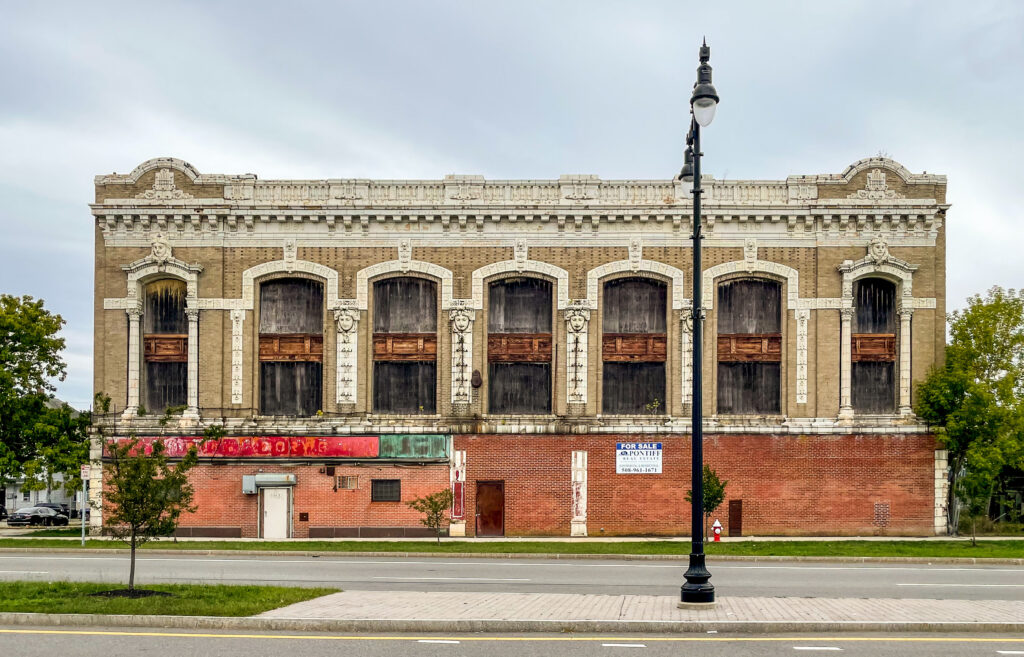
The Orpheum Theatre in New Bedford opened in 1912 and was once a major cultural venue. It hosted vaudeville acts, films, and live performances. Like many theaters of its era, it featured elaborate design and large seating capacity. It was a central part of the community’s entertainment scene. Over time, changing tastes and competition led to declining attendance. The theater eventually closed in 1959.
Since then, it has remained largely unused and deteriorating. Efforts to restore it have been discussed, but progress has been limited. The building still stands, but it shows clear signs of age and neglect. Inside, many original features are still present, though worn. It serves as a reminder of a different era of entertainment. For locals, it is both a landmark and a missed opportunity.
11. Rocky Point Amusement Park
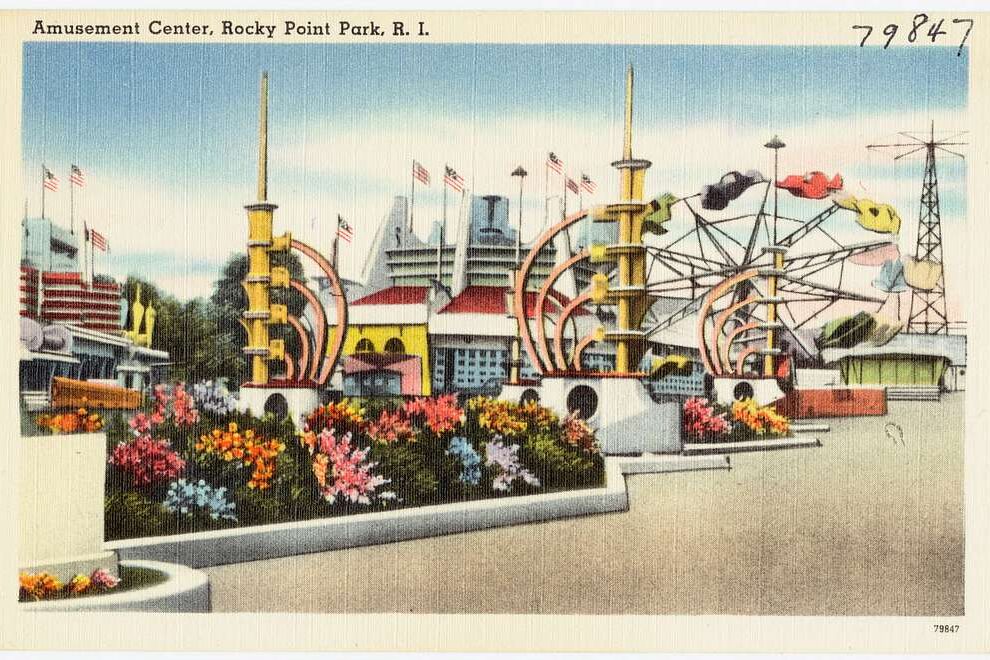
Rocky Point in Rhode Island opened in the 1840s and operated for more than a century. It evolved from a picnic area into a full amusement park. Generations of families visited for rides, food, and entertainment. It became especially known for its clam cakes and chowder. However, financial troubles began to mount in the late 20th century. The park closed in 1995.
After closing, it was left abandoned for years. The rides were removed, but many structures remained. Eventually, the land was redeveloped into a public park. Some remnants of the original amusement park can still be found. For many people, it is remembered more for what it was than what it is now. Its long history makes its closure especially notable. It lasted far longer than most parks before it declined.
12. The Packard Automotive Plant (Event Space Attempts)
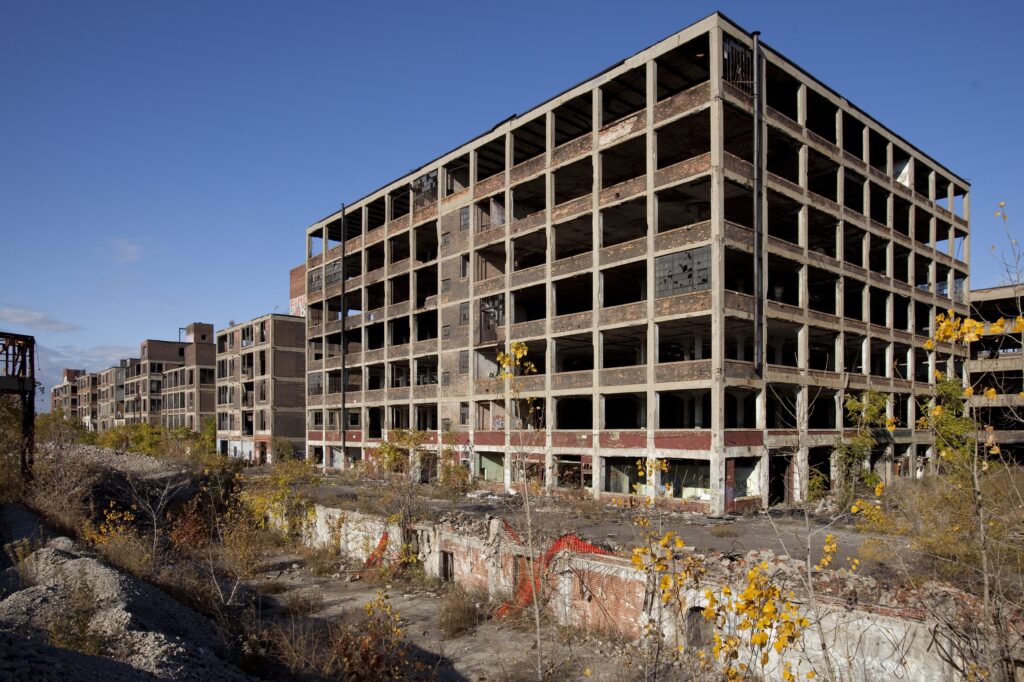
The Packard Plant in Detroit was originally an automotive factory, but there were attempts to repurpose parts of it for events and entertainment. Built in the early 1900s, it was once one of the most advanced industrial facilities in the world. After Packard ceased operations in the 1950s, the building fell into disuse. Over time, parts of it were used for small events and creative projects.
However, the structure continued to deteriorate. Large sections became unsafe, limiting its use. While not a traditional entertainment venue, its attempted transformation fits the pattern. It became a space that people hoped to revive but never fully succeeded. Today, much of it remains in ruins. Some redevelopment efforts are ongoing, but progress is slow. It stands as a reminder of unrealized potential.
13. Joyland Amusement Park
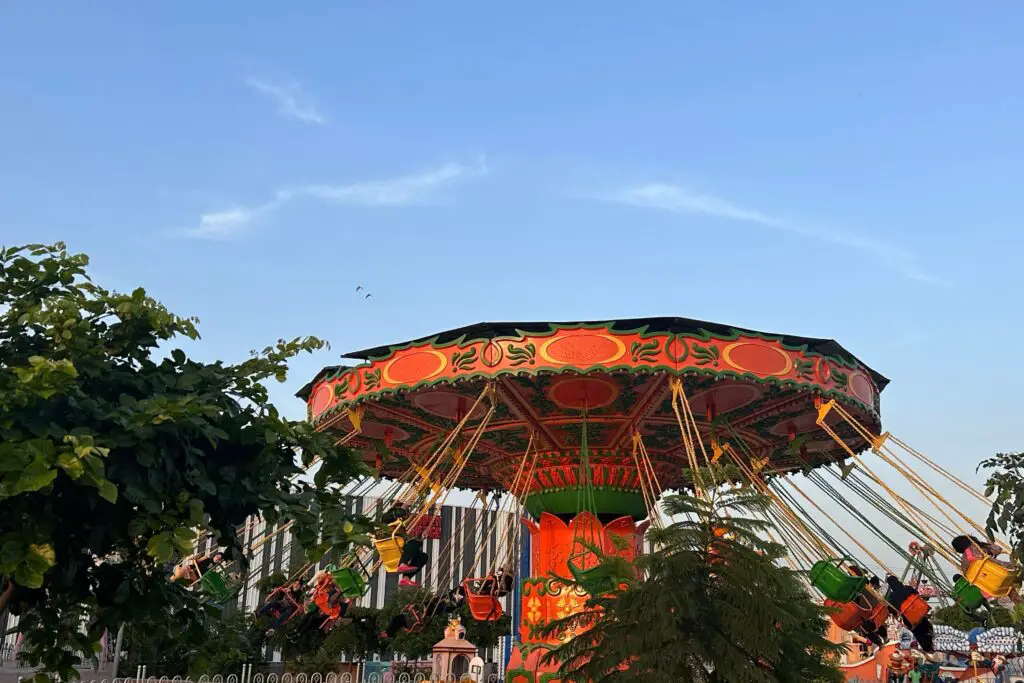
Joyland in Wichita, Kansas, opened in 1949 and became a beloved local attraction. It featured classic rides, including a wooden roller coaster. Families visited regularly, and it held a strong place in the community. Over time, maintenance costs increased, and attendance declined. The park closed permanently in 2006.
After closing, it was left abandoned for several years. The rides and structures slowly fell apart. Eventually, most of the site was demolished around 2015. For those who grew up going there, it was a significant loss. It represented a simpler kind of entertainment that gradually disappeared. Its closure followed a pattern seen across many small amusement parks.
14. Grossinger’s Catskill Resort
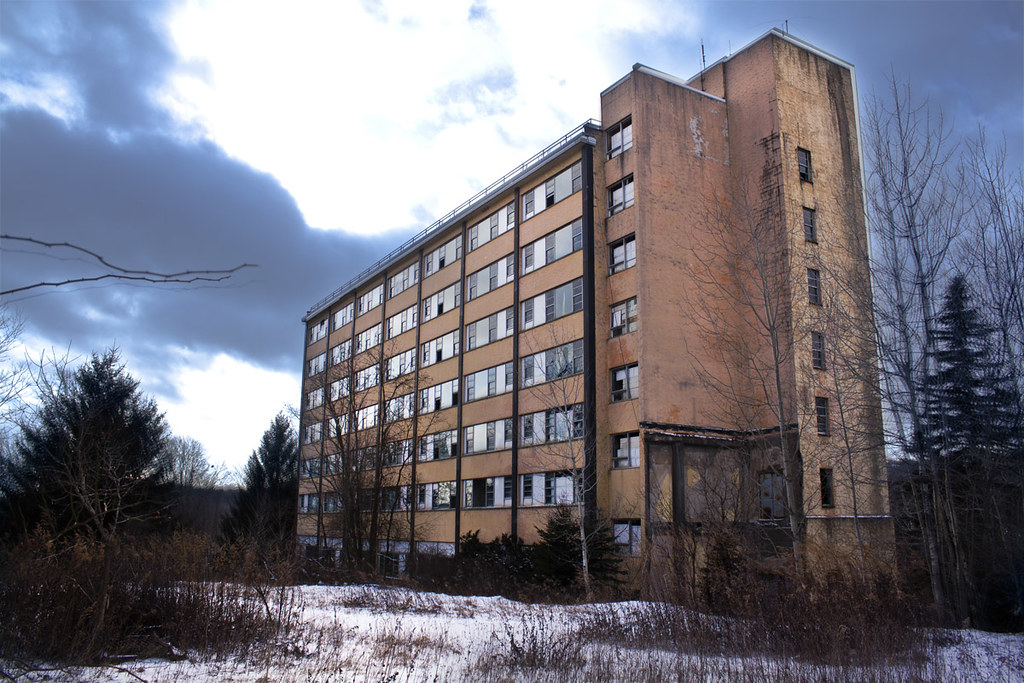
Grossinger’s Catskill Resort in New York was once one of the most famous vacation destinations in the country. It opened in the early 20th century and became part of the “Borscht Belt” resort scene. It attracted celebrities, entertainers, and families looking for all-inclusive experiences. The resort featured entertainment venues, sports facilities, and large dining halls. It was especially popular in the mid-20th century.
By the 1980s, changing travel habits and increased competition led to its decline. The resort closed in 1986. Since then, much of the property has been abandoned. Some buildings were demolished, but others remained for years in a deteriorated state. It has since been partially redeveloped, but the original resort is gone. For many, it represents a lost era of vacation culture. It once thrived, and now it exists mostly in memory.