
1. The Disappearance of the Roanoke Colony
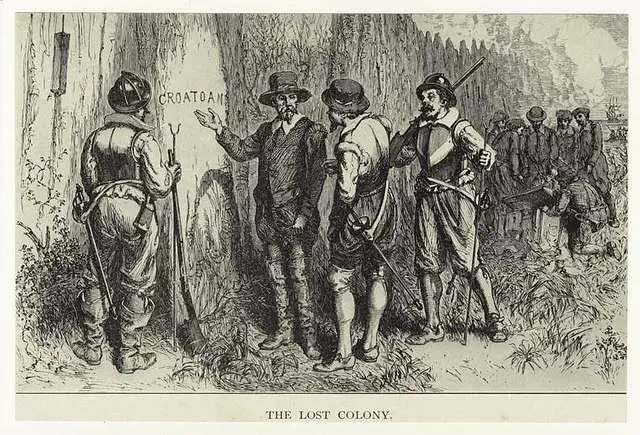
In 1587, more than 100 English settlers arrived on Roanoke Island, off the coast of present-day North Carolina, hoping to establish a permanent colony. When their leader, John White, returned from England three years later, the entire settlement had vanished. The only clue left behind was the word “CROATOAN” carved into a wooden post. There were no signs of violence, no remains, and no clear indication of what had happened to the colonists.
Historians have proposed several explanations, including that the settlers integrated with local Indigenous tribes or moved inland due to hardship. Archaeological evidence suggests some may have relocated, but nothing has definitively confirmed their fate. The mystery has persisted for centuries because there is no written record from the colonists themselves after White’s departure. It remains one of early America’s most enduring unanswered questions.
2. The Identity of Jack the Ripper
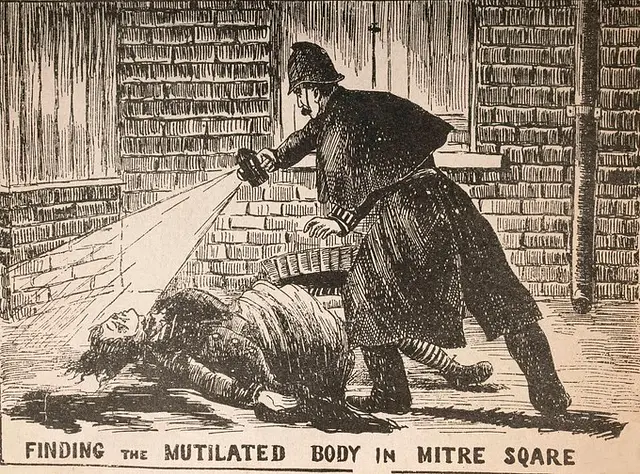
In 1888, a series of brutal murders in London’s Whitechapel district terrified the public and drew intense media attention. The killer, later nicknamed Jack the Ripper, targeted women and often mutilated their bodies in ways that suggested some anatomical knowledge. Despite a large police investigation and countless suspects, the identity of the murderer was never confirmed.
Over the years, historians and investigators have revisited the case using modern forensic techniques, including DNA analysis on preserved evidence. Some theories point to specific individuals, but none have been universally accepted or proven beyond doubt. The lack of definitive physical evidence and the passage of time have made it nearly impossible to reach a firm conclusion. As a result, the case remains one of the most famous unsolved crimes in history.
3. The Fate of Amelia Earhart

In 1937, aviator Amelia Earhart disappeared while attempting to fly around the world along the equator. She and her navigator, Fred Noonan, were last known to be near Howland Island in the Pacific Ocean. Despite an extensive search effort by the U.S. Navy and Coast Guard, no confirmed trace of the plane was ever found.
Several theories have emerged, including that Earhart crashed into the ocean after running out of fuel or landed on a remote island and died as a castaway. Some researchers have pointed to artifacts found on Nikumaroro Island, but none have been definitively linked to her. Without confirmed wreckage or remains, the exact circumstances of her disappearance are still unknown. The mystery continues to capture public interest nearly a century later.
4. The Voynich Manuscript
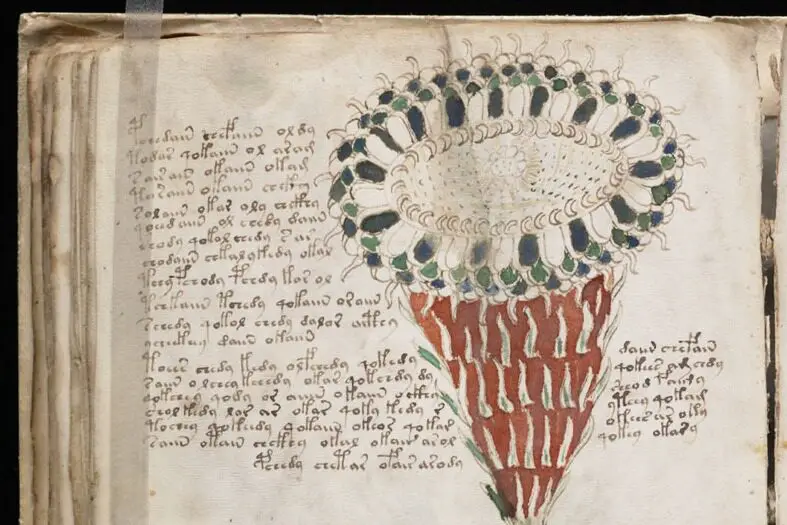
The Voynich Manuscript is a handwritten book, believed to date to the early 15th century, filled with strange illustrations and an unknown script. It contains drawings of plants, astronomical diagrams, and what appear to be biological or anatomical images. Despite decades of study by linguists, cryptographers, and historians, no one has been able to conclusively decipher the text.
Some researchers believe it is a coded document, while others suggest it could be an elaborate hoax. Radiocarbon dating confirms the parchment is genuinely medieval, but that does not clarify its meaning or purpose. Attempts using artificial intelligence and pattern analysis have also failed to produce a reliable translation. The manuscript remains one of the most puzzling documents ever discovered.
5. The Lost City of Atlantis
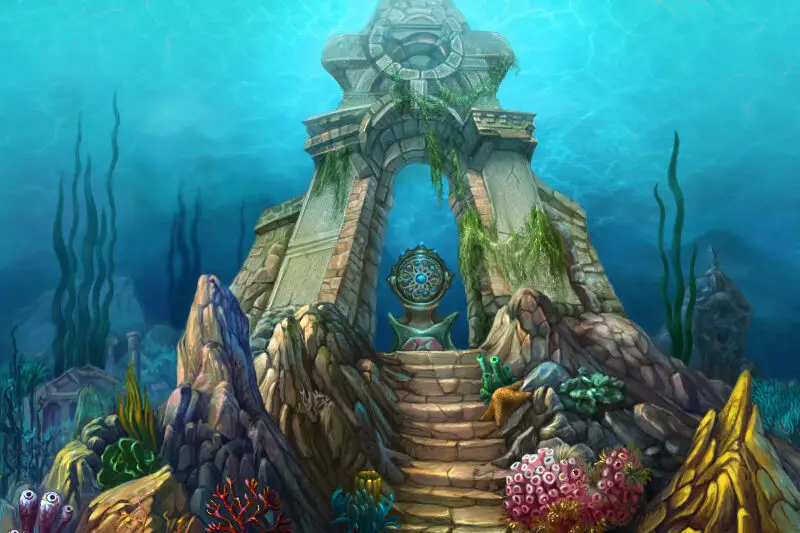
The story of Atlantis comes from ancient Greek philosopher Plato, who described it as a powerful and advanced civilization that sank into the ocean. According to his writings, Atlantis disappeared in a single day and night of catastrophe. However, Plato is the only primary ancient source describing it, and there is no confirmed archaeological evidence that the city ever existed.
Some researchers believe Atlantis may have been inspired by real events, such as the volcanic eruption on the island of Thera. Others argue it was intended as a philosophical allegory rather than a historical account. Despite numerous expeditions and claims of discovery, no site has been definitively identified as Atlantis. The question of whether it was real or purely symbolic remains unresolved.
6. The Dyatlov Pass Incident

In 1959, nine experienced hikers died under mysterious circumstances in the Ural Mountains of the Soviet Union. Their tent was found torn open from the inside, and several bodies were discovered with unusual injuries, including fractures and signs of exposure. Some were found without proper clothing, suggesting they fled the tent in extreme conditions.
Investigations at the time concluded that an unknown “compelling natural force” caused their deaths. Later studies have suggested possibilities such as an avalanche or a rare weather phenomenon, but not all details are fully explained. For example, some injuries appeared severe without corresponding external trauma. While modern analyses have provided more context, no single explanation answers every aspect of the incident.
7. The Mary Celeste
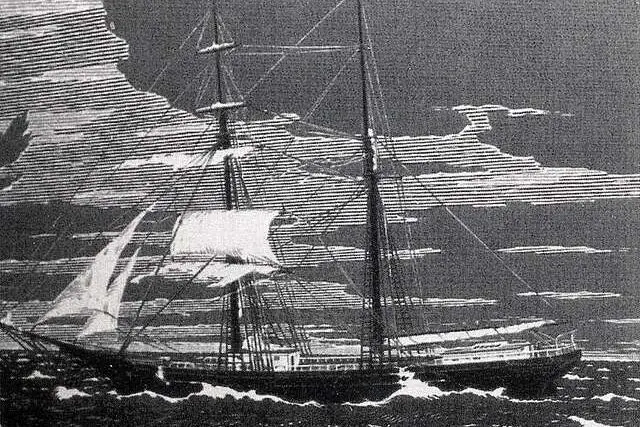
In 1872, the merchant ship Mary Celeste was discovered drifting in the Atlantic Ocean with no one on board. The cargo was largely intact, the ship was seaworthy, and there were no clear signs of struggle or violence. The crew’s personal belongings were still present, but the lifeboat was missing.
Various theories have been proposed, including piracy, mutiny, or that the crew abandoned ship due to a perceived threat such as fumes from the cargo. However, none of these explanations have been definitively proven. The lack of physical evidence and surviving witnesses makes it difficult to determine what truly happened. The case remains one of the most famous maritime mysteries.
8. The Tunguska Event
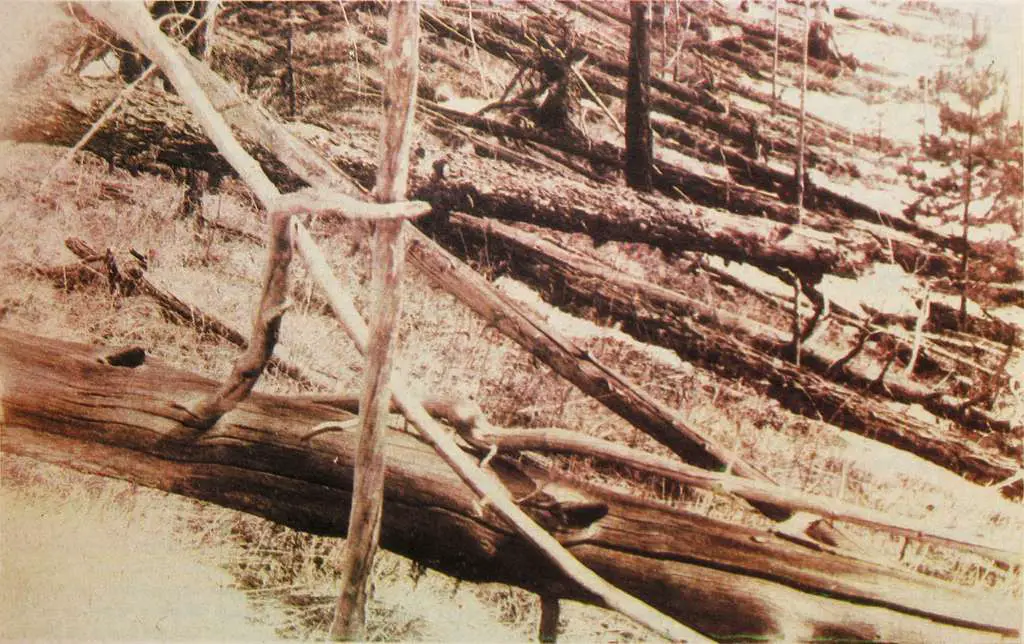
In 1908, a massive explosion flattened an estimated 80 million trees over a remote area in Siberia. The blast was powerful enough to be detected hundreds of miles away, yet no impact crater was ever found. Scientists believe it was caused by a meteoroid or comet fragment exploding in the atmosphere.
Even with that general explanation, key details remain uncertain, including the exact composition and size of the object. Eyewitness accounts describe a bright fireball and a shockwave, but there is no surviving physical fragment conclusively tied to the event. The remote location delayed scientific investigation for years. While widely studied, the event still raises questions about what precisely occurred.
9. The Princes in the Tower

In 1483, two young boys, Edward V and his brother Richard, were placed in the Tower of London during a period of political upheaval. They were the sons of King Edward IV and were expected to be central figures in the line of succession. Shortly after being confined, they disappeared, and were never seen again.
Suspicion has long fallen on their uncle, Richard III, who became king soon after. However, there is no definitive proof that he ordered their deaths. Bones discovered in the Tower in the 17th century are often associated with the princes, but they have not been conclusively identified. The lack of clear evidence has left historians divided for centuries.
10. The Nazca Lines
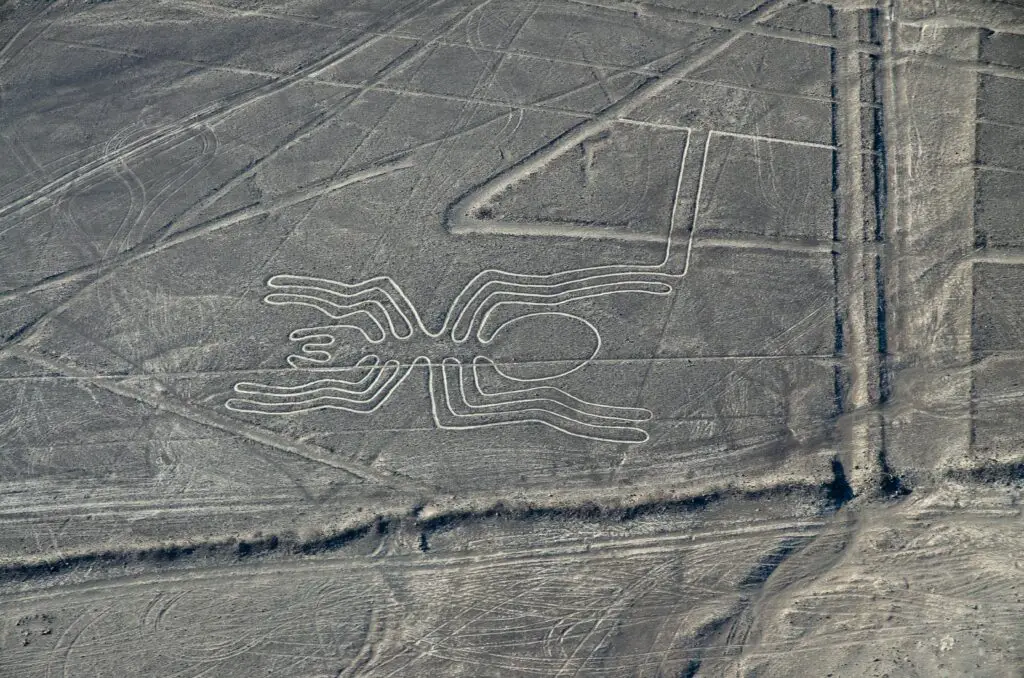
In southern Peru, massive geoglyphs known as the Nazca Lines were created between roughly 500 BCE and 500 CE. These designs include animals, geometric shapes, and long straight lines etched into the desert floor. They are best viewed from the air, which has raised questions about how and why they were made.
Most researchers believe they had ceremonial or religious significance, possibly related to water or fertility rituals. However, there is no written record explaining their purpose. The scale and precision of the lines continue to intrigue archaeologists. Despite ongoing research, their exact meaning remains uncertain.
11. The Wow! Signal
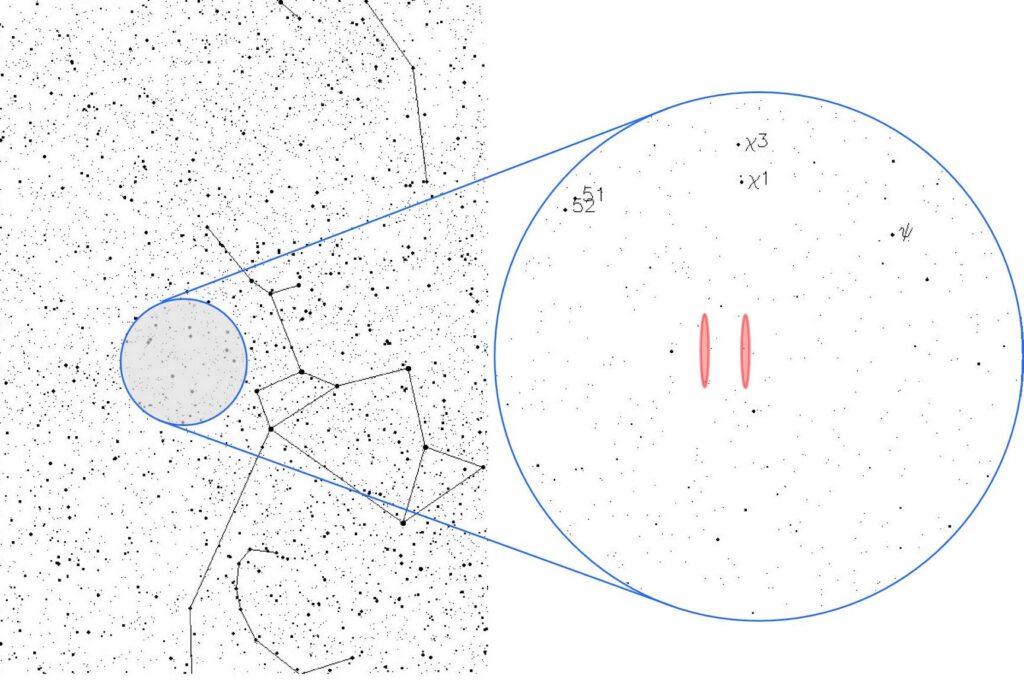
In 1977, a radio telescope at Ohio State University detected a strong, narrowband radio signal from space that lasted 72 seconds. The signal appeared to originate from the direction of the constellation Sagittarius. Astronomer Jerry Ehman famously circled the data printout and wrote “Wow!” next to it, giving the signal its name.
Despite repeated attempts, the signal was never detected again. Scientists have proposed various explanations, including natural cosmic sources, but none have been confirmed. The characteristics of the signal made it stand out from typical background noise. Its origin remains unknown, making it one of the most intriguing events in the search for extraterrestrial intelligence.
12. The Shroud of Turin
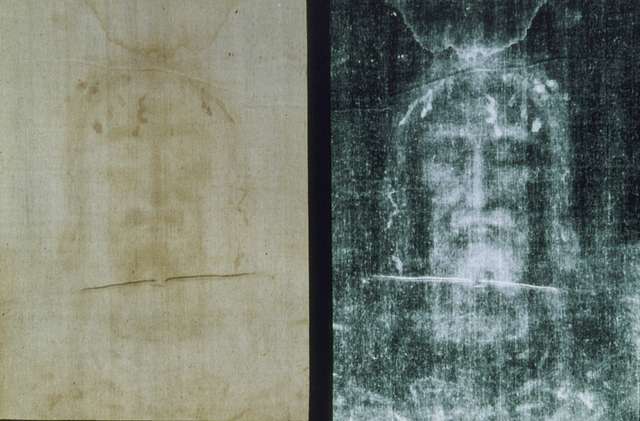
The Shroud of Turin is a linen cloth that bears the faint image of a man who appears to have suffered injuries consistent with crucifixion. It has been venerated by some as the burial shroud of Jesus Christ. Scientific testing, including radiocarbon dating conducted in 1988, suggested the cloth dates to the medieval period.
However, debate continues over the accuracy of those tests and how the image was formed. Some researchers argue contamination may have affected the dating results, while others see the image as evidence of a sophisticated artistic technique. No consensus has been reached on its origin or authenticity. The object remains both a religious artifact and a scientific mystery.