
1. Judy Winslow (Family Matters)
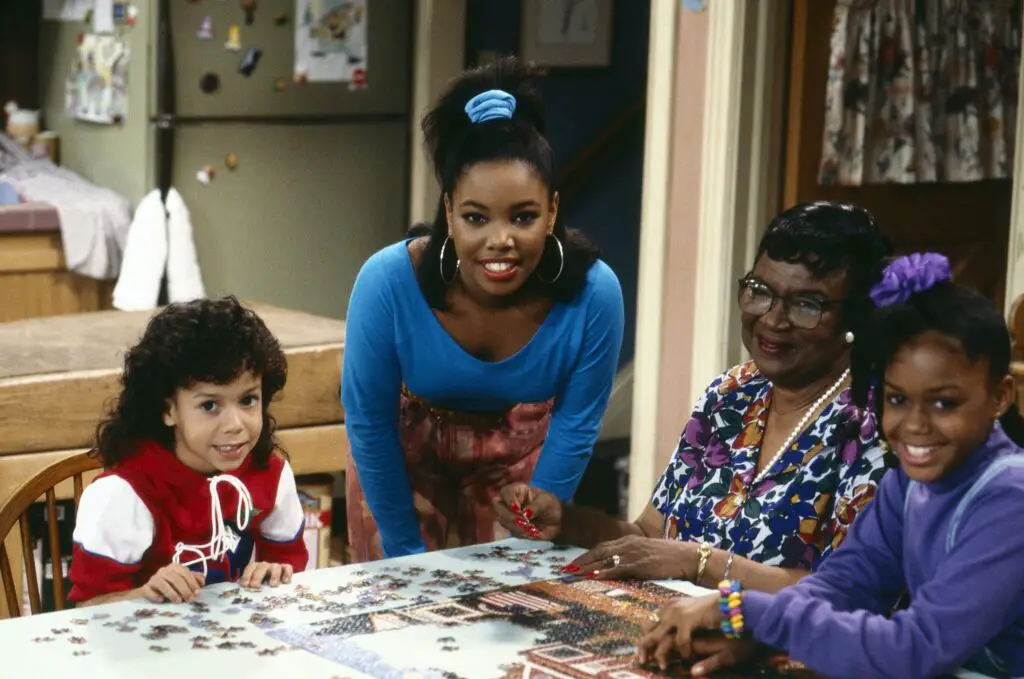
If you grew up watching Family Matters, you probably remember Judy Winslow as the youngest daughter in the Winslow family, at least for a while. Played by Jaimee Foxworth, Judy was part of the show’s early seasons and had her own small but consistent presence. Then, somewhere along the way, she simply stopped appearing. No storyline explained her absence, and no one in the family ever mentioned her again. It was as if she had never existed at all.
Behind the scenes, the show shifted focus heavily toward Steve Urkel, played by Jaleel White, and producers made the decision to drop Judy entirely. Foxworth has spoken about being let go due to budget cuts and changing priorities. What makes it so memorable is how abrupt it felt to viewers. One week she was there, the next she wasn’t, and the show carried on without acknowledging it. That kind of disappearance has become one of the most talked-about examples in sitcom history.
2. Chuck Cunningham (Happy Days)
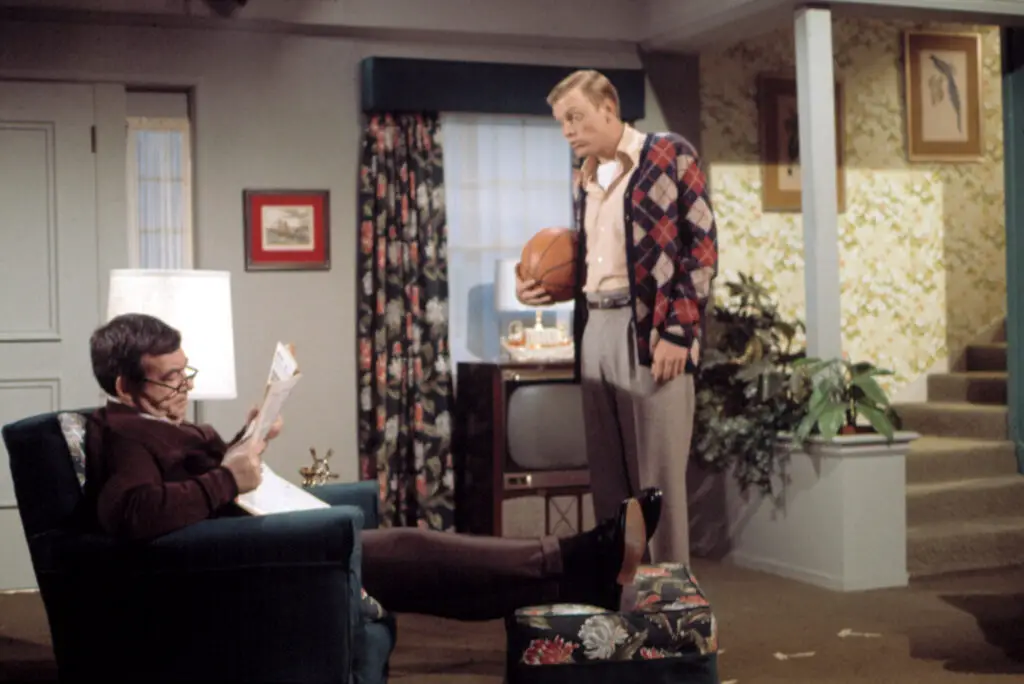
Chuck Cunningham, the older brother of Richie and Joanie on Happy Days, is one of the earliest and most famous cases of a TV character vanishing. Played by two different actors during the show’s first two seasons, Chuck was introduced as a college basketball player. He had a clear place in the Cunningham family and appeared regularly in early episodes. Then, without warning, he stopped showing up.
What makes Chuck’s disappearance especially strange is that the show never addressed it at all. Future episodes acted as if Richie had always been the oldest sibling. This phenomenon even inspired the term “Chuck Cunningham Syndrome,” used to describe characters who vanish without explanation. It’s a clear example of how early TV sometimes prioritized simplicity over continuity. For viewers paying attention, though, it was hard not to notice.
3. Mandy Hampton (The West Wing)
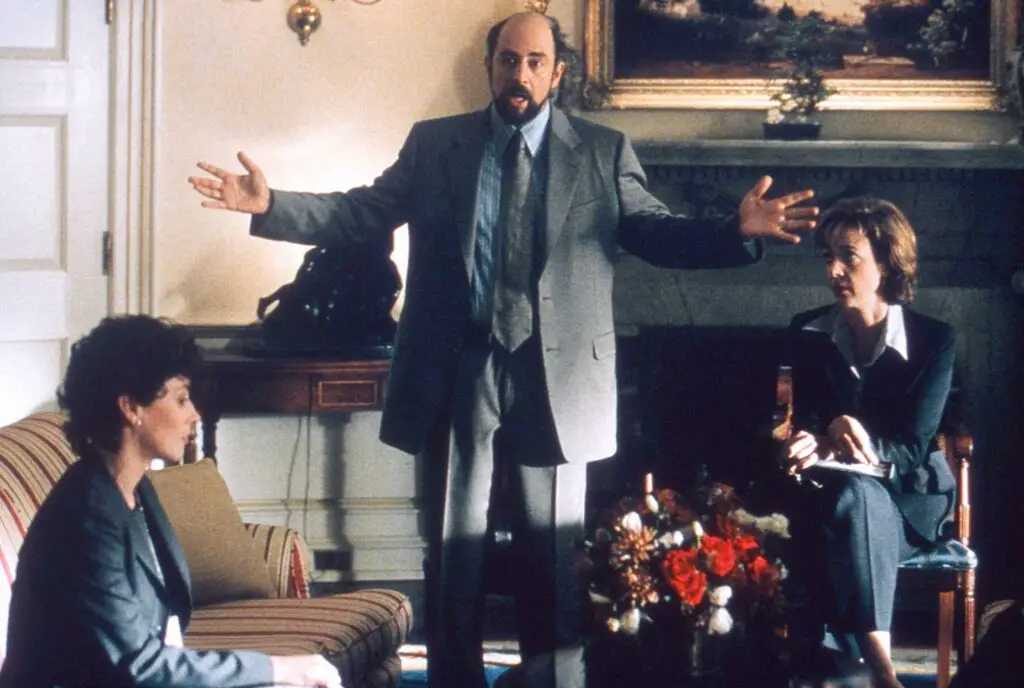
Mandy Hampton, played by Moira Kelly, was introduced in the first season of The West Wing as a media consultant with close ties to the senior staff. She was positioned as a major character, often clashing with others in the White House. Her presence suggested she would be a long-term part of the series. Then, after the first season, she never returned.
Unlike some other shows, The West Wing didn’t provide any explanation for her absence. She was simply gone, with no reference to her departure or where she might have gone. Fans have since referred to this as “going to Mandyville,” a nod to how completely she disappeared. Creator Aaron Sorkin later acknowledged that the character didn’t quite work as intended. Still, her sudden exit remains one of the show’s most noticeable loose ends.
4. Tina Pinciotti (That ’70s Show)
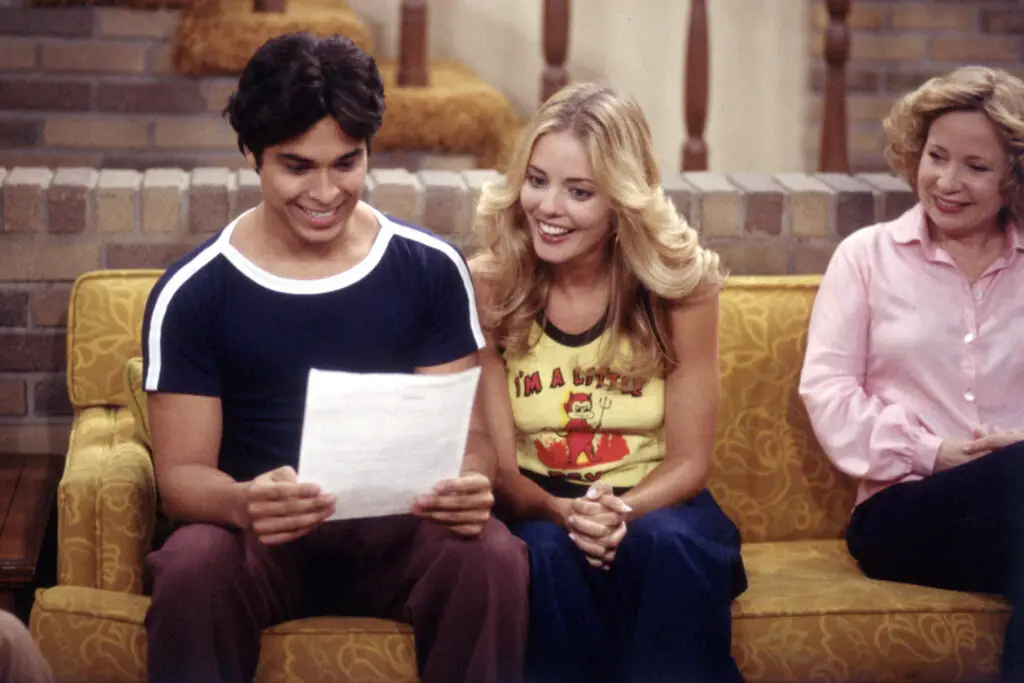
Tina Pinciotti was introduced in the first season of That ’70s Show as Donna’s younger sister. She appeared in an early episode and was clearly part of the family dynamic. At the time, there was no indication that she wouldn’t continue to be part of the show. Then she vanished completely.
After her initial appearance, Tina was never seen or mentioned again. Donna was later portrayed as an only child, with no explanation for the change. Even the show’s creators have acknowledged the inconsistency. It’s a small detail, but one that stands out for fans who revisit the early episodes. It’s another example of how early character plans can shift quickly once a show finds its footing.
5. Seven (Married… with Children)
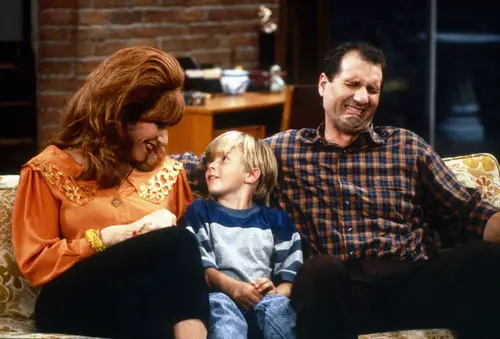
Seven, played by Shane Sweet, was introduced in later seasons of Married… with Children as a young boy who came to live with the Bundy family. The character was added in an attempt to refresh the show’s dynamic. Initially, Seven was given storylines and screen time that suggested he would stick around. Then, just as quickly, he disappeared.
The show never offered a clear explanation for where Seven went. In fact, there’s a later gag where his face appears on a milk carton as a missing child. This was the closest the show came to acknowledging his absence. Ultimately, the character didn’t resonate with audiences or fit the tone of the series. His abrupt disappearance became part of the show’s offbeat humor.
6. Mark Brendanawicz (Parks and Recreation)
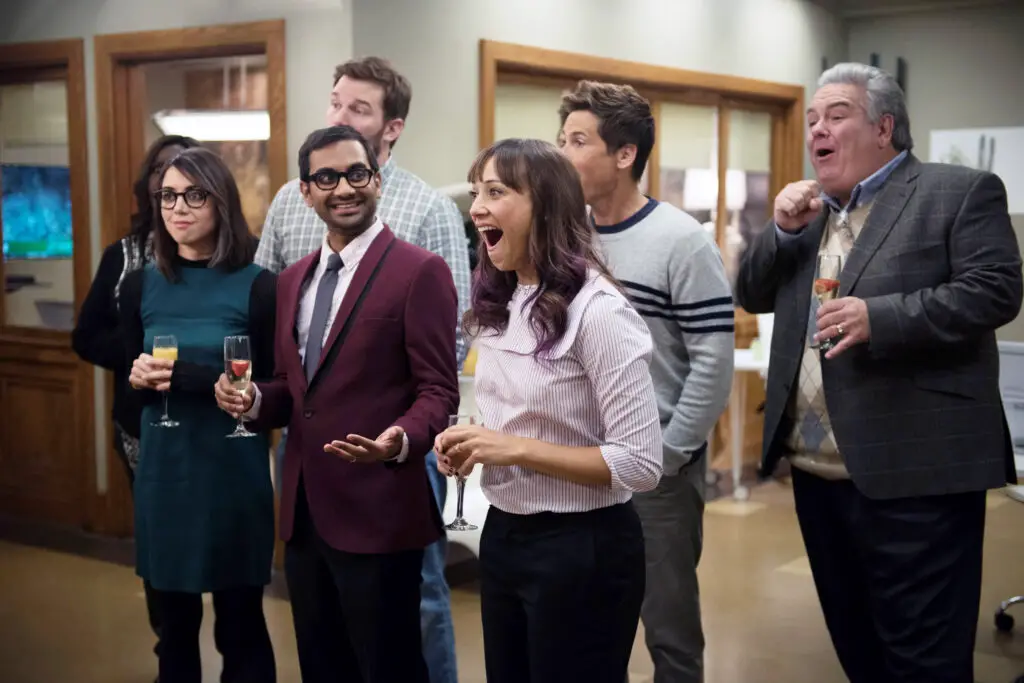
Mark Brendanawicz, played by Paul Schneider, was a central character in the first two seasons of Parks and Recreation. As a city planner and Leslie Knope’s former crush, he had a defined role in the early version of the show. When the series shifted tone in later seasons, his character was written out. He left Pawnee for a job in the private sector.
While his departure was technically explained, what stands out is how completely he was forgotten afterward. He is almost never mentioned again, even though he had close relationships with several main characters. Later seasons introduced new characters who filled similar roles. Schneider himself has said he didn’t feel creatively aligned with the show’s direction. The result is a character who feels erased from the show’s long-term memory.
7. Dr. Pulaski (Star Trek: The Next Generation)
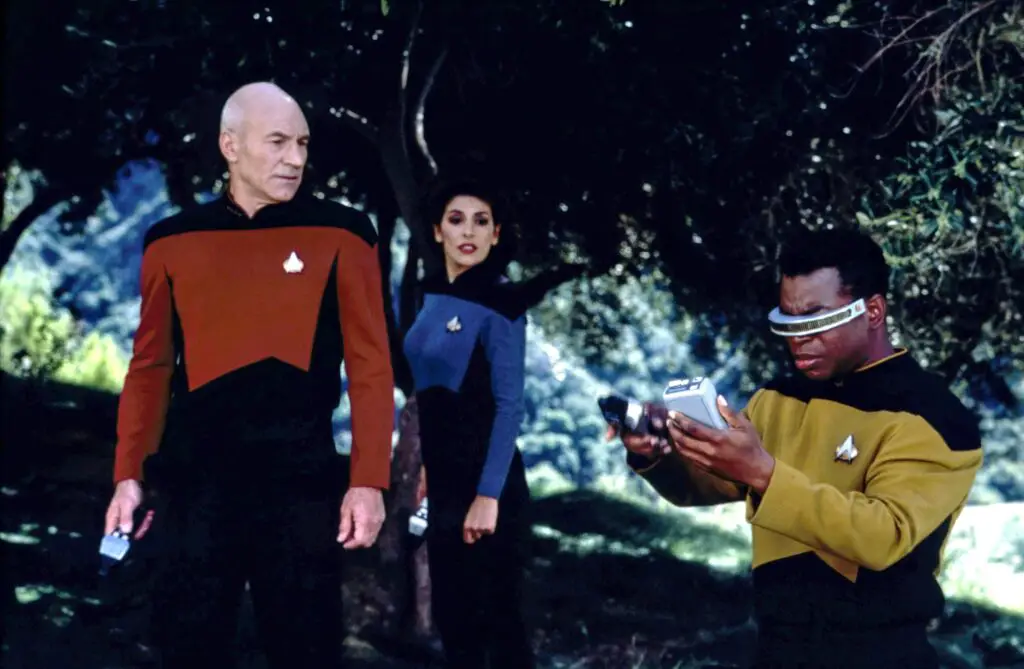
Dr. Katherine Pulaski, played by Diana Muldaur, joined Star Trek: The Next Generation in its second season as the ship’s chief medical officer. She replaced Dr. Beverly Crusher for that season and had a strong, opinionated presence. Pulaski often clashed with other crew members, particularly Data. Her character was clearly meant to be a major part of the series.
When Crusher returned in the third season, Pulaski was gone without any in-universe explanation. The show did not address her departure or mention where she had gone. Fans were left to assume she simply transferred off the Enterprise. While behind-the-scenes decisions played a role, the lack of closure was noticeable. It remains one of the more abrupt cast changes in the franchise.
8. Valerie Hogan (Valerie / The Hogan Family)
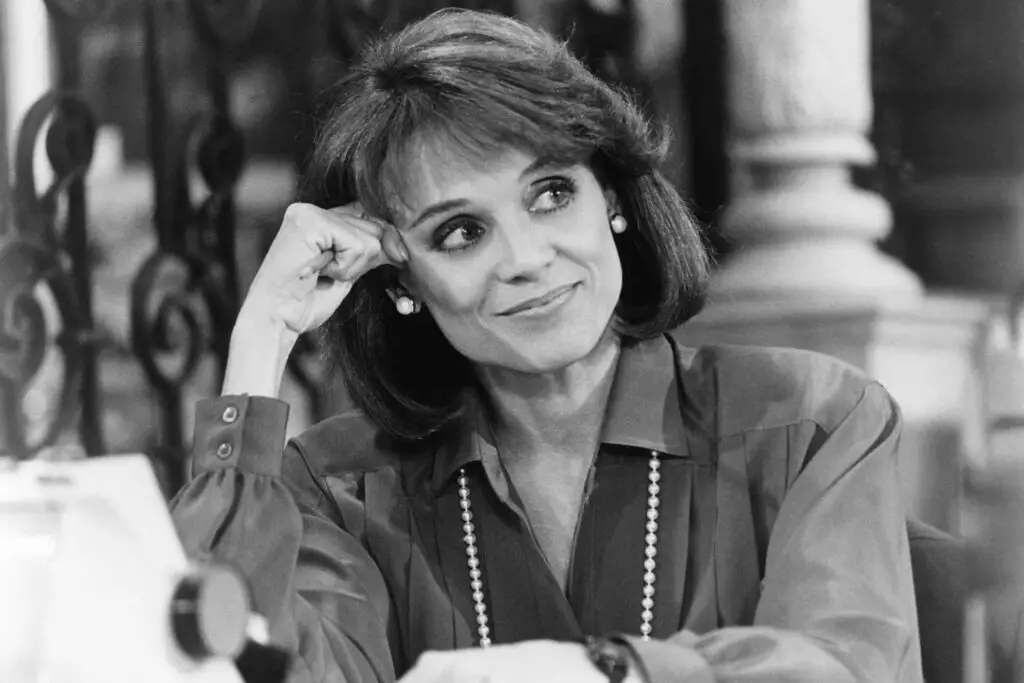
Valerie Hogan, played by Valerie Harper, was the central character of the sitcom Valerie. The show revolved around her role as a mother raising her family. During the second season, Harper left the show due to a contract dispute with the producers. Her departure forced the show to make significant changes.
Rather than quietly removing the character, the show addressed her absence by stating that Valerie had died offscreen. While this is technically an explanation, the abrupt shift still felt jarring to viewers. The show was even retitled as The Hogan Family afterward. The transition changed the entire focus of the series. It’s a rare case where a disappearance was acknowledged, but still felt sudden and disruptive.
9. Professor Maggie Walsh (Buffy the Vampire Slayer)
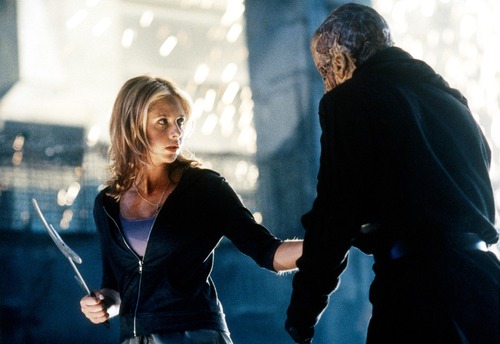
Professor Maggie Walsh, played by Lindsay Crouse, was introduced in the fourth season of Buffy the Vampire Slayer as a psychology professor at UC Sunnydale. At first, she seemed like a straightforward academic figure, but it quickly became clear she was secretly running a covert military operation known as the Initiative. Walsh was positioned as a major antagonist, someone who would challenge Buffy in a completely different way than past villains. Her calculated personality and hidden agenda suggested a long-term arc. Then, quite suddenly, she was killed midway through the season.
Her death comes at the hands of her own creation, Adam, in a moment that feels abrupt given how much buildup the character had. After that, the show shifts focus entirely to Adam as the primary villain. Walsh is barely mentioned again, despite her central role in setting up the Initiative storyline. Many fans and critics have noted that her arc feels cut short compared to what was initially implied. Behind the scenes, this shift was tied to changes in the season’s direction. The result is a character who seemed essential, then vanished far sooner than expected.
10. Nikki and Paulo (Lost)

Nikki and Paulo were introduced in the third season of Lost as survivors who had been on the island the entire time. The intention was to expand the world of the show and give attention to background characters. However, their sudden prominence didn’t sit well with viewers. They felt inserted into the story rather than naturally integrated.
After a negative audience reaction, the writers quickly removed them from the series. In a later episode, both characters die after being buried alive, effectively ending their storyline. While their exit was explained, their abrupt introduction and removal created a strange gap. It felt as though they appeared and disappeared almost as quickly. The situation became a well-known example of audience feedback shaping a show in real time.
11. Ben Geller (Friends)
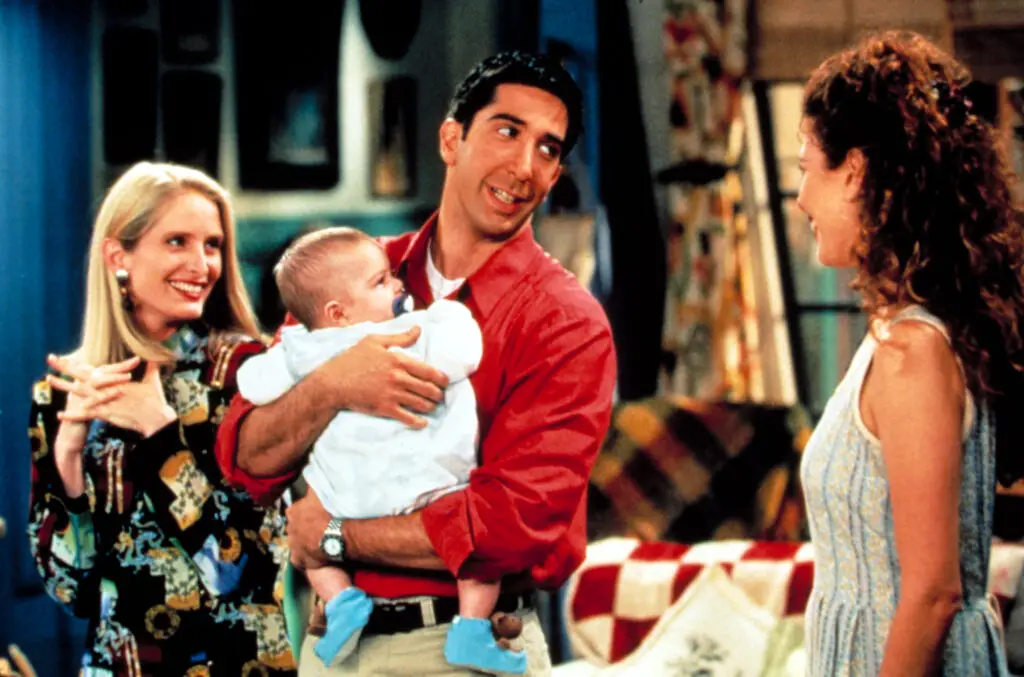
Ben Geller, Ross’s son with his first wife Carol, appeared regularly in the early seasons of Friends. He was played by several child actors, including Cole Sprouse in later appearances. Ben was part of Ross’s personal life and appeared in multiple storylines. Then, over time, his appearances became less frequent.
Eventually, Ben stopped appearing altogether, and the show rarely mentioned him in later seasons. There was no in-universe explanation for why Ross seemed to spend less time with his son. The focus shifted more toward the core group and Ross’s relationship with Rachel and their daughter Emma. While Ben wasn’t erased completely, his absence was noticeable. It remains a common point of discussion among fans revisiting the series.
12. Amy Jessup (Fringe)
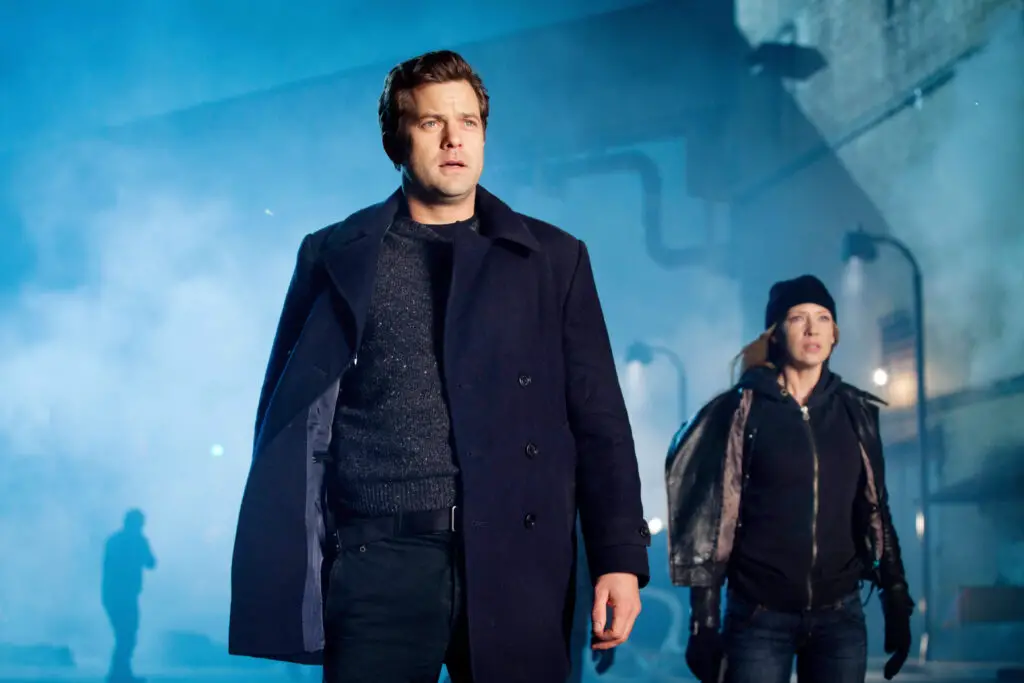
Agent Amy Jessup, played by Meghan Markle, appeared in the early episodes of the second season of Fringe. She was introduced as an FBI agent with a possible larger role in the ongoing storyline. Her character showed curiosity about the show’s central mysteries. It seemed like she might become a recurring presence.
After just a couple of episodes, Jessup disappeared without explanation. The show never addressed what happened to her or where she went. Behind the scenes, the writers shifted focus back to the core cast. Markle’s role ended quietly, leaving viewers with unanswered questions. It’s a clear example of a character introduced with potential that was never fully realized.
13. Richie Cunningham (Happy Days, later seasons)
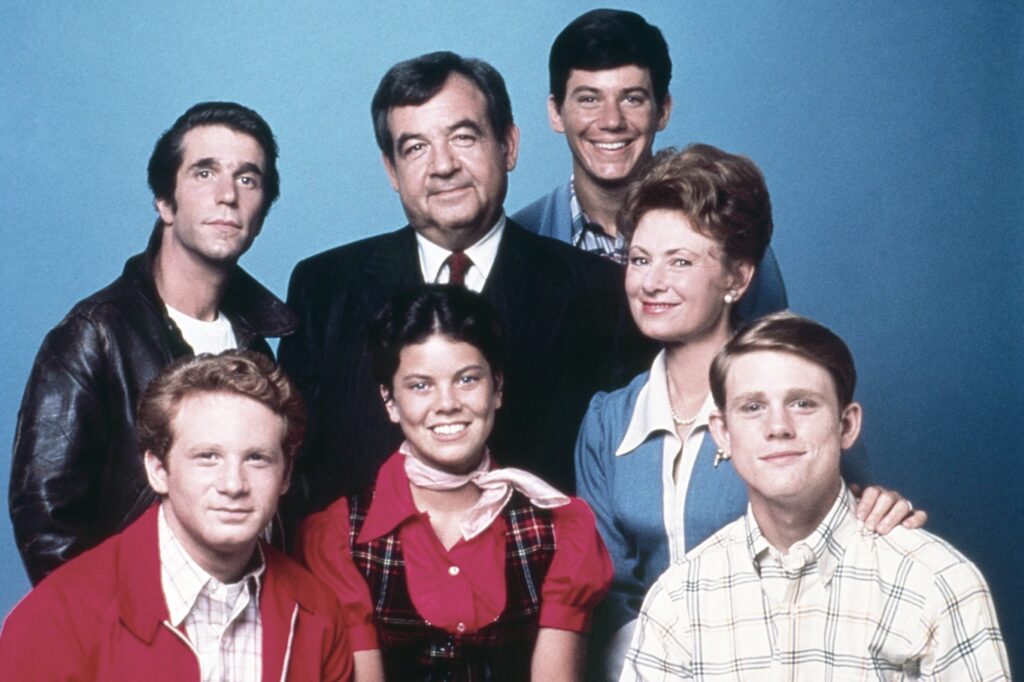
Richie Cunningham, played by Ron Howard, was the central character of Happy Days in its early seasons. The show originally revolved around his life, family, and friends. As the series evolved, other characters, especially Fonzie, became more prominent. Eventually, Howard left the show to focus on directing.
Richie’s departure was explained as moving to California to pursue a career in filmmaking. However, after that, he was rarely mentioned again, despite being the original focal point of the series. The show continued successfully without him, which made the shift even more striking. For longtime viewers, his absence left a noticeable gap. It’s an example of how a show can move on from even its central character.
14. Morgan Matthews (Boy Meets World, early seasons)

Morgan Matthews, Cory’s younger sister on Boy Meets World, appeared in the show’s early seasons and was played by Lily Nicksay. She was part of the Matthews family dynamic and had several memorable moments. Then, between seasons, the character disappeared for a stretch of time. When she returned, she was played by a different actress, Lindsay Ridgeway.
The show briefly acknowledged her absence with a joke about being “in her room for a long time,” but offered no real explanation. For viewers, it felt like the character had vanished and then reappeared as someone slightly different. While recasting is common, the gap made it more noticeable. It’s a lighter example compared to others, but still fits the pattern. The character’s disappearance and return remain a quirky part of the show’s history.