
1. Phone Books
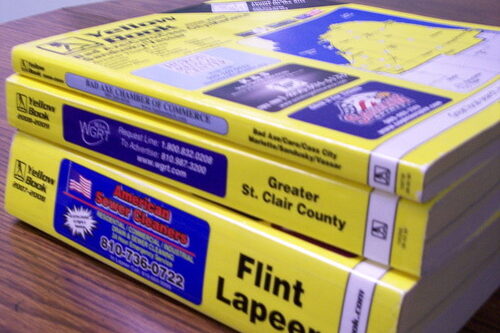
For decades, phone books were a fixture in nearly every home, usually dropped on the doorstep once a year whether you wanted one or not. They were thick, heavy, and organized alphabetically, listing both residential and business numbers in a way that felt indispensable. If you needed to call a plumber or look up a neighbor’s number, this was your only real option. The Yellow Pages section, in particular, became synonymous with finding services quickly. Businesses even competed for bigger, more noticeable ads to stand out on those thin, yellow pages. It was such a given that many people kept multiple copies in different rooms. You didn’t think twice about it because there was no alternative.
Once the internet became widely accessible in the late ‘90s and early 2000s, phone books started to feel redundant almost overnight. Search engines and smartphones made it faster and easier to find information, often with reviews and directions included. Many cities still technically produce them, but far fewer people use them, and most go straight into recycling bins. Environmental concerns also played a role, as millions of unused books were printed each year. Today, it’s rare to see one in active use, and younger generations may never have relied on one at all. What once felt essential is now mostly a relic of a pre-digital world.
2. Rolodexes
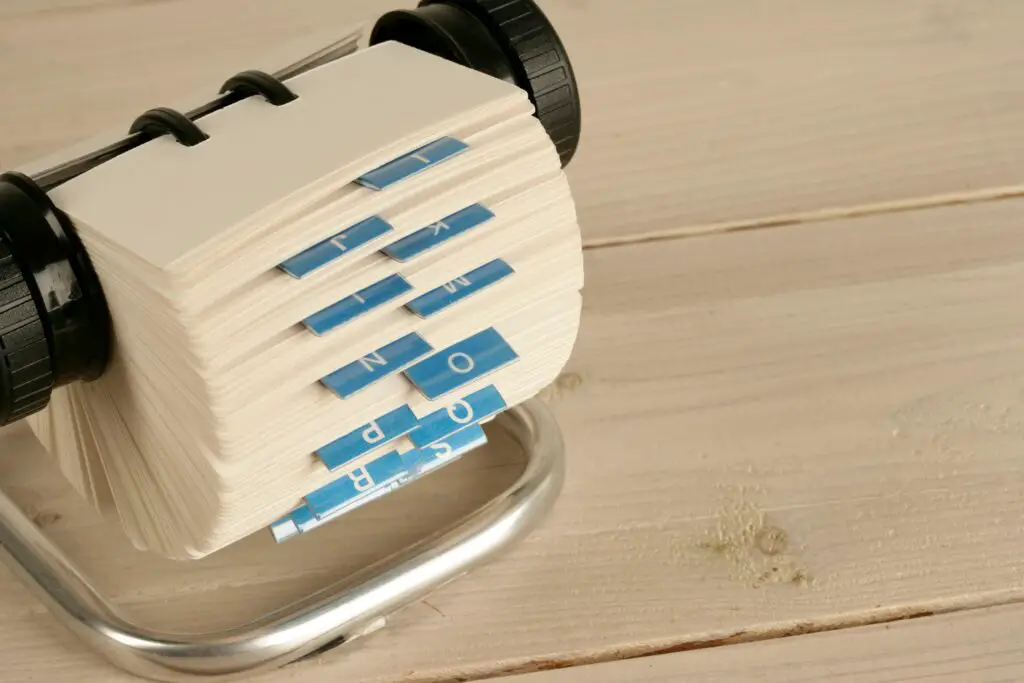
Before contact lists lived inside phones, the Rolodex was the gold standard for keeping track of names, numbers, and addresses. It sat on desks in offices and home workspaces, filled with small cards that you could flip through with a satisfying spin. Each card represented a connection, often handwritten or typed, making it feel personal and organized at the same time. Professionals depended on them to manage networks, clients, and business relationships. It wasn’t just a tool, it was a symbol of how connected you were. The fuller your Rolodex, the more established you seemed.
As computers and digital address books became common, the need for physical contact storage faded quickly. Email, smartphones, and cloud syncing replaced the entire system with something faster and easier to update. You no longer had to rewrite cards or worry about losing them. The Rolodex didn’t disappear overnight, but it steadily became obsolete as workplaces went digital. Today, the term “Rolodex” is sometimes used metaphorically to describe someone’s network, even if no actual cards are involved. The physical device, though, is largely gone from everyday use.
3. VHS Tapes

There was a time when owning a collection of VHS tapes felt like having a personal movie library. Families stacked them next to bulky televisions, carefully rewinding each tape after use to avoid frustration later. Renting movies from video stores was a weekly ritual for many households. The format itself required a bit of patience, from tracking issues to occasionally tangled tape. Still, it was the primary way people watched movies at home for years. Special editions and recorded TV shows were often saved on blank tapes as well. It was a hands-on, physical experience.
The arrival of DVDs in the late ‘90s began the shift away from VHS, offering better picture quality and easier navigation. Eventually, streaming services made physical media far less necessary altogether. VHS players stopped being manufactured, and tapes became difficult to find outside of thrift stores. While some collectors still appreciate them for nostalgia, they are no longer part of everyday life. The idea of rewinding anything now feels almost outdated. What once defined home entertainment has been completely replaced by digital convenience.
4. Pagers
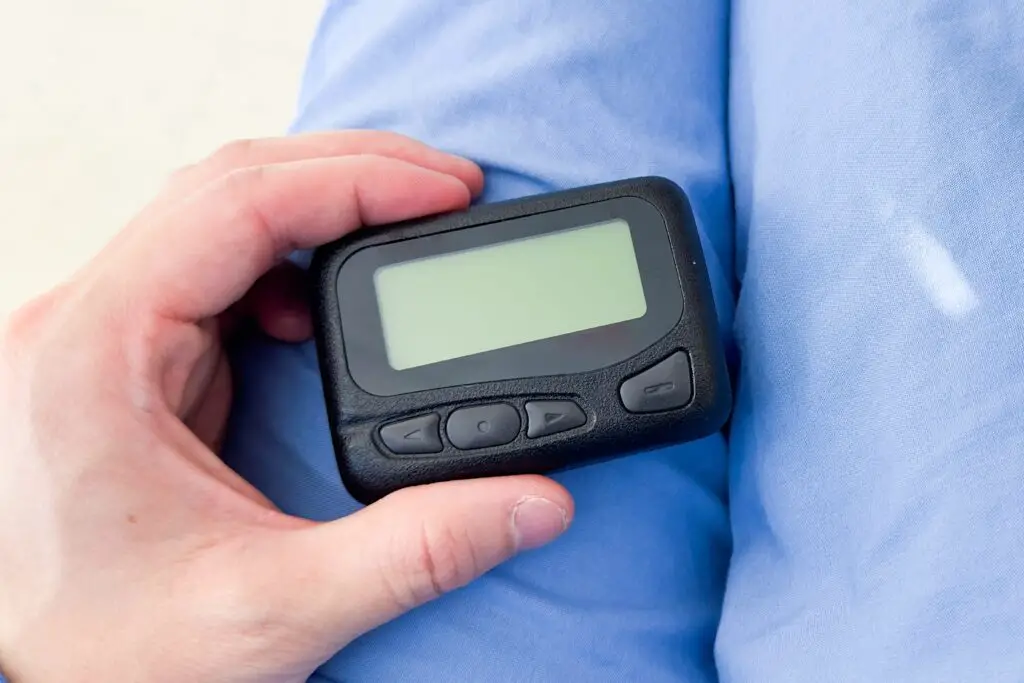
Pagers, also known as beepers, were once a critical communication tool, especially in the ‘80s and ‘90s. They allowed people to receive short messages or phone numbers, prompting them to find a phone and call back. Doctors, emergency workers, and business professionals relied on them for immediate contact. They were small, portable, and felt cutting-edge at the time. Even outside professional settings, pagers became a cultural symbol, especially among younger users. Carrying one suggested you were important enough to be reached at any moment. It was a form of constant connection before smartphones existed.
As cell phones became more affordable and widespread, pagers quickly lost their relevance. Mobile phones could do everything pagers did and more, without requiring a separate device. By the early 2000s, most people had moved on completely. Interestingly, some hospitals still use pagers today because of their reliability in certain environments. Outside of those niche uses, though, they’ve largely disappeared. For most people, they’re now just a reminder of a brief but significant technological transition.
5. Cassette Tapes
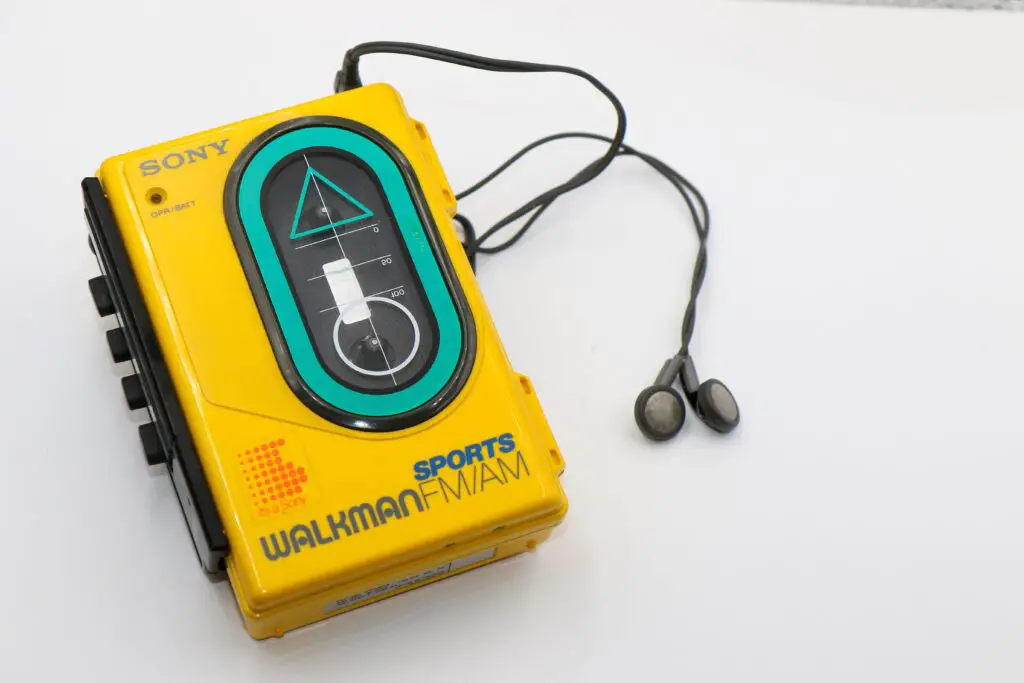
Cassette tapes once dominated how people listened to music, especially from the ‘70s through the early ‘90s. They were portable, relatively durable, and allowed for personal mixtapes, which became a cultural phenomenon. You could record songs off the radio or create custom playlists for friends. The sound quality wasn’t perfect, but it was good enough for everyday listening. Portable cassette players made it possible to take music anywhere, which felt revolutionary at the time. They were a staple in cars, bedrooms, and backpacks. Music felt more personal and hands-on.
The rise of CDs brought clearer audio and easier track selection, pushing cassettes out of the mainstream. Later, digital music and streaming services eliminated the need for physical formats entirely. Cassette players became harder to find, and tapes degraded over time, making them less practical. While there has been a small revival among collectors and indie artists, they are far from essential today. Most people now carry entire music libraries on their phones. The mixtape tradition has been replaced by digital playlists shared with a tap.
6. Paper Maps
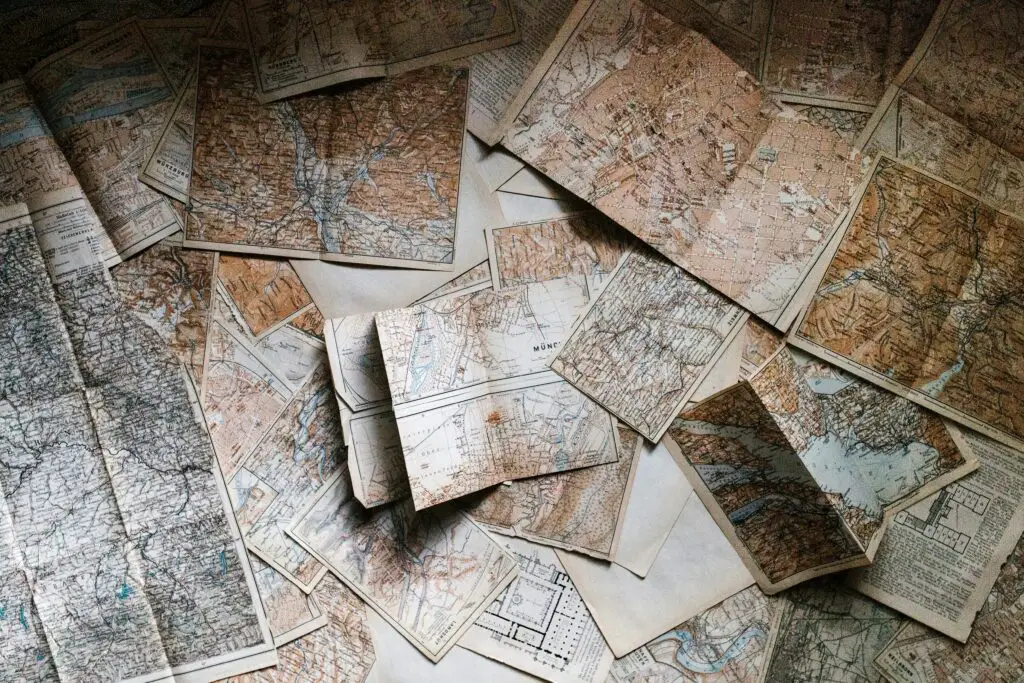
Before GPS and smartphones, paper maps were the primary way people navigated unfamiliar places. Road trips often involved unfolding large, detailed maps that covered entire states or regions. Drivers would stop to check directions or rely on a passenger to guide them. It required a certain level of spatial awareness and planning. Getting lost was more common, but it was also part of the experience. Many people kept maps in their glove compartments at all times. They were considered essential for travel.
With the introduction of GPS devices and later smartphone navigation apps, paper maps became far less necessary. Digital maps offer real-time updates, traffic information, and voice directions, making travel much easier. The convenience factor alone made the switch inevitable. Today, paper maps are mostly used for educational purposes or by enthusiasts. Some people still appreciate them for backup or nostalgia, but they are no longer a daily tool. Navigation has become almost entirely digital.
7. Alarm Clocks

Standalone alarm clocks once sat on nearly every bedside table, serving a single but important function. They ensured people woke up on time, often with loud buzzing sounds or radio stations. Many had glowing red numbers that were easy to read in the dark. Some even included features like snooze buttons and built-in radios. They were simple, reliable, and widely used. For decades, they were part of the nightly routine. Setting the alarm was one of the last things people did before going to sleep.
Smartphones have largely replaced traditional alarm clocks by combining multiple functions into one device. Most people now use their phones for alarms, timers, and reminders. This shift made standalone clocks less necessary, especially as phone ownership became nearly universal. While alarm clocks are still sold, they are no longer considered essential in the way they once were. Some people prefer them to avoid using phones at night, but they are in the minority. The role they played has been absorbed into broader technology.
8. Encyclopedias

Encyclopedia sets used to be a major investment for families, often purchased with the idea of supporting education at home. They filled entire shelves and covered a wide range of topics in carefully organized volumes. Students relied on them for research, homework, and general knowledge. Having a full set was seen as both practical and prestigious. Information was updated through new editions, but those updates were infrequent. Still, they were one of the most trusted sources available. For many households, they were a go-to reference.
The rise of the internet, particularly platforms like Wikipedia, changed how people access information. Online resources are constantly updated and far more convenient to search. As a result, printed encyclopedias quickly became outdated and less useful. Many publishers stopped producing physical sets altogether. Today, they are mostly found in libraries, secondhand stores, or as decorative items. The idea of flipping through multiple volumes for a single answer feels inefficient now. Instant access has replaced the need for physical reference books.
9. Fax Machines
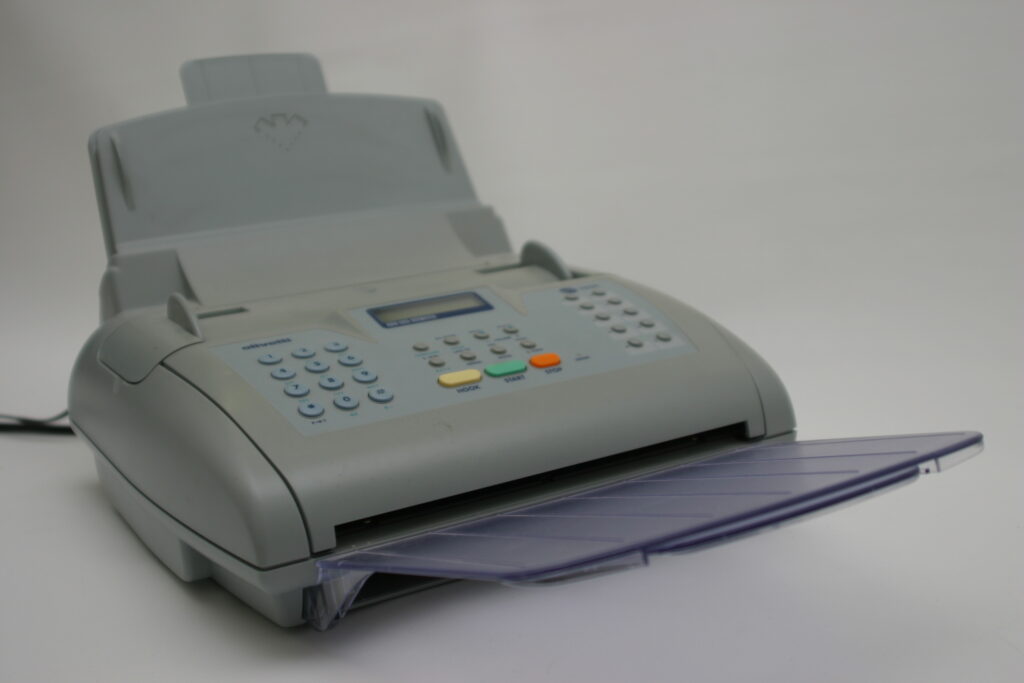
Fax machines were once a standard piece of equipment in offices and even some homes. They allowed documents to be sent over phone lines, which felt remarkably fast compared to mailing paper copies. Businesses depended on them for contracts, forms, and official communication. The distinctive sound of a fax transmission became instantly recognizable. For a time, it was one of the most efficient ways to share written information remotely. Having access to a fax machine was often necessary for professional work. It was a key part of office infrastructure.
Email and digital document sharing eventually made fax machines largely obsolete. Scanning and sending files electronically is faster, clearer, and more flexible. Many industries transitioned away from faxing as soon as secure digital options became available. Some sectors, like healthcare and government, still use fax machines due to regulatory and security considerations. However, for most people, they are no longer part of everyday life. The technology has been replaced by more efficient digital systems.
10. Payphones

Payphones were once scattered across cities, gas stations, and public spaces, offering a way to make calls when you were away from home. You needed coins or a calling card, and you often had to wait your turn. They were essential for emergencies, quick check-ins, or contacting someone when plans changed. For travelers and teenagers especially, they were a lifeline. The presence of a nearby payphone provided a sense of security. They were part of the everyday landscape. You didn’t think about them until you needed one.
The widespread adoption of mobile phones made payphones increasingly unnecessary. As more people carried personal devices, usage dropped significantly. Maintenance costs and vandalism also contributed to their decline. Many were removed entirely, though a few remain in limited locations. Today, finding a working payphone can be surprisingly difficult. What was once a common convenience has almost vanished from public spaces.
11. Film Cameras
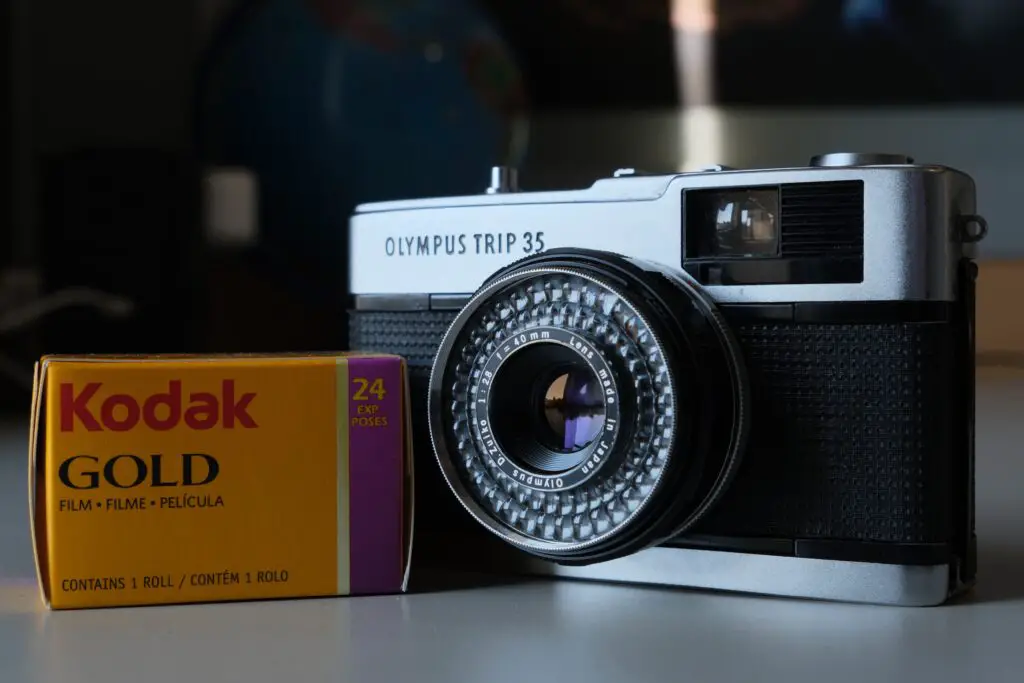
Film cameras were the standard for photography for over a century, requiring rolls of film that had to be developed before you could see the results. This process made photography more deliberate, as each shot counted. People saved film for important moments like vacations, holidays, and family events. Photo albums were filled with printed pictures, carefully organized and preserved. The delay between taking and seeing photos was simply part of the experience. It added a sense of anticipation that digital photography lacks. Cameras themselves were valued possessions.
Digital cameras and smartphones changed everything by allowing instant previews and virtually unlimited storage. This shift made film less practical for everyday use. While film photography still exists as a hobby or artistic choice, it is no longer the default. Most people now take photos on their phones and store them digitally. The entire workflow has become faster and more convenient. Film cameras, once essential, are now more of a niche interest.
12. Answering Machines
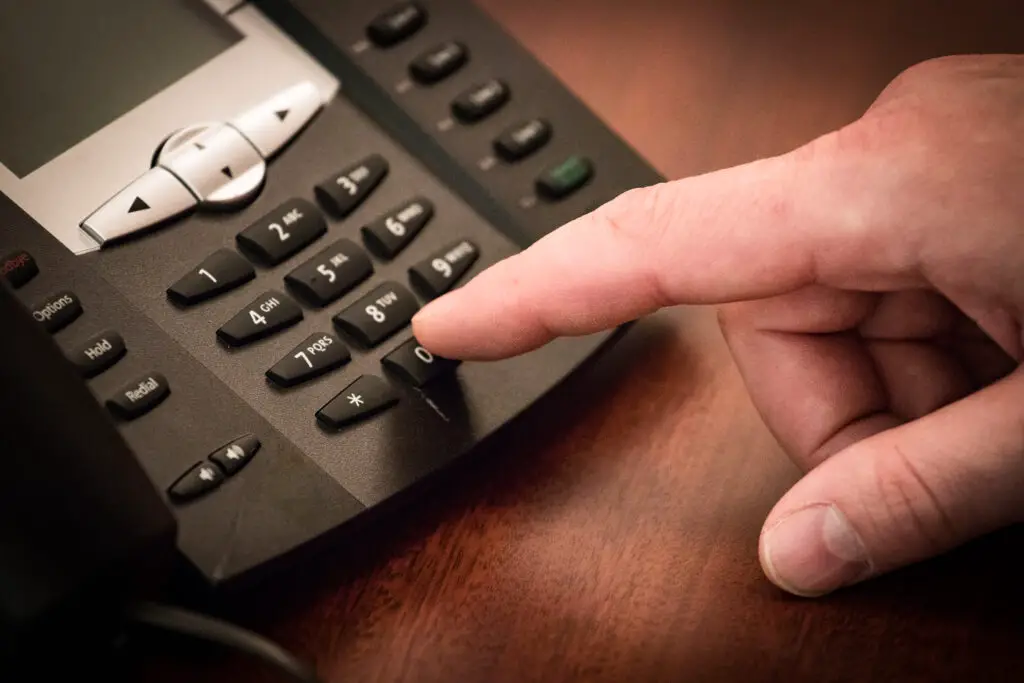
Before voicemail became standard, answering machines handled missed calls at home. They recorded messages on tapes or digital storage, allowing people to listen later. Hearing your own outgoing message was a familiar experience. Some people even personalized their greetings with humor or music. These devices sat next to landline phones and were a central part of communication. They gave callers a way to leave important information when no one was available. For many households, they were a necessity.
As voicemail became integrated into phone systems and mobile devices, standalone answering machines lost their purpose. Cell phones made it possible to receive and manage messages anywhere. Landlines themselves became less common, further reducing the need for these devices. Today, answering machines are rarely used outside of very specific situations. Most people rely entirely on digital voicemail. The transition happened gradually, but the result is clear, they’ve largely disappeared from daily life.