
1. The “Lucy Is Enceinte” Episode on I Love Lucy
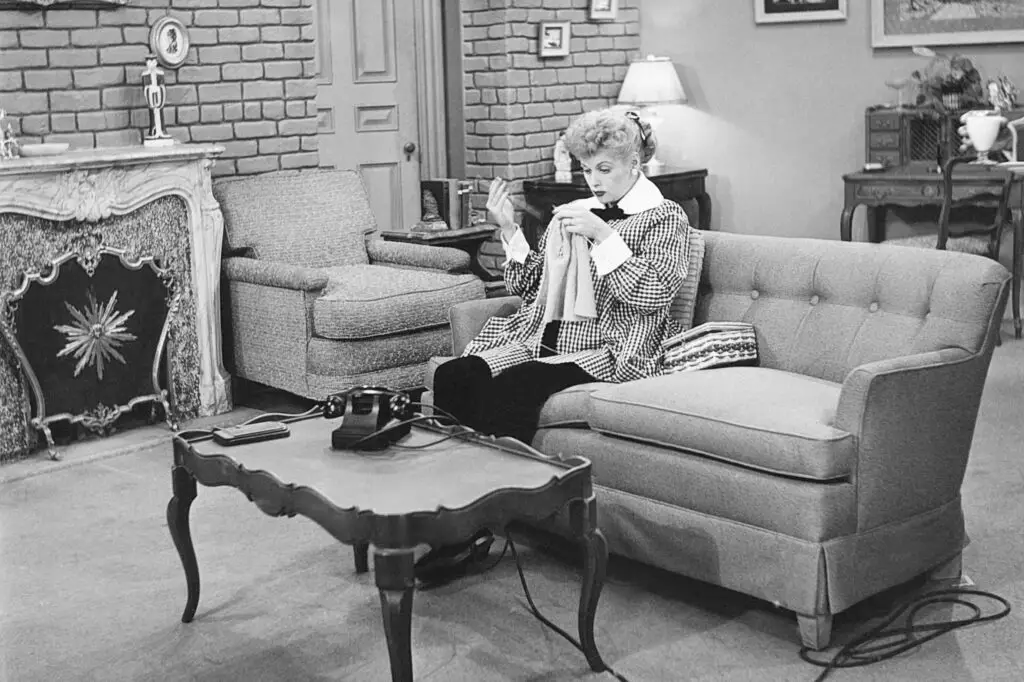
When I Love Lucy decided to address Lucille Ball’s real-life pregnancy in 1952, it pushed right up against strict television censorship rules. The network refused to allow the word “pregnant” on air, so the writers had to use the phrase “expecting” instead. Even the storyline itself made some executives nervous, since pregnancy was considered too sensitive for primetime TV at the time.
Behind the scenes, Ball and Desi Arnaz fought to keep the storyline intact because they wanted authenticity. The compromise required careful scripting, religious approval from a priest, minister, and rabbi, and tight oversight from CBS. Despite the tension, the episode became one of the most-watched broadcasts in television history. It proved audiences were ready for more realistic storytelling, even if the network wasn’t at first.
2. The “Chuck Cunningham Syndrome” Exit on Happy Days
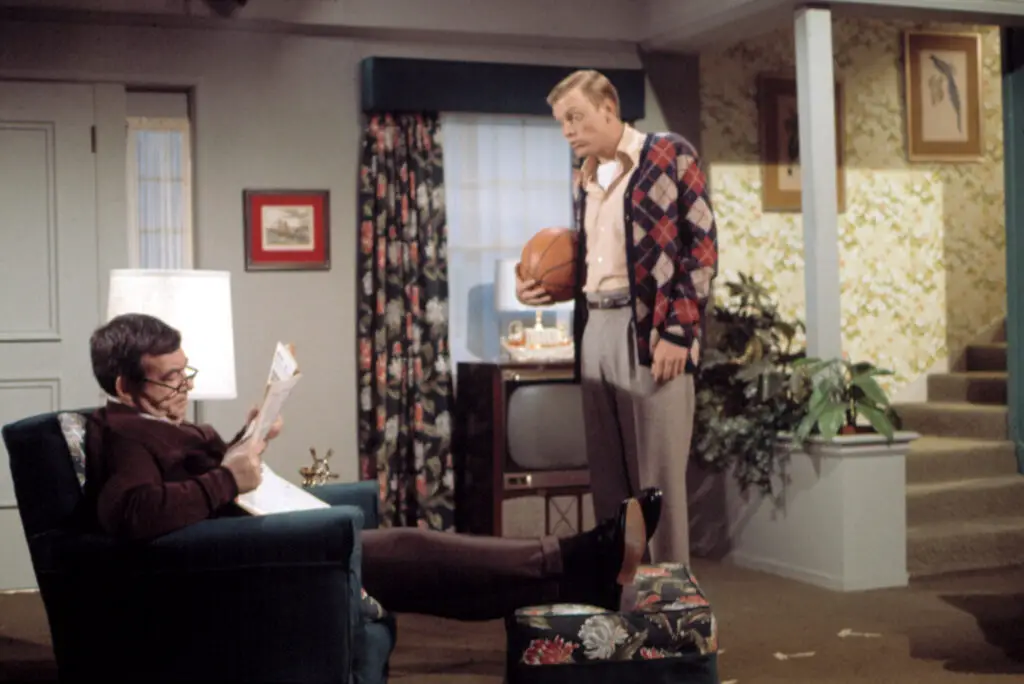
Fans of Happy Days still talk about how Chuck Cunningham, Richie’s older brother, simply vanished after the early seasons. There was no explanation in the show, and he was never mentioned again. That kind of abrupt disappearance created confusion among viewers and frustration behind the scenes.
The decision stemmed from creative changes as the show shifted focus toward Fonzie and a tighter core cast. Producers quietly dropped the character rather than writing him out properly. It caused tension about continuity and storytelling choices, especially among writers. The term “Chuck Cunningham Syndrome” later became shorthand in TV for characters who disappear without explanation.
3. The “Who Shot J.R.?” Cliffhanger on Dallas
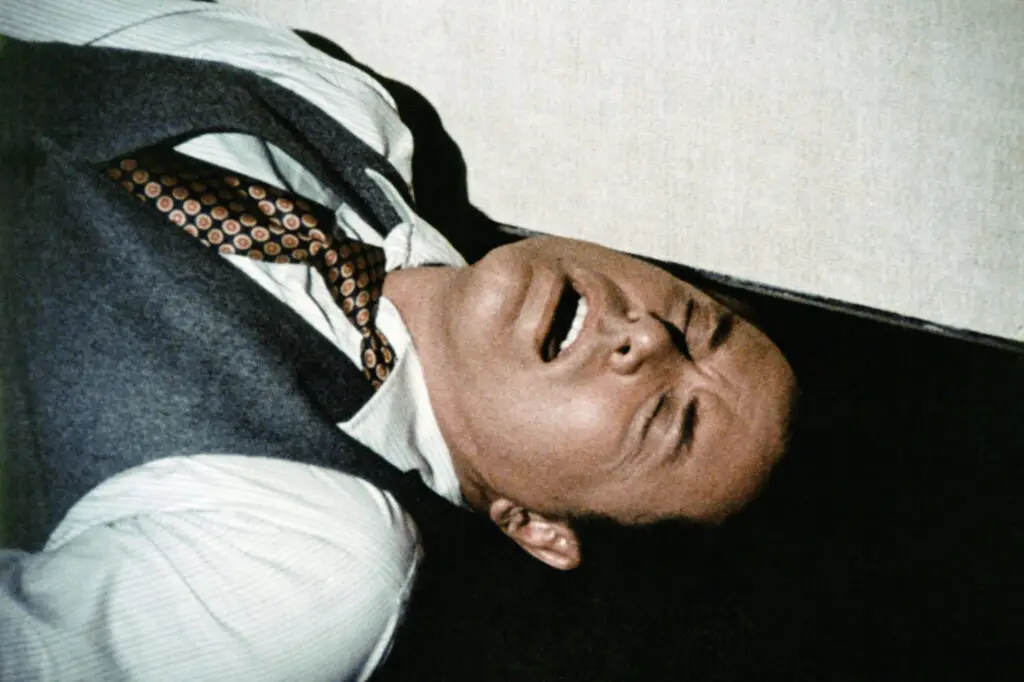
The Season 3 finale of Dallas in 1980 ended with J.R. Ewing being shot, launching a massive pop culture mystery. What viewers didn’t see was the intense secrecy behind the scenes to prevent leaks. Scripts were tightly controlled, and multiple fake endings were filmed.
The pressure to keep the secret caused stress among cast and crew, who had to avoid revealing anything even to close friends. When production resumed, there were disputes about story direction and contract negotiations, especially with Larry Hagman. The reveal episode became one of the highest-rated in TV history. But the buildup created logistical headaches and tension across the production.
4. The “Sam and Diane Kiss” on Cheers
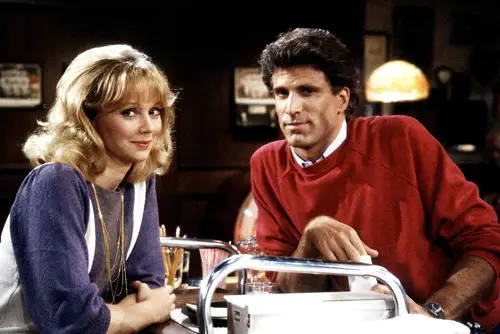
The first kiss between Sam Malone and Diane Chambers on Cheers was a pivotal moment that reshaped the show. It shifted the tone from workplace comedy to romantic tension, which wasn’t originally the plan. Some writers worried it would limit future storylines.
Behind the scenes, there were debates about whether the relationship would help or hurt the show long-term. Ted Danson and Shelley Long had strong chemistry, but maintaining that dynamic proved complicated. The writers had to constantly balance romance with humor. That tension became a defining challenge for the series moving forward.
5. The Finale of Seinfeld
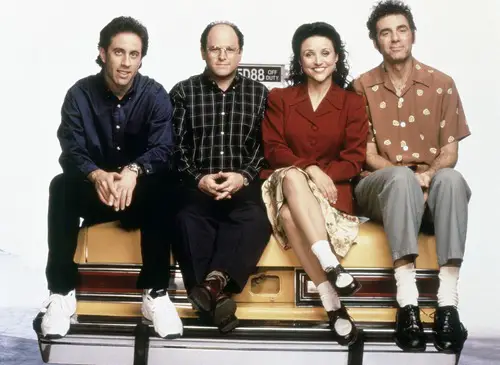
The 1998 finale of Seinfeld was one of the most anticipated TV events ever. When it aired, the reaction was sharply divided, with many fans disappointed by the courtroom storyline. That backlash quickly turned into behind-the-scenes strain.
Jerry Seinfeld and Larry David stood by the ending, but criticism from viewers and media created pressure on the cast and creative team. Some cast members later admitted they felt the weight of expectations going into the finale. The production itself was tightly controlled to avoid spoilers. Even years later, the finale remains a point of debate tied to that original tension.
6. The “Brenda Leaves” Episode on Beverly Hills, 90210
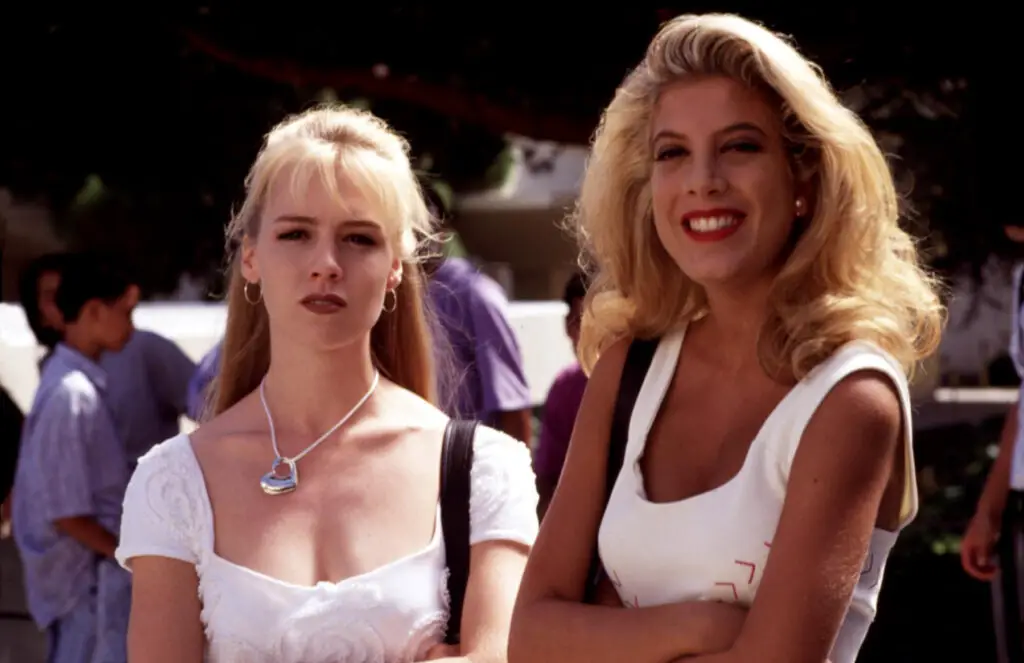
When Shannen Doherty’s character Brenda Walsh left Beverly Hills, 90210, it reflected real tensions behind the scenes. Reports of conflicts between Doherty and other cast members had been circulating for some time. Her exit was written into the storyline as a move to London.
The situation created a shift in the show’s dynamic and forced writers to rework future plots. Cast morale reportedly improved after her departure, but the transition wasn’t seamless. Producers had to manage public perception while keeping the show stable. It became one of the most talked-about cast exits of the ’90s.
7. The “Mr. Hooper’s Death” Episode on Sesame Street
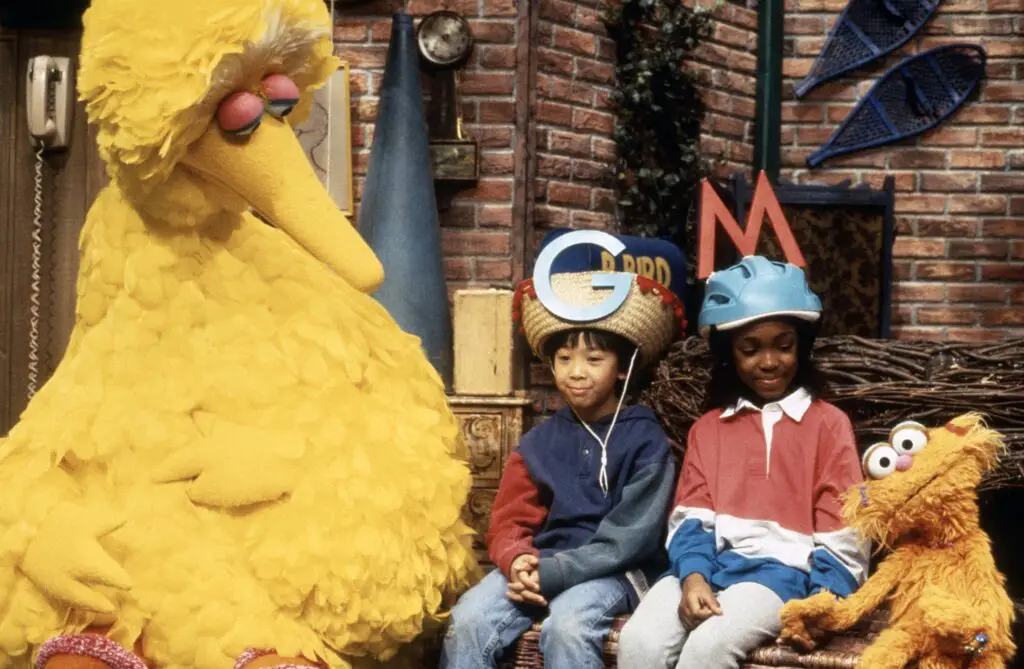
When actor Will Lee died in 1982, Sesame Street faced a difficult decision about how to handle his character, Mr. Hooper. Instead of writing around it, the show chose to address death directly. The episode featured Big Bird learning that Mr. Hooper had died.
Behind the scenes, producers consulted child psychologists to ensure the message was appropriate. There were concerns about how young viewers would react. The cast had to perform emotionally challenging scenes while maintaining clarity for children. The episode became a landmark in children’s television, but it required careful planning and emotional strain from everyone involved.
8. The “Goodbye, Farewell and Amen” Finale on M*A*S*H
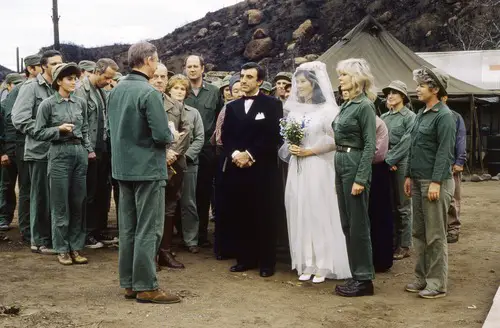
The final episode of M*A*S*H in 1983 remains one of the most-watched broadcasts in U.S. television history. Its extended runtime and dramatic tone were a departure from the show’s usual format. That shift led to intense discussions among producers and network executives.
Alan Alda, who co-wrote and directed the finale, had a strong vision that required significant coordination. Filming was complex, especially with large crowd scenes and emotional storylines. Some cast members found the process exhausting due to the scale of production. The result was critically acclaimed, but not without behind-the-scenes pressure.
9. The “Roseanne Gets Political” Era on Roseanne
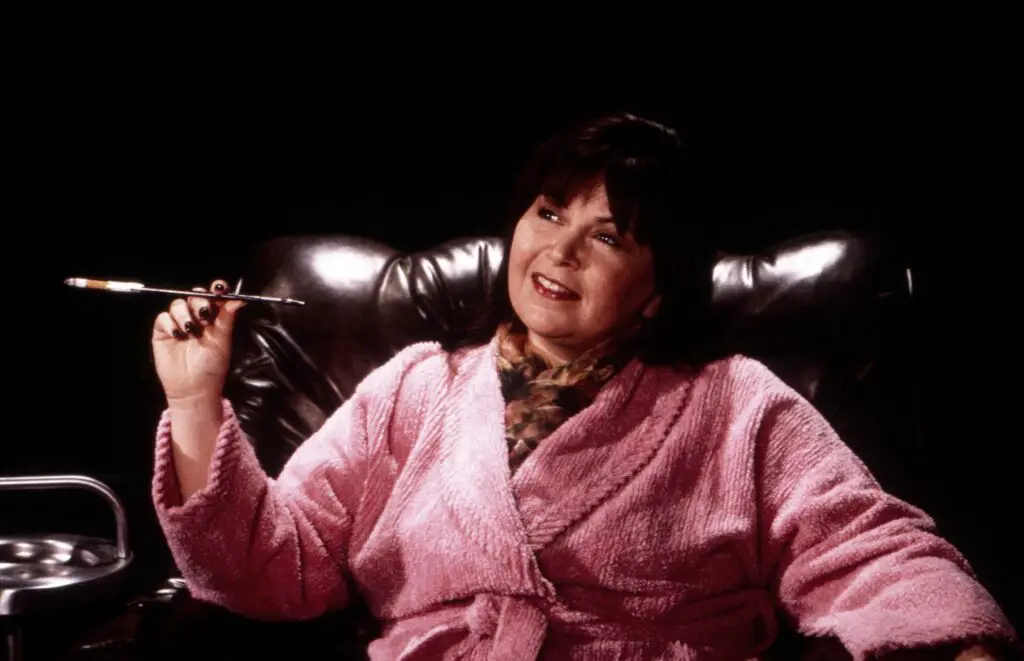
In its later seasons, Roseanne began incorporating more overt political commentary. This shift created tension among writers, network executives, and even cast members. The tone of the show changed noticeably from its earlier family-focused storytelling.
Roseanne Barr had increasing creative control, which led to disagreements about direction. ABC reportedly struggled with balancing her vision and audience expectations. Ratings fluctuated during this period, adding more pressure. The behind-the-scenes conflicts became as notable as the storylines themselves.
10. The “Cartman’s Dad” Reveal Delay on South Park
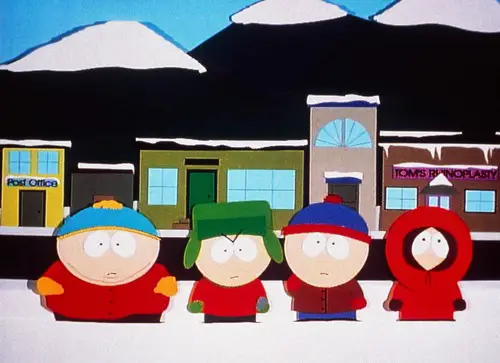
South Park built anticipation around the identity of Eric Cartman’s father, only to delay the reveal with an April Fools’ episode in 1998. Fans were frustrated when the expected storyline was replaced with a Terrance and Phillip special. The backlash was immediate and intense.
Behind the scenes, creators Trey Parker and Matt Stone were aware the decision might anger viewers. Comedy Central received a surge of complaints after the episode aired. The controversy highlighted the risks of playing with audience expectations. Ultimately, the reveal was handled later, but the incident became a defining moment for the show.
11. The “Ellen Comes Out” Episode on Ellen
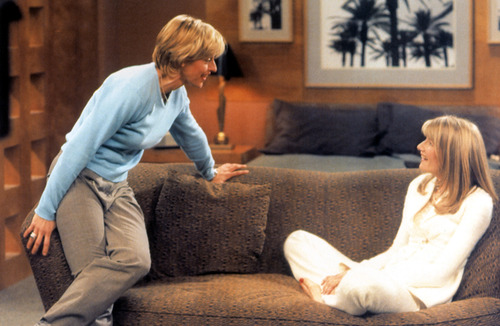
In 1997, Ellen DeGeneres’ character came out as gay on Ellen, mirroring her real-life announcement. The episode was groundbreaking but came with significant controversy. Advertisers pulled out, and some affiliates refused to air it.
Behind the scenes, there was pressure from ABC and sponsors concerned about audience reaction. The cast and crew faced public scrutiny and mixed support. DeGeneres later spoke about the stress and impact on her career at the time. While the episode is now seen as historic, it created major challenges during production.
12. The Death of Maude Flanders on The Simpsons

When The Simpsons killed off Maude Flanders in 2000, it surprised viewers. The decision was reportedly tied to a contract dispute with voice actor Maggie Roswell. Her departure forced the writers to make a permanent change to the show’s cast.
Behind the scenes, the situation highlighted tensions over pay and working conditions for voice actors. The abrupt nature of the storyline drew criticism from some fans. Producers had to adjust future episodes to account for the loss of the character. It remains one of the show’s most controversial decisions.
13. The “Game of Thrones” Coffee Cup Incident

During the final season of Game of Thrones, a modern coffee cup was accidentally left in a scene. The mistake quickly went viral after the episode aired. It became one of the most talked-about production errors in recent TV history.
Behind the scenes, HBO addressed the issue and edited the episode for later broadcasts. The incident raised questions about quality control on a high-budget production. Cast and crew acknowledged the oversight, though no single person was blamed publicly. It became an example of how even major productions can miss small details.
14. The “ER Live Episode” Experiment
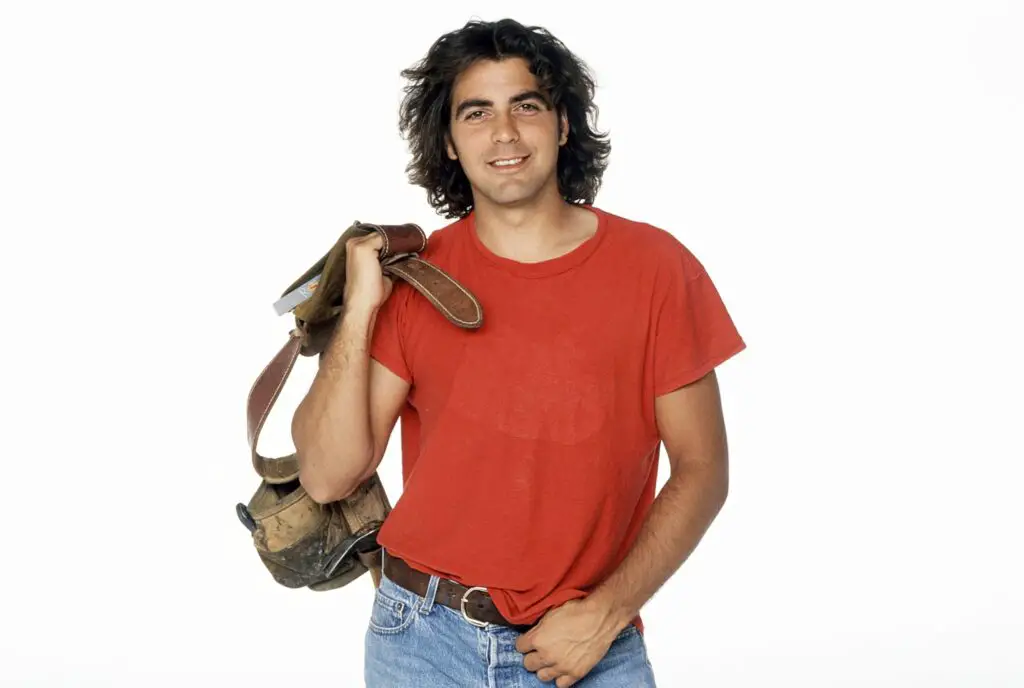
ER aired a live episode in 1997, performed twice for different U.S. time zones. The ambitious format added pressure on the cast and crew, who had to deliver without mistakes. Unlike a typical episode, there was no opportunity for retakes.
Behind the scenes, rehearsals were extensive, and technical coordination was complex. Actors had to adjust to stage-like conditions while maintaining the show’s realism. The risk of errors created tension throughout production. Despite the challenges, the episode was widely praised for its execution.
15. The “The Office” Steve Carell Exit
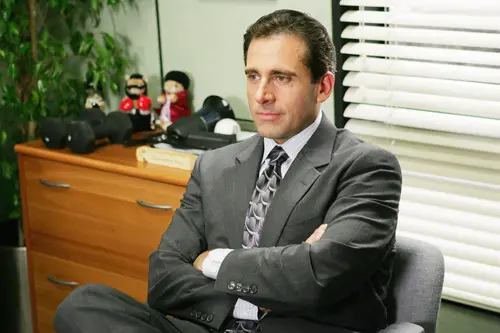
Steve Carell’s departure from The Office in Season 7 was handled through an emotional farewell episode. While it played smoothly on screen, there were behind-the-scenes uncertainties about the show’s future. Carell’s exit left a major gap in the cast.
Writers struggled to find a replacement dynamic that matched Michael Scott’s presence. NBC experimented with multiple guest stars and new storylines. Cast members have said the tone shifted noticeably after his departure. The transition period highlighted how dependent the show had been on one central character.
16. The “Two and a Half Men” Charlie Sheen Firing
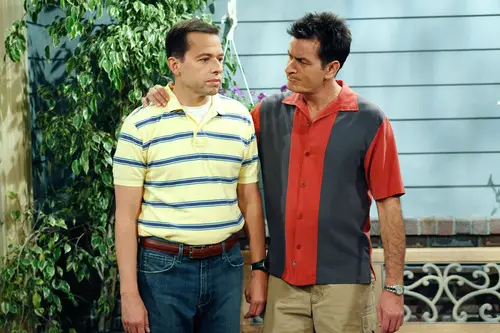
Charlie Sheen’s exit from Two and a Half Men followed public disputes with creator Chuck Lorre. His character was written out after escalating conflicts and controversial statements. The situation unfolded very publicly, adding pressure to the production.
Behind the scenes, the show had to quickly pivot and bring in Ashton Kutcher as a new lead. Contracts, scripts, and marketing all had to be reworked. The shift created uncertainty about ratings and audience loyalty. Despite the turmoil, the show continued successfully for several more seasons.