
1. I Love Lucy and the First Pregnancy on TV
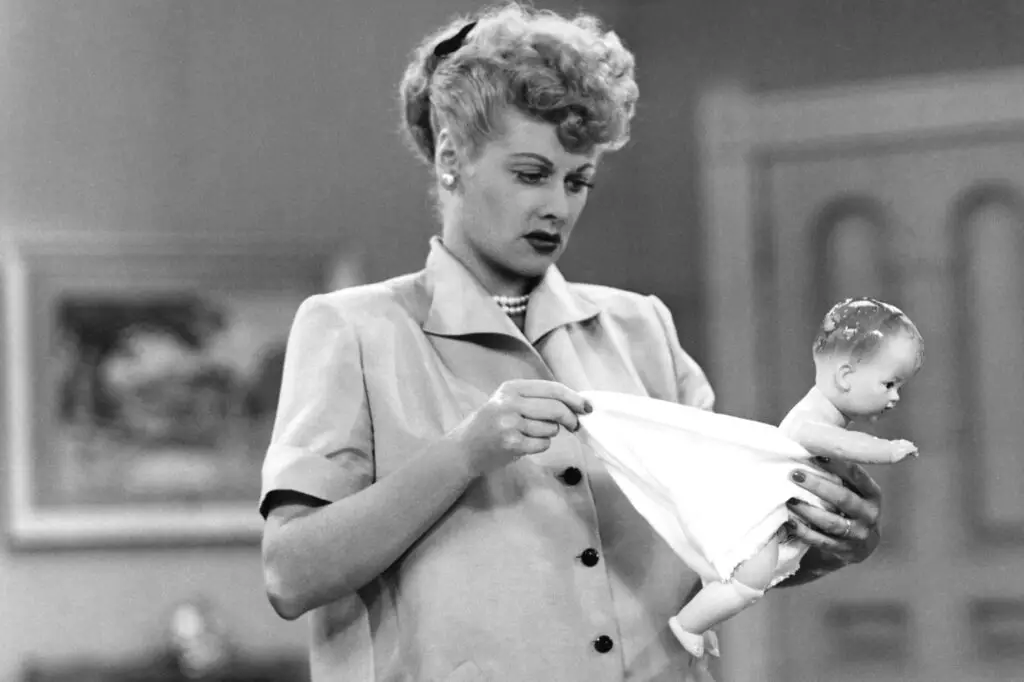
When Lucille Ball became pregnant in real life, the show’s writers faced a dilemma that hadn’t really been tackled before on television. Pregnancy was considered too sensitive to portray openly, so even the word itself was avoided on air. Instead, the show used the phrase “expecting,” which felt safer for audiences in the early ’50s. Ball’s real-life husband, Desi Arnaz, also starred on the show, which made the storyline easier to integrate authentically. The episode where Lucy gives birth aired the same day Ball delivered her son in real life, which was an extraordinary bit of timing. It became one of the most-watched broadcasts in television history at the time. Behind the scenes, CBS had to get approval from multiple religious groups before allowing the storyline.
What’s interesting is how carefully everything was controlled, from language to camera angles. The network wanted to avoid anything that might feel too clinical or revealing. Even so, audiences responded positively, and it helped normalize pregnancy on television moving forward. It also set a precedent for shows blending real-life events into scripted storytelling. Ball’s influence extended far beyond comedy, quietly reshaping what television could depict. Today it seems mild, but at the time, it was a genuine shift in cultural boundaries. It’s one of those moments that didn’t spark controversy headlines but changed the medium anyway.
2. M*A*S*H and the Hidden Time Capsule
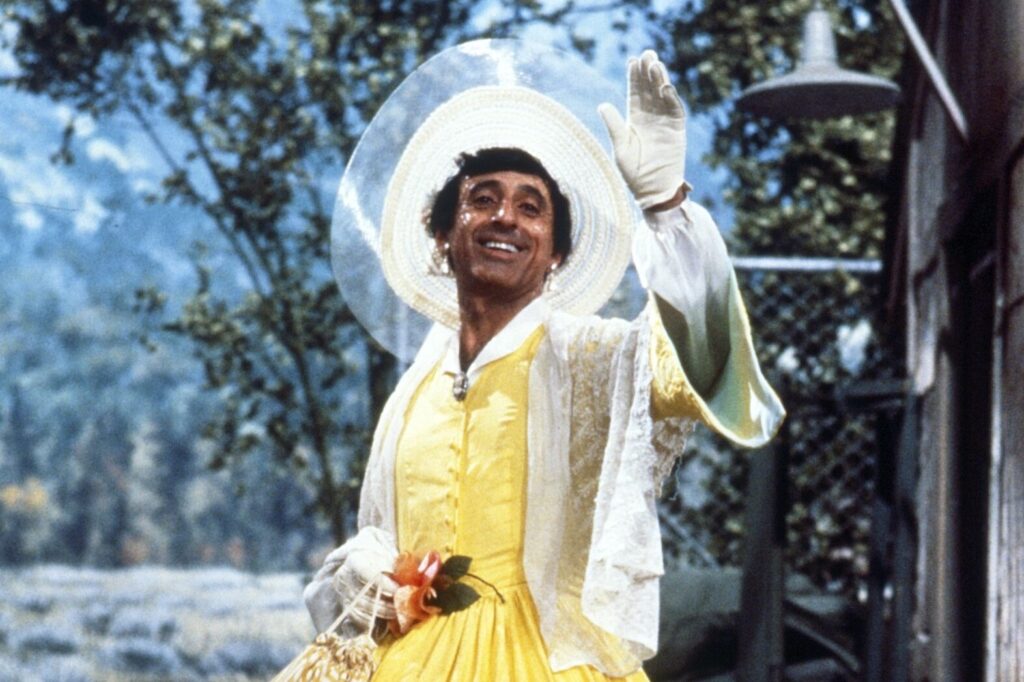
During the filming of the final episode of M*A*S*H, cast and crew quietly buried a time capsule on the set. The idea was meant as a private goodbye rather than a publicity stunt. It reportedly included scripts, personal notes, and small memorabilia from the production. However, the exact location wasn’t widely documented, and the set itself was later dismantled. Over time, the story became more of a behind-the-scenes legend than a confirmed artifact. Some crew members later said they weren’t even sure it was ever formally cataloged.
What makes this story stand out is how understated it was compared to the show’s massive finale, which drew over 100 million viewers. The focus publicly stayed on the emotional farewell episode rather than anything symbolic happening behind the scenes. It reflects how much of the show’s culture was about camaraderie rather than spectacle. Even if the capsule is never found, the intent behind it says a lot about the cast’s connection. It was less about preserving history and more about marking the end of something meaningful. That quiet gesture never really made headlines at the time.
3. The Brady Bunch and the Real-Life Sibling Bonds
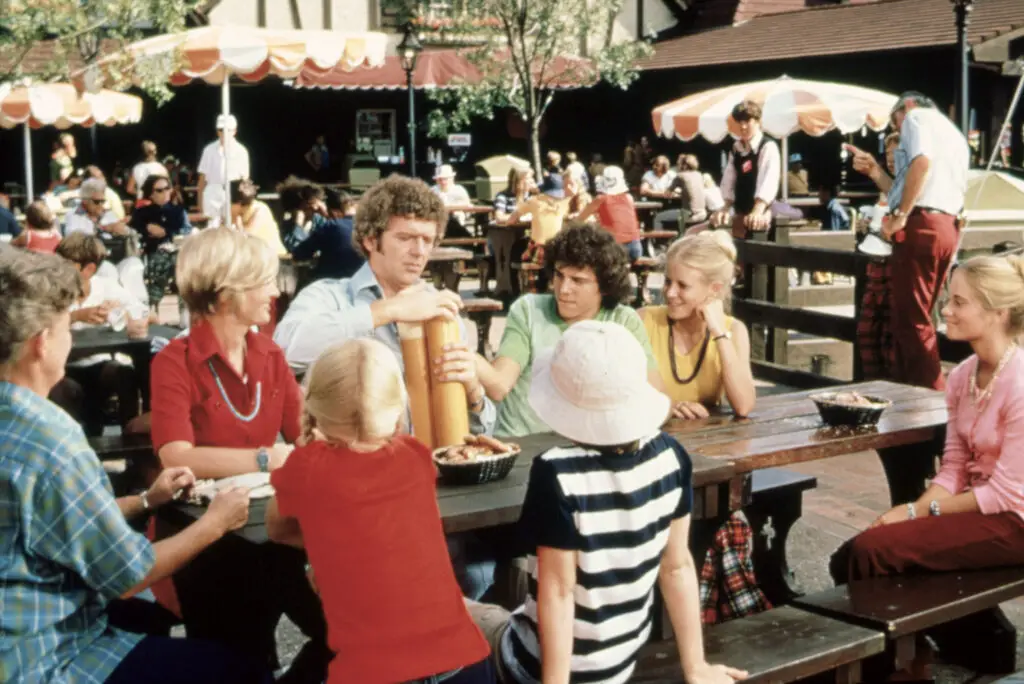
The young cast of The Brady Bunch spent so much time together that they developed real sibling-like relationships off camera. Barry Williams and Maureen McCormick, who played Greg and Marcia, even had a brief teenage romance. The production schedule often kept the kids on set for long hours, especially during outdoor shoots. Without today’s strict child labor regulations, they were given a lot of downtime together between scenes. That downtime often turned into bonding that carried over into their performances.
It gave the show a natural chemistry that audiences picked up on without necessarily knowing why. The closeness also meant occasional conflicts, just like real siblings, though those were mostly kept off camera. Years later, cast members spoke openly about how those relationships shaped their experience. It helped the show feel more authentic, even within its idealized version of family life. None of this was heavily publicized during the original run. It was just part of the everyday rhythm behind the scenes.
4. Star Trek and the Improvised Vulcan Nerve Pinch
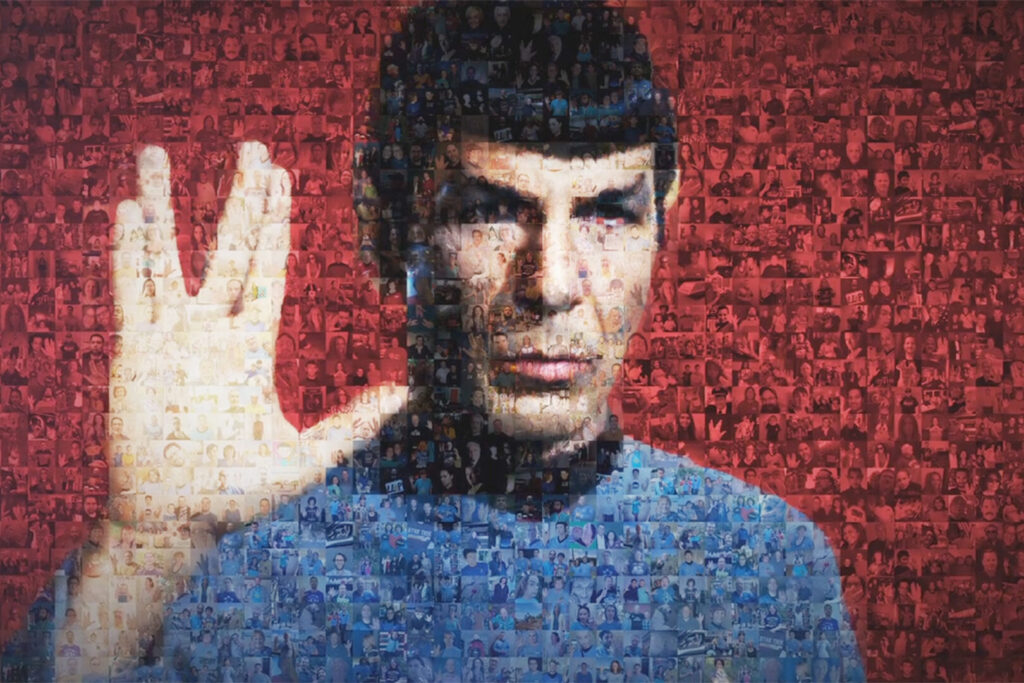
The now-iconic Vulcan nerve pinch was never part of the original script. Leonard Nimoy suggested it as an alternative to a more violent scene. He felt it better reflected the logic-driven nature of his character, Spock. The producers agreed, and it quickly became one of the character’s defining traits. It also helped the show maintain a less aggressive tone during confrontations.
What’s notable is how something so recognizable came from a practical, last-minute decision. It wasn’t the result of a big creative meeting or long-term planning. Instead, it was a simple adjustment that aligned better with the character’s philosophy. Over time, it became a staple of the series and later films. Fans often assume it was always part of the concept. In reality, it was a quiet innovation that never made much noise at the time.
5. Cheers and the Low-Rated First Season
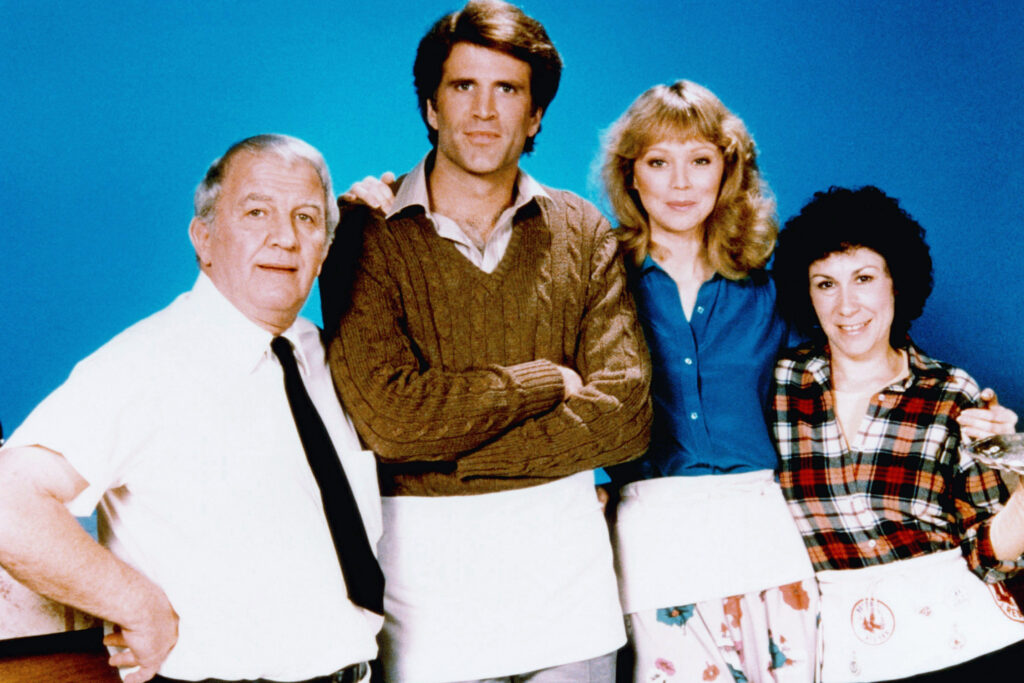
When Cheers first aired, it struggled badly in the ratings. It ranked near the bottom of network shows during its debut season. Despite that, NBC chose to keep it on the air, largely because executives believed in its writing and cast. Ted Danson and the ensemble were still finding their rhythm. The network’s patience was unusual, even for that era.
Behind the scenes, the cast and crew were aware they might not make it past the first year. That uncertainty shaped how they approached their work, focusing more on consistency than spectacle. Over time, word of mouth began to grow, and the show gradually found its audience. It eventually became one of the most successful sitcoms of all time. The early struggles were rarely emphasized in its later legacy. It’s a reminder that even iconic shows can start quietly.
6. The Andy Griffith Show and Don Knotts’ Departure
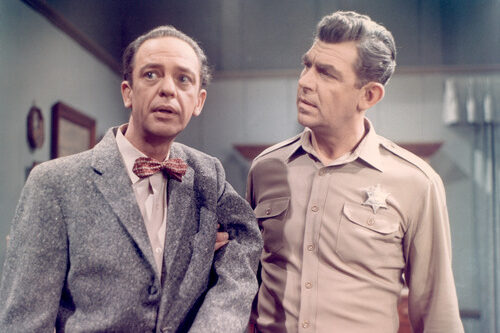
Don Knotts left The Andy Griffith Show after believing it was ending. He had been told the series might conclude after its fifth season, so he pursued a film career. However, the show was renewed, and his character Barney Fife was written out as a regular. Knotts did return occasionally as a guest star, but the dynamic had shifted.
Behind the scenes, there was no major fallout, just a misunderstanding about the show’s future. Andy Griffith remained supportive of Knotts’ decision. Still, the absence of Barney changed the tone of the series noticeably. Many fans consider the earlier seasons to be the strongest because of that chemistry. The situation wasn’t widely dramatized at the time. It was simply a business decision that had lasting creative effects.
7. Friends and the Cast Salary Negotiations

By the later seasons of Friends, the six main cast members negotiated their salaries together rather than individually. Jennifer Aniston, Courteney Cox, and their co-stars insisted on equal pay. This approach was unusual in television at the time, especially for an ensemble cast. It resulted in each of them earning $1 million per episode in the final seasons.
What’s less discussed is how this strategy strengthened their on-screen dynamic. There was less competition between cast members for prominence or storyline focus. The unity carried over into the show itself, which remained balanced among the characters. It also set a precedent for future ensemble casts negotiating collectively. At the time, it wasn’t treated as a major controversy. It was more of a quiet shift in how actors approached contracts.
8. Seinfeld and Kramer’s Entrance Applause
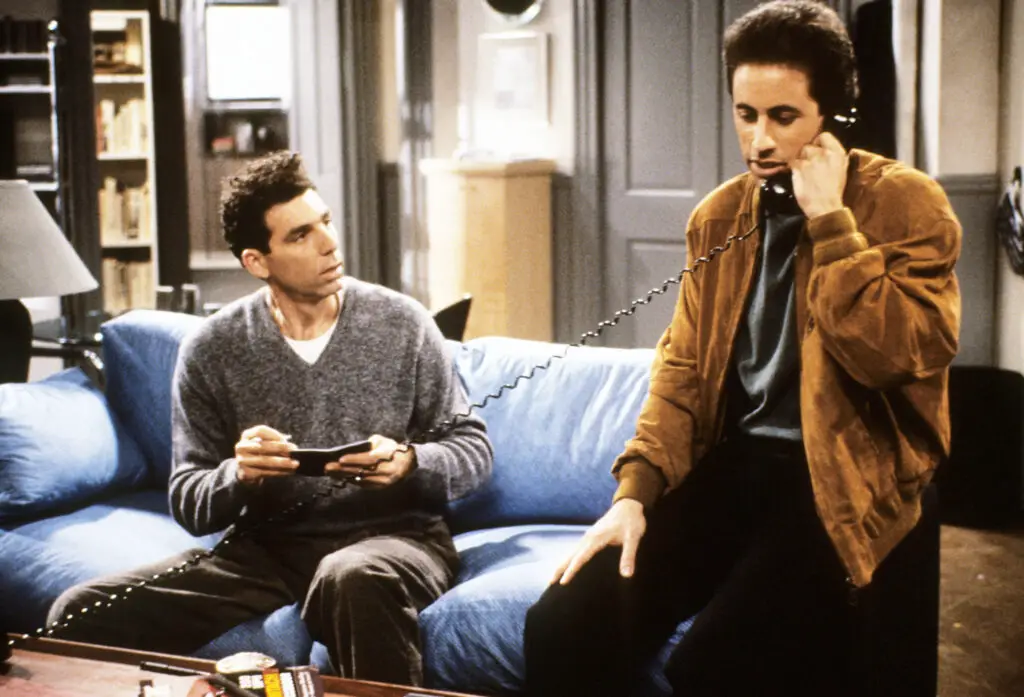
Audience applause for Kramer’s entrances became so loud during tapings of Seinfeld that it disrupted filming. Michael Richards would often have to pause before delivering his lines. The reaction grew organically as the show gained popularity. Eventually, producers asked audiences to tone it down.
The goal was to keep scenes moving without long interruptions. It’s a small detail, but it shows how live audience energy can affect production. The cast had to adjust their timing to accommodate the reactions. Over time, the applause became shorter and more controlled. It’s something viewers rarely think about when watching the final episodes. Behind the scenes, it required constant fine-tuning.
9. The Twilight Zone and Rod Serling’s Workaround
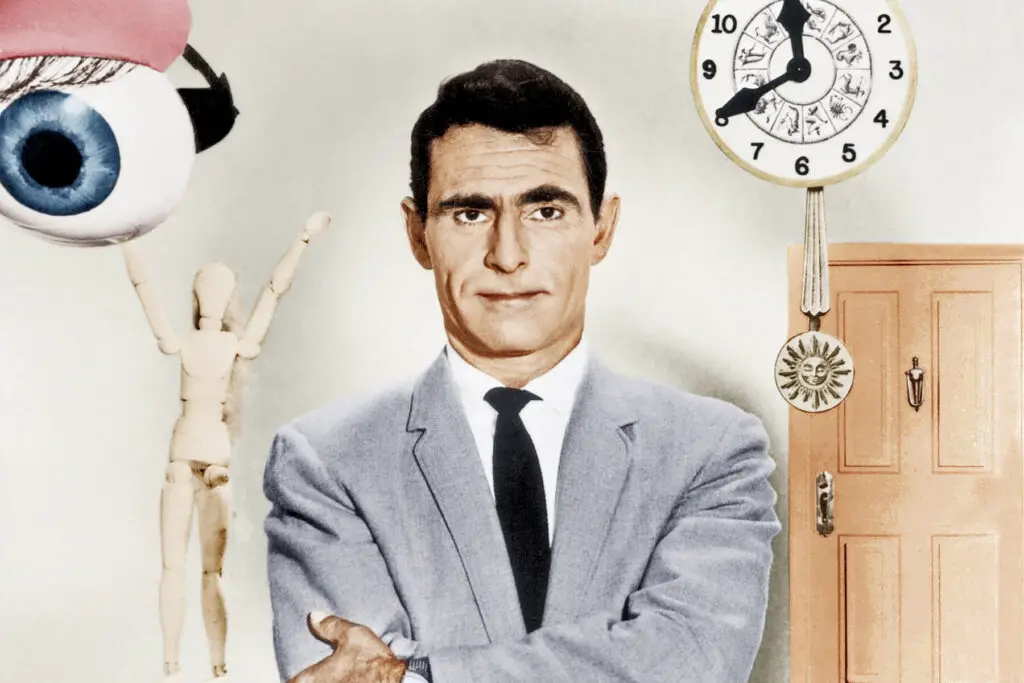
Rod Serling often used science fiction as a way to address controversial social issues. Network censorship at the time limited what could be said directly. By setting stories in alternate realities, he was able to explore topics like prejudice and war. It was a strategic workaround rather than a stylistic coincidence.
This approach gave the show its distinctive tone while also protecting it from heavy interference. Many episodes carried deeper meanings that weren’t immediately obvious. Viewers could interpret them on different levels depending on context. The network allowed it because the themes weren’t overtly stated. It’s one of the reasons the show has remained relevant over time. At the time, it wasn’t always recognized as intentional.
10. All in the Family and the Live Audience Tension
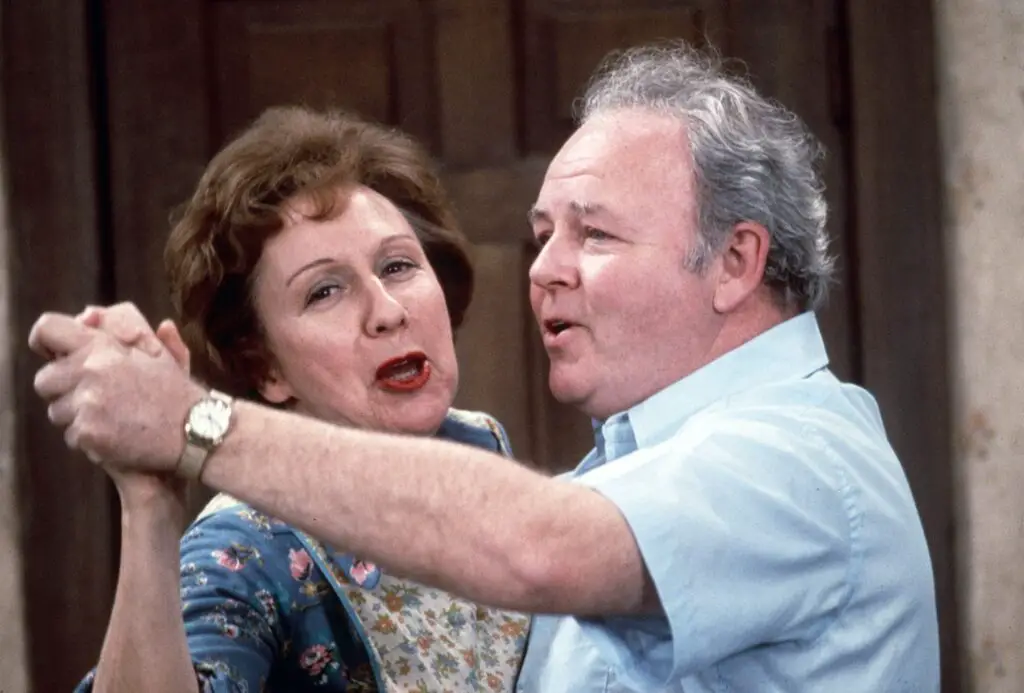
Episodes of All in the Family were filmed in front of a live audience, and reactions could vary widely. Carroll O’Connor portrayed Archie Bunker, a character with intentionally controversial views. Some audience members laughed, while others were visibly uncomfortable. That tension could be felt on set during tapings.
The producers chose to keep those reactions rather than soften the material. It gave the show a more authentic, unpredictable tone. The cast had to navigate those moments in real time without breaking character. It wasn’t something heavily discussed publicly at the time. Instead, it became part of the show’s unique identity. The discomfort was as important as the humor.
11. The Office and Steve Carell’s Improvisation
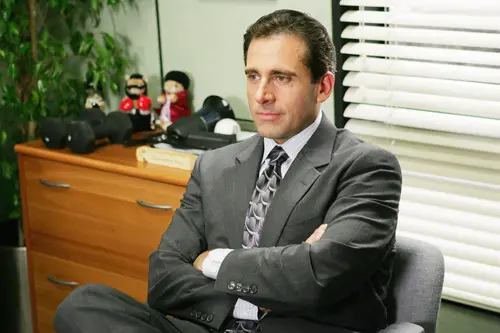
During filming of The Office, Steve Carell frequently improvised lines and reactions. One well-known example is the kiss between Michael Scott and Oscar, which was not fully scripted. The cast’s genuine reactions were largely kept in the final cut. This improvisational style became a core part of the show’s tone.
It required the rest of the cast to stay flexible during scenes. Many actors didn’t know exactly how a moment would play out until it happened. That unpredictability contributed to the show’s awkward realism. It also meant filming could take longer due to multiple takes. Behind the scenes, it was more controlled than it appeared. Still, those spontaneous moments defined the series.
12. Gilligan’s Island and the Theme Song Change
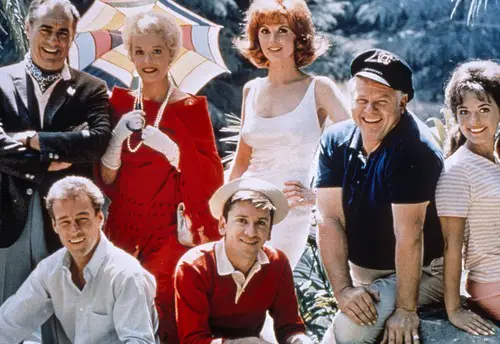
The original theme song for Gilligan’s Island did not mention the Professor or Mary Ann. After the first season, the lyrics were changed to include them. The decision came after cast members and fans noticed the omission. It was a relatively small adjustment, but it reflected audience feedback.
Behind the scenes, it showed how responsive the production could be. The update helped acknowledge the full ensemble more equally. It also became the version most people remember today. At the time, it wasn’t treated as a major issue. It was simply a correction that improved the show’s presentation.
13. Happy Days and the Origin of “Jump the Shark”
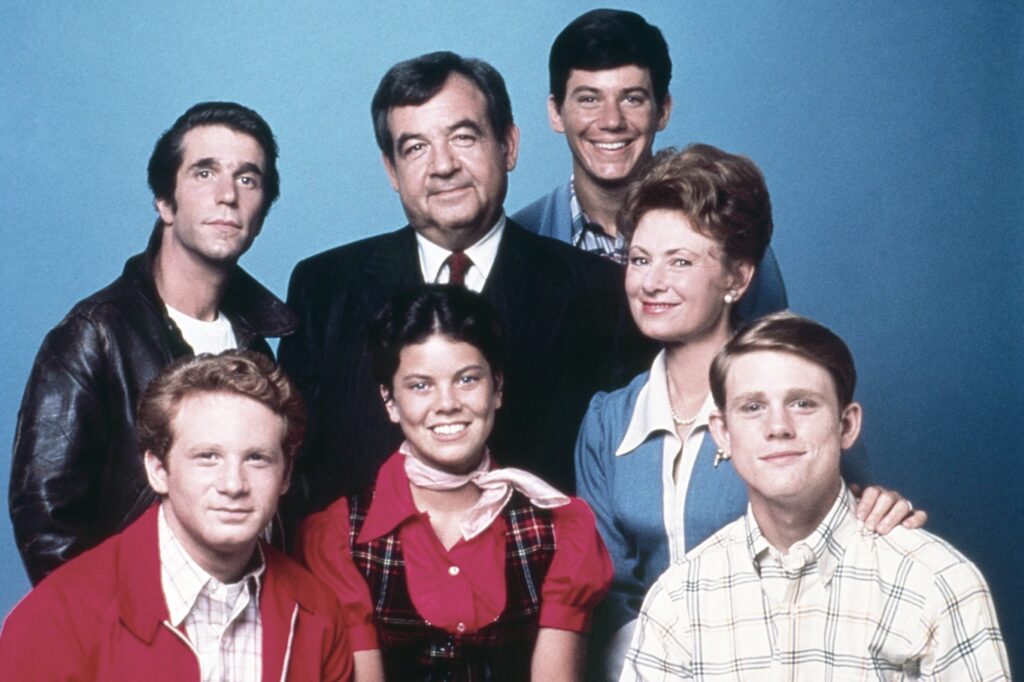
The phrase “jump the shark” comes from an episode of Happy Days where Henry Winkler literally jumps over a shark on water skis. The moment was intended as a fun, exaggerated stunt. It wasn’t meant to symbolize anything about the show’s quality.
Over time, it became shorthand for when a series declines creatively. The cast and crew didn’t anticipate that interpretation at all. At the time, it was just another episode in a long-running sitcom. The phrase gained popularity years later through fan discussions. It’s now part of television vocabulary. The original context often gets overlooked.
14. Saturday Night Live and Last-Minute Rewrites

Episodes of Saturday Night Live are often rewritten up until just hours before airing. Writers and performers adjust sketches based on current events or what’s working during rehearsals. Lorne Michaels has maintained this fast-paced process since the show began.
This approach keeps the show relevant but also creates a high-pressure environment. Cast members sometimes perform material they’ve only rehearsed briefly. It requires a strong ability to adapt quickly. Despite the chaos, the system has worked for decades. Much of that behind-the-scenes urgency isn’t visible to viewers. It’s just part of the show’s structure.
15. The X-Files and Shooting in the Rain
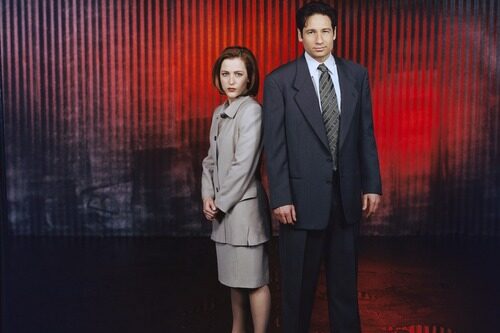
Early seasons of The X-Files were filmed in Vancouver, where frequent rain affected production. Instead of avoiding it, the show often incorporated the weather into its atmosphere. David Duchovny and Gillian Anderson frequently worked in damp, cold conditions.
The result was a darker, moodier visual style that became a hallmark of the series. It wasn’t originally planned as a defining feature. It was simply a practical response to filming conditions. Over time, it helped distinguish the show from other sci-fi series. When production later moved to Los Angeles, some of that atmosphere changed. The weather had quietly shaped the show more than viewers realized.