
1. Woolworth’s
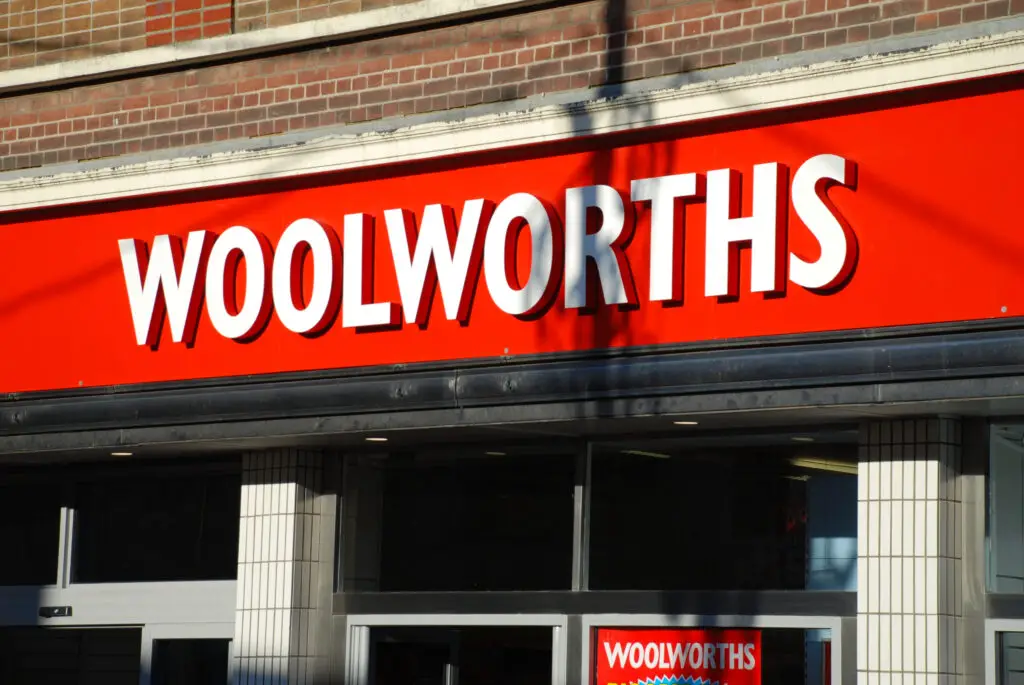
For much of the early to mid-20th century, Woolworth’s felt like it was everywhere. The chain, officially known as the F. W. Woolworth Company, built its reputation on the idea of the five-and-dime store, where customers could find everything from housewares to candy at low prices. By the 1930s, it had thousands of locations across the United States and beyond. The lunch counters inside many stores became just as iconic as the merchandise, especially during the civil rights movement when sit-ins took place there. Shopping at Woolworth’s was as much about the experience as it was about the bargains.
But by the late 20th century, the retail landscape had changed. Discount giants and shopping malls pulled customers away, and Woolworth’s struggled to compete. The company eventually closed its last U.S. stores in 1997. What was once a cornerstone of nearly every downtown quietly disappeared. Today, it survives only in a different form overseas under the Woolworths name, unrelated to the original American chain.
2. Blockbuster Video
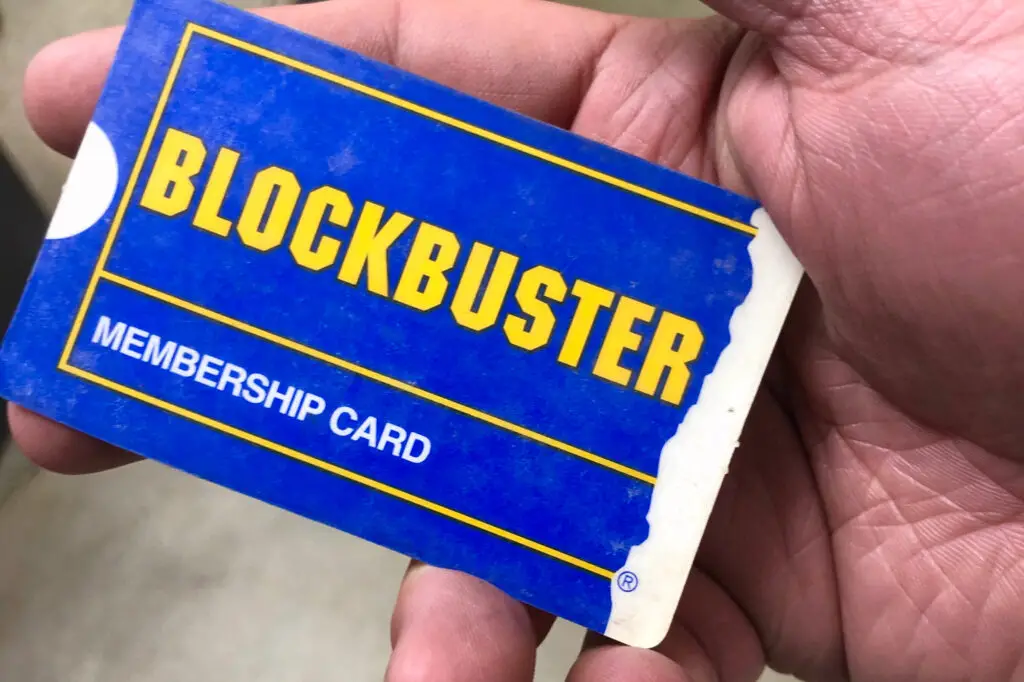
There was a time when Friday night meant a trip to Blockbuster Video. At its peak in the 1990s and early 2000s, the chain had thousands of locations, each lined with shelves of VHS tapes and later DVDs. Families wandered the aisles debating what to watch, often grabbing snacks at the counter before heading home. The blue-and-yellow storefront became a familiar sight in suburbs and cities alike. It was a ritual that defined home entertainment for an entire generation.
Then streaming and mail-order rentals changed everything. Companies like Netflix made it easier to get movies without leaving the house, and Blockbuster was slow to adapt. By 2010, the company filed for bankruptcy, and most stores quickly closed. Today, just one location remains in Bend, Oregon, more of a nostalgic landmark than a functioning chain. The idea of browsing physical movie shelves now feels like a relic of another era.
3. RadioShack
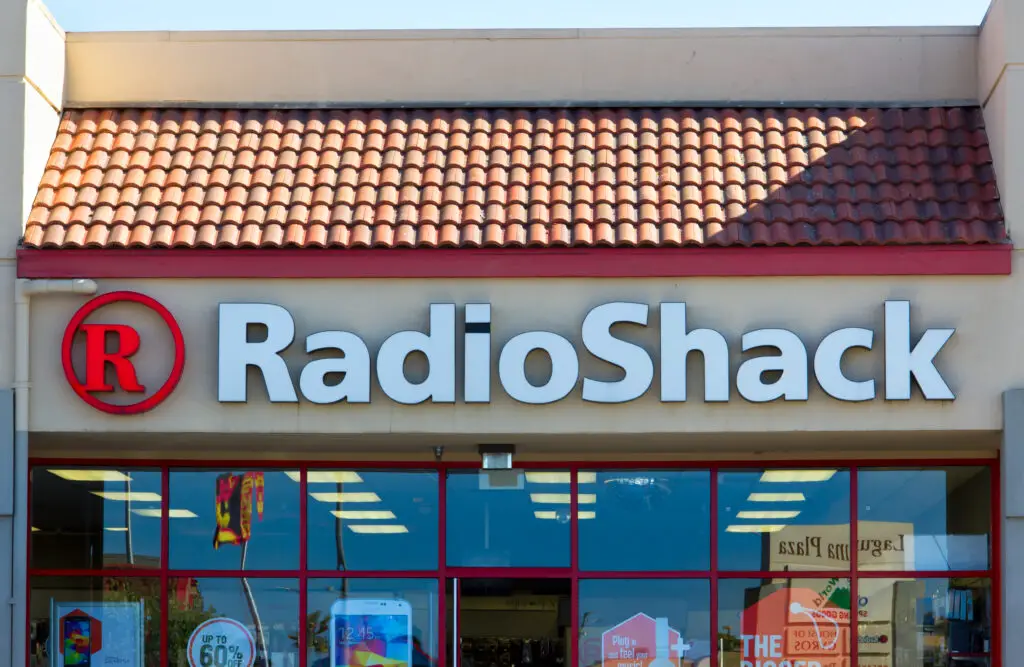
If you needed a battery, a cable, or a random electronic part, RadioShack was the place to go. Founded in 1921, the company became a go-to destination for hobbyists and everyday customers alike. By the 1980s and 1990s, it had thousands of stores, often tucked into strip malls and shopping centers. Employees were known for helping customers track down oddly specific items you couldn’t find anywhere else. It filled a niche that big-box stores didn’t quite cover.
However, as electronics retail shifted toward larger chains and online shopping, RadioShack struggled to stay relevant. The rise of stores like Best Buy and the convenience of ordering online chipped away at its customer base. The company filed for bankruptcy twice, in 2015 and again in 2017. Most physical stores have since closed, though the brand still exists in a limited online form. Its once-ubiquitous presence has largely vanished.
4. Payless ShoeSource
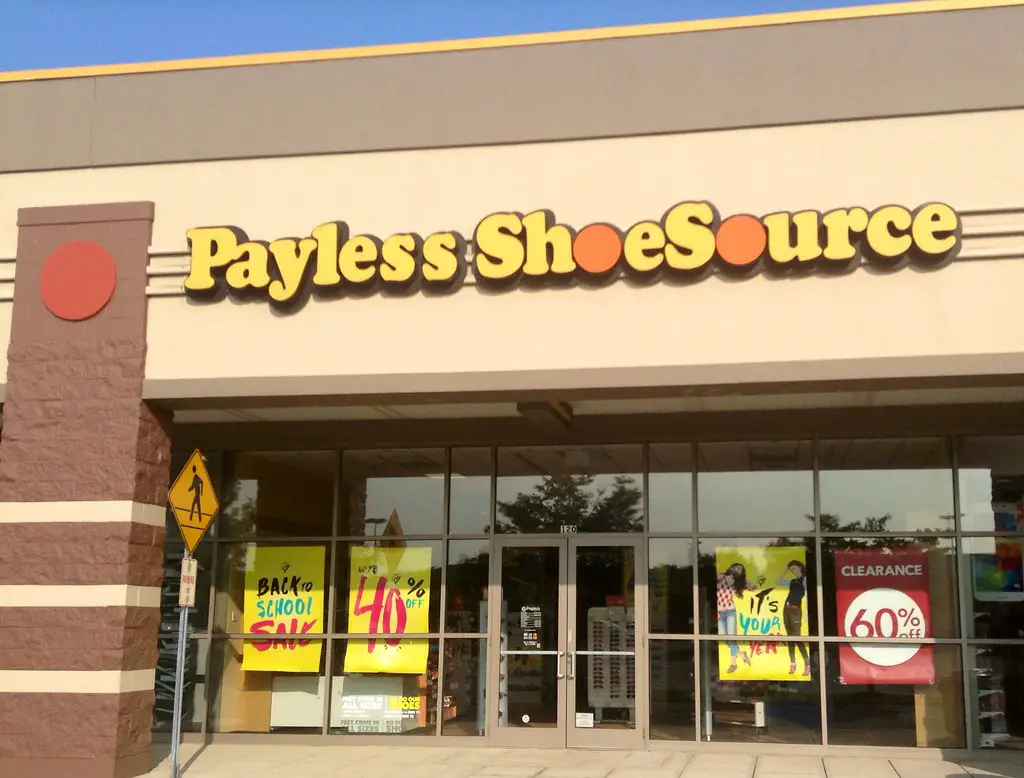
Payless ShoeSource built its entire identity around affordability. Founded in 1956, the chain expanded rapidly by offering low-cost footwear for the whole family. At its height, there were more than 4,000 locations worldwide, many of them in easily accessible strip malls. Customers could walk in, find their size on the shelf, and try on shoes without needing assistance. It was simple, convenient, and budget-friendly.
But the same factors that fueled its growth eventually contributed to its decline. Competition from online retailers and fast-fashion brands made it harder to stand out. Payless filed for bankruptcy in 2017 and again in 2019, leading to the closure of all its U.S. stores. While the brand has attempted a comeback online and internationally, its physical stores are no longer a common sight. For many people, it’s a store they remember rather than visit.
5. Borders
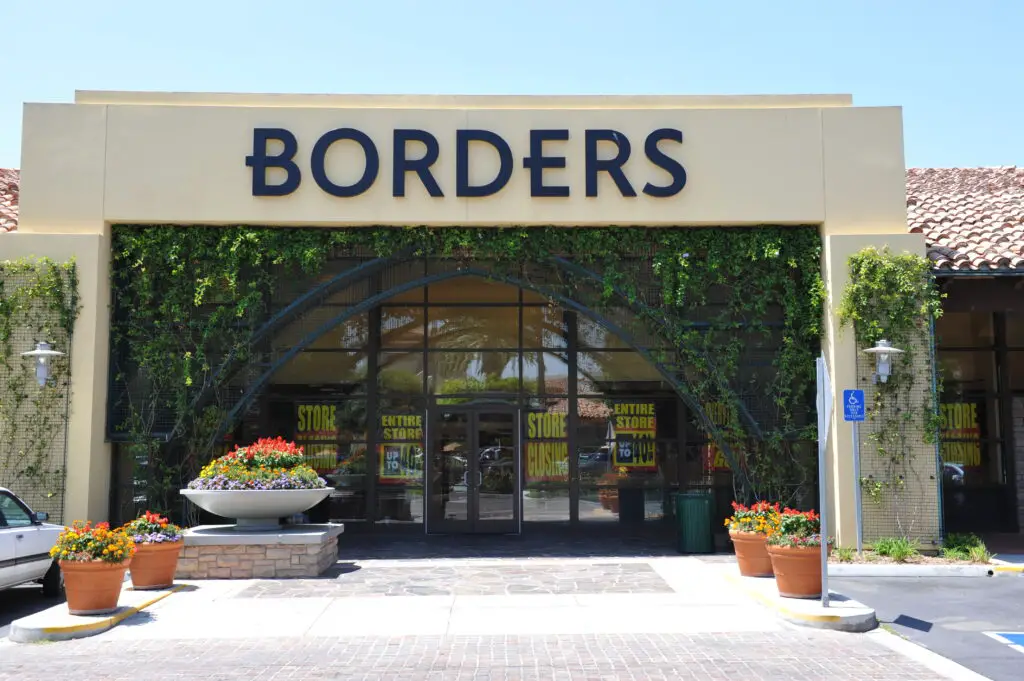
Borders once felt like a haven for book lovers. Founded in 1971, it grew into one of the largest bookstore chains in the United States, with hundreds of locations. Stores were known for their large selection, comfortable seating, and in-store cafés. It wasn’t unusual to spend hours browsing shelves or flipping through books before making a purchase. For a while, it seemed like Borders had mastered the bookstore experience.
Then digital reading and online retail reshaped the industry. Borders was slow to develop a strong online presence and struggled to compete with companies like Amazon. By 2011, the company filed for bankruptcy and began closing its stores. The loss was especially noticeable in communities where Borders had been a gathering place. Its disappearance marked a major shift in how people buy and read books.
6. Circuit City
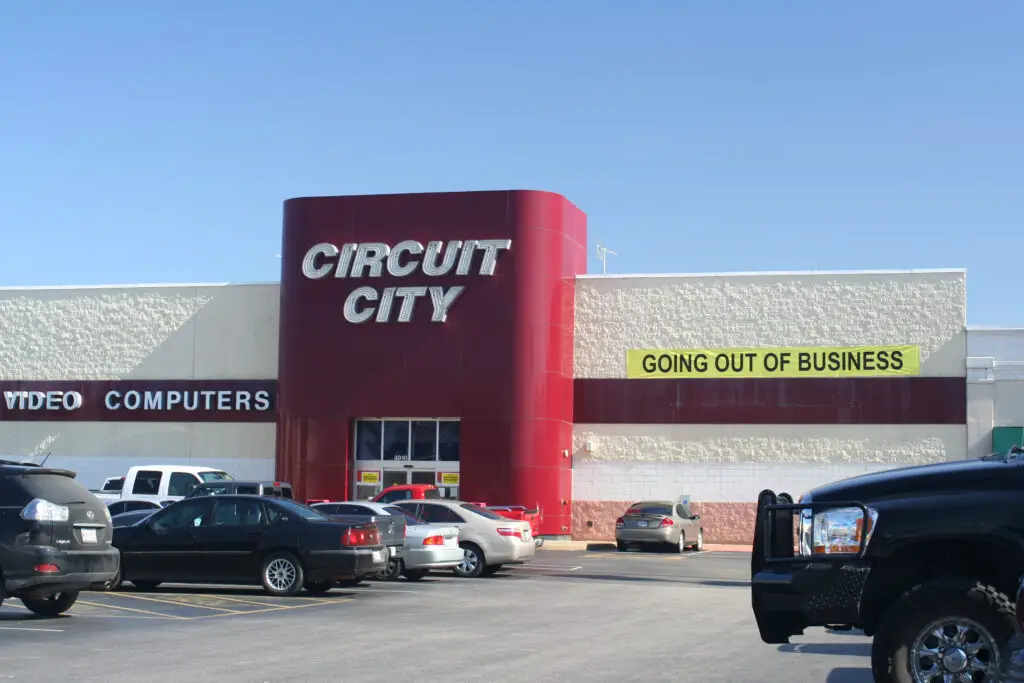
Circuit City was once a major player in consumer electronics retail. Founded in 1949, it expanded rapidly in the 1980s and 1990s, becoming a direct competitor to Best Buy. The stores were known for their commissioned sales staff and wide selection of electronics, from TVs to stereo systems. At its peak, Circuit City operated hundreds of locations across the United States. For many shoppers, it was the go-to place for big-ticket tech purchases.
But a series of business decisions hurt the company’s long-term prospects. Eliminating experienced sales staff and failing to keep up with competitors made it harder to retain customers. The 2008 financial crisis delivered a final blow, and Circuit City filed for bankruptcy that same year. By early 2009, all of its stores had closed. The brand still exists online, but its once-dominant storefronts are gone.
7. Sears
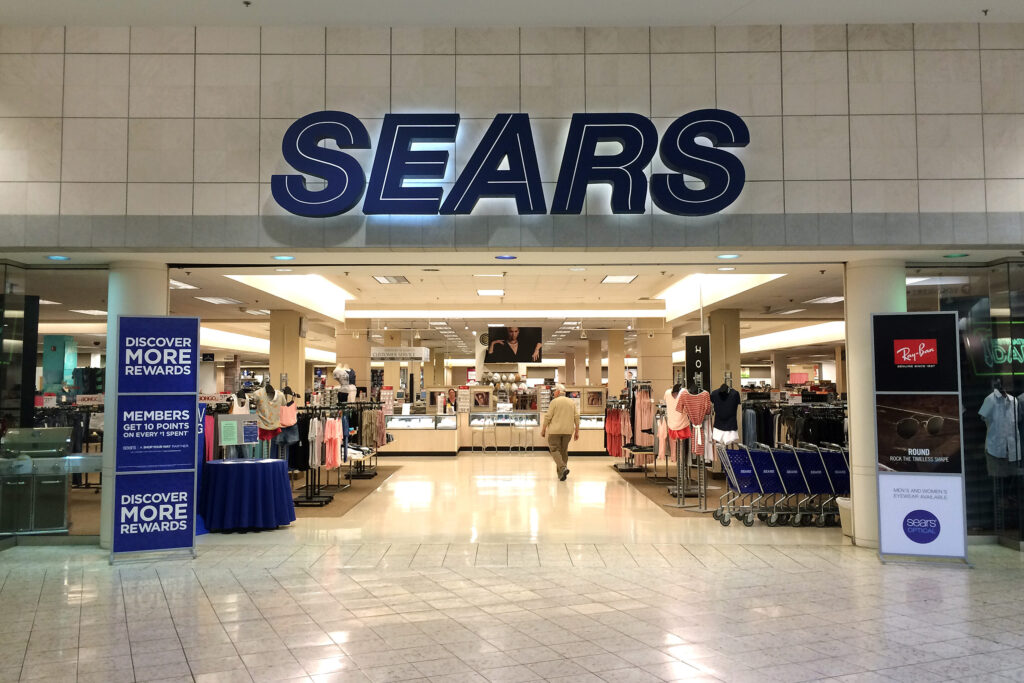
Sears was once one of the most powerful retailers in America. Founded in the late 19th century, it grew through its famous mail-order catalog before expanding into department stores. For decades, Sears locations anchored shopping malls across the country. The company sold everything from appliances to clothing, and its brands like Craftsman and Kenmore were household names. It wasn’t just a store, it was part of everyday life.
Over time, competition and shifting consumer habits took their toll. Big-box retailers and e-commerce platforms offered more convenience and often lower prices. Sears filed for bankruptcy in 2018 and has since closed the vast majority of its stores. A small number of locations still operate, but they are far from the widespread presence the chain once had. What was once everywhere is now increasingly rare.
8. Kmart
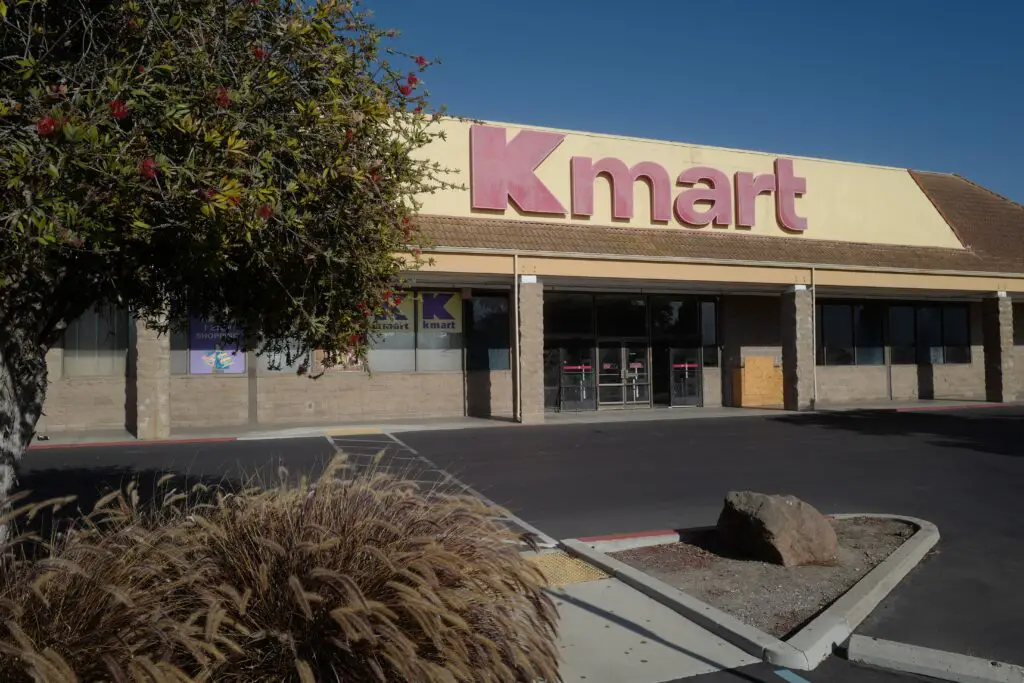
Kmart was once synonymous with discount shopping. Founded in 1962, it quickly grew into a major retail chain with thousands of stores. Blue-light specials became a signature feature, drawing crowds looking for deals. Kmart stores were often large, bustling spaces where families could shop for everything in one trip. For a time, it was one of the biggest names in American retail.
However, competition from Walmart and Target gradually eroded its market share. Management struggles and outdated stores made it harder to keep customers coming back. Kmart filed for bankruptcy in 2002 and later merged with Sears, but the combined company continued to decline. Today, only a handful of Kmart locations remain. Its once-familiar presence has almost completely disappeared.
9. Toys “R” Us
For kids and parents alike, Toys “R” Us felt like a destination rather than just a store. Founded in 1948, the chain grew into the leading toy retailer in the United States. Its large stores carried an enormous selection, making it the go-to place for birthdays and holidays. Geoffrey the Giraffe became a recognizable mascot, adding to the brand’s identity. Walking through the aisles often felt like stepping into a toy-filled wonderland.
But heavy debt and increasing competition proved difficult to overcome. Online shopping and big-box retailers began to undercut its prices and convenience. In 2017, Toys “R” Us filed for bankruptcy and eventually closed all of its U.S. stores. While there have been limited efforts to revive the brand, it no longer dominates the retail landscape. For many, it remains a nostalgic memory.
10. A&P Grocery Stores
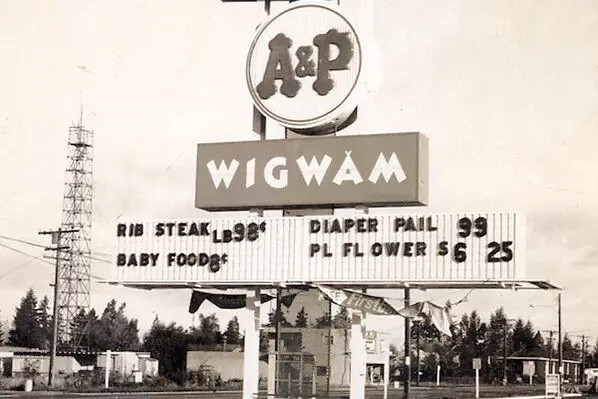
The Great Atlantic & Pacific Tea Company, better known as A&P, was once the largest retailer in the United States. Founded in 1859, it helped pioneer the modern supermarket model. At its peak in the early 20th century, A&P operated thousands of stores nationwide. It played a major role in shaping how Americans shop for groceries. For decades, it was nearly impossible to avoid.
However, increased competition and changing business strategies led to a long decline. Newer supermarket chains offered more variety and better pricing. A&P filed for bankruptcy multiple times, with its final filing in 2015 leading to the closure of all remaining stores. The brand that once defined grocery shopping effectively disappeared. Its influence remains, even if its stores do not.
11. Eckerd Drug
Eckerd Drug was once one of the largest pharmacy chains in the United States. Founded in 1961, it expanded rapidly and became a common sight in many communities. Customers relied on it for prescriptions, over-the-counter medications, and everyday essentials. The stores were often conveniently located, making them a regular stop for many households. For years, Eckerd competed directly with chains like CVS and Walgreens.
In the early 2000s, the company began to change hands. It was sold to J.C. Penney and later acquired by CVS. By 2007, most Eckerd locations had been rebranded or closed entirely. The name gradually disappeared from storefronts. What had once been a familiar pharmacy option became part of larger chains.
12. Hollywood Video

Hollywood Video was one of Blockbuster’s main competitors during the video rental boom. Founded in 1988, it grew rapidly and operated thousands of stores at its peak. The chain offered a similar experience, with shelves full of movies and a steady flow of customers on weekends. For a while, it provided real competition in the home entertainment market. Many neighborhoods had both a Blockbuster and a Hollywood Video nearby.
Like Blockbuster, it struggled to adapt to changing technology. Streaming services and mail-order rentals reduced the need for physical stores. In 2010, its parent company filed for bankruptcy, and the stores were eventually closed. The chain faded quickly once the market shifted. Today, it’s mostly remembered alongside its former rival.
13. Montgomery Ward
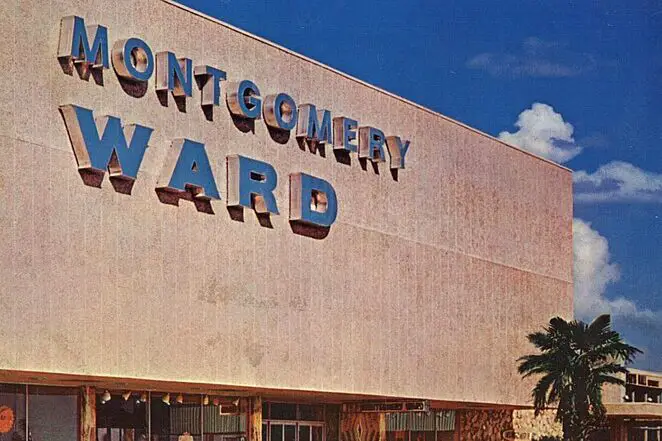
Montgomery Ward was once a retail giant that rivaled Sears. Founded in 1872, it became famous for its mail-order catalog, which brought goods to rural customers. Later, it expanded into physical department stores across the country. For decades, it was a major force in American retail. Its stores offered a wide range of products, similar to its competitors.
However, the company struggled to keep up with changing retail trends. Increased competition and financial difficulties led to its decline. Montgomery Ward filed for bankruptcy in 2000 and closed its remaining stores soon after. The brand still exists as an online retailer, but its physical presence is gone. It’s another example of a once-dominant name that couldn’t adapt.
14. Sam Goody
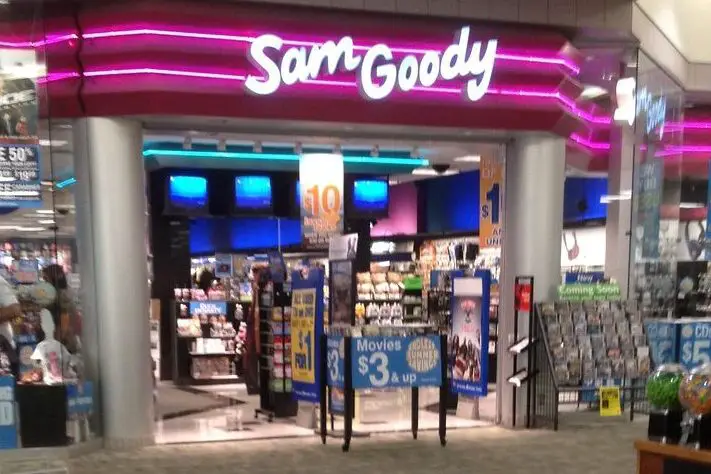
Sam Goody was once a staple for music lovers. Founded in 1951, it became one of the largest music retail chains in the United States. At its peak, it had hundreds of stores in malls across the country. Customers browsed CDs, cassette tapes, and later DVDs, often discovering new artists in the process. It was a key part of the music-buying experience before digital downloads took over.
As music consumption shifted to digital formats, sales of physical media declined. The chain struggled to remain profitable in a changing market. By the late 2000s, most Sam Goody stores had closed or been rebranded. The rise of streaming services made its business model largely obsolete. What was once a hub for music fans is now mostly a memory.
15. Long John Silver’s
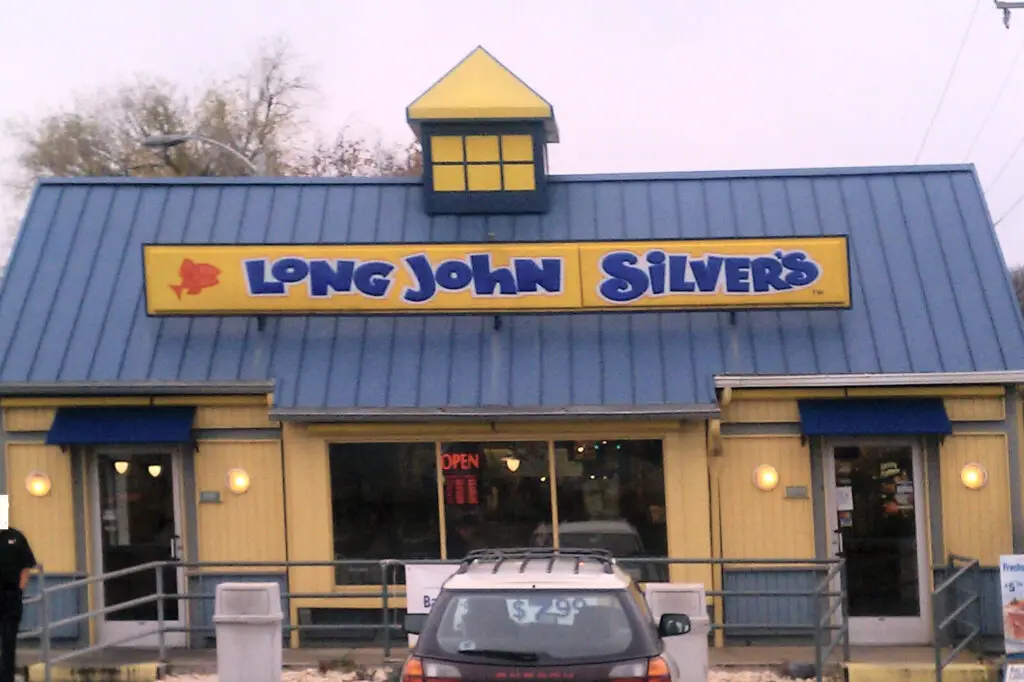
Long John Silver’s was once far more widespread than it is today. Founded in 1969, the fast-food chain specialized in seafood, particularly fried fish and shrimp. Its nautical theme and distinctive menu made it stand out from other fast-food options. At its peak, there were over 1,000 locations across the United States. It became a familiar option for quick, affordable seafood meals.
While the chain still exists, its footprint has significantly shrunk. Changing consumer tastes and increased competition affected its growth. Many locations have closed over the years, reducing its once-prominent presence. It no longer feels like it’s on every corner, even though it hasn’t disappeared entirely. For many people, it’s a reminder of a different era in fast food.
16. Howard Johnson’s
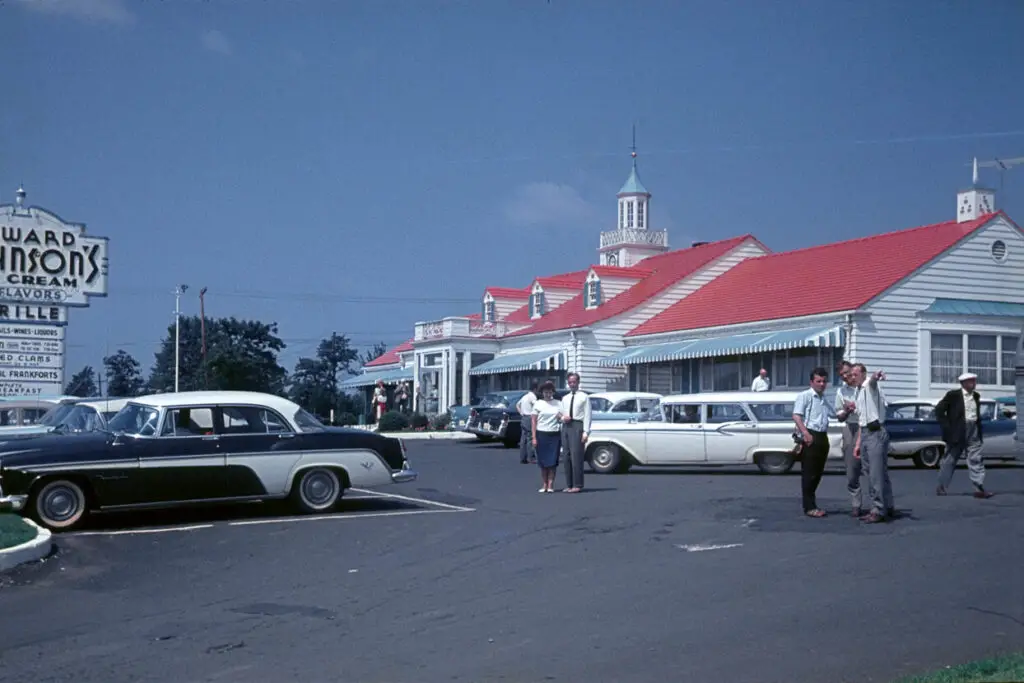
Howard Johnson’s was once one of the most recognizable names in roadside dining and lodging. Founded in 1925, it expanded into a chain of restaurants and motor lodges across the United States. The orange roofs and simple American menu made it easy to spot from the highway. Families traveling long distances often stopped there for meals or overnight stays. It became closely associated with the golden age of road trips.
Over time, the brand declined as competition increased. Fast-food chains and newer hotel brands offered more options and convenience. Most Howard Johnson’s restaurants closed by the late 20th century. A small number of hotels under the name still exist, but the restaurant chain is gone. What was once a travel staple has largely faded from view.