
1. Kaspar Hauser

Kaspar Hauser appeared in Nuremberg in 1828 with a strange letter, barely able to speak and claiming he had been raised in isolation. His story immediately drew attention because he seemed unfamiliar with basic human interaction, which raised questions about his upbringing. Some believed he was a lost prince, possibly connected to the House of Baden, while others suspected he was a fraud. Despite efforts to educate him, Hauser’s past remained unclear and full of contradictions.
He was later attacked and died in 1833 under circumstances that were never fully explained. Some investigators believed his wounds were self-inflicted, while others argued he was silenced because he knew too much. The lack of reliable records and conflicting testimonies have kept the mystery alive. Even today, historians cannot definitively confirm his identity or background. His case remains one of Europe’s most debated historical puzzles.
2. The Man in the Iron Mask
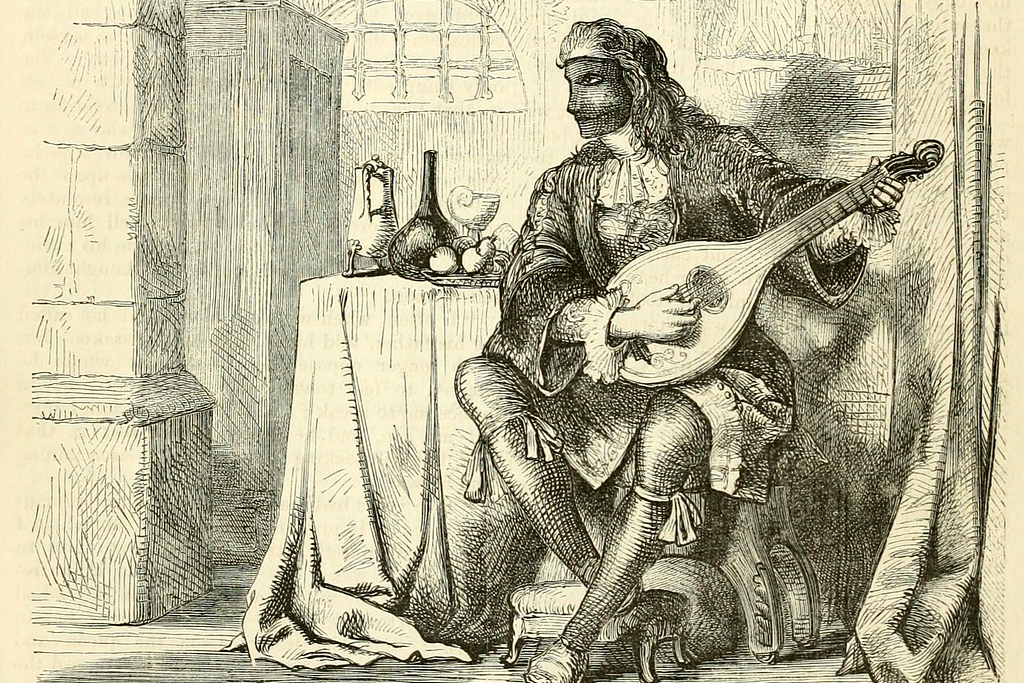
The Man in the Iron Mask was a prisoner held during the reign of Louis XIV, and his identity was deliberately concealed. He was moved between prisons under strict guard and forced to wear a mask, though it was likely made of velvet rather than iron. Official records refer to him as “Eustache Dauger,” but that name has not settled the mystery. Some theories suggest he was a disgraced noble or a political prisoner with dangerous knowledge.
Other theories go further, claiming he could have been the king’s twin brother or an illegitimate relative. No definitive evidence supports these more dramatic ideas, but they persist because of the secrecy surrounding his imprisonment. The French government at the time clearly wanted his identity hidden, which has fueled speculation for centuries. Despite extensive research, historians have not reached a consensus. His true identity remains unresolved.
3. Grigori Rasputin

Grigori Rasputin rose from a peasant background to become a powerful figure in the court of Nicholas II. He gained influence largely because he appeared to ease the symptoms of the tsar’s son, who suffered from hemophilia. His behavior, however, was controversial, with reports of heavy drinking and erratic conduct. This combination of spiritual authority and scandal made him a deeply polarizing figure.
His death in 1916 is surrounded by conflicting accounts, especially regarding how difficult he was to kill. Some reports claim he survived poisoning, shooting, and even drowning before finally dying. While modern historians question the more dramatic details, the exact sequence of events is still debated. The lack of consistent firsthand accounts makes it difficult to reconstruct what really happened. Rasputin’s life and death remain clouded by myth and exaggeration.
4. Amelia Earhart

Amelia Earhart was one of the most famous aviators of the early 20th century, known for her record-breaking flights. In 1937, she attempted to fly around the world but disappeared over the Pacific Ocean. Despite extensive search efforts at the time, no confirmed wreckage was found. Her navigator, Fred Noonan, also vanished without a trace.
Several theories have emerged over the years, including the possibility that she crashed at sea or landed on a remote island. Some researchers believe fragments found on Nikumaroro Island could be linked to her, though this remains unproven. Others have proposed more speculative ideas, but none have been verified. The lack of definitive physical evidence keeps the case open. Earhart’s disappearance is still one of aviation’s greatest mysteries.
5. Anastasia Romanov

Anastasia Romanov was the youngest daughter of Tsar Nicholas II and was executed with her family during the Russian Revolution in 1918. For years, rumors circulated that she had somehow survived the massacre. These claims gained traction when several women came forward claiming to be Anastasia. The most famous of these was Anna Anderson, who maintained her identity for decades.
Modern DNA testing has confirmed that Anastasia did not survive and that Anderson was not related to the Romanov family. However, the confusion persisted for much of the 20th century because of incomplete records and secrecy. The delayed discovery of the Romanov remains contributed to the uncertainty. While the survival theory has been debunked, the long period of doubt remains notable. It shows how gaps in evidence can sustain a mystery for generations.
6. D. B. Cooper
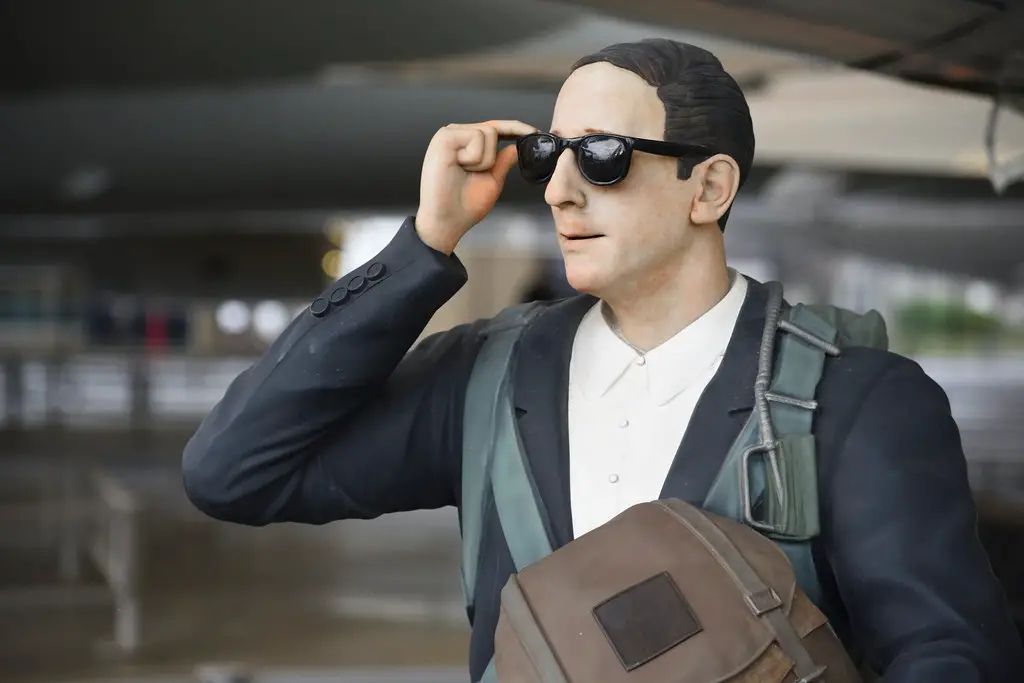
D. B. Cooper hijacked a commercial airplane in 1971, demanded $200,000 in ransom, and then parachuted out of the aircraft. Despite an extensive investigation by the FBI, his identity has never been confirmed. The case is unusual because of how cleanly he seemed to disappear. No confirmed trace of him was found immediately after the incident.
Some money linked to the ransom was discovered years later along the Columbia River, but it did not lead to a clear suspect. Numerous individuals have been proposed as Cooper, but none have been definitively proven. The FBI eventually closed the case in 2016 without identifying him. His escape has led to speculation about whether he survived the jump. The mystery remains unresolved.
7. Edward V of England
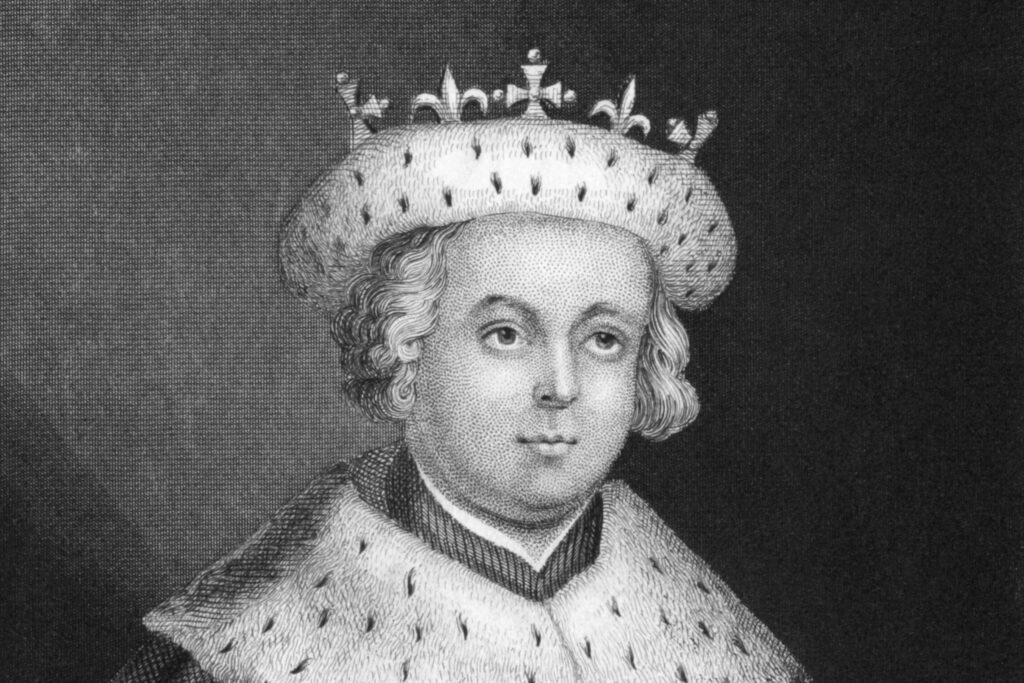
Edward V was one of the two young princes who disappeared in the Tower of London in 1483. He and his brother, Richard, were placed there during a power struggle following their father’s death. Shortly after, their uncle became Richard III. The boys were never seen again.
Many historians believe they were murdered, possibly on the orders of Richard III, but no conclusive evidence exists. Skeletal remains found in the Tower in the 17th century are thought to be theirs, but this has not been definitively proven. The lack of contemporary documentation makes it difficult to confirm what happened. Competing political narratives have further complicated the story. Their fate remains one of England’s most enduring historical mysteries.
8. Tycho Brahe
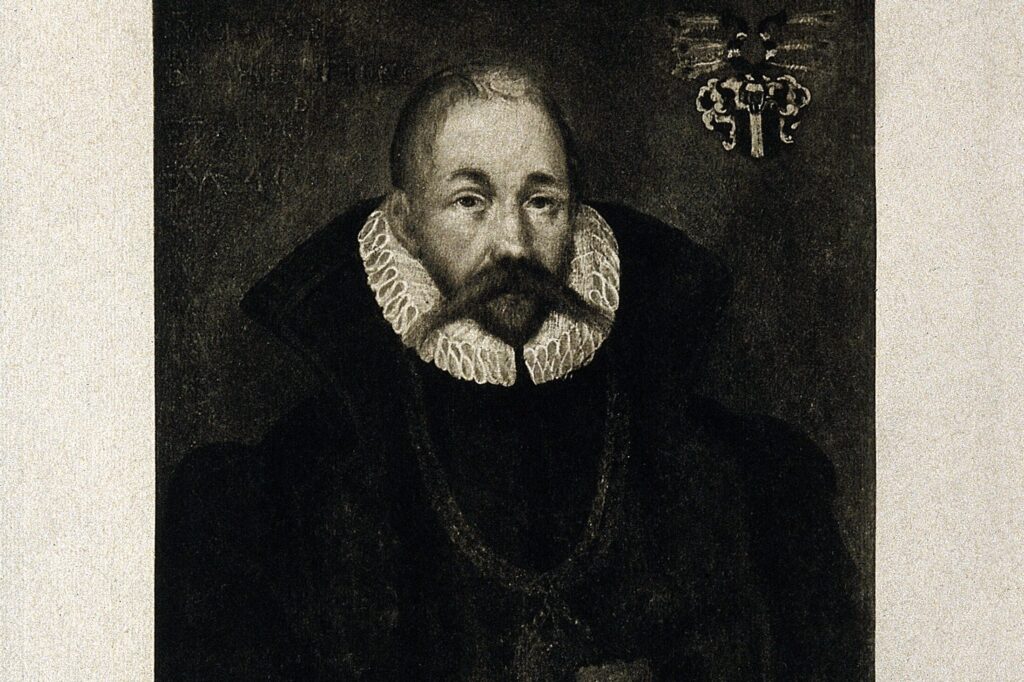
Credit: Wellcome Library, London. Wellcome Images
Tycho Brahe was a prominent astronomer known for his precise observations before the invention of the telescope. He died suddenly in 1601 after attending a banquet in Prague. Early accounts suggested he became ill after refusing to leave the table to relieve himself, which led to complications. This explanation has long been repeated but is difficult to verify.
Later studies raised the possibility of mercury poisoning, leading to speculation that he may have been murdered. Some theories even suggested involvement by his assistant, Johannes Kepler, though there is no strong evidence for this. More recent analyses of his remains have not confirmed fatal mercury levels. The exact cause of his death is still debated. His end remains somewhat unclear despite modern investigation.
9. Boudica
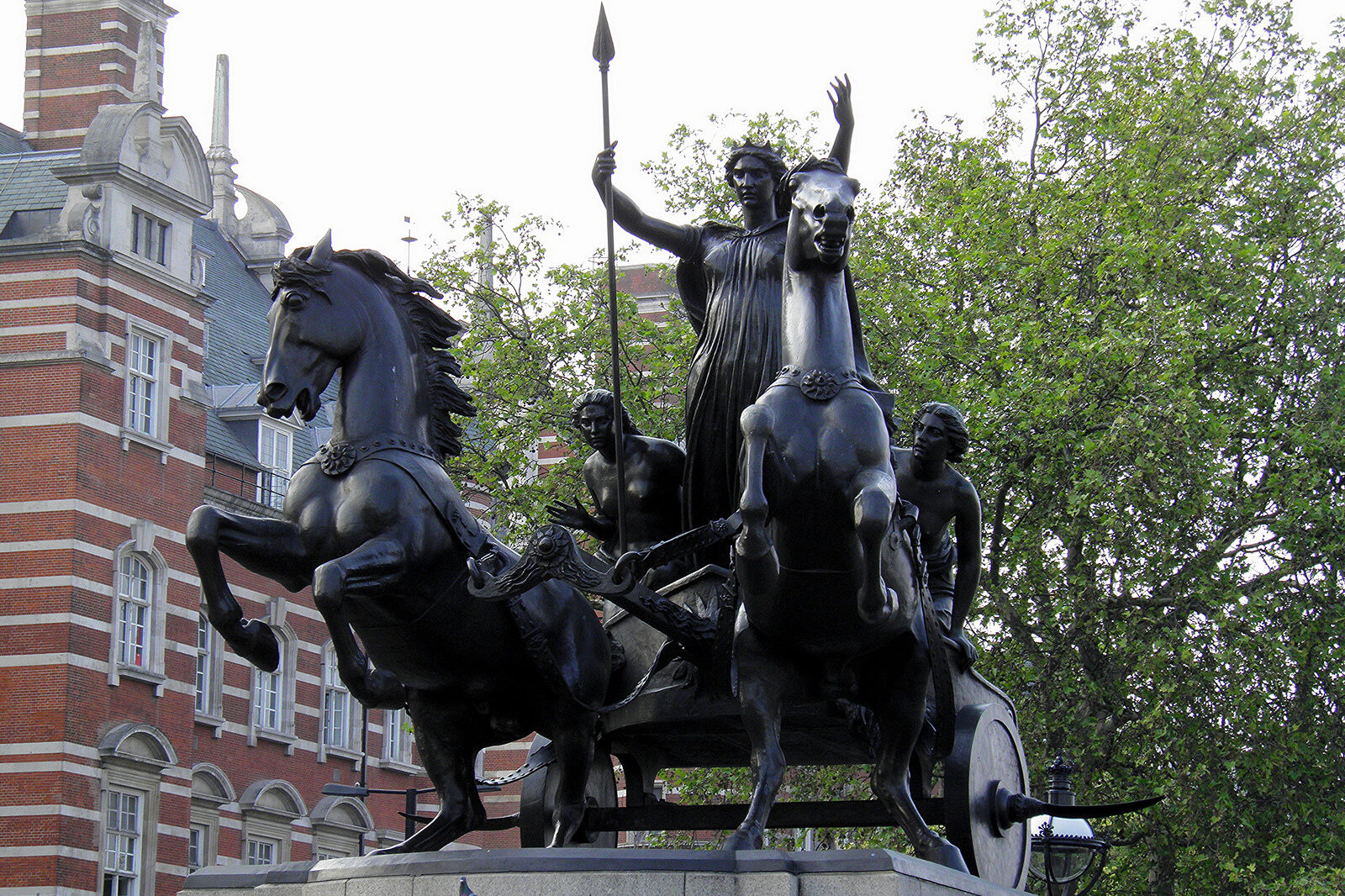
Boudica led a major uprising against Roman rule in Britain around 60–61 AD. She successfully destroyed several Roman settlements before being defeated. After her final battle, her fate becomes uncertain. Ancient sources, primarily Roman historians, provide limited and sometimes conflicting information.
Some accounts suggest she died by suicide to avoid capture, while others imply she may have died of illness. Because these accounts were written by her enemies, their reliability is debated. There are no contemporary British records to provide an alternative perspective. Archaeological evidence does not clarify her final moments. As a result, her end remains uncertain.
10. Zheng He
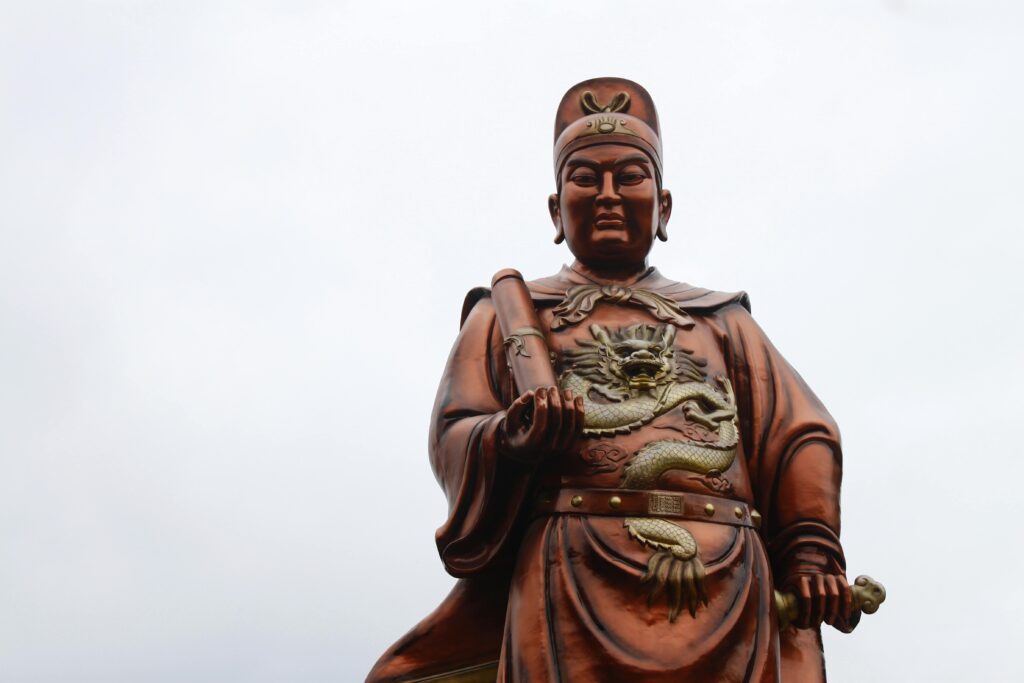
Zheng He commanded massive naval expeditions during the early 15th century under the Ming dynasty. His fleets traveled as far as East Africa, showcasing China’s maritime power. After several successful voyages, these expeditions abruptly stopped. The reasons behind this shift remain debated among historians.
Some believe the change was due to political priorities and the cost of the voyages. Others argue that internal court politics played a significant role. There is also uncertainty about Zheng He’s own death, with differing accounts about when and where he died. Records from the period are incomplete and sometimes contradictory. His legacy is well documented, but key details about his later life remain unclear.
11. Billy the Kid
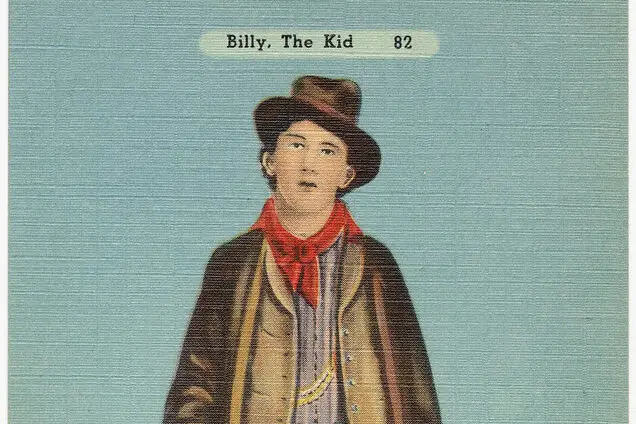
Billy the Kid was a notorious outlaw in the American Old West, known for his involvement in the Lincoln County War. He was reportedly shot and killed by Pat Garrett in 1881. However, questions about his death surfaced almost immediately. Some people claimed he survived and lived under a different identity.
One of the most famous claimants was “Brushy Bill” Roberts, who asserted he was Billy the Kid decades later. Historians have largely rejected these claims due to lack of evidence. Still, the absence of clear documentation at the time contributed to ongoing speculation. The myth of his survival has persisted in popular culture. His story sits at the intersection of fact and legend.
12. Agatha Christie
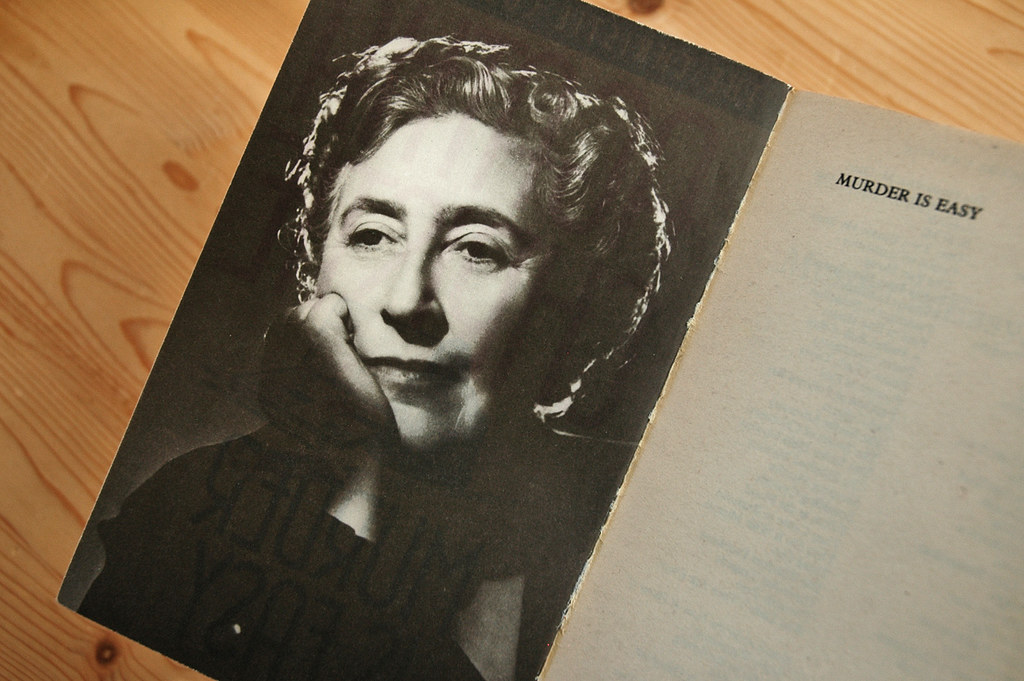
Agatha Christie disappeared for 11 days in 1926, sparking a nationwide search in England. Her car was found abandoned, and there were concerns for her safety. When she was eventually located at a hotel, she claimed to have no memory of the events. This explanation has never been fully confirmed.
Some suggest the disappearance was linked to personal stress, including her husband’s infidelity. Others believe it may have been a deliberate act, though there is no clear evidence. Christie never publicly clarified what happened during those days. The lack of a definitive explanation has fueled ongoing speculation. Even today, her disappearance remains unexplained.
13. Jean Spangler

Jean Spangler was a Hollywood actress who disappeared in 1949 after leaving her home, saying she was meeting someone about a film role. Her purse was later found in a park with a cryptic note referencing someone named “Kirk.” The identity of this person was never confirmed. The case quickly drew media attention but produced few solid leads.
There were rumors connecting her disappearance to organized crime or even to actor Kirk Douglas, though Douglas denied any involvement and no evidence linked him to the case. Investigators were unable to determine what happened to Spangler. No body was ever found, and the case eventually went cold. The lack of concrete evidence has left many questions unanswered. Her disappearance remains unsolved.
14. Satoshi Nakamoto
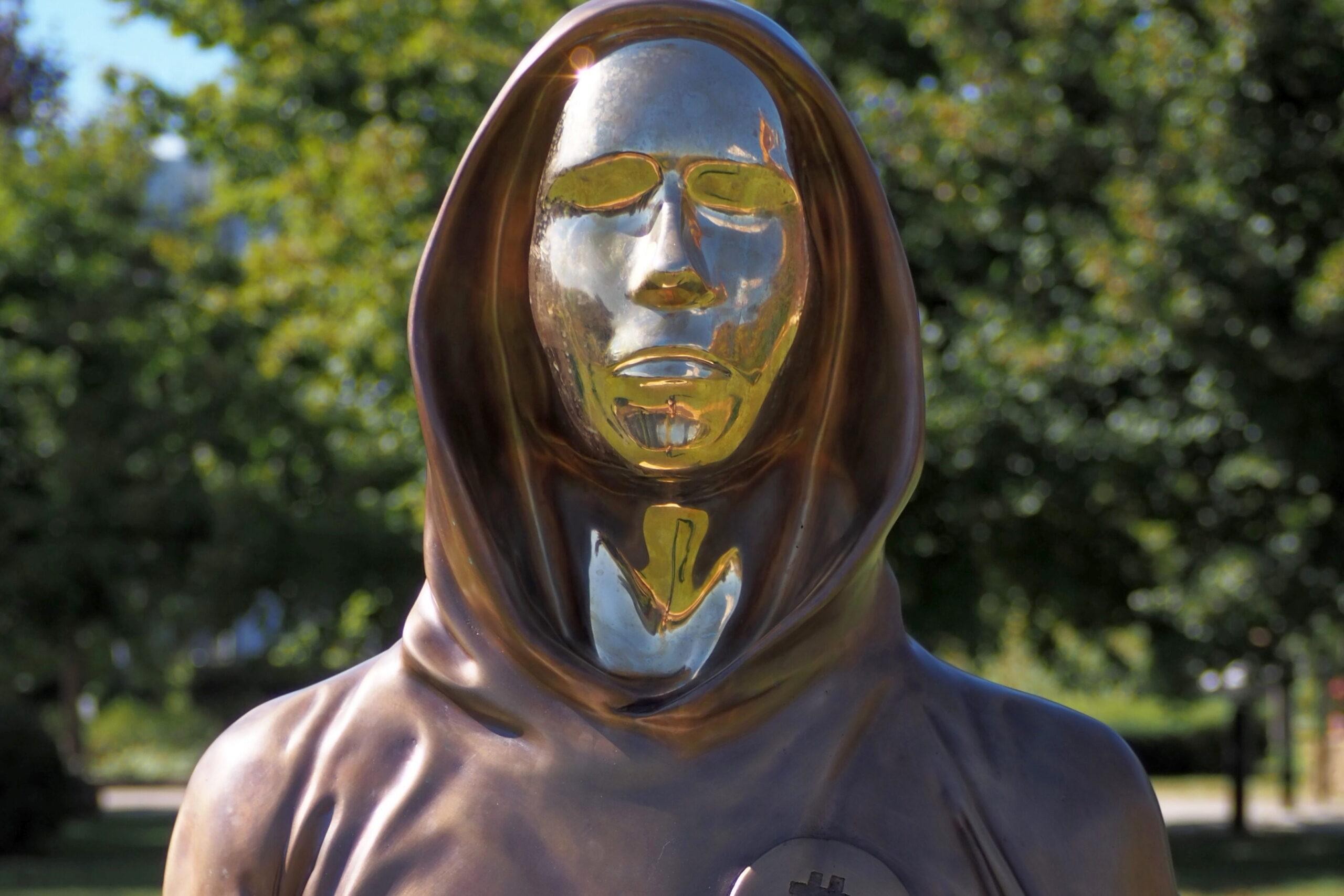
Satoshi Nakamoto is the name used by the creator of Bitcoin, introduced in 2008. The identity behind this name has never been confirmed. Nakamoto communicated online and released the Bitcoin white paper before gradually disappearing from public view. Since then, numerous individuals have been suggested as the real person or group behind the name.
Despite investigations by journalists and researchers, none of these claims have been definitively proven. Nakamoto is believed to control a significant amount of Bitcoin, which has never been moved. This has added to the intrigue surrounding their identity. The anonymity was likely intentional, but its effectiveness has been remarkable. The true identity of Satoshi Nakamoto remains unknown.