
1. A Hidden Room Sealed Behind a Wall
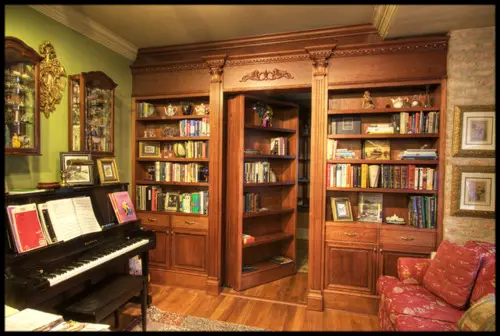
It’s more common than people realize to find sealed-off spaces in older homes, especially those built before modern building codes standardized layouts. During renovations, homeowners have occasionally knocked through drywall or plaster and discovered entire rooms that had been intentionally closed off decades earlier. These spaces were sometimes used for storage, servants’ quarters, or even as makeshift safe rooms during uncertain times. In some cases, the entrances were deliberately concealed, with no visible doors or access points left behind.
What makes these discoveries unsettling is how completely forgotten they were. Dust-covered furniture, old wallpaper, and personal belongings often remain untouched, creating a snapshot of a specific moment in time. Contractors have reported finding everything from trunks of clothing to children’s toys left exactly where they were decades earlier. The eerie feeling usually comes from the realization that someone once used the space regularly, then simply abandoned it. It raises questions that rarely have clear answers.
2. Letters That Reveal Family Secrets
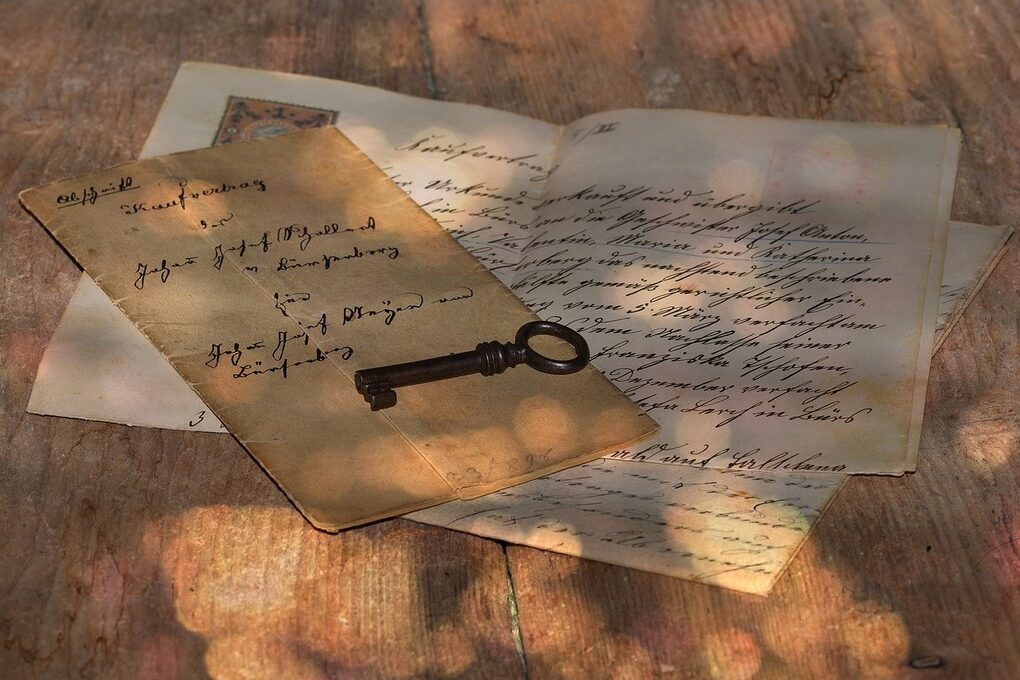
Stacks of old letters are one of the most emotionally charged discoveries people make while clearing out a home. Before email and texting, handwritten correspondence was often the only way to stay in touch, which means these letters can contain deeply personal thoughts and details. Some families have uncovered long-running affairs, estranged relationships, or even hidden children through these documents. The tone of the letters can shift dramatically over time, offering a layered story that wasn’t obvious during someone’s lifetime.
What makes these finds particularly striking is how intimate they feel. Unlike modern communication, these letters were never meant to be widely seen, and many were carefully stored away for a reason. Reading them can change how someone views a relative they thought they knew. It also highlights how much of everyday life used to be preserved on paper. Once discovered, families often have to decide whether to keep, share, or quietly put those stories back to rest.
3. Cash Hidden in Unexpected Places

It’s not unusual for people, especially those who lived through the Great Depression, to hide cash around their homes rather than rely entirely on banks. During cleanouts, workers have found money tucked inside walls, under floorboards, or even sewn into clothing. In some cases, the amounts are small, but occasionally they add up to thousands of dollars. The hiding spots can be surprisingly creative, including inside books, behind electrical outlets, or in old furniture.
The challenge is that not all of it gets found right away. Some homes have been renovated multiple times before someone finally uncovers a stash that had been missed for decades. The condition of the money can vary depending on where it was stored, but U.S. currency generally holds up well over time. These discoveries often feel like a literal hidden treasure, but they also reflect a mindset shaped by economic uncertainty. It’s a reminder of how differently people once approached financial security.
4. Antique Medical Equipment
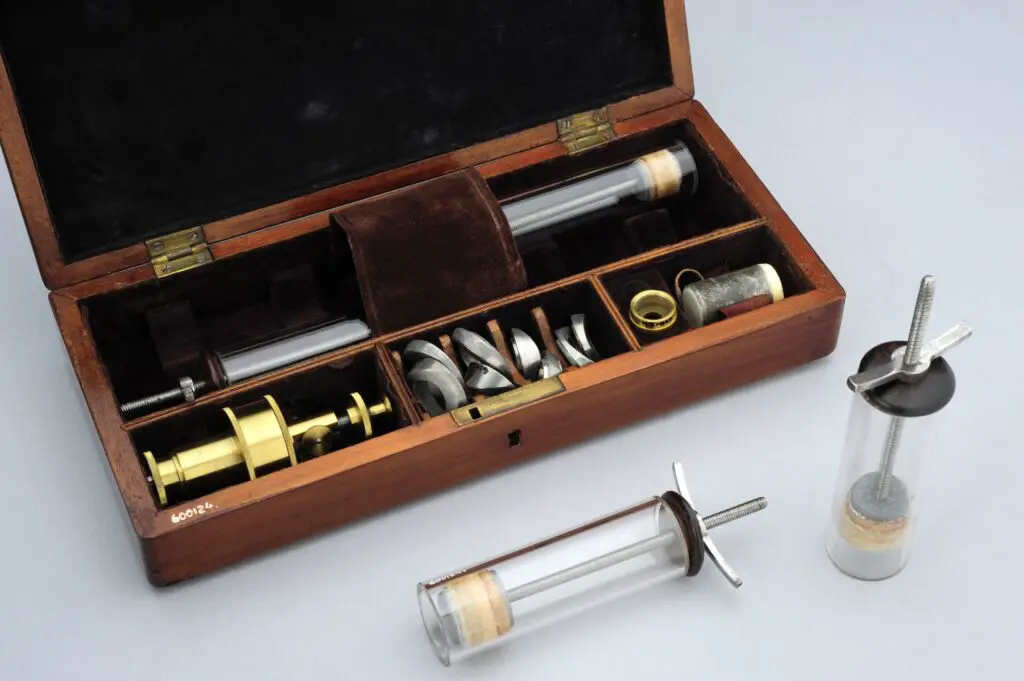
Older homes sometimes yield unsettling medical artifacts, especially if a doctor once lived or worked there. People have found vintage surgical tools, glass syringes, and even early dental equipment tucked away in cabinets or basements. These items often look crude by modern standards, which can make them seem more intimidating than they actually were. Many date back to a time when sterilization and anesthesia were far less advanced than today.
What stands out is how personal these items feel. Unlike hospital settings, these tools were often used in home offices or even living spaces. Some discoveries include labeled bottles of old medications or handwritten treatment notes. While they may have historical value, they can also be difficult to handle safely due to age and potential contamination. For many people, finding them is both fascinating and slightly unsettling.
5. Vintage Newspapers Preserved as Insulation

In homes built in the late 19th and early 20th centuries, newspapers were sometimes used as insulation inside walls. When those walls are opened during renovations, pages from decades or even a century ago can be found remarkably well preserved. These newspapers often include headlines, advertisements, and local stories that provide a direct glimpse into daily life at the time. Some date back to major historical events, offering context that feels immediate and tangible.
The condition of the paper varies, but many remain readable because they were protected from light and air. Homeowners are often surprised to see how different language, pricing, and social norms were compared to today. Advertisements, in particular, tend to stand out because they reflect what people valued or needed at the time. These finds are less eerie and more historically rich, turning a renovation into an accidental archive discovery.
6. Old Photographs of Unknown People

Boxes of photographs are a common discovery, but they often come with no identifying information. These images can include formal portraits, candid family moments, or snapshots of places that no longer exist. Without names or dates, it becomes difficult to connect them to anyone still living. Some photos are labeled on the back, but many are not, leaving their subjects permanently anonymous.
What makes this strange is the sense of disconnect. These were clearly meaningful to someone at one point, yet over time, the context has completely disappeared. People sometimes try to piece together clues from clothing styles, backgrounds, or photography techniques to estimate when they were taken. In rare cases, families manage to identify distant relatives, but most remain mysteries. They serve as a reminder of how easily personal histories can fade.
7. Collections That No One Knew Existed

It’s not uncommon to discover extensive collections hidden in attics or basements. These can range from stamps and coins to more unusual items like antique radios or vintage toys. In some cases, the collection is meticulously organized, suggesting it was a serious hobby that simply wasn’t discussed openly. The sheer volume of items can be surprising, especially if no one in the family knew about it.
These discoveries often reveal a side of someone’s personality that wasn’t widely shared. Collecting can be a private pursuit, and over time, it may have been forgotten or intentionally kept quiet. Some collections turn out to be valuable, while others are more sentimental than financial. Either way, they provide insight into what someone cared about deeply. It can feel like uncovering a hidden chapter of their life.
8. Objects Left by Previous Owners
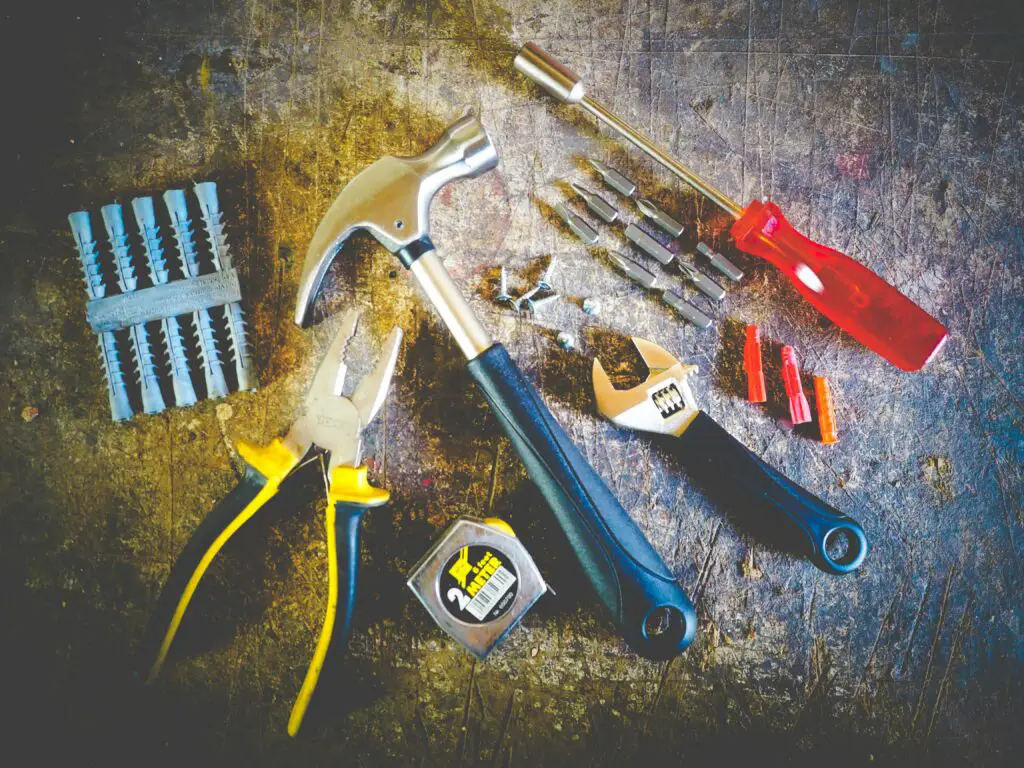
Sometimes the items found in a home don’t belong to the family at all but to people who lived there generations earlier. These can include tools, clothing, or even personal documents that were never removed during a move. In older homes that have changed hands multiple times, it’s easy for things to be overlooked and left behind. Over decades, they become part of the structure itself.
What makes these finds unusual is the lack of a direct connection. There’s no clear story explaining why the items were left or how they ended up where they were. In some cases, historical records can help trace the previous occupants, but often the trail goes cold. The objects become artifacts rather than belongings. They add another layer of history to the home that current owners may never fully understand.
9. Safes With No Known Combination
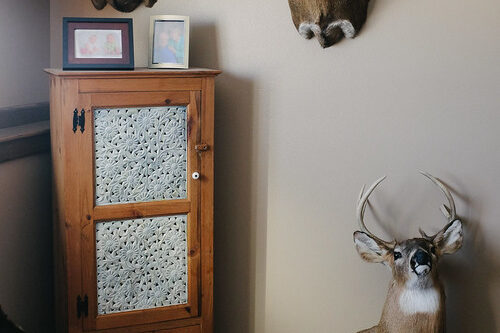
Finding a locked safe during a cleanout immediately raises questions. These safes are sometimes built into walls or floors, making them part of the home itself. Without the combination or key, opening them can require professional help, and there’s no guarantee anything valuable is inside. Some safes turn out to be empty, while others contain documents, jewelry, or cash.
The anticipation is often the most compelling part. People tend to imagine the possibilities, especially if the safe appears old or well hidden. In reality, many were used for practical storage rather than anything dramatic. Still, the mystery of what might be inside makes them one of the more intriguing discoveries. Even an empty safe can leave people wondering what was once kept there.
10. Handwritten Diaries

Diaries offer a direct window into someone’s daily life, often in far more detail than letters. These journals can cover years or even decades, documenting everything from routine activities to major life events. Some are written casually, while others are more reflective or structured. They can provide context that family members never knew, especially about personal struggles or private thoughts.
Reading them can feel invasive, even when the original owner is long gone. The level of honesty in many diaries is striking, since they were never intended for an audience. They can reshape how someone understands a relative’s life, revealing complexity that wasn’t visible on the surface. At the same time, they raise ethical questions about privacy. Deciding what to do with them is rarely straightforward.
11. Old Food Preserved in Cabinets

It may sound mundane, but finding decades-old food in a pantry can be surprisingly strange. Canned goods, jars, and packaged items sometimes remain intact long after their expiration dates. In older homes that were closed up for years, entire cabinets have been found untouched. The labels and packaging often reflect a different era, with designs that are no longer in use.
What makes this discovery notable is how well some items hold up visually. Even though they’re no longer safe to consume, they can look almost normal at first glance. The contents, however, may have changed significantly over time. These finds highlight how storage practices and food preservation have evolved. They also serve as a reminder of how quickly everyday items can become relics.
12. Children’s Drawings and Schoolwork

Boxes of old school papers and drawings are often tucked away and forgotten. These can include report cards, art projects, and handwritten assignments from decades earlier. For families, finding them can be unexpectedly emotional, especially if they belonged to someone who has passed away. The materials themselves are usually simple, but the personal connection is strong.
What stands out is the level of detail in even the smallest items. A child’s handwriting, spelling, and imagination are all preserved in a way that feels immediate. These pieces often capture a moment in development that would otherwise be lost. They can also reveal interests or personality traits that carried into adulthood. Among all the discoveries, these tend to feel the most personal.
13. Unfinished Projects Left Behind
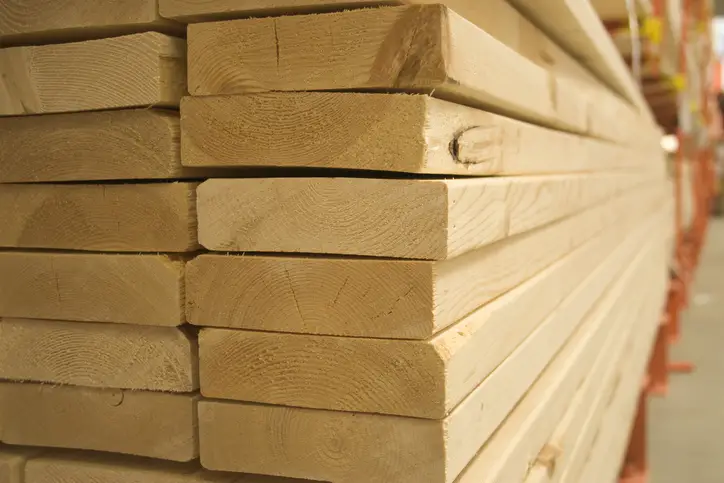
Many homes contain evidence of projects that were started but never completed. This can include partially renovated rooms, half-built furniture, or craft supplies arranged as if someone intended to return to them. Tools and materials are often left exactly where they were last used. In some cases, the project may have been abandoned suddenly due to illness, a move, or other life changes.
These discoveries carry a different kind of weight. They suggest intention without resolution, which can feel oddly incomplete. Looking at them, it’s easy to imagine what the finished result might have been. They also highlight how plans can shift unexpectedly, leaving traces behind. For many people, these unfinished pieces are some of the most thought-provoking finds in an old home.