
1. The Ronco Showtime Rotisserie

The Ronco Showtime Rotisserie became famous thanks to its “set it and forget it” pitch, and for a while, it felt like every household considered buying one. It promised restaurant-quality rotisserie chicken with almost no effort, which sounded ideal for busy families. In reality, it did cook food, but the process was messier and more time-consuming than advertised. Cleaning the interior, drip trays, and skewers often took longer than the actual cooking. Many users also found that it took up a lot of counter space for something they didn’t use daily.
It wasn’t a total failure, but it definitely didn’t live up to the effortless experience shown on TV. People expected a miracle appliance and got something closer to a bulky specialty oven. Over time, many ended up stored in cabinets or basements, only pulled out for occasional use. The promise of convenience simply didn’t match the reality of upkeep. That gap between expectation and reality is what kept it from becoming a true everyday staple.
2. The Slap Chop
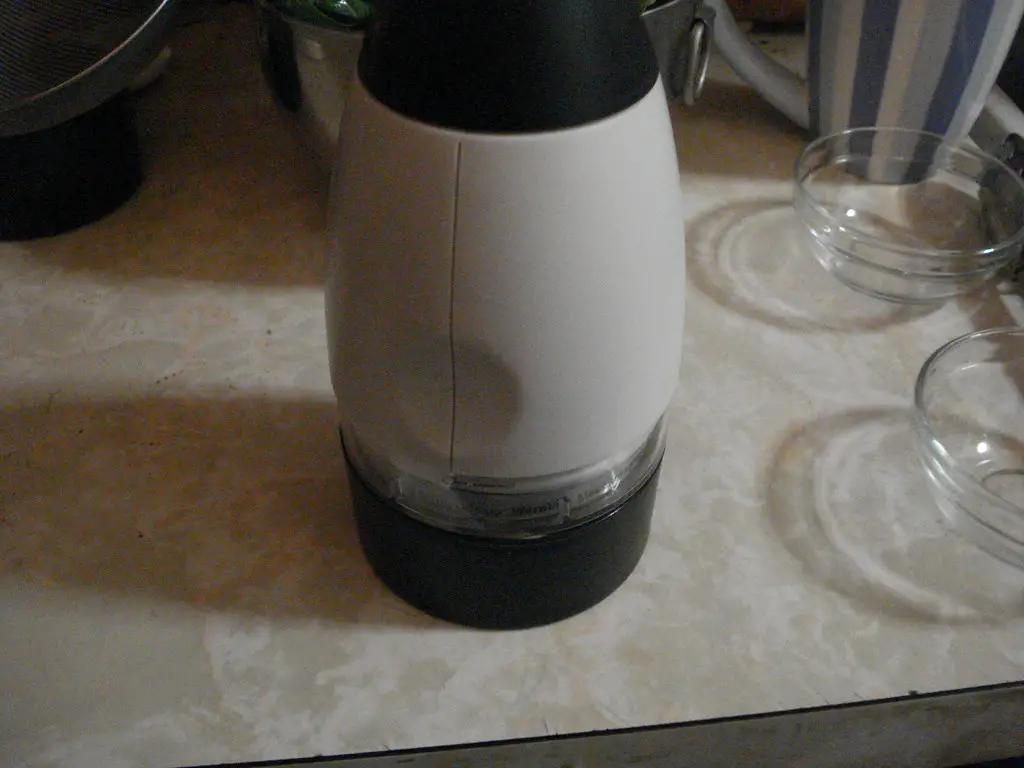
The Slap Chop looked like the answer to tedious chopping, promising perfectly diced onions, nuts, and vegetables in seconds. Its appeal was simplicity, just press down and let the blades do the work. While it did chop food, the results were often uneven, especially with softer items like tomatoes. It also required a surprising amount of force to get consistent results, which defeated the purpose for some users.
Cleaning the blades and container could be frustrating, particularly when food got stuck in hard-to-reach areas. Many people found it easier to just use a knife instead of dealing with the extra steps. It worked best for very specific tasks but struggled to replace basic kitchen prep. Over time, it became one of those gadgets people kept but rarely reached for. The convenience just wasn’t as universal as advertised.
3. The Pasta Maker Attachments
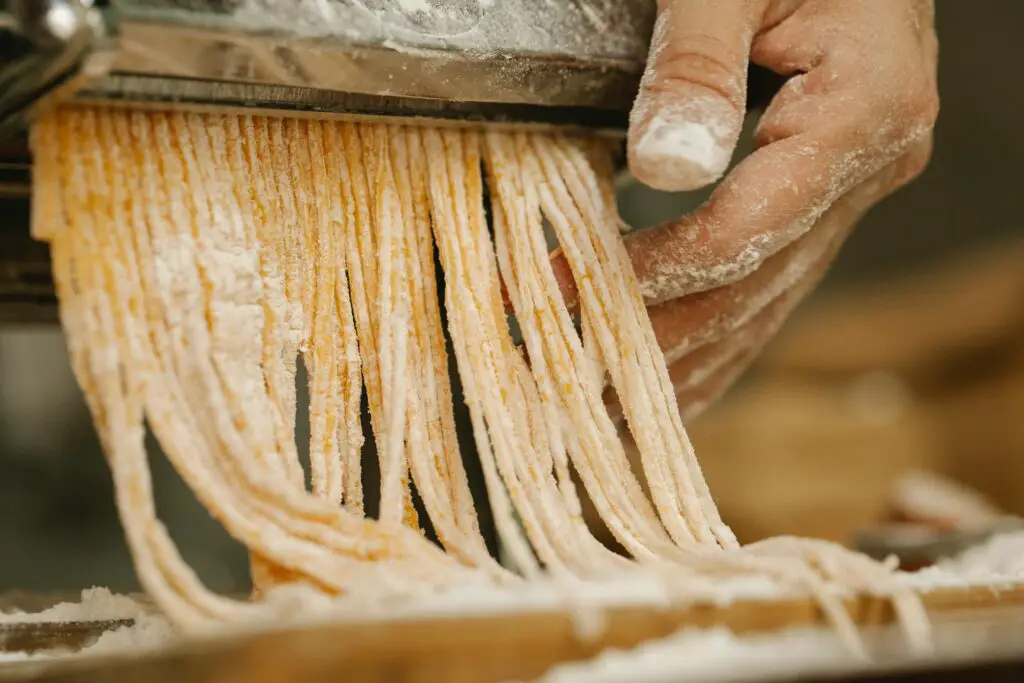
Home pasta makers and stand mixer attachments promised fresh, restaurant-quality pasta right in your kitchen. The idea of rolling and cutting your own noodles sounded appealing, especially for home cooks who liked from-scratch meals. In practice, the process required time, patience, and a fair amount of trial and error. Getting the dough consistency right was often the biggest hurdle for beginners.
Even when everything worked, the cleanup could be tedious, especially since many parts couldn’t be submerged in water. For most households, boxed pasta remained the quicker and more reliable option. The machines often ended up reserved for special occasions rather than everyday use. What seemed like a simple upgrade turned into a hobby-level commitment. That mismatch limited their long-term appeal.
4. The Electric Can Opener
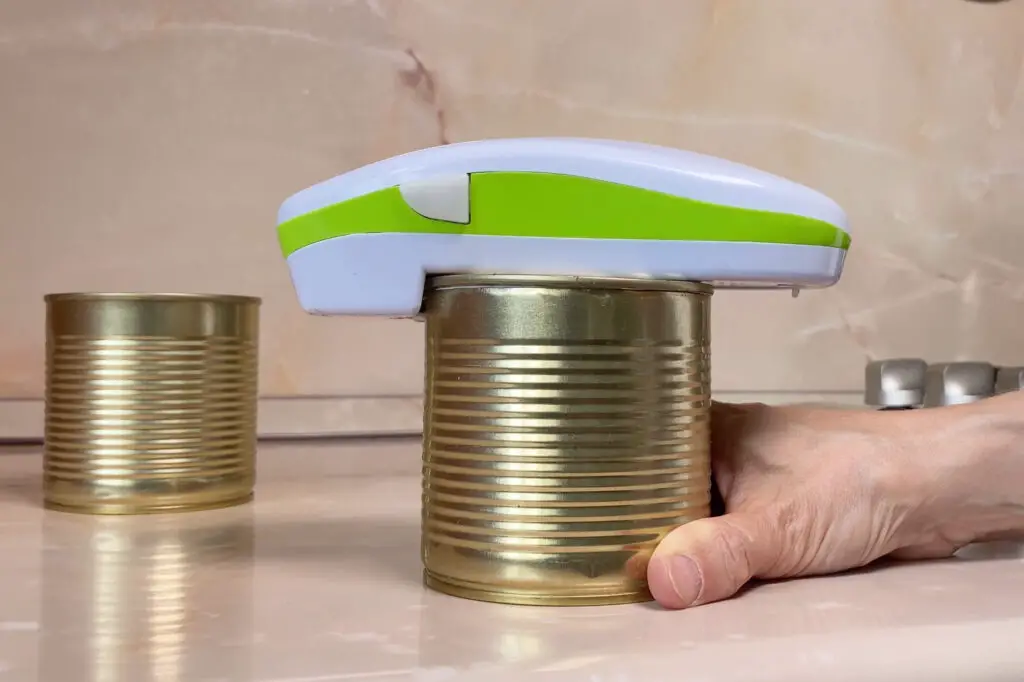
Electric can openers were marketed as a safer, easier alternative to manual ones, especially for people with limited hand strength. They promised smooth edges and effortless operation with the push of a button. While they did work, they were often bulky and prone to mechanical issues over time. Misalignment could cause cans to jam or open unevenly.
Many models also struggled with durability, leading to inconsistent performance after repeated use. For something meant to simplify a basic task, they introduced their own set of frustrations. Manual openers remained faster and more reliable for most people. As a result, electric versions gradually lost popularity in everyday kitchens. Their convenience rarely outweighed their drawbacks.
5. The Salad Spinner
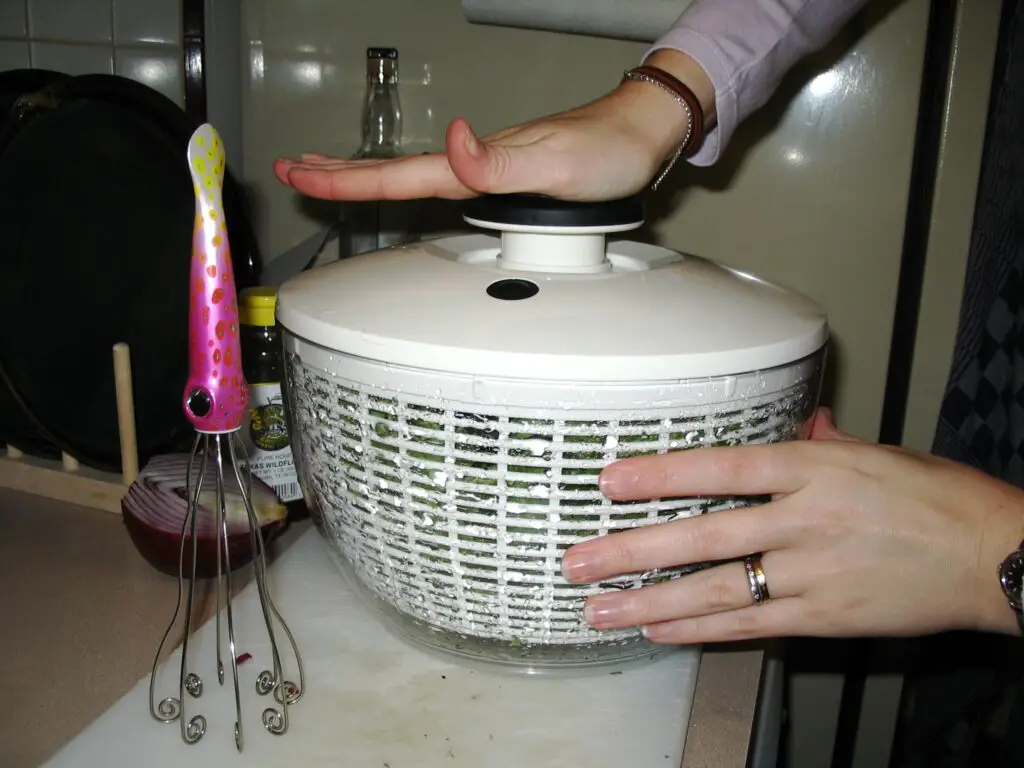
The salad spinner seemed like a must-have for anyone trying to eat healthier at home. It promised crisp, dry lettuce in seconds, eliminating soggy salads. While it did remove water, the improvement wasn’t always dramatic enough to justify the extra step. Many people found that patting greens dry with a towel worked just as well.
The size of the device also made it inconvenient to store, especially in smaller kitchens. Cleaning the multiple parts added another layer of hassle. Over time, it became one of those gadgets used occasionally but not consistently. It wasn’t ineffective, just unnecessary for many households. The benefit simply didn’t match the space it required.
6. The George Foreman Lean Mean Fat-Reducing Grilling Machine
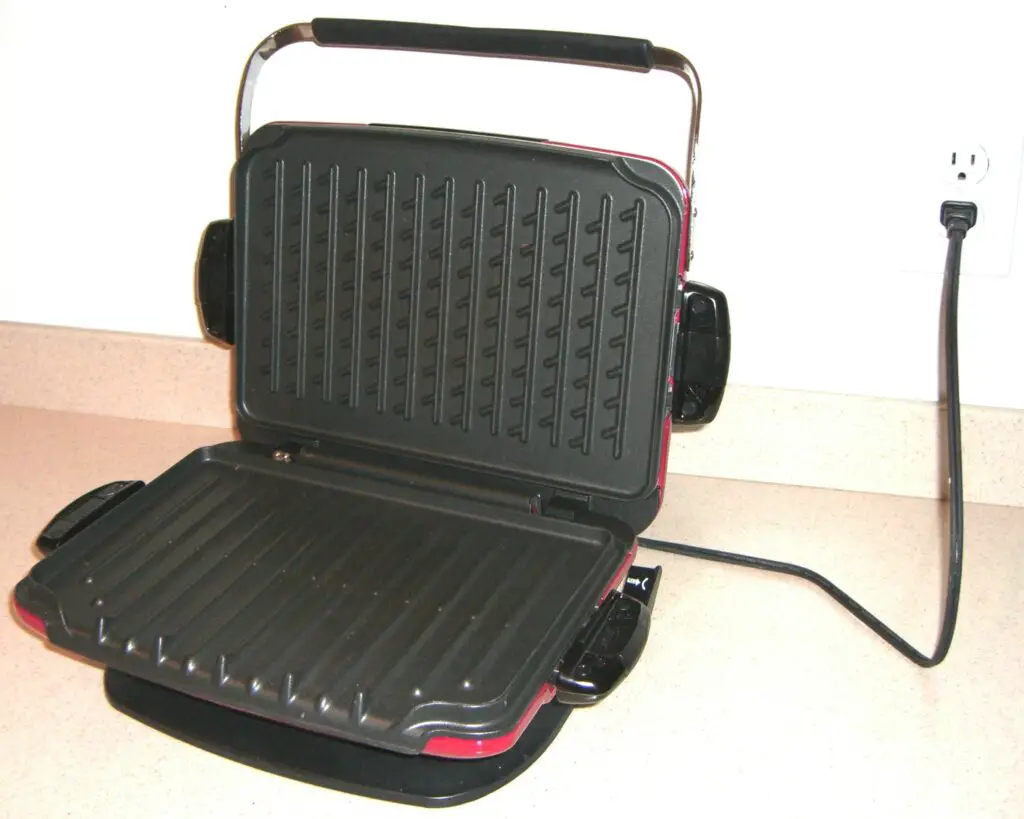
The George Foreman grill was heavily marketed as a healthier way to cook, with excess fat draining away from food. It became incredibly popular in the ’90s and early 2000s, especially for quick indoor grilling. While it did cook food quickly, it had limitations in terms of temperature control and cooking versatility. Foods could easily become overcooked or dry.
Cleaning the non-removable plates on early models was a common complaint. Grease would collect in hard-to-reach areas, making cleanup more difficult than expected. It worked well for certain items like burgers or sandwiches, but not as a full replacement for traditional cooking methods. Many people eventually upgraded to more versatile appliances. Its promise of being a one-stop solution didn’t quite hold up.
7. The Bread Maker
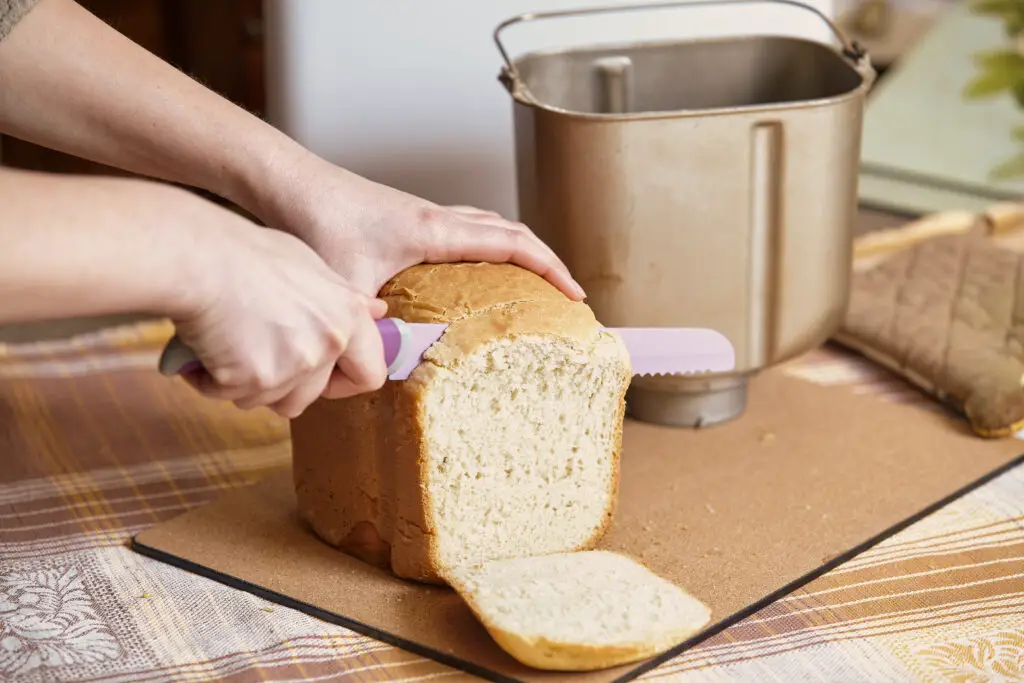
Bread makers promised fresh, homemade bread with minimal effort, appealing to anyone who loved the idea of baking without the work. Early models gained popularity in the ’90s, offering pre-programmed settings for different types of bread. While they did produce bread, the texture and flavor didn’t always match traditional methods. The process was also slower than many expected.
The machines were large and often used infrequently after the initial excitement wore off. Many users preferred baking in a conventional oven once they learned the basics. Others returned to store-bought bread for convenience. The novelty faded, leaving the appliance taking up valuable space. It became more of a niche tool than a kitchen essential.
8. The Soda Maker Machines
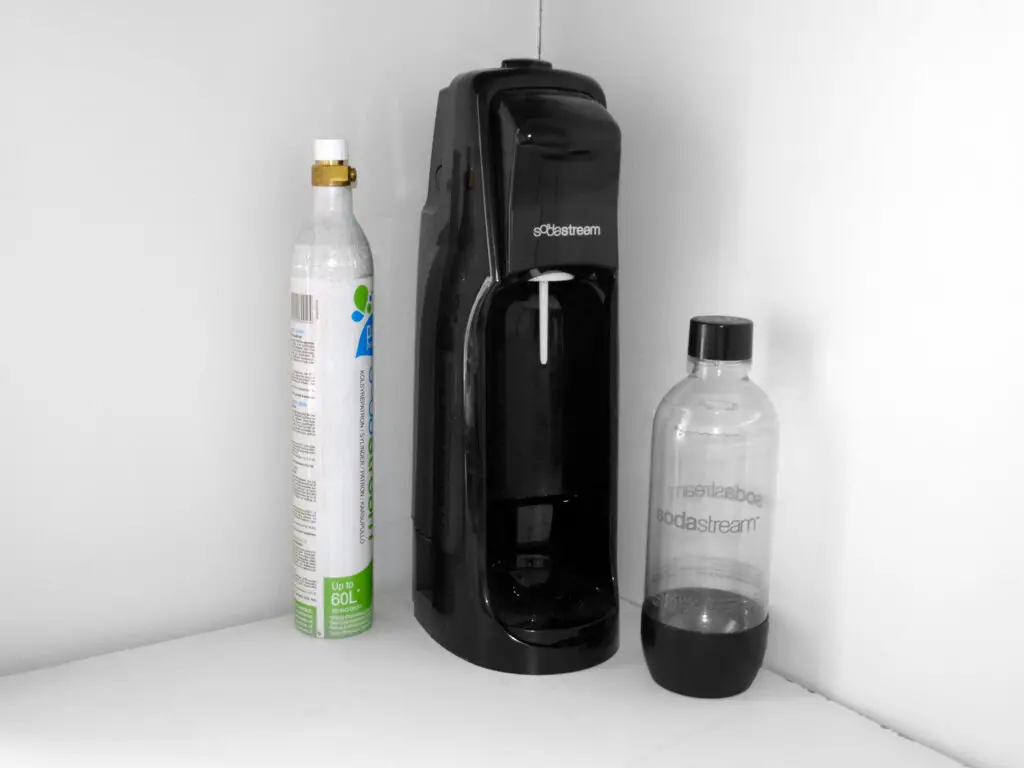
Soda makers, like those that carbonate water at home, promised endless fizzy drinks without the need to buy bottles or cans. The concept was appealing for both cost savings and environmental reasons. In practice, the cost of CO₂ refills and flavor syrups added up over time. Many users found it wasn’t significantly cheaper than buying soda.
Taste consistency was another issue, as homemade versions didn’t always match commercial products. The machines also required maintenance and replacement parts. For casual users, the novelty wore off quickly. While some people still use them regularly, they never fully replaced traditional soda purchasing. The convenience didn’t quite live up to expectations.
9. The Egg Cooker
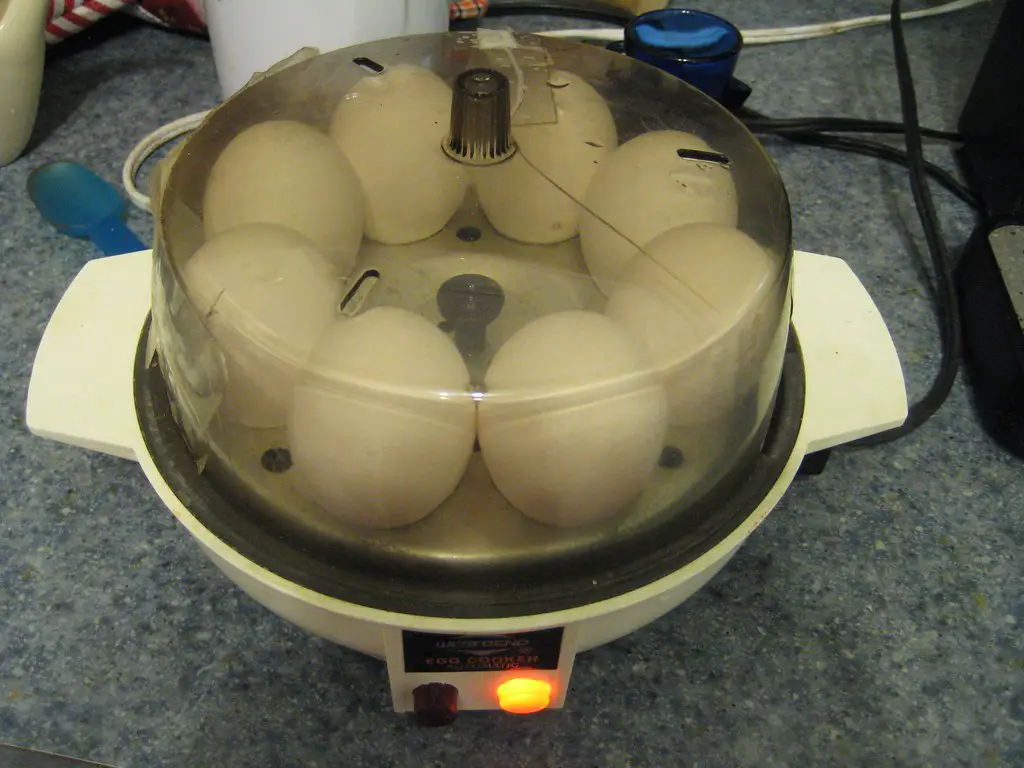
Egg cookers promised perfectly boiled, poached, or scrambled eggs with no guesswork. They were marketed as foolproof, especially for people who struggled with timing on the stovetop. While they could produce consistent results, they didn’t save much time compared to traditional methods. Measuring water levels and setting up the device still required attention.
Cleanup was another drawback, especially with multiple trays and components. For such a simple food, the extra equipment often felt unnecessary. Many users returned to boiling eggs in a pot after a few uses. The gadget worked, but it didn’t significantly improve the process. Its limited function made it easy to abandon.
10. The Foot Spa Massager

Foot spa massagers promised a relaxing, spa-like experience at home with bubbling water and vibration features. They were especially popular as gifts and self-care purchases. While they did provide some relaxation, the effect was often less impressive than advertised. The bubbling feature was typically mild and not as soothing as expected.
Filling, emptying, and cleaning the unit added effort that reduced its appeal. Many people found it easier to soak their feet in a simple basin. The novelty wore off quickly, and the device was used less over time. It became more of an occasional indulgence than a regular routine. The promise of a full spa experience didn’t quite translate.
11. The Automatic Pan Stirrer
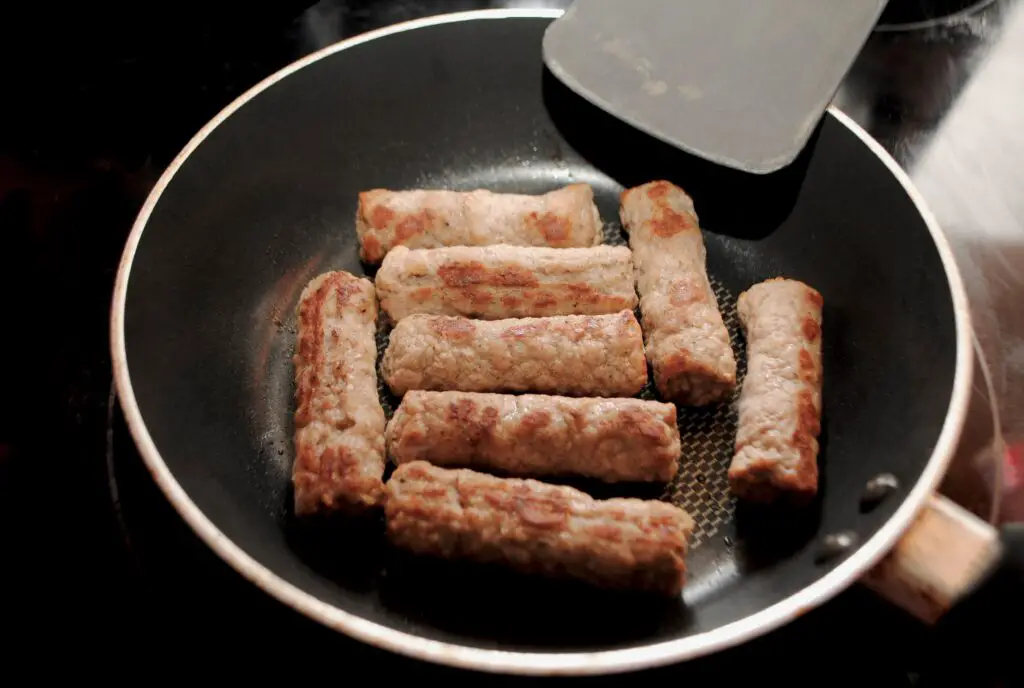
Automatic pan stirrers were designed to save time by continuously stirring sauces, soups, or gravies. The idea was appealing for hands-off cooking, especially during longer recipes. In practice, they often struggled with thicker mixtures or uneven surfaces. The stirring motion wasn’t always effective, leading to inconsistent results.
They also took up space in the pan, making it harder to add ingredients or monitor cooking. Many cooks found it easier to stir manually when needed. The device worked best in very specific situations but lacked versatility. Over time, it became more of a novelty than a necessity. The convenience didn’t justify the limitations.
12. The Countertop Ice Cream Maker

Countertop ice cream makers promised homemade frozen desserts with customizable flavors and ingredients. While they did produce ice cream, the process required planning, especially for models that needed pre-frozen bowls. Forgetting to freeze the bowl in advance meant delaying the entire process.
The results were often good but not dramatically better than store-bought options. Cleanup and storage also added to the inconvenience. Many users enjoyed it at first but didn’t use it regularly enough to justify the space. It became more of a weekend experiment than a staple appliance. The promise of easy, anytime ice cream didn’t quite hold up.