
1. Beans and Cornbread
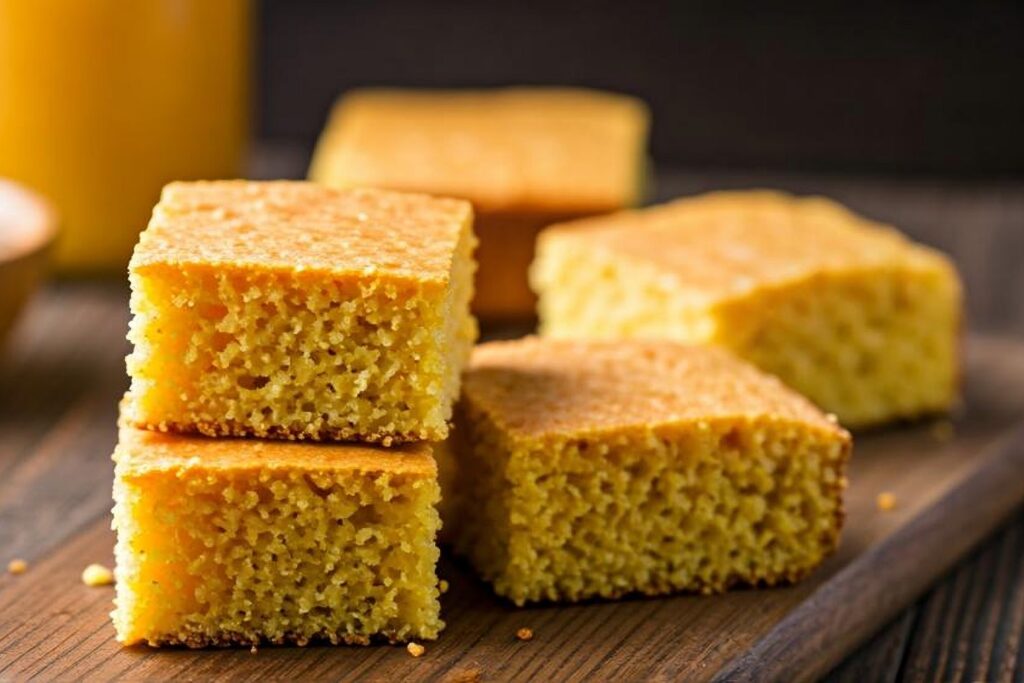
Beans and cornbread showed up on a lot of dinner tables when money needed to stretch a little further. Dried beans were cheap, easy to store, and could feed a whole family with just a few additions like salt pork or onion. Cornbread, made from cornmeal, was another affordable staple that came together quickly. Together, they made a filling, balanced meal that didn’t require much planning. This combination was especially common during the Great Depression and in rural households where pantry basics mattered. It was simple, hearty, and dependable.
At the same time, it wasn’t something most families would highlight if someone dropped by. The meal was plain in appearance and didn’t feel “special,” even if it was satisfying. There wasn’t much variety on the plate, just beans and bread. For guests, people often preferred something that looked a little more dressed up. Beans and cornbread stayed in that quiet category of meals that did the job without drawing attention.
2. Creamed Chipped Beef on Toast
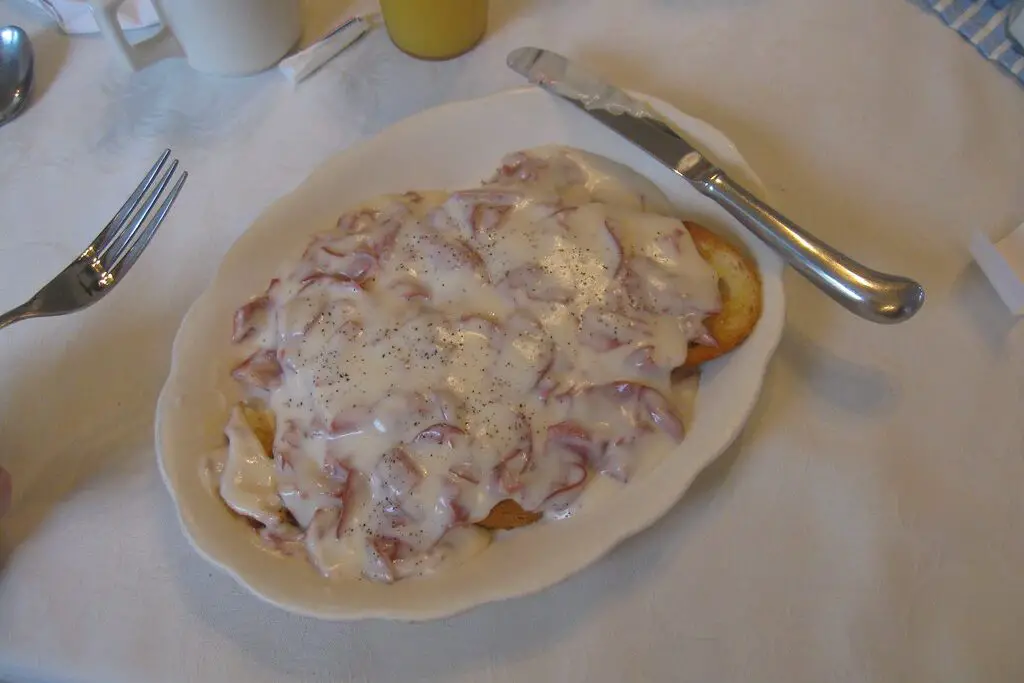
Creamed chipped beef on toast was built entirely around shelf-stable ingredients like dried beef, flour, and milk. The dish became especially well known through military use, where it earned the nickname “SOS.” It was quick to prepare and could stretch a small amount of meat across several servings. Families appreciated how inexpensive it was, especially when budgets were tight. The creamy sauce made it feel more substantial than it really was.
Still, it wasn’t something people rushed to serve guests. The appearance could be a bit pale and unappealing if not made carefully. It also had a reputation for being overly salty depending on the beef. If someone unexpected showed up, this wasn’t exactly the meal you’d want them to see on the table. It was practical, not impressive.
3. Fried Bologna Sandwiches

Fried bologna sandwiches were a quick fix that relied on one of the cheapest deli meats available. When cooked, the slices would curl and crisp, adding a little texture and flavor. Paired with white bread and maybe a slice of cheese, it made for an easy meal. It was especially common in mid-century households where convenience foods were widely used. Kids often loved it, which made it a reliable standby.
Even so, it didn’t carry much social appeal. Bologna had a reputation as a budget food, not something you served to visitors. The smell of it frying was pretty recognizable, too. If someone knocked on the door, it could feel a little exposing. It was a meal for the family, not for show.
4. Tuna Noodle Casserole
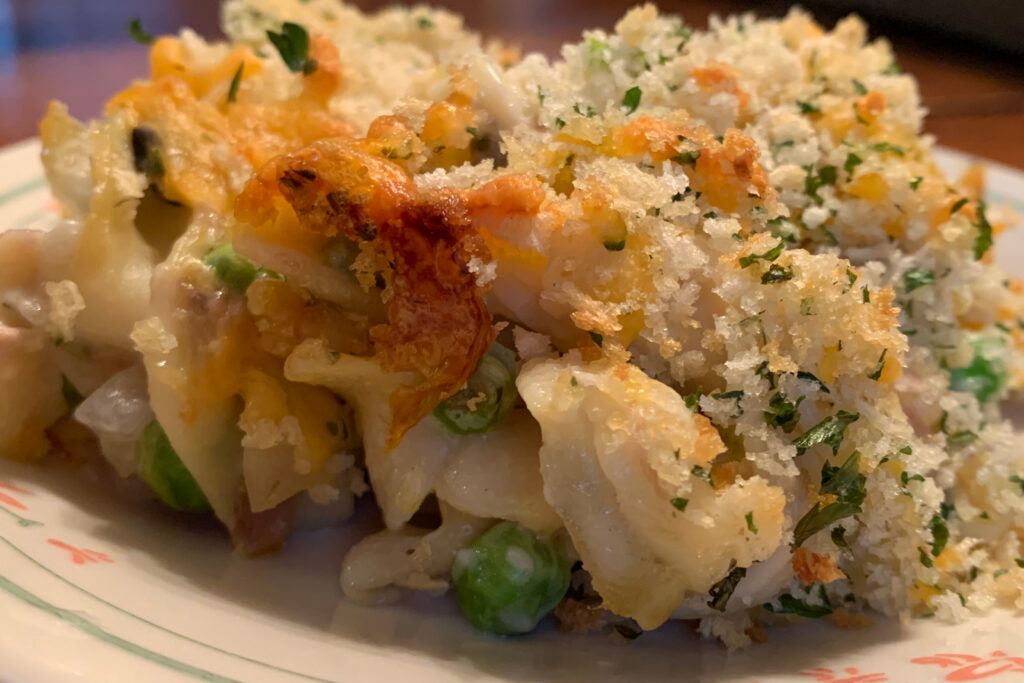
Tuna noodle casserole became popular in the 1950s when canned goods and convenience cooking were on the rise. It typically included canned tuna, egg noodles, and cream of mushroom soup, sometimes topped with breadcrumbs. The ingredients were affordable and easy to keep stocked. It could feed a whole family with minimal effort. Leftovers were also common, which added to its practicality.
But it wasn’t exactly a crowd-pleaser in terms of presentation. The dish often looked uniform and a little bland in color. Using canned soup also gave it a “pantry meal” reputation. Families made it when they needed something filling, not something to impress. It stayed firmly in the everyday category.
5. Spam and Eggs

Spam and eggs became a go-to meal during and after World War II because Spam was shelf-stable and inexpensive. Fried alongside eggs, it provided a quick source of protein. Many households kept a few cans on hand for convenience. It didn’t require much preparation, which made it useful on busy days. The salty flavor made it feel more substantial than it was.
Even so, Spam had a reputation that made people hesitant to serve it to guests. It was strongly associated with wartime rationing and budget cooking. The smell while frying was also pretty noticeable. While perfectly normal at home, it wasn’t something most people would proudly offer visitors. It did its job quietly.
6. Hot Dogs with Baked Beans
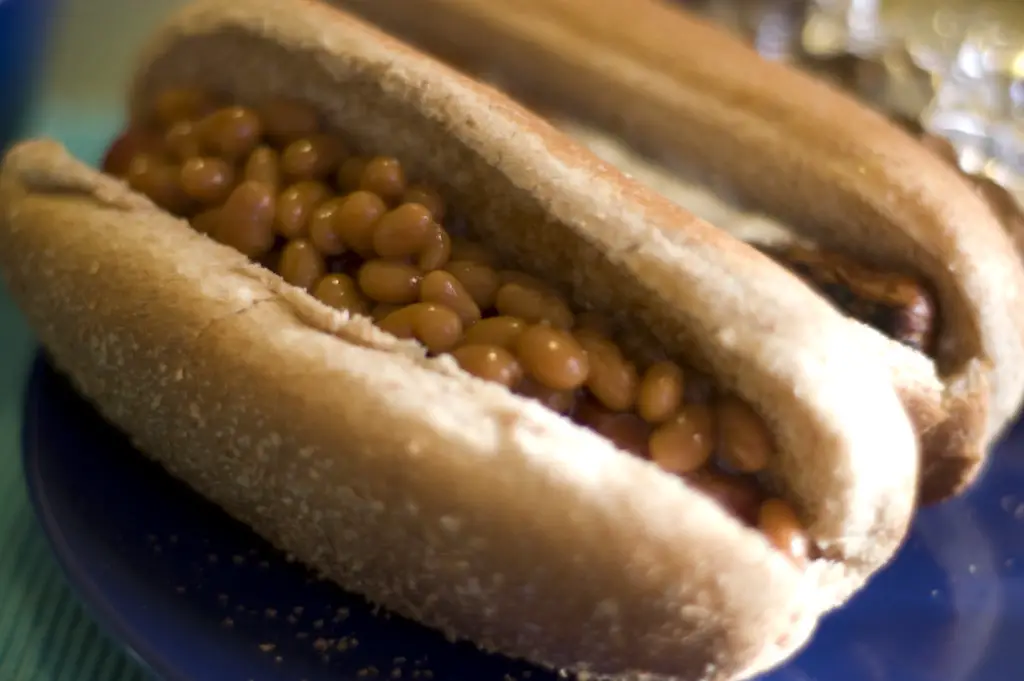
Hot dogs with baked beans was another inexpensive, easy-to-make dinner that showed up often. Hot dogs cooked quickly, and canned baked beans added bulk and flavor. It was a meal that didn’t require much planning or effort. Families could feed several people without spending much. It was also a favorite among kids, which made it even more practical.
That said, it wasn’t something people considered guest-worthy. Hot dogs were seen as casual, almost too informal for company. The presentation was simple and sometimes a bit rushed. If someone stopped by, families might feel the need to explain what they were eating. It was reliable, but not impressive.
7. Potato Soup
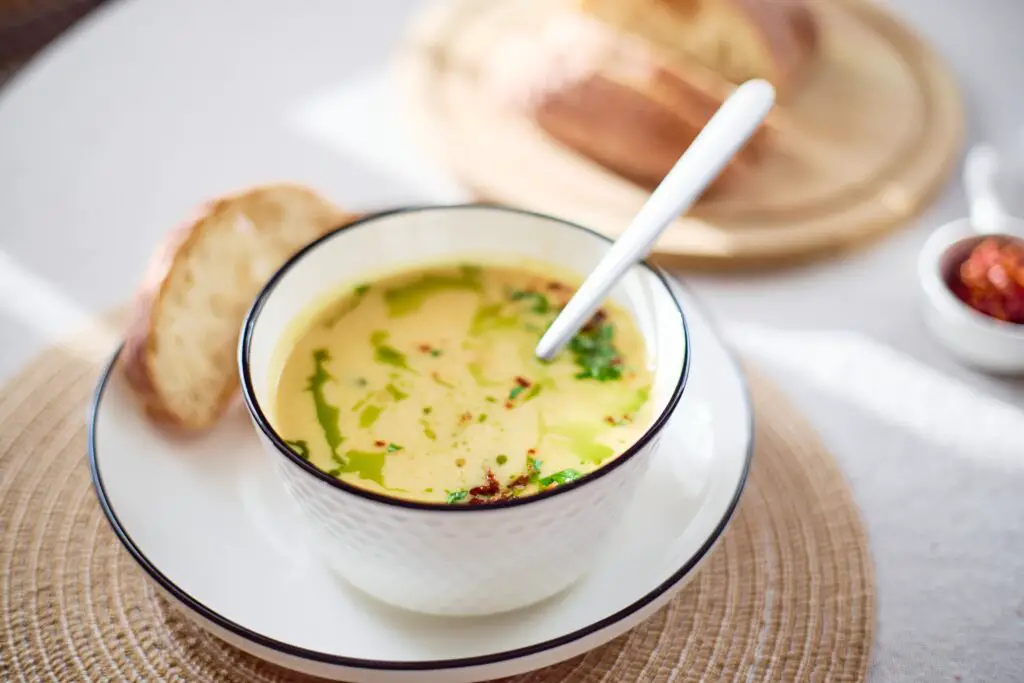
Potato soup was a classic example of stretching basic ingredients into a full meal. Potatoes were inexpensive, widely available, and very filling. With a little broth, milk, or onion, they could turn into a comforting soup. Many families made large batches to last several days. It was especially useful during colder months.
But it could also look sparse, depending on how it was made. A thin or overly simple version didn’t feel substantial enough for guests. It lacked the visual appeal of more elaborate dishes. Families often kept it as a quiet, everyday meal. It was about making do, not making an impression.
8. Egg Salad Sandwiches
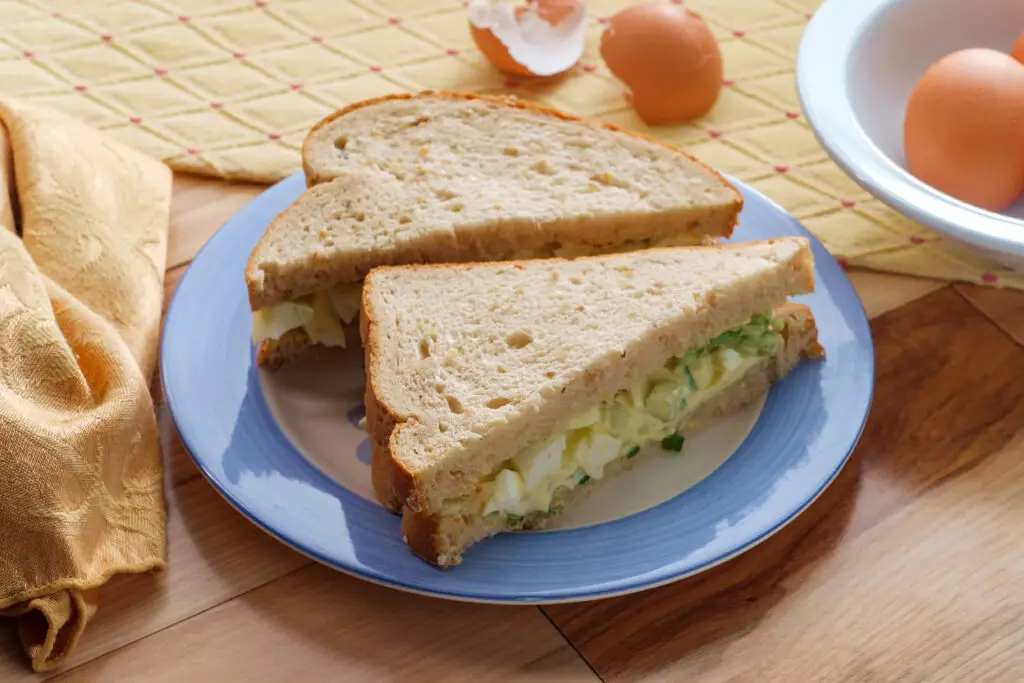
Egg salad sandwiches were built around one of the cheapest protein sources available: eggs. Mixed with mayonnaise and a bit of seasoning, they made for a quick meal. The ingredients were simple and usually already in the kitchen. It worked well for lunch or a light dinner. Families relied on it when they needed something fast.
However, egg salad wasn’t always the most appealing option for guests. The smell could be strong, and the texture wasn’t for everyone. It also tended to look a bit messy. While perfectly fine at home, it didn’t have much presentation value. It stayed firmly in the “just for us” category.
9. Cabbage and Sausage
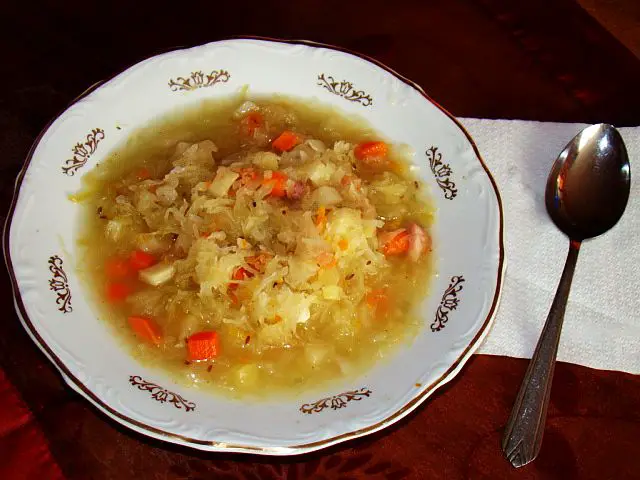
Cabbage and sausage was a practical way to make a small amount of meat go further. Cabbage was cheap, lasted a long time, and cooked down easily. Adding sausage gave the dish flavor without requiring much of it. It was especially common in working-class and immigrant households. The meal was filling and straightforward.
The biggest drawback was the smell while cooking. Cabbage has a strong odor that can linger in the house. That alone made families think twice if guests might show up. It wasn’t about taste, it was about perception. It remained a dependable but low-profile dinner.
10. Macaroni and Cheese (Boxed)
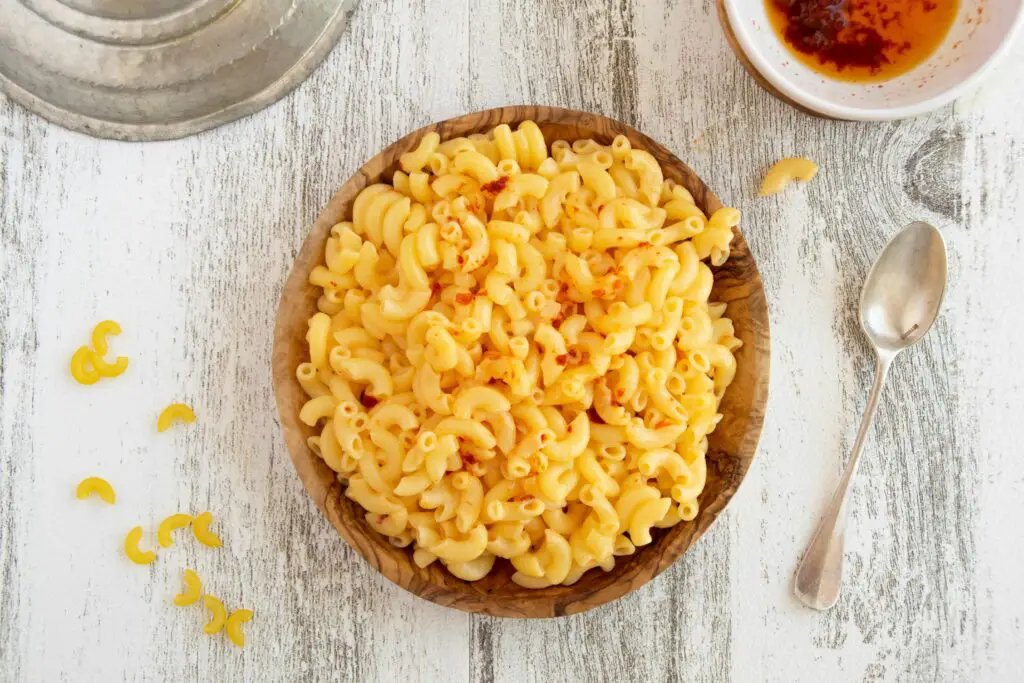
Boxed macaroni and cheese became widely popular in the mid-20th century because it was cheap and easy. It required only a few added ingredients like milk and butter. Families could prepare it quickly, making it a go-to for busy nights. It was especially appealing to kids. The long shelf life made it a pantry staple.
Even with its popularity, it wasn’t considered a meal for guests. It was seen as simple and a bit too basic. The bright orange color and processed nature didn’t help its image. If company was expected, people usually aimed for something more homemade. It stayed firmly in the everyday category.
11. Rice with Gravy
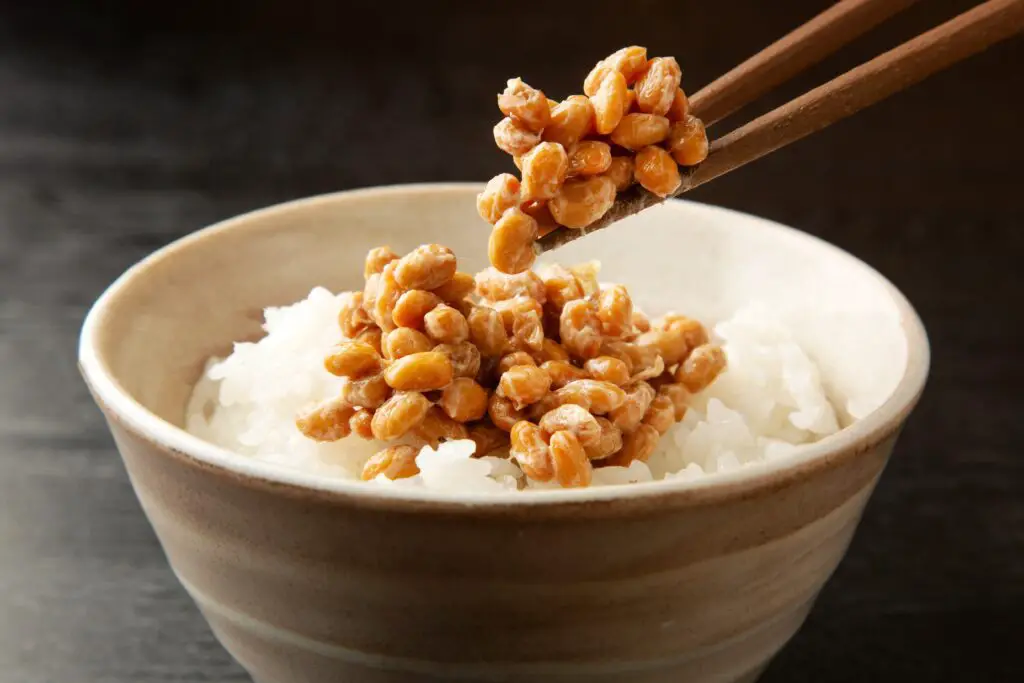
Rice with gravy was a way to turn very little into something filling. Rice was inexpensive and could stretch across multiple meals. Adding gravy, often made from drippings or broth, gave it flavor. In some households, it served as a full meal on its own. It was especially common in the South and other regions where rice was a staple.
Still, it wasn’t something people felt proud to serve guests. The dish could look plain and one-dimensional. Without additional sides or protein, it felt incomplete. Families relied on it when they needed to make do. It was practical, but not something to show off.
12. Pancakes for Dinner

Pancakes for dinner were a common fallback when groceries were running low. The ingredients, flour, eggs, and milk, were usually already in the kitchen. It was quick, filling, and easy to prepare in large batches. Syrup added sweetness and made it feel more like a treat. Kids often enjoyed the change from typical dinner foods.
Even so, it didn’t feel like a proper meal to serve guests. It came across as more of a last-minute solution than a planned dinner. The simplicity made it seem less substantial. Families might enjoy it privately but hesitate if someone stopped by. It was comforting, but not impressive.
13. Tomato Soup with Crackers
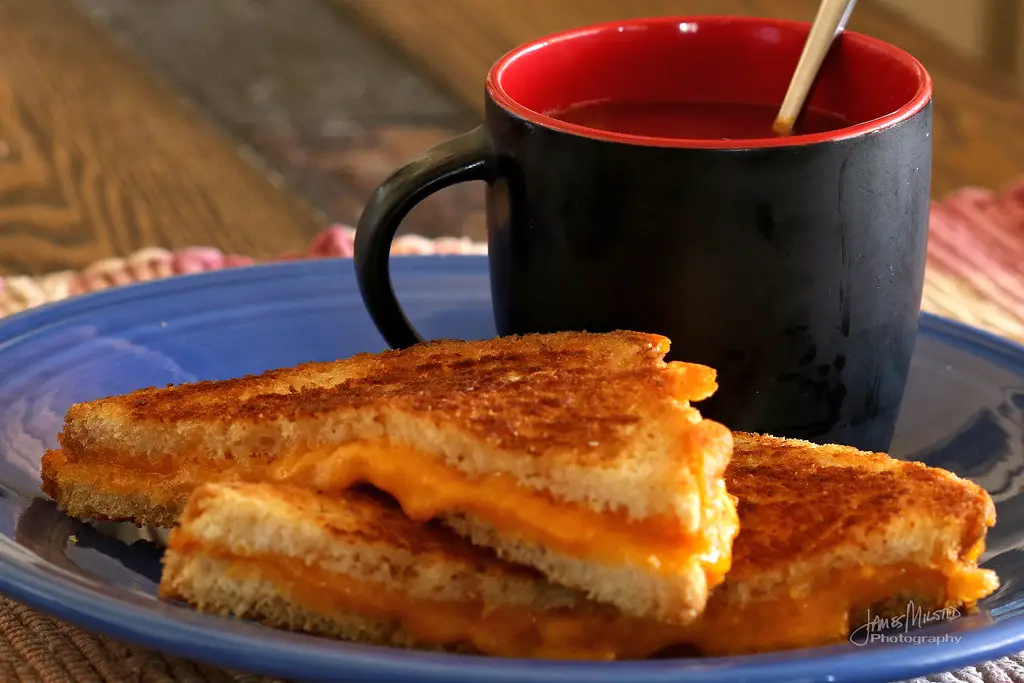
Tomato soup with crackers was one of the simplest meals families could make. Canned tomato soup was inexpensive and easy to prepare. Crackers added a bit of texture and helped make it more filling. It was especially common on cold days or when budgets were tight. The meal required almost no effort.
However, it was also one of the least impressive options. The bright red soup and plain crackers didn’t offer much visual appeal. It felt more like a light meal than a full dinner. If guests showed up, families might feel a little embarrassed by its simplicity. It was dependable, but very basic.