
1. Kids Riding Unrestrained in the Backseat

There was a time when piling the whole family into the car meant squeezing kids into the backseat without a second thought about seatbelts. In the ’50s, ’60s, and even into the ’70s, many cars either didn’t have rear seatbelts or families simply didn’t use them. Kids often stretched out across the seat, leaned against the windows, or even sat on the floor during long drives. It was considered normal, and no one questioned it much.
Today, that kind of setup would violate modern child safety laws in most states. Car seats, booster seats, and properly worn seatbelts are now required based on a child’s age and size. Safety campaigns and crash data have made it clear how dangerous those earlier habits were. What once felt casual and carefree now reads as risky and unacceptable. It is one of the clearest examples of how much standards have changed.
2. Riding in the Back of Pickup Trucks

Family road trips sometimes included kids riding in the open bed of a pickup truck, especially in rural areas. It was common during summer drives, with blankets, coolers, and kids all piled together in the back. The wind, the open sky, and the lack of restraints made it feel like an adventure. Parents often saw it as harmless fun for shorter trips.
Today, many states restrict or outright ban this practice, especially on highways. The risk of injury from sudden stops or accidents is extremely high. Modern laws prioritize passenger safety over nostalgia. What used to feel like freedom now clearly violates safety guidelines. It is largely viewed as unsafe rather than charming.
3. Letting Kids Roam Rest Stops Alone
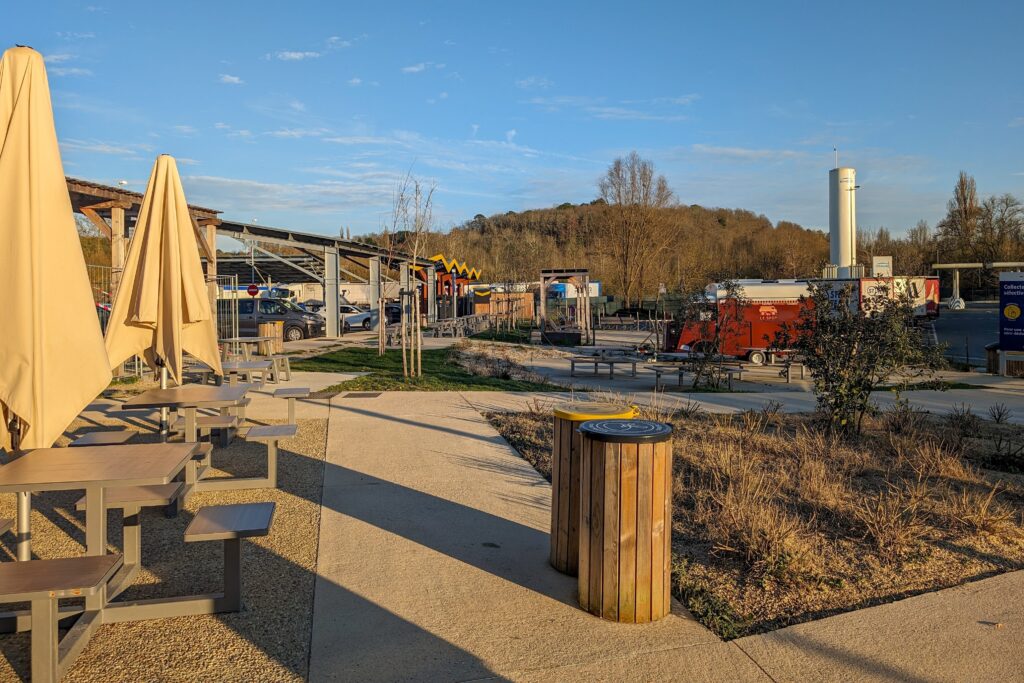
During long highway trips, kids were often allowed to wander rest areas without much supervision. Parents would stretch their legs or stay by the car while children explored vending machines, picnic tables, or nearby wooded areas. It reflected a broader cultural trust in public spaces at the time. The assumption was that these stops were safe and self-contained.
Today, that level of independence would raise concerns for many families. Increased awareness of child safety and stranger danger has changed expectations. Most parents now keep children within close sight at rest stops. Public safety messaging has reinforced the importance of supervision. What once felt normal now feels risky.
4. Smoking in the Car with Kids

It was once very common for adults to smoke cigarettes during family road trips, even with the windows rolled up. Kids sat in the backseat while parents lit up without much thought about secondhand smoke. Ashtrays were built directly into car doors and dashboards, reinforcing how normalized it was. Long drives often meant constant exposure.
Today, many places restrict smoking in vehicles when children are present. Health research has firmly established the dangers of secondhand smoke. Public attitudes have shifted significantly, making this behavior widely discouraged. What used to be routine is now considered harmful. It is a clear shift driven by medical evidence.
5. No Car Seats for Babies
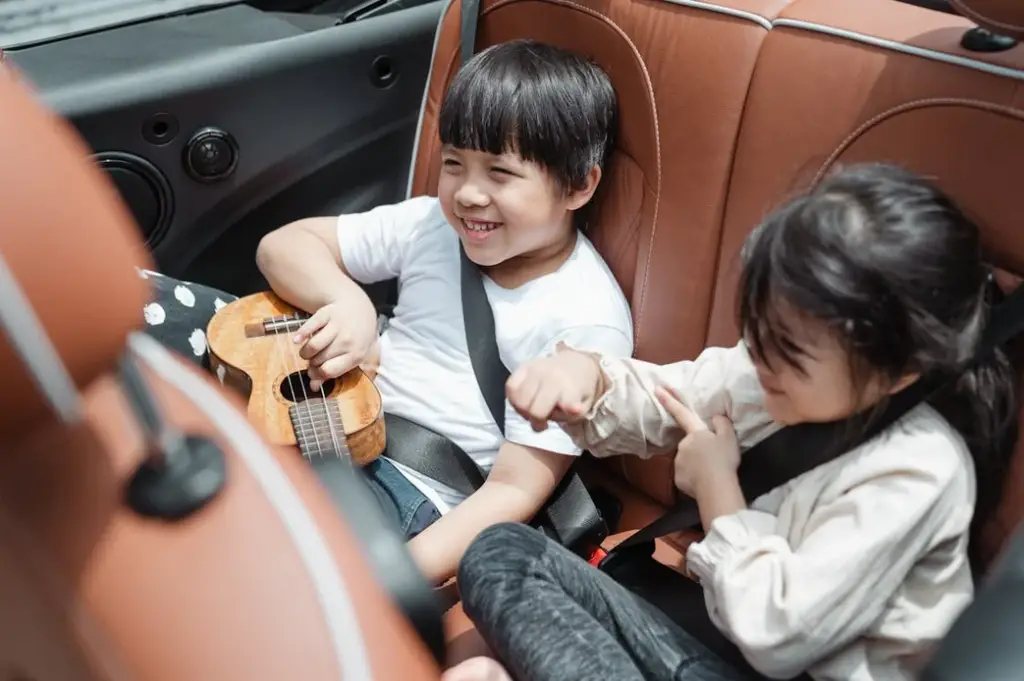
Infants were often held in a parent’s arms during car rides instead of being secured in a car seat. Some families placed babies in makeshift carriers or baskets on the seat. There were few standardized safety regulations, and awareness was limited. Parents relied more on instinct than guidelines.
Today, strict car seat laws are enforced, with specific requirements based on age and weight. Proper installation and positioning are emphasized for safety. Hospitals and pediatricians provide guidance before babies even leave for home. The contrast with past practices is stark. What once seemed manageable is now recognized as dangerous.
6. Climbing on Roadside Attractions Without Barriers
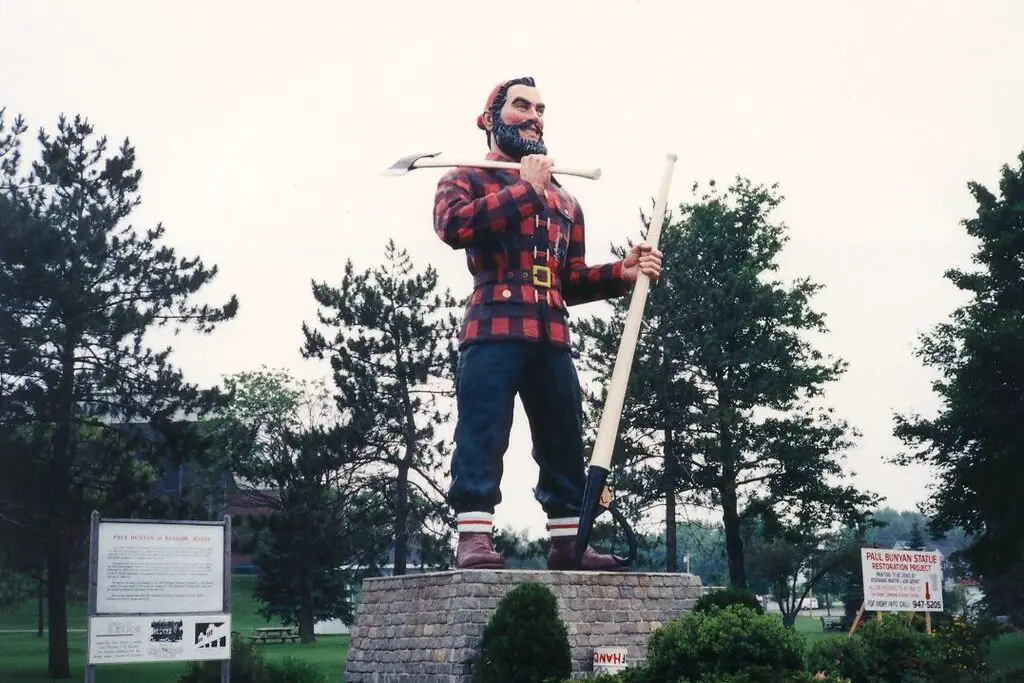
Many roadside attractions allowed visitors to climb directly on large sculptures, vehicles, or structures. Kids would scramble over oversized dinosaurs, planes, or statues without railings or supervision. It added to the hands-on appeal of travel stops. Safety barriers were often minimal or nonexistent.
Today, liability concerns and safety regulations limit that kind of access. Many attractions now include fences, warning signs, or restricted areas. The goal is to prevent falls and injuries. What once encouraged exploration is now more controlled. The experience has shifted from physical interaction to observation.
7. Camping Without Proper Food Storage

Family camping trips in earlier decades often involved leaving food out in coolers or on picnic tables overnight. In areas with wildlife, especially bears, this created serious risks. At the time, many families were simply unaware of proper food storage practices. It was seen as part of roughing it outdoors.
Today, national parks and campgrounds enforce strict rules about food storage. Bear-proof containers and designated storage lockers are often required. Rangers provide clear guidance to prevent dangerous encounters. These rules protect both people and wildlife. Past habits are now understood as unsafe.
8. Hitchhiking as Part of Travel

Hitchhiking was once a relatively common way to get around, even for young travelers. Some families even picked up hitchhikers during long drives, viewing it as a helpful or friendly gesture. It was part of the culture in the ’60s and ’70s. Trust between strangers was more assumed than questioned.
Today, hitchhiking is widely discouraged and considered unsafe. Many states have laws restricting where and how it can occur. Public awareness of crime risks has changed perceptions significantly. What once felt adventurous now raises serious safety concerns. It is rarely associated with family travel anymore.
9. Letting Kids Sit in the Front Seat
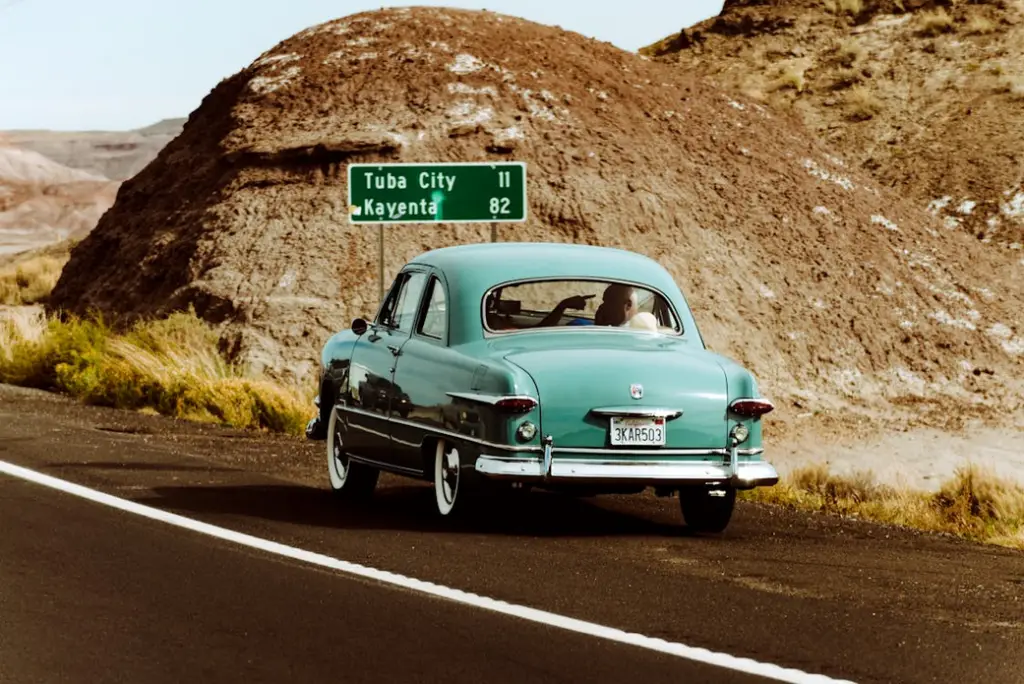
Children often rode in the front passenger seat, even at very young ages. It was common to see kids standing or kneeling to look out the windshield. There were no airbags in earlier vehicles, so the risks were less understood. Parents didn’t think twice about it.
Today, children are advised to ride in the back seat until a certain age and size. Airbags can be dangerous for smaller passengers in the front. Safety guidelines are clear and widely followed. The front seat is no longer seen as a casual option for kids. It is now a regulated safety issue.
10. Drinking Alcohol While Driving on Road Trips
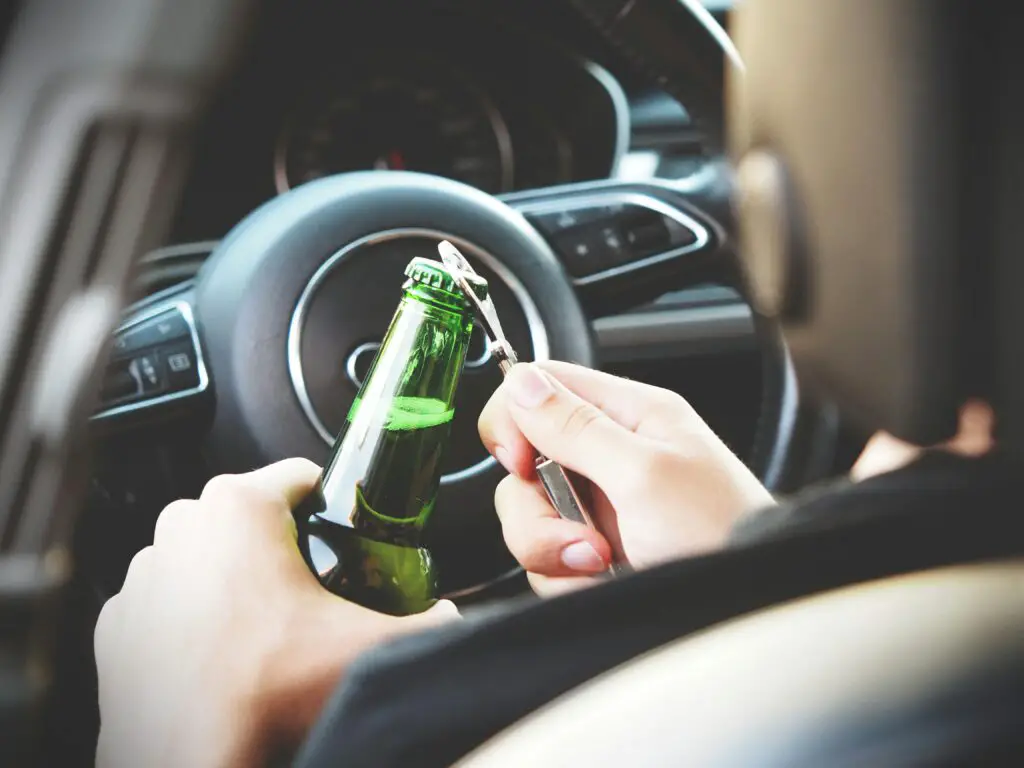
In some earlier decades, open containers of alcohol in vehicles were not uncommon. Passengers, and sometimes even drivers, drank during long road trips. It was more socially accepted in certain regions and time periods. Enforcement was less consistent.
Today, open container laws prohibit alcohol consumption in vehicles in most states. Driving under the influence is heavily penalized and widely condemned. Public safety campaigns have reinforced the risks. What once seemed casual is now strictly regulated. It reflects a major cultural and legal shift.
11. Minimal Supervision at Beaches and Lakes

Family trips to beaches or lakes often involved kids swimming and exploring with limited adult supervision. Parents might relax on shore while children ventured far into the water. Life jackets were not always used consistently. It was part of a more relaxed approach to parenting.
Today, water safety is taken far more seriously. Lifeguards, designated swim areas, and flotation devices are strongly emphasized. Parents are encouraged to stay actively involved and watch closely. Drowning prevention campaigns have increased awareness. The casual approach of the past is no longer acceptable.
12. Riding Without Helmets on Bikes or Scooters

Vacation destinations often included bike rentals or scooter rides without helmets. Kids and adults alike rode freely along boardwalks or campgrounds. It was seen as harmless recreation. Protective gear was rarely considered necessary.
Today, helmet use is strongly recommended and often legally required for children. Injury data has shown how effective helmets are in preventing serious harm. Rental companies frequently provide or require them. The shift reflects increased attention to safety. What once felt carefree now carries clear expectations.
13. Visiting Active Industrial Sites

Some families toured factories, mines, or industrial sites with minimal safety restrictions. Children could walk through working environments with little protective equipment. It was educational but also potentially hazardous. Safety protocols were less developed.
Today, access to such sites is tightly controlled. Visitors must follow strict safety guidelines and often wear protective gear. Many facilities limit access entirely for liability reasons. Regulations have become much stricter. The informal tours of the past are largely gone.
14. Traveling Without Any Form of Identification for Kids
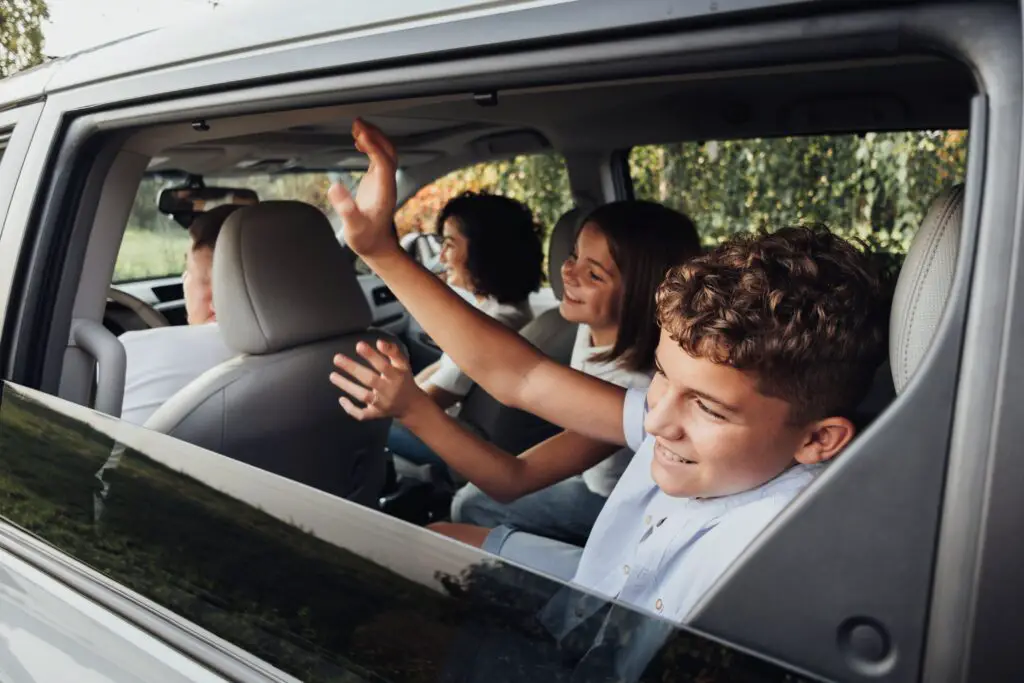
Children often traveled without any formal identification during family vacations. There were no ID bracelets, tracking devices, or emergency contact systems. Parents relied on basic information and verbal instructions. It was a simpler but less secure approach.
Today, many families use ID bracelets, phone tracking, or digital contact info for children. Travel safety planning has become more detailed. In crowded places, preparation is considered essential. The expectation of preparedness has increased. What once seemed sufficient now feels incomplete.
15. Exploring National Parks Off-Trail Without Guidance

Families once wandered freely through national parks, often leaving marked trails to explore. Kids climbed rocks, crossed streams, and ventured into unmarked areas. It added to the sense of adventure and discovery. Rangers were not always present or enforcing strict boundaries.
Today, staying on designated trails is strongly encouraged and often required. Off-trail exploration can damage ecosystems and increase the risk of injury. Park services enforce rules more actively. Educational signage explains why these limits matter. The balance has shifted toward preservation and safety.