
1. Twinkies
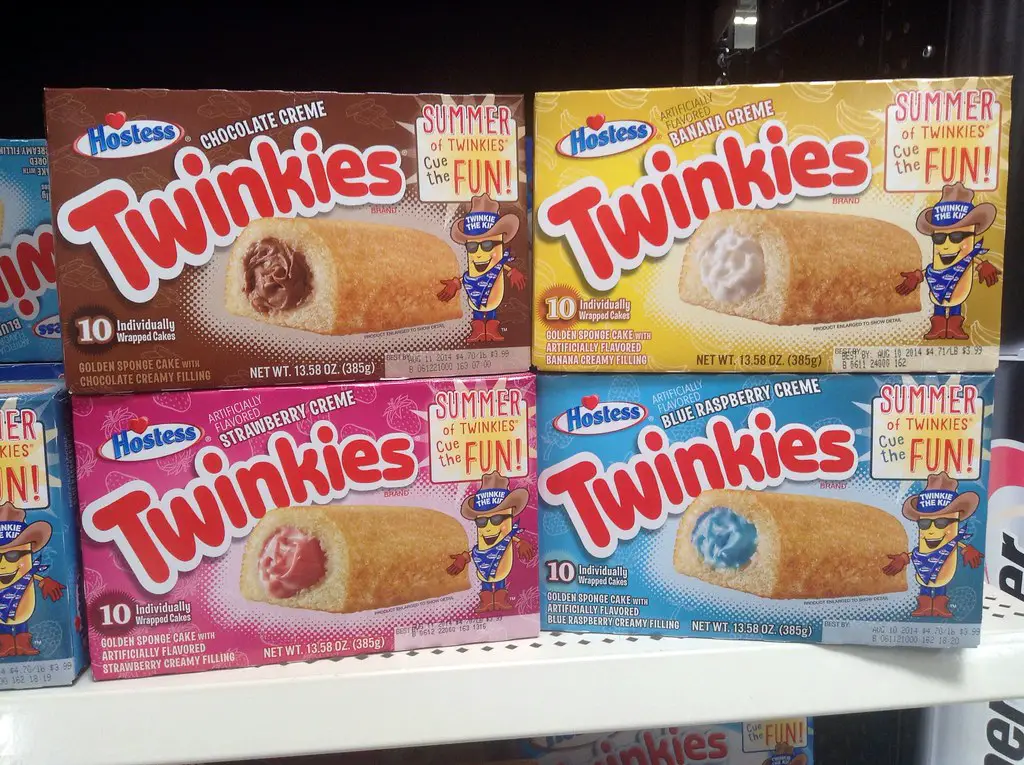
Twinkies have been around since 1930, and despite a few close calls, they have never really disappeared. Originally filled with banana cream, the flavor was switched to vanilla during World War II due to banana shortages. They became one of the most recognizable snack cakes in America, especially during the mid-20th century. Even when Hostess temporarily shut down in 2012, fans made it clear they were not ready to let them go.
When the brand returned in 2013, Twinkies quickly went back on shelves and into lunchboxes. Their long shelf life and simple sponge cake design have always been part of the appeal. For many people, they are tied to childhood memories of packed school lunches. That nostalgia keeps them relevant even as snack trends change.
2. Bugles
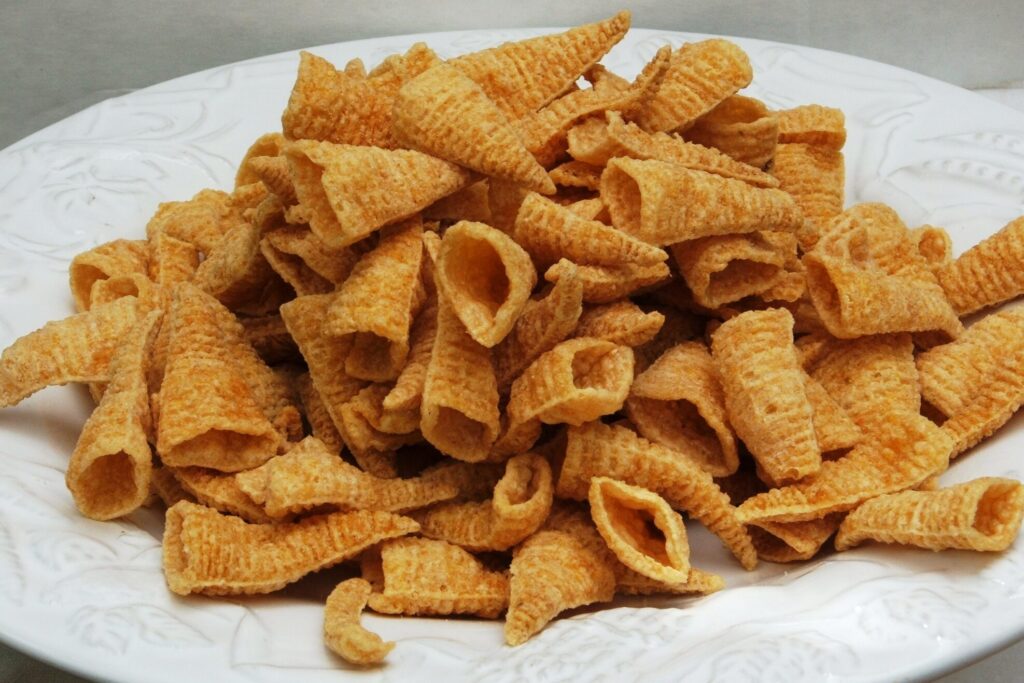
Bugles first appeared in 1964 and quickly stood out because of their unusual cone shape. They were one of the earliest snacks designed as much for fun as for flavor. Kids famously wore them on their fingers before eating them, which only added to their popularity. The original flavor is still widely available today, along with a few variations.
Their crunchy texture and slightly salty taste have not changed much over the years. While they are not always front and center in grocery stores, they never fully went away. Fans still seek them out for that specific combination of nostalgia and novelty. They remain a staple for anyone who remembers snacking on them during the ’60s, ’70s, or ’80s.
3. Dunkaroos
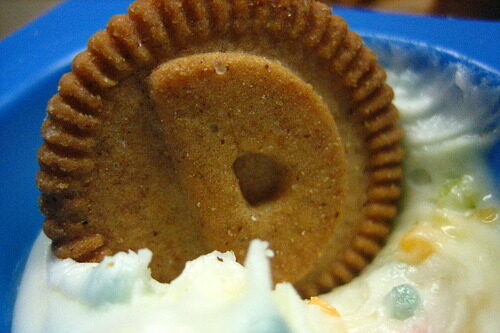
Dunkaroos launched in the late 1980s and became a lunchbox favorite through the ’90s. The concept was simple, small cookies paired with a sweet frosting dip. Different cookie shapes and frosting flavors kept things interesting for kids. At one point, they were discontinued in the United States in 2012.
That decision did not sit well with longtime fans, who kept talking about them online for years. In 2020, Dunkaroos officially returned to U.S. stores, largely because of that demand. The comeback proved how strong the emotional connection to this snack really was. Today, they still attract both new fans and people who grew up with them.
4. Pop Rocks

Pop Rocks were introduced in 1975 and quickly gained attention for their unusual popping effect. The candy contains pressurized carbon dioxide, which creates the crackling sensation when it dissolves. Early rumors claimed they were dangerous when combined with soda, but those stories were false. Despite the myths, the product remained safe and continued to be sold.
Their novelty never really wore off, and they are still available decades later. People often buy them as much for the experience as for the flavor. They have also been used in novelty desserts and specialty treats over the years. That combination of science and fun has kept them relevant across generations.
5. Ring Pops
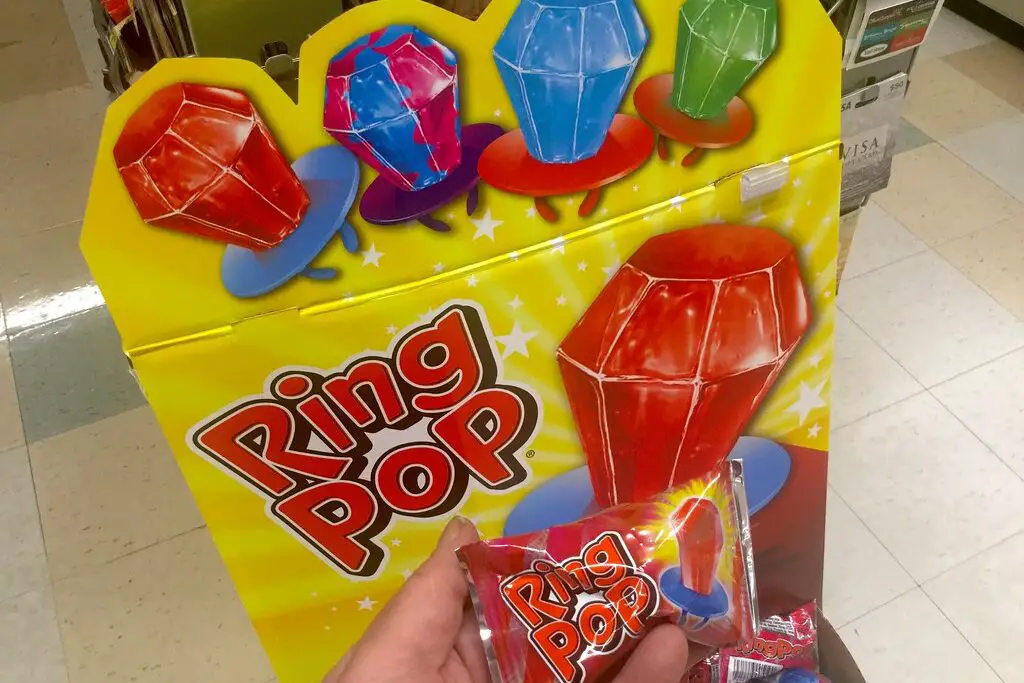
Ring Pops debuted in 1979 and were designed to be both candy and accessory. The oversized gemstone shape made them especially popular with kids. They were originally marketed as a way to keep hands clean while eating candy. Over time, they became a recognizable part of pop culture.
They are still widely sold today, often in the same bright colors and fruity flavors. Their design has remained largely unchanged, which adds to their nostalgic appeal. People who grew up with them often buy them again as adults. That continuity has helped them maintain a steady following.
6. Funyuns
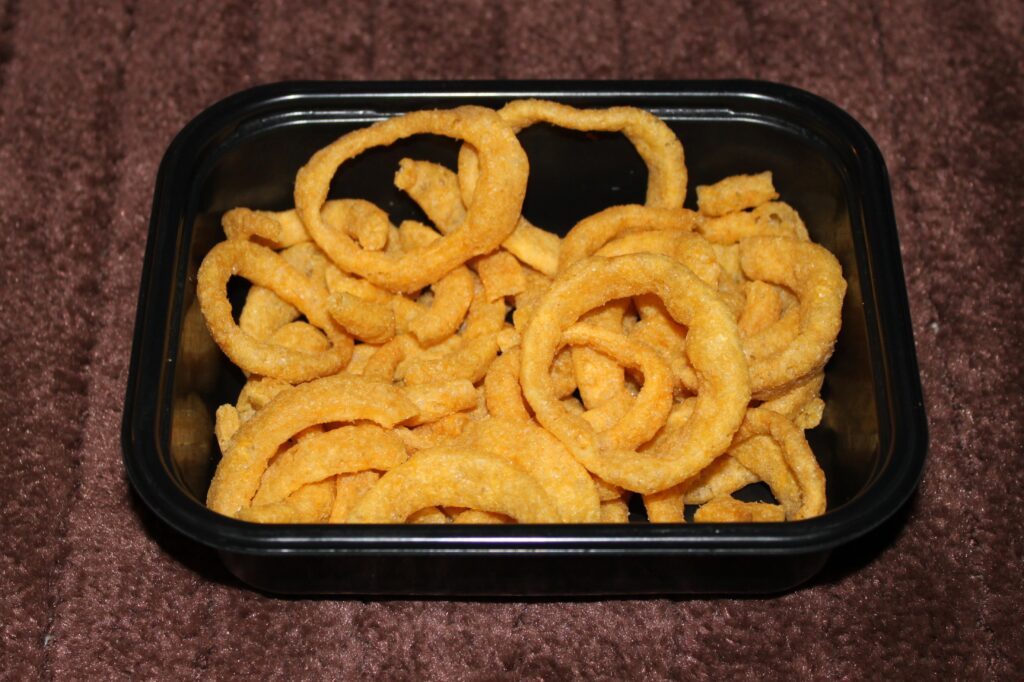
Funyuns were introduced by Frito-Lay in 1969 and marketed as an onion-flavored snack. Despite the name, they are not actually made from real onion rings. Instead, they are corn-based and seasoned to mimic the taste of onions. Their distinct flavor quickly set them apart from other chips.
They have never been a mainstream favorite in the same way as potato chips, but they have a loyal fan base. People who like them tend to stick with them for years. Their unique taste makes them hard to replace with anything else. That niche appeal has kept them on store shelves for decades.
7. Cosmic Brownies
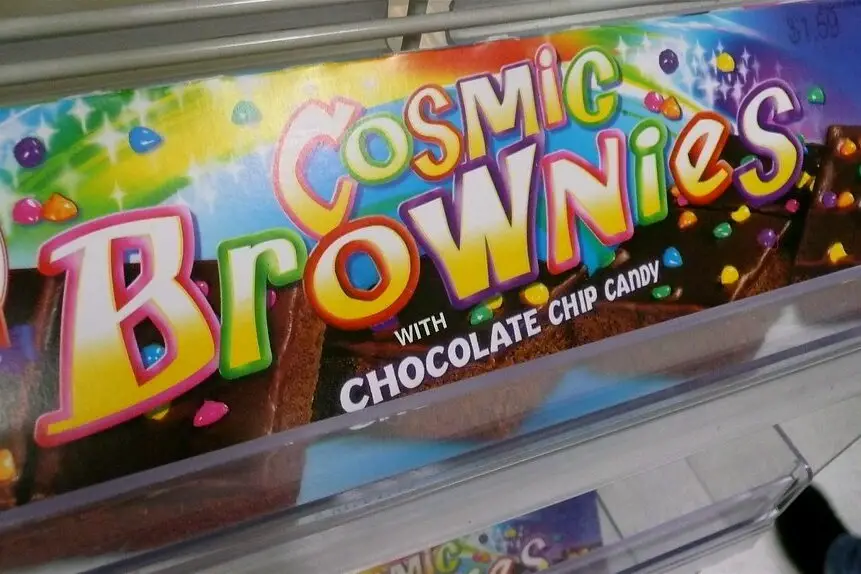
Cosmic Brownies were introduced by Little Debbie in the 1990s and became a standout snack. The dense chocolate brownie topped with colorful candy-coated chocolate chips made them instantly recognizable. They were especially popular in school lunches. The bright toppings gave them a playful look that stood out from other desserts.
They are still sold today with very few changes to the original formula. Many people remember them as a go-to after-school treat. Their rich texture and sweet flavor continue to attract fans. That consistency has helped them remain relevant long after their initial popularity.
8. Push Pops

Push Pops first appeared in the mid-1980s and offered a different way to eat candy. The lollipop could be pushed up from a plastic tube, making it reusable and portable. This design helped keep it from getting sticky or dirty. It was a small innovation, but it made a big difference for kids.
They remain available today, often in the same bright flavors. The packaging has evolved slightly, but the core concept is unchanged. People still enjoy the interactive aspect of eating them. That hands-on experience is part of what keeps them memorable.
9. Planters Cheez Balls
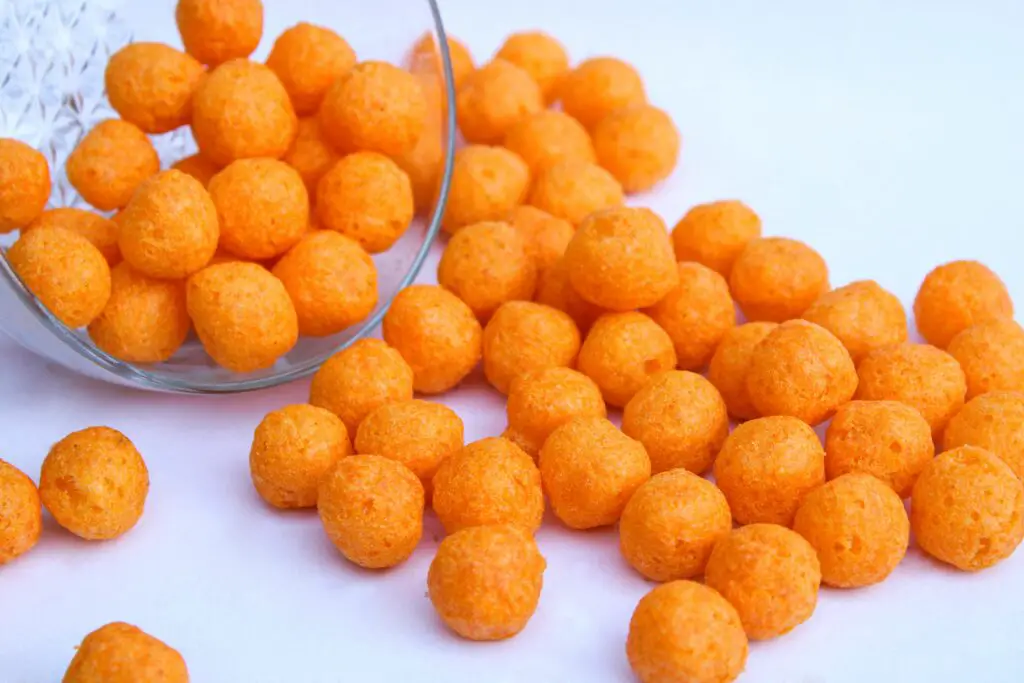
Planters Cheez Balls were a popular snack in the ’80s and ’90s, known for their bright orange color and crunchy texture. They were packaged in distinctive canisters that made them easy to store and share. At one point, they were discontinued, which disappointed many fans. For years, people continued to talk about them and look for alternatives.
In 2018, Planters brought them back due to strong demand. The return was widely celebrated by longtime fans. The flavor and texture remained very close to the original. That revival showed just how much staying power the snack still had.
10. Fruit Roll-Ups
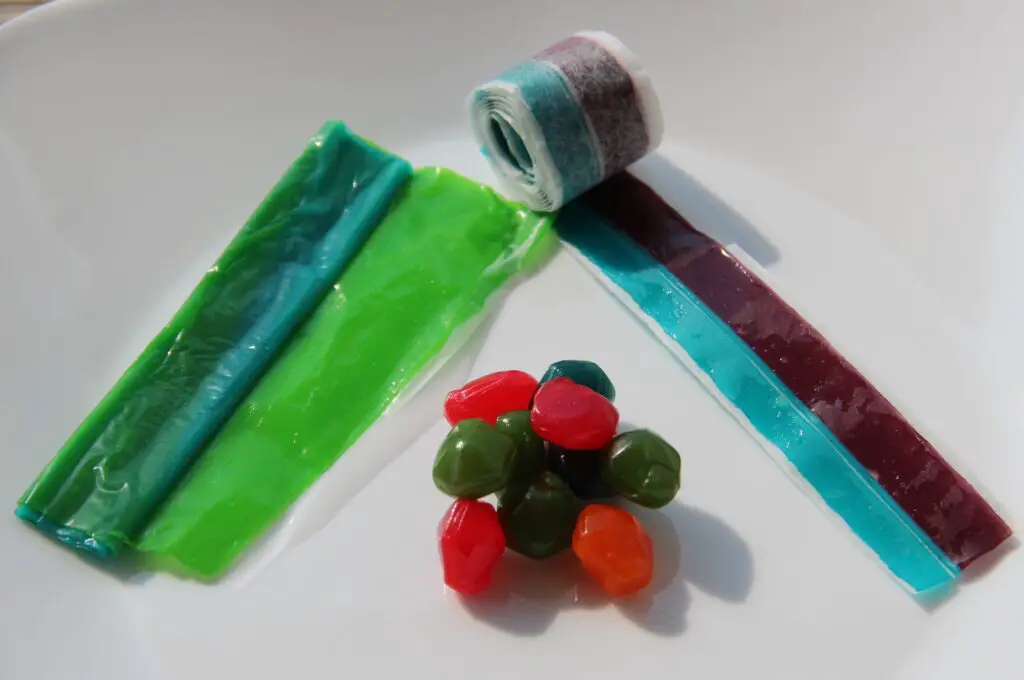
Fruit Roll-Ups were introduced in 1983 by General Mills and quickly became a lunchbox staple. Made from processed fruit puree, they were marketed as both fun and fruity. Kids often peeled them off the plastic sheet in creative ways before eating them. The bright colors and sweet taste made them especially appealing.
They are still widely available today with various flavors and designs. Over time, they have also been used in creative snack combinations. Their flexibility and sweetness continue to attract younger audiences. At the same time, they remain a nostalgic favorite for adults.
11. Combos
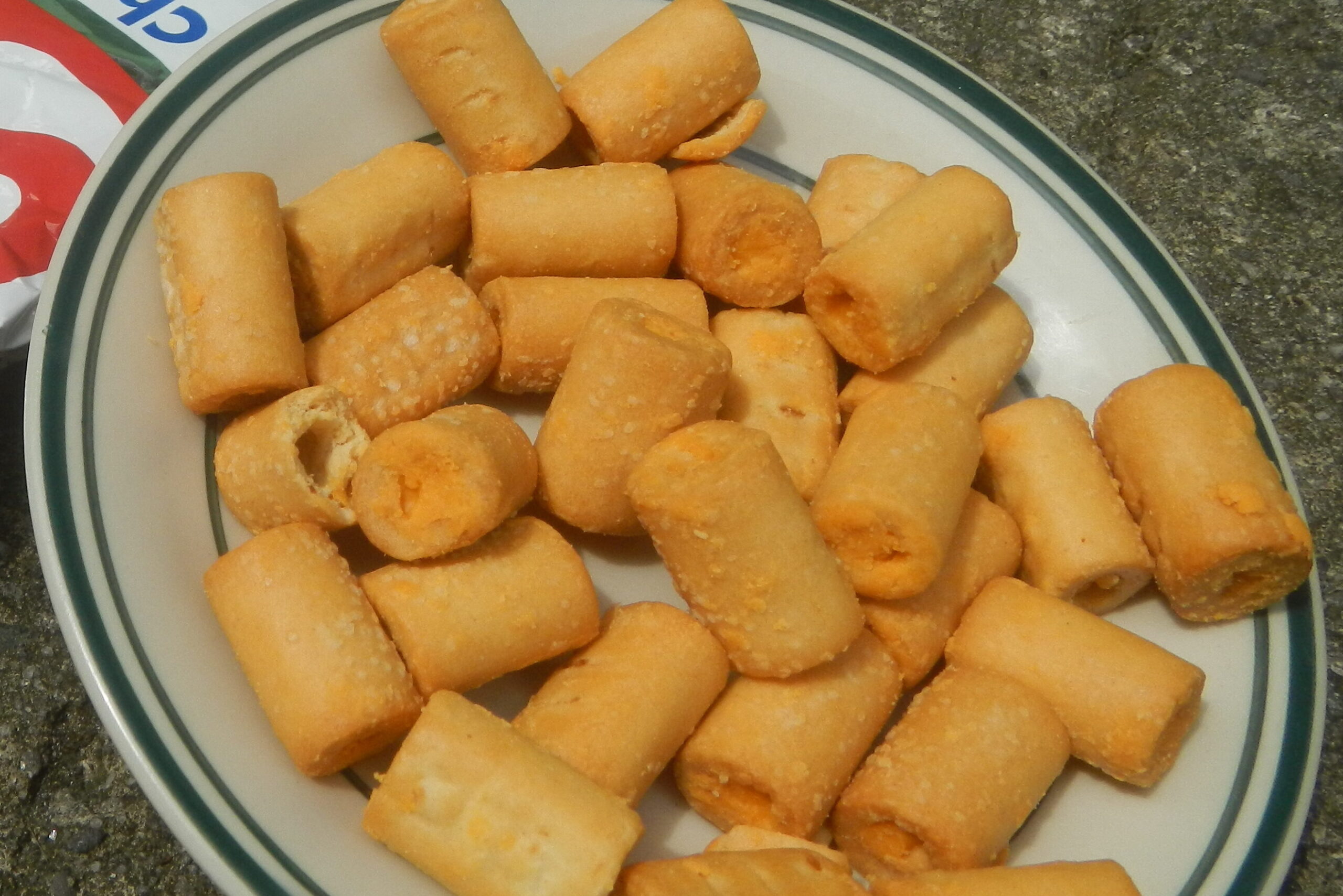
Combos were first introduced in the 1970s and offered a mix of crunchy shells with savory fillings. Common varieties include pretzel or cracker exteriors with cheese or pizza-flavored centers. They stood out because they combined two snack elements into one. That made them especially popular for road trips and vending machines.
They are still sold in many of the same flavors today. Their long shelf life and portability make them convenient. Fans appreciate the mix of textures and flavors in each bite. That consistency has helped them maintain a loyal following.
12. Candy Buttons
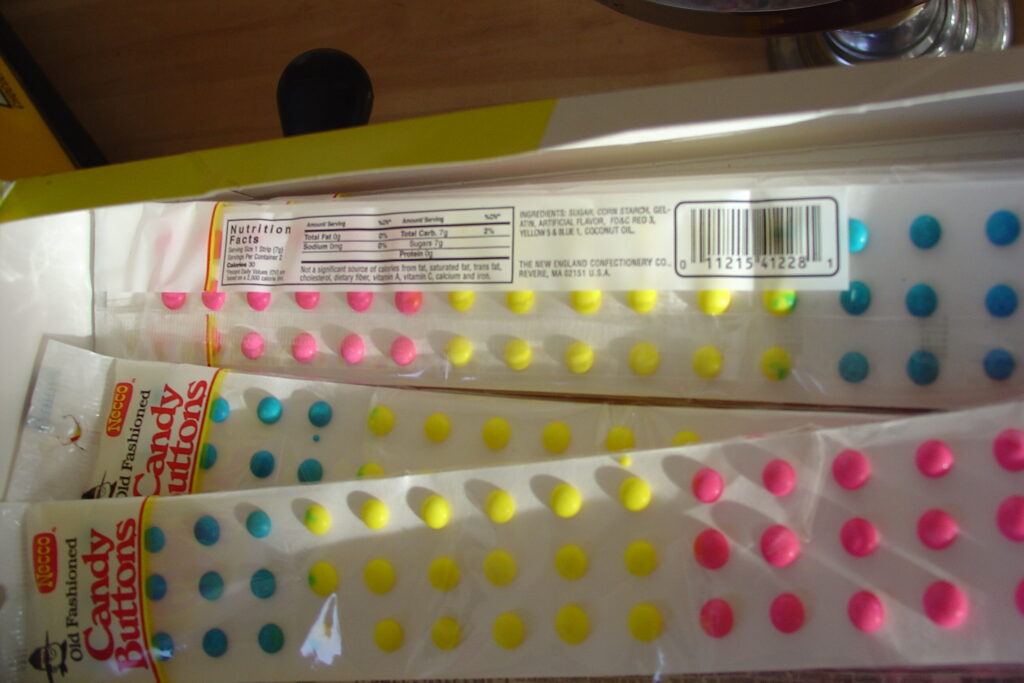
Candy Buttons date back to the early 20th century and are one of the oldest novelty candies still sold. They consist of small dots of sugar candy attached to strips of paper. While simple, they became a familiar treat for generations of kids. The experience often involved peeling the candy off the paper, sometimes with a bit of paper stuck to it.
They are still available today, largely unchanged from their original form. Their appeal comes more from nostalgia than from flavor. People often buy them because they remember them from childhood. That emotional connection keeps them around.
13. Vienna Fingers
Vienna Fingers were introduced by Nabisco in the late 19th century and have remained a steady presence ever since. The vanilla-flavored sandwich cookies have a soft texture that sets them apart from crunchier options. They were especially popular in mid-20th-century households. Their simple design made them easy to pair with coffee or milk.
They are still sold today, though they are less prominent than some newer snacks. Fans appreciate their mild flavor and soft consistency. For many, they represent a more classic style of snack food. That understated quality has helped them endure for well over a century.