
1. Lawn Darts (Jarts)

Lawn darts, often sold under the name Jarts, were marketed as a backyard game where players tossed heavy, metal-tipped darts toward a plastic ring on the ground. The darts were weighted and designed to land point-first, which was exactly the problem. Throughout the 1970s and ’80s, there were numerous reports of serious injuries, including skull fractures and even deaths. The product remained widely available despite mounting concerns, partly because it was initially labeled for adult use. Still, children frequently played with them at family gatherings and picnics. The design left very little room for error, especially when thrown off-target. It was essentially a sharp projectile game in a casual setting.
By 1988, the U.S. Consumer Product Safety Commission banned the sale of lawn darts outright. Before that, attempts were made to regulate them with warning labels, but those measures proved ineffective. The injuries associated with lawn darts were well documented in medical reports and news coverage at the time. Today, they are often cited as a textbook example of a product that would never pass modern safety testing. Safer, plastic versions with blunt tips have since replaced them. Even so, the original versions still turn up at garage sales and in old basements. Their legacy is a reminder of how different safety standards once were.
2. Clackers

Clackers were made of two hard acrylic balls attached to a string, and the goal was to swing them so they repeatedly struck each other above and below the hand. At first glance, they looked harmless, almost like a simple coordination toy. But the material used in early versions could become brittle over time. When the balls collided at high speeds, they sometimes shattered. This sent sharp plastic fragments flying in unpredictable directions. Injuries ranged from bruised hands to eye damage from flying shards. Despite these risks, they were extremely popular in the late 1960s and early ’70s.
Manufacturers eventually switched to safer plastics, but by then the reputation damage had already been done. Several states banned or restricted their sale due to injury reports. Parents and schools began discouraging their use as incidents became more widely known. Compared to today’s toy safety standards, the design lacked basic impact resistance testing. Modern toys rarely use materials that can shatter under repeated stress like that. Clackers faded from mainstream shelves, though they still show up as novelty items. Their brief popularity highlights how quickly a trend could spread before safety concerns caught up.
3. Creepy Crawlers Thingmaker
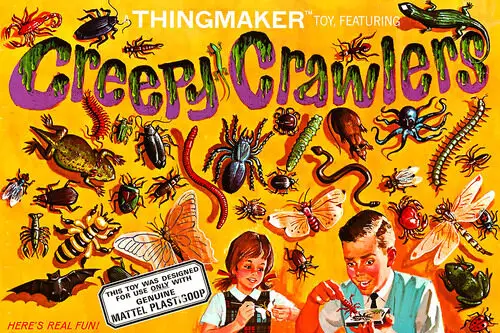
The Creepy Crawlers Thingmaker by Mattel let kids create rubbery insects by pouring liquid “Plasti-Goop” into metal molds and heating them in a small oven. The concept was creative and hands-on, which made it a hit in the 1960s. But the process involved extremely hot metal plates and heating elements. Children were expected to handle these molds shortly after baking, often with minimal protection. Burns were a common risk, especially for younger users. The toy blurred the line between a craft kit and a functioning appliance. Supervision was recommended, but not always enforced in practice.
Eventually, concerns about burn injuries led to its discontinuation in its original form. Later versions of the toy were redesigned with safer materials and lower temperatures. The original model would not meet today’s safety standards for children’s products. Modern toy ovens are carefully engineered to limit external heat exposure. The Thingmaker’s appeal was its realism, but that realism came with real hazards. It remains a nostalgic favorite for many who grew up with it. At the same time, it serves as a clear example of how product safety expectations have evolved.
4. Easy-Bake Oven (Early Models)
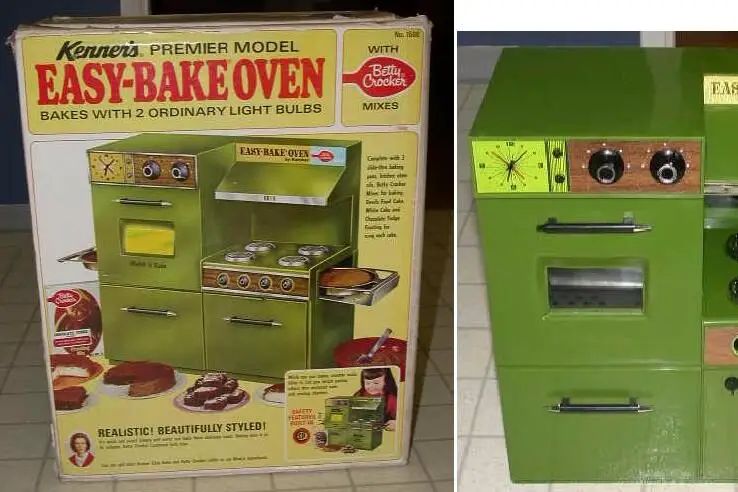
The early versions of the Easy-Bake Oven, also produced by Kenner and later by Hasbro, used incandescent light bulbs as a heat source to cook small baked goods. While the idea was innovative, the internal temperatures could still get quite high. Children could burn themselves by touching the metal interior or mishandling trays. There were also cases where fingers became trapped in the oven door or slot. These incidents led to product recalls and design changes over time. Despite its popularity, the early models lacked many of the safeguards seen today. It was essentially a working oven scaled down for kids.
Modern versions have been redesigned with improved insulation and safety features. The heating elements are now better shielded, and openings are smaller to prevent injury. The earlier versions, however, are often cited in safety discussions as an example of a product that evolved significantly. Consumer complaints and injury reports pushed manufacturers to rethink the design. The toy itself never disappeared, but it had to adapt. Looking back, it is surprising how much heat those small units could generate. It reflects a time when novelty often outweighed caution.
5. Slip ‘N Slide (Early Versions)
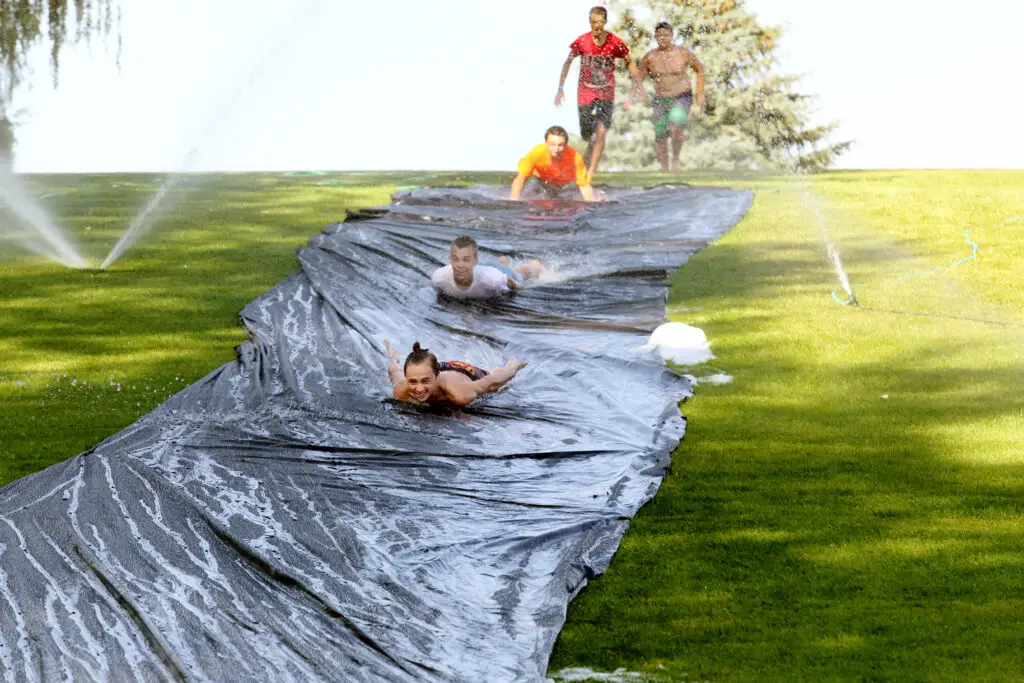
The Slip ‘N Slide, introduced by Wham-O, was marketed as a simple backyard water toy. Kids would run and dive onto a long, wet plastic sheet to slide across the lawn. It was wildly popular, especially during summer months. However, the original marketing did not adequately address the risks for older children and adults. When heavier individuals used it, the sudden stop at the end could cause neck and spinal injuries. Reports of serious injuries, including paralysis, began to surface over time. The product itself was not inherently flawed, but its use often exceeded safe limits.
Manufacturers eventually added clearer warnings and age recommendations. Today, the product is typically labeled for children only and includes detailed safety instructions. The earlier versions lacked those explicit guidelines, leading to misuse. It became a case study in how user behavior can turn a simple product into a hazard. The design remains largely the same, but the messaging around it has changed significantly. Modern packaging emphasizes proper setup and supervision. The original carefree image has been replaced with more caution.
6. Chemistry Sets with Hazardous Chemicals

Mid-20th-century chemistry sets often included real chemicals that would be considered hazardous today. Some sets even contained radioactive materials like uranium ore in very small quantities. Others included strong acids or reactive compounds that required careful handling. While they were marketed as educational tools, the level of risk was significant. Instructions were not always clear enough for safe experimentation. Protective gear was rarely included. For curious kids, the line between learning and danger was thin.
Over time, regulations tightened around what could be included in children’s science kits. Modern chemistry sets use safer, non-toxic substitutes whenever possible. The earlier versions are often referenced in discussions about historical safety standards. Despite the risks, many scientists credit these kits with sparking their early interest in science. Still, the inclusion of hazardous materials would not be acceptable today. Regulatory agencies now strictly limit exposure to dangerous substances. The shift reflects a broader emphasis on child safety in educational products.
7. Metal Playground Slides

Metal slides were once a staple of playgrounds across the United States. They were durable, inexpensive, and easy to install. But they had a major drawback, they absorbed heat quickly under the sun. On hot days, the surface could become dangerously hot to the touch. Children often experienced burns when sliding down or even sitting on them. The lack of shade in many playgrounds made the problem worse. There were also concerns about sharp edges and rust over time. Despite these issues, they remained common for decades.
Today, most playgrounds use plastic or coated materials that stay cooler and are less abrasive. Safety standards now require smoother edges and better temperature control. The shift away from metal slides reflects a broader change in playground design philosophy. Modern equipment is built with injury prevention in mind. The older designs prioritized durability over comfort and safety. Many people remember them fondly, but also remember how hot they could get. They are a clear example of how materials matter in product safety.
8. Cap Guns with Realistic Designs
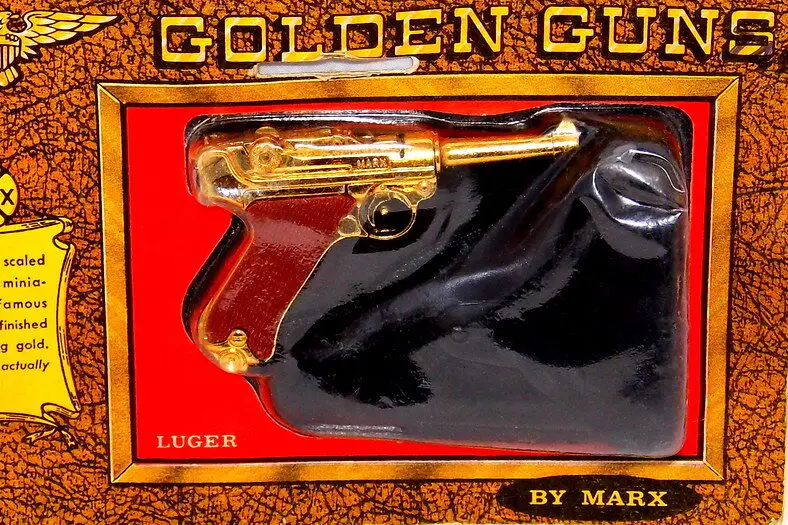
Cap guns were designed to mimic real firearms, often with remarkable detail. Some models looked nearly identical to actual revolvers or pistols. This realism created confusion, especially in public settings. There were documented cases where law enforcement mistook cap guns for real weapons. This sometimes led to dangerous confrontations. The noise from the caps added to the illusion. For children, the line between toy and real weapon was not always clear.
Modern toy gun regulations require bright colors or distinctive markings to differentiate them from real firearms. Earlier versions lacked these visual cues entirely. The shift came after multiple safety concerns and incidents. Today’s designs are intentionally less realistic to prevent misidentification. The older models are now often seen as problematic in hindsight. What was once considered harmless play is now viewed through a more cautious lens. The change reflects evolving attitudes toward both safety and public perception.
9. Gilbert U-238 Atomic Energy Lab

The Gilbert U-238 Atomic Energy Lab, produced by A.C. Gilbert Company in 1950, is often cited as one of the most extreme examples of risky children’s products. It included actual radioactive materials, such as uranium ore samples. The kit was designed to teach children about nuclear science. While the radiation levels were relatively low, the concept of giving radioactive materials to children is alarming by today’s standards. The set also included a Geiger counter and other scientific instruments. It was marketed as an educational experience during the early atomic age. At the time, public understanding of radiation risks was still developing.
The product was short-lived and eventually discontinued due to safety concerns and high cost. It has since become a collector’s item. Modern regulations would not allow such materials in a children’s product. The Atomic Energy Lab is frequently referenced in discussions about historical safety oversights. It reflects a period when enthusiasm for science sometimes overshadowed caution. Today, it serves as a cautionary tale. The idea of a similar product being sold now is virtually unthinkable.
10. Hoverboards (Early Models)
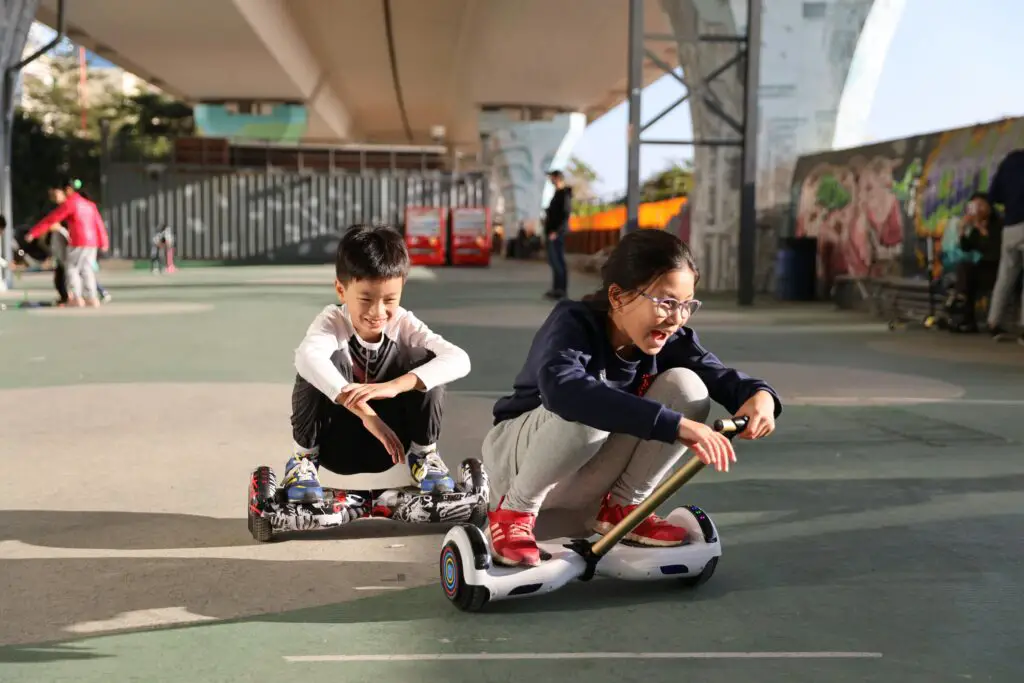
When hoverboards surged in popularity around 2015, they were marketed as futuristic personal transport devices. However, many early models had serious safety issues. Reports of battery malfunctions and fires became widespread. Some devices overheated during charging or use. This led to recalls and bans in certain public spaces. Airlines, for example, restricted them due to fire risks. The rapid rise in popularity outpaced safety testing and regulation.
Manufacturers have since improved battery standards and safety certifications. Certified models now include better safeguards against overheating. The early versions, however, are a reminder of how quickly new technology can reach consumers. Regulatory agencies had to respond after problems became apparent. Today’s hoverboards are generally safer, but the initial wave left a lasting impression. It showed the importance of quality control in consumer electronics. The product category survived, but not without significant changes.
11. Baby Walkers
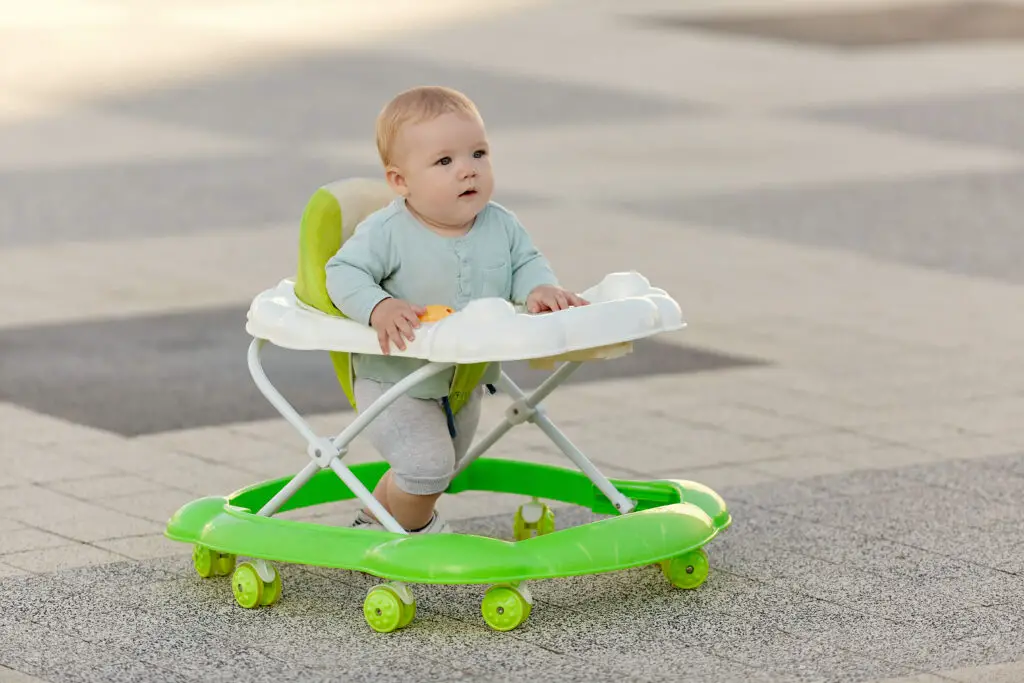
Baby walkers were once a common household item designed to help infants learn to walk. They allowed babies to move around before they could stand on their own. However, studies showed that they could actually delay motor development. More concerning were the safety risks. Babies in walkers could reach hazardous areas, including stairs and hot surfaces. Falls down stairs were a frequent cause of injury. The design gave infants mobility without the awareness to navigate safely.
Organizations like the American Academy of Pediatrics have called for bans on traditional baby walkers. Some countries, including Canada, have already prohibited their sale. Modern alternatives, like stationary activity centers, are considered safer. The shift reflects growing awareness of developmental and safety concerns. Many parents now avoid walkers altogether. The product’s decline shows how research can change parenting practices. What once seemed helpful is now widely discouraged.
12. Toy Guns with Projectiles
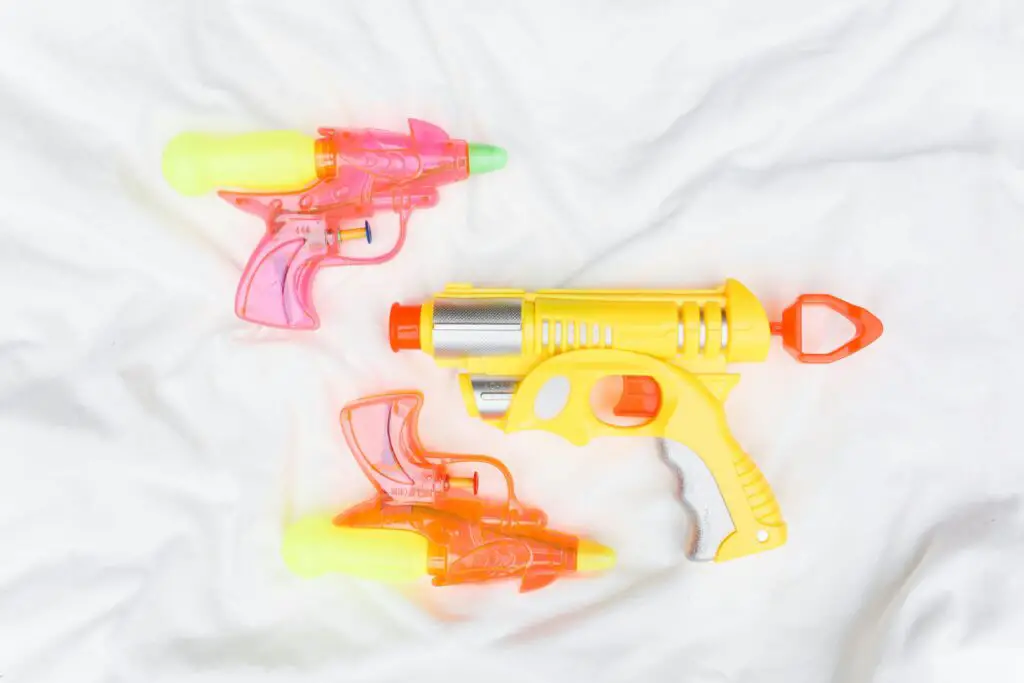
Many older toy guns fired small plastic or rubber projectiles, often with surprising force. BB guns and pellet guns were sometimes marketed to children with minimal restrictions. Even non-metal projectiles could cause injury, especially to the eyes. Protective eyewear was rarely emphasized in early marketing. Accidental injuries were common, particularly during unsupervised play. The appeal of realistic shooting added to the risk. These toys blurred the line between play and actual weapon use.
Today, stricter regulations govern projectile toys. Age recommendations and safety warnings are more prominent. Some products require protective gear or have reduced firing power. The earlier versions would likely face significant restrictions if introduced now. Safety standards have evolved to prioritize injury prevention. The nostalgia for these toys is often tempered by an awareness of their risks. They represent a time when play was less regulated. Modern designs aim to reduce harm while maintaining fun.
13. Roller Skates Without Protective Gear
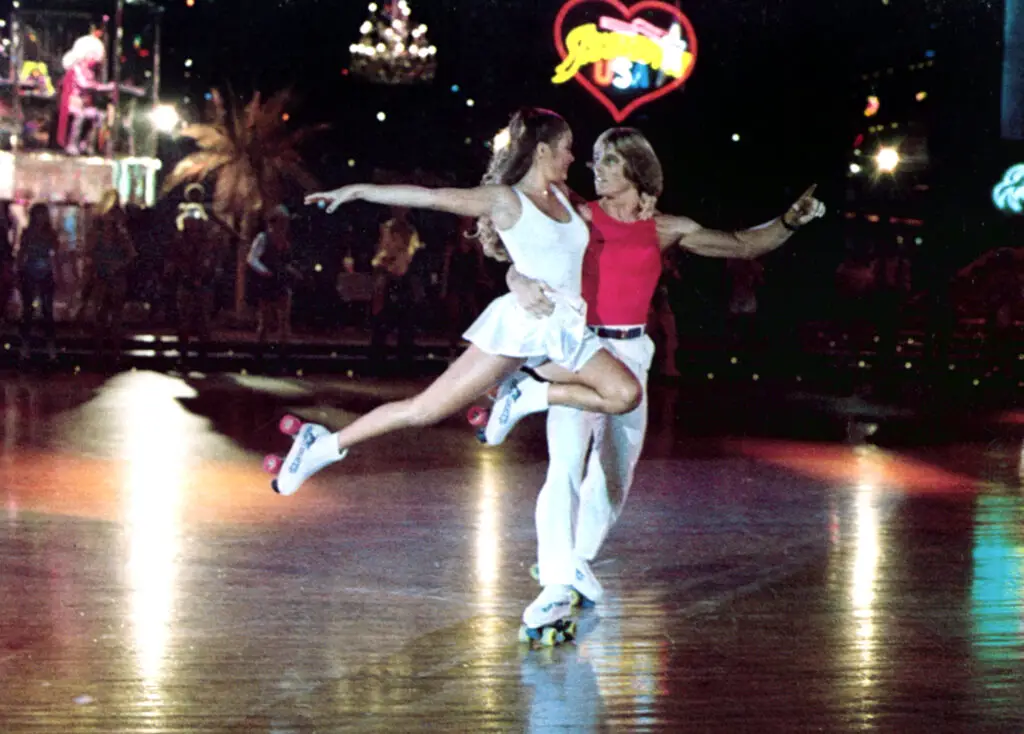
Roller skating was a popular activity for kids, often done without helmets or pads. Early skates, especially metal clamp-on versions, were not always secure. They could slip off shoes unexpectedly, leading to falls. Surfaces were often uneven, adding to the risk. Protective gear was not commonly used or encouraged. As a result, injuries like broken wrists and head impacts were relatively common. Despite this, skating remained a favorite pastime.
Today, safety gear is strongly recommended for skating and similar activities. Modern skates are designed to fit more securely and provide better support. Public awareness of injury prevention has increased significantly. The earlier approach relied more on trial and error than structured safety guidelines. Many people remember learning the hard way. The shift reflects broader changes in how recreational safety is approached. It is now seen as essential rather than optional.
14. Sky Dancers

Sky Dancers were fairy-like dolls that launched into the air when pulled from a base. The spinning wings allowed them to hover unpredictably. While visually appealing, they were difficult to control. Reports emerged of the toys striking children in the face or eyes. Injuries included cuts and, in some cases, temporary vision problems. The unpredictability of their flight path made them hazardous in close spaces. Despite their popularity, the risks became too significant to ignore.
The product was eventually recalled after multiple injury reports. Later versions were redesigned with improved safety features. The original Sky Dancers are often cited in discussions about toy recalls. They highlight how a simple concept can become dangerous in practice. Today’s toys undergo more rigorous testing before reaching the market. The recall process itself has also become more transparent. Sky Dancers remain a memorable example of a toy that crossed the line between fun and unsafe.