
1. A&P Grocery Stores
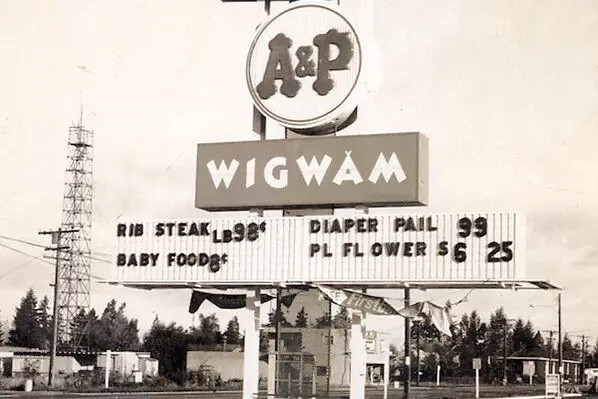
For decades, The Great Atlantic & Pacific Tea Company, better known as A&P, was a fixture in neighborhoods across the United States. At its peak in the early 20th century, it was one of the largest retailers in the country, with thousands of locations. Families relied on it not just for food, but for consistency, since prices and products were standardized. It helped introduce the idea of the modern supermarket, replacing smaller specialty shops. Walking into an A&P meant familiar aisles and predictable staples.
By the late 20th century, competition from newer grocery chains and big box retailers took a toll. Many locations closed, and the brand eventually filed for bankruptcy and disappeared from most communities. For neighborhoods that had grown up around an A&P, its absence marked a noticeable shift. It was more than a store, it was part of the weekly routine.
2. Woolworth’s Five and Dime Stores
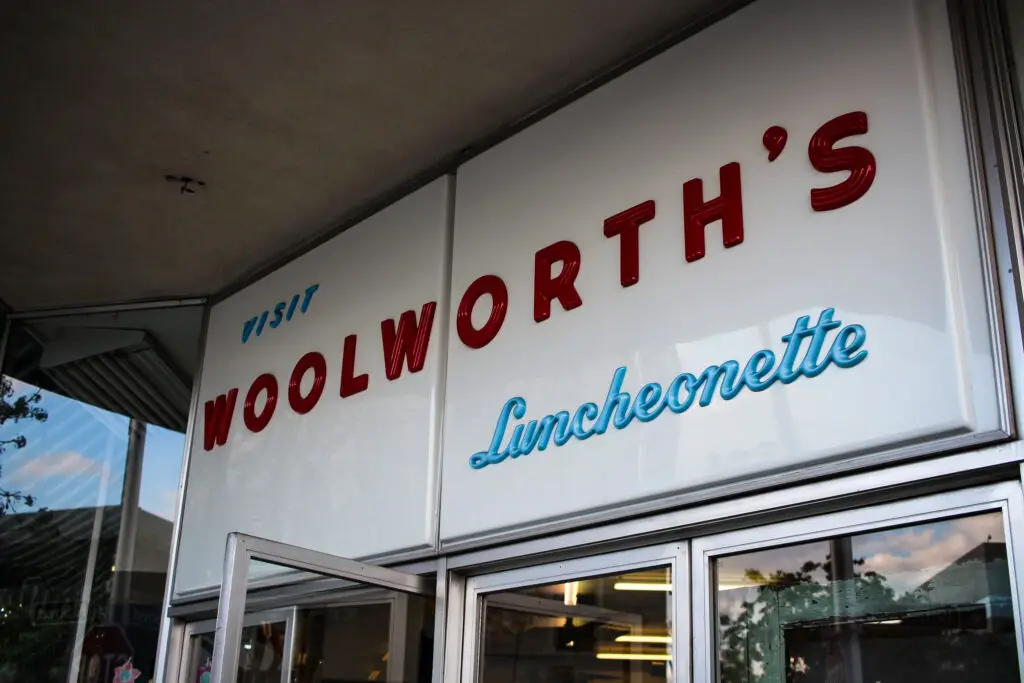
F. W. Woolworth Company stores were once the heart of downtown shopping districts. Known as “five and dime” stores, they sold everything from school supplies to housewares at affordable prices. Many locations included lunch counters, where people gathered for a quick meal or coffee. These counters became especially significant during the Civil Rights Movement, including the Greensboro sit ins of 1960.
As shopping malls and discount chains grew, Woolworth’s struggled to keep up. The last traditional U.S. locations closed in the late 1990s. For many neighborhoods, losing Woolworth’s meant losing a central gathering spot. It had been one of the few places where everyone, regardless of income, could walk in and find something useful.
3. Local Family-Owned Hardware Stores
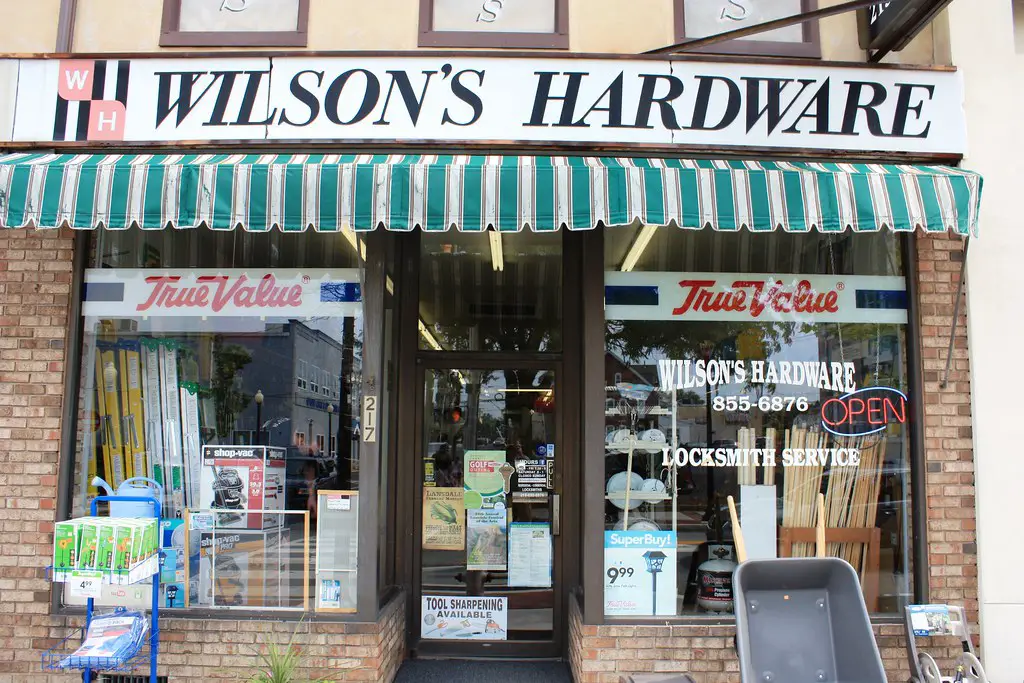
Before big chains dominated the market, small hardware stores were essential neighborhood institutions. These shops often carried just enough of everything, nails, tools, paint, and relied on knowledgeable owners rather than large inventories. People didn’t just shop there, they asked for advice on home repairs and projects. Many store owners knew their customers by name and understood the needs of the local housing stock.
The rise of companies like Home Depot and Lowe’s made it difficult for these smaller businesses to compete. Lower prices and larger selections drew customers away. As a result, many family-run stores closed, leaving gaps in neighborhoods. What disappeared along with them was the personal guidance that larger stores rarely provide.
4. Independent Corner Pharmacies
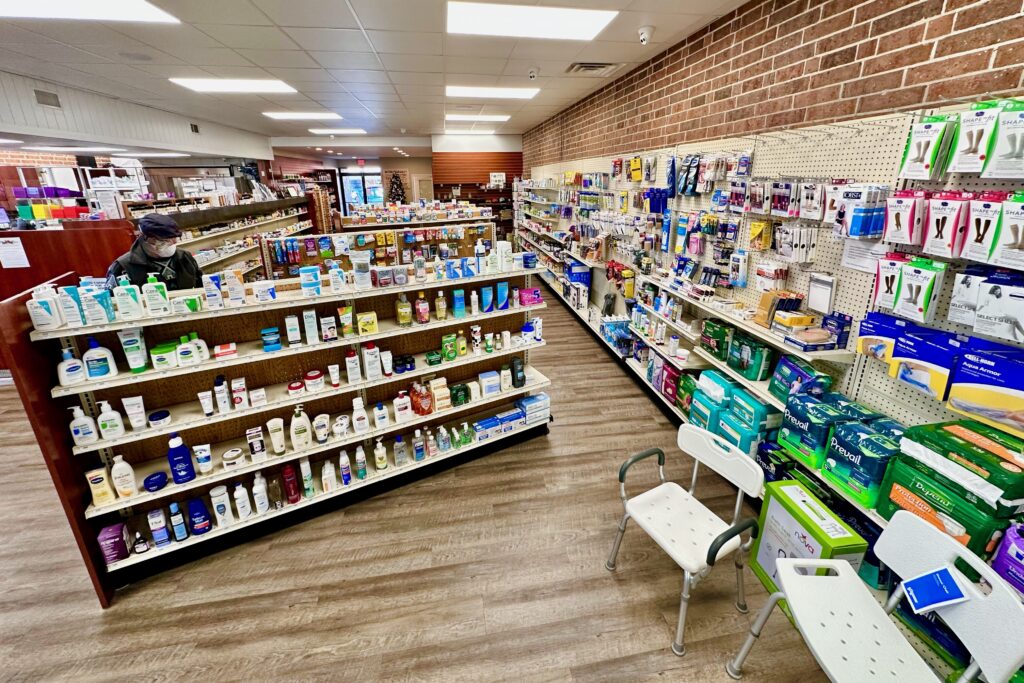
Independent pharmacies were once a cornerstone of neighborhood life. Beyond filling prescriptions, they sold toiletries, small gifts, and often had soda fountains. Pharmacists built long term relationships with customers and understood their medical histories in a way that feels rare today. These stores were often located within walking distance, making them especially important for older residents.
Chains like CVS Health and Walgreens gradually replaced many of these smaller operations. Consolidation in the pharmaceutical industry made it harder for independents to survive. While some still exist, they are far less common. Their disappearance changed how personal healthcare interactions feel in many communities.
5. Neighborhood Movie Theaters
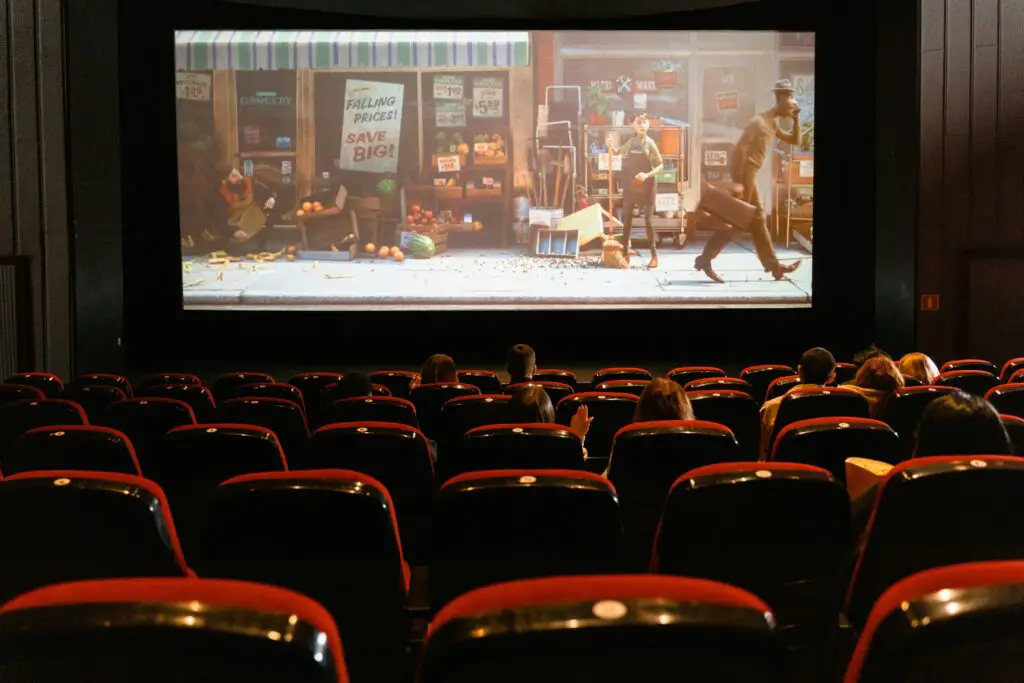
Small, single-screen theaters once defined local entertainment. These theaters often showed second run films or hosted community events, making them accessible and affordable. Many were independently owned and reflected the character of their neighborhoods. For families, a trip to the local theater was a regular weekend tradition.
Multiplexes and streaming services eventually made it difficult for these theaters to stay open. Rising maintenance costs for older buildings added to the problem. Many were either demolished or repurposed into other businesses. Their closure marked the end of a more communal moviegoing experience.
6. Local Butcher Shops

Before supermarkets expanded their meat departments, neighborhood butcher shops were the primary source for fresh cuts. Butchers often prepared meat to order and offered cooking advice based on specific dishes. Customers trusted their expertise and relied on them for quality and consistency. These shops were especially important before widespread refrigeration at home.
As supermarkets became more efficient and offered pre packaged options, many butcher shops closed. Price competition played a significant role in their decline. While some specialty butchers remain, they are less common and often serve niche markets. The everyday neighborhood butcher is largely a thing of the past.
7. Independent Bookstores

Independent bookstores once anchored many neighborhoods, offering curated selections and a sense of community. Staff recommendations often shaped what people read, and local authors frequently held events there. These stores created spaces where people could browse without pressure. They were as much about discovery as they were about buying books.
The rise of online retailers like Amazon and large chains made survival difficult. Many independent bookstores closed in the late 20th and early 21st centuries. Some have since returned in certain areas, but not at the same scale. Their decline changed how readers interact with books and with each other.
8. Neighborhood Shoe Repair Shops

Shoe repair shops were once a practical necessity. Instead of replacing worn out shoes, people brought them in to be fixed, resoled, or polished. Cobblers developed long term relationships with customers who valued durability over disposability. These shops were typically small, often family run, and deeply tied to their neighborhoods.
As mass produced footwear became cheaper, repairing shoes became less common. Many shops closed as demand declined. The shift reflects a broader change toward disposable consumer habits. In many places, finding a cobbler now requires a deliberate search.
9. Local Record Stores
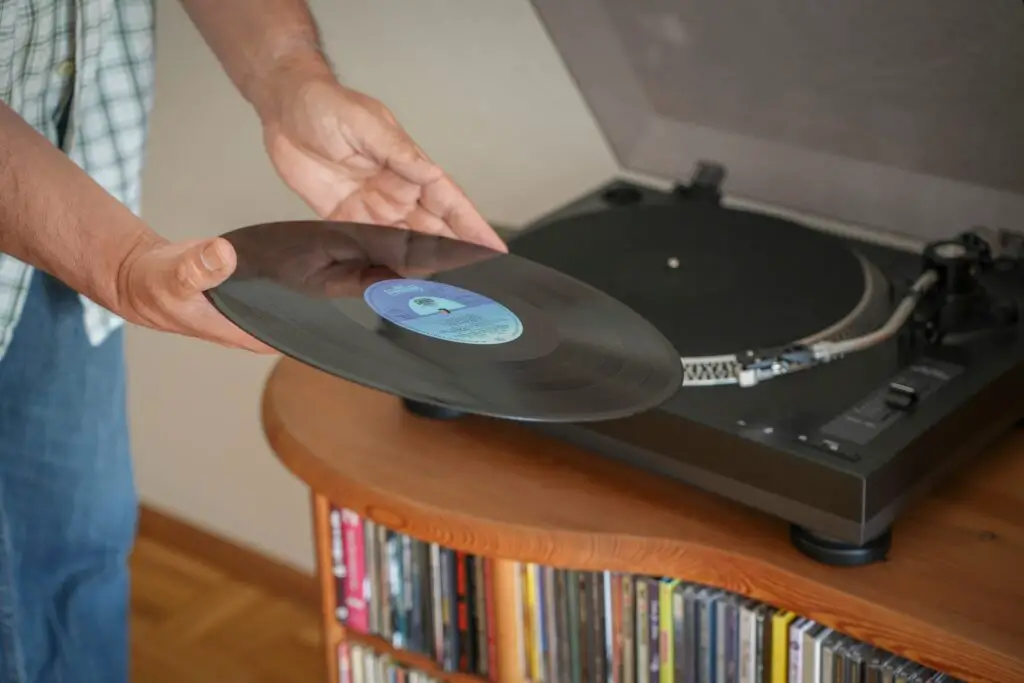
Independent record stores played a major role in shaping music culture. They were places where people discovered new artists, listened to albums, and connected with others who shared their tastes. Staff often had deep knowledge of music and guided customers toward new releases. These stores also supported local musicians by stocking their work.
The transition to digital music and streaming services reduced foot traffic significantly. Many record stores closed during the early 2000s. Some have experienced a modest revival with the return of vinyl, but far fewer remain. Their absence changed how music is discovered and shared.
10. Neighborhood Bakeries

Local bakeries once provided fresh bread and pastries daily, often made on site. The smell alone could define a block, drawing people in early each morning. Many bakeries followed family recipes passed down through generations. Customers returned regularly, creating a sense of familiarity and routine.
Supermarkets and large commercial bakeries gradually took over much of the market. Lower prices and longer shelf life products made it difficult for small bakeries to compete. While some still thrive, many neighborhoods lost theirs. The shift replaced handcrafted goods with standardized alternatives.
11. Corner Newsstands

Before digital media, newsstands were essential for staying informed. They carried newspapers, magazines, and sometimes small snacks or cigarettes. People stopped by daily, often forming quick relationships with the vendor. These stands were especially common in busy urban neighborhoods.
As print circulation declined and online news became dominant, many newsstands disappeared. The economics of selling physical publications no longer supported them. Their absence is tied directly to changes in how people consume information. What was once a daily ritual has largely moved to screens.
12. Local Diner Coffee Shops

Small diner style coffee shops were once gathering places for entire communities. Regulars had their usual seats, and staff often knew orders by heart. These spots were open early and stayed busy throughout the day. They offered simple menus and a sense of familiarity that larger chains rarely replicate.
The expansion of chains like Starbucks changed the landscape. Standardized menus and branding drew customers away from independent diners. Many closed as rents increased and competition intensified. Their loss altered the social fabric of many neighborhoods.
13. Independent Toy Stores
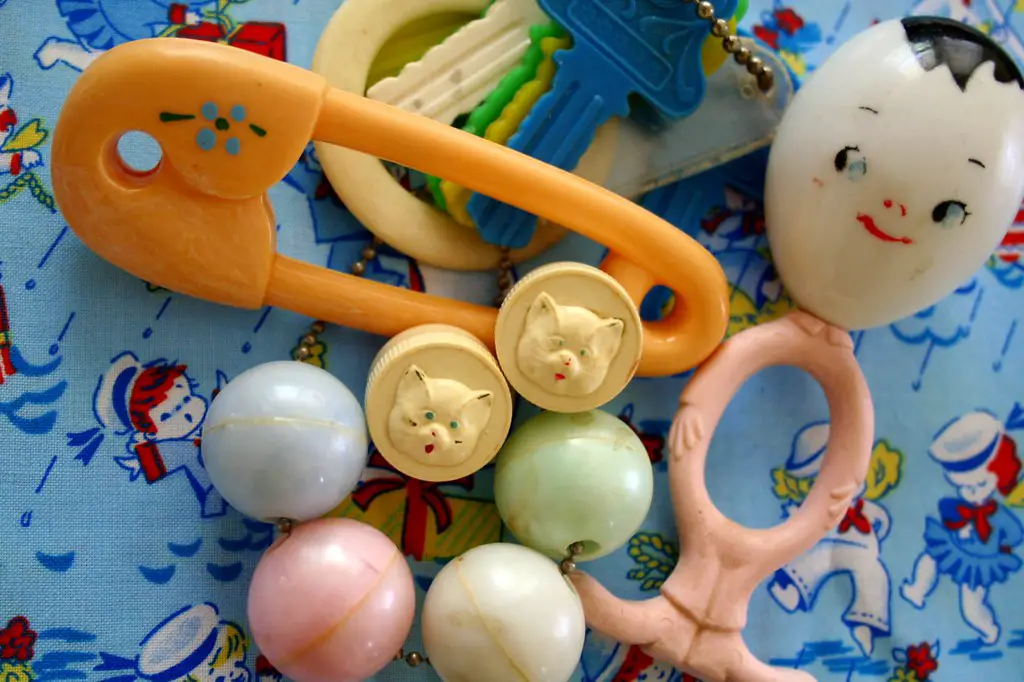
Local toy stores once provided a more personal alternative to large retailers. Staff often demonstrated products and helped parents choose age appropriate gifts. These stores carried unique items that weren’t always found in big chains. For children, visiting the toy store was an event in itself.
The rise of big box retailers and online shopping reduced their market share. Many independent toy stores closed as a result. While some still operate, they are less common than they once were. Their disappearance reflects broader changes in retail and consumer habits.
14. Neighborhood Laundromats with Attendants

While laundromats still exist, those with full time attendants and personalized service have become less common. In the past, attendants often helped customers, offered wash and fold services, and maintained a sense of order. These spaces were social as well as functional, especially in apartment heavy neighborhoods.
As business models shifted and costs rose, many transitioned to unattended operations. The experience became more transactional and less community oriented. This change reflects a broader move toward automation in small businesses. What remains is practical, but less personal.
15. Local Tailor and Alteration Shops
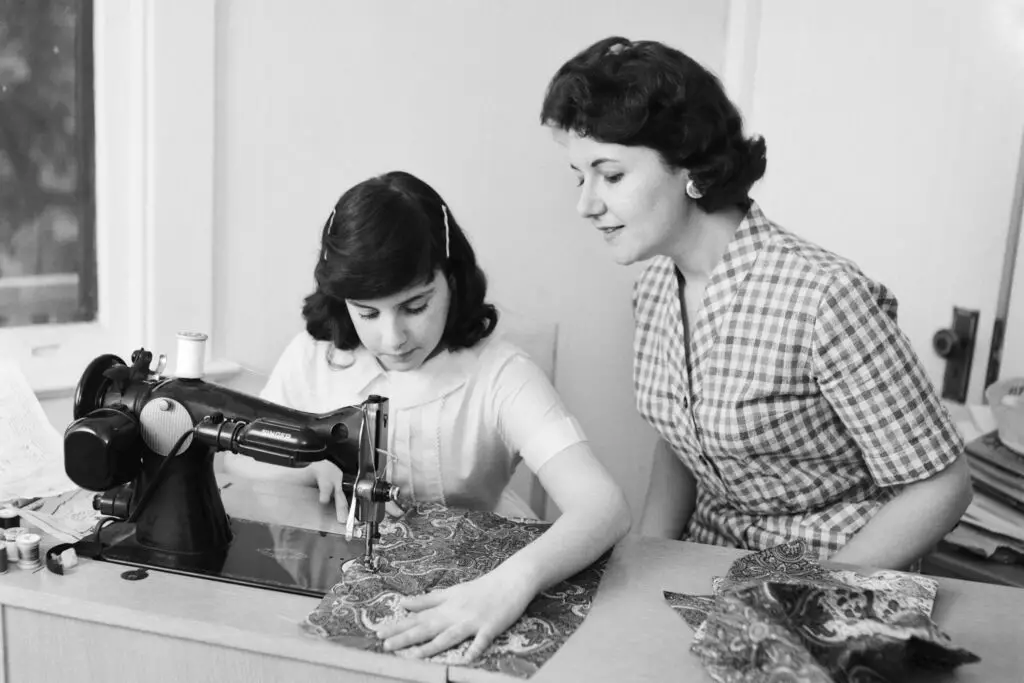
Tailor shops were once essential for maintaining and customizing clothing. People regularly had garments adjusted for fit, extending their lifespan. Tailors developed reputations within their communities and often handled everything from simple hems to complex repairs. These businesses supported a more durable approach to clothing.
Fast fashion and cheaper clothing reduced the need for alterations. Many tailor shops closed as fewer people chose to repair garments. Those that remain often serve specialized markets like formalwear. The everyday neighborhood tailor is no longer as common as it once was.