
1. Michigan Theater (Detroit)
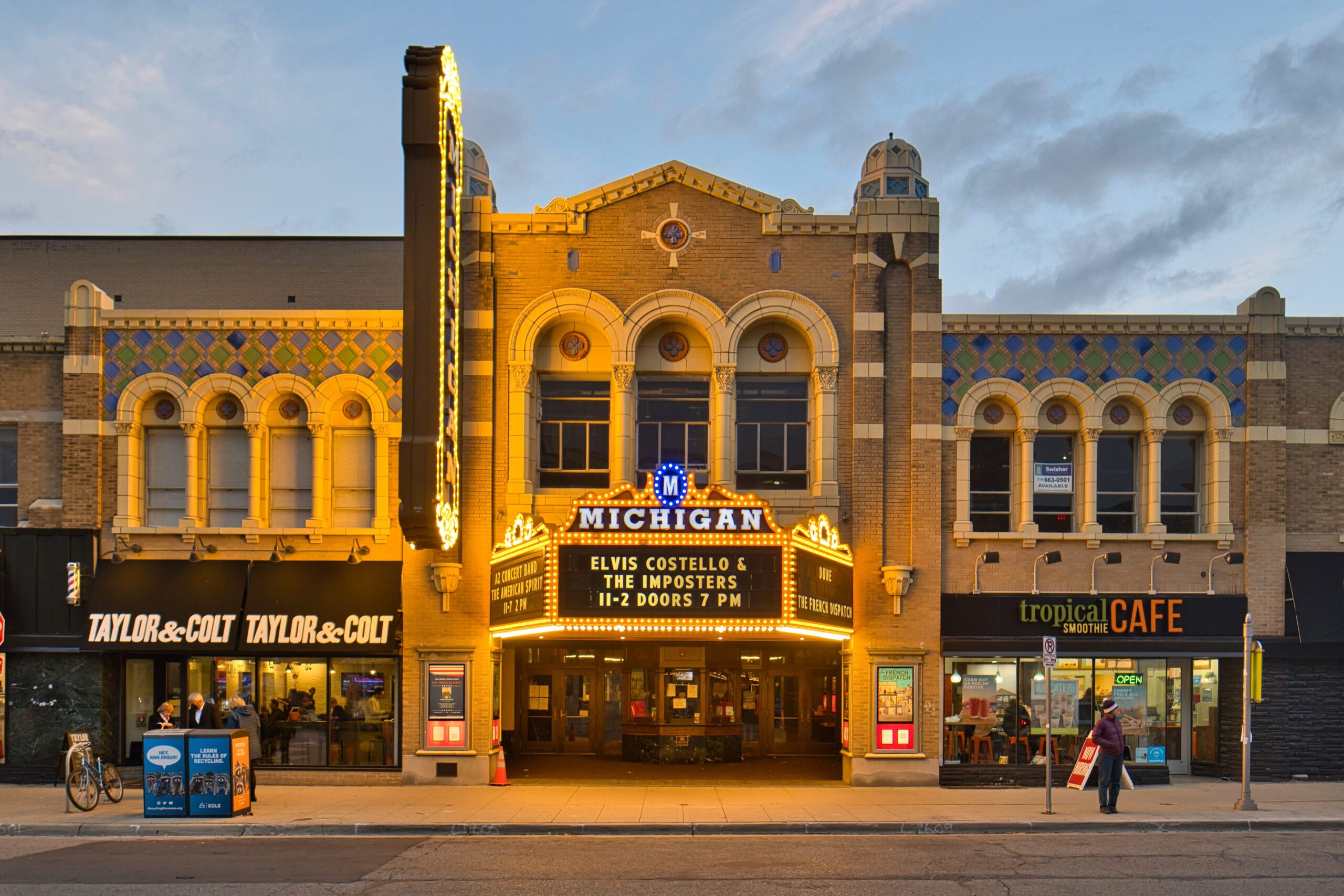
When the Michigan Theater opened in 1926, it was one of the most lavish movie palaces in the country, complete with ornate interiors and a massive seating capacity. Located in downtown Detroit, it regularly drew large crowds during the golden age of cinema. It even hosted live performances alongside film screenings, which helped keep it busy night after night. For decades, it was a centerpiece of the city’s entertainment scene.
By the 1960s and early 1970s, attendance had dropped as suburban theaters and television changed viewing habits. The theater closed in 1976 and was later partially demolished. What remains of the structure was converted into a parking garage, though parts of the original decor are still visible. It is one of the more unusual examples of adaptive reuse in the country. Walking through it today, you can still see hints of the grandeur that once filled the space.
2. Six Flags New Orleans (Jazzland)
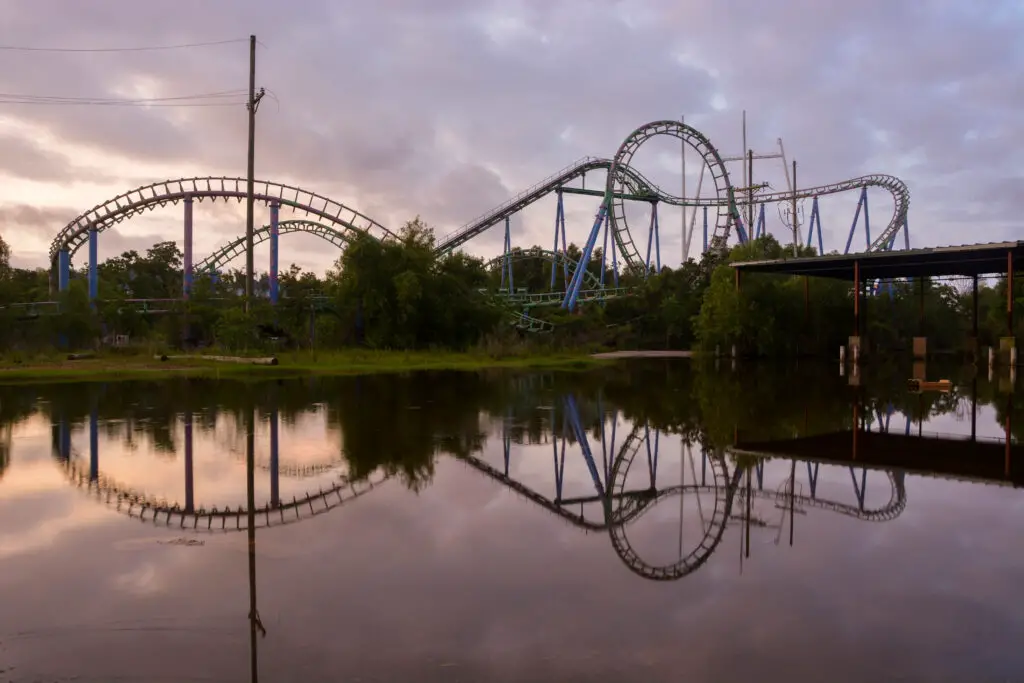
Originally opened as Jazzland in 2000, this New Orleans amusement park quickly became a regional draw. It featured roller coasters, themed areas, and live entertainment that attracted steady crowds, especially during peak seasons. After Hurricane Katrina struck in 2005, the park was severely flooded and damaged.
Although there were initial plans to reopen it, those efforts never materialized. The park has remained abandoned ever since, with rides and structures left to deteriorate in place. It has since been used as a filming location for movies and television shows. The site has become a symbol of the storm’s long-term impact on the city. Despite ongoing proposals, redevelopment has yet to fully take shape.
3. The Cocoanut Grove (Ambassador Hotel, Los Angeles)
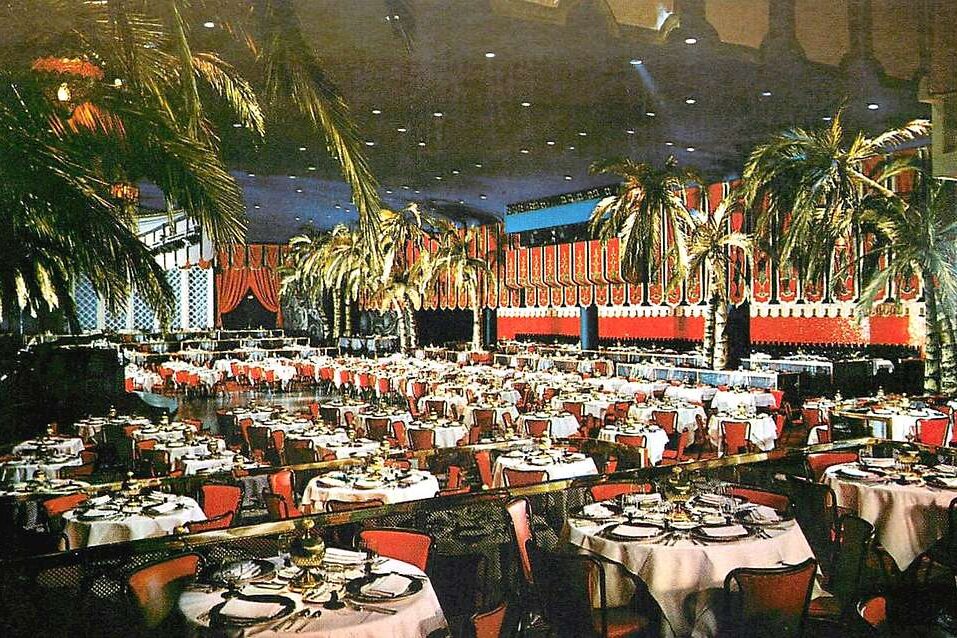
The Cocoanut Grove nightclub inside the Ambassador Hotel opened in 1921 and quickly became one of Hollywood’s most glamorous venues. It hosted major stars and big band performances, drawing packed crowds throughout the 1930s and 1940s. Figures like Frank Sinatra and Judy Garland performed there during its peak years. It was known for its tropical decor and high-profile clientele.
The venue’s popularity declined in the postwar years as entertainment trends shifted. The Ambassador Hotel eventually closed in 1989 after decades of reduced use. The building was later demolished in the early 2000s to make way for a school campus. Today, only historical records and photographs document what was once a defining nightlife destination. Its legacy remains tied to Hollywood’s golden era.
4. The Apollo Theater (Gary, Indiana)
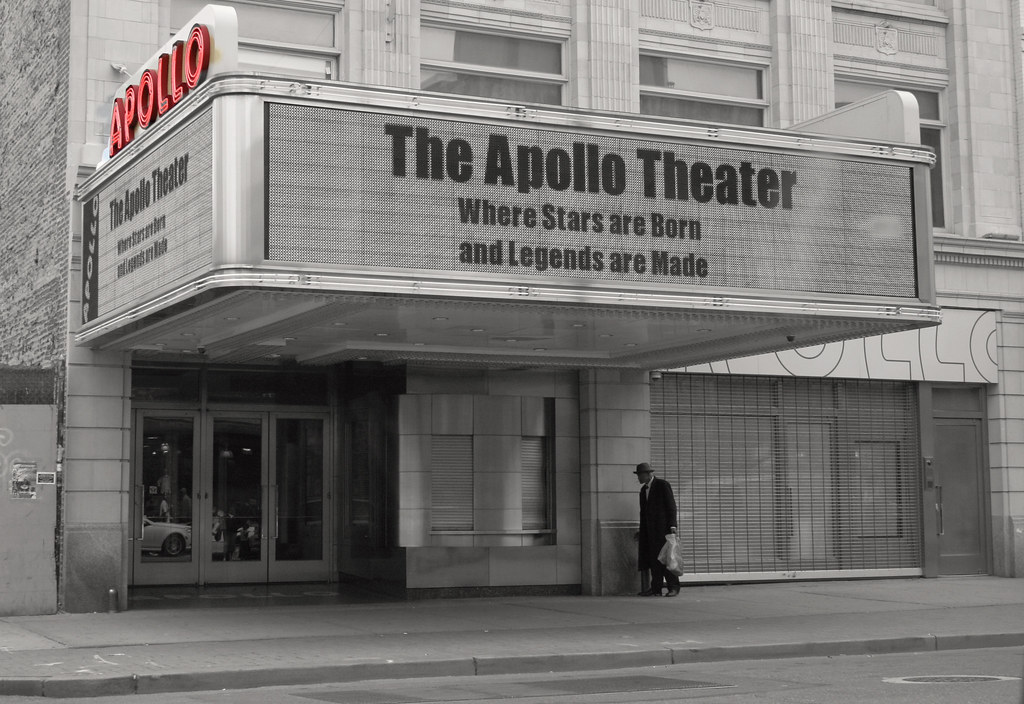
Not to be confused with the famous New York venue, the Apollo Theater in Gary opened in the 1920s as a movie palace and live performance space. It served as a key entertainment hub for the local community, often filling seats with moviegoers and concert audiences. During its busiest decades, it was one of the most prominent venues in the region.
By the late 20th century, economic decline in Gary led to reduced attendance. The theater closed and fell into disrepair, eventually becoming abandoned. Efforts to restore it have been discussed over the years, but progress has been limited. The structure still stands, though in a deteriorated condition. It reflects broader changes in the city’s economic and cultural landscape.
5. Pripyat Amusement Park (Ukraine)
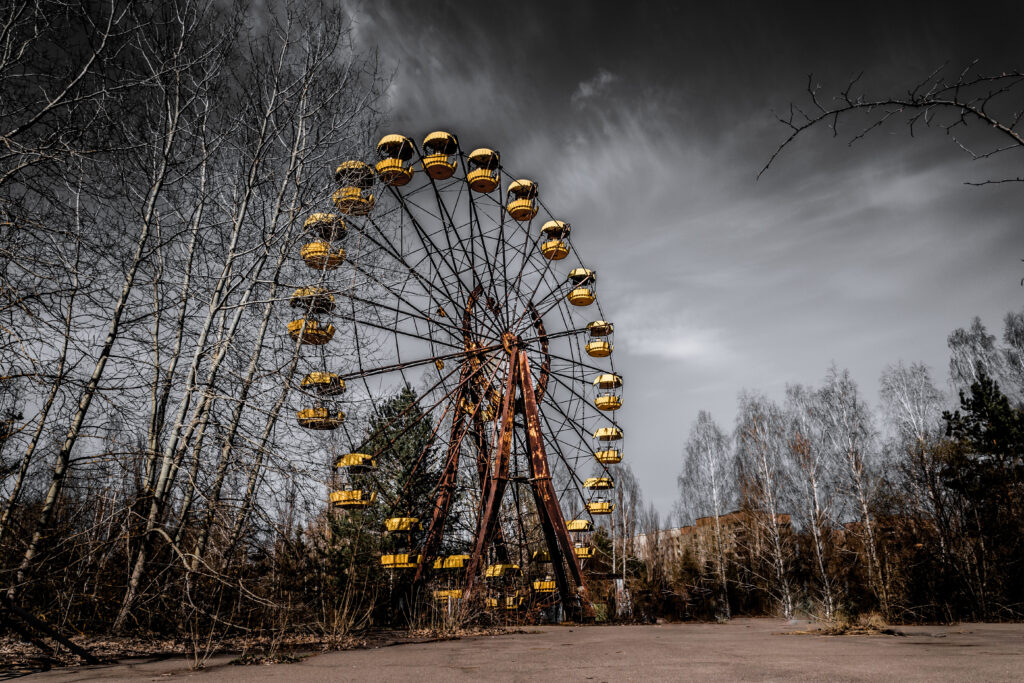
The Pripyat Amusement Park was scheduled to officially open in May 1986, timed with May Day celebrations. It featured a Ferris wheel and other attractions intended to entertain workers and families in the city. Although it had not yet fully opened, it briefly operated after the Chernobyl disaster as a way to distract residents.
Within days, the entire city of Pripyat was evacuated due to radiation exposure. The park was left behind almost immediately, frozen in time. Its rusting Ferris wheel has since become one of the most recognizable images associated with the disaster. The site remains abandoned and is part of the restricted Chernobyl Exclusion Zone. It stands as a stark reminder of how quickly normal life can be disrupted.
6. Glen Echo Amusement Park (Maryland)
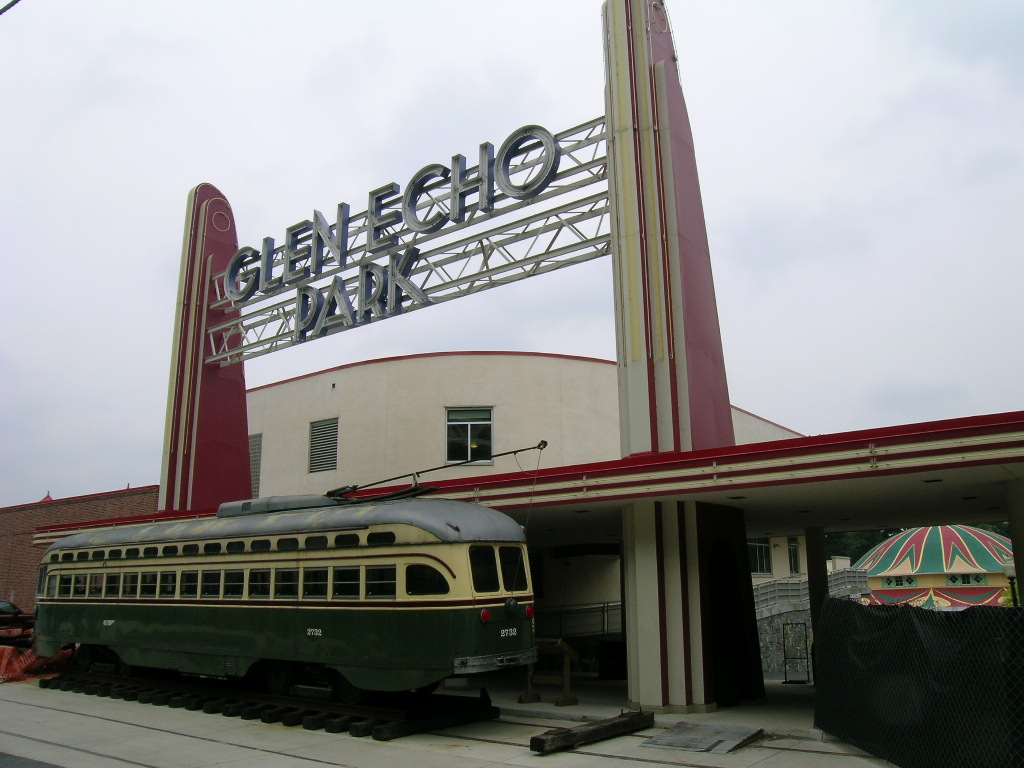
Glen Echo Park opened in 1891 and grew into a popular amusement destination near Washington, D.C. It featured roller coasters, a carousel, and a large dance pavilion that hosted frequent events. For decades, it drew steady crowds, especially during the early to mid-20th century. It was known for its lively atmosphere and accessible location.
The park faced controversy in the 1960s over segregation policies, which led to protests and declining attendance. It closed as a traditional amusement park in 1968. While parts of the site were later preserved and repurposed for arts and cultural programs, the amusement rides themselves disappeared. The historic Spanish Ballroom still stands and is used for events. The park’s history reflects both entertainment trends and social change.
7. The Roxy Theatre (New York City)
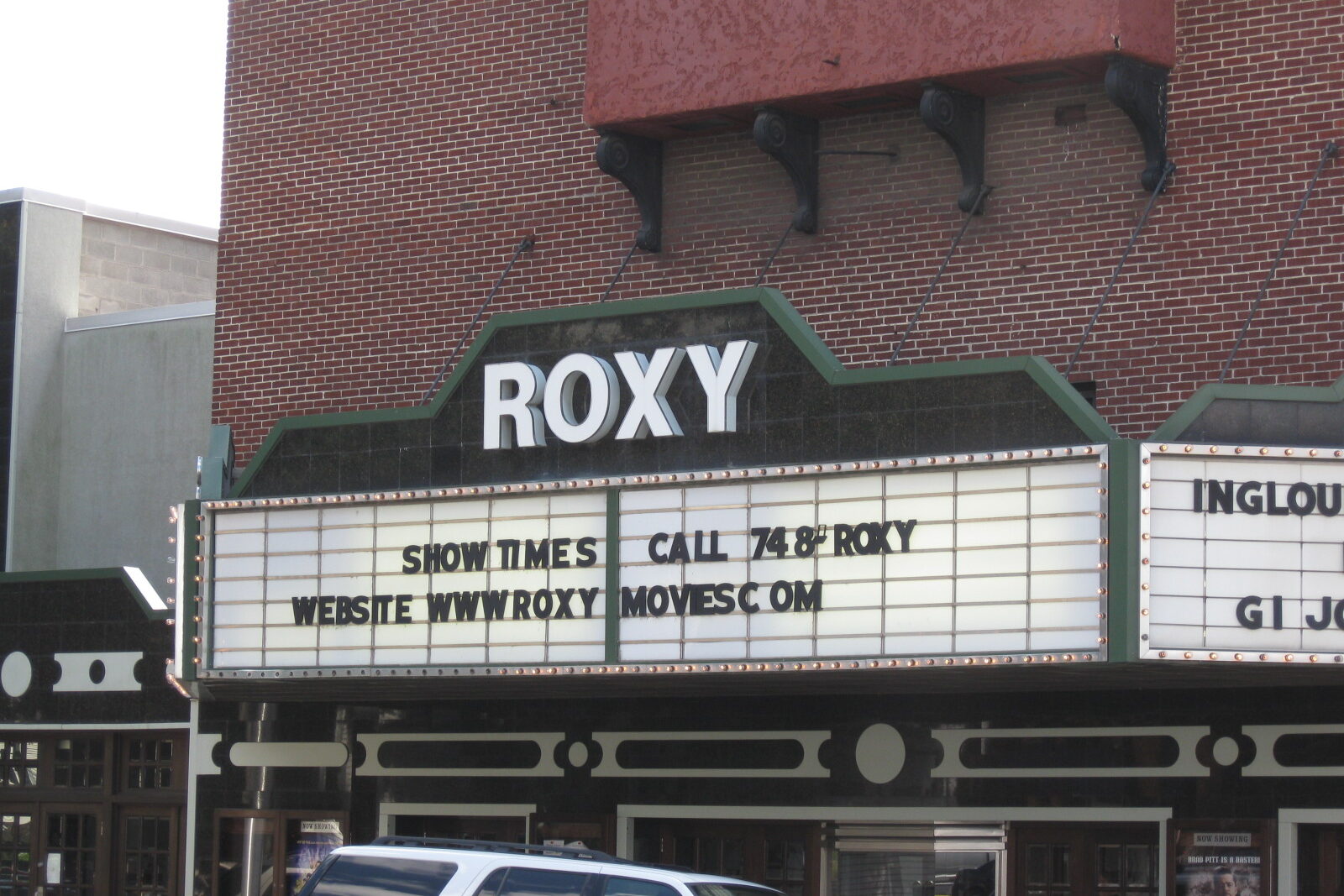
The Roxy Theatre opened in 1927 and was once one of the largest movie palaces in the world, with over 5,000 seats. It featured elaborate stage shows alongside films, making it a major draw in New York City. Crowds regularly filled the theater during its peak years. It was considered a flagship venue of the era.
As television and smaller theaters became more common, attendance dropped. The Roxy closed in 1960 and was demolished shortly after. The site was redeveloped, and no physical trace of the theater remains. Its reputation, however, endures in discussions of classic movie palaces. It is often cited as one of the most significant theaters lost to redevelopment.
8. Joyland Amusement Park (Kansas)
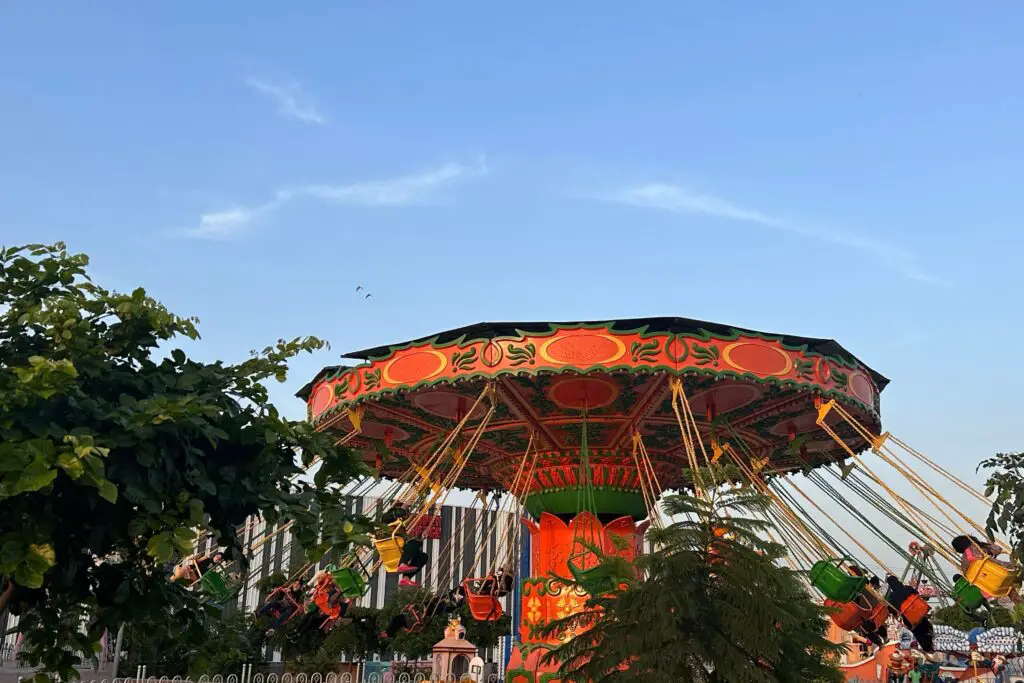
Joyland Amusement Park in Wichita, Kansas, opened in 1949 and remained a local favorite for decades. It featured rides, games, and attractions that drew families throughout the region. At its peak, it saw strong attendance during summer seasons. It became a longstanding part of the community’s entertainment options.
The park closed in 2006 after declining revenues and maintenance challenges. Attempts to reopen or sell the property were unsuccessful. Over time, the rides and structures were vandalized and deteriorated. The site has since been largely demolished. It remains a frequently cited example of a once-thriving regional park that could not sustain operations.
9. Chippewa Lake Park (Ohio)
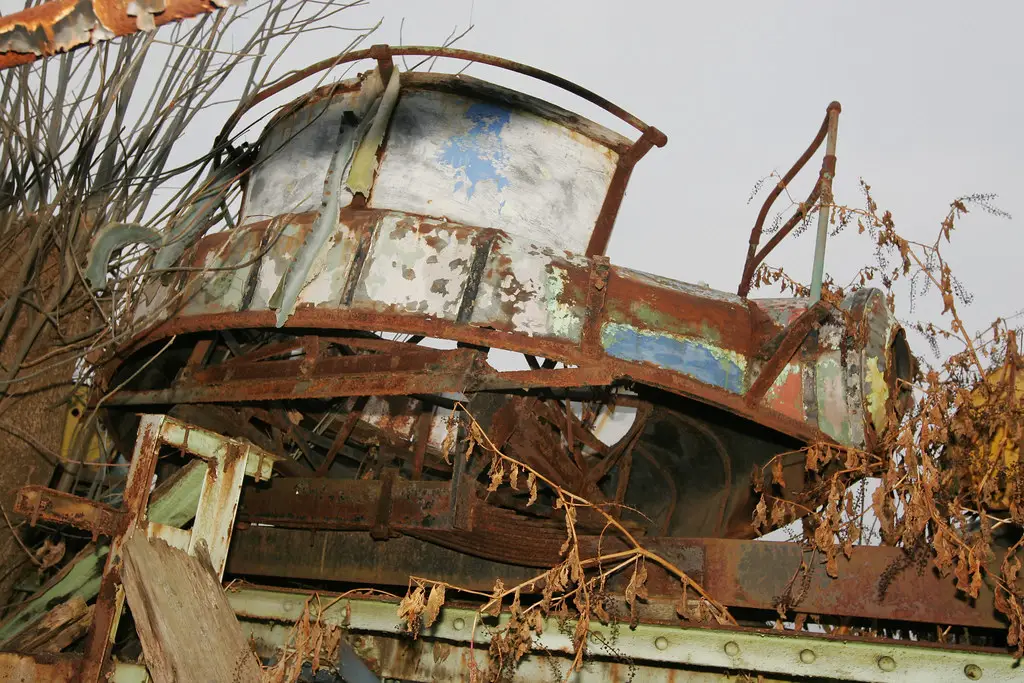
Chippewa Lake Park opened in 1878 and operated for over a century, making it one of the longest-running amusement parks in the United States. It featured a mix of rides, a beach, and live entertainment that attracted large crowds. Generations of families visited the park during its long history. It was known for its scenic lakeside setting.
The park closed abruptly in 1978 without advance notice, leaving many rides intact. For years, the site remained abandoned, with structures slowly deteriorating. In recent years, much of the park has been cleared, though some remnants remain. The closure marked the end of a major local attraction. Its sudden shutdown has made it a point of historical interest.
10. The Fox Theater (Detroit, Michigan)
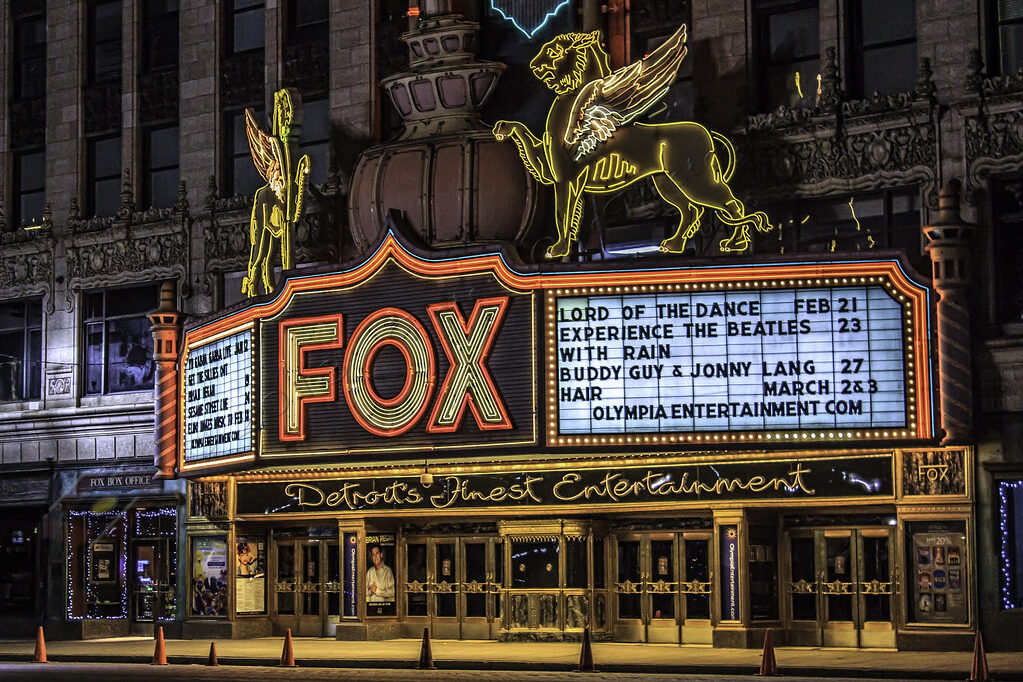
The Fox Theatre in Detroit opened in 1928 and was one of the largest and most ornate theaters in the United States. It hosted films, stage shows, and concerts that regularly drew large audiences. During its early decades, it was consistently busy and considered a premier venue.
By the 1970s, the theater faced declining attendance and financial challenges. It narrowly avoided permanent closure and was saved through restoration efforts in the late 1980s. Today, it operates as a major performance venue. While it is not abandoned, its near-loss reflects how many similar theaters disappeared. It stands as a rare survival rather than an abandoned site.
11. Rocky Point Amusement Park (Rhode Island)
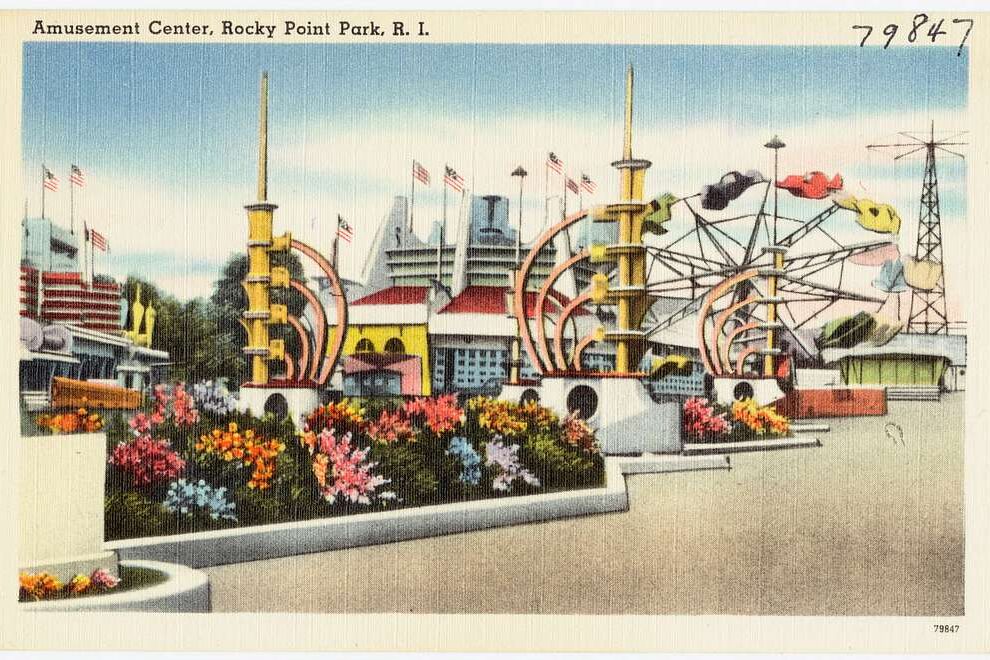
Rocky Point Park opened in the 1840s and evolved into a major amusement park by the 20th century. It featured rides, a famous Shore Dinner Hall, and waterfront attractions that drew large crowds. For decades, it was one of New England’s most popular destinations.
The park closed in 1995 after financial difficulties. Much of the site was left abandoned for years, with structures gradually removed. The land has since been redeveloped into a public park. Only a few remnants hint at its past as an entertainment hub. Its long history makes it a significant part of regional memory.
12. Astroland (Coney Island, New York)
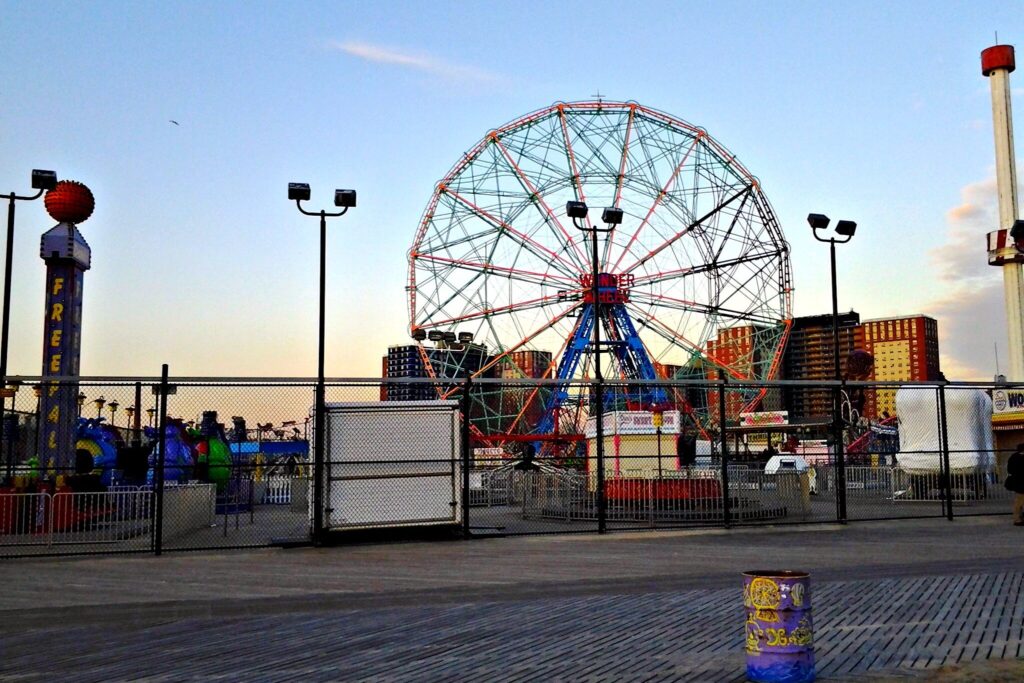
Astroland opened in 1962 in Coney Island and became a defining amusement park of the area. It featured iconic rides like the Cyclone roller coaster nearby and drew heavy summer crowds. It was a staple of New York City’s entertainment scene for decades.
The park closed in 2008 as part of redevelopment plans for Coney Island. It was replaced by newer attractions, including Luna Park. While the area remains active, Astroland itself no longer exists. Its closure marked the end of a specific era of Coney Island history. Many visitors still associate it with classic seaside amusement culture.
13. The Summit Beach Park (Akron, Ohio)

Summit Beach Park opened in the early 20th century and served as a major amusement destination in Akron. It featured rides, swimming areas, and picnic spaces that attracted large crowds. For many years, it was a central gathering place for local families.
The park closed in the late 1950s as newer entertainment options emerged. The site was eventually redeveloped, and little remains of the original park. Its disappearance reflects broader shifts in leisure habits during that period. It is now largely remembered through historical accounts. At its peak, it was a consistent draw.
14. The Moulin Rouge Hotel Casino (Las Vegas)
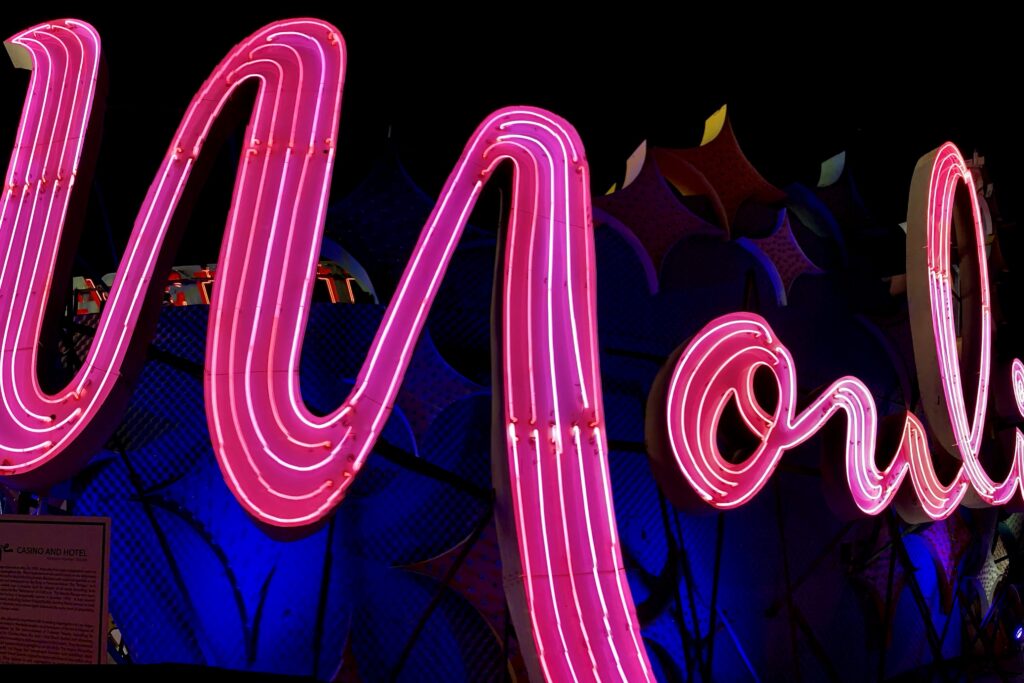
The Moulin Rouge opened in 1955 and was notable as the first racially integrated casino in Las Vegas. It featured live entertainment and drew large crowds during its brief operation. Performers and guests from different backgrounds gathered there, which was uncommon at the time.
Despite its early popularity, the casino closed later that same year due to financial issues. The building reopened briefly in later decades but never regained its original success. It was eventually left abandoned and suffered multiple fires. The structure was demolished in 2010. Its legacy remains tied to both entertainment history and civil rights progress.