
1. A Hidden Room Filled with Prohibition-Era Whiskey

In 2020, workers renovating a home in Ames, New York uncovered something that felt straight out of a crime drama. Behind a wall, they found a hidden compartment stacked with dozens of bottles of whiskey dating back to the Prohibition era. The homeowner, Nick Drummond, realized the stash likely came from bootleggers who used the house decades earlier. Some of the bottles were still sealed and remarkably well preserved.
What made it even more striking was how deliberately the space had been concealed, suggesting it was used for long-term storage rather than a quick hiding spot. Prohibition in the United States lasted from 1920 to 1933, which lines up with the estimated age of the bottles. Finds like this are rare but not unheard of in older homes from that period. In this case, the discovery even drew interest from collectors. It turned a routine renovation into a genuine historical moment.
2. A 19th-Century Shoe Collection
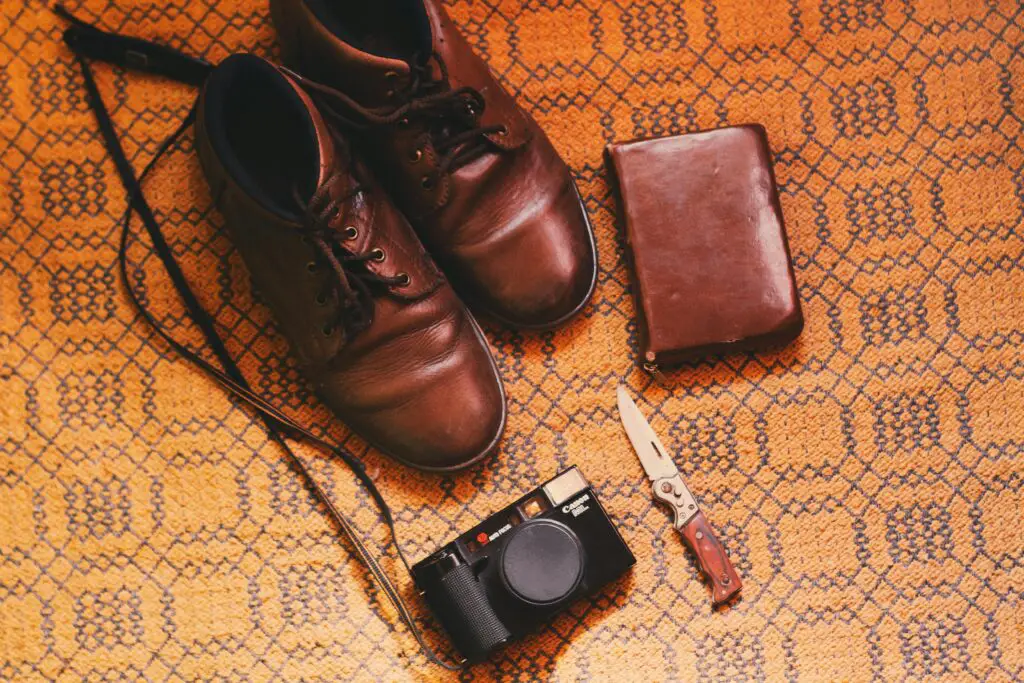
In several historic homes across the U.S. and the U.K., workers have uncovered single shoes or entire collections hidden inside walls. One well-documented example comes from Northampton, England, where dozens of old shoes were found concealed in a building during renovation. Many dated back to the 1800s. The shoes were often worn and clearly not meant for reuse.
Historians believe these were placed intentionally as protective charms, a folk practice meant to ward off evil spirits. The tradition of hiding shoes in walls goes back centuries in Europe. It was especially common near chimneys, doorways, or attics. While it sounds strange today, it reflects real beliefs people held at the time. These finds are now studied as part of social and cultural history.
3. A Message in a Bottle from 1887

During a renovation in Edinburgh, Scotland, workers removing floorboards discovered a glass bottle hidden beneath them. Inside was a handwritten note dated 1887, signed by the tradesmen who originally worked on the building. The message listed their names and even mentioned the day they completed the job. It had been sealed and left behind intentionally.
The paper was still legible more than a century later, which surprised the people who found it. Time capsules like this were sometimes left by builders as a way to mark their work. It was a quiet way of saying, “We were here.” The discovery connected two completely different generations of workers. It also provided a rare, personal glimpse into everyday labor history.
4. A Live WWII-Era Grenade

In 2016, contractors renovating a home in Plymouth, England found something far more dangerous than expected. Hidden inside a wall was a live hand grenade dating back to World War II. Authorities were immediately called, and the area had to be evacuated. Bomb disposal experts safely removed the device.
It is not entirely clear how the grenade ended up there, but wartime souvenirs and leftover munitions were sometimes kept by civilians. The U.K. was heavily bombed during the war, which increases the likelihood of unexploded ordnance being found even today. Discoveries like this are treated very seriously for obvious safety reasons. It turned what should have been a normal workday into an emergency situation. Fortunately, no one was injured.
5. A Cache of Silent Film Reels
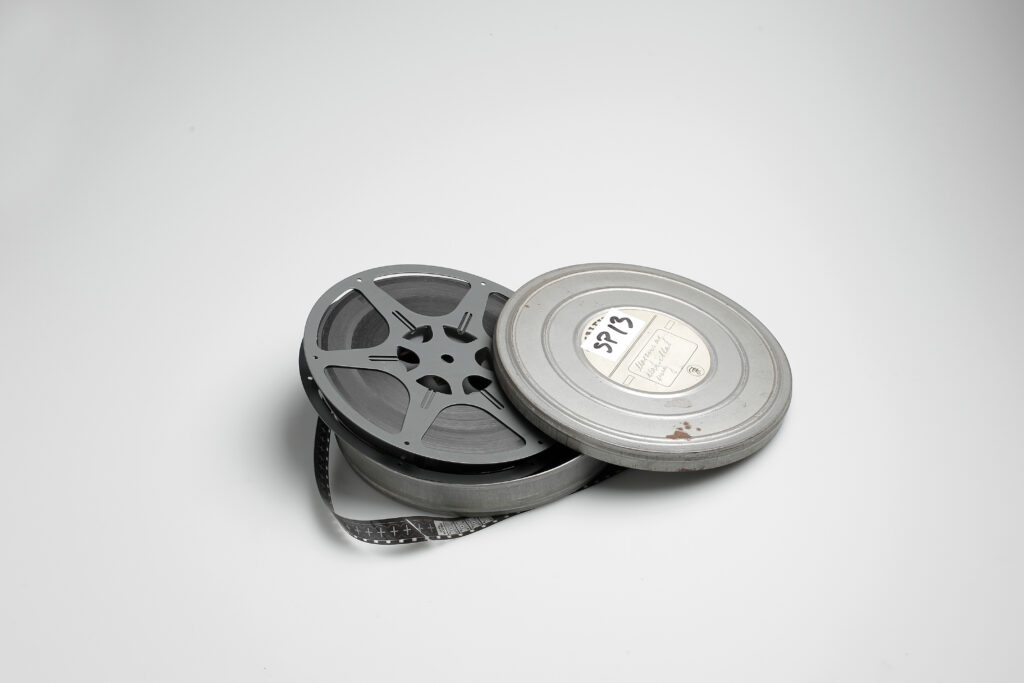
In 1978, construction workers in Dawson City, Yukon made one of the most significant film discoveries ever. While clearing a site that had once been a swimming pool, they uncovered hundreds of silent film reels buried underground. The films dated from the early 1900s and had been preserved in permafrost conditions. Many were thought to be lost forever.
The reels were transferred to archives and restored where possible, revealing long-lost footage from the silent film era. Dawson City had once been the end of the distribution line for films, and prints were often discarded there. Instead of being destroyed, they were buried. The cold environment helped preserve them for decades. Today, this discovery is considered a major contribution to film history.
6. A Colony of Live Snakes

In 2009, a homeowner in Idaho renovating a cabin uncovered a surprising and unsettling situation. Behind a wall, workers found a large colony of garter snakes that had been living there undisturbed. The snakes had likely entered through small gaps and made the enclosed space their habitat. Over time, their numbers grew significantly.
Wildlife experts were brought in to safely remove the snakes. While garter snakes are generally harmless, the sheer number made the discovery alarming. Situations like this can happen when animals find warm, protected areas inside walls. It is more common in rural or wooded areas. The incident served as a reminder that homes can sometimes double as unintended shelters for wildlife.
7. A Medieval Skeleton
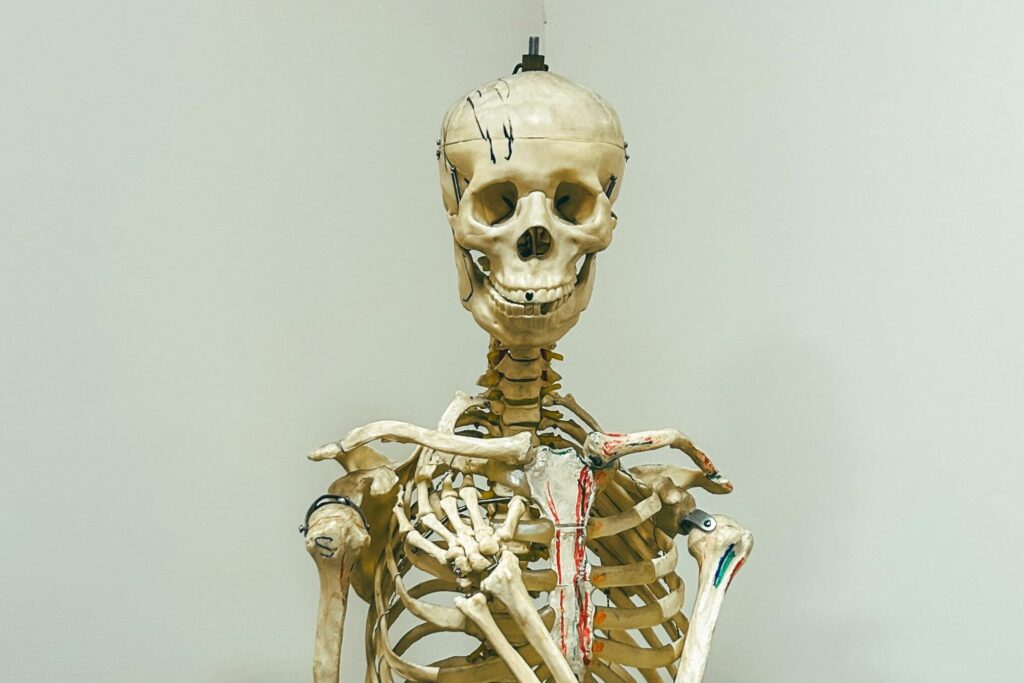
During renovations of a shop in Edinburgh’s Old Town in 2019, workers uncovered human remains behind a wall. Archaeologists were called in and confirmed the skeleton likely dated back several centuries, possibly to the medieval period. The remains were carefully examined and documented.
Edinburgh’s Old Town is built on layers of history, so discoveries like this, while surprising, are not unprecedented. The skeleton may have been part of an older structure that was built over time. It is also possible it was related to burial practices that predated modern regulations. The find added another piece to the city’s complex historical record. It also required respectful handling and investigation.
8. A Fully Stocked 1970s Time Capsule
In 2015, homeowners in Arizona opened up a wall and discovered a sealed space filled with items from the 1970s. Inside were newspapers, food packaging, and everyday household objects. The items appeared to have been intentionally stored as a time capsule. Many were still in good condition.
The newspapers helped date the stash precisely, offering a snapshot of that moment in time. Time capsules like this are often created during construction or renovation. They are meant to be rediscovered later, though not always by the original owners. The find gave a detailed look at daily life during the decade. It turned an ordinary wall into a preserved slice of history.
9. A Stack of Vintage Love Letters
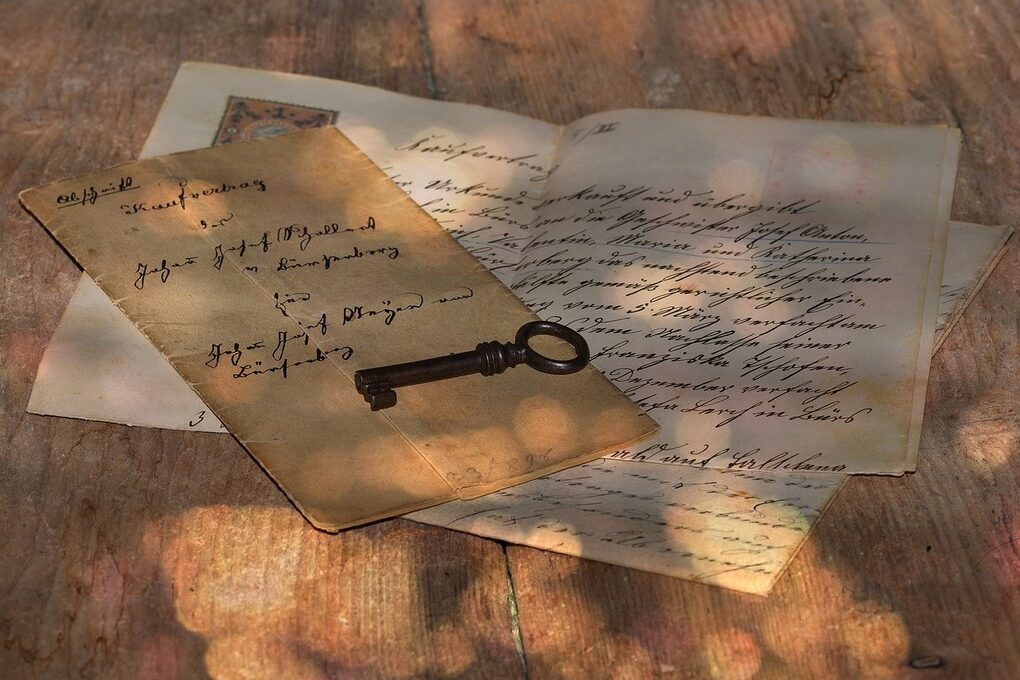
In a Massachusetts home undergoing renovation, workers discovered a bundle of old letters hidden inside a wall. The letters dated back to World War II and were written between a couple separated by the conflict. They had been carefully tied together and tucked away. The handwriting and tone made them deeply personal.
The letters offered insight into the emotional reality of wartime relationships. Many included references to rationing, military service, and hopes for the future. It is unclear why they were hidden, but they were clearly preserved intentionally. Finds like this are valued not just historically, but emotionally. They provide a direct, human connection to the past.
10. A Safe Filled with Cash and Bonds

In 2016, contractors renovating a home in Staten Island, New York uncovered a hidden safe behind a wall. Inside, they found stacks of cash and government bonds totaling over $50,000. The safe had likely been hidden decades earlier. The homeowners contacted the previous owners to determine rightful ownership.
Ultimately, the money was returned to the family it originally belonged to. The discovery highlighted how common it once was to store valuables inside homes rather than banks. Hidden safes were a practical solution for security. Over time, though, they were sometimes forgotten. It turned into a rare case where a surprising find had a clear and ethical resolution.
11. A Secret Speakeasy Bar

During renovations of a building in New York City, workers uncovered a concealed room complete with a small bar setup. The space appeared to date back to the Prohibition era. It had been hidden behind a wall and showed signs of having been used as a speakeasy. There were remnants of bottles and bar fixtures.
Speakeasies operated illegally during Prohibition, so secrecy was essential. Hidden rooms like this were designed to avoid detection by authorities. The discovery aligns with what is known about underground bars in cities at the time. While not common, similar finds have been reported in older urban buildings. It provides a tangible link to that period of American history.
12. A Newspaper Insulation Layer from the 1920s

In many older homes, especially in the U.S., workers have discovered walls insulated with old newspapers. One documented case in Kansas revealed newspapers from the 1920s used as filler material. The papers were layered between studs to provide basic insulation. Many were still readable.
This practice was not unusual before modern insulation materials became standard. Newspapers were inexpensive and readily available. They also provide a surprisingly detailed look at daily life, including ads, headlines, and local events. Renovators often take time to preserve especially intact pages. It turns a practical building choice into an unexpected historical archive.
13. A Hidden Painting Worth Thousands

In 2013, a family in Italy renovating their home discovered a painting hidden behind a wall. The artwork was later attributed to a known 17th-century artist and valued at a significant amount. It had likely been concealed during a time of conflict or theft risk. The family had no idea it was there.
Art has historically been hidden to protect it from war, looting, or political upheaval. In Europe especially, this was a common practice during various conflicts. Discoveries like this are rare but well documented. The painting required authentication and expert evaluation before its value was confirmed. What started as a renovation ended up uncovering a serious piece of art history.