
1. Jell-O 1-2-3
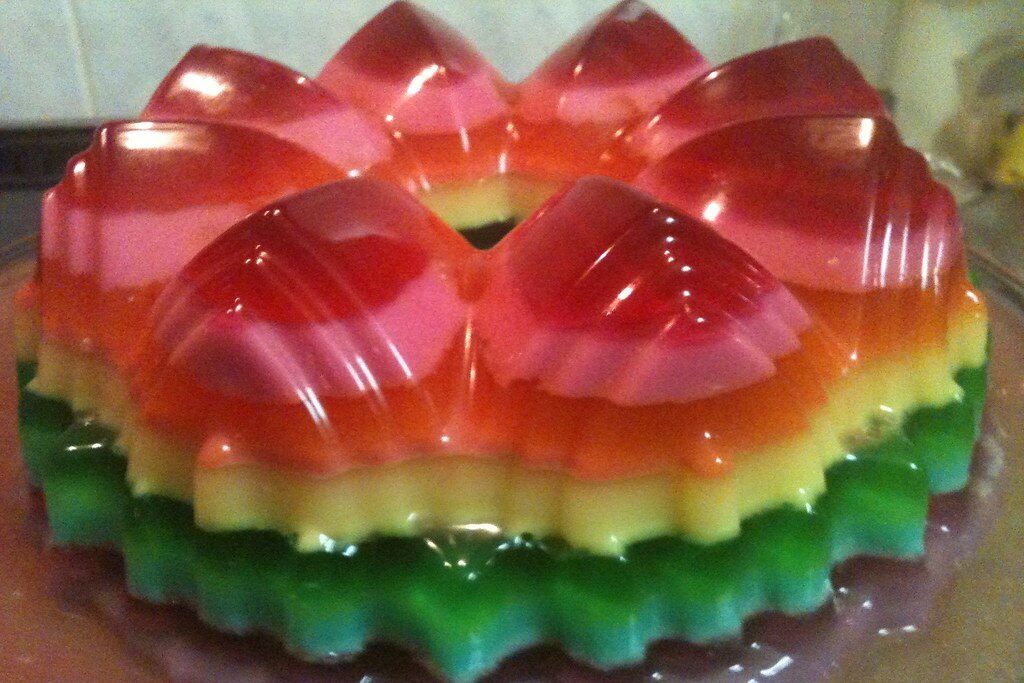
If you grew up in the ’60s or ’70s, Jell-O 1-2-3 probably felt like kitchen magic. It was a boxed dessert mix that separated into three distinct layers as it chilled, a creamy mousse top, a custard-like middle, and classic gelatin on the bottom. General Foods introduced it in 1969, and it quickly became a go-to for easy entertaining. You didn’t need any special skills to make something that looked impressive. Kids loved watching the layers form almost like a science experiment.
It disappeared from store shelves in the mid-1990s, which still surprises people who remember how popular it was. There was a brief attempt to bring it back in the 2000s, but it never regained a permanent spot. Today, if you want it, you have to recreate it from scratch with separate mixes. That extra effort takes away some of the original appeal. For a lot of people, the memory is better than any modern version could be.
2. Carnation Breakfast Bars
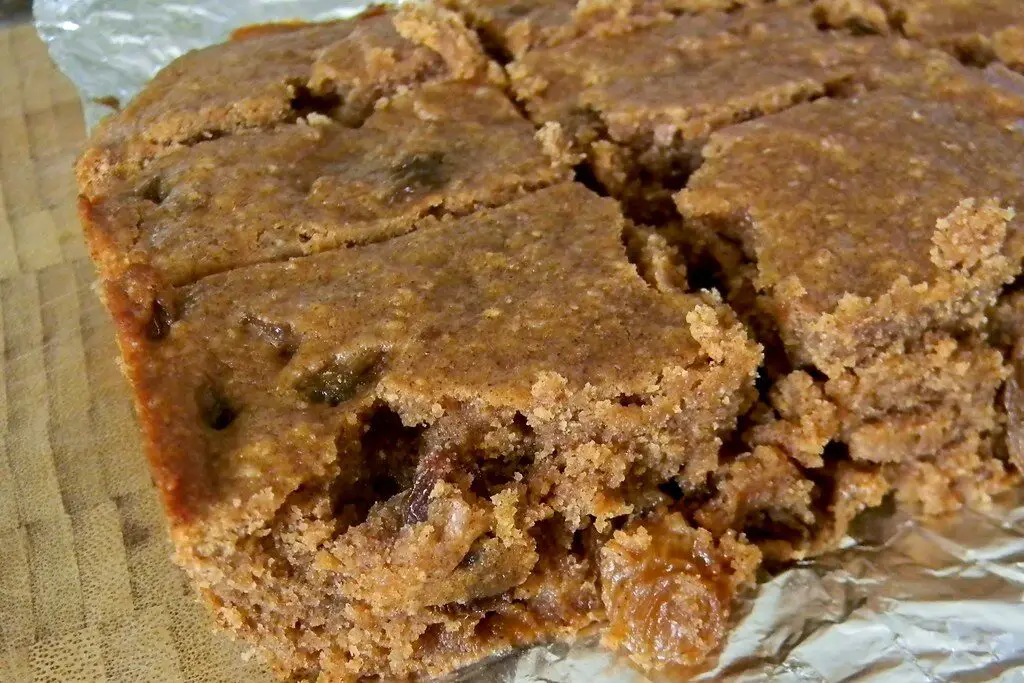
Before protein bars became a whole category, Carnation Breakfast Bars filled that role in a much simpler way. They were marketed as a quick, on-the-go breakfast option and were often paired with Carnation Instant Breakfast drinks. The bars had a soft, slightly crumbly texture and came in flavors like chocolate chip and peanut butter. They weren’t positioned as health food the way modern bars are, but they were convenient.
They were discontinued in the late 1990s, and there hasn’t been a true replacement that feels the same. People still look for them because they were tied to busy school mornings and early workdays. Some newer breakfast bars try to copy the idea, but the taste and texture are different. Nestlé, which owns the Carnation brand, has not brought them back. That absence has turned them into a frequent topic in nostalgia forums.
3. PB Max
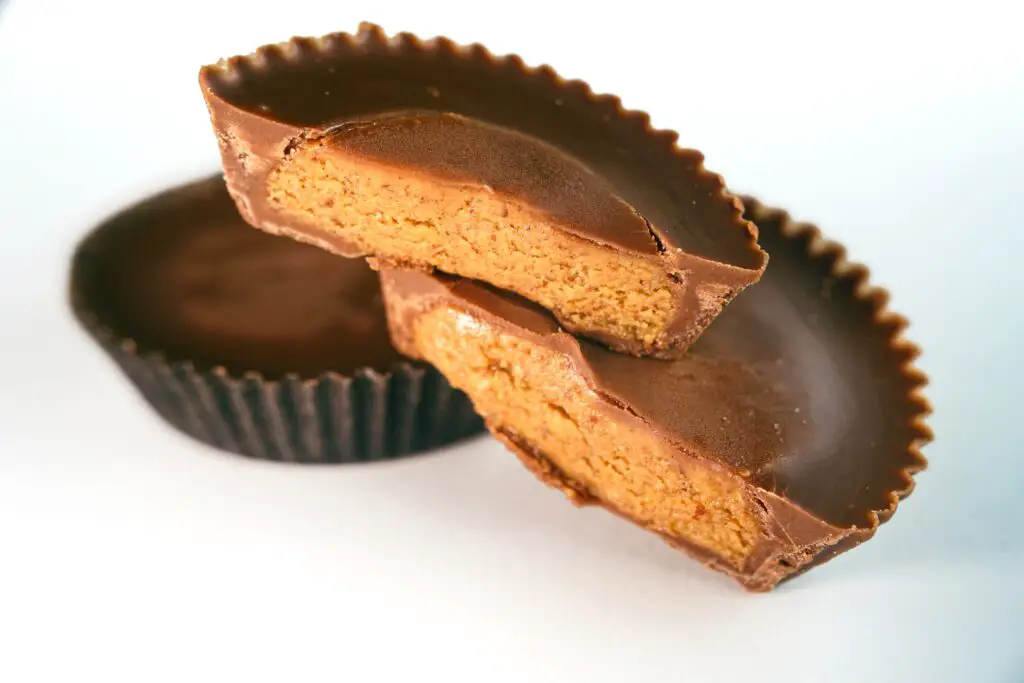
PB Max was a candy bar that leaned heavily into peanut butter, oats, and milk chocolate. Mars introduced it in 1989, and it quickly developed a loyal following. The combination of textures made it stand out compared to smoother candy bars. It felt a little more substantial, almost like a snack and dessert in one. Fans still remember the crunchy oat layer in particular.
Despite its popularity, PB Max was discontinued in 1994. Reports at the time suggested the Mars family simply did not favor peanut butter products, which limited its future. It has never been officially revived. You can find copycat recipes, but nothing identical has returned to grocery shelves. Its short lifespan only added to its reputation.
4. Keebler Magic Middles
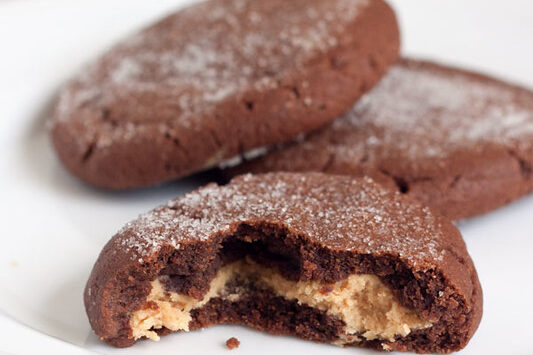
Keebler Magic Middles looked like simple shortbread cookies on the outside, but they had a soft chocolate or peanut butter filling hidden inside. Introduced in the late ’80s, they quickly became a favorite lunchbox treat. The contrast between the crumbly cookie and the smooth center made them stand out. They were one of those snacks that felt a little more special than everyday cookies.
They were discontinued in the early 2000s, and fans have been asking for their return ever since. Keebler has brought back other nostalgic products, but Magic Middles have not made a comeback. Some similar filled cookies exist today, but they do not replicate the same texture. The original version had a distinct balance that is hard to match. For many, nothing else quite fills that gap.
5. Hi-C Ecto Cooler (Original Run)
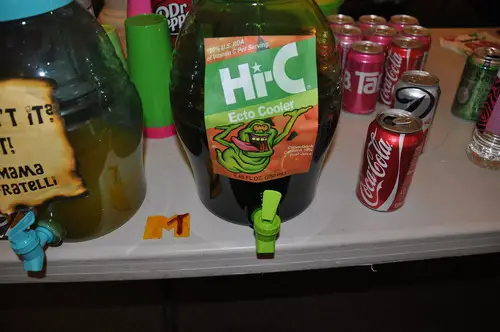
Hi-C Ecto Cooler is closely tied to the Ghostbusters franchise, especially its original release in 1987. The drink itself was a citrus-flavored juice box, but the bright green color and Slimer branding made it memorable. It became a staple in lunchboxes throughout the late ’80s and early ’90s. Even after the movie tie-in faded, the drink stayed popular for years.
It was discontinued in 2001, which caught many fans off guard. It briefly returned in 2016 as a limited promotion for the Ghostbusters reboot, but then disappeared again. That short revival only reinforced how much people missed it. Today, it is not part of the regular Hi-C lineup. Its identity is tied so strongly to that era that it feels frozen in time.
6. Planters Cheez Balls (Original Version)
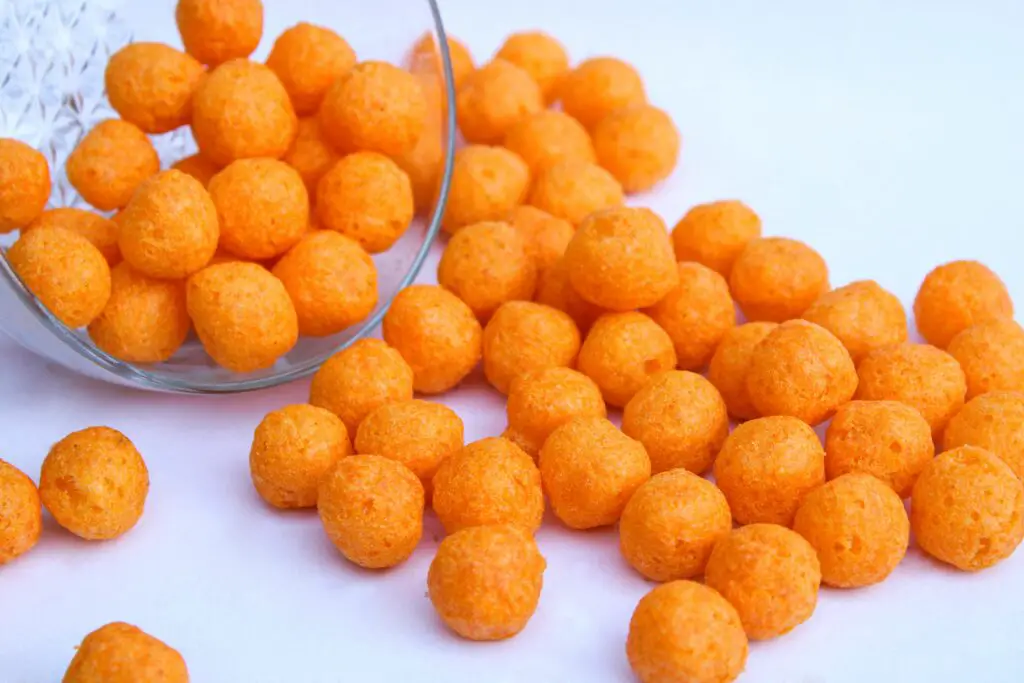
Planters Cheez Balls came in a distinctive blue can and were known for their bright orange color and intense cheese flavor. They were a staple snack through the ’80s and ’90s. The texture was light and airy, making them easy to eat by the handful. For many households, that can on the pantry shelf was a constant.
They were discontinued in 2006, which led to a long stretch where fans could not find them at all. Planters did reintroduce Cheez Balls in 2018, but many people noted differences in flavor and texture. The original version is what most remember. Even with the comeback, the nostalgia for the earlier formula remains strong. It is one of those cases where a product returns but still feels slightly out of reach.
7. Franco-American Macaroni and Cheese
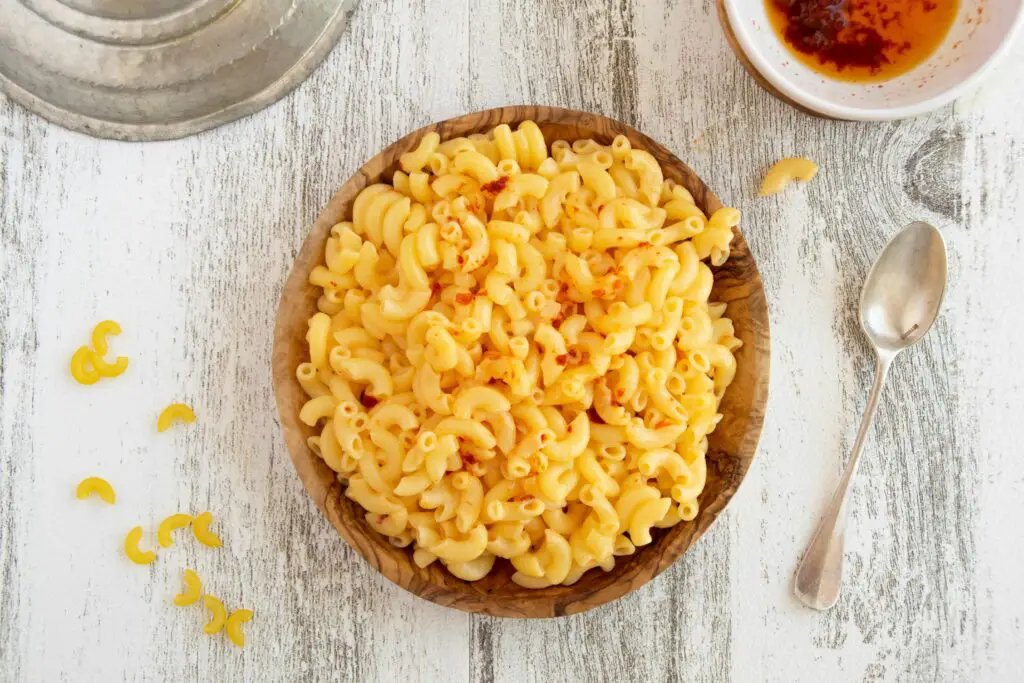
Before boxed mac and cheese dominated, Franco-American offered a canned version that was ready to heat and eat. It was part of the Campbell Soup Company’s product line and widely available for decades. The sauce had a distinct, slightly sweeter flavor compared to modern versions. It was especially popular as a quick lunch option.
The product was discontinued in the early 2000s as consumer preferences shifted. Shelf-stable boxed mixes became more popular and cost-effective. Today, canned macaroni and cheese is much harder to find in mainstream grocery stores. The Franco-American version, in particular, has not returned. For many, it represents a very specific kind of convenience food from that era.
8. Nabisco Swiss Cheese Crackers
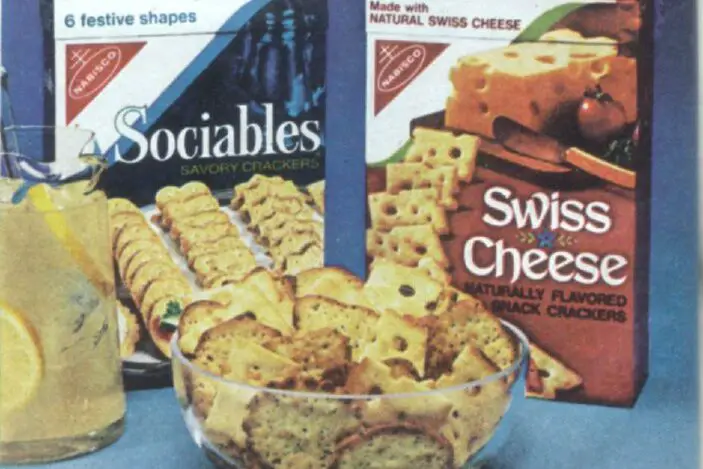
Nabisco Swiss Cheese Crackers were small, square crackers with a noticeable Swiss cheese flavor baked in. They had a slightly sharper taste compared to other cheese crackers on the market. Introduced in the mid-20th century, they were a long-running snack. Many people remember them as a staple alongside soups or as a quick snack.
They were discontinued in the early 2000s, and Nabisco has not brought them back. Some similar products exist, but none carry the same branding or exact flavor profile. Fans often point out that the Swiss cheese taste was more distinct than what you find today. That difference is what people miss most. It is a small detail, but it made the product stand out.
9. Hostess Choco Bliss
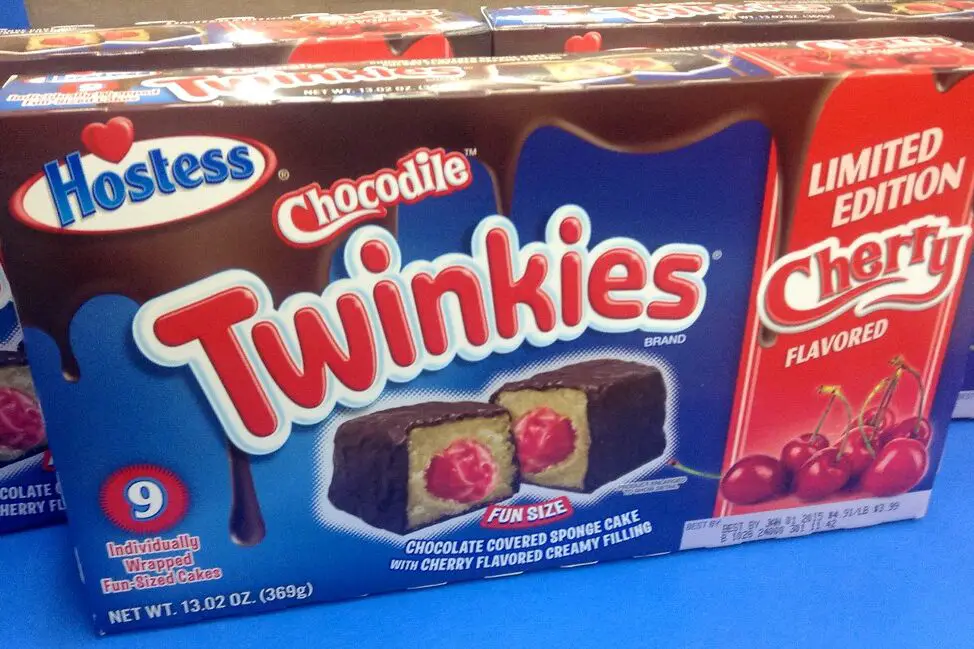
Hostess Choco Bliss bars were introduced in the late ’80s as a more indulgent snack cake option. They featured layers of chocolate cake, creamy filling, and a chocolate coating. Compared to Twinkies or CupCakes, they felt more like a dessert you might serve rather than just pack in a lunch. The texture was dense and rich.
They were discontinued in the early ’90s, and they have not returned to the Hostess lineup. Because of their short run, they are less widely remembered than some other Hostess products. Still, those who had them tend to recall them clearly. There is no direct modern equivalent under the same brand. That makes them feel like a lost experiment in snack cakes.
10. Campbell’s Pepper Pot Soup
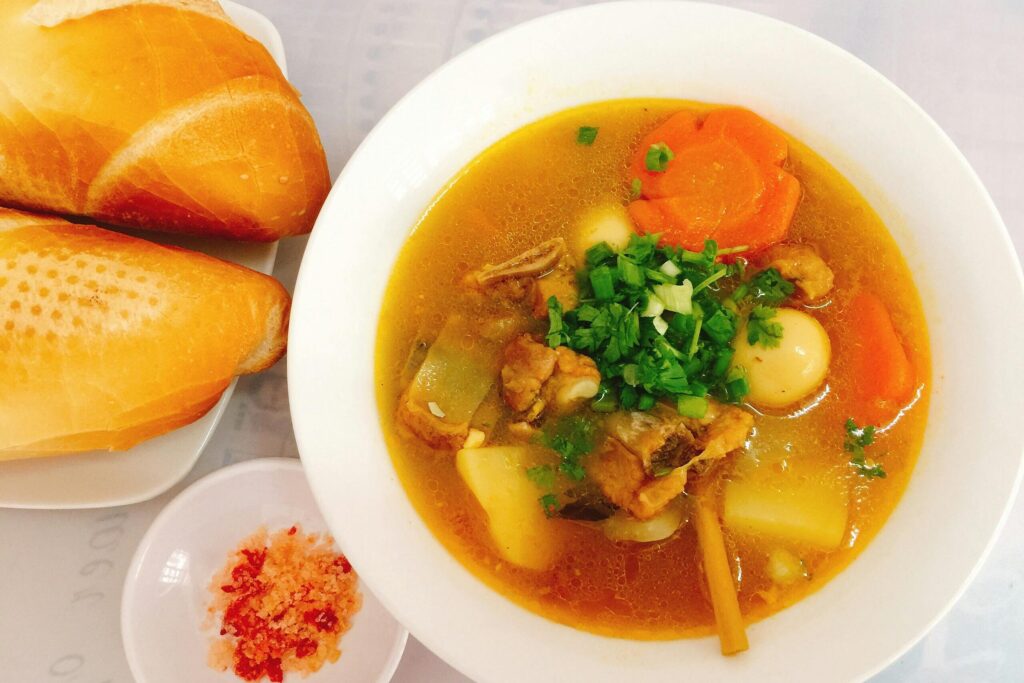
Campbell’s Pepper Pot Soup had a much longer history than most grocery items on this list. Inspired by a traditional Philadelphia dish, it included beef tripe, vegetables, and black pepper in a broth. Campbell’s version was canned and widely distributed for decades. It had a strong, distinctive flavor that not everyone liked, but it had a loyal following.
Campbell’s discontinued it in 2010 due to declining demand. Changing tastes and lower sales made it less viable to keep producing. It is not commonly found in stores today, especially outside specialty markets. For those who grew up with it, it is a very specific flavor that is hard to replace. Its disappearance reflects broader shifts in American eating habits.
11. General Mills Kaboom Cereal
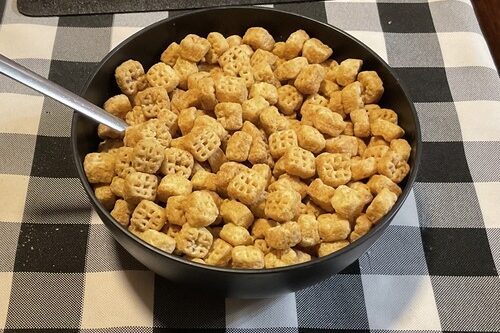
Kaboom cereal stood out immediately because of its colorful clown-themed branding and brightly colored cereal pieces. Introduced in 1969, it was marketed heavily to kids. The cereal itself was sweet and fruit-flavored, with marshmallow bits added later. It was a fixture in many households for decades.
It was quietly discontinued around 2010, with little official announcement. By that point, many older cereals were already being phased out. Kaboom had lost ground to newer brands and changing consumer preferences. It has not returned to store shelves since. For those who remember it, the box design is often as memorable as the cereal itself.
12. Libbyland Dinners
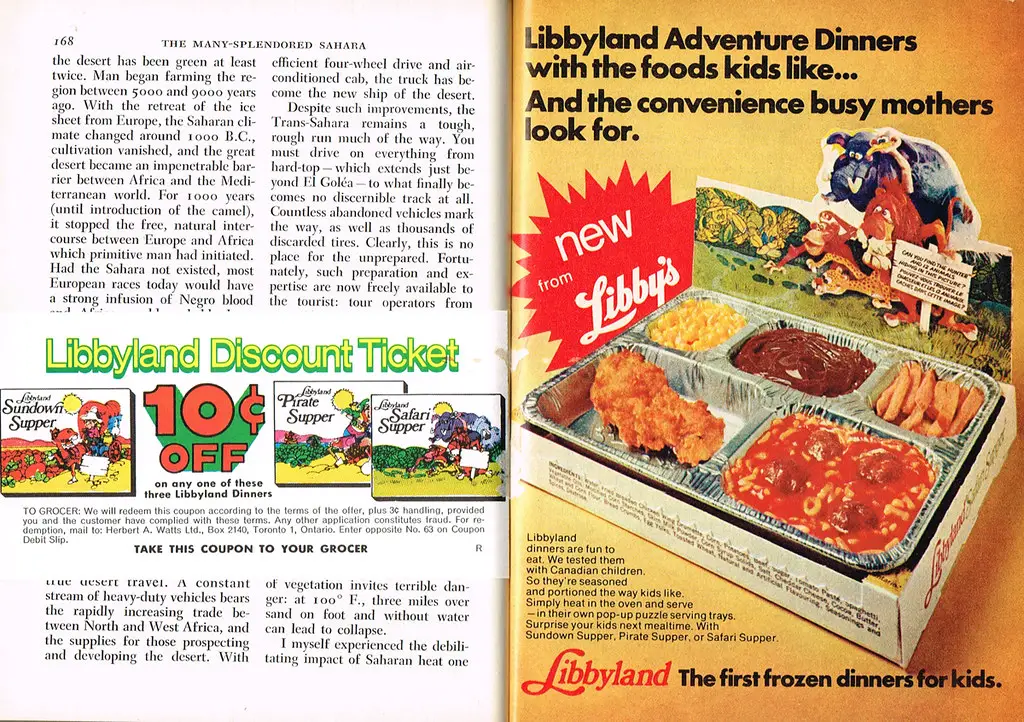
Libbyland Dinners were a line of frozen meals introduced by Libby’s in the early 1970s. They were specifically marketed to children, with themed packaging and simple, kid-friendly portions. Meals included items like fried chicken, corn, and dessert. The presentation was part of the appeal, making dinner feel more like an event.
They were discontinued by the mid-1970s after only a few years on the market. Concerns about nutrition and changing attitudes toward kids’ meals played a role. Today, they are mostly remembered through vintage advertisements. There is nothing quite like them in modern frozen food aisles. They represent an early attempt at marketing meals directly to children.
13. Fruit Wrinkles
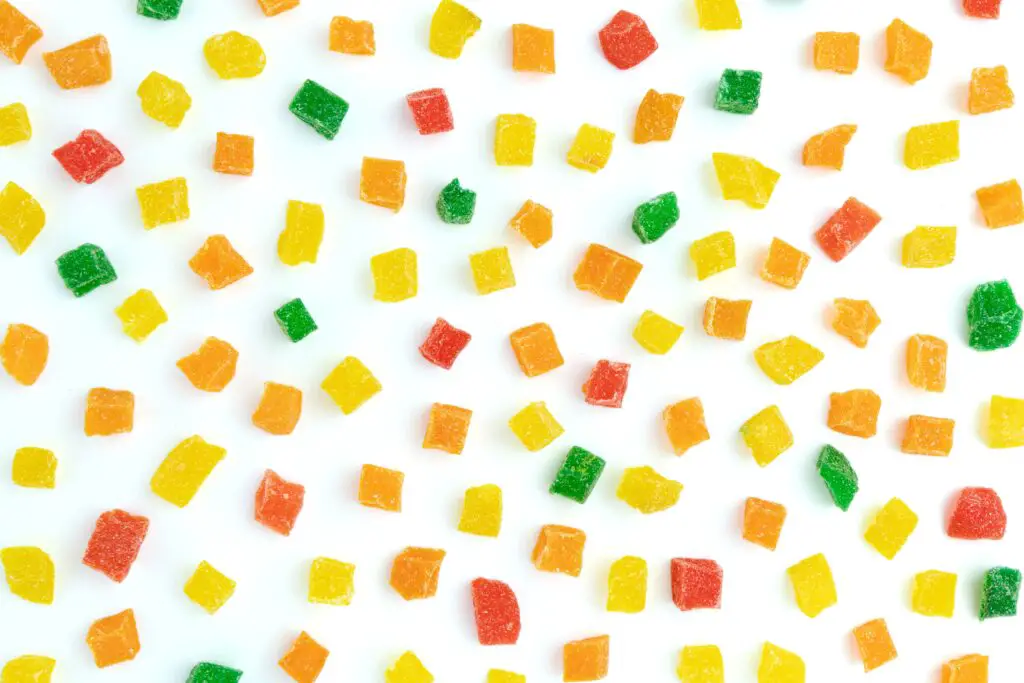
Fruit Wrinkles were a fruit snack product introduced by General Mills in the 1970s. They were small, chewy pieces made from concentrated fruit puree. The texture was softer and less uniform than modern fruit snacks. They were marketed as a fun, somewhat healthier option for kids.
They were discontinued in the early 1980s, long before fruit snacks became a major category. Later products like Fruit Roll-Ups and Fruit Gushers took over the market. Fruit Wrinkles never made a comeback. Their short lifespan means fewer people remember them, but those who do often mention the unique texture. It was an early version of something that later became very common.
14. Morton Frozen Honey Buns
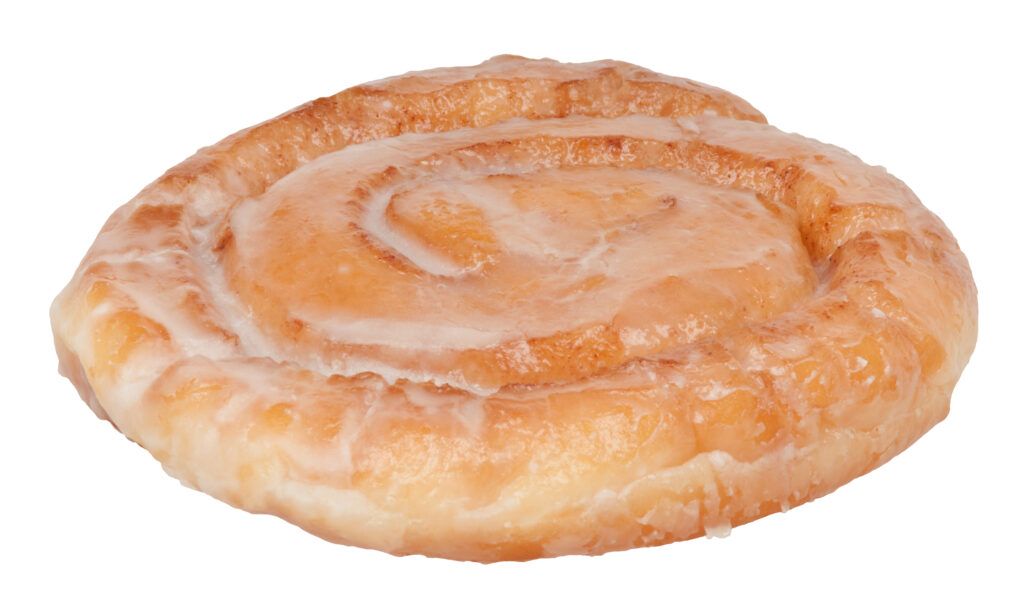
Morton Frozen Honey Buns were part of a broader line of frozen breakfast pastries. You would heat them at home, which gave them a soft, fresh-from-the-oven feel. They were especially popular in the ’70s and ’80s as a quick breakfast option. The glaze and texture set them apart from shelf-stable snacks.
They were discontinued as the frozen breakfast market shifted. Newer products focused more on convenience and longer shelf life. The Morton brand itself eventually faded from prominence. Today, similar products exist, but not under the same name or format. For many, the memory is tied to the routine of warming them up at home.
15. Pepsi AM
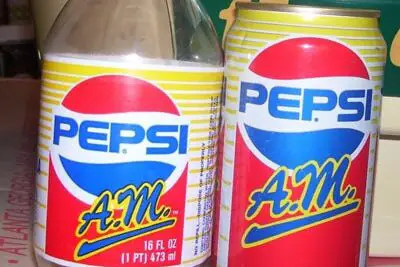
Pepsi AM was introduced in 1989 as a soda specifically marketed for morning consumption. It had a higher caffeine content than regular Pepsi and was positioned as an alternative to coffee. The idea was unusual, but it reflected changing habits at the time. Advertising focused on people who wanted a quicker, colder option in the morning.
It was discontinued in 1990 after failing to gain traction. Consumers were not ready to replace coffee with soda on a large scale. The concept has never been fully revived by Pepsi. It remains one of the more unusual product experiments from that era. Its short run made it memorable for those who tried it.
16. Reggie! Bar
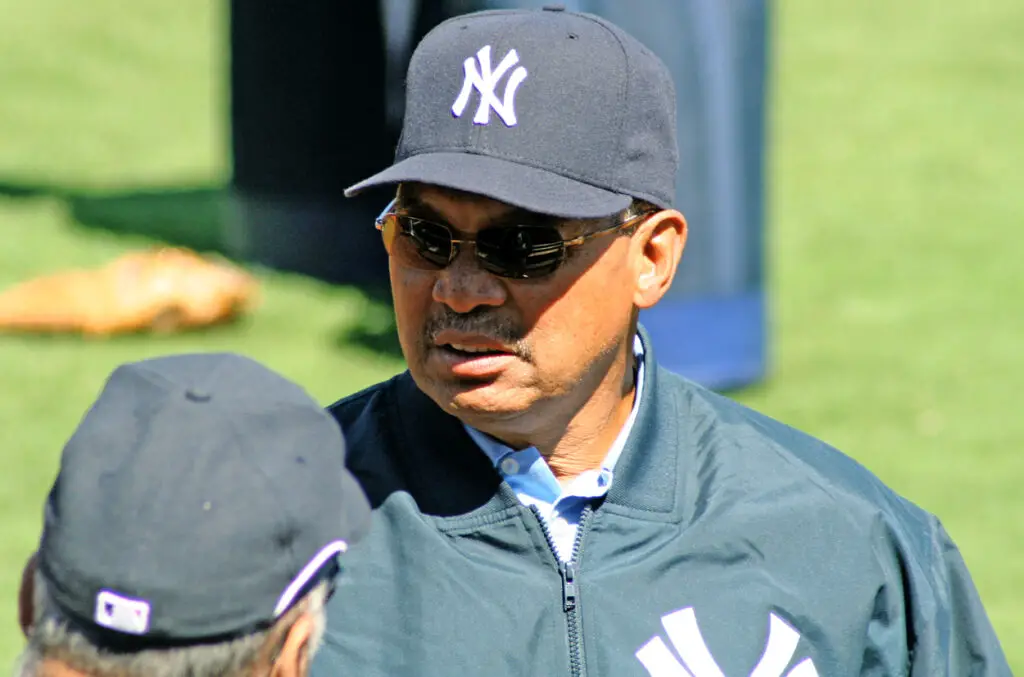
The Reggie! Bar was a candy bar introduced in 1976 and named after baseball player Reggie Jackson. It was originally sold at Yankee Stadium and later expanded to wider distribution. The bar included peanuts, caramel, and chocolate. It became especially popular during Jackson’s peak years with the New York Yankees.
Production stopped in the early 1980s after demand declined. There was a brief revival in 1993, but it did not last. Today, it is not a standard grocery store item. Its identity is closely tied to a specific sports moment and era. That connection is part of why people still remember it.