
1. What Caused the Fall of the Roman Empire?
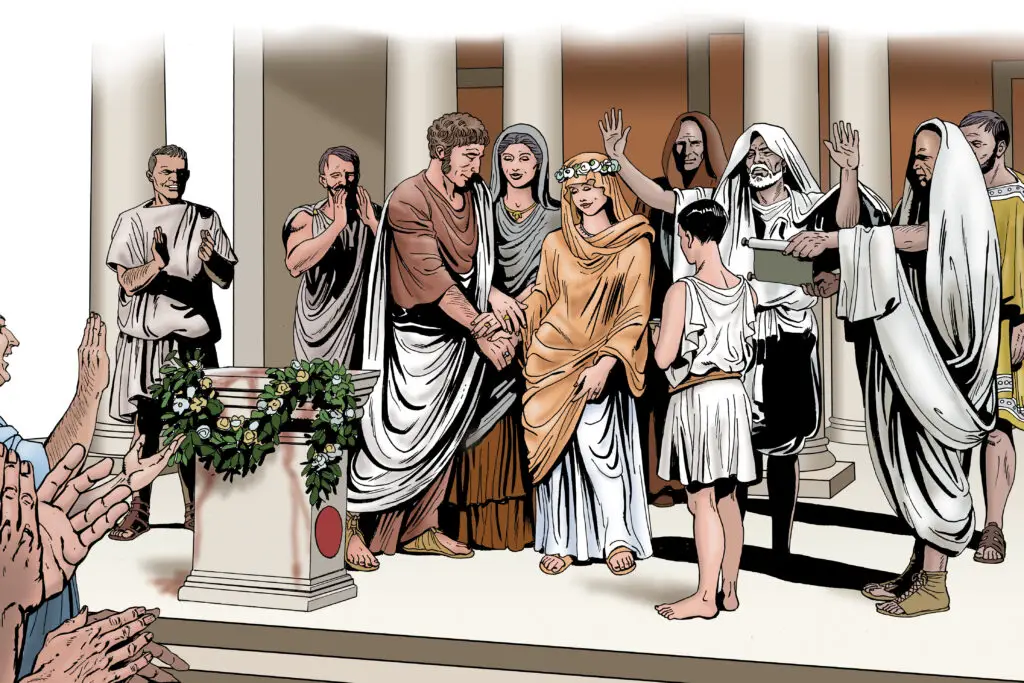
Historians have been debating the collapse of the Western Roman Empire for centuries, and there is still no single agreed-upon cause. Some point to internal political instability, noting how quickly emperors were replaced in the later years. Others emphasize economic strain, including inflation and overreliance on slave labor. There is also the argument that military overexpansion stretched Rome too thin to defend its borders effectively. Environmental factors, like climate shifts and disease, have also entered the conversation in more recent scholarship.
Then there is the role of so-called “barbarian invasions,” which used to be treated as the primary cause but are now seen as more complex. Groups like the Visigoths and Vandals were sometimes integrated into Roman systems before conflicts escalated. Some historians argue Rome didn’t fall suddenly at all, but rather transformed into medieval European societies. The debate continues because each explanation has credible evidence, but none fully accounts for every aspect of the decline.
2. Who Really Built the Pyramids of Giza?
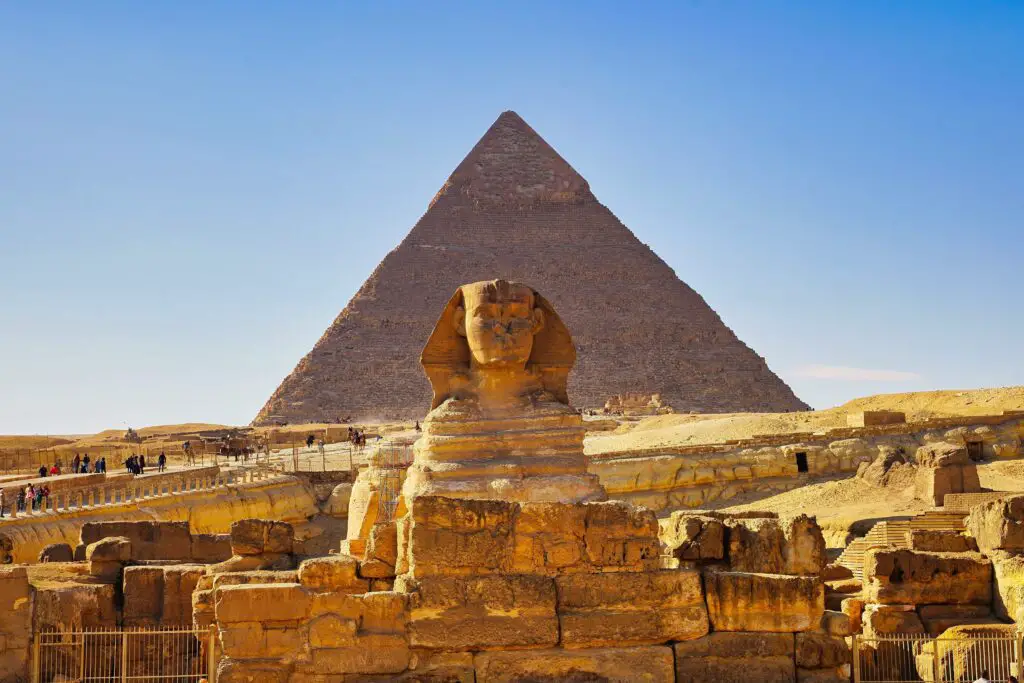
For a long time, people believed enslaved workers built the pyramids, but that idea has largely been challenged by modern archaeology. Evidence now suggests that skilled laborers, likely paid or supported by the state, constructed the pyramids. Excavations of workers’ villages near Giza show organized communities with access to food, medical care, and structured labor systems. That has shifted the conversation, but it hasn’t settled every question.
There is still debate about the exact logistics, especially how massive stones were transported and lifted into place. Some theories suggest ramps of varying designs, while others propose more complex engineering systems. Written records from the time are limited, which leaves room for interpretation. While fringe theories exist, mainstream scholars continue to refine their understanding based on new discoveries rather than completely rewriting the narrative.
3. Did Shakespeare Really Write His Plays?
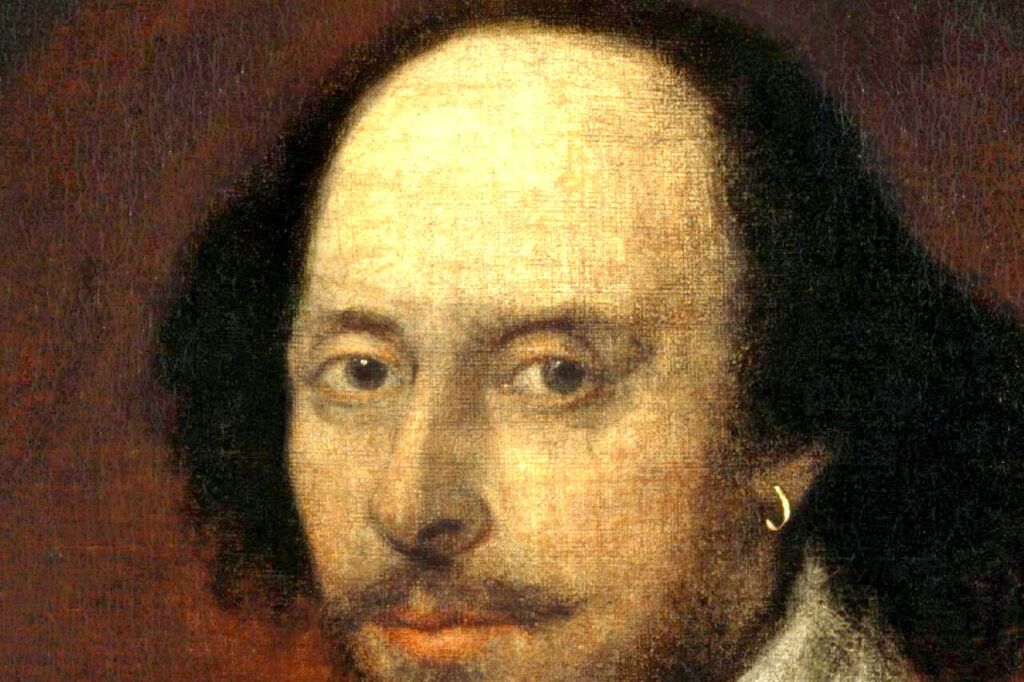
The authorship of William Shakespeare’s works has been questioned for more than a century. Some skeptics argue that a man from Stratford with relatively modest education could not have written such complex plays. Alternative candidates like Francis Bacon and Edward de Vere have been proposed. These theories often rely on perceived gaps in Shakespeare’s biography.
Most scholars, however, maintain that Shakespeare did write the works attributed to him. There is documentary evidence linking him to the theater world in London, including acting and writing credits. The debate persists largely outside mainstream academia, but it hasn’t disappeared. It continues to attract attention because of the mystery surrounding Shakespeare’s personal life and limited surviving records.
4. What Happened to the Lost Colony of Roanoke?
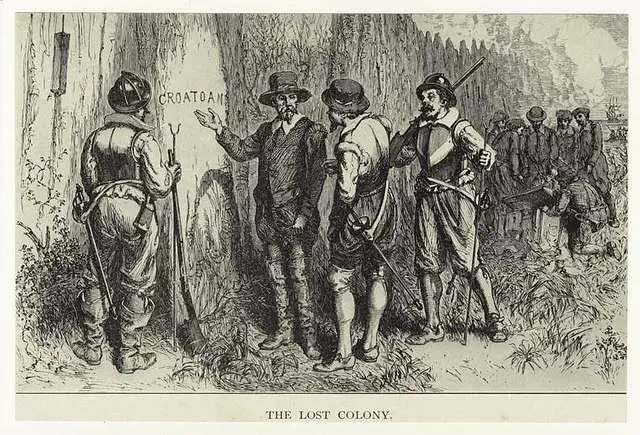
The disappearance of the Roanoke colony in the late 1500s remains one of early American history’s most enduring mysteries. When English settlers returned in 1590, they found the colony abandoned, with the word “CROATOAN” carved into a post. Some historians believe the settlers integrated with nearby Indigenous groups, possibly the Croatan people. Archaeological evidence has hinted at this possibility but has not provided definitive proof.
Others suggest starvation, conflict, or relocation attempts that failed. The lack of clear records from the period makes it difficult to confirm any one theory. Modern excavations have uncovered artifacts that suggest movement away from the original site. Even so, no single explanation has been universally accepted, which keeps the debate active.
5. Was Napoleon Short?
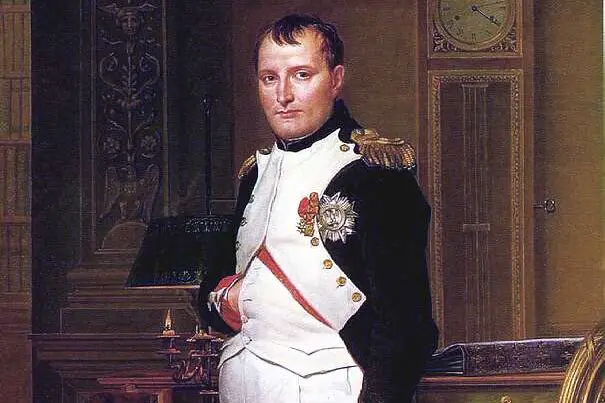
Napoleon Bonaparte is often remembered as unusually short, but historians still debate whether that reputation is accurate. French records list him as about 5 feet 6 or 5 feet 7 inches tall, which was average for his time. Confusion may have come from differences between French and British measurement systems. British propaganda also played a role in portraying him as physically small to undermine his authority.
Despite this, the “Napoleon complex” idea has stuck in popular culture. Some historians argue that his image was deliberately shaped by political enemies. Others note that his height became symbolic rather than factual. The debate persists mostly in how his physical stature has been interpreted rather than what it actually was.
6. Who Was Jack the Ripper?
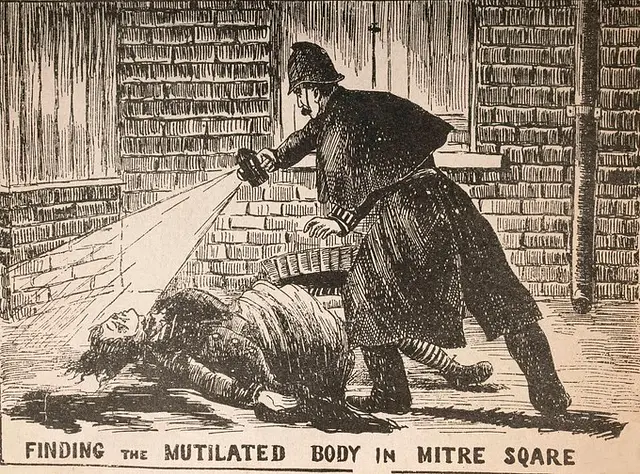
The identity of Jack the Ripper, the serial killer active in London in 1888, has never been definitively established. Numerous suspects have been proposed, including local residents, medical professionals, and even members of the royal family. Historical records, witness statements, and letters attributed to the killer have all been analyzed extensively. However, none of the evidence has led to a universally accepted conclusion.
Modern forensic techniques have been applied to old evidence, including DNA testing on artifacts linked to the case. Some researchers claim to have identified a suspect, but those claims remain contested. The reliability of the original evidence is a major issue, as many materials have been lost or compromised. As a result, the case continues to invite competing theories.
7. What Sparked the Salem Witch Trials?
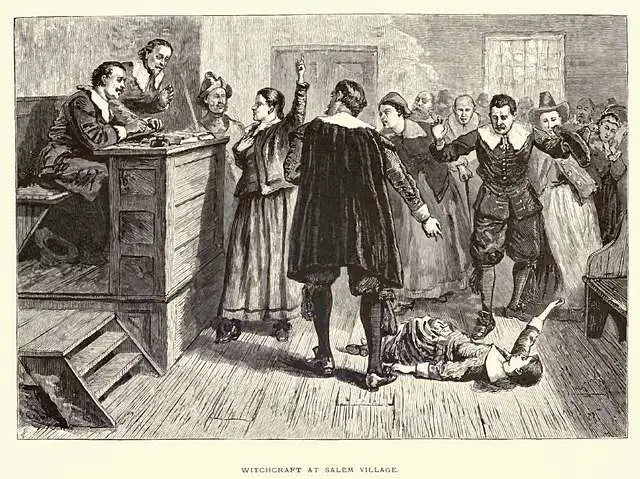
The Salem witch trials of 1692 were fueled by a mix of fear, religion, and social tension, but historians still debate the precise causes. Some argue that mass hysteria played a central role, especially among the young accusers. Others point to political instability and local rivalries within the community. Economic stress and disputes over property may have also contributed.
There are also theories involving medical explanations, such as ergot poisoning, though these remain controversial. Court records provide detailed accounts of accusations and trials but do not clearly explain why events escalated so quickly. The combination of factors makes it difficult to isolate a single cause. That complexity keeps the debate ongoing.
8. Did Vikings Reach North America First?
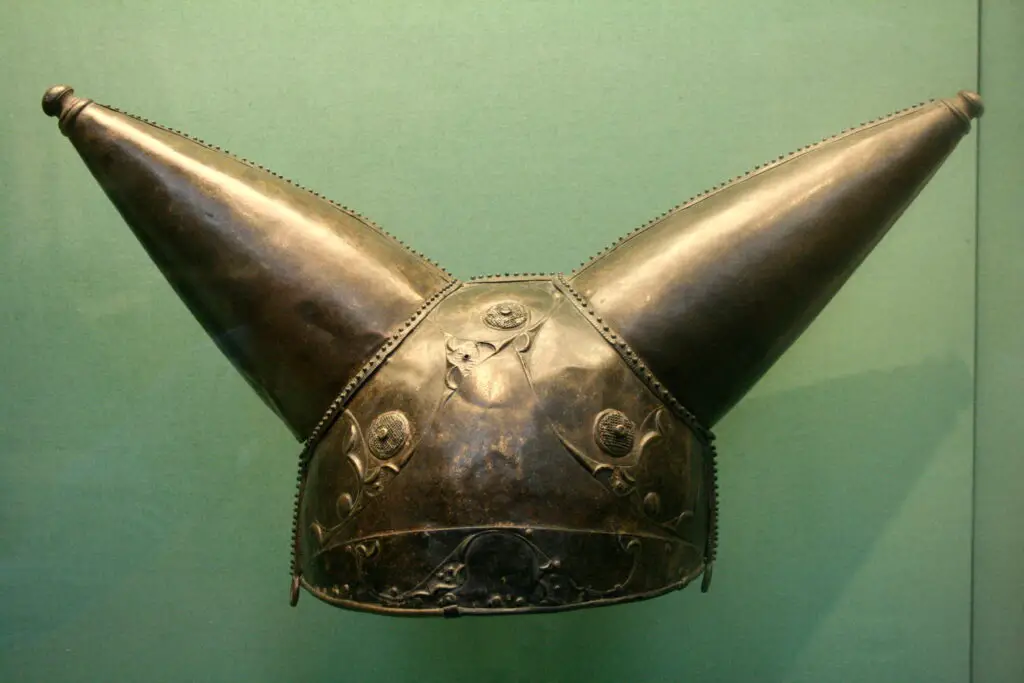
There is strong evidence that Norse explorers reached North America around the year 1000, well before Christopher Columbus. The site at L’Anse aux Meadows in Newfoundland confirms a Viking presence. This discovery is widely accepted among historians and archaeologists. However, debate continues about how extensive those settlements were.
Some scholars argue the Norse presence was brief and limited, while others suggest more sustained contact with Indigenous populations. Written sagas describe voyages to “Vinland,” but their historical accuracy is debated. The question is no longer whether Vikings arrived, but how significant their impact was. That distinction remains unresolved.
9. What Caused the Black Death to Spread So Rapidly?
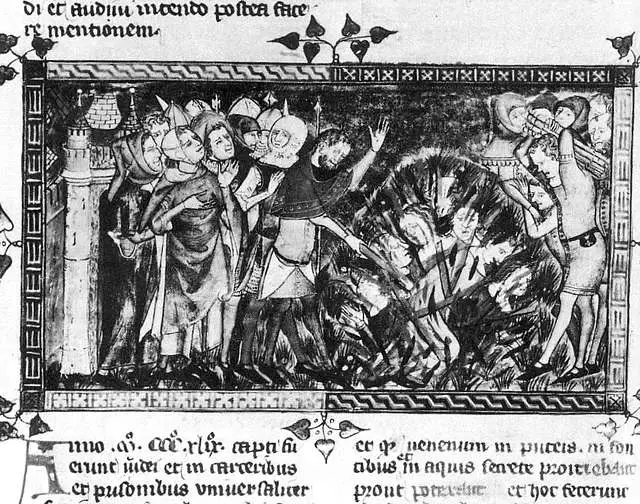
The Black Death devastated Europe in the 14th century, and while it is widely attributed to the bacterium Yersinia pestis, the details of its spread are still debated. Traditional explanations focus on fleas carried by rats. However, some researchers argue that human-to-human transmission may have played a larger role than previously thought. Climate conditions and trade routes also contributed to its rapid spread.
Recent studies have used genetic evidence to trace the pathogen’s movement across continents. Even so, there are disagreements about how different factors interacted. The scale and speed of the pandemic continue to raise questions. Historians and scientists are still refining their understanding of how it unfolded.
10. Was the Trojan War Real?

The Trojan War, famously described in Homer’s Iliad, sits somewhere between myth and possible history. Archaeological excavations at Hisarlik in modern-day Turkey have revealed evidence of a city that may correspond to ancient Troy. Some layers of the site show signs of destruction consistent with warfare. However, linking those findings directly to Homer’s account is difficult.
Many historians believe the war, if it occurred, was likely much smaller than the epic version. Others see the story as largely mythological, shaped over time through oral tradition. The lack of contemporary written records makes definitive conclusions impossible. The debate continues because archaeology provides clues but not complete answers.
11. Who Fired the First Shot of the American Revolution?
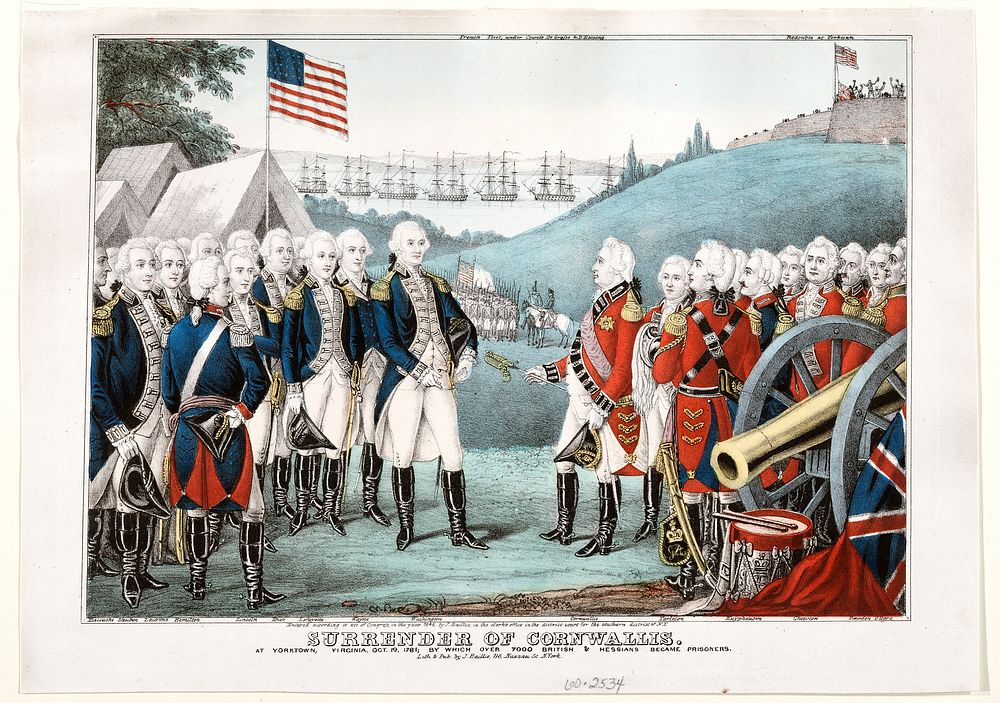
The opening shots of the American Revolution at Lexington and Concord in 1775 are still debated in terms of who fired first. Eyewitness accounts from both British soldiers and colonial militia members are inconsistent. Some reports suggest a shot came from an unknown individual, possibly accidental. Others claim one side deliberately initiated the conflict.
The confusion is partly due to the chaos of the moment and the passage of time before accounts were recorded. Historians have analyzed testimonies, but contradictions remain. The phrase “the shot heard ’round the world” reflects its symbolic importance rather than factual clarity. The exact origin of that first shot remains uncertain.
12. Did King Arthur Exist?
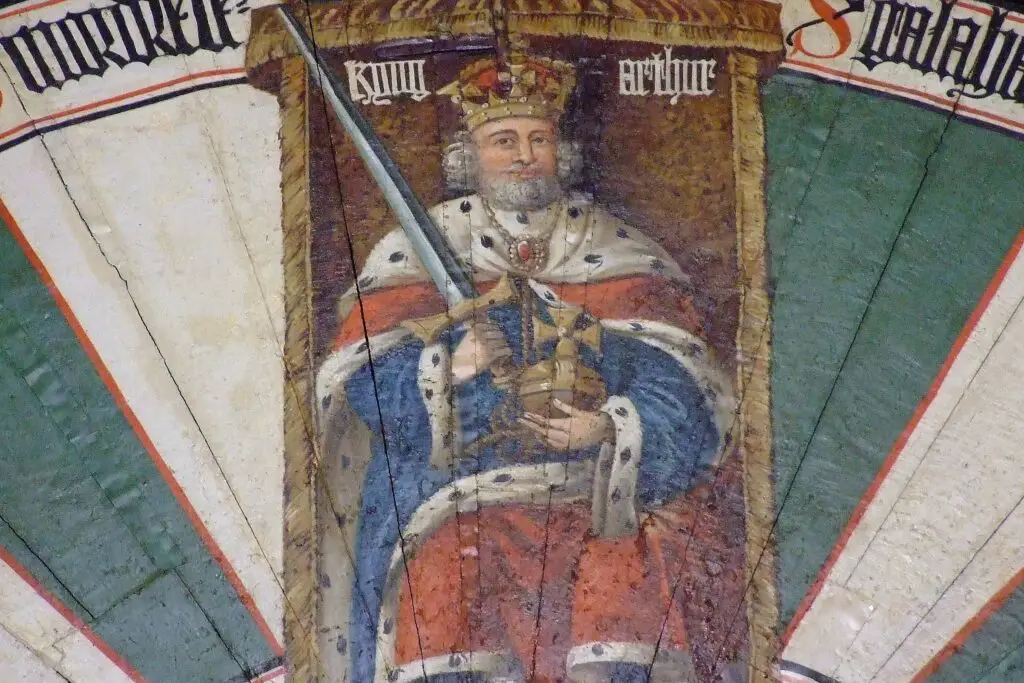
King Arthur is a central figure in British legend, but whether he was a real historical person is still debated. Some historians suggest he may have been based on a Romano-British leader who fought against Saxon invaders. Early references to Arthur appear in texts written centuries after the supposed events. That gap makes verification difficult.
Archaeological evidence has not conclusively identified a historical Arthur. Many scholars view him as a composite figure shaped by folklore and storytelling. Others continue to search for links between legend and historical figures. The debate persists because the line between myth and history is especially blurred in this case.
13. What Happened to Amelia Earhart?

Amelia Earhart disappeared in 1937 while attempting to circumnavigate the globe, and her fate remains unknown. The most widely accepted theory is that her plane ran out of fuel and crashed into the Pacific Ocean. However, alternative theories suggest she may have landed on a remote island or been captured. Various expeditions have searched for evidence, including aircraft debris and personal items.
Some artifacts have been proposed as belonging to Earhart, but none have been definitively confirmed. Advances in technology have renewed interest in the search. Despite decades of investigation, no conclusive proof has emerged. The lack of definitive evidence keeps the debate open.
14. Was the Library of Alexandria Destroyed in a Single Event?
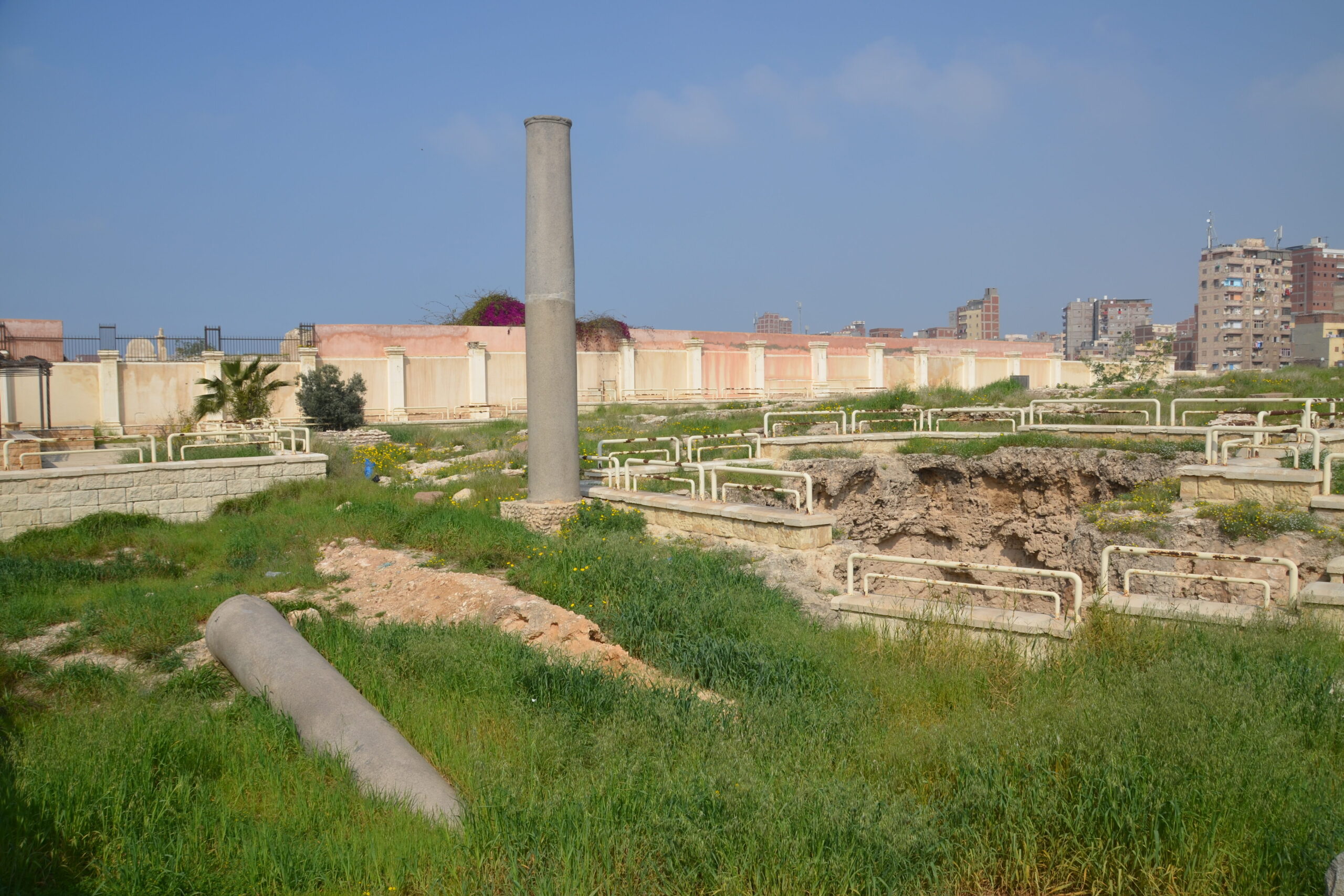
The destruction of the Library of Alexandria is often portrayed as a single catastrophic event, but historians question that narrative. Some sources suggest it was damaged during Julius Caesar’s campaign in Egypt. Others point to later periods of decline, including Roman and early Christian rule. There is no single account that clearly documents its final destruction.
Many scholars now believe the library declined gradually over time rather than being destroyed all at once. The loss of knowledge likely occurred in stages, not in a single fire. The scarcity of reliable records complicates the issue. As a result, the exact fate of the library remains debated.
15. What Led to the Collapse of the Maya Civilization?
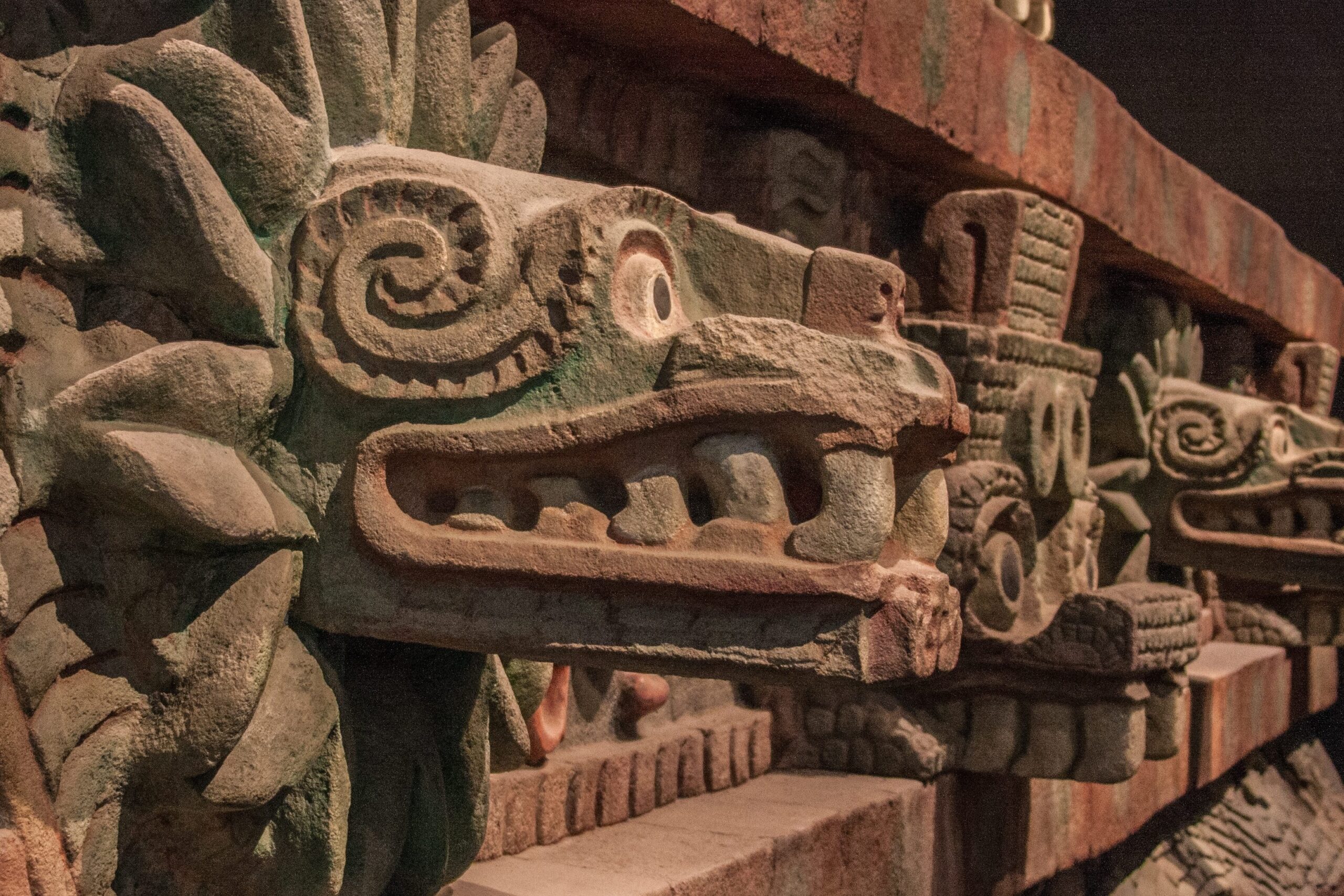
The decline of the Classic Maya civilization around the 8th and 9th centuries is still being studied. Earlier theories focused on warfare or invasion, but newer research points to environmental factors like prolonged drought. Archaeological evidence shows signs of social upheaval, including abandoned cities and changes in construction patterns. Agricultural stress may have played a major role.
However, no single cause fully explains the collapse across such a wide region. Political instability, resource depletion, and climate change likely interacted in complex ways. Different Maya cities appear to have declined at different times for different reasons. That variation makes it difficult to form a single unified explanation.