
1. Marie Antoinette
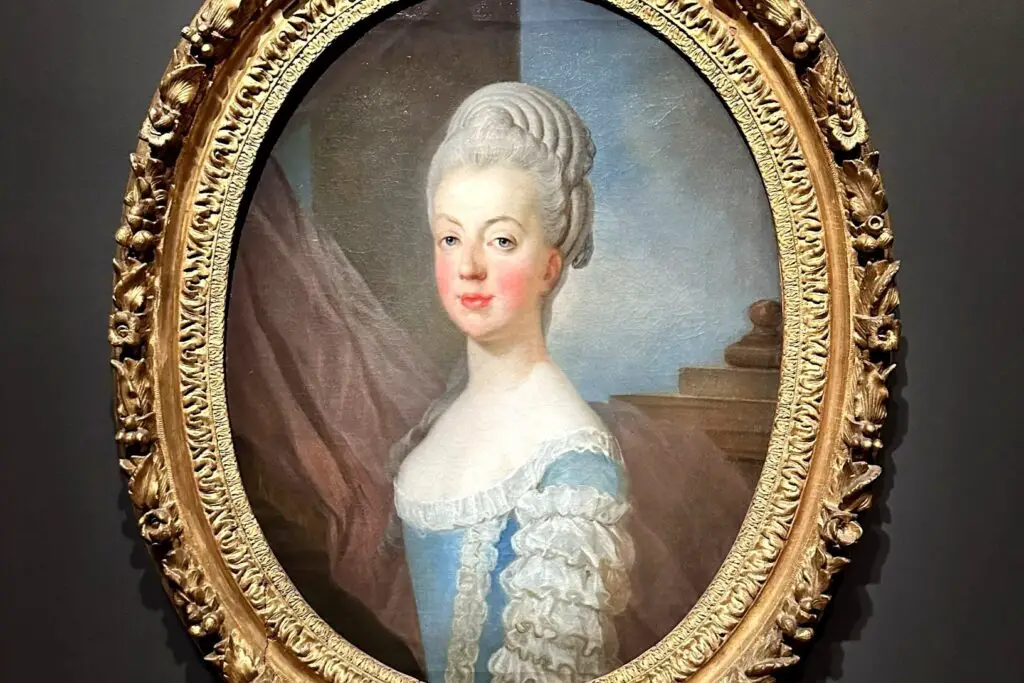
Marie Antoinette is still widely associated with the phrase “let them eat cake,” but there is no reliable evidence she ever said it. The quote actually appeared in earlier writings, long before she became queen of France. Despite her reputation for extravagance, historians note that her spending was not the primary cause of France’s financial crisis. She also engaged in charitable acts, quietly supporting poor families and orphanages.
Her image as a frivolous, uncaring royal was amplified during the French Revolution as part of anti-monarchy propaganda. In reality, her correspondence shows a more complex figure who was deeply concerned about her children and the future of France. She even attempted political influence during a time when women had little formal power. Over time, her legacy has shifted from villain to a more nuanced, tragic figure.
2. Niccolò Machiavelli
Niccolò Machiavelli is often portrayed as the embodiment of ruthless political manipulation, largely because of The Prince. The term “Machiavellian” has come to mean deceitful and power-hungry. However, many scholars argue that his work was intended as a practical guide to political stability, not a moral endorsement of cruelty. Some even believe it was written with irony or as a critique of authoritarian rulers.
Machiavelli spent much of his career as a civil servant who valued republican government. His other writings, especially Discourses on Livy, show a strong preference for citizen participation and balanced governance. Reducing him to a symbol of cold ambition ignores the broader context of his work. His reputation, shaped by selective reading, oversimplifies a far more thoughtful political theorist.
3. Nikola Tesla
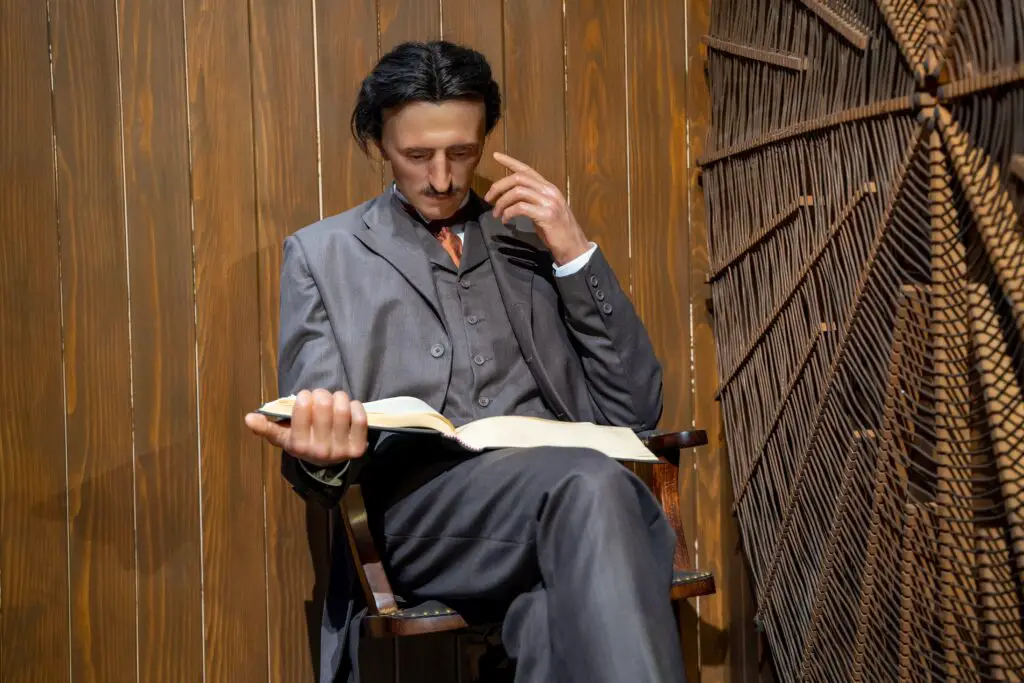
Nikola Tesla is often remembered today as a neglected genius overshadowed by Thomas Edison, but that narrative can be exaggerated. While Tesla did face financial struggles later in life, he was widely respected in his early career and received significant recognition. He contributed to the development of alternating current systems that became foundational to modern electricity.
The idea that he was completely ignored during his lifetime is not accurate. He gave lectures, received awards, and worked with prominent figures in science and industry. However, his more speculative ideas later in life led to a shift in how he was perceived. Tesla’s story is less about total neglect and more about the complexities of innovation, personality, and changing public interest.
4. Cleopatra
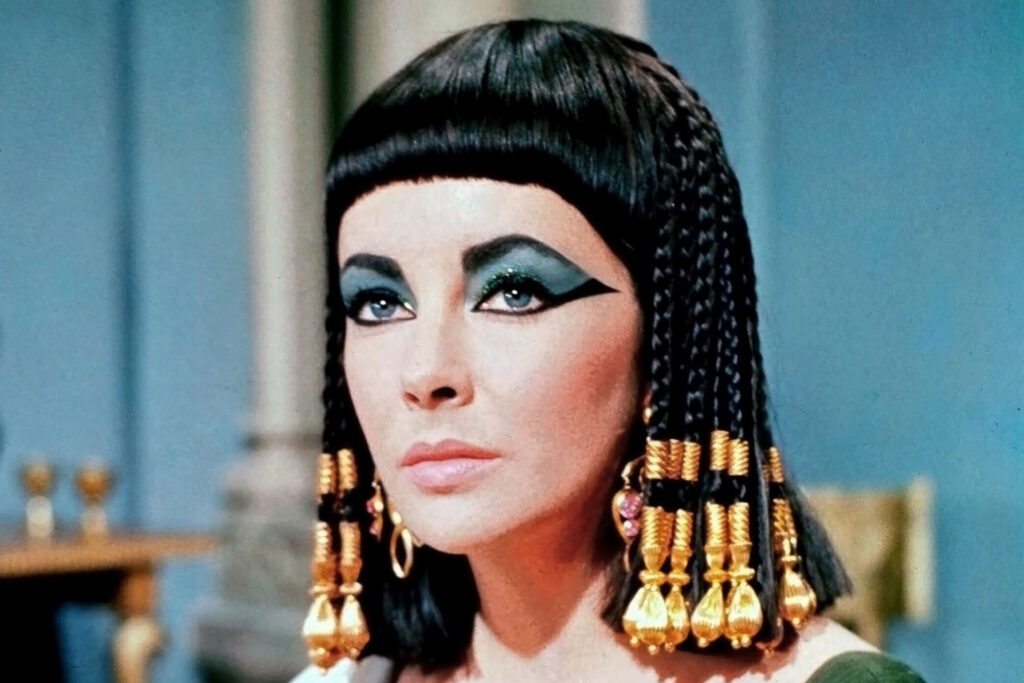
Cleopatra is frequently depicted as a seductress who used charm to manipulate powerful men like Julius Caesar and Mark Antony. This portrayal largely comes from Roman sources, which were biased against her. In reality, Cleopatra was a highly educated ruler who spoke multiple languages and actively governed Egypt.
She worked to stabilize Egypt’s economy and maintain its independence during a turbulent political era. Her alliances with Roman leaders were strategic, not purely romantic. Ancient propaganda reduced her to a symbol of moral decay to justify her defeat. Modern historians increasingly recognize her as a skilled and intelligent leader rather than a caricature.
5. Richard III
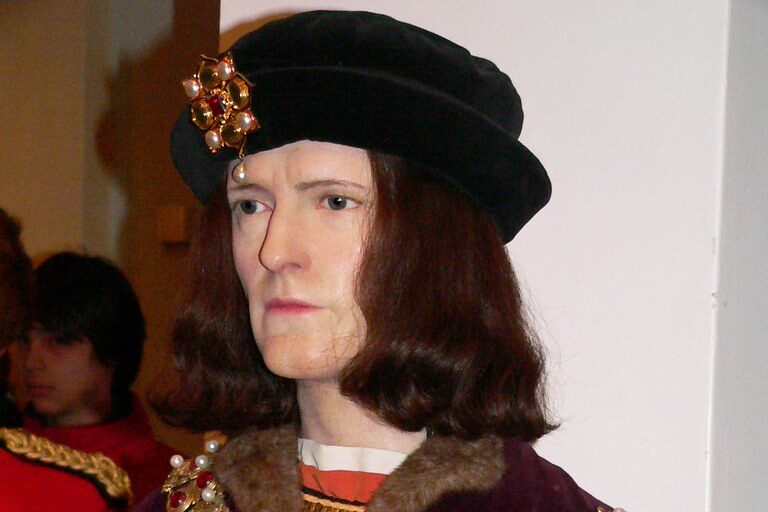
Richard III has long been remembered as a villainous king, largely due to William Shakespeare’s portrayal of him as a deformed tyrant. He is often accused of murdering his nephews, the “Princes in the Tower,” though definitive proof has never been found. Much of what we “know” about him comes from sources written after his death by those loyal to the Tudor dynasty.
Recent research has complicated this narrative. His remains, discovered in 2012, revealed scoliosis but not the exaggerated deformities often described. Some historians argue he implemented legal reforms and was a more effective ruler than commonly believed. His reputation appears to be shaped as much by political propaganda as by fact.
6. Caligula
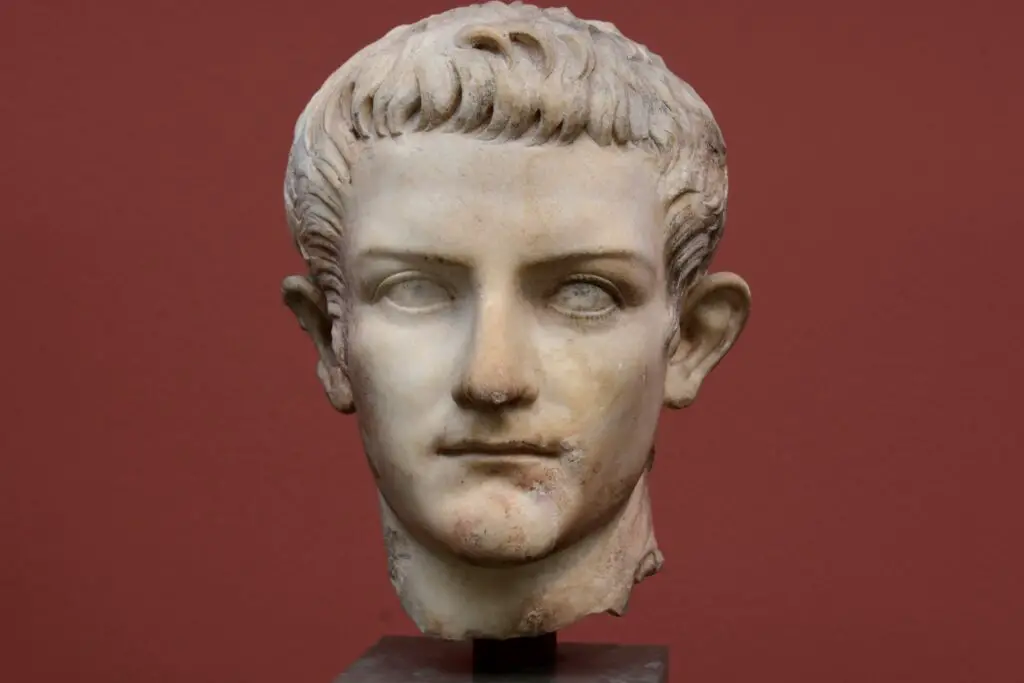
Caligula is remembered as one of Rome’s most insane and cruel emperors, often cited for bizarre acts like making his horse a consul. However, most accounts of his reign come from historians who wrote decades later and may have had political motives. These sources often relied on rumor and sensationalism.
Some modern historians suggest his behavior may have been exaggerated or misunderstood. There is evidence that he was initially popular and implemented certain reforms. His later actions could have been influenced by illness or political conflict. The truth about Caligula likely lies somewhere between myth and reality.
7. Vincent van Gogh

Vincent van Gogh is often portrayed as a completely unrecognized artist who sold only one painting during his lifetime. While it is true he struggled financially and emotionally, the idea that he was entirely ignored is misleading. He had connections within the art world and received some recognition from fellow artists.
His brother Theo played a significant role in supporting and promoting his work. Van Gogh exhibited paintings and was part of artistic circles in Paris. His mental health struggles have sometimes overshadowed his artistic achievements. Today, his legacy is better understood as that of a dedicated and evolving artist rather than a wholly unknown figure.
8. Christopher Columbus
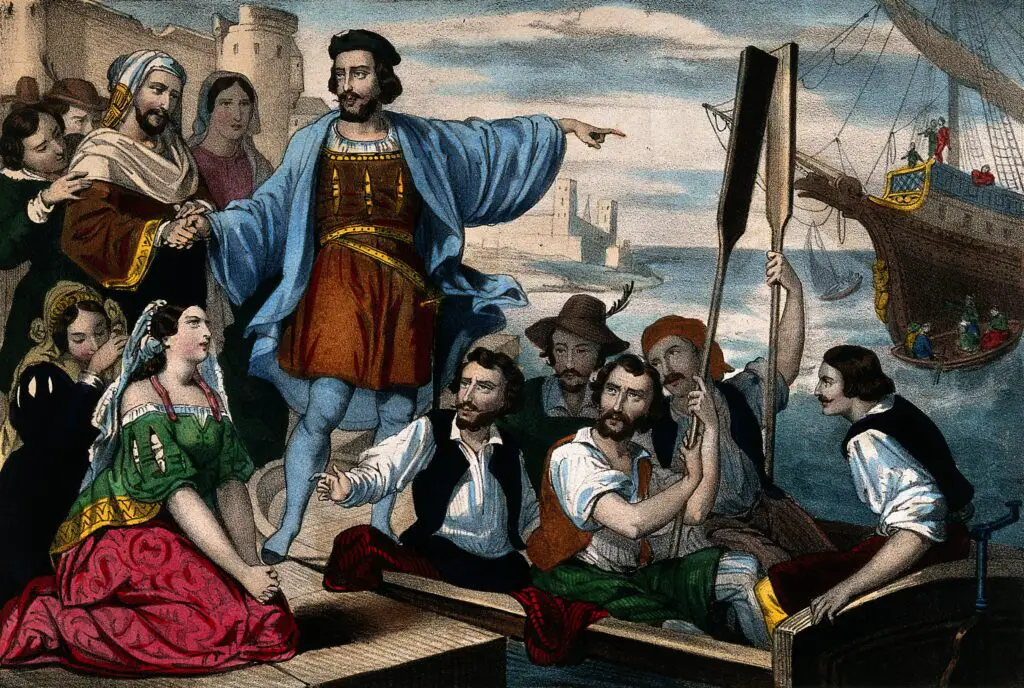
Christopher Columbus has traditionally been celebrated as the man who “discovered” America, but that description is increasingly challenged. Indigenous peoples had lived in the Americas for thousands of years before his arrival. Even within Europe, there was already awareness of lands across the Atlantic due to earlier Norse exploration.
Columbus’s legacy is also complicated by his actions as a colonial administrator. Historical records document harsh treatment of Indigenous populations under his governance. At the same time, his voyages did mark a turning point in global exploration and exchange. He is neither purely a hero nor solely a villain, but a figure whose impact must be understood in full context.
9. Anne Boleyn
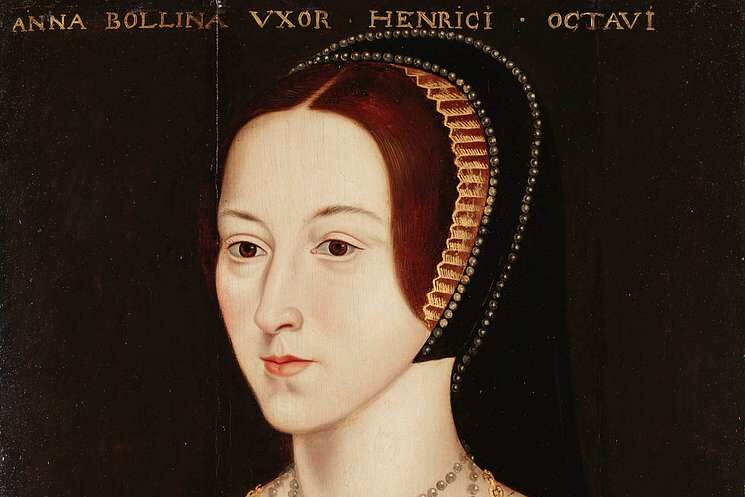
Anne Boleyn is often remembered as a manipulative figure who ensnared Henry VIII, leading to England’s break from the Catholic Church. This image was shaped by political enemies and later historical interpretations. In reality, Anne was well-educated and played a role in promoting religious reform.
She was a patron of scholars and supported the translation of religious texts into English. Her downfall was swift, and the charges against her, including adultery and treason, are widely considered to have been fabricated. Her execution reflects the volatile politics of the Tudor court. Over time, she has been reevaluated as a more complex and influential figure.
10. Galileo Galilei
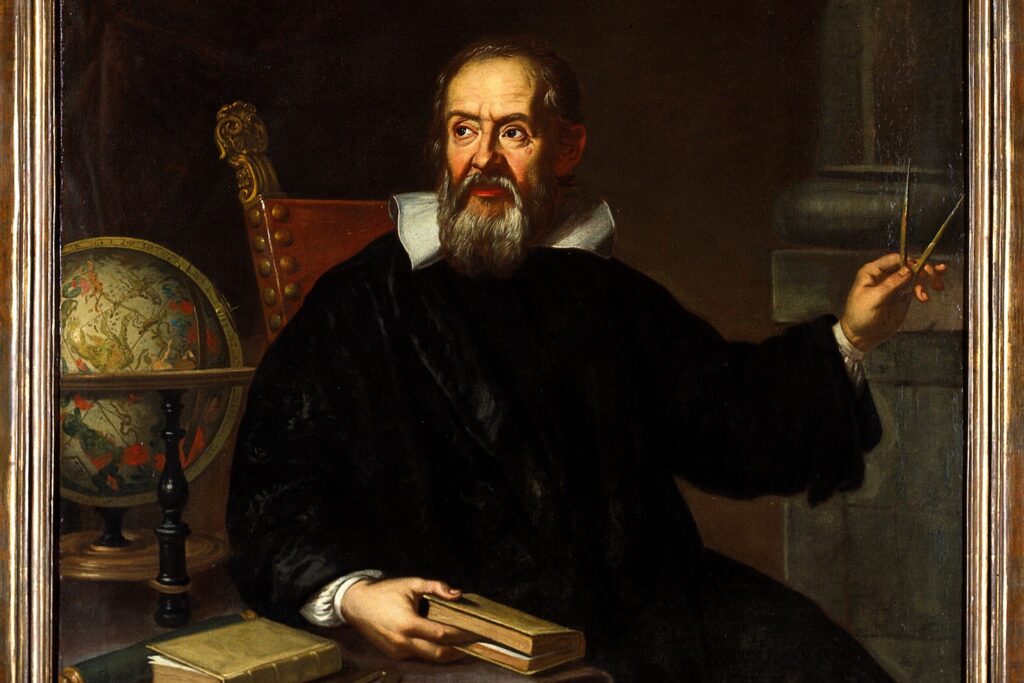
Galileo Galilei is often framed as a martyr for science who was brutally persecuted by the Church. While he did face trial and house arrest, the situation was more nuanced. His conflict with the Catholic Church involved both scientific disagreement and political tensions.
Galileo had previously enjoyed support from influential church figures. His trial was influenced in part by how he presented his arguments, which some saw as confrontational. He was not executed and continued his work under house arrest. His story reflects the complicated relationship between science, authority, and communication.
11. Joan of Arc
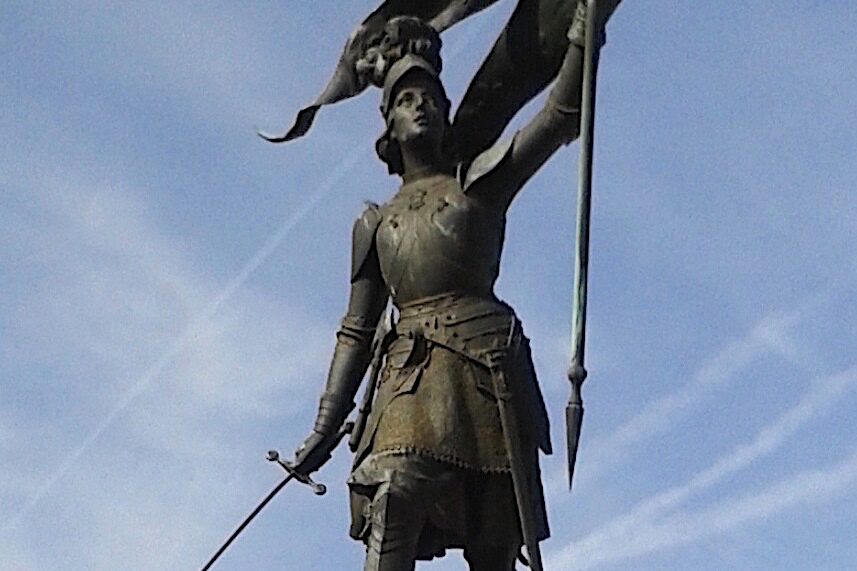
Joan of Arc is often remembered simply as a divinely inspired peasant girl who led France to victory. While her religious visions were central to her story, she was also a strategic and determined leader. She played a key role in boosting French morale during the Hundred Years’ War.
Her trial and execution were heavily influenced by political motives. She was later retried and declared innocent, and eventually canonized as a saint. Simplifying her story to either mysticism or martyrdom misses her broader impact. She remains one of history’s most layered figures.
12. Ulysses S. Grant
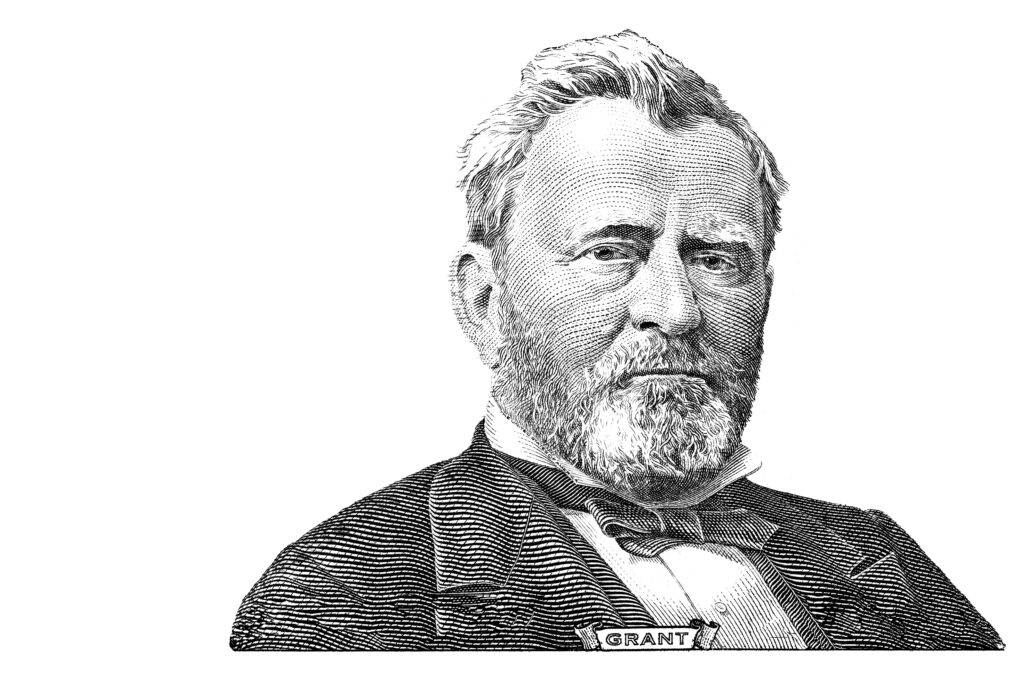
Ulysses S. Grant is sometimes dismissed as a poor president overshadowed by corruption scandals. While corruption did occur during his administration, many historians now argue that Grant himself was not personally corrupt. He also worked to combat the Ku Klux Klan and protect the rights of formerly enslaved people.
As a military leader, Grant was instrumental in securing Union victory during the American Civil War. His presidency faced significant challenges during Reconstruction. Recent scholarship has reassessed his legacy more favorably. He is increasingly viewed as a committed leader navigating a deeply divided nation.
13. Edgar Allan Poe
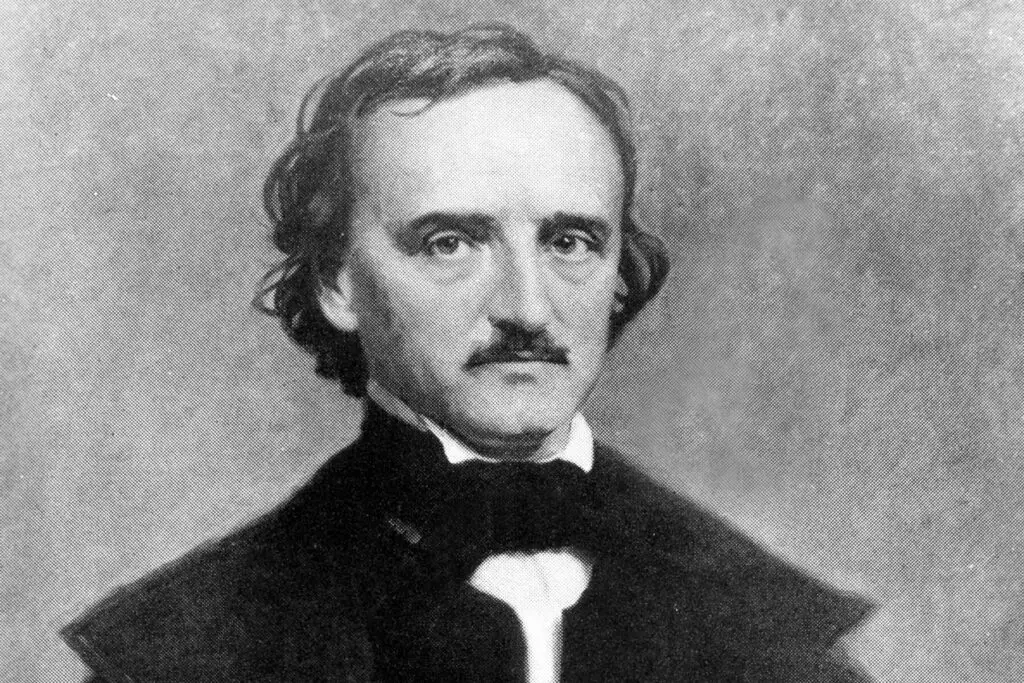
Edgar Allan Poe is often depicted as a tortured, unstable writer whose life was defined by mystery and despair. This image was largely shaped by Rufus Griswold, a literary rival who wrote a damaging obituary. Griswold’s portrayal influenced how Poe was remembered for decades.
In reality, Poe was a disciplined writer and editor who contributed significantly to literary criticism. He helped shape the modern detective story and refined the short story form. While he did struggle with personal hardships, the more extreme claims about his life are questionable. His reputation has gradually shifted toward recognition of his literary influence.
14. Rasputin
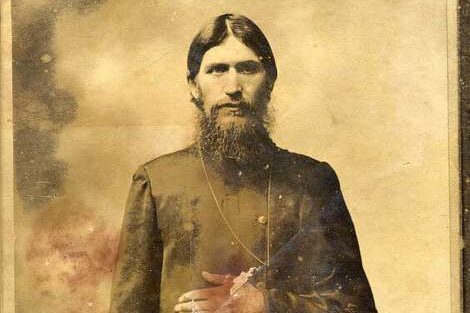
Grigori Rasputin is frequently portrayed as a sinister mystic who controlled the Russian royal family. This image was fueled by rumors and political opposition. While he did have influence, particularly due to his apparent ability to ease the suffering of Tsarevich Alexei, his power was likely exaggerated.
Many accounts of his behavior were sensationalized or unverified. His presence at court made him a convenient target during a time of political instability. His assassination further contributed to his mythic status. Rasputin’s story blends fact and legend in ways that are difficult to fully separate.
15. Sacagawea

Sacagawea is often remembered as a passive guide who simply assisted Lewis and Clark. In reality, her role was far more significant. She served as a translator, negotiator, and cultural intermediary during the expedition.
Her presence also signaled to other tribes that the group was not a war party, which likely helped ensure safer passage. Much of her life remains uncertain, and some popular stories about her cannot be confirmed. Still, her contributions were critical to the success of the journey. She is now recognized as a key figure rather than a background participant.