
1. Fordlandia, Brazil
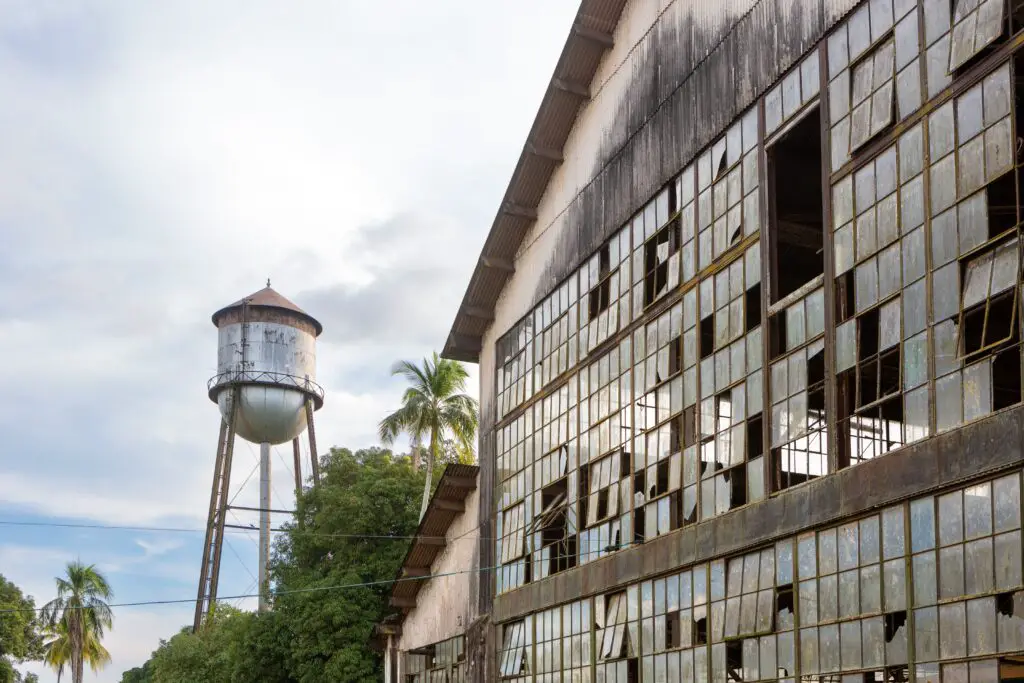
Back in the late 1920s, Henry Ford had a bold idea to build a rubber-producing utopia deep in the Amazon. Fordlandia was supposed to be a model American-style town, complete with neat houses, schools, and even square dances. It was marketed as a glimpse into a modern industrial future, right in the jungle. Workers were expected to live by strict rules that didn’t really match local culture or climate. Unsurprisingly, tensions grew quickly between management and laborers.
The rubber crops failed due to disease and poor planning, and the whole project unraveled within a decade. By the mid-1940s, Ford abandoned the site entirely. Today, the town still exists in a semi-ghost state, with crumbling buildings slowly being reclaimed by the forest. It’s one of those places that felt like it was racing toward the future, until it suddenly stopped.
2. Expo ’74 Fairgrounds, Spokane, Washington
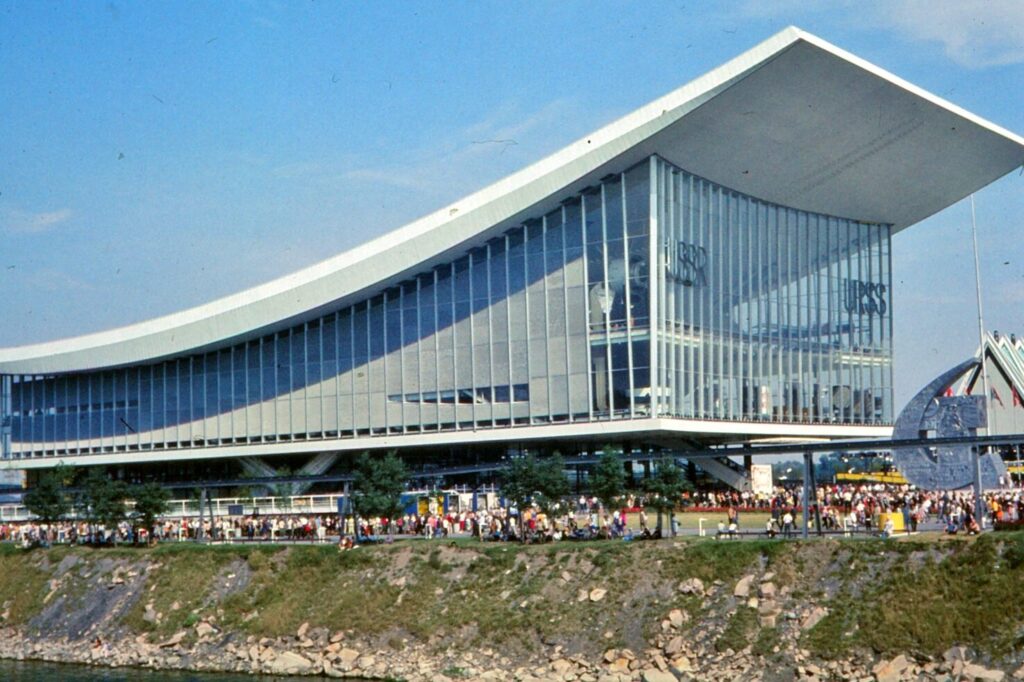
When Spokane hosted Expo ’74, it leaned hard into environmental optimism and futuristic design. The fairgrounds showcased clean energy concepts and forward-thinking urban planning ideas. At the time, it felt like a blueprint for how cities might evolve in the coming decades. Visitors walked through exhibits that imagined a greener, more efficient world.
After the fair ended, much of the infrastructure was dismantled or repurposed. While the area became Riverfront Park, the futuristic exhibits themselves disappeared. What remains is more of a pleasant public space than a vision of tomorrow. The bold predictions that once filled the grounds have largely faded into history.
3. The Hyperboloid Tower at Polibino, Russia (as a tourist vision)
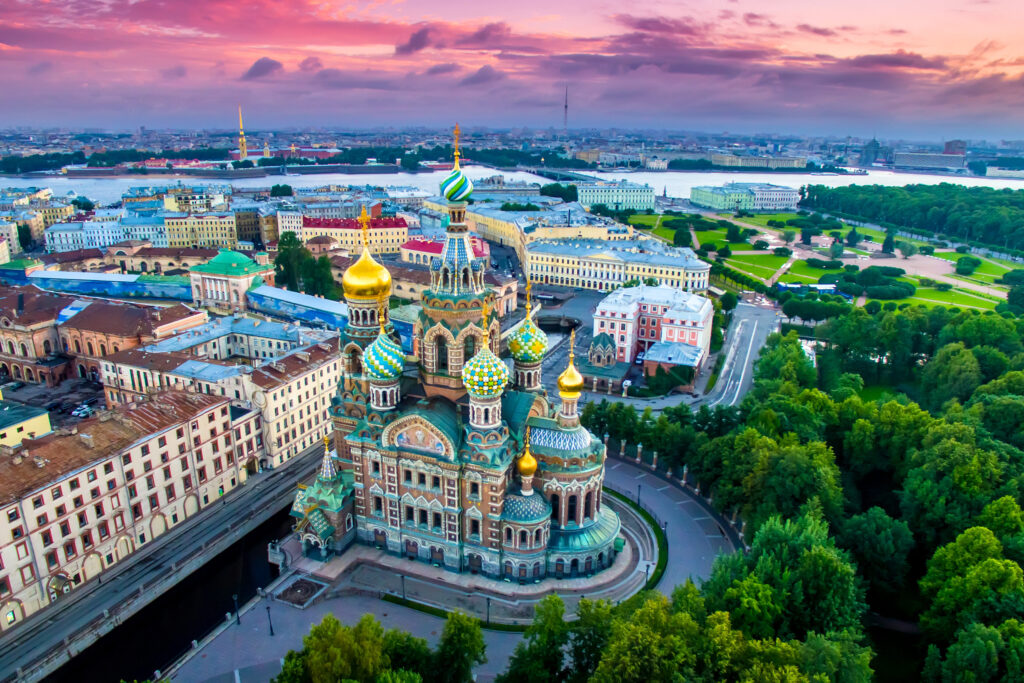
Engineers and futurists in early 20th-century Russia saw hyperboloid structures as the future of architecture. The Polibino tower became a kind of early showcase, drawing attention for its striking, almost sci-fi design. For a time, structures like this were promoted as symbols of what cities might one day look like. Travelers and architects alike were fascinated by the concept.
But the style never became mainstream in the way many expected. The tower still stands, but as more of a historical curiosity than a sign of things to come. Its futuristic promise quietly faded as other architectural trends took over. What once looked like tomorrow now feels like an alternate path that never fully happened.
4. Futuro Houses (Various Locations Worldwide)
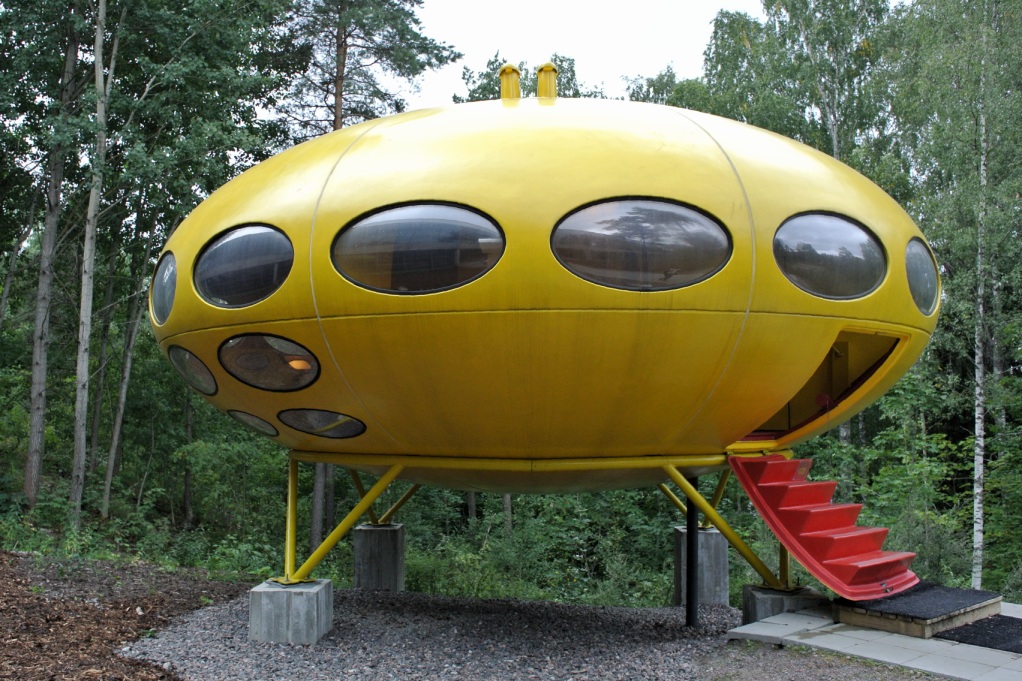
In the late ’60s and early ’70s, the Futuro House was pitched as the ultimate portable home of the future. Designed by Finnish architect Matti Suuronen, these UFO-shaped structures looked like something straight out of a sci-fi movie. They were lightweight, prefabricated, and easy to transport, at least in theory. For a moment, it really seemed like neighborhoods of these pods might become normal.
That never materialized, largely due to cost, zoning issues, and the oil crisis. Many units were abandoned, scrapped, or left to deteriorate in remote locations. A few still exist today, often as quirky tourist stops or restoration projects. They feel like artifacts from a future that people once genuinely believed in.
5. The Michigan “City of Tomorrow” Plans (Various Proposals)
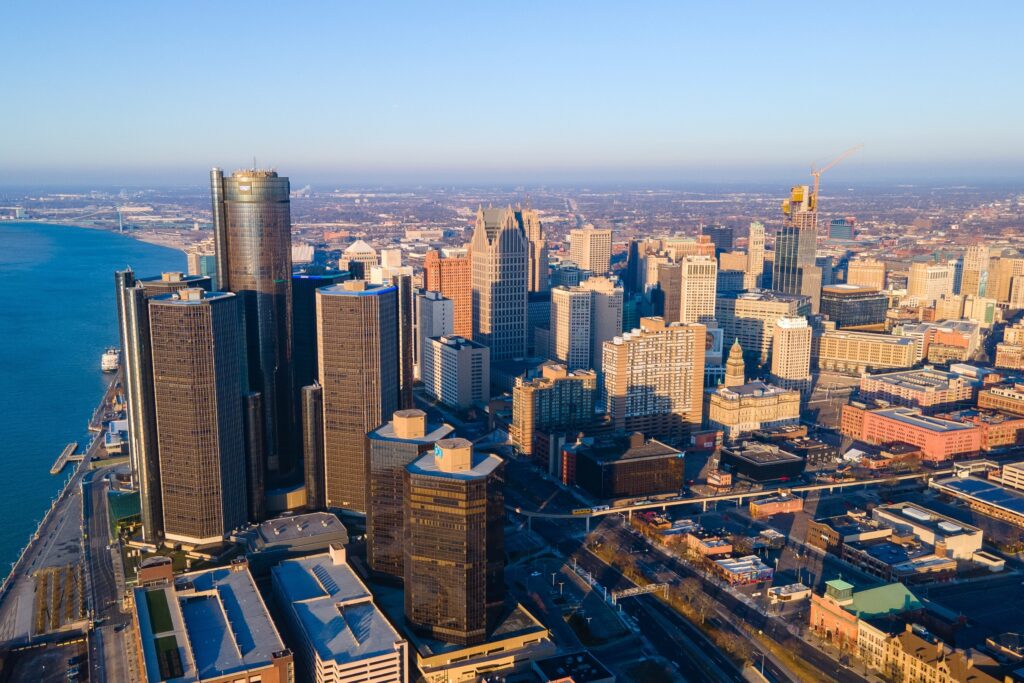
In the mid-20th century, Michigan saw multiple proposals for futuristic planned communities tied to the auto industry. Some concepts included fully integrated transportation systems, automated infrastructure, and sleek modernist housing. These developments were marketed as the next evolution of suburban life. Developers and planners talked openly about building entire “cities of tomorrow.”
Most of these projects never moved beyond the planning stage or were drastically scaled back. Economic shifts and changing priorities made them difficult to sustain. Today, they exist mostly in concept art, promotional brochures, and archives. They remain a reminder of how confidently people once tried to design the future from scratch.
6. Expo 2000’s “World of Mobility,” Hanover, Germany
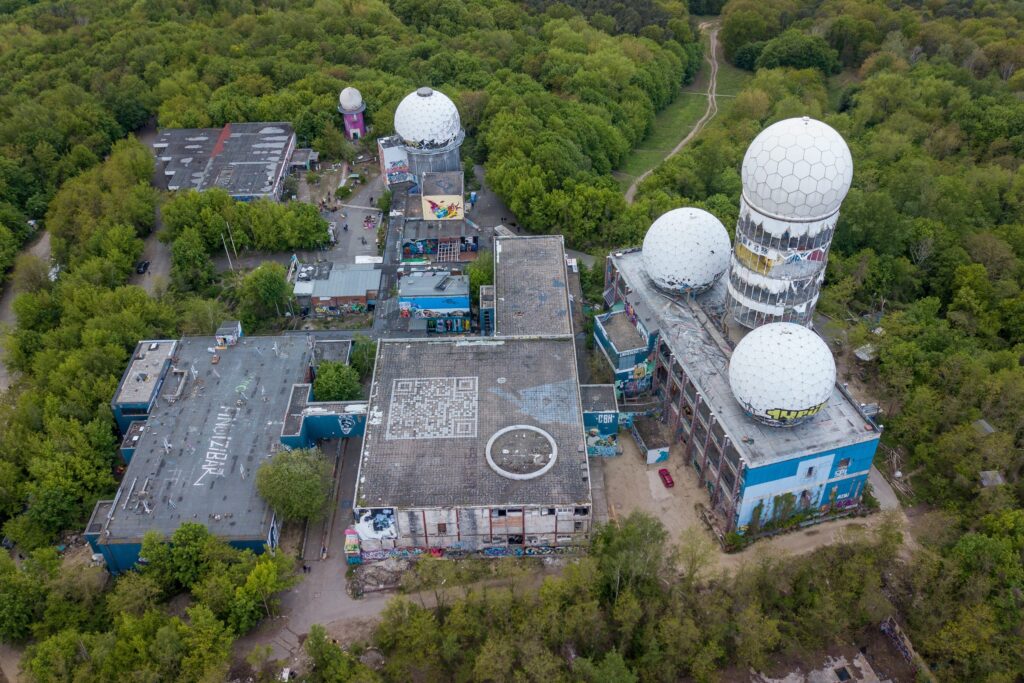
Expo 2000 presented itself as a showcase of how humans would live and travel in the future. The “World of Mobility” pavilion focused heavily on advanced transportation systems, smart infrastructure, and global connectivity. Visitors were given a glimpse of a high-tech world that felt just around the corner. It was immersive, ambitious, and very much rooted in optimism.
After the expo ended, many of the exhibits were dismantled or lost. The site itself struggled to maintain long-term relevance as a tourist destination. While some infrastructure remains, the cohesive futuristic vision is gone. What was once cutting-edge now feels like a snapshot of early 2000s expectations.
7. Arcosanti, Arizona
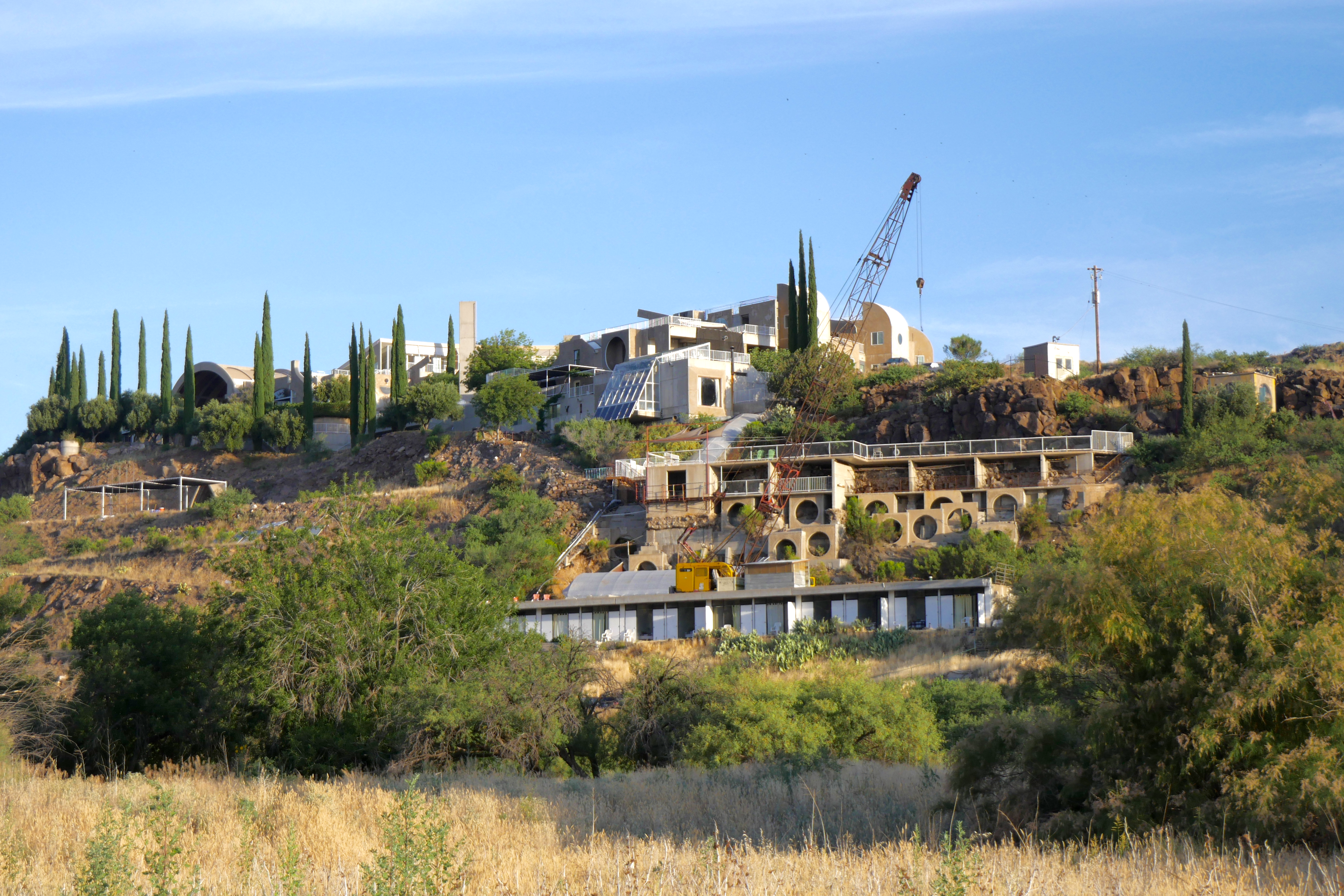
Arcosanti was founded in 1970 by architect Paolo Soleri as an experimental city focused on “arcology,” blending architecture with ecology. It was marketed as a sustainable, futuristic alternative to sprawling urban development. Early visitors were drawn by the promise of a radically different way of living. The structures themselves looked unlike anything else in the desert landscape.
However, the project never reached its intended scale. Only a fraction of the planned city was ever built. Today, it functions more as an educational site and small community than a thriving futuristic metropolis. The dream is still there, but it never fully became the future it was meant to represent.
8. Disney’s Original EPCOT Concept, Florida
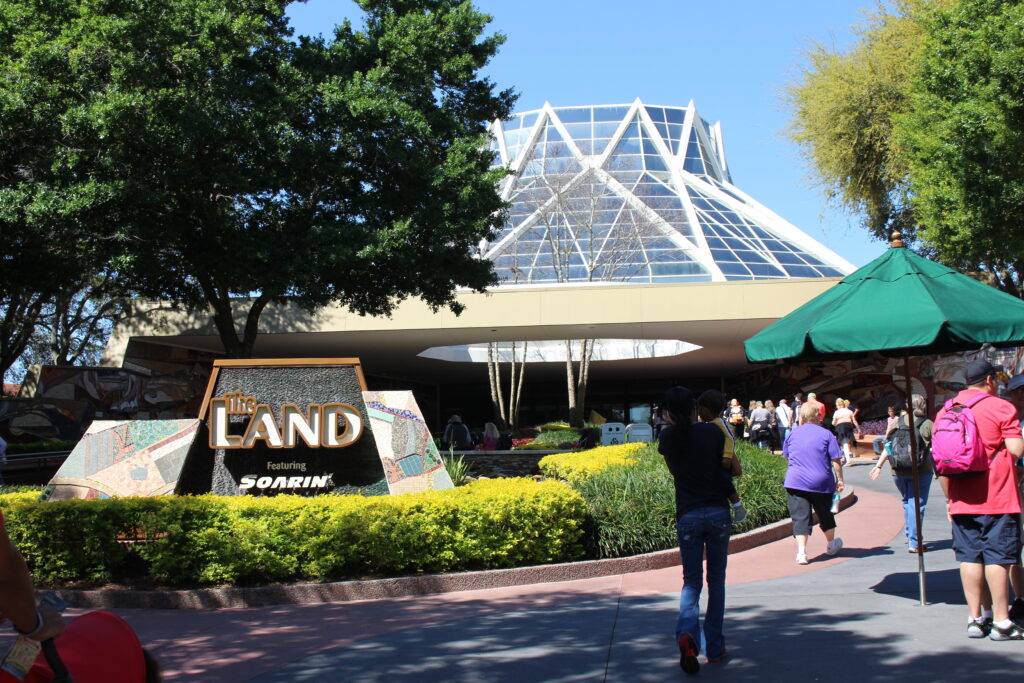
Walt Disney’s original vision for EPCOT wasn’t a theme park at all, it was supposed to be a fully functioning city of the future. He imagined a constantly evolving community where new technologies would be tested in real life. The concept included advanced transportation systems and carefully controlled urban design. It was heavily marketed as a real-world prototype for tomorrow’s cities.
After Disney’s death in 1966, those plans were abandoned. What eventually opened in 1982 was a theme park inspired by innovation, not a living city. The original futuristic community never came to life. It remains one of the most famous “what if” scenarios in modern urban planning.
9. The World Trade Center Observation Deck as a “Future Hub,” New York
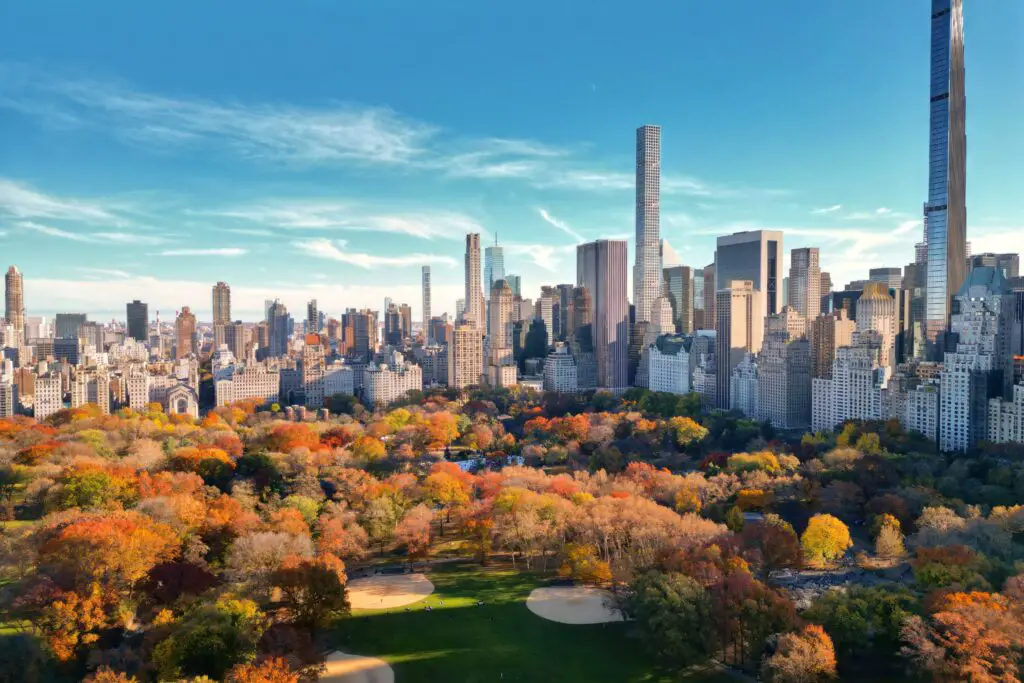
When the World Trade Center opened in the early 1970s, it was promoted as a symbol of the future of global commerce. The observation deck became a major tourist draw, offering a view from what felt like the edge of modernity. Visitors were told they were witnessing the future of interconnected cities and economies. The towers themselves were seen as cutting-edge engineering.
The site’s story changed permanently after the attacks on September 11, 2001. The original structures were destroyed, along with the experience they offered. While the area has been rebuilt, the original “future hub” concept tied to the towers is gone. It stands as a powerful reminder of how quickly visions of the future can shift.
10. Expo ’86 Transportation Pavilion, Vancouver
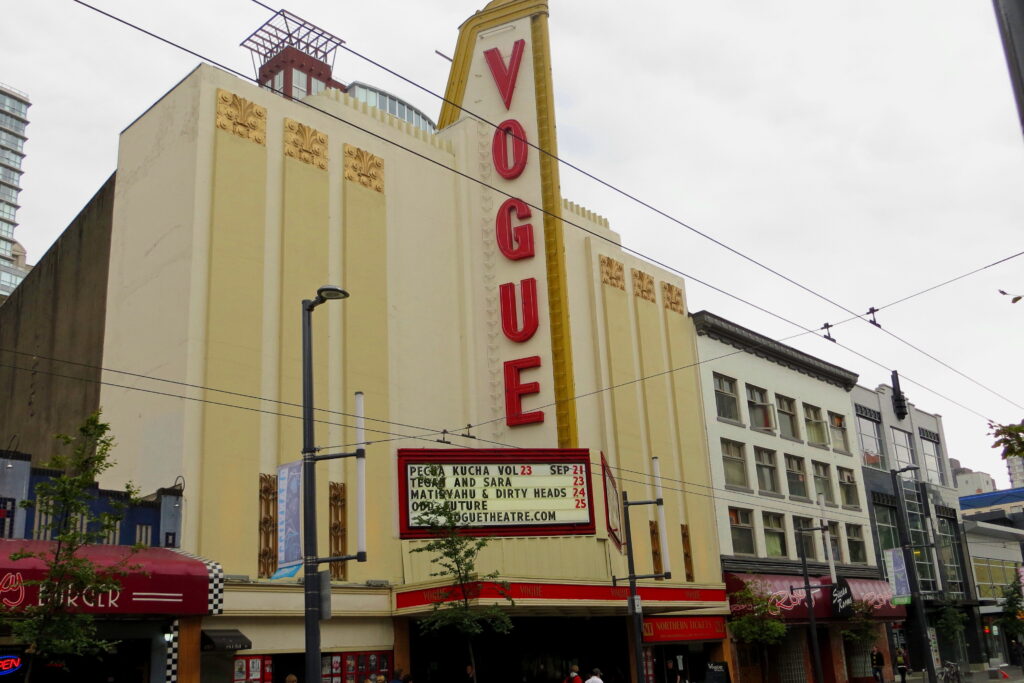
Expo ’86 in Vancouver focused heavily on transportation and communication as keys to the future. The Transportation Pavilion highlighted high-speed trains, advanced vehicles, and new ways of moving through cities. At the time, it felt like a preview of a faster, more connected world. Visitors experienced interactive exhibits that made those ideas feel tangible.
After the expo, many of the structures were removed or redeveloped. The pavilion itself did not survive in its original form. Parts of the site were transformed into residential and commercial spaces. The futuristic vision that once defined the area faded as the city evolved in more conventional ways.
11. The Illinois Sky City Proposal (Chicago)
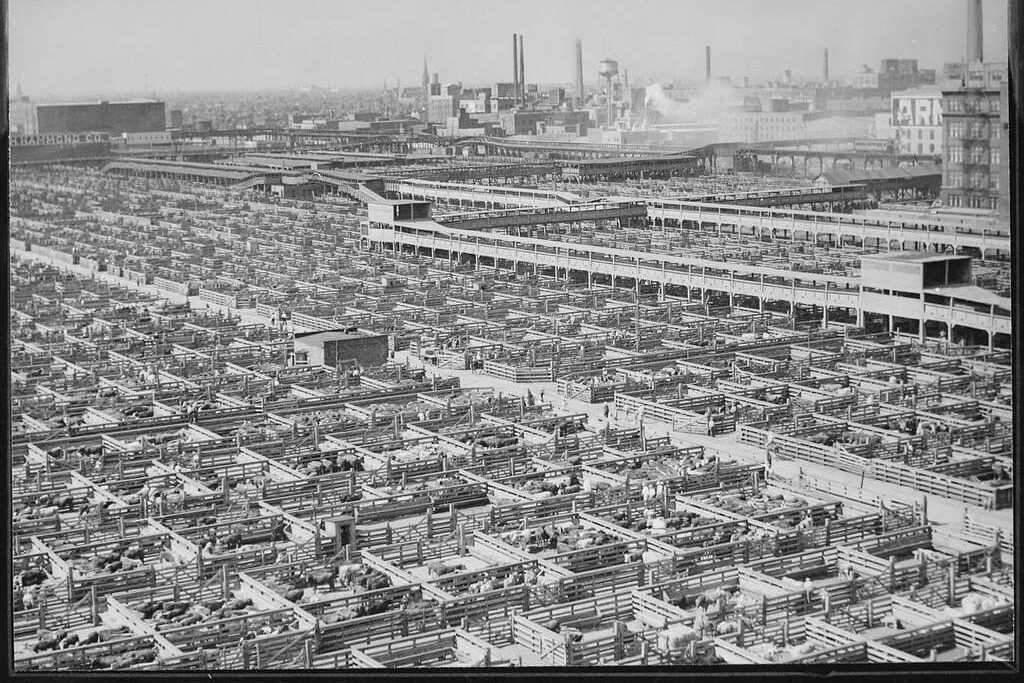
In the 1950s and 1960s, architects proposed massive vertical cities for Chicago, sometimes referred to as “Sky City” concepts. These structures were meant to house thousands of people in a single, self-contained skyscraper. The idea was heavily marketed as a solution to urban sprawl and a glimpse of the future. Renderings showed sleek towers with integrated transportation and green spaces.
None of these proposals were ever built. Engineering challenges, costs, and shifting priorities kept them on paper. Today, they’re mostly remembered through illustrations and architectural history discussions. They capture a moment when people believed the future would rise straight into the sky.
12. The World’s Fair Futurama Exhibits (1939 and 1964)
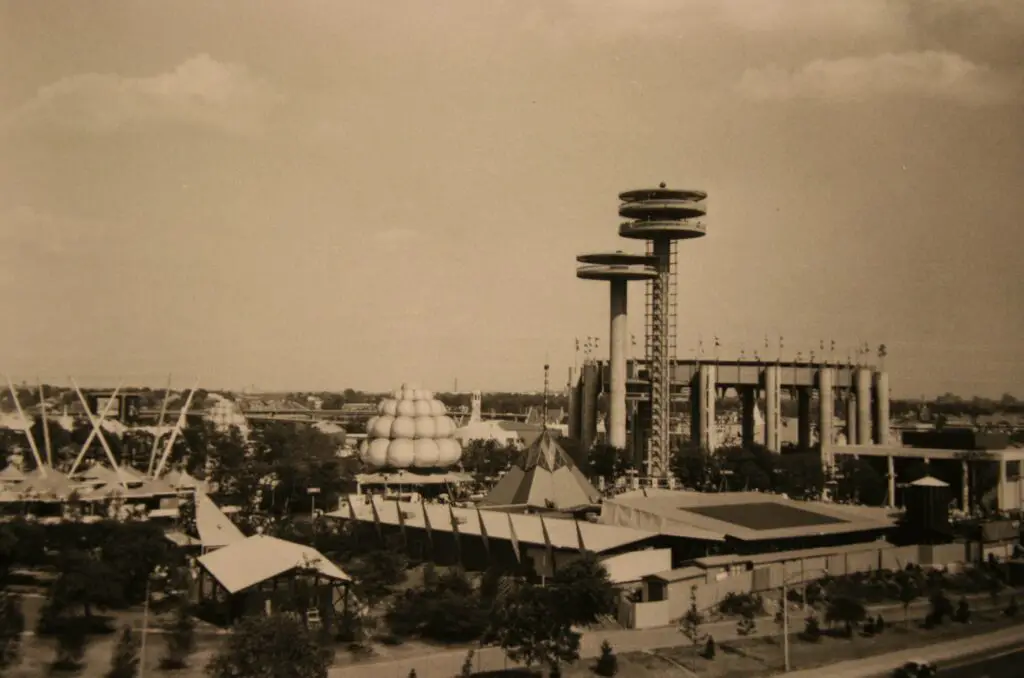
General Motors’ Futurama exhibits at the 1939 and 1964 New York World’s Fairs were incredibly influential. Visitors rode through detailed models of futuristic cities filled with highways, automated traffic systems, and suburban expansion. It was marketed as a near-certainty, not just a possibility. Millions of people left believing they had seen the future firsthand.
While some ideas, like highway systems, did become reality, the full vision never materialized as presented. The exhibits themselves were temporary and dismantled after the fairs. Today, they exist mostly in photos and historical accounts. Their version of the future remains frozen in time.
13. The Millennium Dome Exhibits, London
When the Millennium Dome opened in 2000, it was designed to celebrate the future of the United Kingdom. Inside were themed zones focused on technology, the body, and innovation. It was marketed as a once-in-a-lifetime look at what the next century might hold. Visitors expected something groundbreaking and forward-thinking.
The project was widely criticized at the time and struggled to meet expectations. After its initial run, the exhibits were removed and the space was redeveloped. Today, it’s known as the O2 Arena, a major entertainment venue. The original “future-focused” experience is long gone, replaced by something far more conventional.