
1. M*A*S*H Cast Tensions Were Very Real
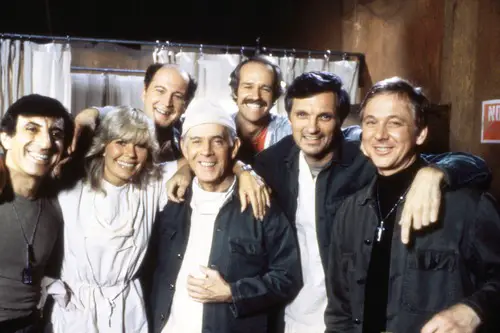
Working on M*A*S*H looked like a dream job from the outside, but the set wasn’t always harmonious. M*A*S*H stars Alan Alda and Wayne Rogers had creative differences that became hard to ignore over time. Rogers felt his character Trapper John was being overshadowed, especially as Alda’s role expanded. That tension contributed to Rogers leaving the show after just three seasons. The shift in focus toward Hawkeye was noticeable to viewers, even if they didn’t know why.
Behind the scenes, the cast also dealt with demanding filming conditions, especially when shooting outdoor scenes in California heat meant to mimic Korea. Long hours and emotional storylines added to the pressure. Despite that, many cast members still described the set as meaningful because of the show’s anti-war message. The chemistry you saw on screen often came from actors pushing through real frustrations. It gave the show an edge that felt authentic.
2. Three’s Company Had a Cast Rift That Changed Everything
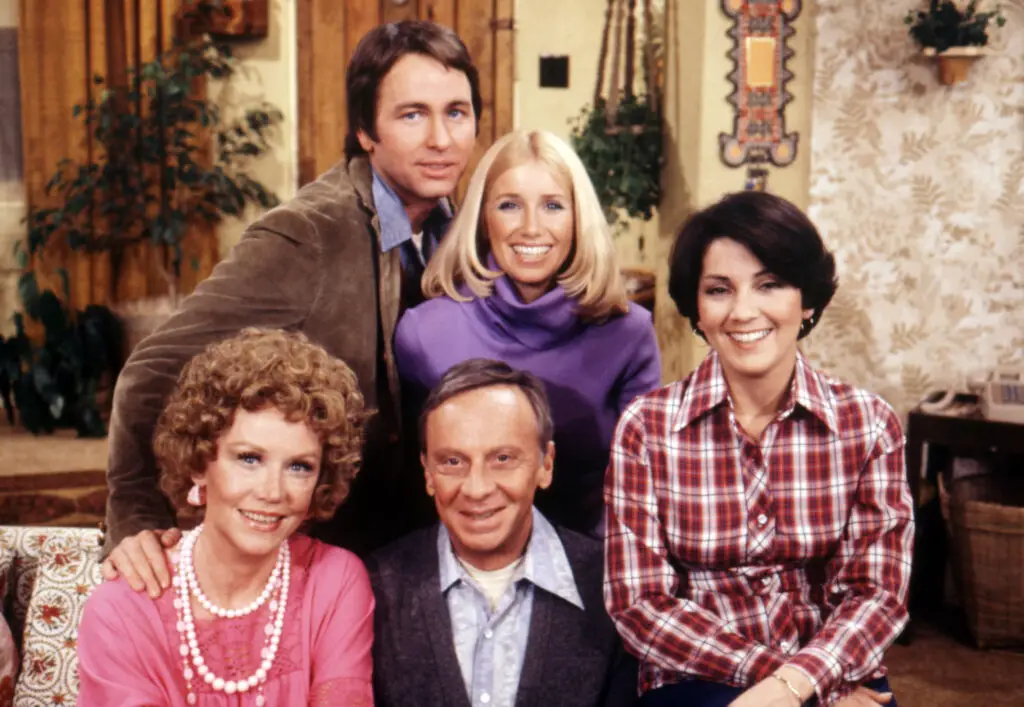
Three’s Company thrived on the chemistry between Suzanne Somers, John Ritter, and Joyce DeWitt, but that dynamic didn’t last. Somers asked for a major pay raise during the show’s peak, hoping to match Ritter’s salary. When negotiations broke down, she was phased out of the series. For a while, she only appeared briefly at the end of episodes, filmed separately.
The tension didn’t just stay behind closed doors, it affected the entire production. DeWitt later said communication between cast members became strained. The show introduced replacement characters, but many fans noticed the shift immediately. What had once felt effortless suddenly felt more manufactured. It’s a reminder of how quickly behind-the-scenes issues can change a show’s tone.
3. Cheers Nearly Lost Its Star Early On
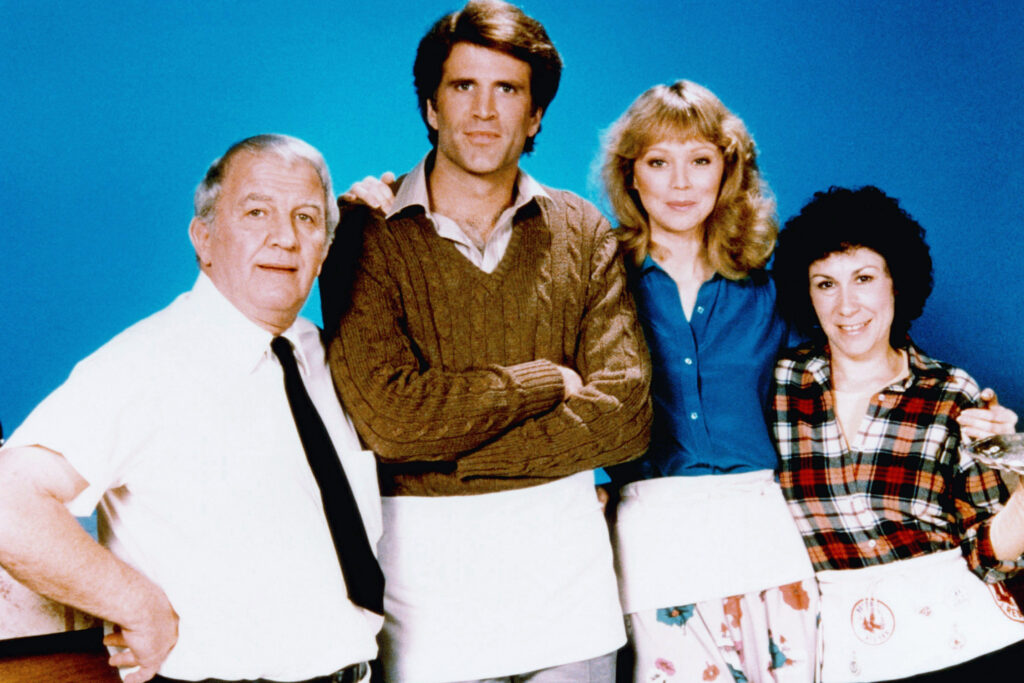
When Cheers first aired, it struggled in the ratings. Ted Danson even worried the show might not survive its first season. NBC executives considered canceling it before it had time to find an audience. It was only a strong critical response that kept it alive long enough to grow.
Once it did, it became one of the most beloved sitcoms ever made. But early uncertainty shaped how the cast approached their work. They didn’t take success for granted because it wasn’t guaranteed. That pressure arguably helped sharpen the performances. It also explains why the show’s tone felt so grounded compared to flashier sitcoms of the time.
4. All in the Family Filmed Two Versions of Every Episode
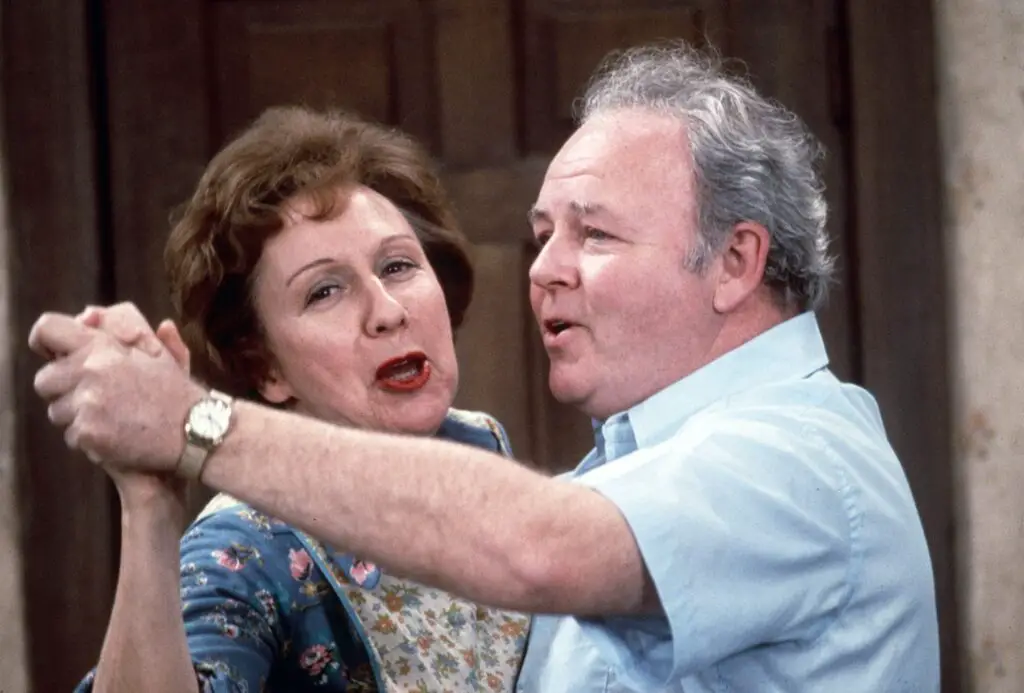
All in the Family pushed boundaries, and producers knew not every joke would land the same way with every audience. To manage that risk, they sometimes filmed alternate versions of scenes. This gave them flexibility if certain lines felt too controversial. It was a practical way to navigate network concerns.
Carroll O’Connor, who played Archie Bunker, took his role seriously and often debated scripts. He wanted the character to be complex rather than just offensive. The show’s willingness to adjust behind the scenes helped it stay on the air. At the same time, it never fully lost its edge. That balance was carefully managed, not accidental.
5. Friends Cast Negotiated as a Group
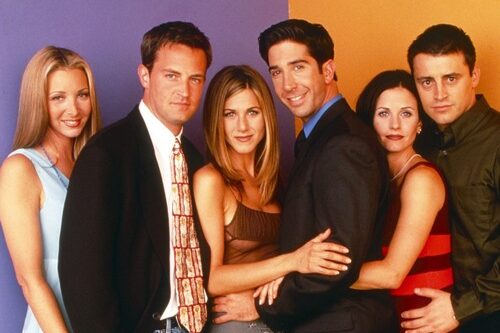
By the time Friends became a hit, its six stars realized their strength was in unity. Jennifer Aniston, Courteney Cox, Lisa Kudrow, Matt LeBlanc, Matthew Perry, and David Schwimmer negotiated their contracts together. They insisted on equal pay, which was unusual at the time. Eventually, they each earned $1 million per episode in later seasons.
That decision changed how ensemble casts approached negotiations going forward. It also helped maintain balance within the show itself. No single character dominated for too long. The cast’s off-screen loyalty translated into on-screen chemistry. It was a rare case where business decisions directly supported storytelling.
6. The Brady Bunch Kids Didn’t Always Get Along
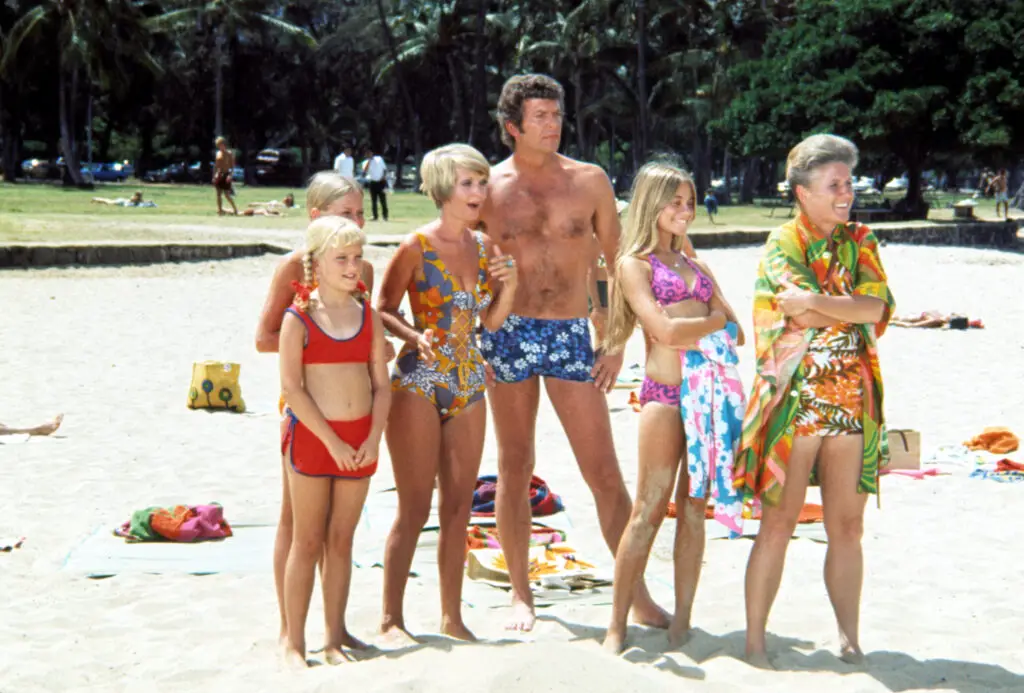
On The Brady Bunch, the cast played one big happy family, but real life was more complicated. The younger actors formed friendships, but there were also cliques and occasional rivalries. Maureen McCormick later spoke openly about personal struggles during and after the show. Fame at a young age brought pressures the cast wasn’t prepared for.
There were also crushes among cast members, which added another layer of complexity. Barry Williams admitted to dating several of his on-screen siblings at different times. While it might sound harmless, it sometimes made filming awkward. Still, those dynamics never fully broke the show’s wholesome image. Viewers saw the polished version, not the messy reality behind it.
7. Seinfeld Had Strict “No Hugging, No Learning” Rules
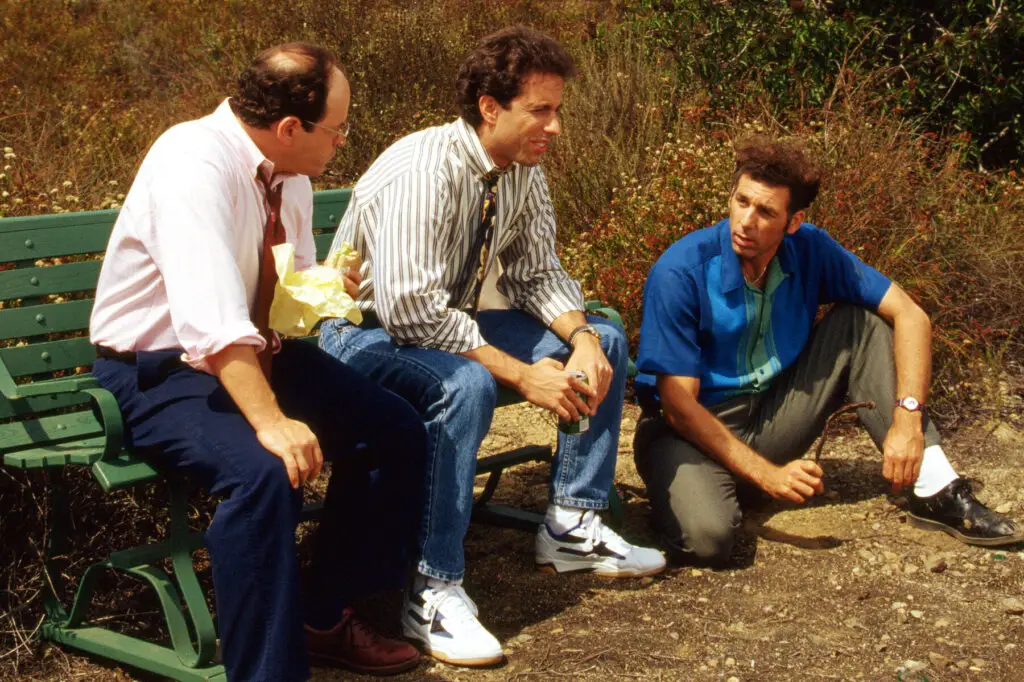
Seinfeld followed an unusual philosophy: characters shouldn’t grow or become sentimental. Larry David and Jerry Seinfeld insisted on “no hugging, no learning.” That meant storylines avoided traditional emotional resolutions. It was a deliberate rejection of sitcom norms.
This approach shaped every script and performance. The characters stayed selfish, petty, and often unlikable, and that was the point. Some network executives were initially unsure about the tone. But audiences responded to its honesty and consistency. What seemed risky behind the scenes became the show’s defining strength.
8. The Fresh Prince of Bel-Air Recast Aunt Viv Without Explanation
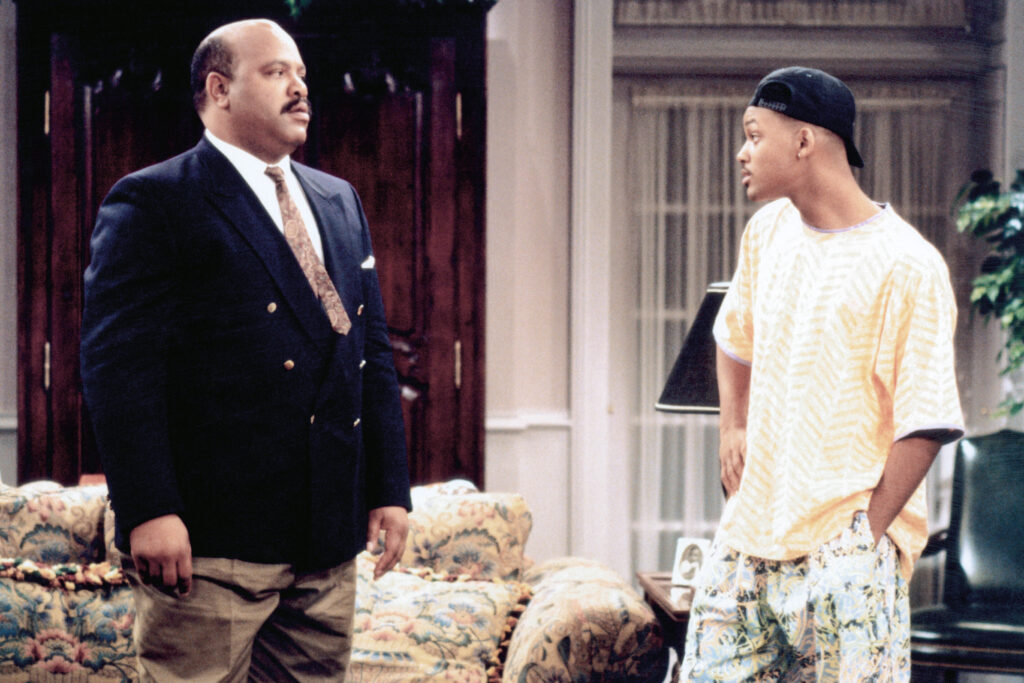
When The Fresh Prince of Bel-Air replaced the original Aunt Viv, viewers noticed immediately. Janet Hubert was replaced by Daphne Maxwell Reid after behind-the-scenes conflicts. Reports at the time pointed to tensions between Hubert and other cast members, including Will Smith.
The show never addressed the change within the storyline. It simply moved forward as if nothing had happened. For years, the situation remained a source of speculation. More recently, Smith and Hubert publicly reconciled, offering some closure. But at the time, viewers were left to piece things together on their own.
9. Roseanne Was Known for Script Rewrites on Set
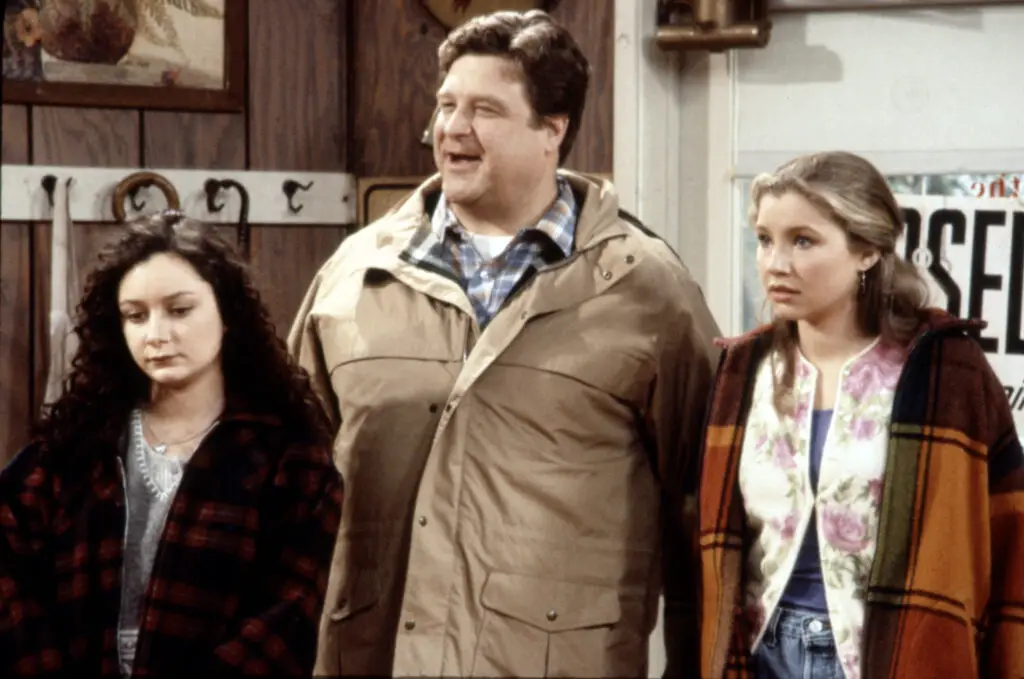
Roseanne had a reputation for last-minute script changes. Roseanne Barr was deeply involved in the writing process and often pushed for rewrites. She wanted the dialogue to feel authentic to working-class life. That meant scenes could change even on the day of filming.
While that improved realism, it also created tension with writers and producers. Not everyone agreed with her approach. Still, the show’s voice remained distinct because of that hands-on involvement. It’s one reason the series felt different from other sitcoms of its era. The behind-the-scenes chaos contributed to its rawness.
10. Full House Faced Real-Life Tragedy During Its Run
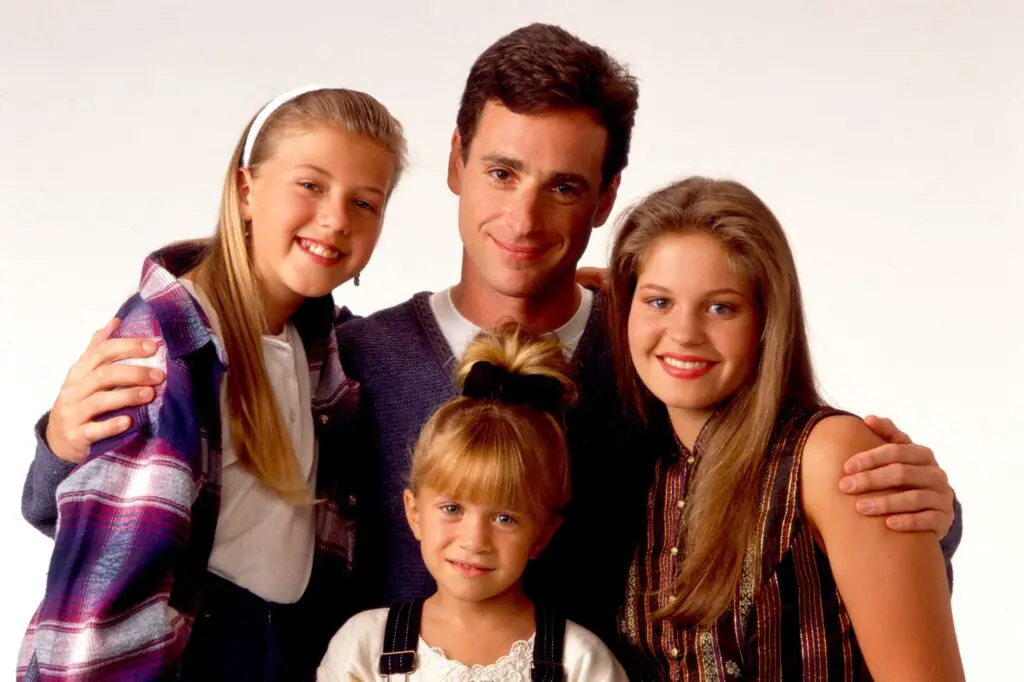
Full House maintained a light tone, but the cast experienced real grief off camera. John Stamos and others became very close during filming, forming what they described as a second family. Years later, the loss of Bob Saget deeply affected the group, even though it happened long after the original run.
During the show itself, the actors still dealt with the pressures of child stardom and long production schedules. The younger cast members grew up in front of the camera. That came with scrutiny and expectations that weren’t always easy to handle. The warmth viewers saw was real, but it didn’t mean everything was effortless. Like most long-running shows, it had its share of difficult moments.
11. Taxi Cast Members Worried About Job Security Constantly
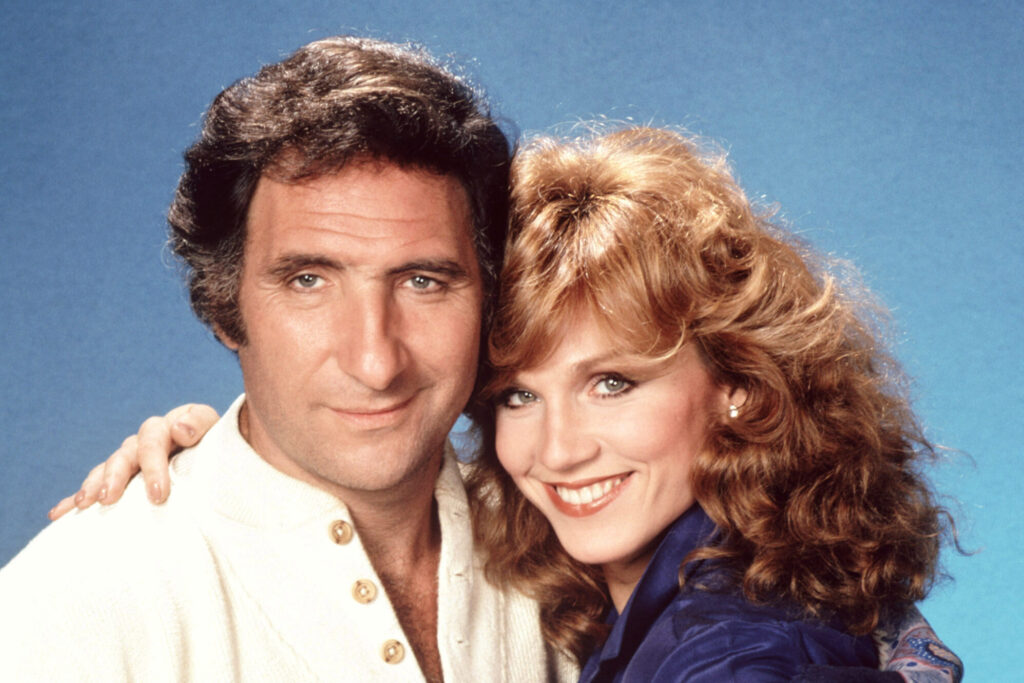
Taxi moved between networks during its run, which created ongoing uncertainty. Actors like Judd Hirsch and Danny DeVito didn’t always know if the show would continue. It was canceled by ABC and then picked up by NBC, which was unusual at the time.
That instability affected morale behind the scenes. The cast had to keep delivering strong performances without knowing their future. In a way, it mirrored the struggles of their characters. The show’s themes of working-class uncertainty felt more real because of it. Viewers likely had no idea how close it came to disappearing more than once.
12. Happy Days Accidentally Created a Cultural Phrase
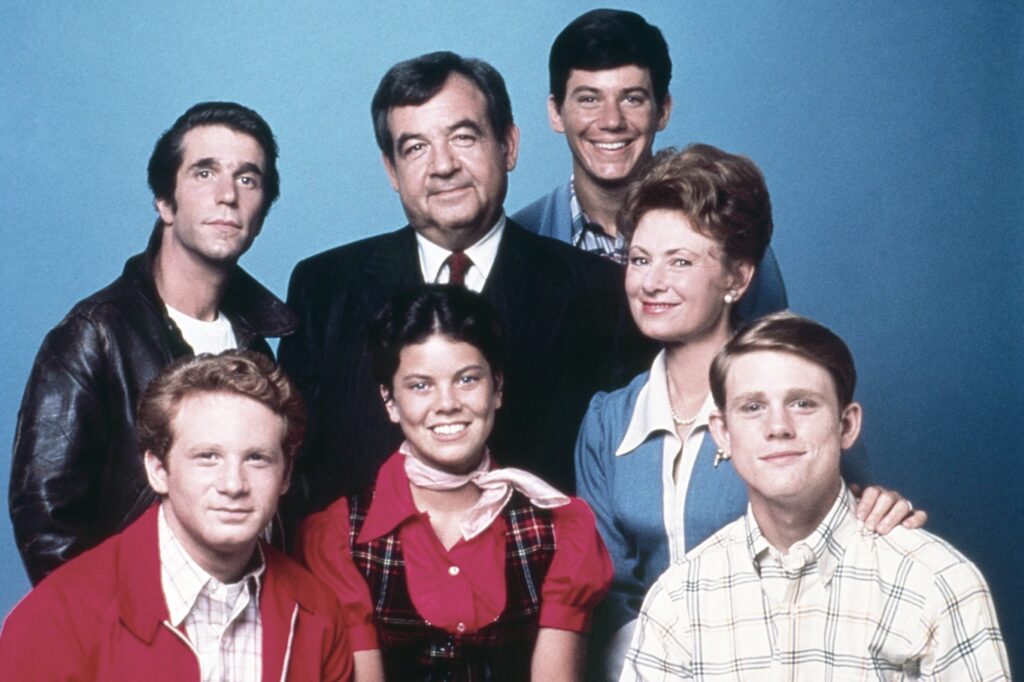
Happy Days didn’t set out to make history with one particular episode. But when Henry Winkler’s character Fonzie literally jumped over a shark on water skis, it became infamous. The moment was meant to be fun and over-the-top. Instead, it became shorthand for when a show has run out of ideas.
Behind the scenes, the cast and crew didn’t necessarily see it as a turning point at the time. It was just another attempt to keep the series fresh. But audience reactions were mixed, and the phrase “jump the shark” stuck. It’s now part of pop culture vocabulary. Few shows can say they unintentionally coined a lasting expression.
13. I Love Lucy Broke Ground With Its Filming Style
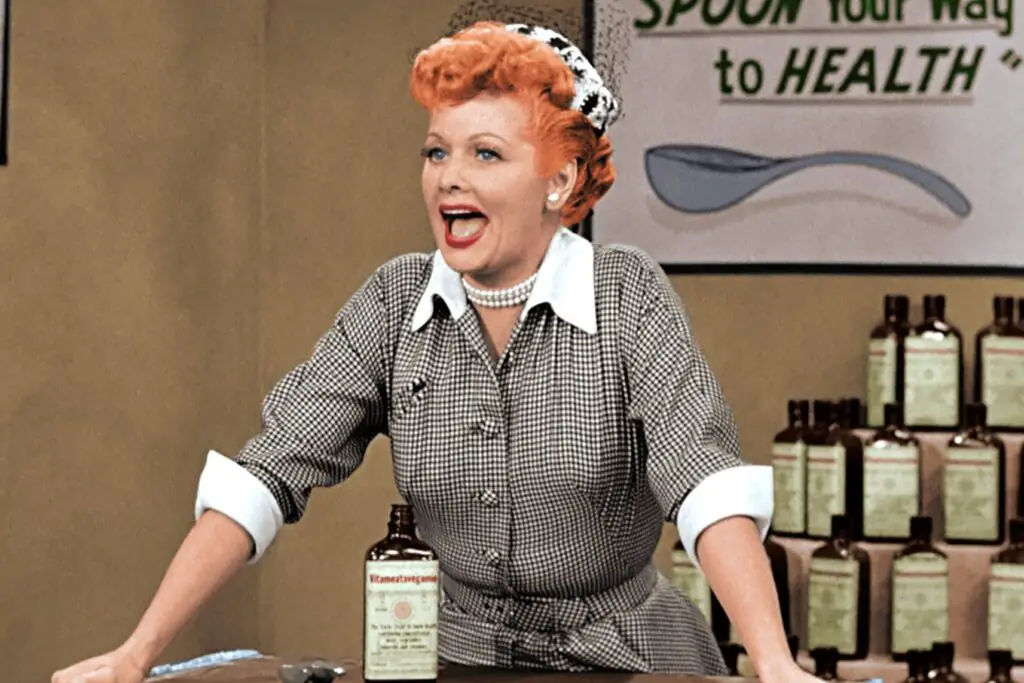
I Love Lucy changed television production in ways viewers rarely think about. Lucille Ball and Desi Arnaz insisted on filming in front of a live audience using multiple cameras. At the time, most shows were broadcast live or filmed with a single camera.
This approach allowed for higher-quality reruns, which became a major revenue stream later. It also captured genuine audience reactions. The laughter you hear isn’t canned, it’s real. That decision influenced how sitcoms are still made today. It was a technical choice that reshaped the entire industry.
14. The Office Cast Often Improvised Key Moments
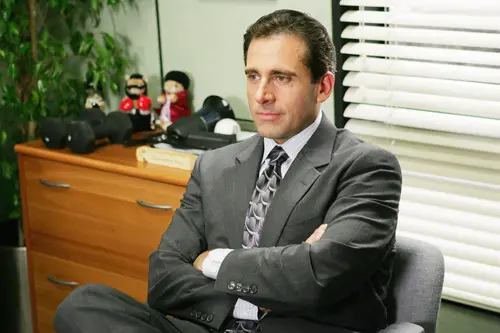
The Office is known for its natural, awkward humor, and much of that came from improvisation. Steve Carell and other cast members were encouraged to experiment with lines and reactions. Some of the show’s most memorable moments weren’t in the original script.
Writers built flexibility into scenes to allow for that spontaneity. It required a lot of trust between actors and producers. Not every improvisation made it into the final cut, but enough did to shape the show’s tone. The result felt less polished but more real. That style became a defining feature of modern sitcoms.
15. The Golden Girls Cast Didn’t Always Socialize Off Set
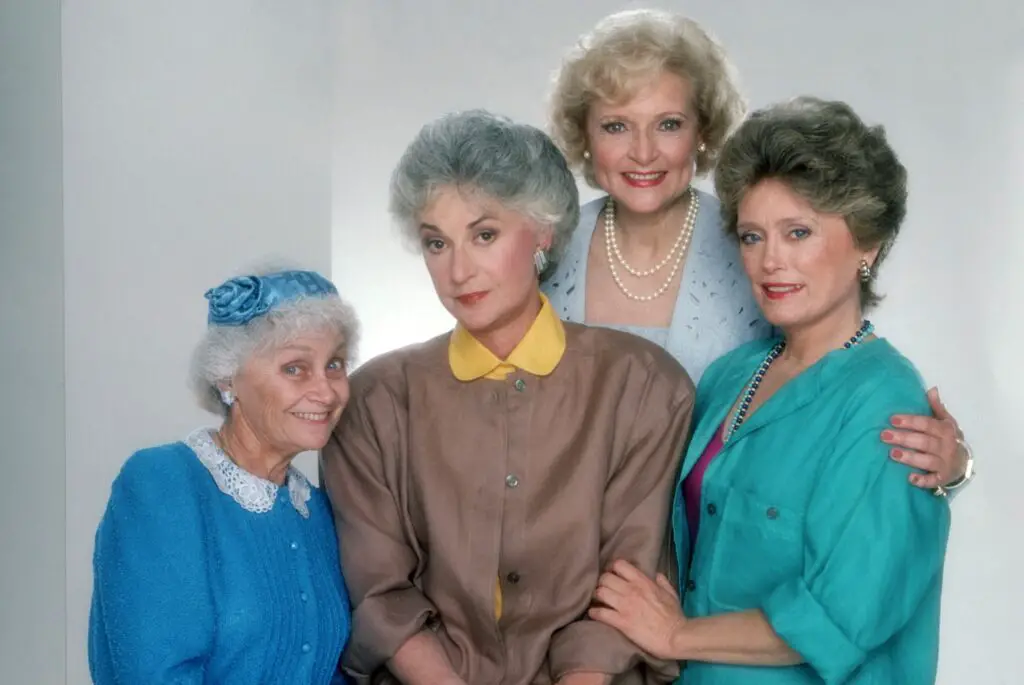
The Golden Girls gave the impression of a close-knit group, but the reality was more nuanced. Bea Arthur and Betty White reportedly had different personalities that sometimes clashed. Arthur preferred to keep work and personal life separate, while White was more outgoing.
Despite that, their professionalism kept the show running smoothly. The performances never suffered because of any off-screen differences. In fact, the contrast may have added depth to their characters. It’s a reminder that chemistry on screen doesn’t always reflect personal relationships. What matters is how it translates to the audience.