
1. Howard Hughes
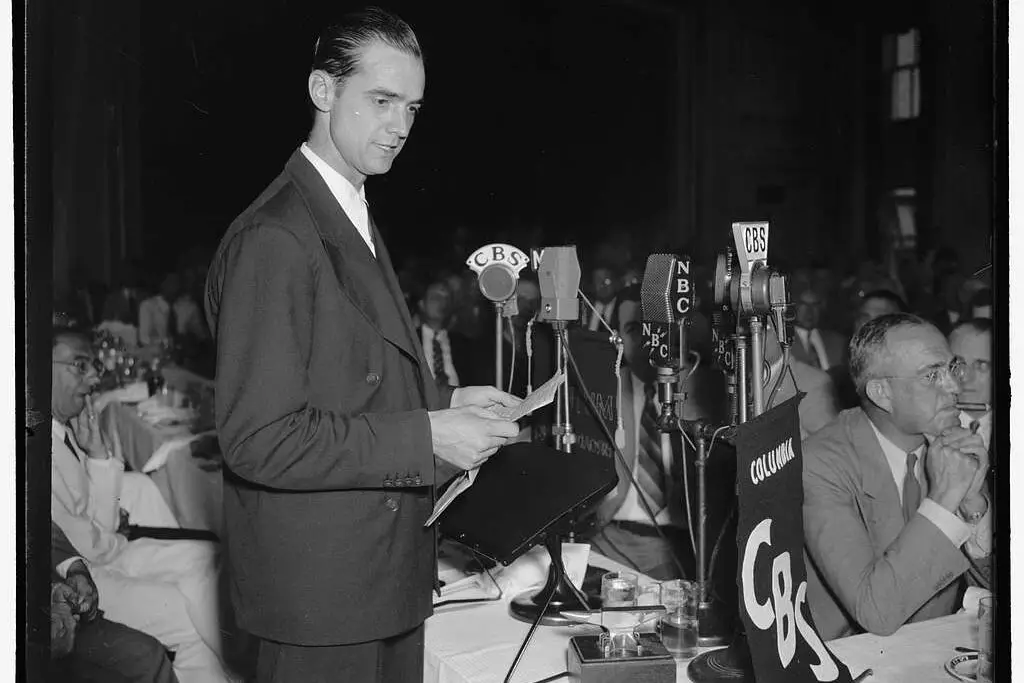
Howard Hughes was one of the richest and most powerful men in America, but by the end of his life, he had become almost completely invisible. In his later years, he lived in seclusion, moving between hotel suites and communicating with the outside world through intermediaries. When he died in 1976, he was so physically altered that authorities initially struggled to confirm his identity.
That confusion only added to the strange mythology surrounding him. Years earlier, a man named Melvin Dummar had claimed Hughes left him a handwritten will, which would have made him a beneficiary of the estate. The document was ultimately ruled a forgery, but it raised questions about how disconnected Hughes had become. Even basic details about his final years remain murky. For someone so famous, the end of his life feels surprisingly hard to pin down.
2. Amelia Earhart

Amelia Earhart was already one of the most famous aviators in the world when she disappeared in 1937 while attempting to fly around the globe. Her last known position was near Howland Island in the Pacific, but she never arrived, and no confirmed wreckage has ever been found. Over the years, several theories have emerged, including a crash at sea or a landing on a remote island.
What makes Earhart’s story especially frustrating is how much evidence seems to exist without leading to a clear conclusion. Radio signals were reportedly picked up after her disappearance, but their reliability is still debated. Occasional discoveries, like bones or artifacts, have sparked renewed interest, only to be questioned later. Despite extensive searches, no definitive answer has been reached. Her disappearance remains one of aviation’s most persistent mysteries.
3. Edgar Allan Poe
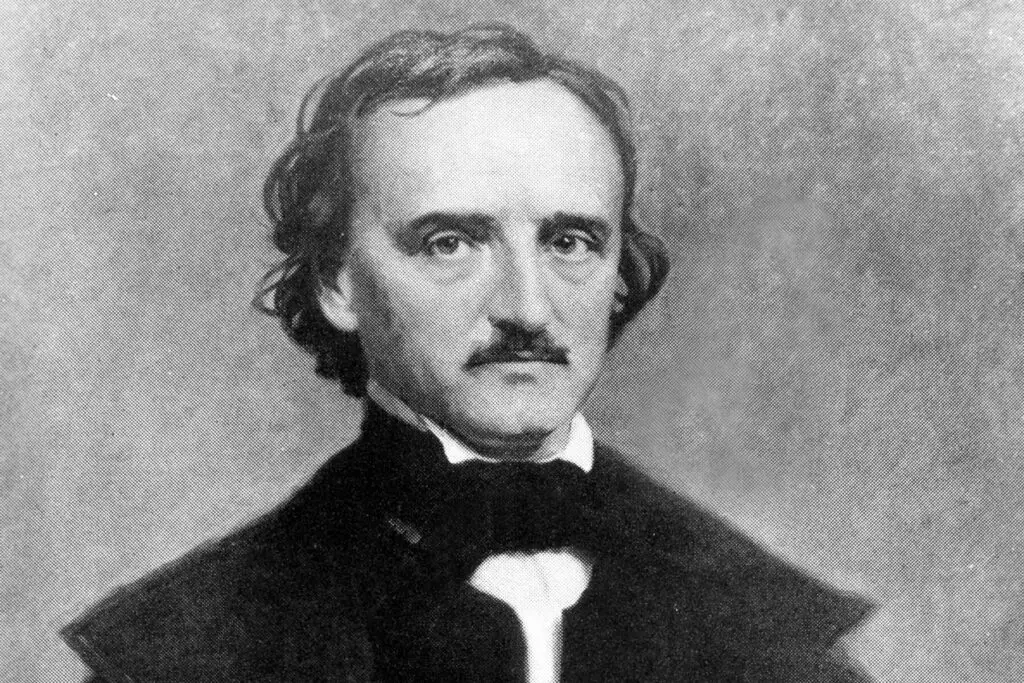
Edgar Allan Poe’s death in 1849 is almost as mysterious as the stories he wrote. He was found in Baltimore in a distressed state, wearing clothes that did not appear to be his, and was unable to explain what had happened to him. He died a few days later, and no clear cause of death was ever established.
Several theories have been proposed, including alcohol-related illness, rabies, and “cooping,” a form of election fraud involving forced voting. None of these explanations fully accounts for the details reported at the time. Medical records are incomplete, and witness accounts vary significantly. The lack of consistent evidence has kept the mystery alive. His final days still resist a definitive explanation.
4. Anastasia Romanov

After the execution of Russia’s royal family in 1918, rumors spread that one of the daughters, Anastasia, had survived. For decades, multiple individuals claimed to be her, with Anna Anderson becoming the most widely known. Her claims convinced some observers, including people familiar with the Romanovs.
Modern DNA testing has shown that the Romanov family was killed and that Anderson was not Anastasia. However, early uncertainty about the burial sites helped sustain the story for decades. Partial discoveries of remains left gaps that fueled speculation. Even after scientific confirmation, the myth persisted in popular culture. It remains one of the most enduring cases of mistaken identity.
5. D. B. Cooper
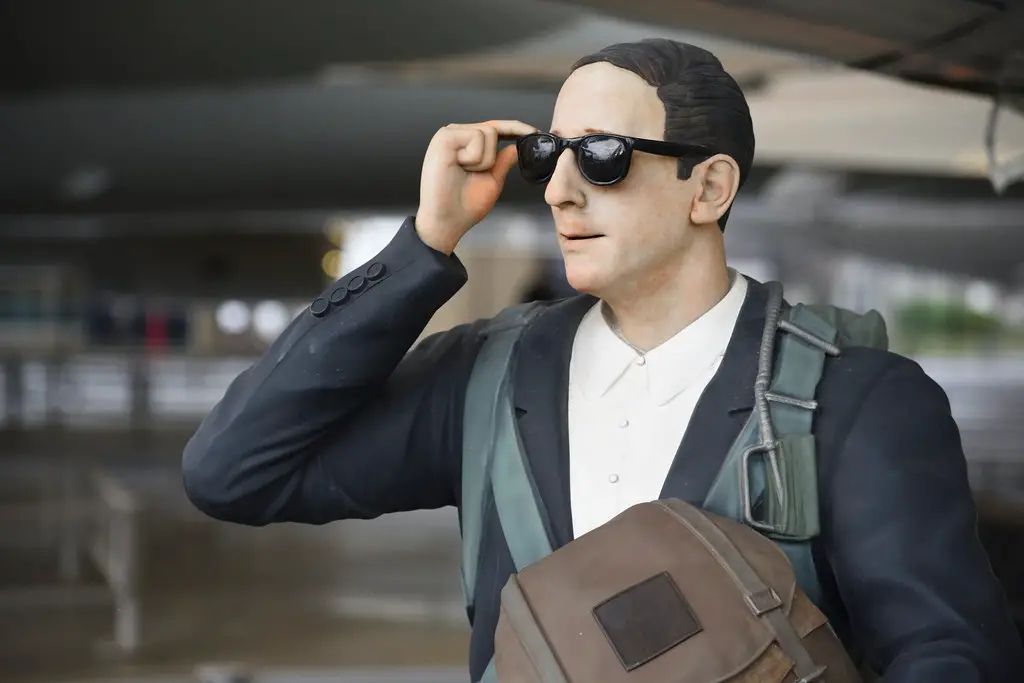
In 1971, a man using the name D. B. Cooper hijacked a commercial flight, demanded $200,000 in ransom, and then parachuted out of the plane over the Pacific Northwest. He was never identified or captured. The FBI investigated the case for decades before closing it in 2016 without a confirmed suspect.
Some of the ransom money was discovered years later along a riverbank, but it did not lead to a resolution. Numerous suspects have been proposed, but none have been definitively linked to the crime. It is unclear whether Cooper survived the jump. The case stands as one of the only unsolved hijackings in U.S. history. The lack of closure continues to draw attention.
6. Grigori Rasputin
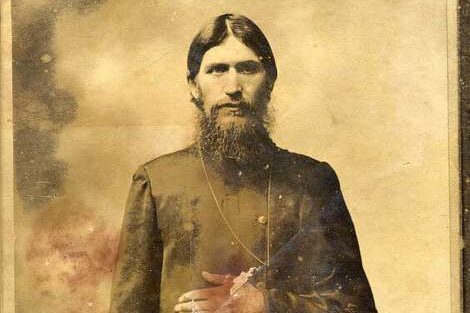
Grigori Rasputin became a powerful and controversial figure in the final years of the Russian Empire. He was closely associated with the Romanov family, particularly due to his perceived ability to help the tsarevich’s illness. In 1916, he was assassinated by a group of nobles.
Popular accounts describe an elaborate and prolonged attempt to kill him, involving poison, gunshots, and drowning. However, historians have questioned many of these details. Autopsy reports suggest that gunshot wounds were the primary cause of death, and there is little evidence that poison played a role. The dramatic version of events appears to have been exaggerated over time. His death illustrates how myth can overshadow documented facts.
7. Billy the Kid
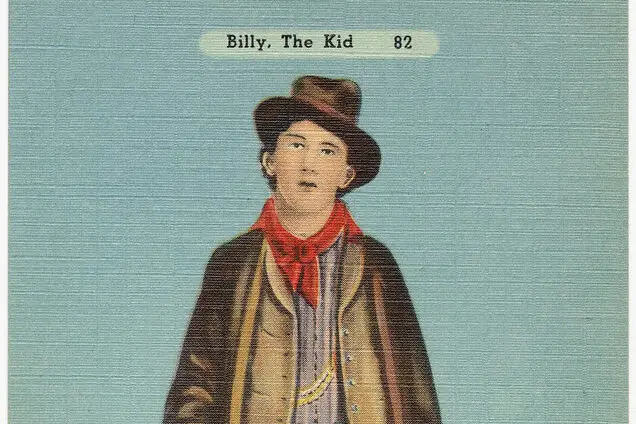
Billy the Kid, whose real name was Henry McCarty, became a legendary outlaw in the American West. He was reportedly killed by Sheriff Pat Garrett in 1881 at the age of 21. His death was widely accepted at the time, but doubts have surfaced over the years.
Several individuals later claimed to be Billy the Kid, arguing that he had survived and lived under a different identity. While most historians accept Garrett’s account, the lack of photographic confirmation of the body left room for speculation. Stories about his escape gained traction in the early 20th century. No credible evidence has confirmed those claims. Still, the uncertainty helped turn him into a larger-than-life figure.
8. Glenn Miller
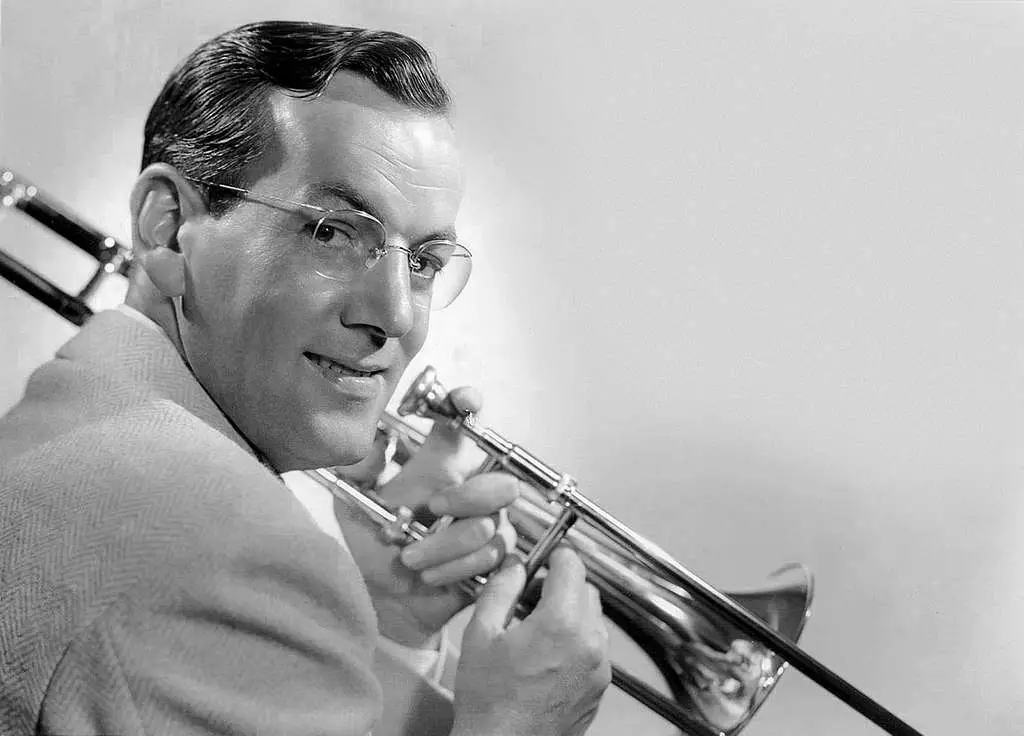
Glenn Miller was one of the most popular bandleaders of the World War II era. In December 1944, he boarded a small aircraft in England to travel to France, but the plane never arrived. No wreckage was ever definitively identified.
Various explanations have been proposed, including mechanical failure, poor weather conditions, or accidental bombing by Allied aircraft. Some reports suggest that returning bombers may have jettisoned their payloads in the same area. None of these theories has been conclusively proven. The absence of physical evidence leaves key questions unanswered. His disappearance remains one of the era’s enduring mysteries.
9. Ambrose Bierce

Ambrose Bierce, a journalist and writer, disappeared in 1913 while traveling in Mexico during the Mexican Revolution. He had gone south, reportedly to observe the conflict firsthand. After a series of letters, he vanished without a trace.
There are no confirmed records of his death. Some accounts suggest he may have been executed, while others propose that he died in combat or simply disappeared in the chaos. The lack of reliable documentation makes it difficult to determine what happened. His disappearance fits the pattern of instability in the region at the time. Still, no definitive conclusion has been reached.
10. Kaspar Hauser

Kaspar Hauser appeared in Nuremberg, Germany, in 1828, claiming he had been raised in isolation with little human contact. He could barely speak and had limited understanding of the world. His origins were never verified.
Some believed he was of noble birth, possibly connected to a royal family, while others suspected a hoax. Hauser was later attacked and died from his injuries in 1833. The circumstances of both his life and death remain unclear. Investigations at the time produced conflicting conclusions. His story continues to raise questions about identity and truth.
11. Jimmy Hoffa
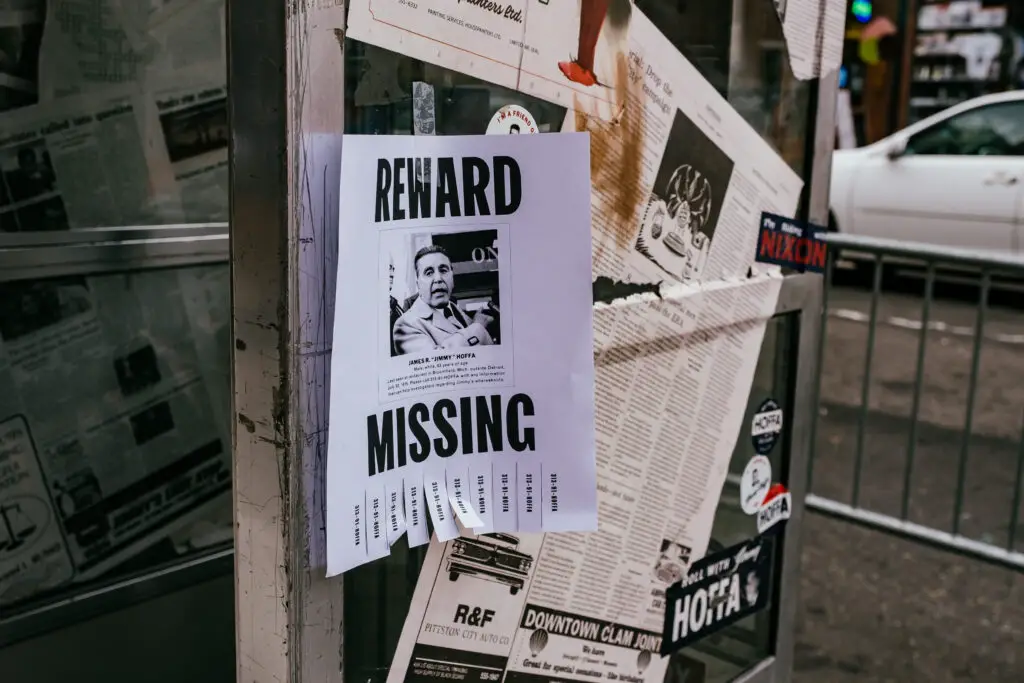
Jimmy Hoffa, a prominent labor union leader, disappeared in 1975 in Michigan. He was last seen outside a restaurant where he was supposed to meet associates. Despite extensive investigations, his body has never been found.
Numerous theories suggest involvement by organized crime figures, but no definitive evidence has confirmed what happened. Over the years, several locations have been searched based on tips, all without success. The case remains open but inactive. Hoffa’s disappearance has become one of the most famous unsolved cases in U.S. history. The lack of physical evidence continues to hinder resolution.
12. Bessie Smith

Bessie Smith, a major blues singer of the 1920s and 1930s, died in 1937 after a car accident in Mississippi. For many years, a story circulated that she was denied treatment at a white hospital due to segregation. That claim became widely repeated.
However, later research indicates that she was taken to a hospital that treated Black patients and received care. The earlier version of events appears to have been based on inaccurate reporting. While her death itself is not a mystery, the narrative around it became distorted over time. It reflects how misinformation can become embedded in public memory. Correcting that record has taken decades.
13. Harry Houdini
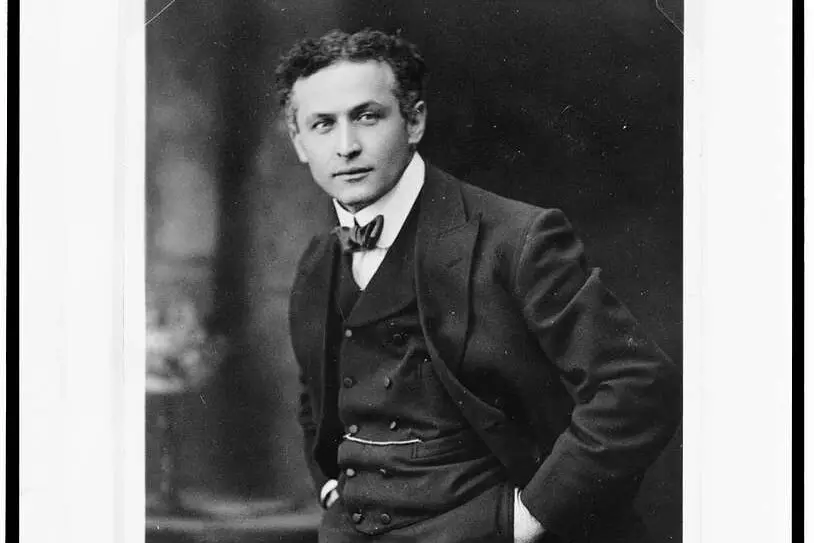
Harry Houdini, the famous escape artist, died in 1926 after suffering a ruptured appendix. Before his death, he had been struck in the abdomen by a student who was testing his ability to withstand blows. Whether that incident directly caused his death has been debated.
Medical experts generally agree that appendicitis was the primary cause, though the timing of the blows may have worsened his condition. Houdini had also been dealing with symptoms prior to the incident. The connection between the punch and his death has never been fully resolved. His reputation for defying danger added to the intrigue. Even in death, his story retained an element of mystery.
14. Christopher Columbus
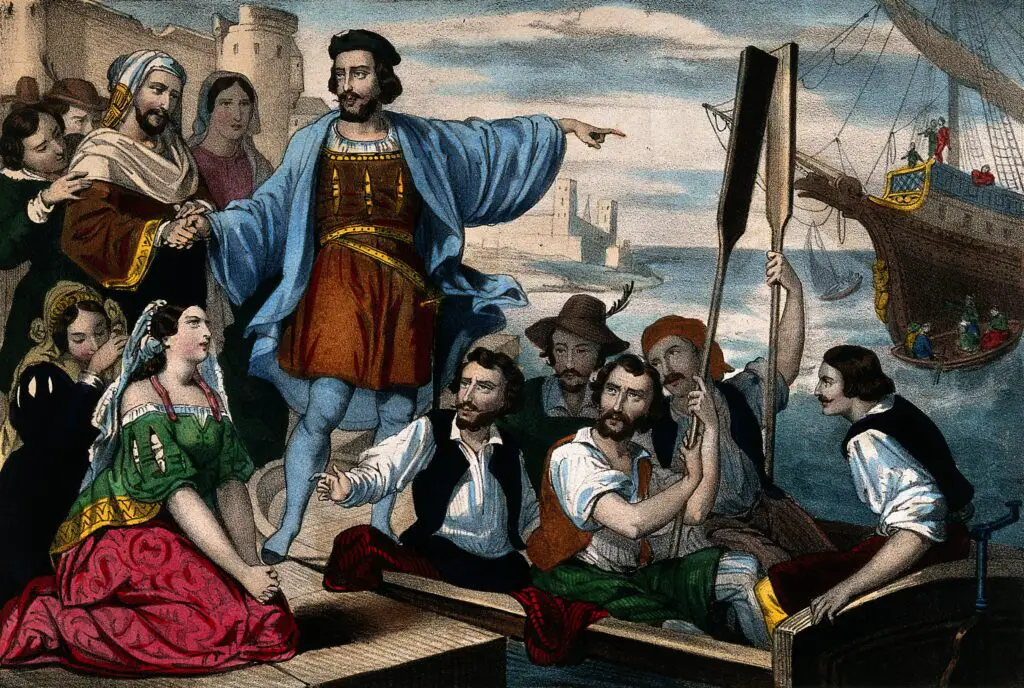
Christopher Columbus is one of the most documented figures of the Age of Exploration, yet details about his origins remain uncertain. While it is widely accepted that he was born in Genoa, Italy, some alternative theories suggest different birthplaces. These claims have not been substantiated by strong evidence.
Questions have also been raised about his early life and how he acquired his navigational knowledge. Records from the period are incomplete, and some accounts contradict each other. Most historians support the Genoese origin based on available documentation. Still, the gaps in the historical record leave room for speculation. His life illustrates how even well-known figures can have unresolved aspects in their biographies.