
1. Electric Ice Cream Cone Twirling Fork

At some point in the mid-20th century, someone decided eating an ice cream cone required a little more engineering. The electric ice cream cone twirling fork was designed to slowly rotate your cone so you could lick it evenly without turning your wrist. In theory, it kept drips under control and made the experience more “efficient.” In reality, most people were perfectly capable of rotating a cone themselves. It also required batteries, which felt excessive for something that already melted quickly.
What made it even more impractical was how messy it could get if the cone started slipping. Instead of solving a real problem, it added a layer of complication to a simple treat. Cleaning it wasn’t exactly fun either, especially with sticky melted ice cream involved. It quietly disappeared as people stuck with the much simpler method of just holding their dessert.
2. The Butter Cutter and Curler
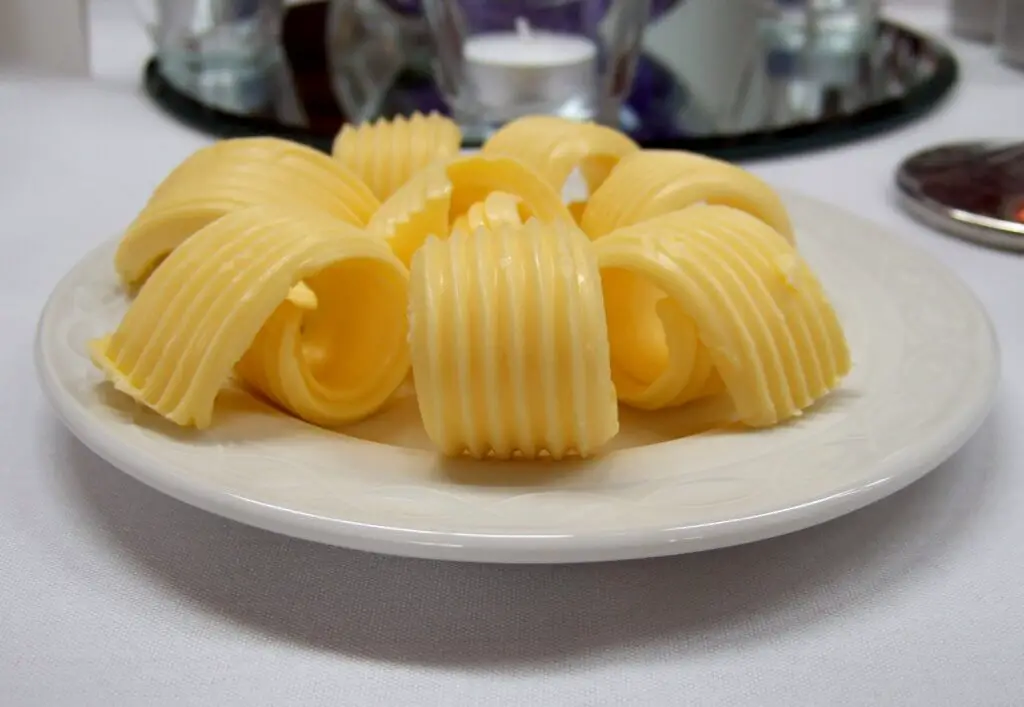
The butter cutter and curler looked like something straight out of a fancy restaurant kitchen. It was designed to slice butter into uniform curls for presentation, turning an ordinary breakfast into something that looked a bit more polished. While it did create neat little shapes, most households didn’t really need decorative butter. A simple knife did the job just fine.
It also added another utensil to wash, which made it less appealing for everyday use. The curls often melted quickly anyway, especially on warm toast. For something meant to elevate presentation, it didn’t offer much practical benefit. Over time, it became more of a novelty item than a kitchen staple.
3. Motorized Tie Rack

Closets in the ’70s and ’80s saw their fair share of gadgets, including the motorized tie rack. With the press of a button, it would rotate a row of ties so you could select one without digging through a drawer. It was marketed as a time-saver for busy mornings. The reality was that picking a tie rarely took more than a few seconds.
The device also took up extra space and required batteries or an outlet. If it jammed, it became more frustrating than helpful. For most people, a simple hanger or hook worked just as well. It ended up being one of those gadgets that felt futuristic but unnecessary.
4. The Electric Knife Sharpener for Home Use
While professional kitchens benefit from precision tools, the home version of the electric knife sharpener often missed the mark. It promised perfectly sharpened blades with minimal effort. In practice, many people didn’t sharpen their knives frequently enough to justify owning one. Some models could even wear down blades faster if used incorrectly.
It also introduced a level of noise and bulk that wasn’t ideal for a small kitchen. Traditional sharpening stones or manual sharpeners were often more controlled and reliable. For occasional use, the electric version felt like overkill. It became another appliance that sat unused in cabinets.
5. The Automatic Pot Stirrer
The automatic pot stirrer seemed like a clever way to avoid standing over the stove. It was designed to sit inside a pot and continuously stir soups or sauces on its own. While that sounds convenient, most dishes don’t actually require constant stirring. A quick check every few minutes usually does the trick.
The device could also struggle with thicker mixtures, sometimes getting stuck or moving unevenly. Cleaning it after use wasn’t particularly simple either. Instead of saving time, it often added another step to the cooking process. Many home cooks found it easier to just grab a spoon and handle it themselves.
6. The Banana Slicer
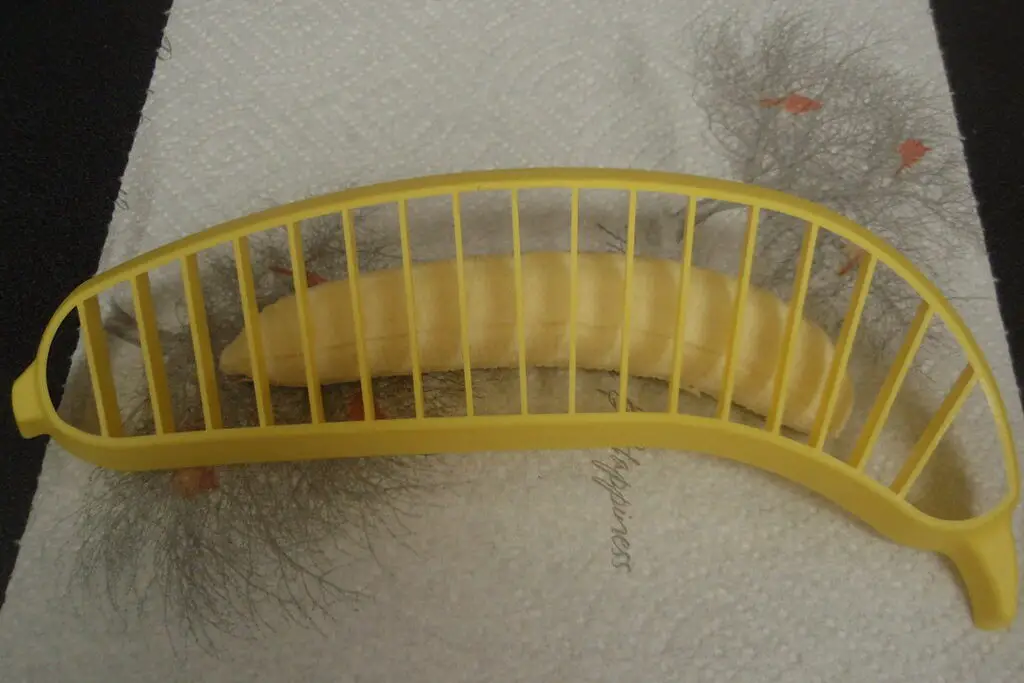
The banana slicer became a bit of a punchline in recent years, but it’s been around longer than people realize. It’s a plastic tool with evenly spaced blades designed to slice a banana into uniform pieces in one motion. While it works, it solves a problem most people never had. A knife can do the same job just as quickly.
Its single-purpose design also made it hard to justify storing in a crowded kitchen drawer. It only worked for bananas of a certain size and shape, which limited its usefulness even more. Cleaning it wasn’t difficult, but it still felt unnecessary. Over time, it became more of a novelty gift than a practical tool.
7. The Electric Can Opener Mounted Under Cabinets
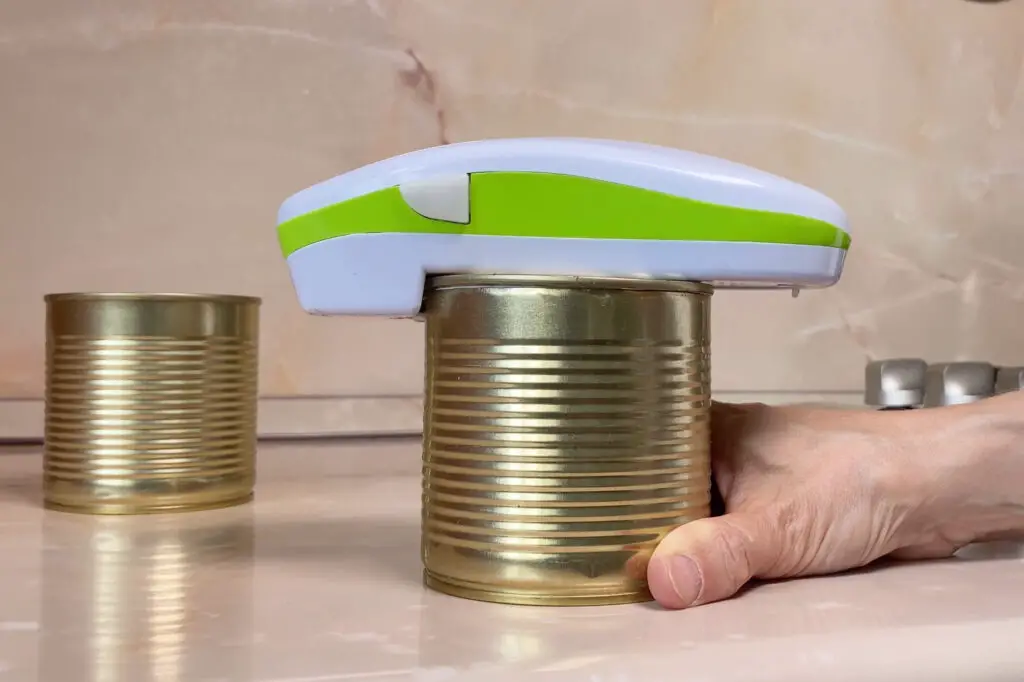
Under-cabinet electric can openers were once marketed as a sleek way to save counter space. You could mount them beneath your cabinets and open cans with the push of a lever. While convenient in theory, manual can openers were already simple and effective. The electric version added complexity where it wasn’t needed.
Installation required drilling into cabinetry, which wasn’t ideal for everyone. If the unit broke, it left a permanent fixture that didn’t serve much purpose. It also took up valuable under-cabinet space that could be used for other things. Many households eventually went back to handheld openers.
8. The Electric Corn Peeler

The electric corn peeler was designed to strip kernels from a cob quickly and neatly. It promised less mess and faster prep for recipes that used fresh corn. In reality, most people only occasionally needed to remove kernels from a cob. A simple knife worked just fine with a bit of care.
The gadget could also be bulky and harder to clean than expected. If not used correctly, it could waste some of the corn or create uneven cuts. For a task that wasn’t part of daily cooking, it felt excessive. It ended up being another niche appliance that didn’t earn its space.
9. The Hot Dog Toaster

The hot dog toaster looked like a standard toaster but with slots for both hot dogs and buns. It promised to cook everything evenly at the same time, making meal prep quicker. While it worked to a degree, most people were already satisfied with stovetop or grill methods. It didn’t significantly improve the final result.
The appliance also took up counter space for something used occasionally. Cleaning grease and residue from inside it could be tricky. For a food that’s already quick to prepare, it didn’t offer much advantage. It became more of a novelty than a necessity.
10. The Electric Egg Scrambler

The electric egg scrambler was meant to mix eggs inside the shell before cooking. You would place the egg in the device, and it would spin it rapidly to blend the yolk and white together. The result was a uniformly scrambled egg once boiled. While interesting, most people preferred traditional scrambled eggs in a pan.
The device added an extra step instead of simplifying the process. It also didn’t give you much control over texture or seasoning. Cleaning and storing it felt like more effort than it was worth. It was one of those gadgets that was fun to try once but rarely used again.
11. The Remote-Control Light Switch Clapper

The Clapper became well known for its “clap on, clap off” functionality. It allowed users to control lights or small appliances with a simple clap. While it felt futuristic at the time, it often responded to unintended sounds like a dropped object or loud TV noise. That made it less reliable than a regular switch.
It also didn’t solve a particularly pressing problem for most households. Getting up to flip a switch wasn’t exactly difficult. While it found some niche uses, especially for accessibility, many people saw it as more of a novelty. Over time, more advanced smart home systems replaced it.
12. The Electric Jar Opener

The electric jar opener was designed to help twist open stubborn lids with minimal effort. It clamped onto the jar and used a motor to loosen the lid. While helpful for people with limited hand strength, it was marketed broadly as a must-have kitchen gadget. For most users, a simple grip or manual tool worked just fine.
The device could be bulky and sometimes struggled with unusually shaped jars. It also required storage space for something used occasionally. In many cases, it took longer to set up than to open the jar manually. It remains available today, but mostly as a specialized tool rather than an everyday necessity.