
1. Christopher Columbus
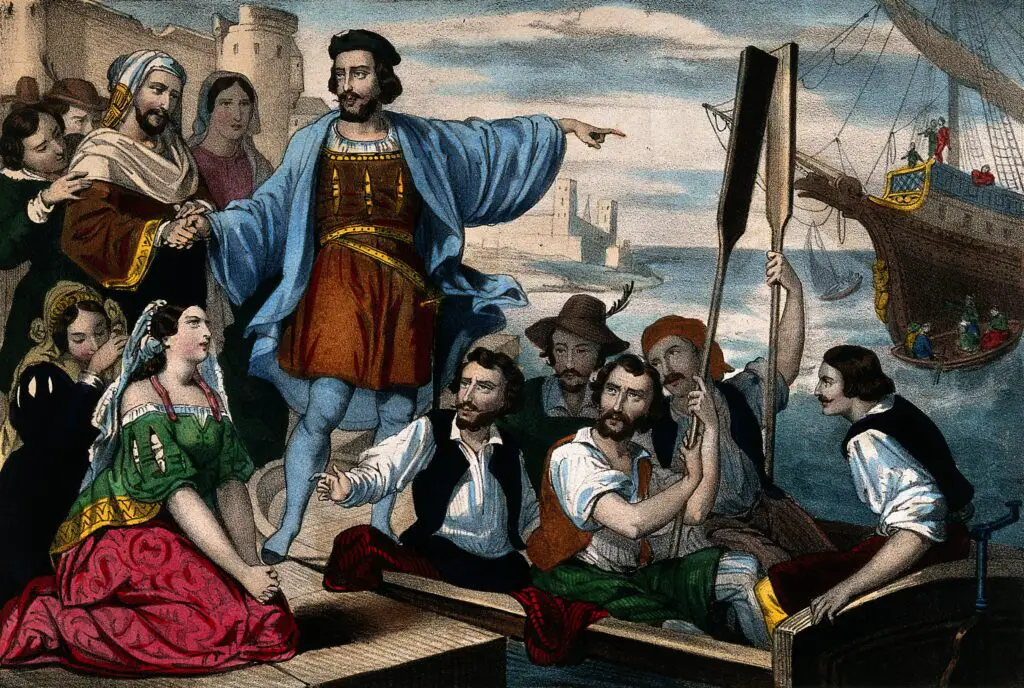
For generations, Christopher Columbus was taught in schools as a brave explorer who “discovered” America in 1492. His voyages were framed as the beginning of a new world, and his name ended up on cities, holidays, and countless textbooks. Many people grew up associating him with courage and curiosity, not controversy. That version of the story stayed dominant well into the late 20th century.
In more recent decades, historians have taken a harder look at Columbus’s actions in the Caribbean, especially his role in the exploitation and suffering of Indigenous peoples. Primary sources, including his own writings, describe forced labor, violence, and harsh governance. As a result, his reputation has shifted from heroic explorer to a far more complicated and often criticized figure. This reevaluation has led to debates over Columbus Day and the rise of Indigenous Peoples’ Day in many places.
2. Marie Antoinette
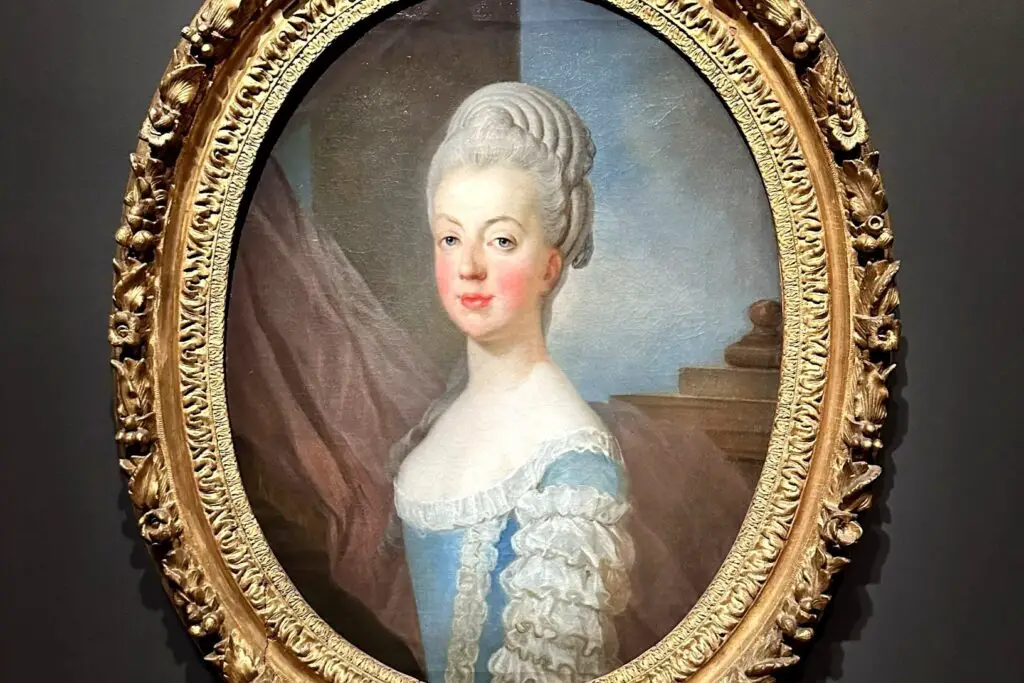
Marie Antoinette has long been remembered as the ultimate symbol of royal excess, often tied to the famous line, “Let them eat cake.” For years, she was portrayed as out of touch, frivolous, and partly responsible for the anger that fueled the French Revolution. Her fashion and spending habits became shorthand for everything people resented about the monarchy.
Historians now agree that she never actually said that quote, and her role in France’s financial troubles was far less central than once believed. Letters and records show a more nuanced figure, one who was politically constrained and often used as a scapegoat. While she still represents royal privilege, her image has softened into that of a misunderstood and sometimes unfairly vilified queen. The shift reflects a broader effort to separate myth from documented fact.
3. Nikola Tesla
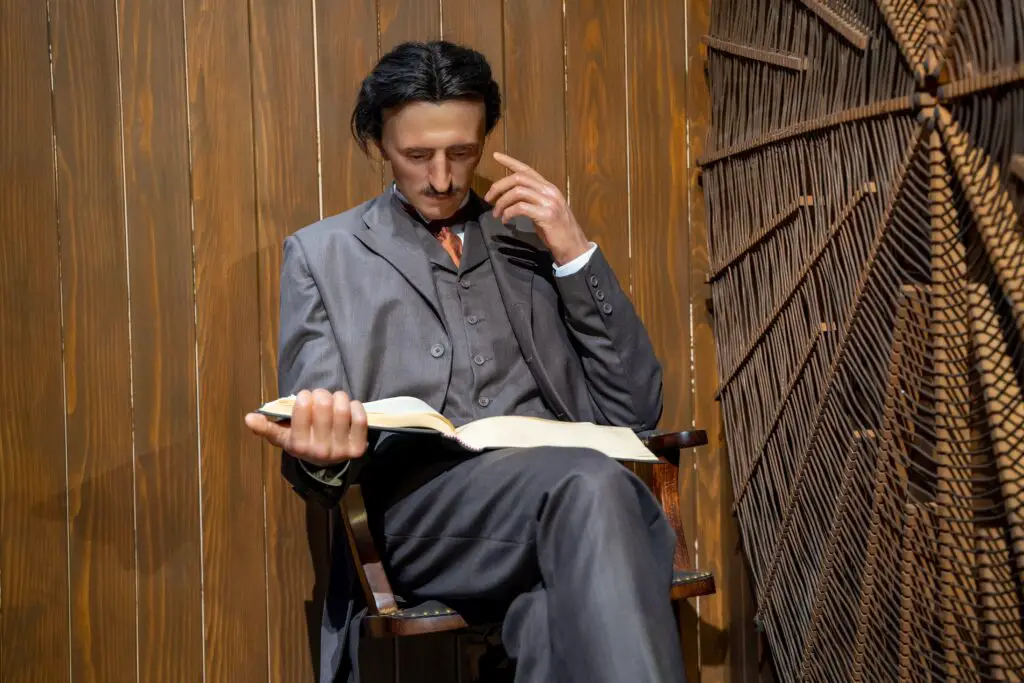
Nikola Tesla died in 1943 largely forgotten by the general public, despite his major contributions to electrical engineering. During his lifetime, he was overshadowed by figures like Thomas Edison and struggled financially. For decades after his death, his name rarely appeared outside of technical discussions or niche histories.
In the late 20th and early 21st centuries, Tesla’s reputation surged as interest in his work grew. His role in developing alternating current systems became more widely recognized, and he started to be seen as a visionary ahead of his time. Pop culture and documentaries helped cement his image as a brilliant but underappreciated inventor. Today, he is often celebrated as one of the most influential minds in modern science.
4. Ulysses S. Grant
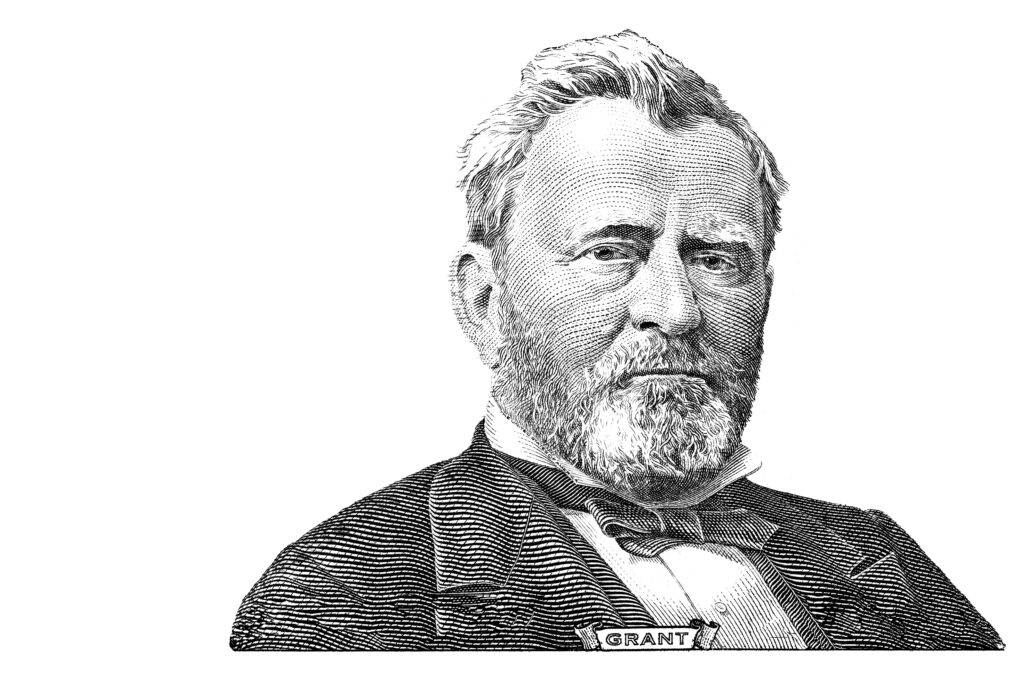
After serving as a Union general during the Civil War, Ulysses S. Grant became president and was long remembered as ineffective and tied to corruption. Early historical assessments focused heavily on scandals during his administration, even though he himself was not personally implicated. This led to a reputation that painted him as a poor leader out of his depth.
Modern historians have reassessed Grant’s presidency with a more balanced perspective. His efforts to enforce civil rights during Reconstruction, particularly through actions against the Ku Klux Klan, are now given more weight. While corruption did occur in his administration, many scholars argue that his intentions and policies were more progressive than previously acknowledged. As a result, his reputation has improved significantly in recent years.
5. Richard Nixon
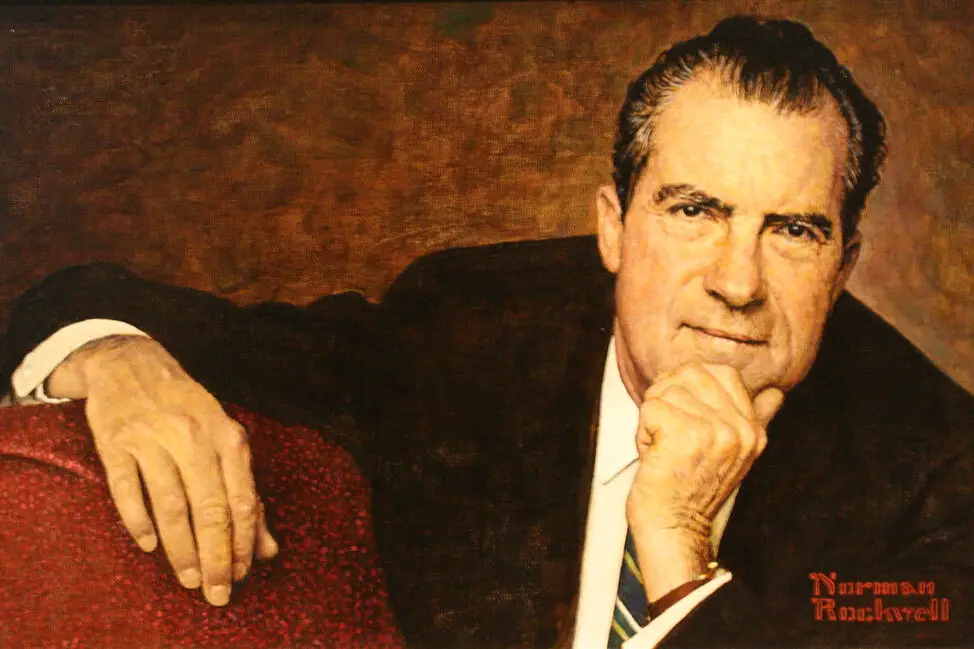
Richard Nixon’s presidency is often defined by the Watergate scandal, which led to his resignation in 1974. For decades, that event overshadowed everything else he accomplished, shaping his legacy as one of distrust and political wrongdoing. His name became almost synonymous with scandal in American politics.
In more recent years, historians have taken a broader look at his time in office. His foreign policy achievements, including opening relations with China and détente with the Soviet Union, are now more frequently discussed. While Watergate remains central to his legacy, there is a growing recognition that his presidency was more complex than a single scandal. This has led to a more layered, though still controversial, historical assessment.
6. Alan Turing
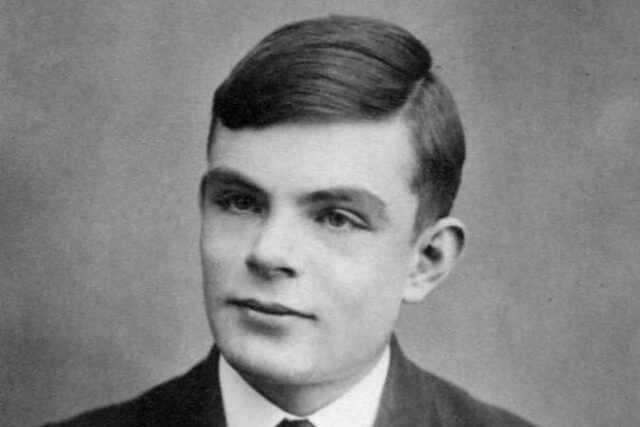
During World War II, Alan Turing played a critical role in breaking German codes, helping shorten the war. Despite this, much of his work remained classified for years, and he received little public recognition during his lifetime. In 1952, he was prosecuted in the United Kingdom for homosexuality, which was then illegal, and subjected to chemical treatment.
For decades, his contributions were not widely known outside specialist circles. As information about his work became public, his reputation transformed into that of a pioneering figure in computer science and artificial intelligence. In 2013, he received a posthumous royal pardon, and he is now widely honored, including being featured on the British £50 note. His story is often cited as both a scientific triumph and a cautionary tale about injustice.
7. Galileo Galilei
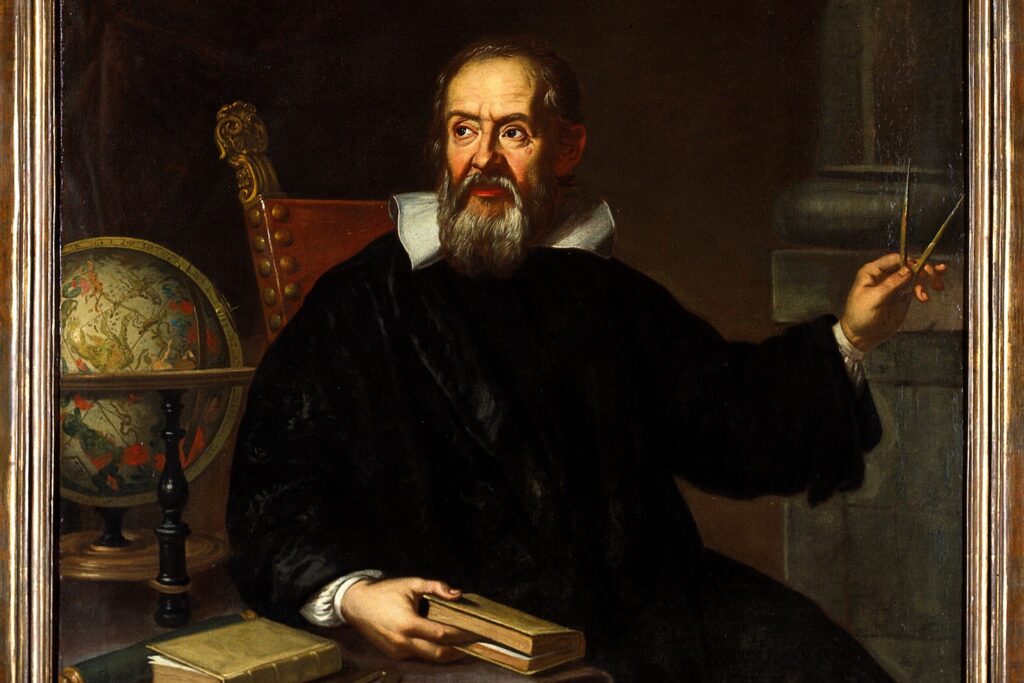
Galileo Galilei was once condemned by the Catholic Church for supporting the idea that the Earth revolves around the Sun. In the 17th century, this position was considered heretical, and he was placed under house arrest for the remainder of his life. At the time, his work was seen as a direct challenge to established authority.
Over time, Galileo’s findings became foundational to modern astronomy. His insistence on observation and evidence is now viewed as a key turning point in the development of scientific method. In 1992, the Catholic Church formally acknowledged errors in its handling of his case. Today, Galileo is widely regarded as a symbol of scientific inquiry and intellectual courage.
8. John Brown
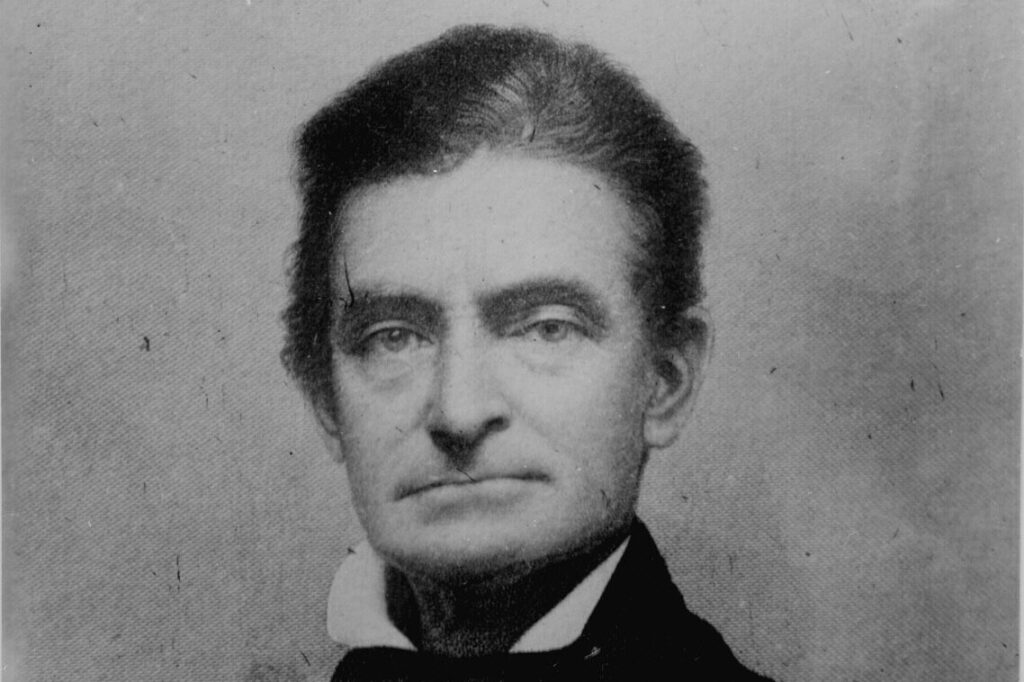
John Brown was viewed by many in his own time as a dangerous radical, especially after his 1859 raid on Harpers Ferry. His attempt to spark a slave rebellion led to his capture and execution, and many Americans saw him as a violent extremist. Even some who opposed slavery were uneasy with his methods.
In the years following the Civil War, perceptions of Brown began to shift. He came to be seen by some as a martyr for the abolitionist cause, someone willing to take extreme action against an unjust system. Modern interpretations often present him as a deeply polarizing figure, both idealistic and uncompromising. His legacy remains complex, but far more sympathetic than it once was.
9. Che Guevara
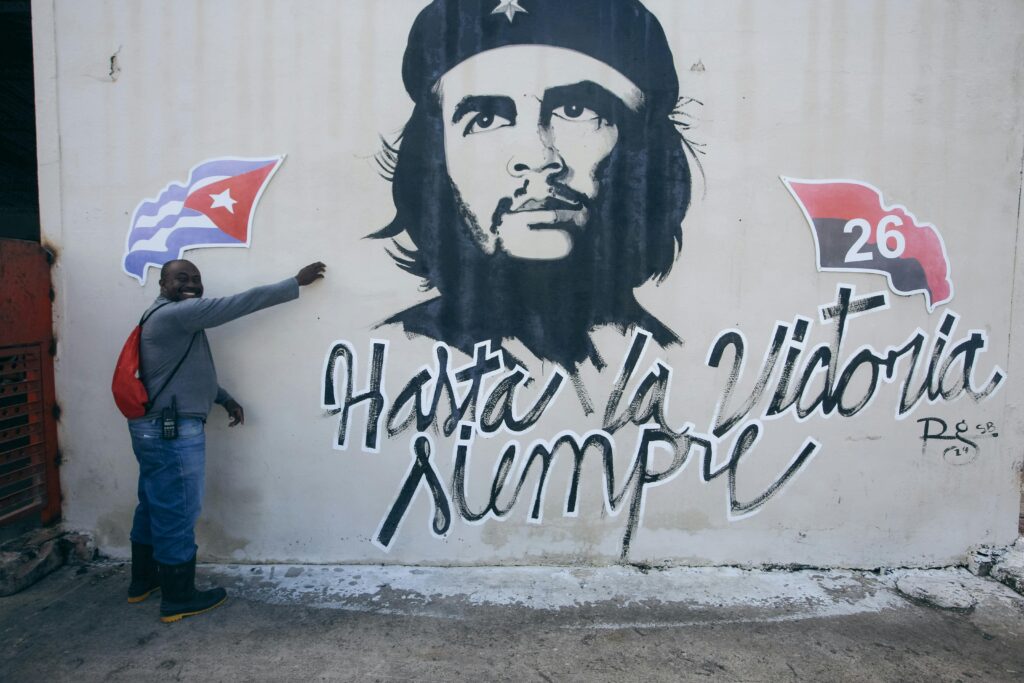
Che Guevara became an international symbol of revolution after his role in the Cuban Revolution. For many, especially in the 1960s, he represented resistance and anti-imperialist ideals. His image, especially the famous photograph by Alberto Korda, became iconic around the world.
At the same time, historical accounts have highlighted his involvement in executions and his role in establishing Cuba’s early revolutionary government. This has led to a more divided view of his legacy, with some seeing him as a freedom fighter and others as a figure tied to repression. Over time, his reputation has shifted from widely romanticized to deeply debated. The contrast between image and historical record continues to fuel discussion.
10. King Richard III
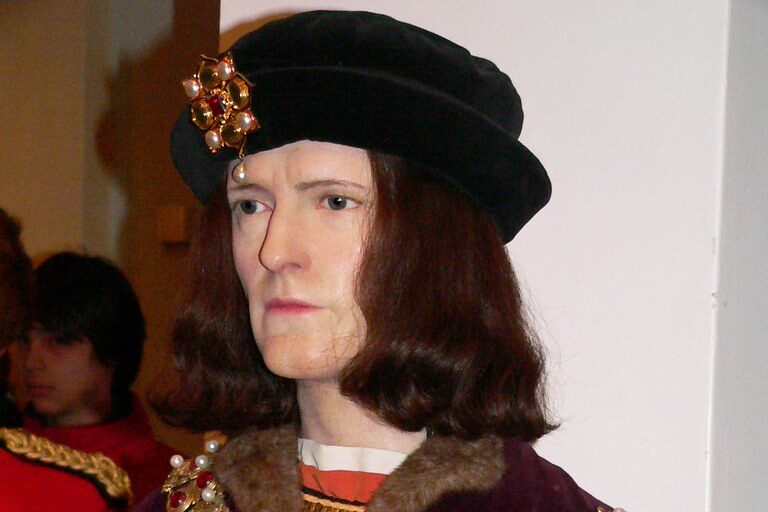
For centuries, King Richard III was portrayed as a villain, largely influenced by accounts written after his death and popularized by Shakespeare. He was depicted as a ruthless, power-hungry ruler responsible for the disappearance of his nephews, the “Princes in the Tower.” This version of Richard dominated English history for generations.
The discovery of his remains in 2012 prompted renewed interest and research into his life. Some historians argue that earlier accounts were shaped by Tudor propaganda, calling for a more balanced reassessment. While many questions remain unresolved, his reputation has shifted from purely villainous to more contested. He is now seen as a figure whose story may have been heavily shaped by political narratives.
11. Julius Caesar
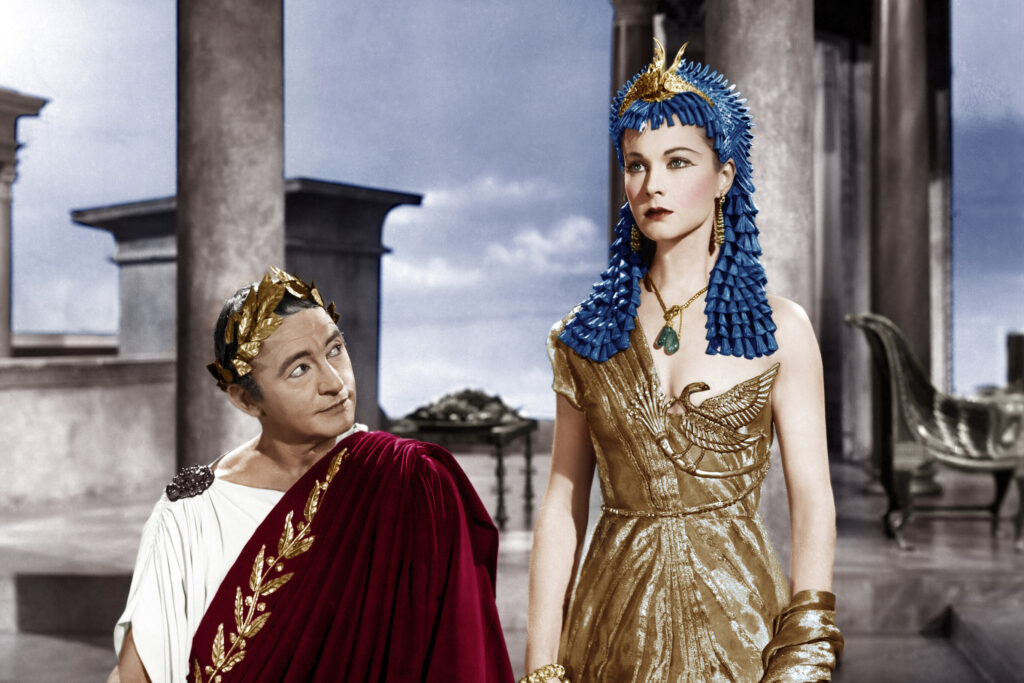
Julius Caesar was once widely celebrated as a brilliant military leader and statesman who helped expand the Roman Republic. His campaigns in Gaul and his rise to power made him one of the most famous figures of ancient history. For a long time, his achievements were often emphasized over the political consequences of his actions.
Modern historians tend to focus more on how his accumulation of power contributed to the end of the Roman Republic. His decision to cross the Rubicon and declare himself dictator is now often framed as a turning point toward imperial rule. While still recognized for his leadership, his legacy is more critically examined today. The shift reflects a broader interest in the costs of concentrated power.
12. Andrew Jackson
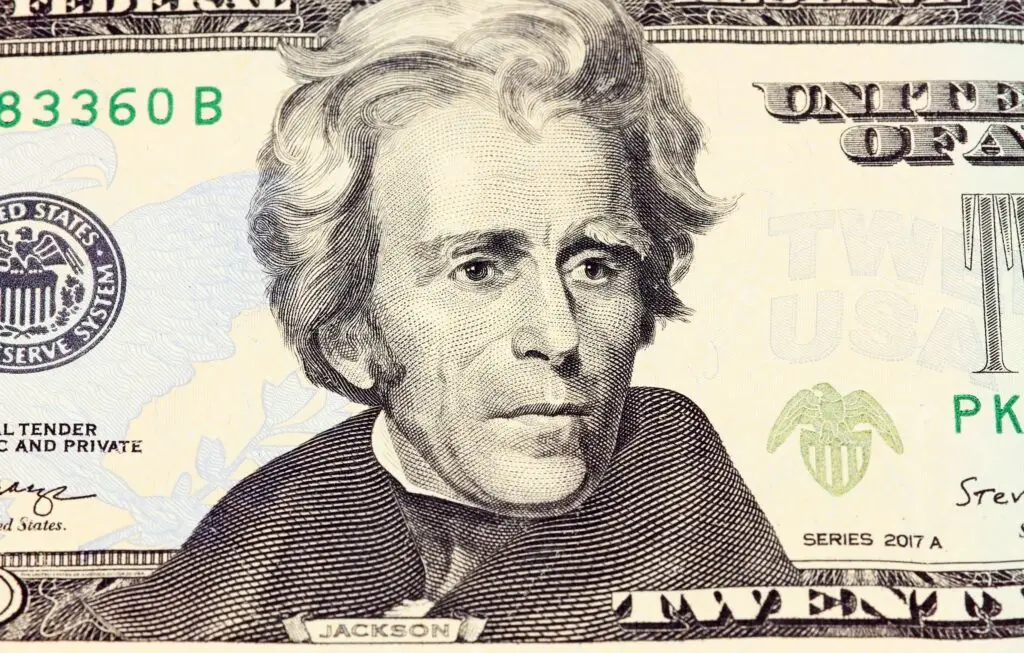
Andrew Jackson was once widely admired as a populist president who represented the “common man.” His image appeared on currency, and he was often praised for his military victories and strong leadership style. For much of American history, his presidency was viewed in largely positive terms.
In recent decades, attention has focused more on his policies toward Native Americans, particularly the Indian Removal Act and the Trail of Tears. These actions led to widespread suffering and displacement, fundamentally reshaping his legacy. While he remains a significant historical figure, his reputation has become far more controversial. This reassessment has even sparked discussions about his place on U.S. currency.
13. Oscar Wilde
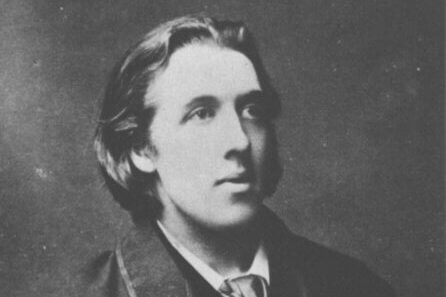
Oscar Wilde was one of the most celebrated writers of the late 19th century, known for his wit and works like The Importance of Being Earnest. However, his career was cut short when he was imprisoned for “gross indecency” due to his relationships with men. At the time, his reputation was severely damaged, and he died in relative obscurity.
In the 20th century, Wilde’s work was rediscovered and widely appreciated for its literary brilliance. He is now regarded as one of the great playwrights and a key figure in discussions about LGBTQ+ history. His personal story has also been reexamined with greater empathy and understanding. Today, his reputation has shifted from scandal to enduring cultural significance.
14. Vincent van Gogh
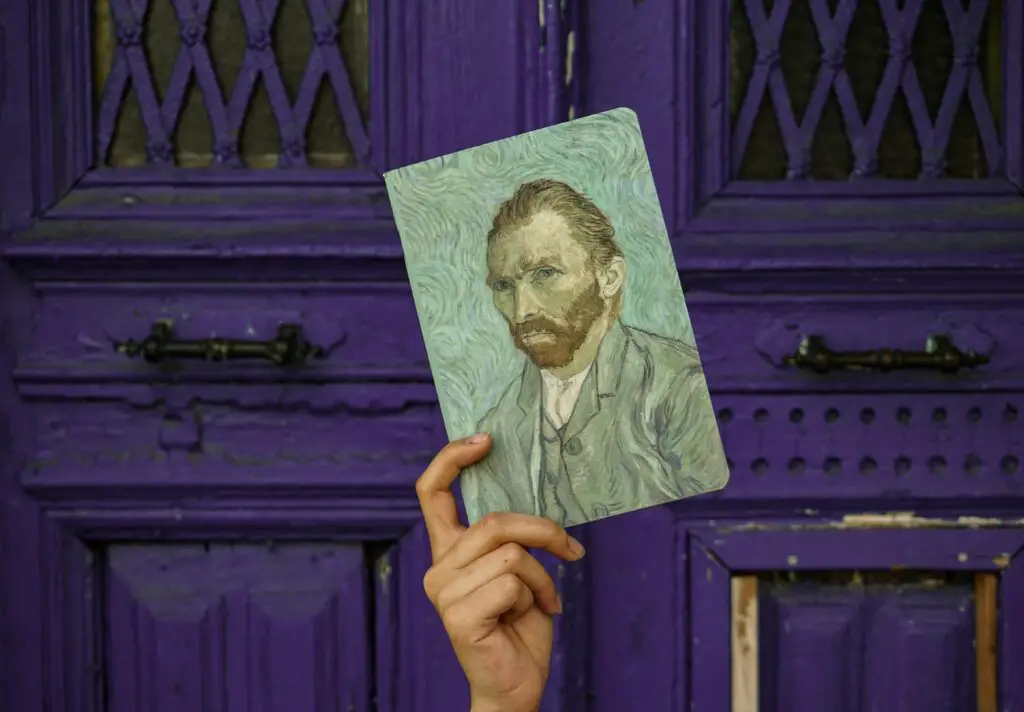
Vincent van Gogh sold very few paintings during his lifetime and struggled with poverty and mental health issues. He was largely unknown to the public and did not achieve commercial success while he was alive. His work was often seen as unconventional and difficult to understand.
After his death, his paintings gained recognition for their emotional intensity and distinctive style. Today, he is considered one of the most influential artists in Western history, with works like Starry Night among the most famous in the world. His story has come to symbolize the idea of the misunderstood artist. The contrast between his lifetime obscurity and posthumous fame is one of the most dramatic reputation shifts in art history.